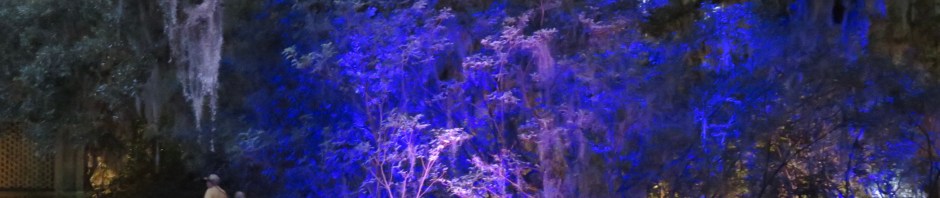
Wednesday, June 28, 2023
Brookgreen Gardens is located at Murrell’s Inlet, about 20 miles south of Myrtle Beach. This property’s 9,100 acres was once home to four rice plantations: The Oaks, Brookgreen, Springfield, and Laurel Hill. I hadn’t been aware of the fact that rice played such a large role in South Carolina’s agricultural history.
For over 100 years, the early 1700s – mid 1860s, rice helped to make Charleston one of the richest cities in the world. Like cotton, the success of rice was dependent on slave labor. Slaves from West Africa were valued because West Africans had farmed rice for centuries. Indeed, they may taught their owners how to farm rice. The former Brookgreen Plantation, owned by Joshua John Ward, held more than 1,000 enslaved African Americans by 1853. In 1860, Ward’s estate was the largest slaveholder in the United States.
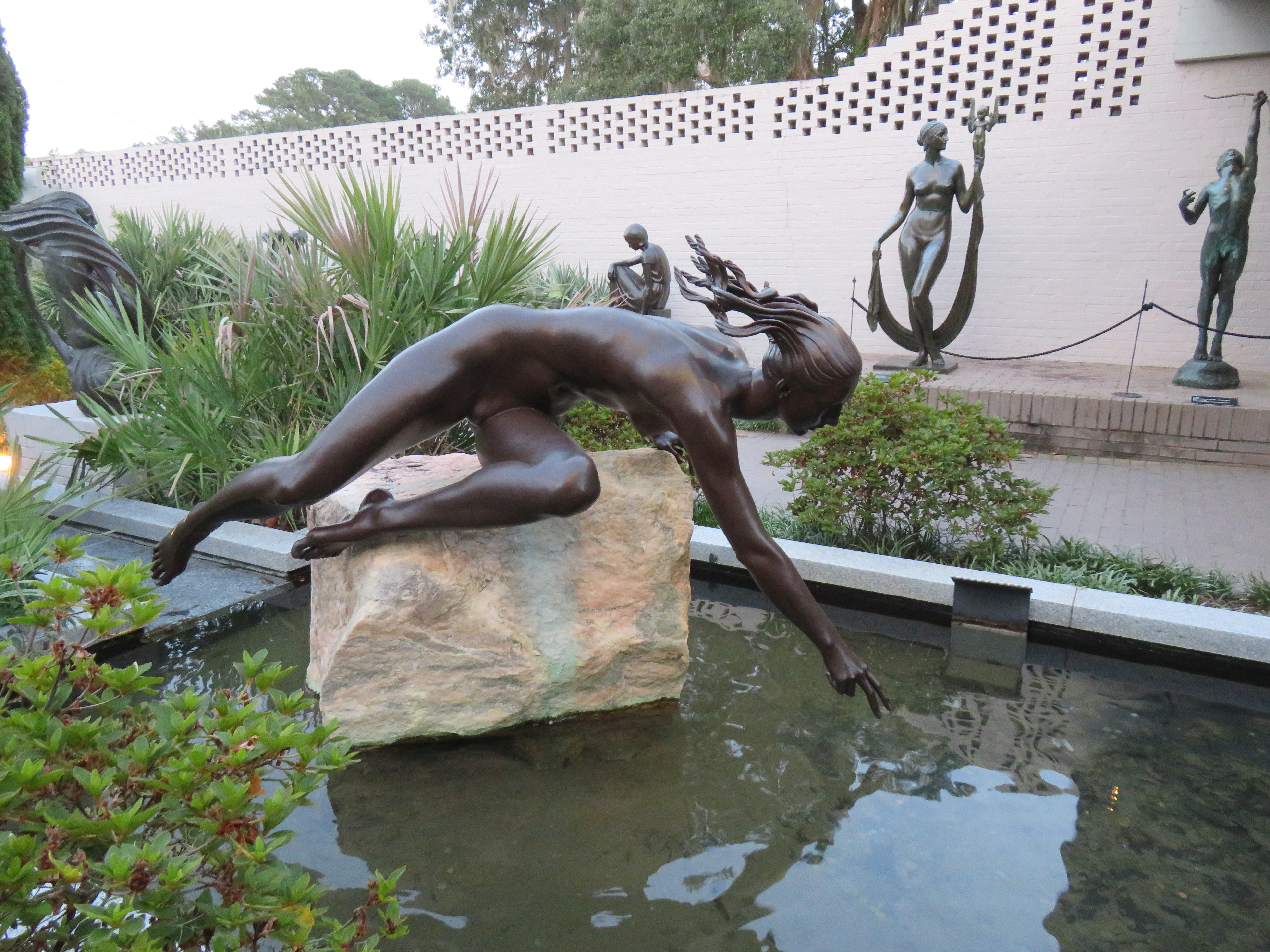
Archer and Anna Hyatt Huntington purchased the four plantations in 1930 to build their winter home there. They soon saw that the property had greater potential as a way to showcase Anna’s art. Anna was a prominent New York sculptor, and she became one of the first women to be elected to the American Academy of Arts and Letters. Archer Milton Huntington was a philanthropist and scholar, primarily in the field of Hispanic Studies. As a son of an industrialist and railroad magnate, Archer was independently wealthy.
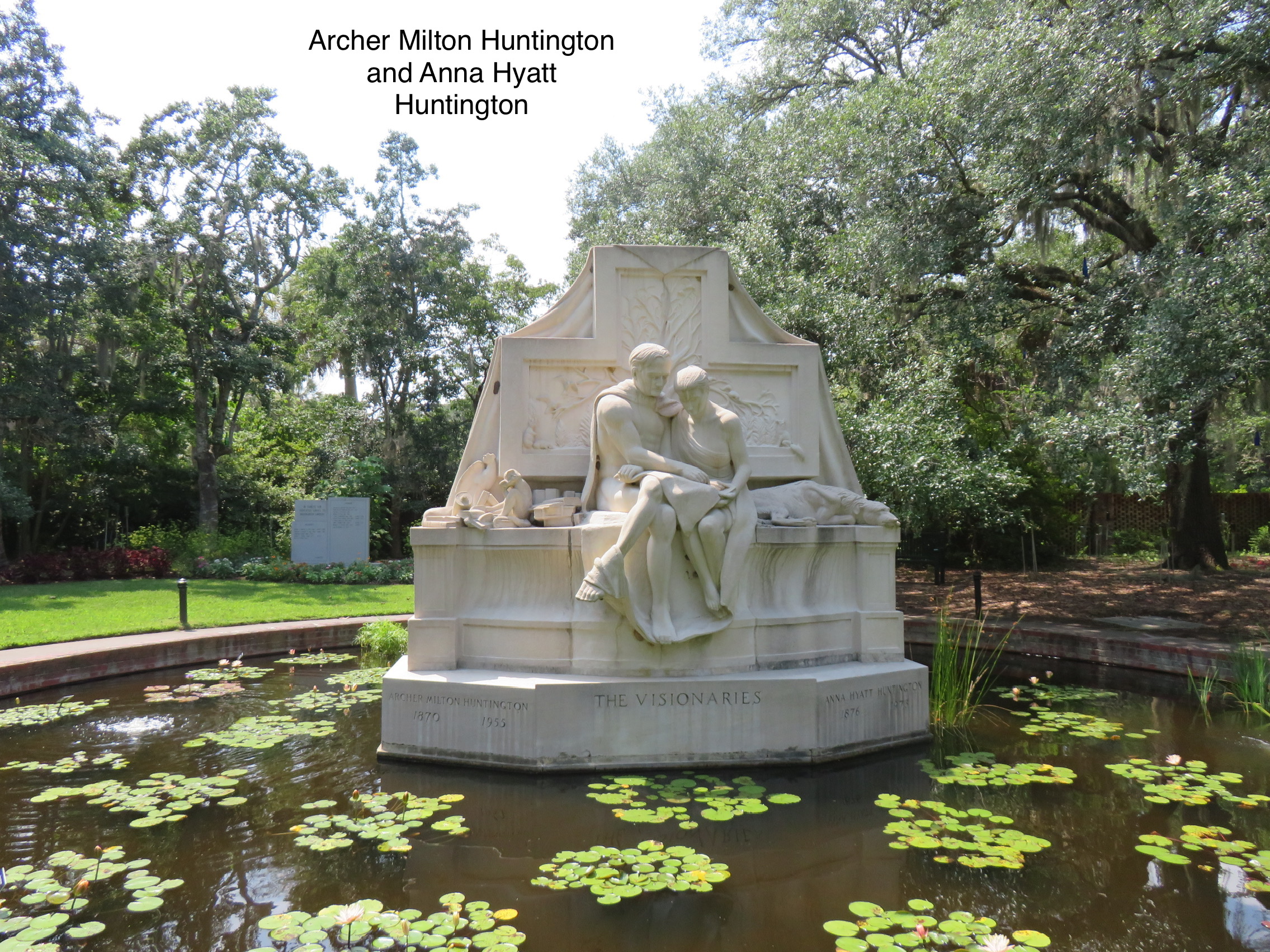
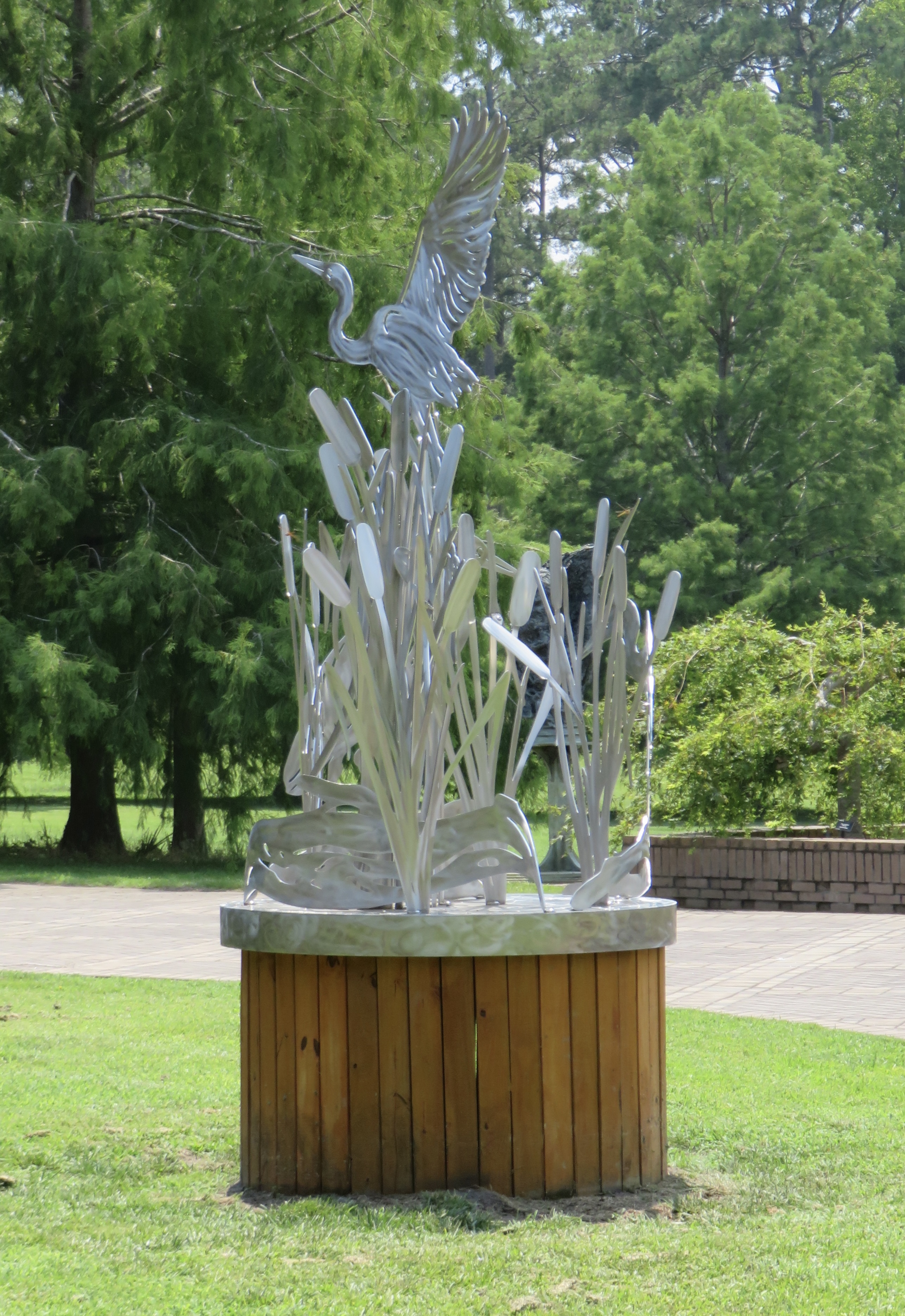
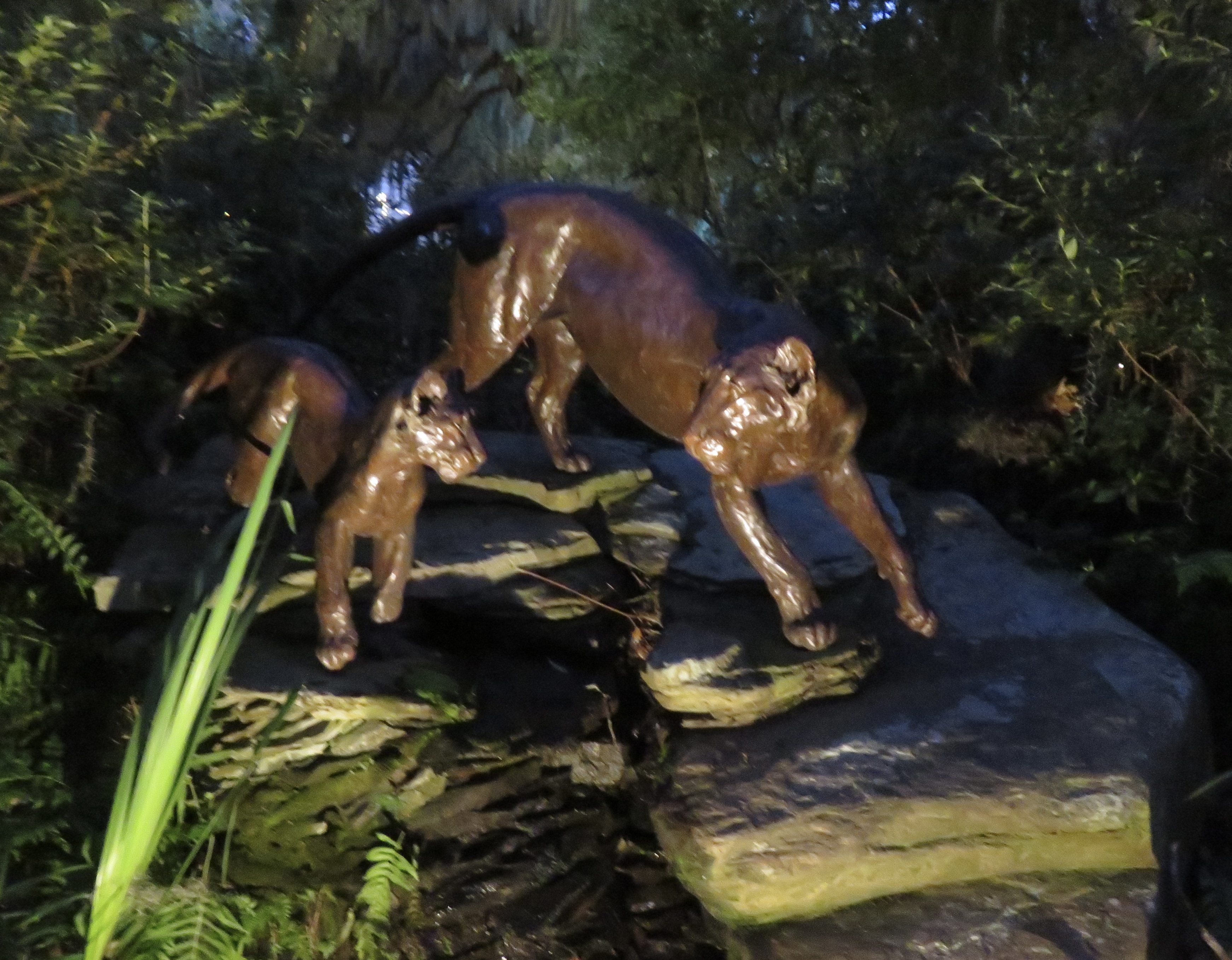
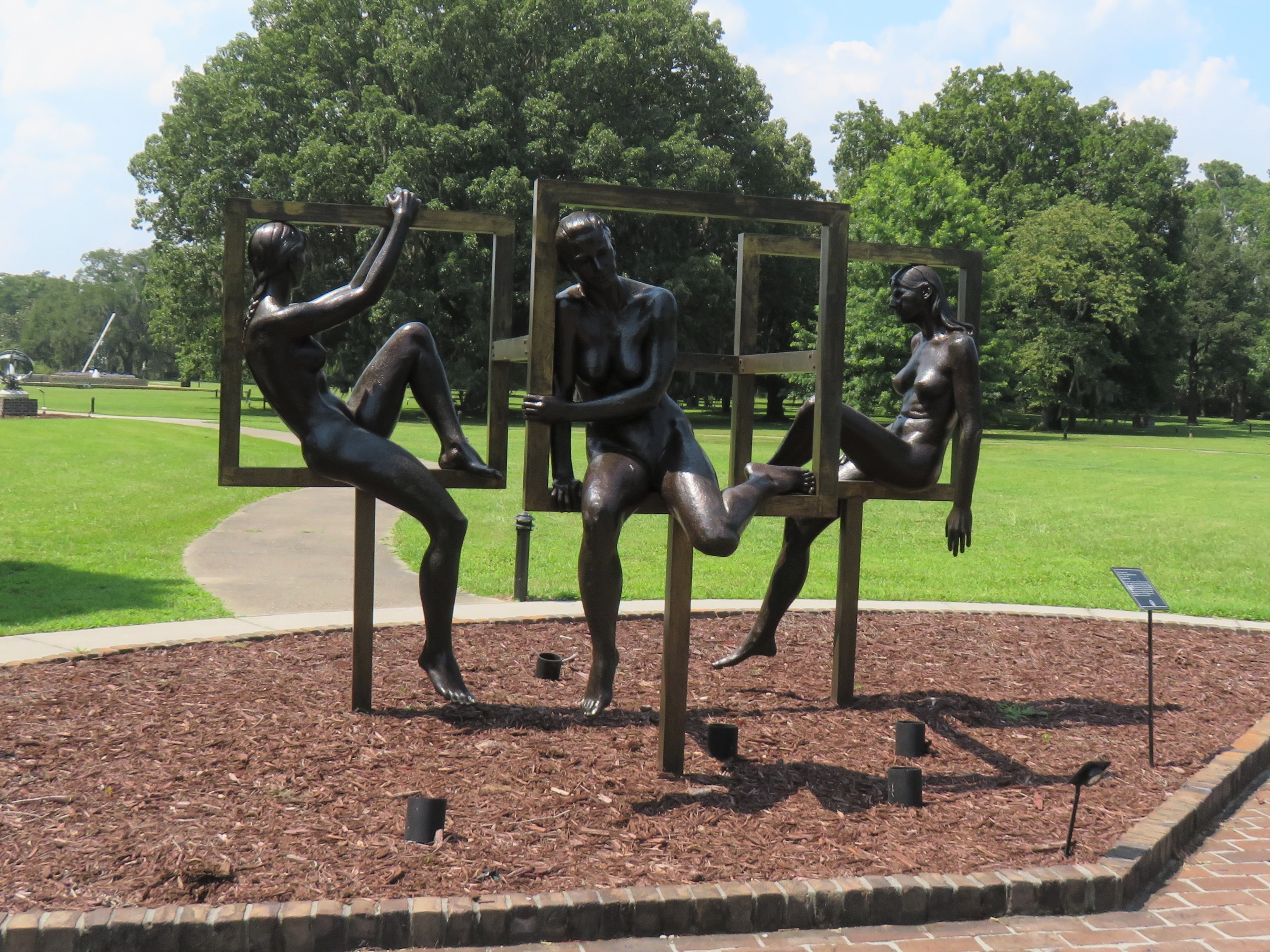
Brookgreen Garden was opened in 1932, the nation’s first formal sculpture garden. Besides almost 1,500 sculptures by artists from around the world, there are several galleries, walking trails, archaeological remains, and a lowcountry zoo, and over 2,000 species of plants, birds, insects and animals. A visitor can easily spend an entire day here, as we did. The place is teeming with life. Many of the sculptures even look like they could leap out in front of you.
The sculpture garden portion, 551 acres, of Brookgreen Gardens was designated a National History Landmark in 1984.
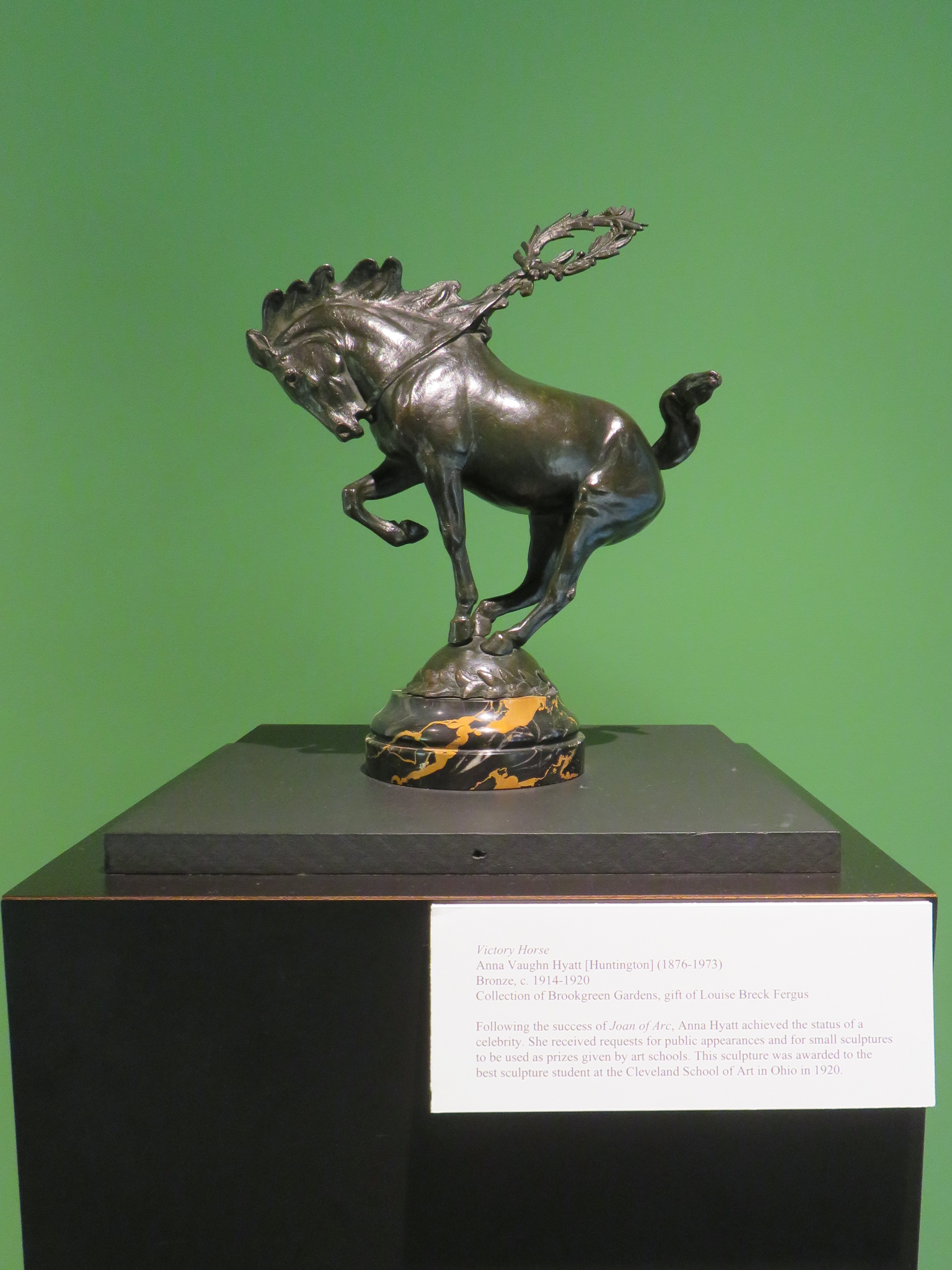
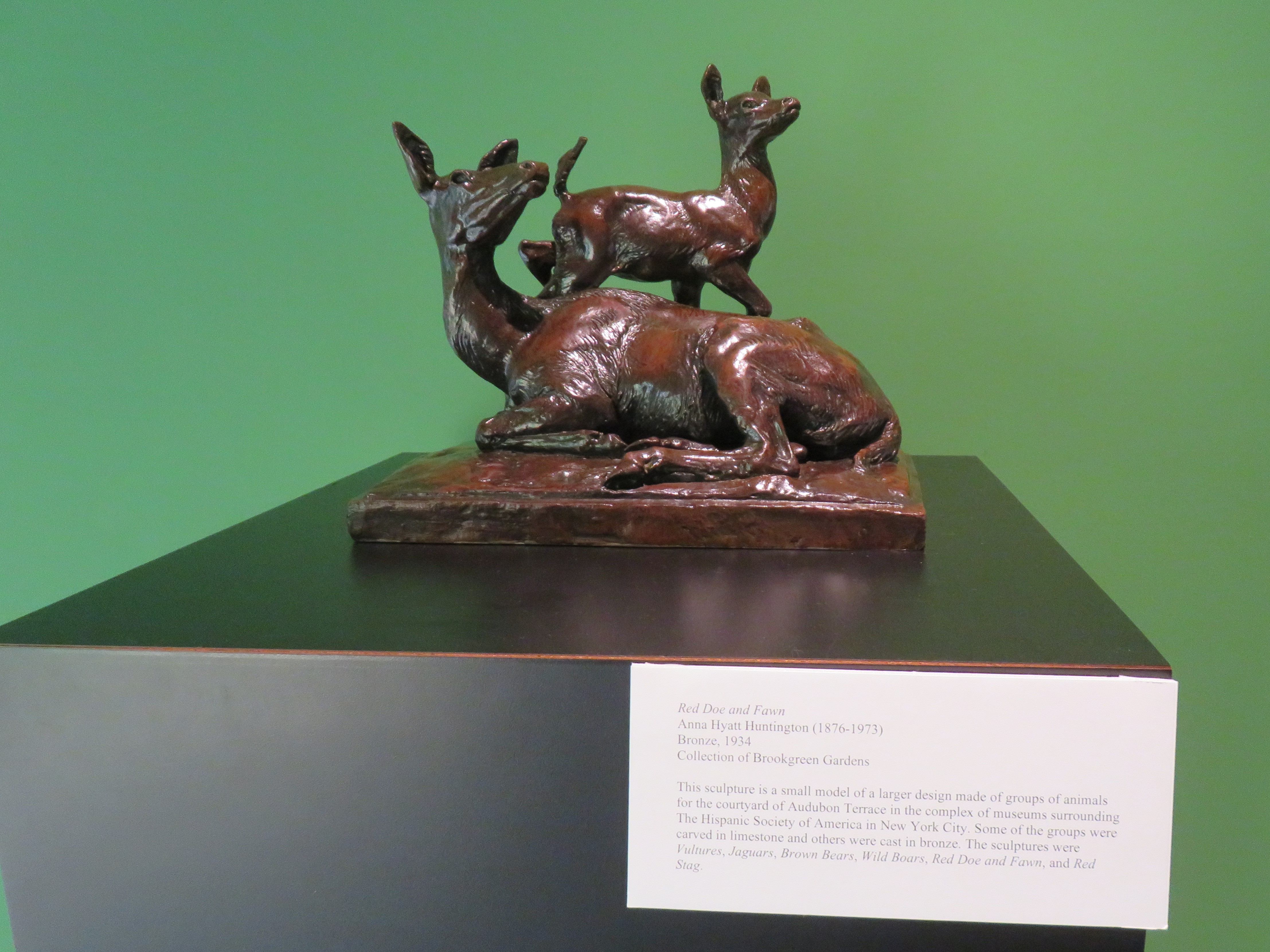
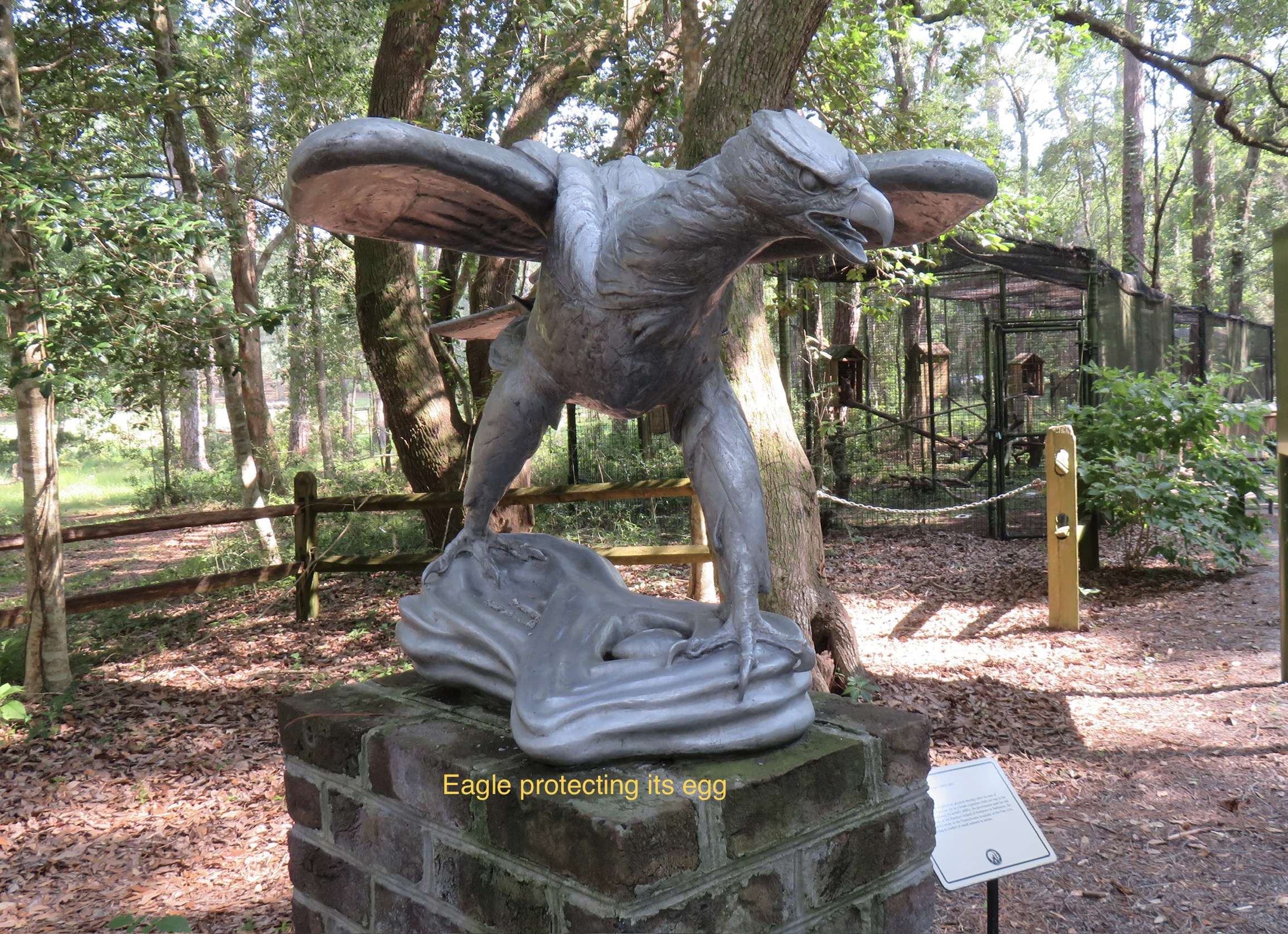
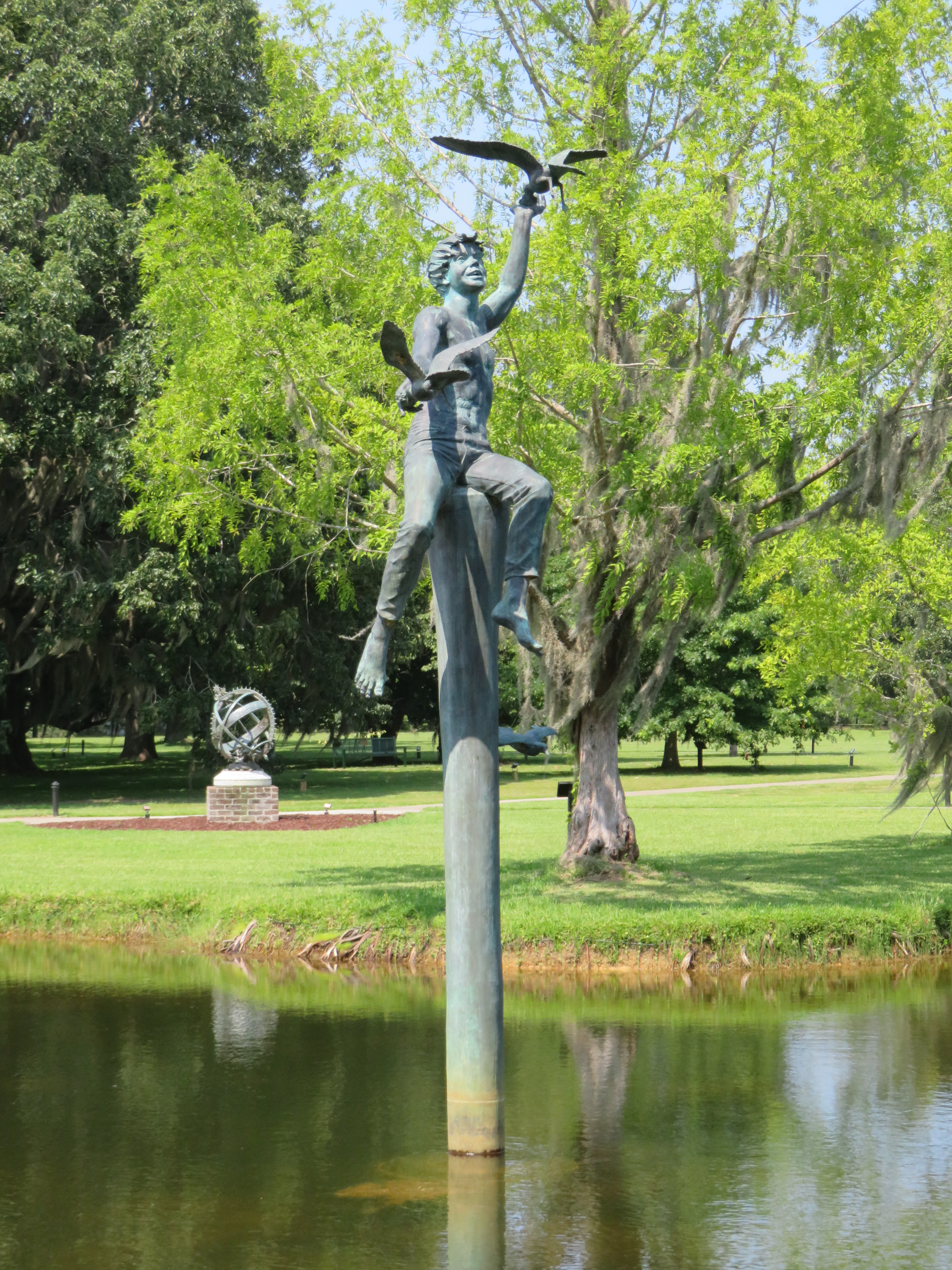
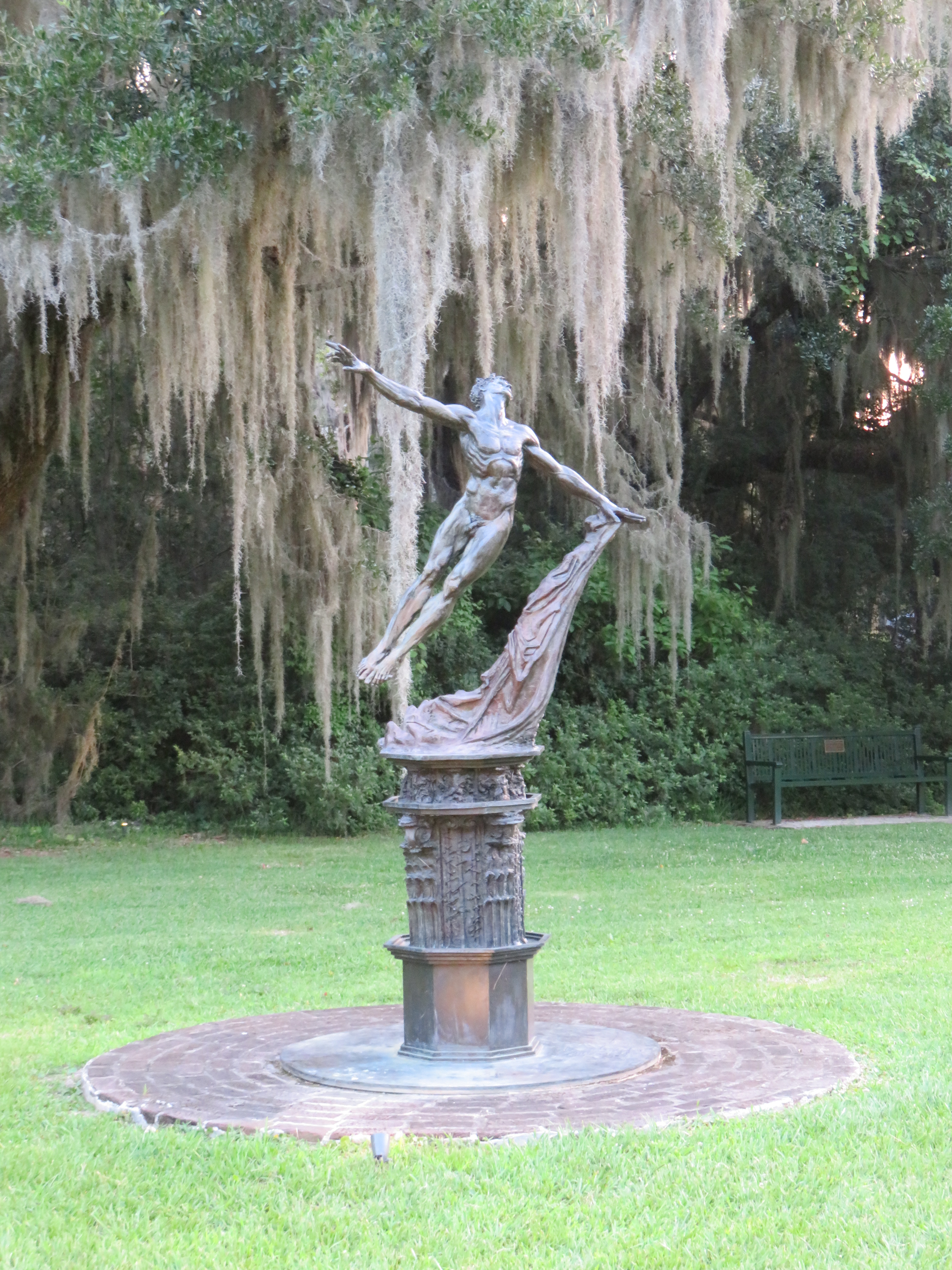
Here are a few samples of Anna’s work. Many other artists have work displayed here as well.
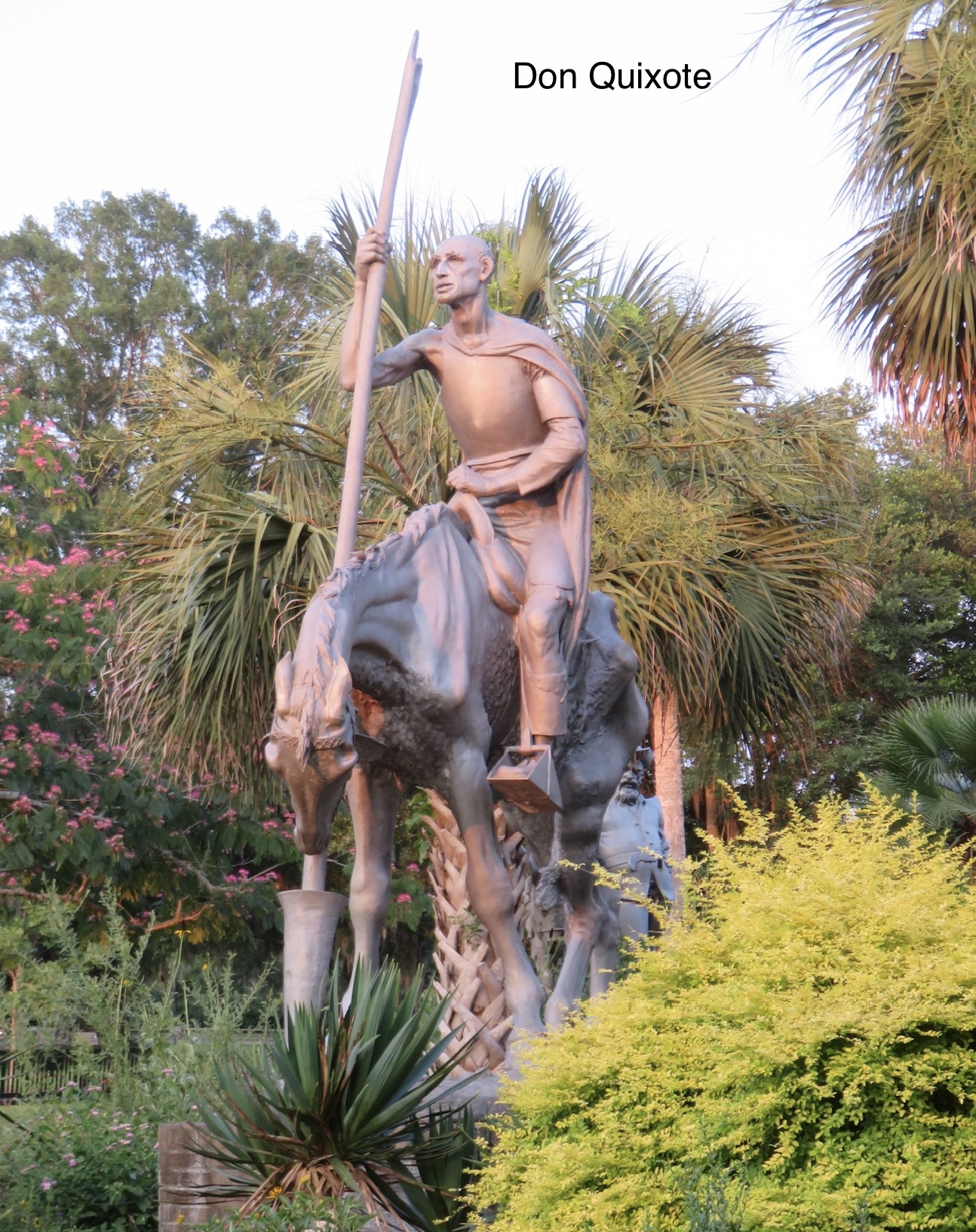
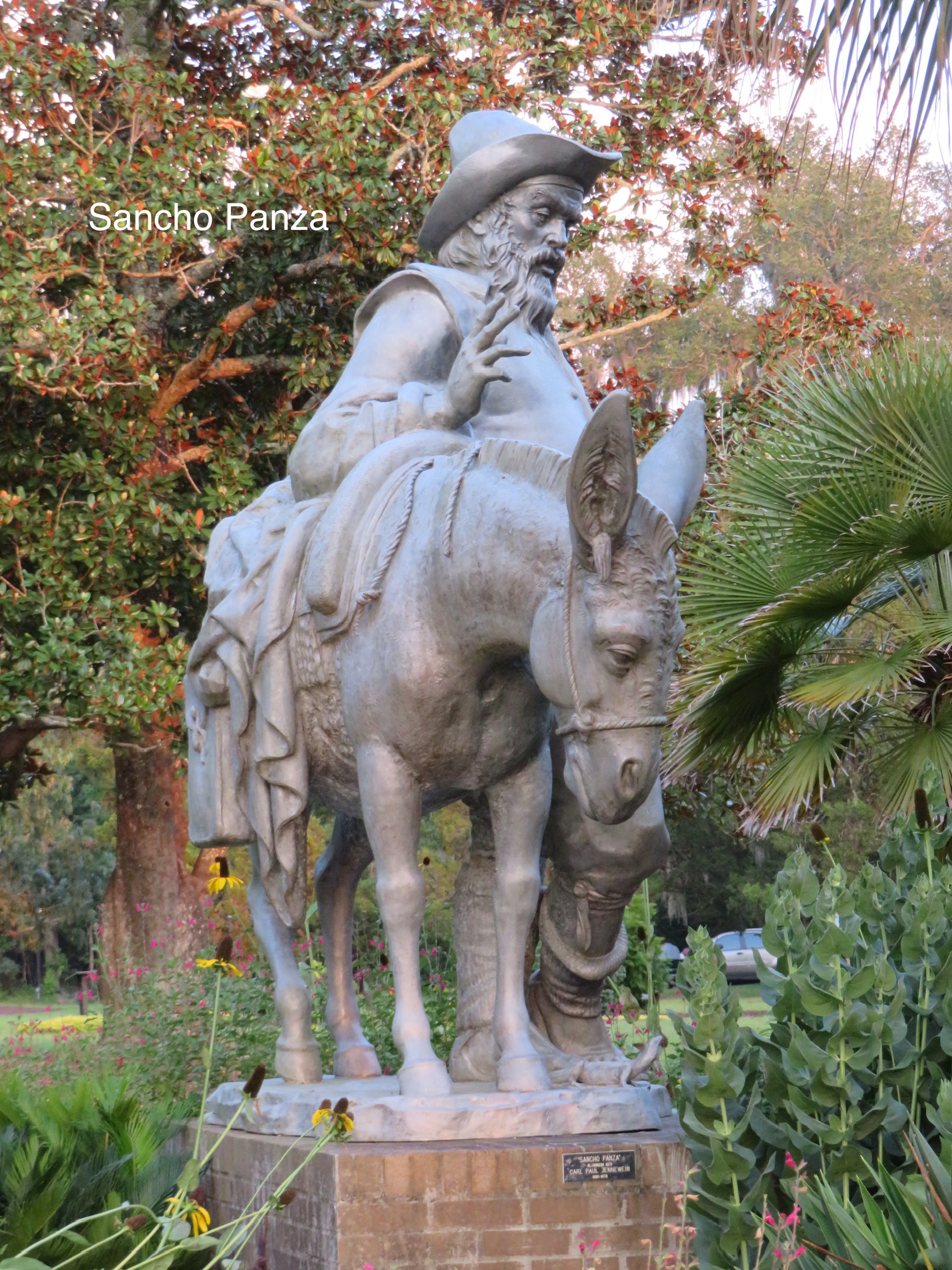
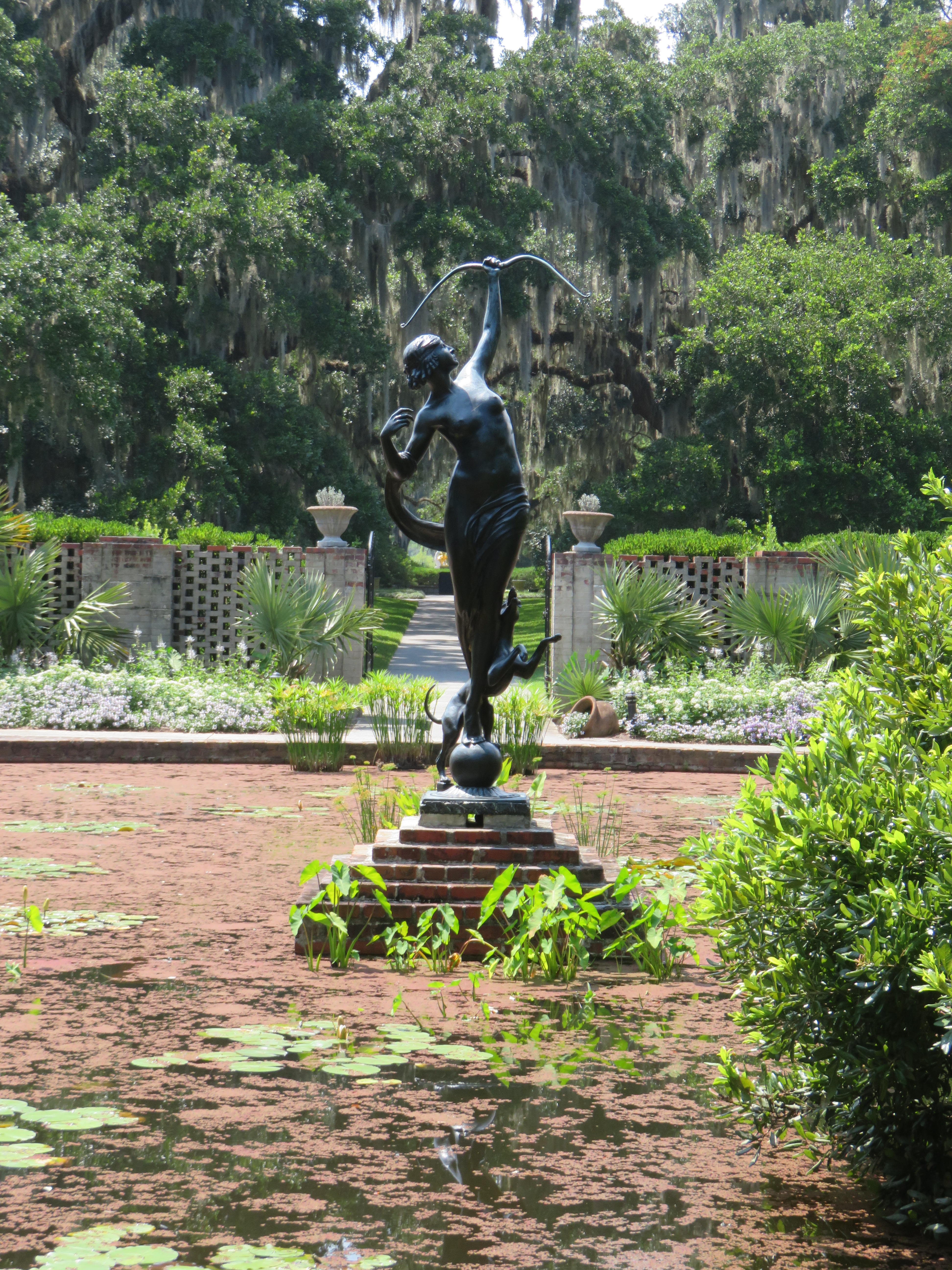
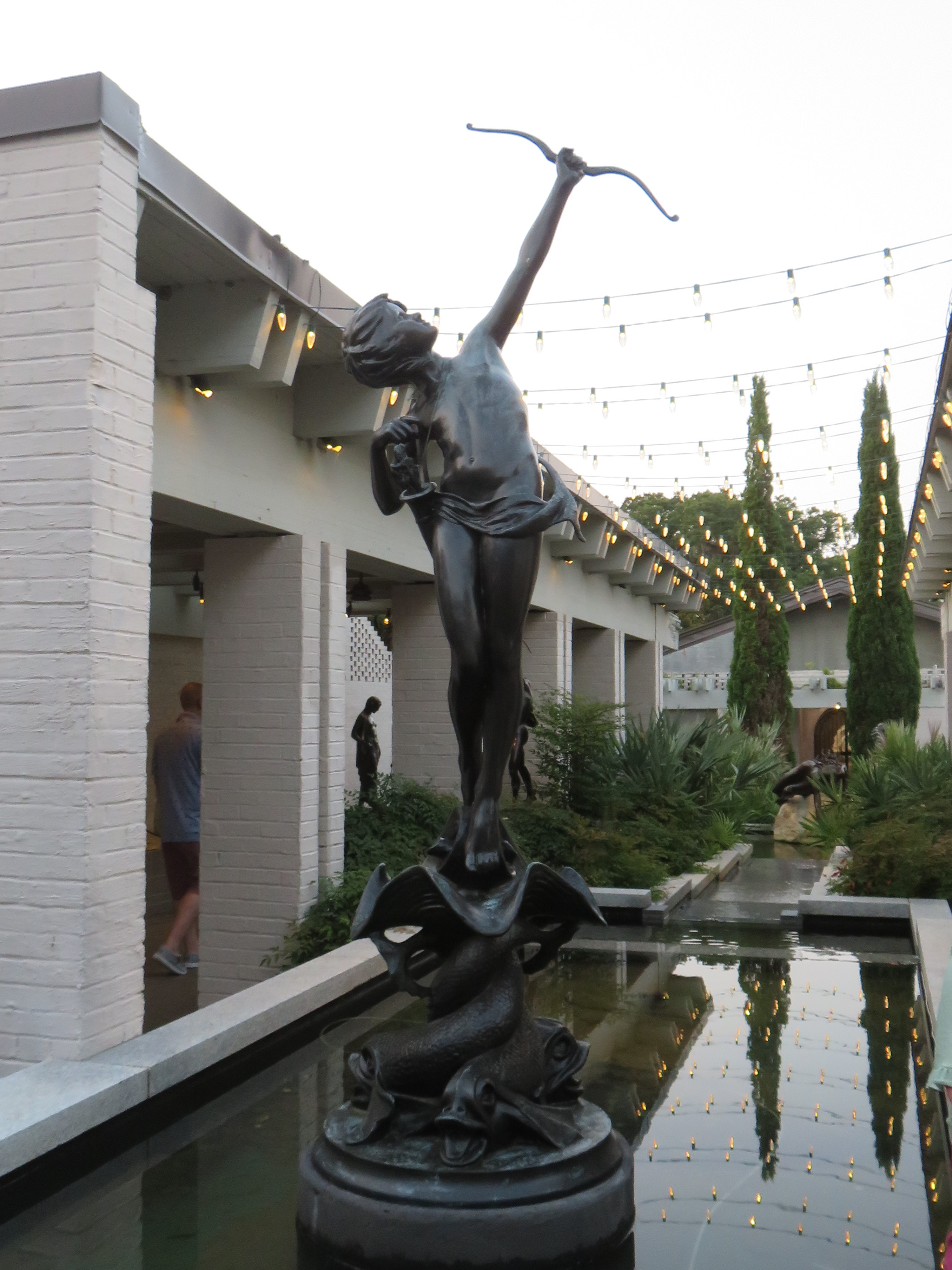
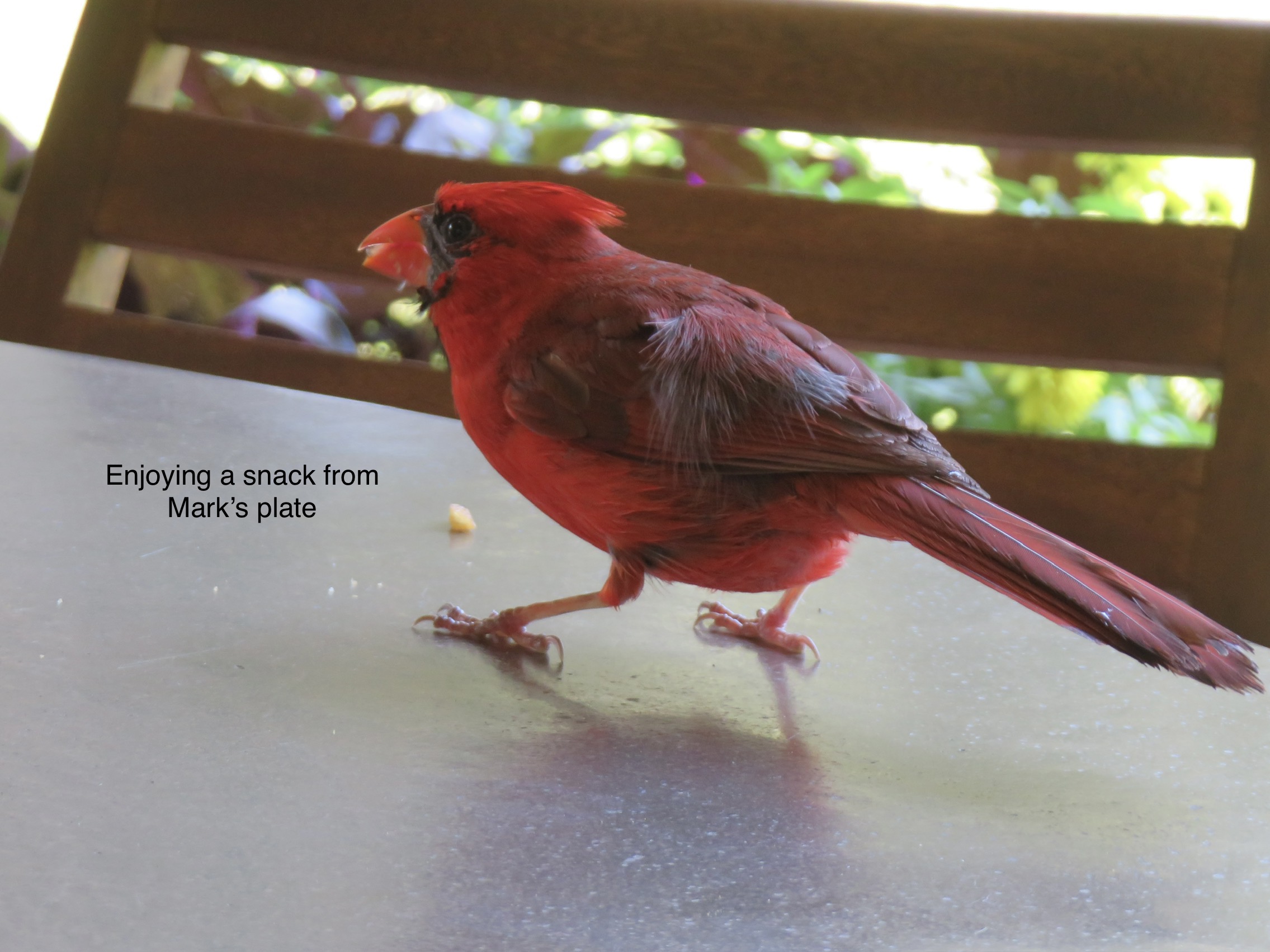
We arrived in late morning, and had lunch at Austin’s Harvest Restaurant, where a male cardinal paid us a visit, and even enjoyed a snack from Mark’s plate.
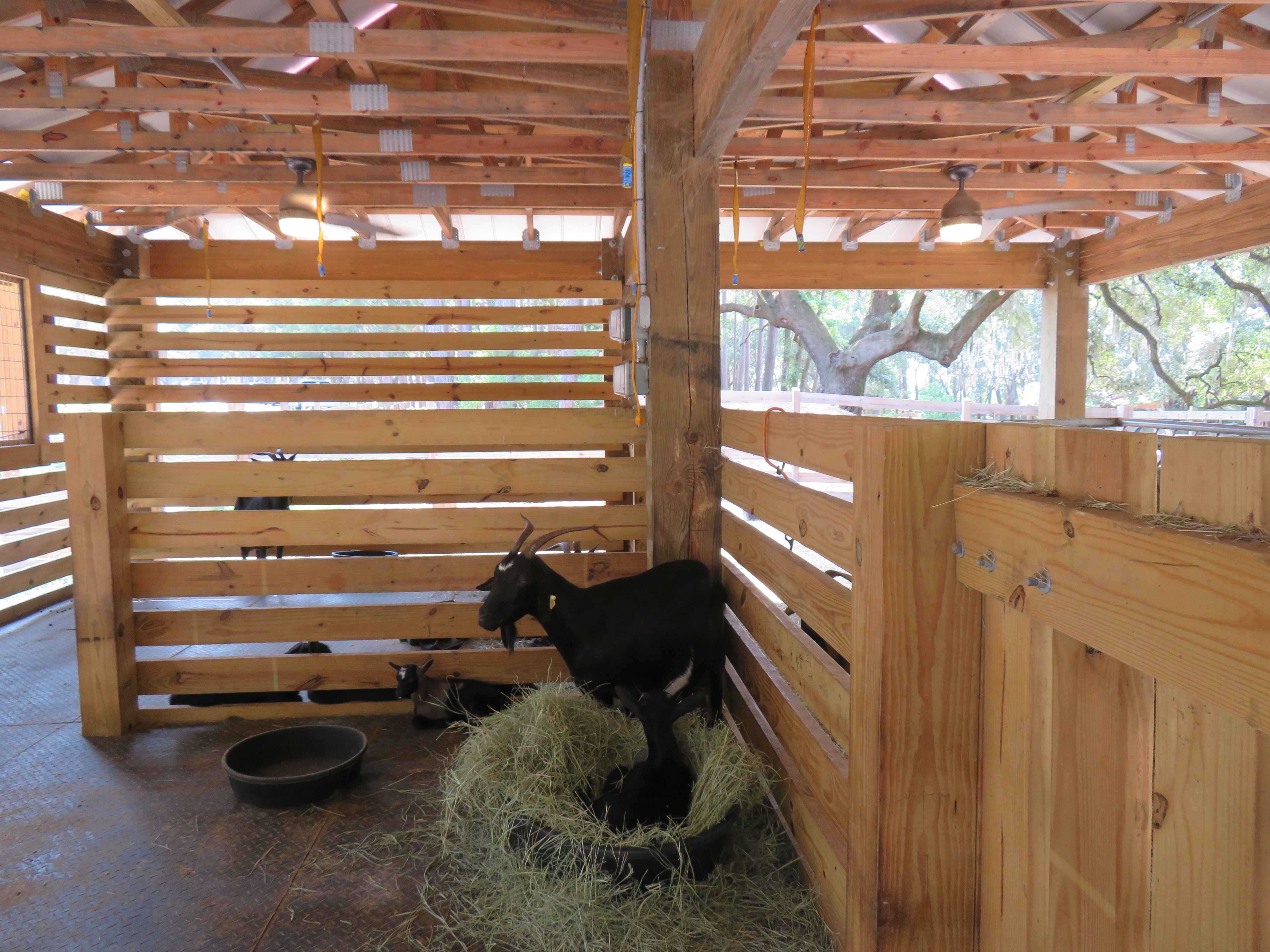
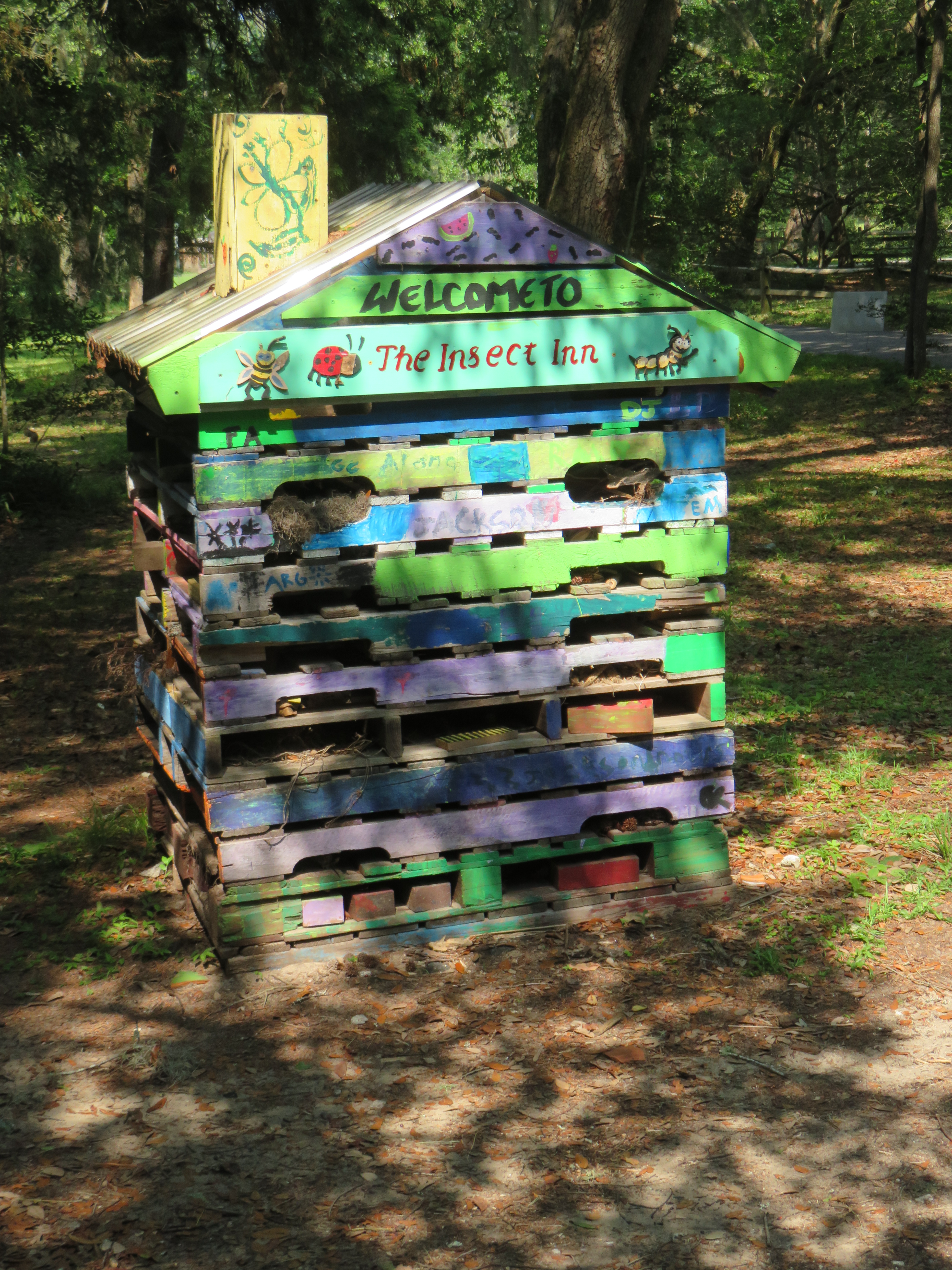
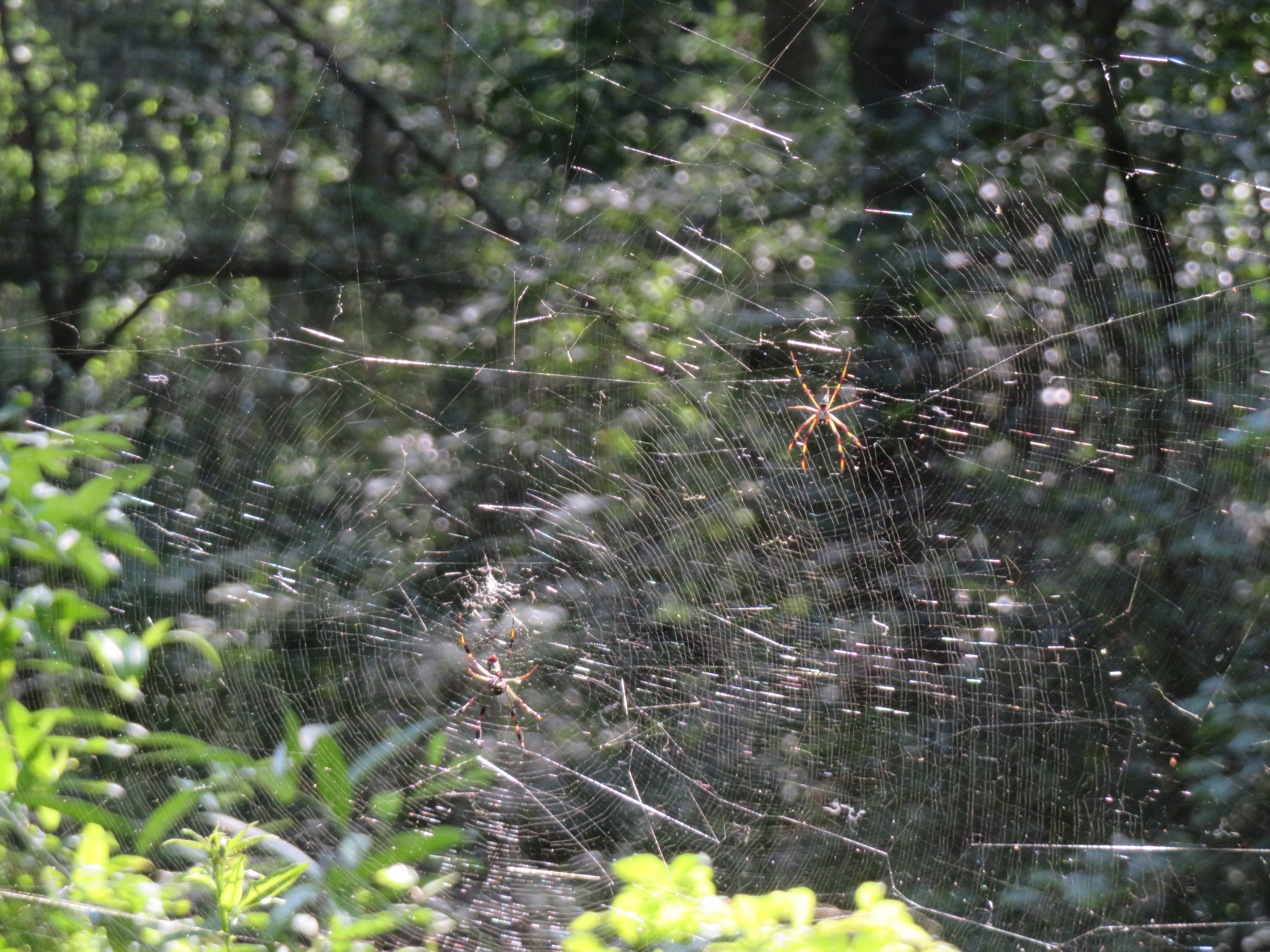
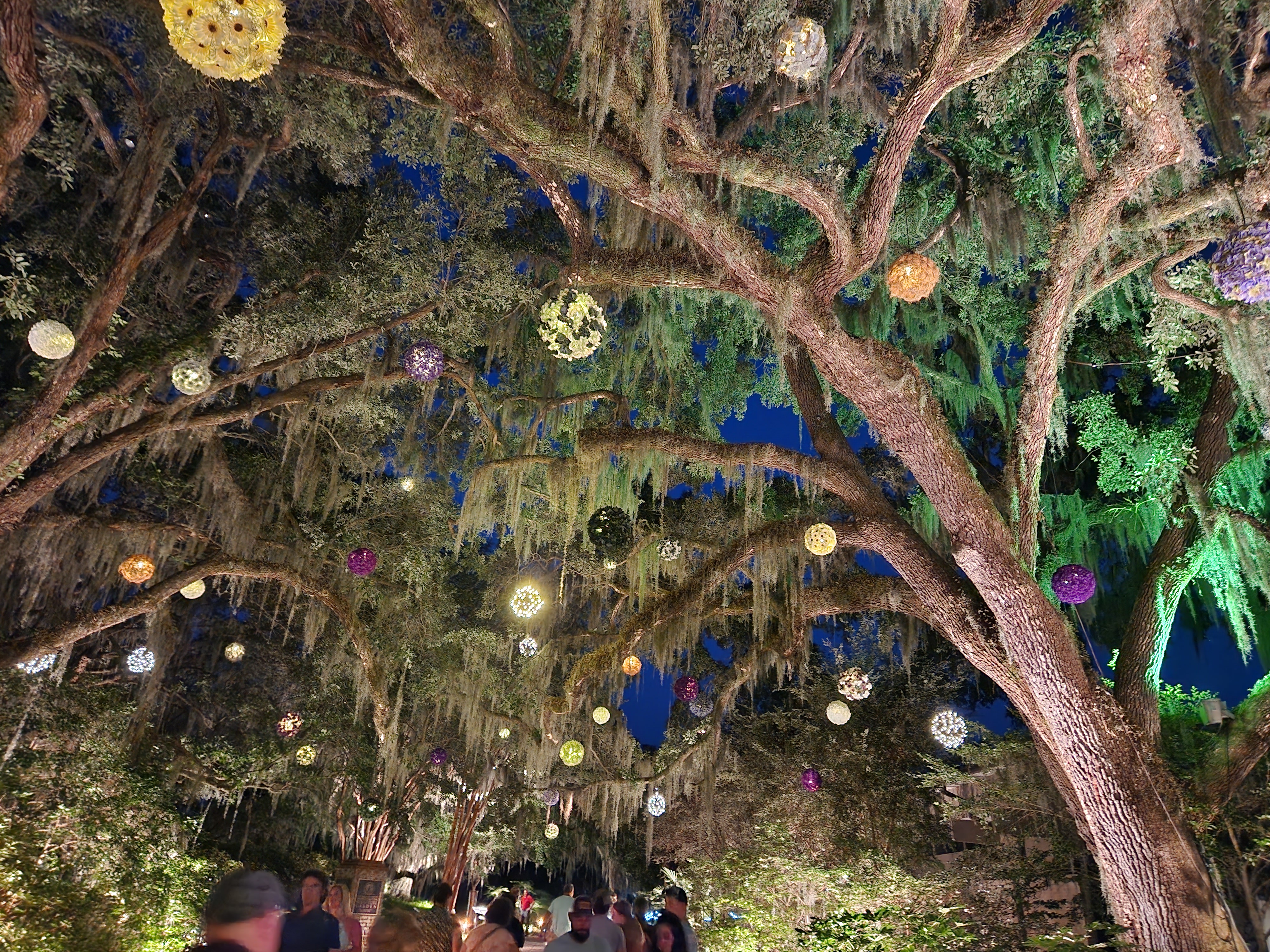
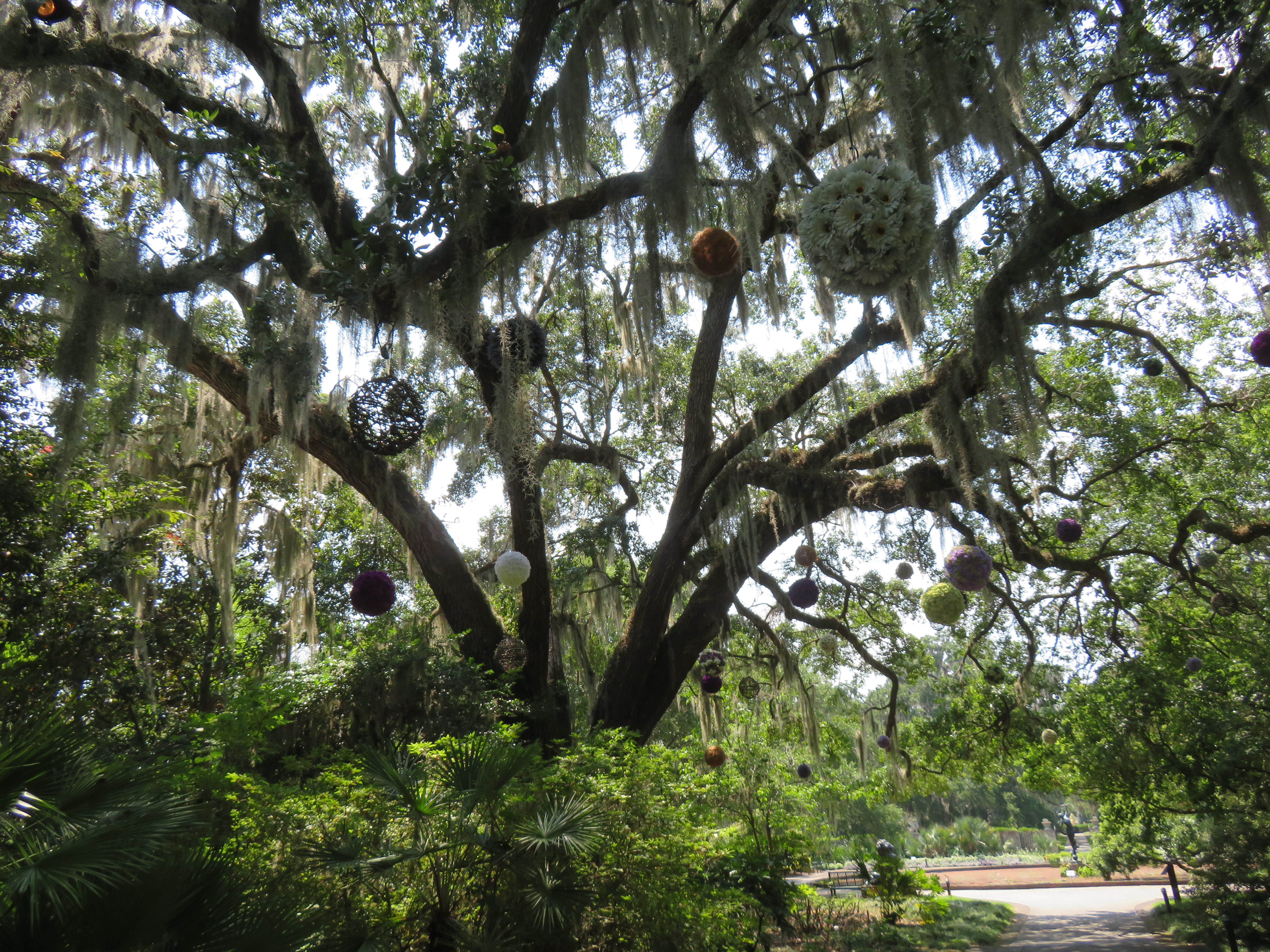
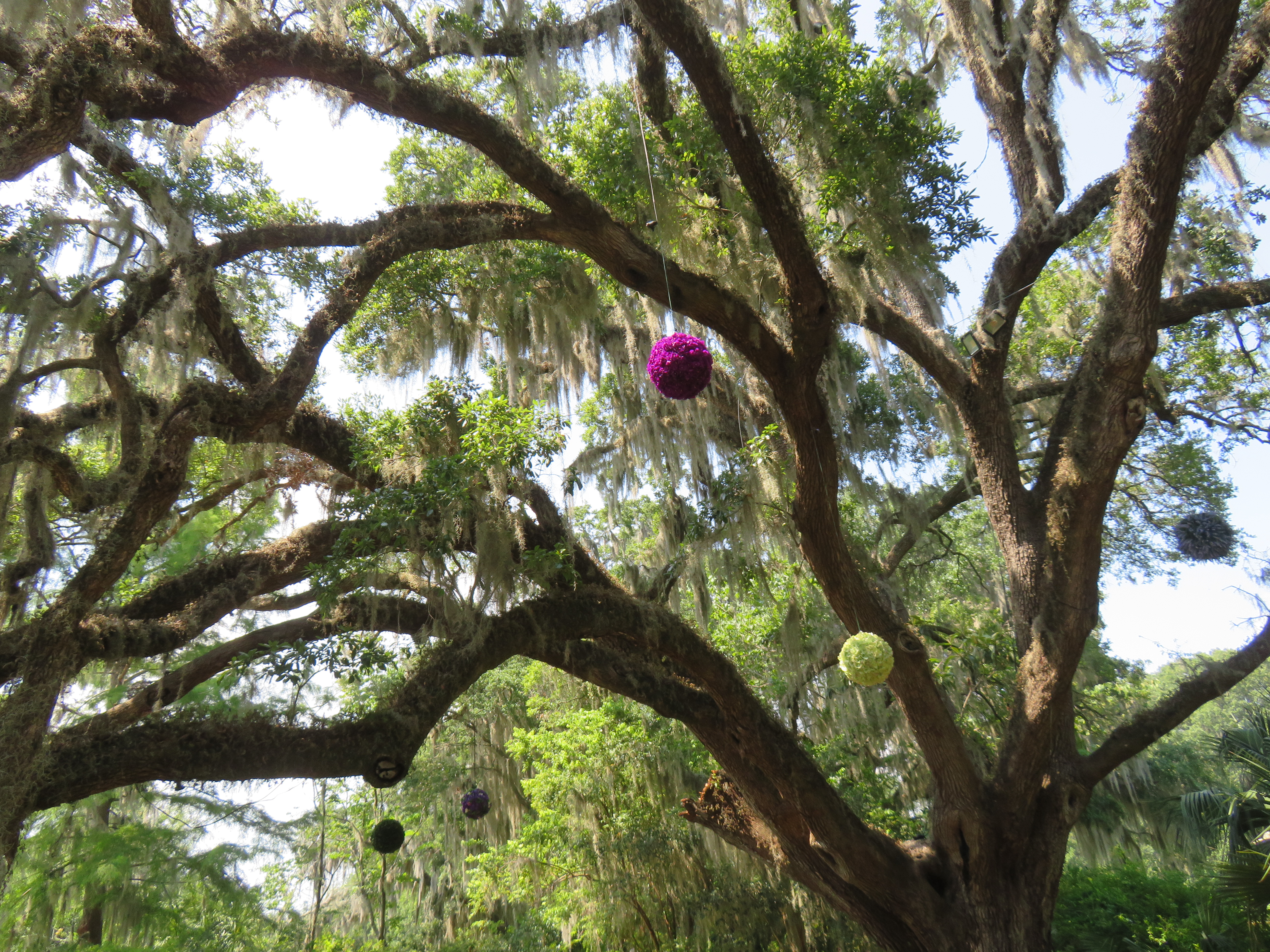
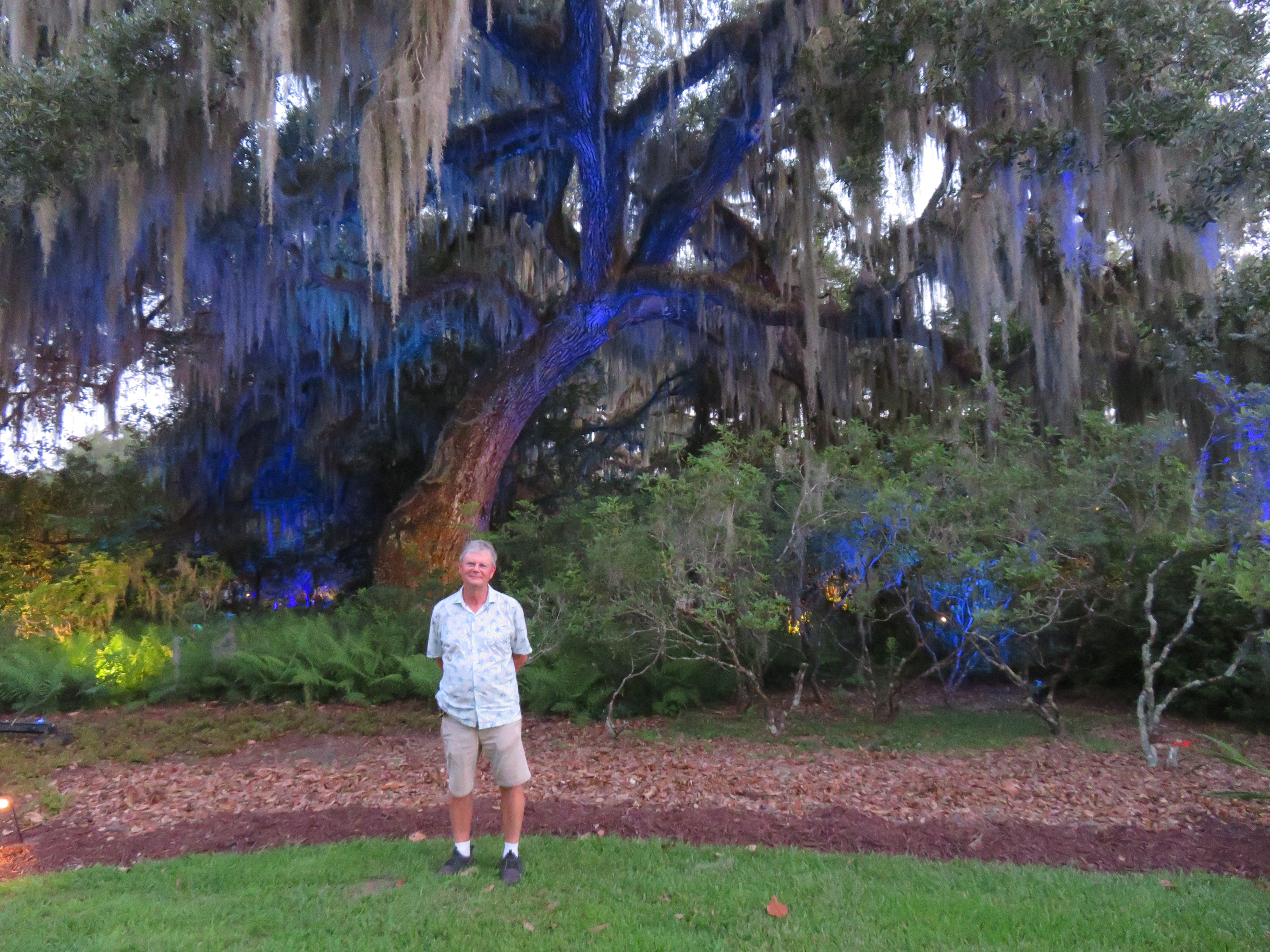
We strolled through the gardens, admiring the live oaks of Live Oak Allée, the many ponds, flowers and sculptures. We visited the Lowcountry Zoo, the goal of which is to showcase animals that are native to the area. All were either bred and raised in captivity or have sustained a major disability due to injury.
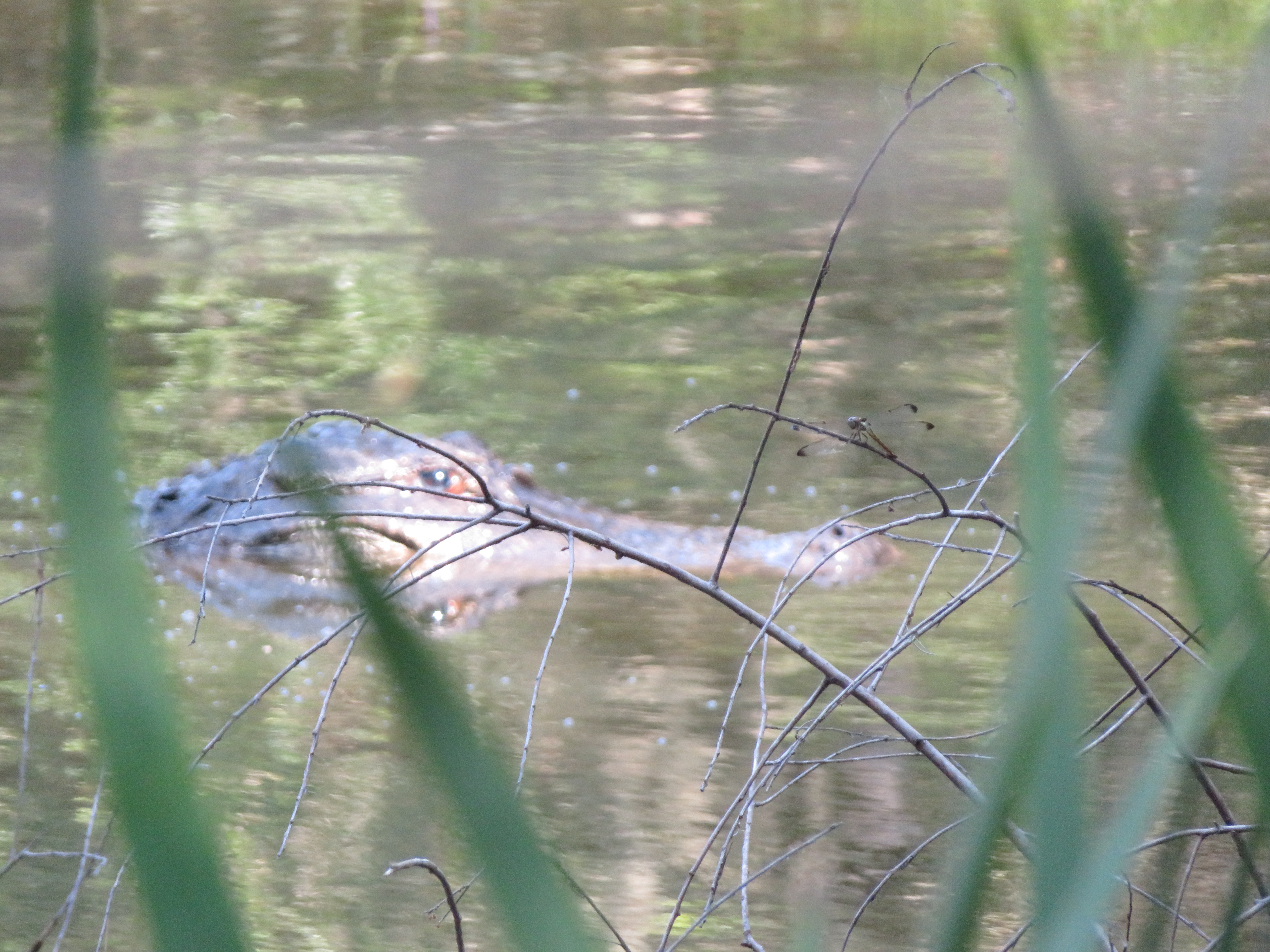

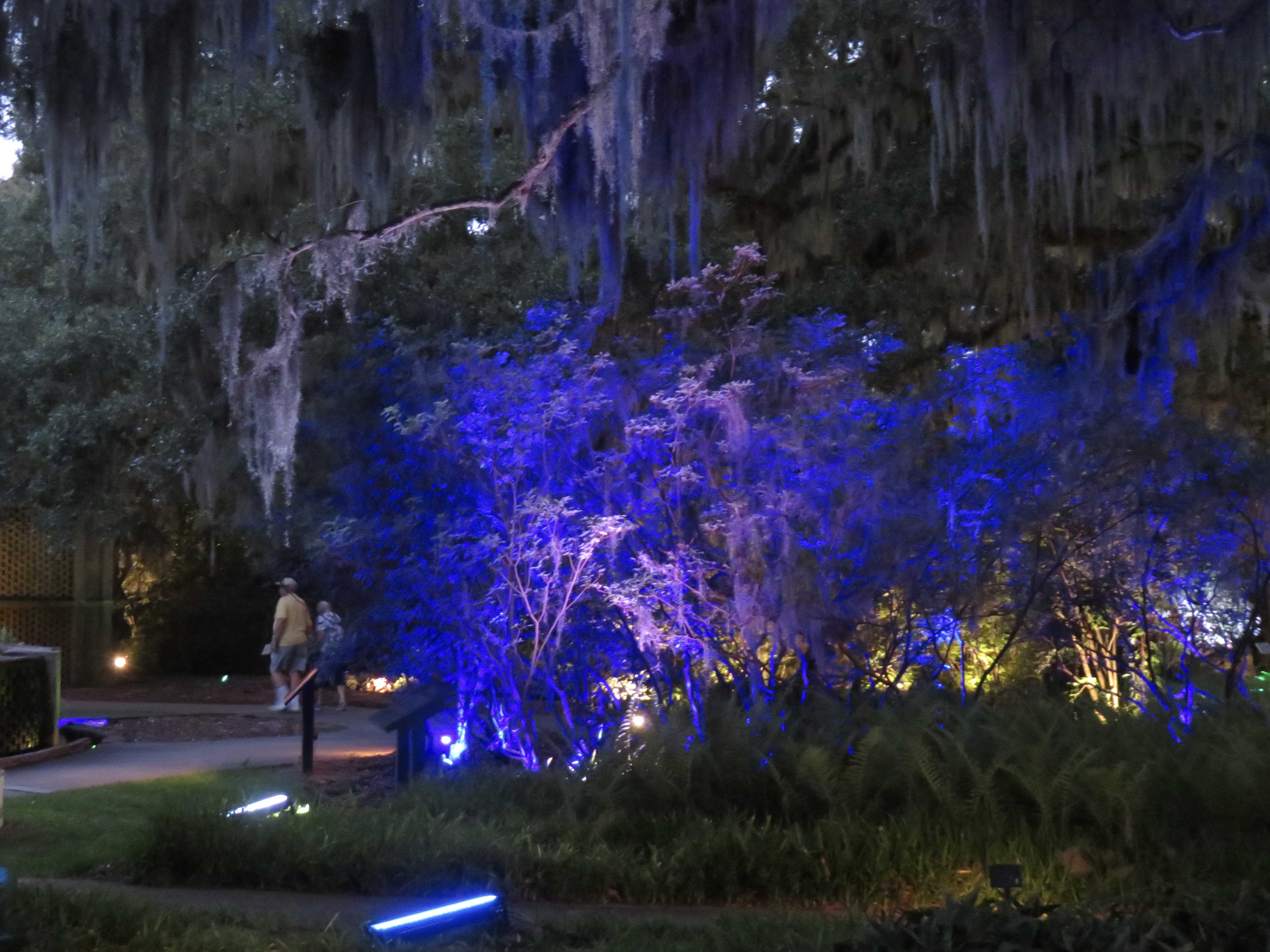
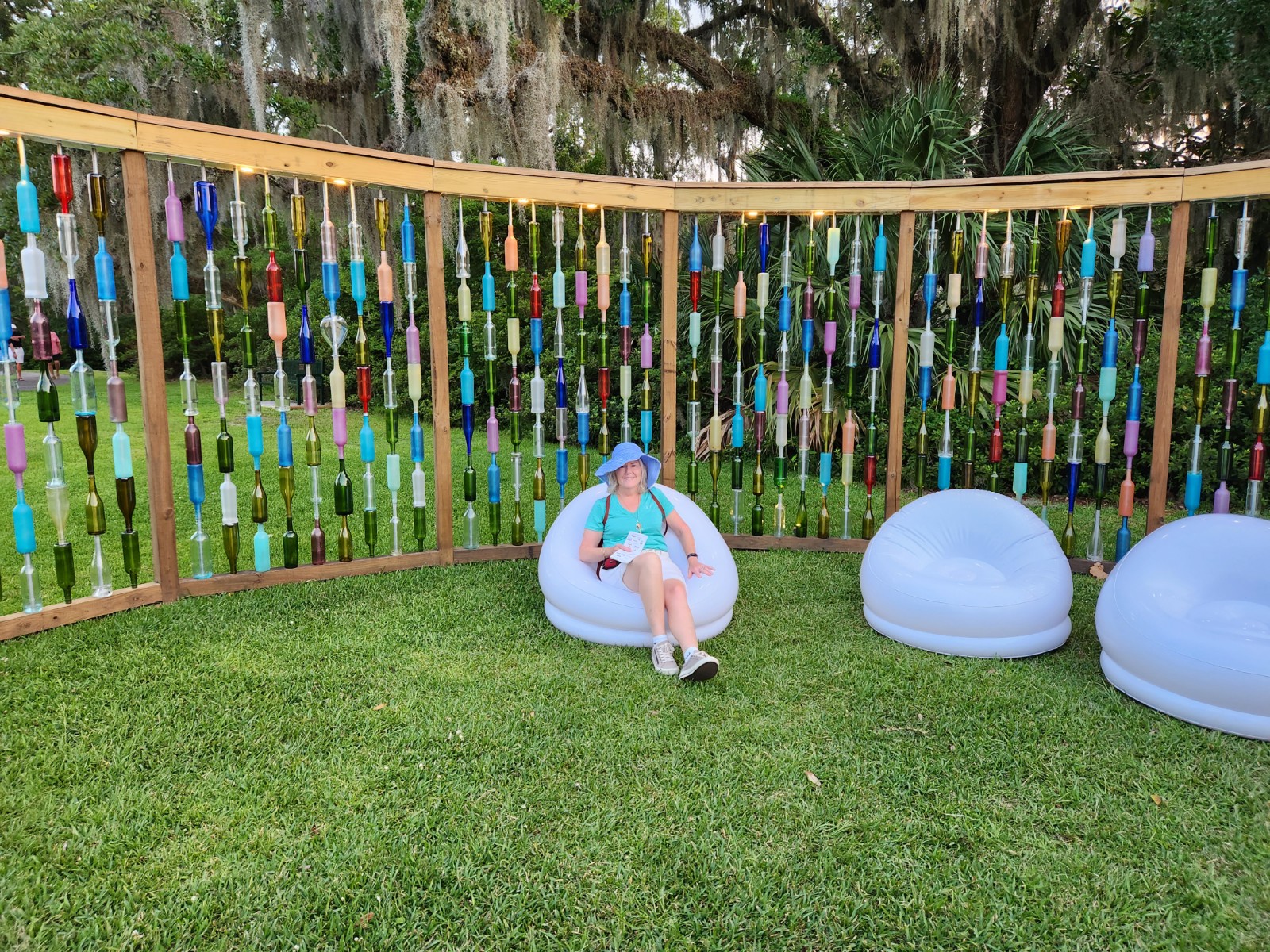
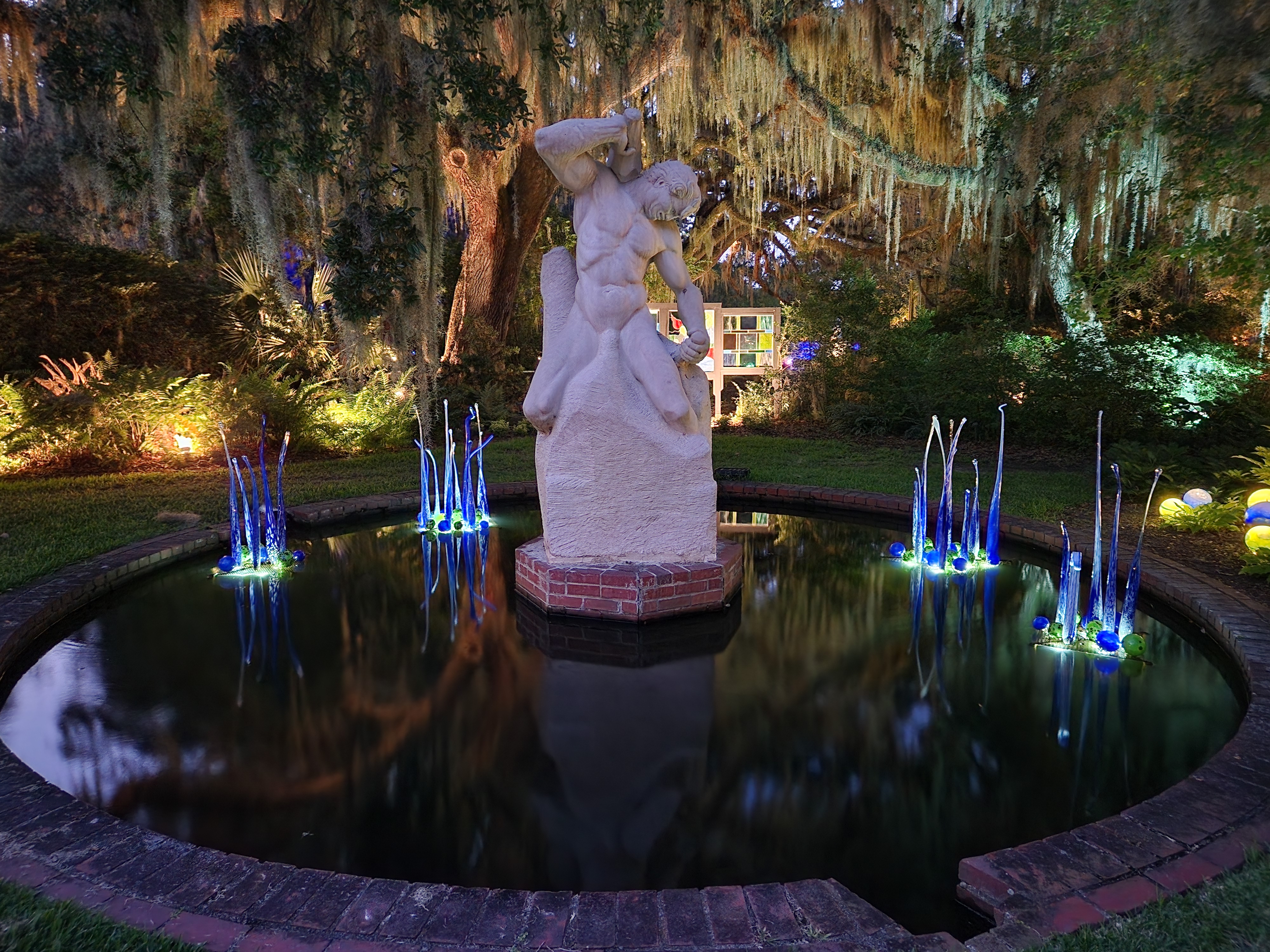
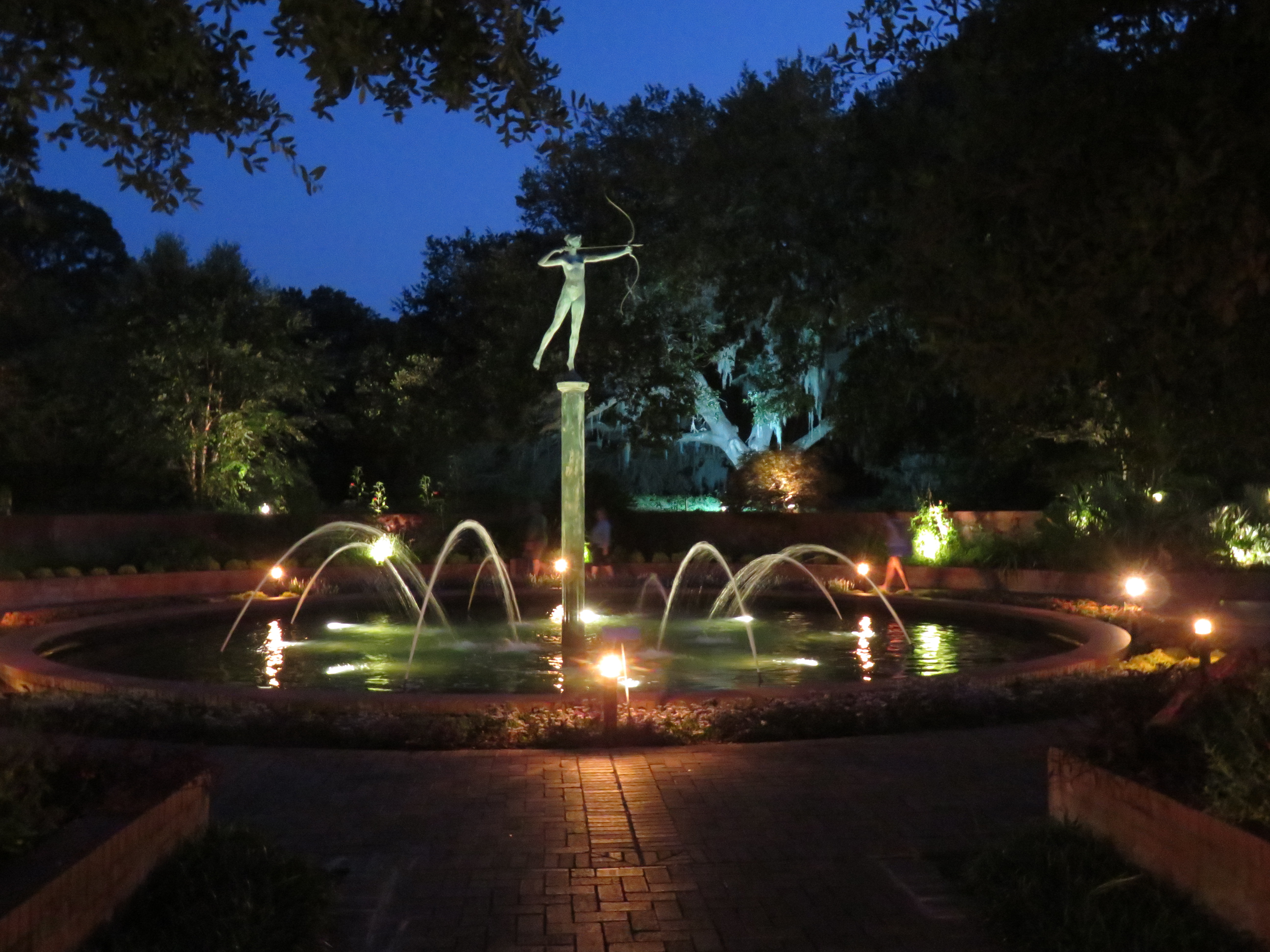
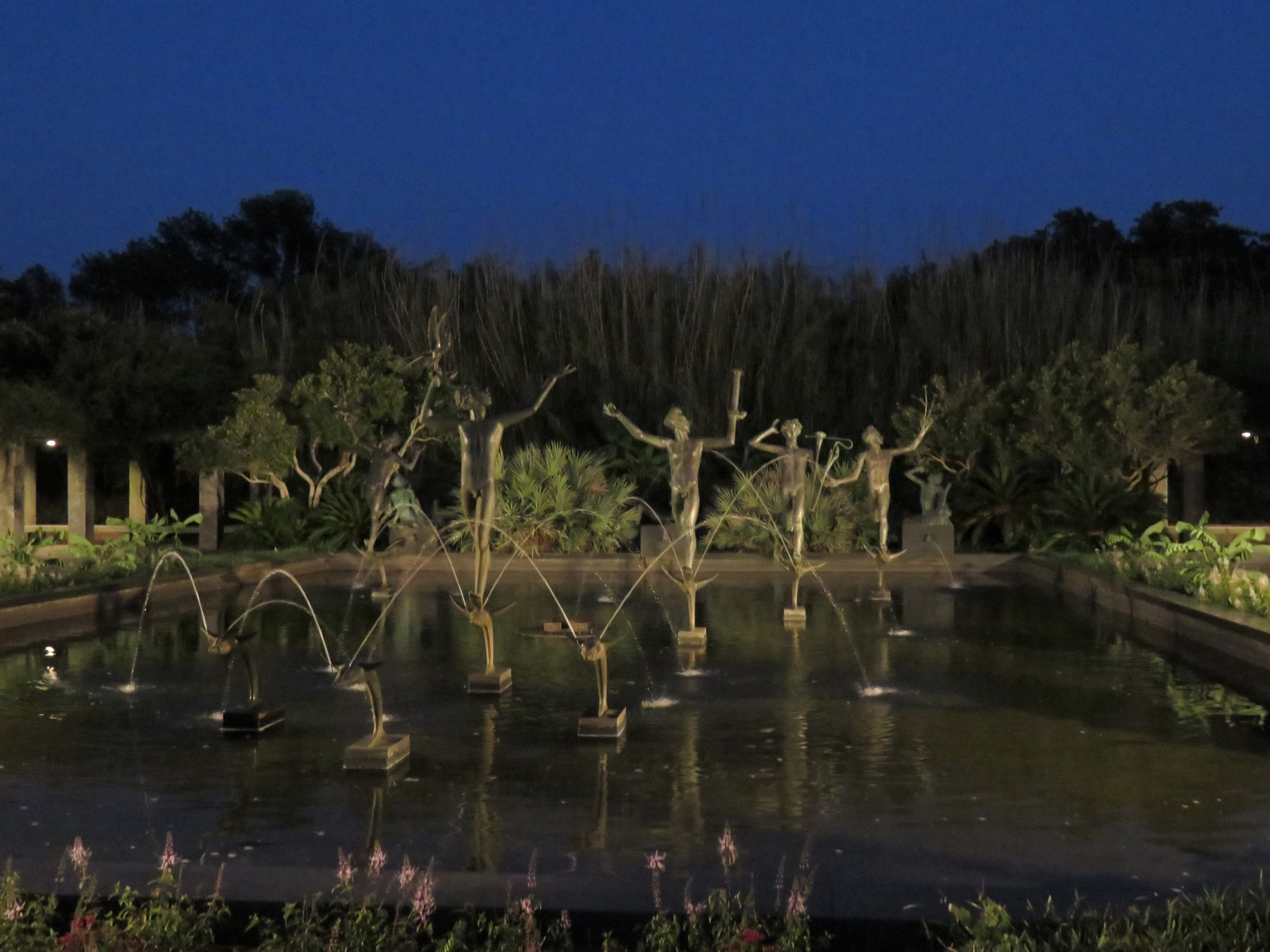
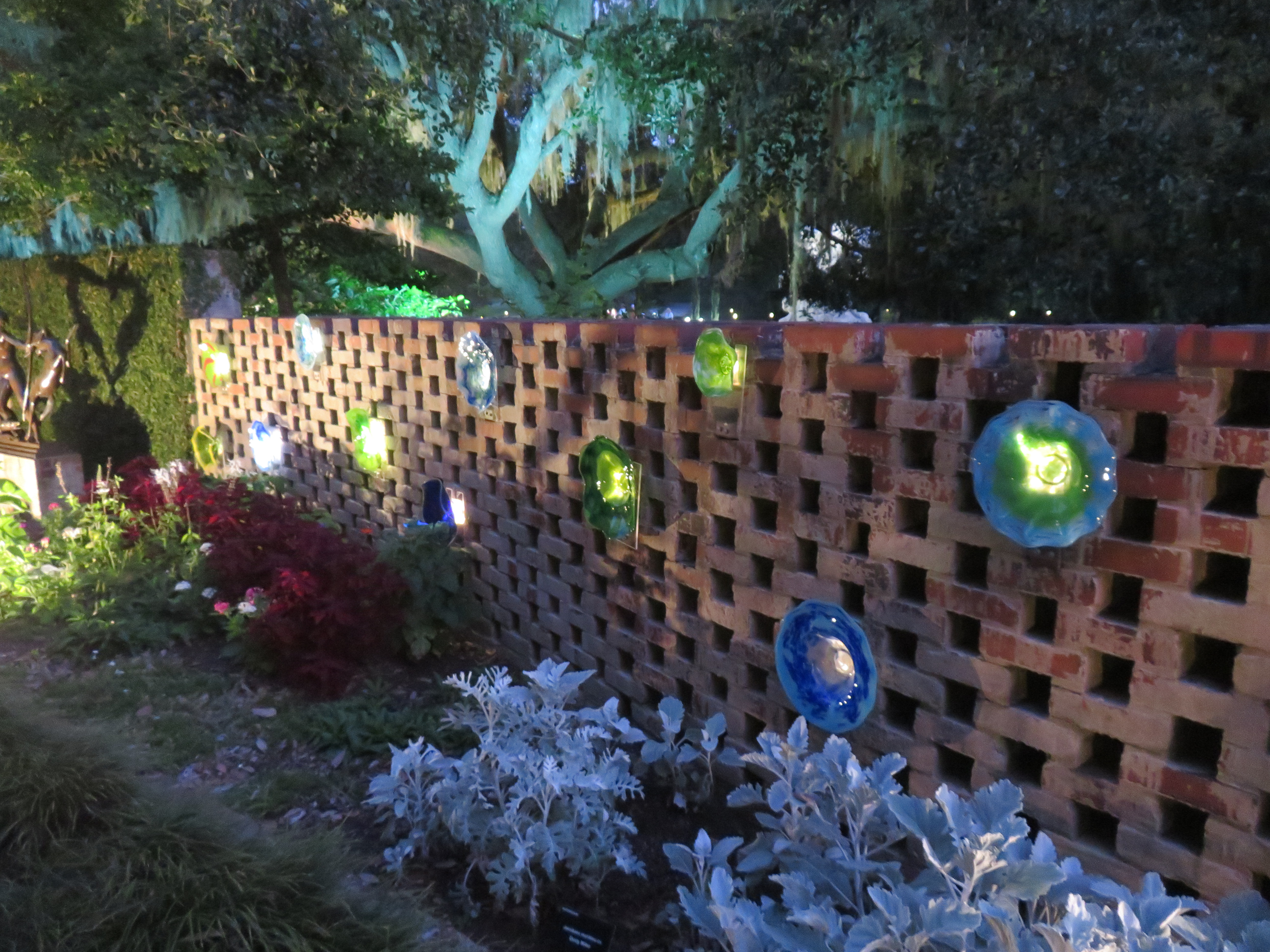
The gardens closed down at 5:00, but reopened again for “Summer Light: Art by Night” at 6:00 pm. We left to get some dinner, and returned a couple of hours later. It was still fairly light out when we came back, which gave us the opportunity to watch the lights brighten as darkness fell. This event is held each Wednesday and Saturday evening during June, July and August.
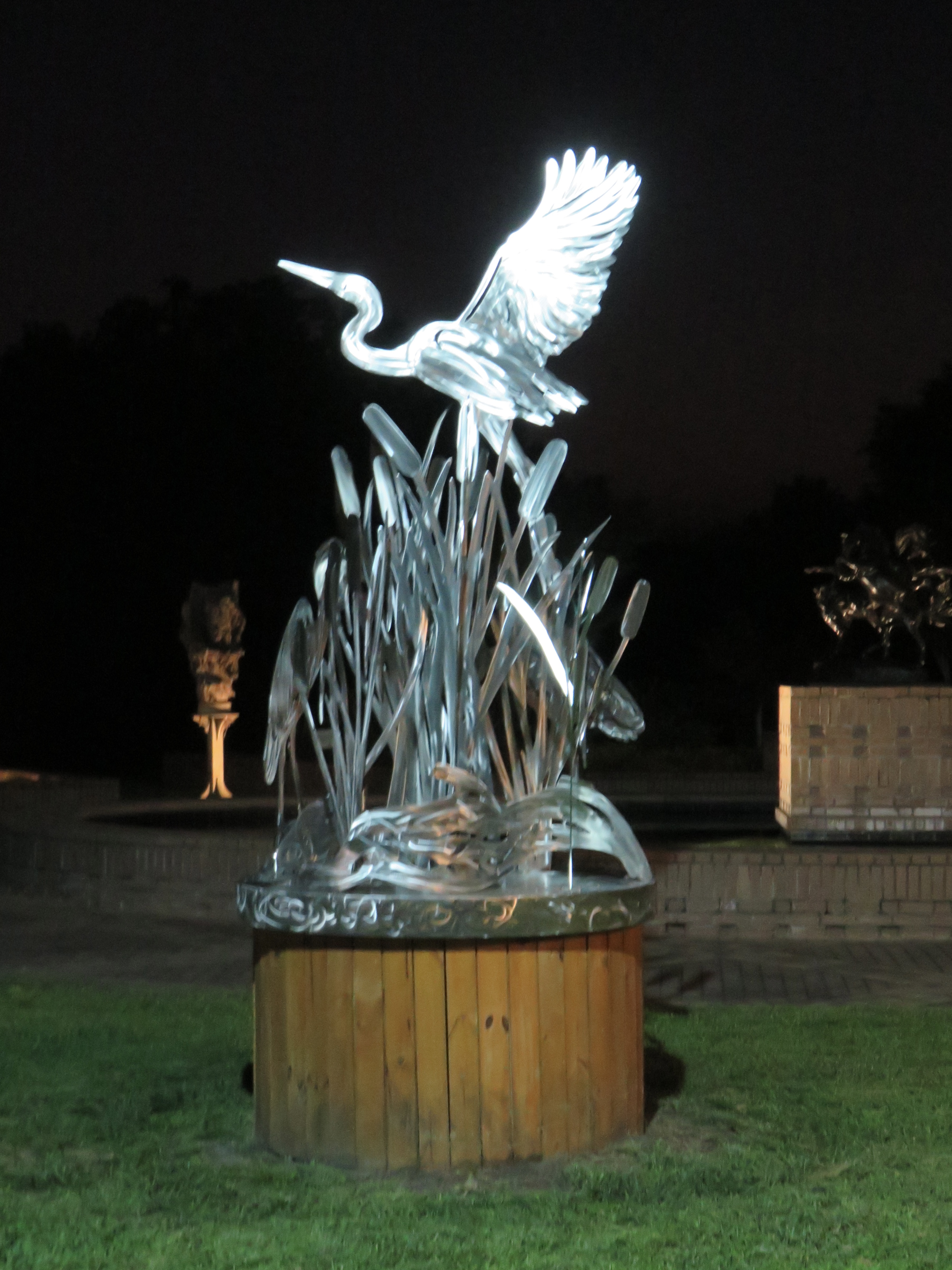
I especially enjoyed the contrast between how something looked in daylight vs at night.
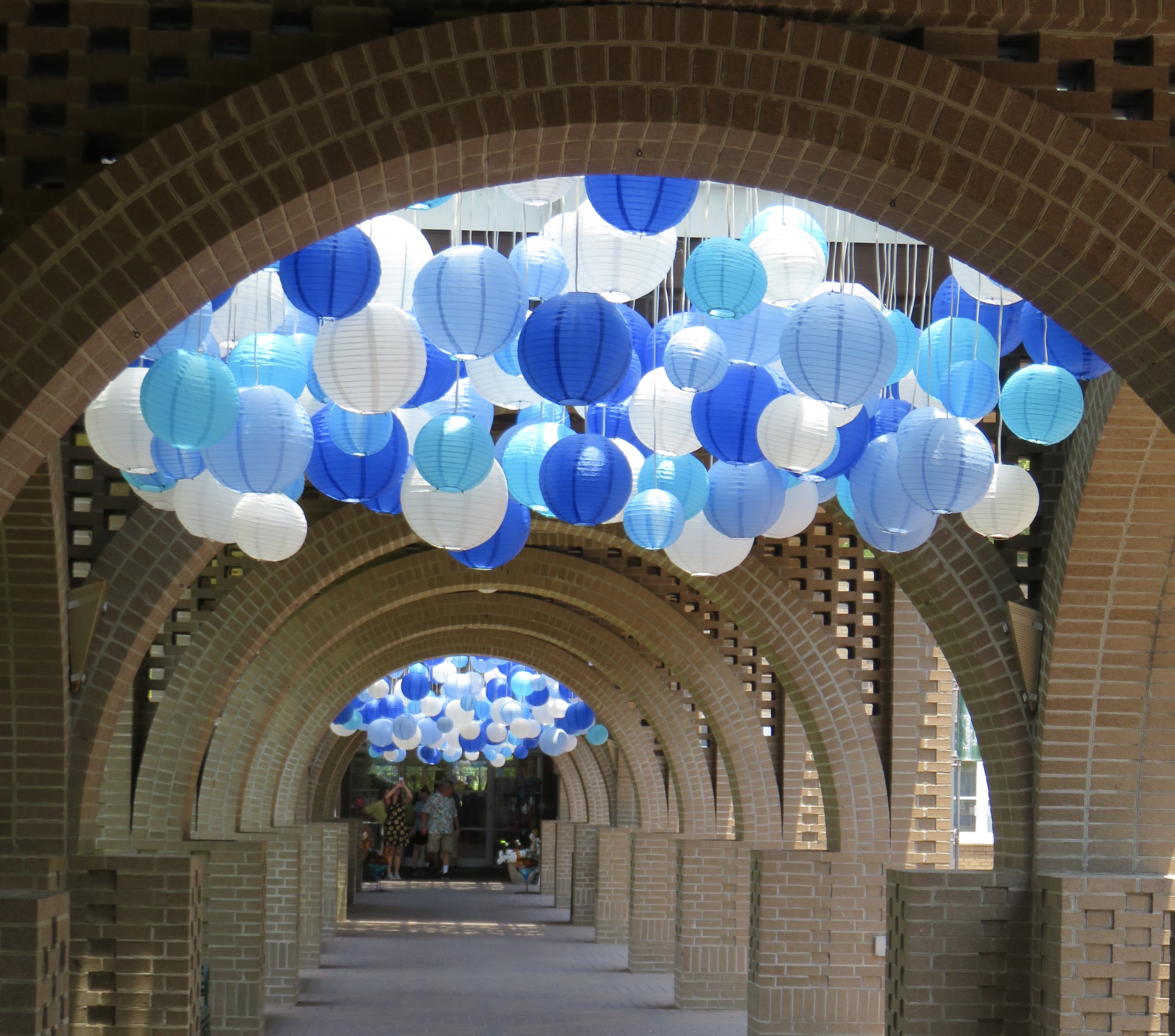
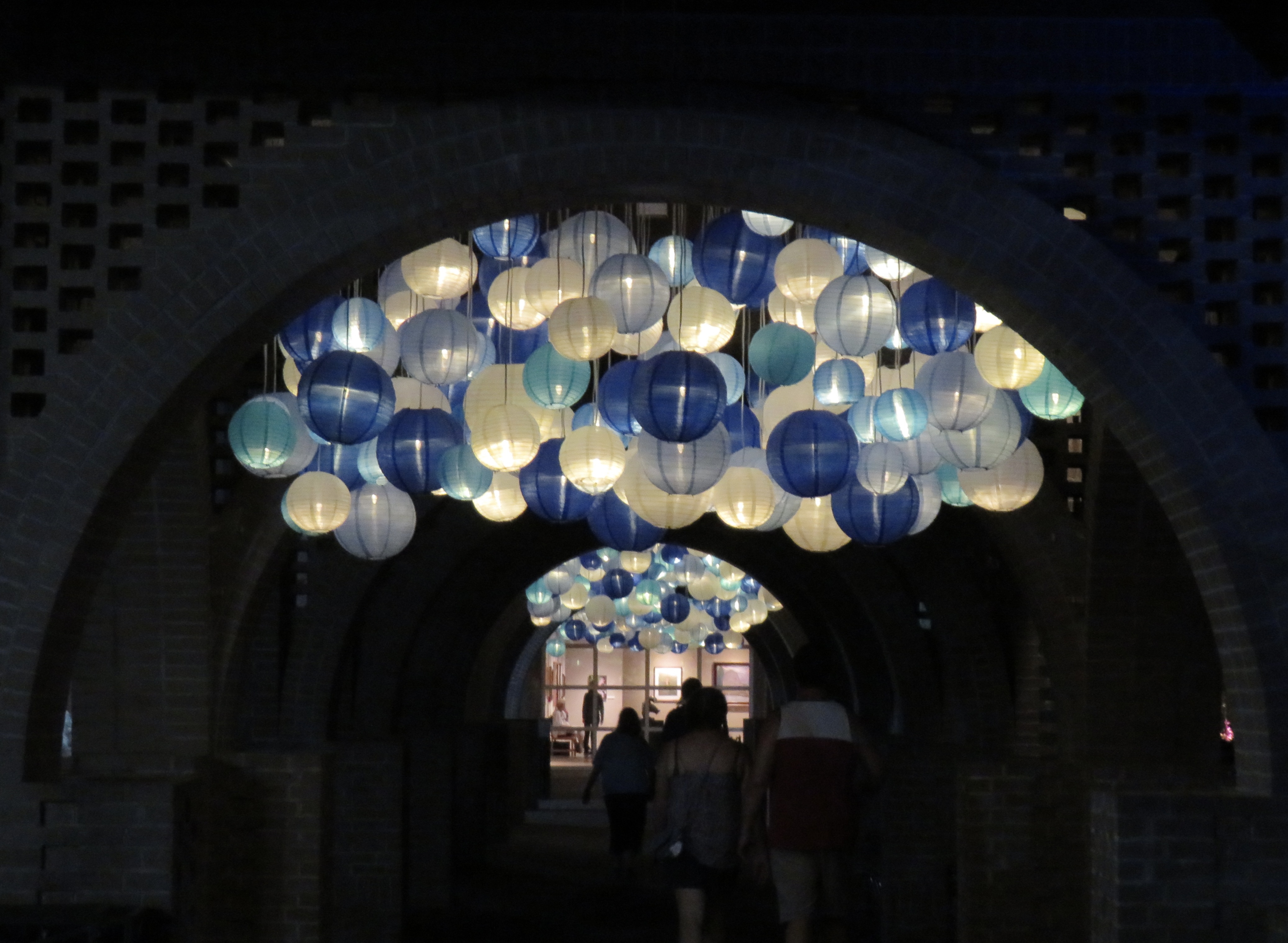
Garden Entryway
The tickets are good for a week, so if you can’t see it all in one day, which you can’t, be sure to go again.



 So Many Exciting and Beautiful Places!