
Friday, October 13
Last night, we cruised through Lake Pepin, a natural lake in the river, the largest such lake on the Mississippi. We miss a lot of the river because of night time travel. I guess we’ll have to do a road trip some day.
Lake Pepin was created by the outflow of a glacial lake at the end of the last Ice Age. About 40 square miles, the lake measures 2 miles across at its widest point, and 22 miles long, ending north of Wabasha, Minnesota. At one time, the lake extended as far north as St. Paul, but natural sedimentation has caused the upper end of the lake to migrate south over the last 10,000 years. Today, the sedimentation has accelerated, creating threats to the lake’s natural flora.
Lake City, the home of the river’s only functioning lighthouse, is also famous for being the home of the inventor of water skiing, Ralph Samuelson. In 1922, at the age of 19, had already mastered the sport of aquaplaning. similar to today’s wake boarding. He wanted to create something like snow skiing, but on water. He experimented with staves from wooden barrels before he created new skis made of pine boards. He began jumping wakes, but broke the original skis. His second pair, with slight modifications, are at Lake City’s Chamber of Commerce.
On the other side of the lake is Pepin County, Wisconsin, birthplace of Laura Ingalls Wilder. As a child, Wilder lived in several different communities in Wisconsin, Minnesota, Kansas and the Dakotas. Many of us have read her books and/or watched the television series, “Little House on the Prairie.”
The National Eagle Center is located a few miles south of Red Wing in Wabasha. Visitors are given the opportunity to see bald eagles and golden eagles up close. These eagles have defects, or have suffered injuries that prevent them from being returned to the wild. Our home on the river allows us to observe bald eagles almost daily, golden eagle sighting are very rare. Although close in size, the bald eagle and golden eagle are not closely related. The bald eagle is a fishing eagle, while golden eagles are related to hawks.
Just a few miles past Wabasha, at Alma, Wisconsin, we encountered the first lock of the trip, Lock and Dam Number Four at about 1:45 am. The ship hit the bumpers on the sides of the lock, and the noise woke us up so we could watch for a bit. It was raining, but we will managed to see what was going on. This lock was constructed in 1935, and is 110 feet wide by 600 feet long. It raises and lowers river traffic by about eight feet.


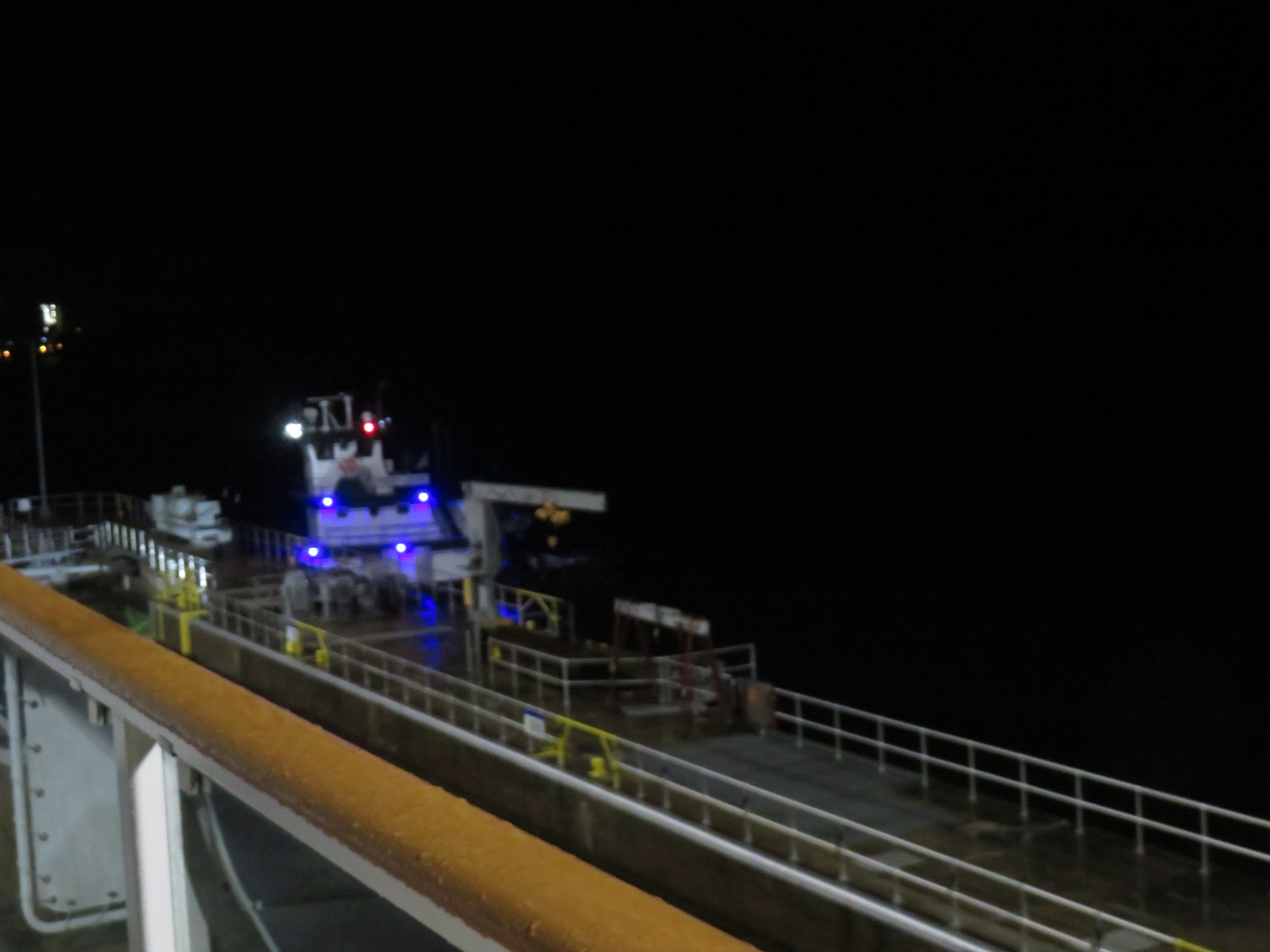
Our next one. Lock and Dam Number Five, was about 20 miles further down, at Minnesota City. That one we slept through. Then, we cruised another ten miles before hitting Lock and Dam Number Five A at Fountain City, Wisconsin, across the river from Winona, Minnesota.
The city of Winona was named for a Dakota Sioux maiden who was said to have leapt to her death from Maiden Rock, on the Wisconsin side of Lake Pepin, a few miles east of Red Wing . By the way, Winona Ryder was named for the city because her mother like the name. Her birthplace is listed as Winona County, Minnesota.
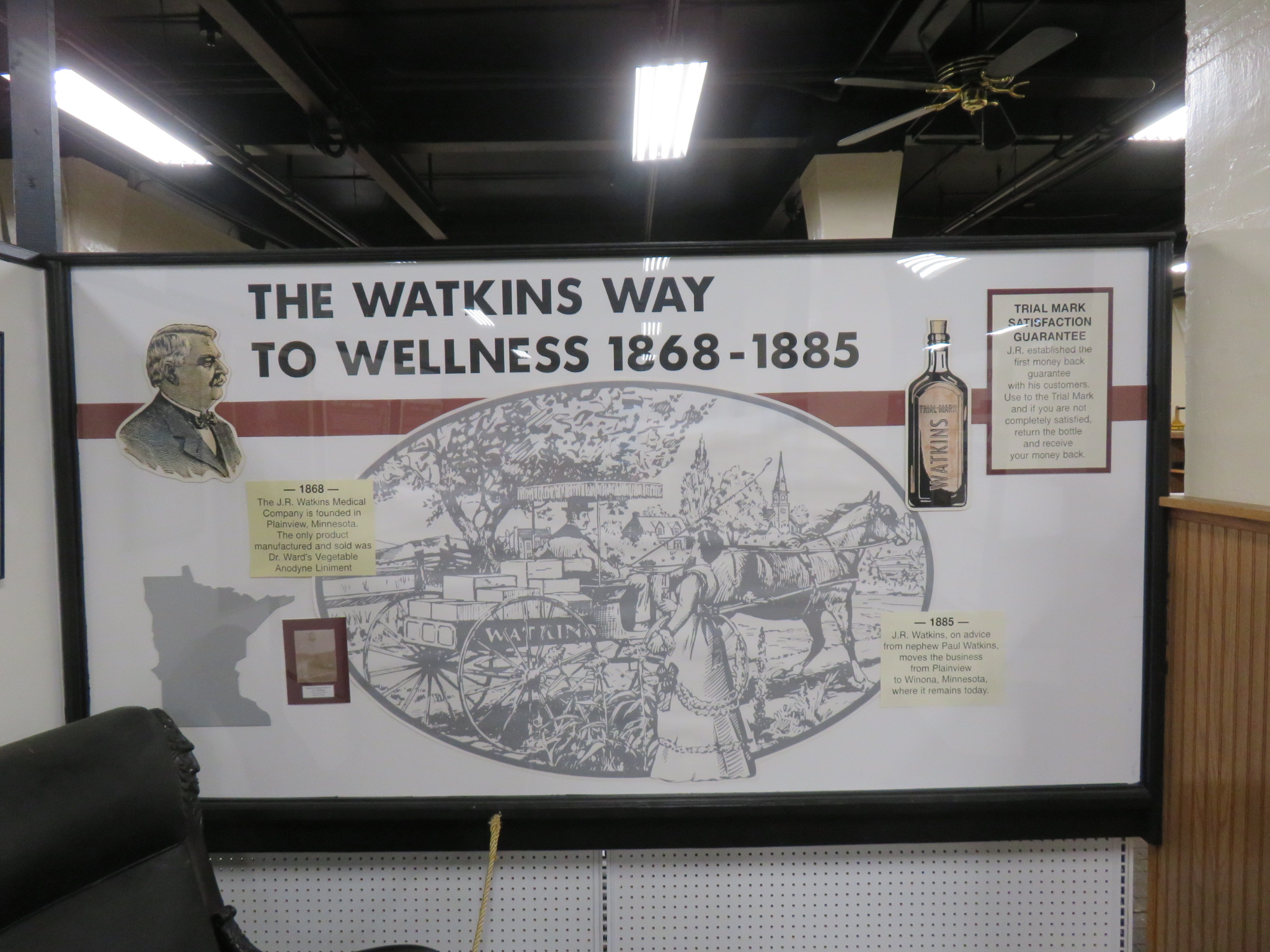
The town is also home to the J.R. Watkins Company, which has provided household products since 1868. One that was well-known to me was their Vanilla Extract, which my mother used to buy from door-to-door salesmen. The company sells seasonings, flavorings, recipe mixes and more, in grocery stores, by catalog and on-line. We visited the Watkins Museum of History, where we also learned they are now selling a brand of bourbon. Naturally, we had to track some down to bring it home. We now have a bottle of their Spiced Orange Bourbon.



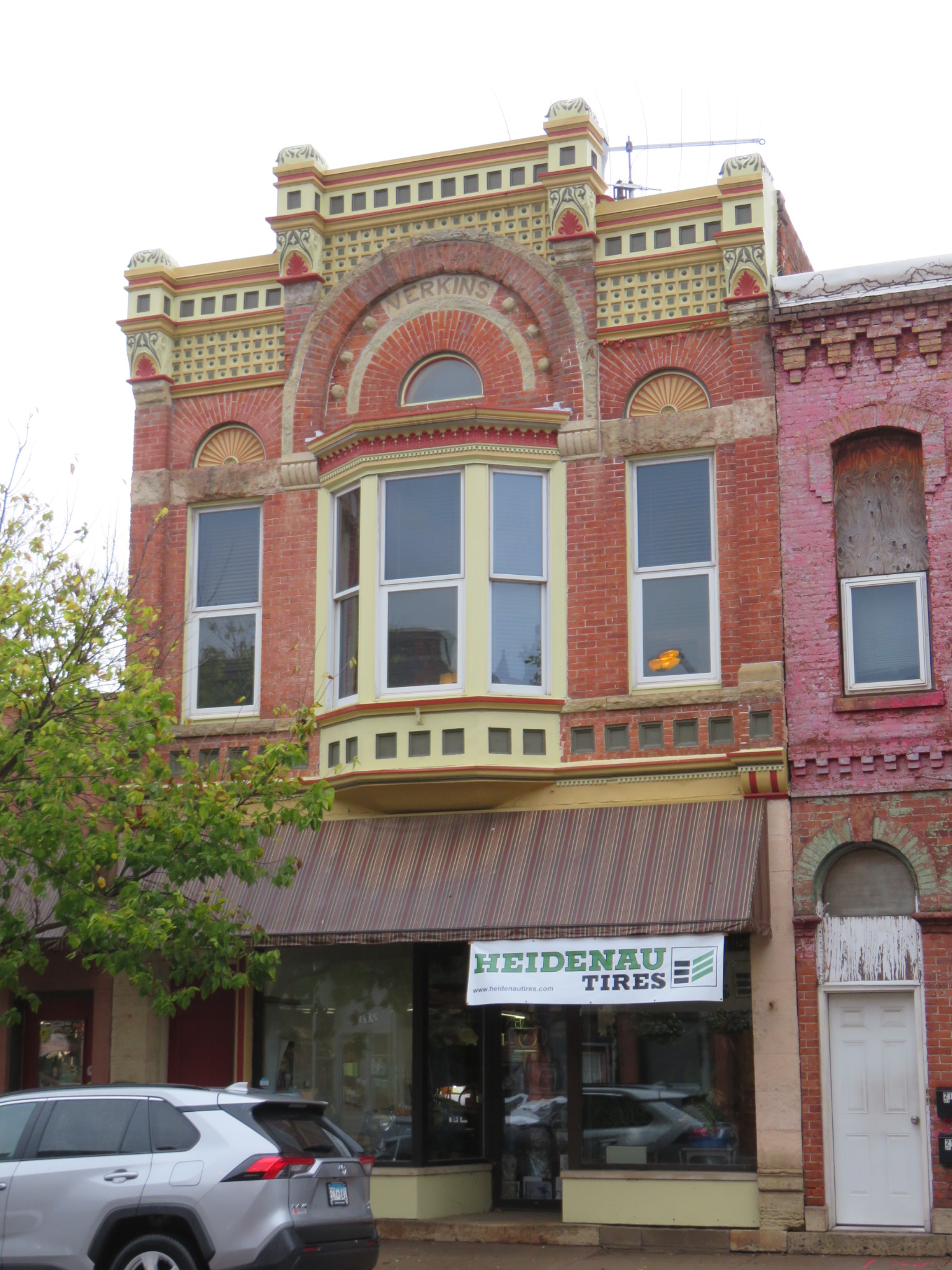
Winona is nestled between the river to the northeast, and bluffs to the southwest. The town has preserved many of its beautiful old buildings in the downtown area.

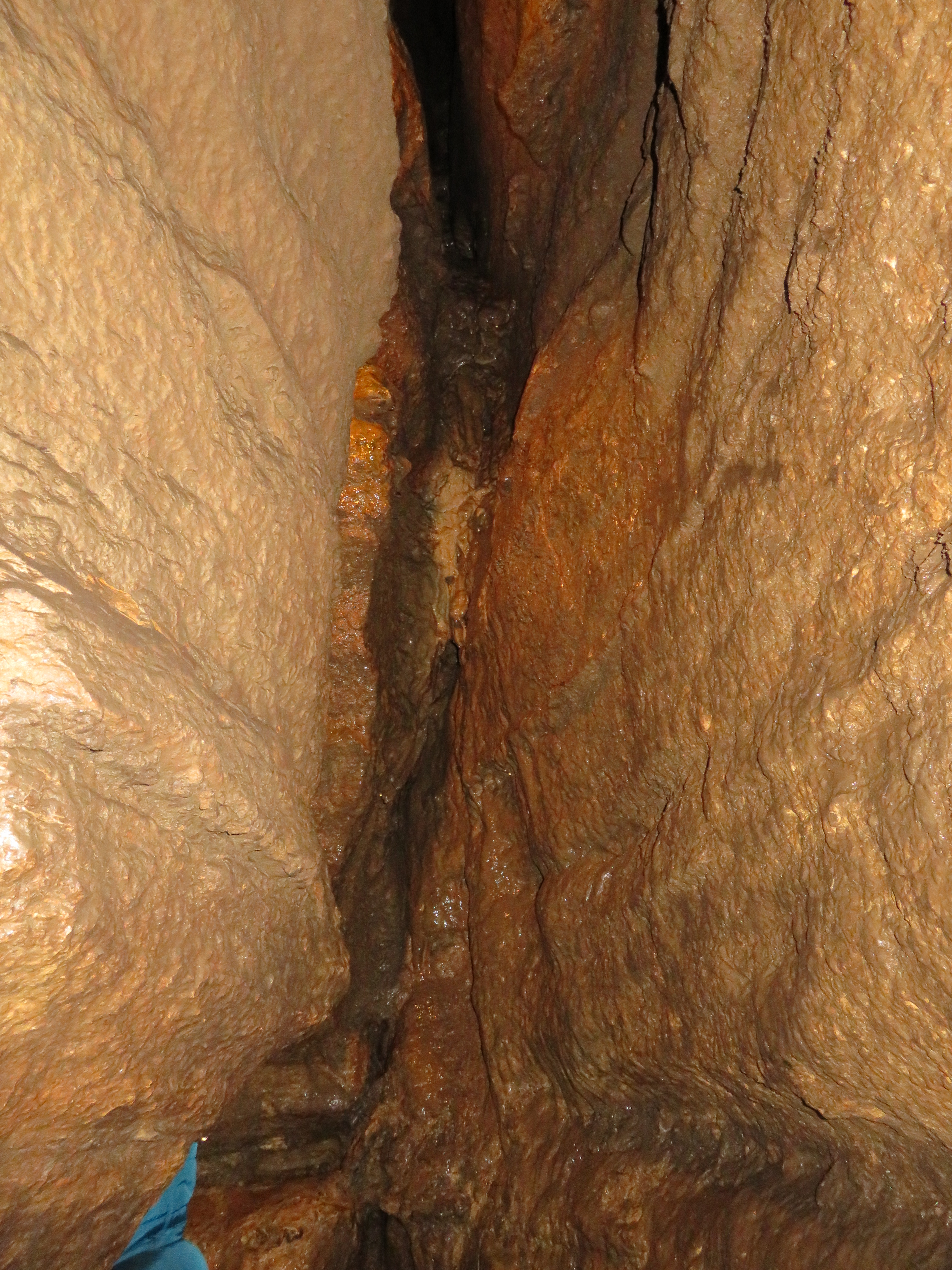
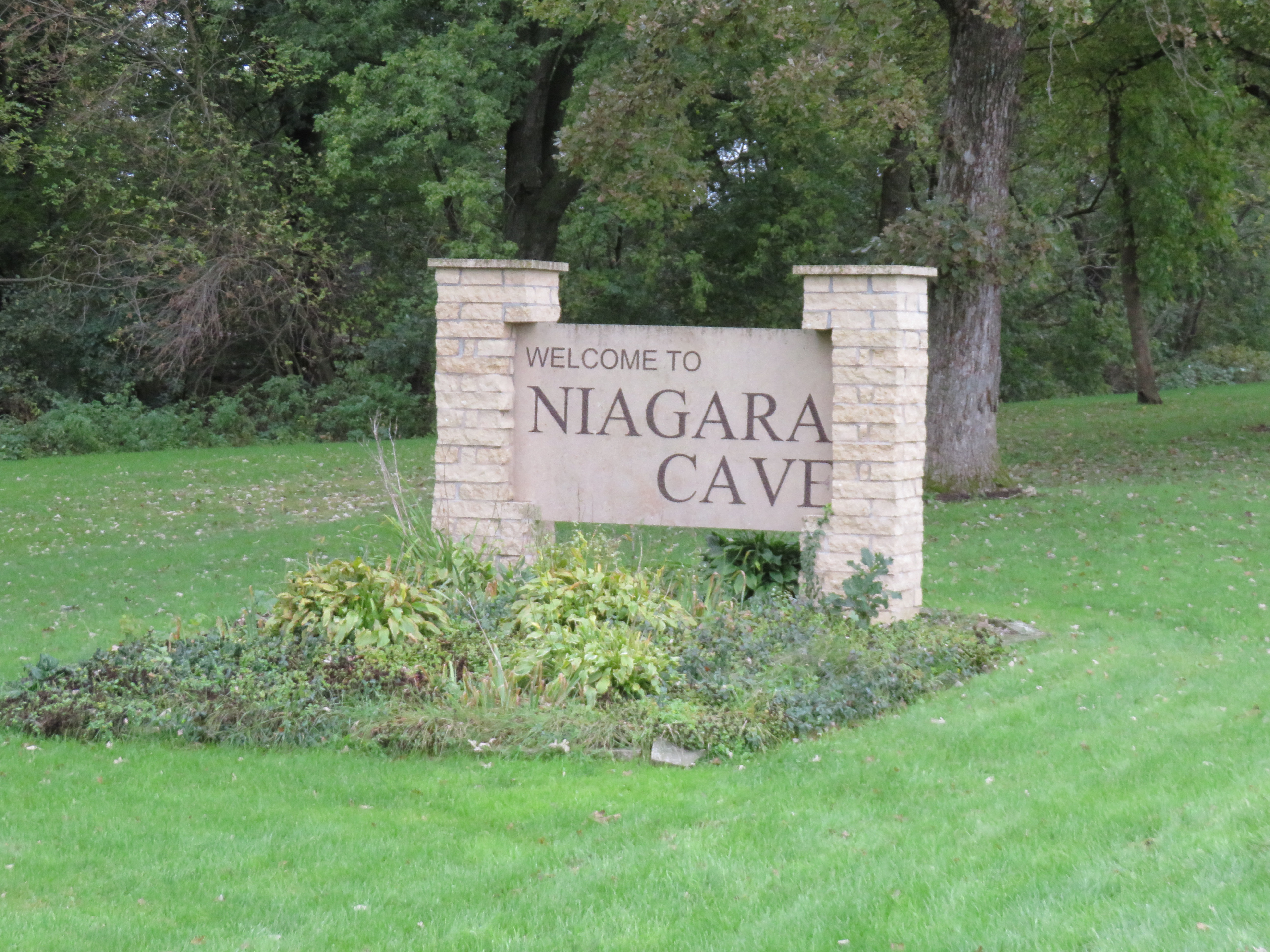
Winona is located in The Driftless Area, a 24,000 square mile area of land that covers parts of Wisconsin, Minnesota, Iowa and Illinois. Drift refers to the soil that was transported and deposited by the glaciers passing through. The last ice age, which ended over 10,000 years ago, missed this area. While surrounding land was flattened by glaciers, the Driftless Area contains deep river valleys, steep ridges, and spring fed waterfalls. You can find caves and underground streams, even underground waterfalls such as the one at Niagara Cave near Rochester, Minnesota, which we visited a few years ago.


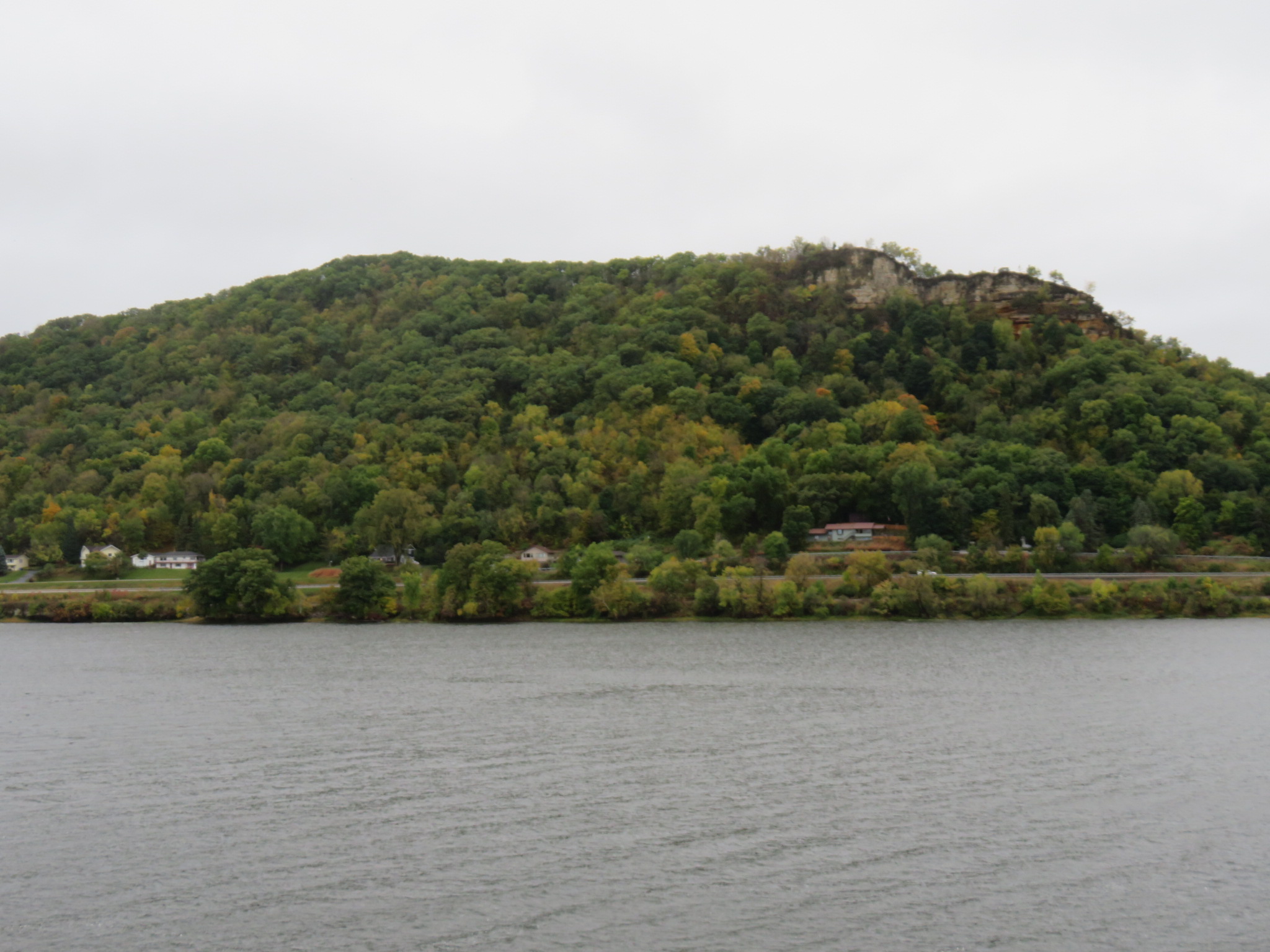
The drive along the river is especially beautiful in the fall when the leaves are changing color. We left town shortly after lunch. It continued to rain most of the day, but still we enjoyed the scenery as we passed by.


Lock and Dam Number 6 is located at Trempealeau, Wisconsin, with about a five foot drop. Number 7 is at LaCrescent, Minnesota, just north of La Crosse. The drop here is about seven feet.
The City of La Crosse, Wisconsin was named for a game that indigenous peoples played with stick and a ball. French fur trappers named it la crosse, meaning the stick in French. The game of Lacrosse is the oldest organized sport in North America, and the city promotes it with their La Crosse Lightning Lacrosse Club for youth.
La Crosse also boats the World’s Largest Six Pack, six 54-foot high storage tanks that were built in 1969 by G. Heileman Brewery, then painted to resemble beer cans. The brewery was sold 30 years later, and is now owned by City Brewing Company in La Crosse. The tanks were wrapped in 2003 to advertise their product – LaCrosse Lager. According to the sign, the tanks can hold enough beer to fill over 7 million cans. A permit was issued recently to give the tanks a new “label,” no news yet on what that will be.
We reached Lock and Dam Number 8 south of La Crosse, at Genoa, Wisconsin, around 8pm, where there is an approximately eight foot drop. Then Lock and Dam Number 9 near Harpers Ferry, Iowa (not to be confused with the more famous town in West Virginia. At this point, we experienced a drop of about eleven feet.


 So Many Exciting and Beautiful Places!
It sounds like you are enjoying your cruise. Wh
LikeLike