Saturday, October 14, 2023
On our way to Dubuque, we passed by Prairie du Chien, Wisconsin, home of the historic Fort Crawford. It was here that future US President, Zachary Taylor, accepted the surrender of Sauk war chief Black Hawk following the Black Hawk War of 1832. A series of misunderstandings on both sides led to the death of 77 settlers and between 450-600 Sauk tribe members.
On the opposite shore of the river, Marquette, Iowa is about 4 miles south of Effigy Mounds National Monument. More than 200 mounds were built here by the Eastern Woodland Indians between 500 BC and 1200 AD. It isn’t know why the mounds were built. There are four styles: conical, which are the oldest and were often used as burial mounds; linear, long and narrow mounds that may have been ceremonial; compound, a combination of conical and linear, like a row of beads; effigy, among the more recent mounds, that are built in animal shapes. The linear and compound styles are only found in this region.
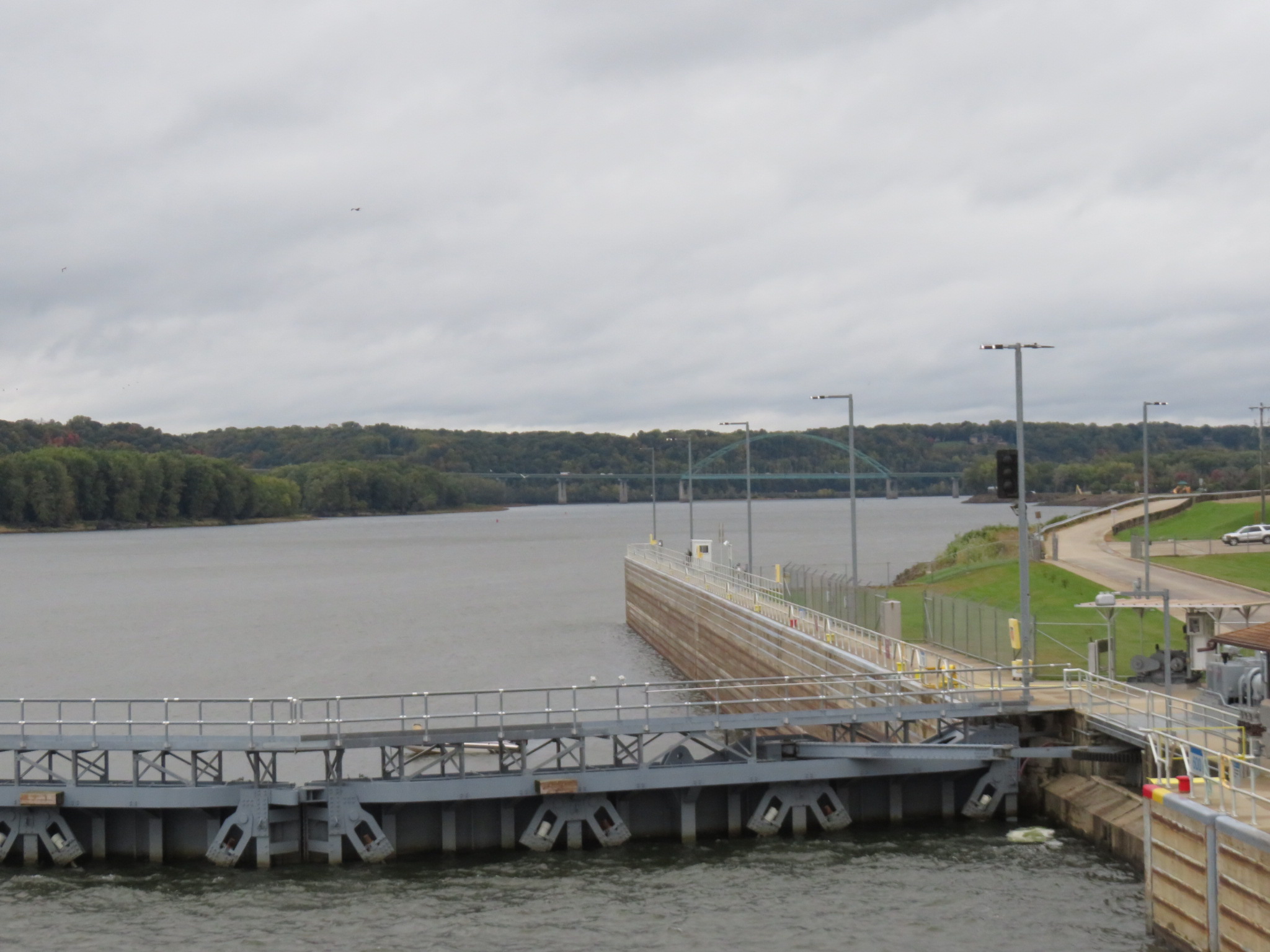
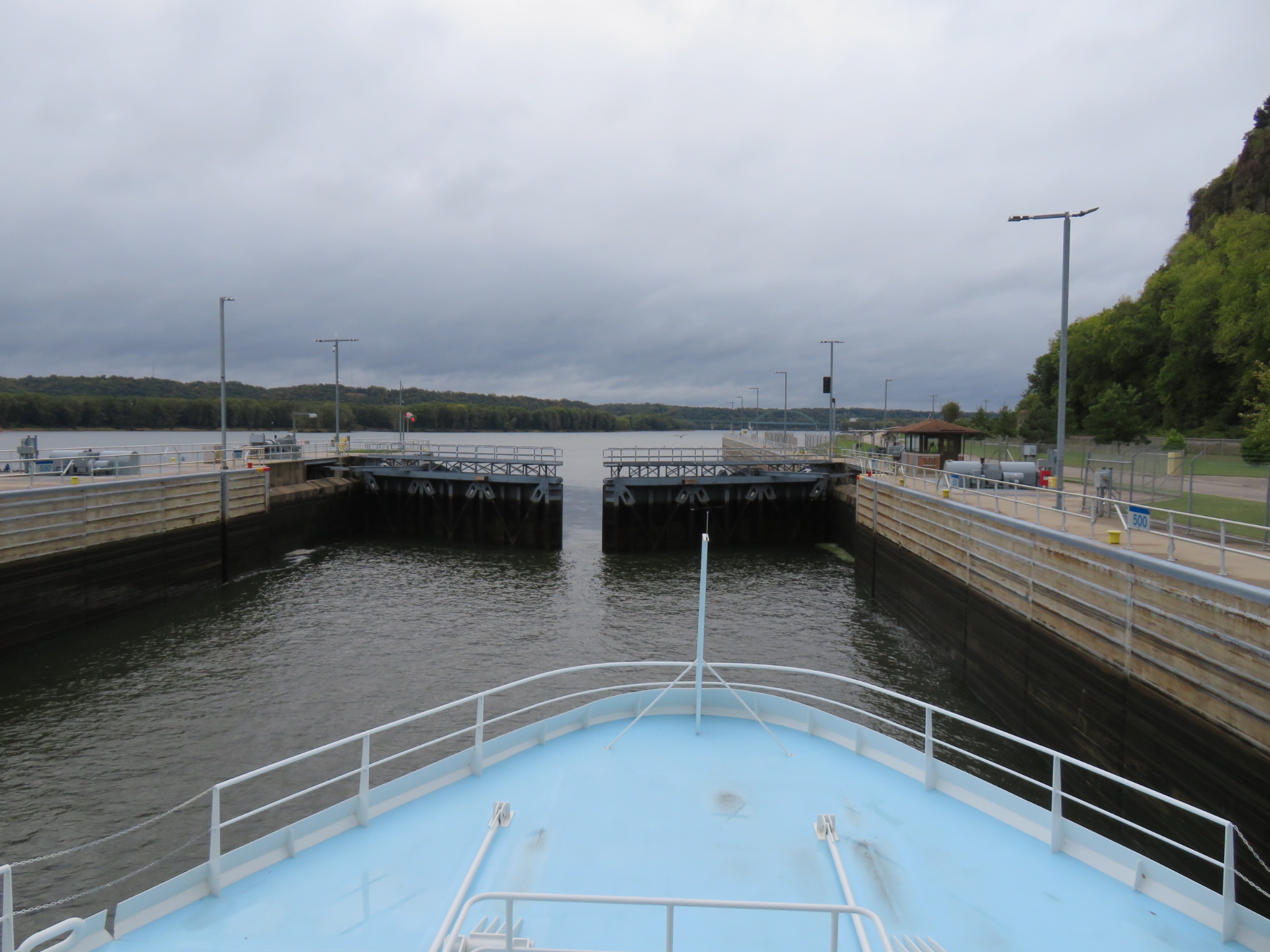
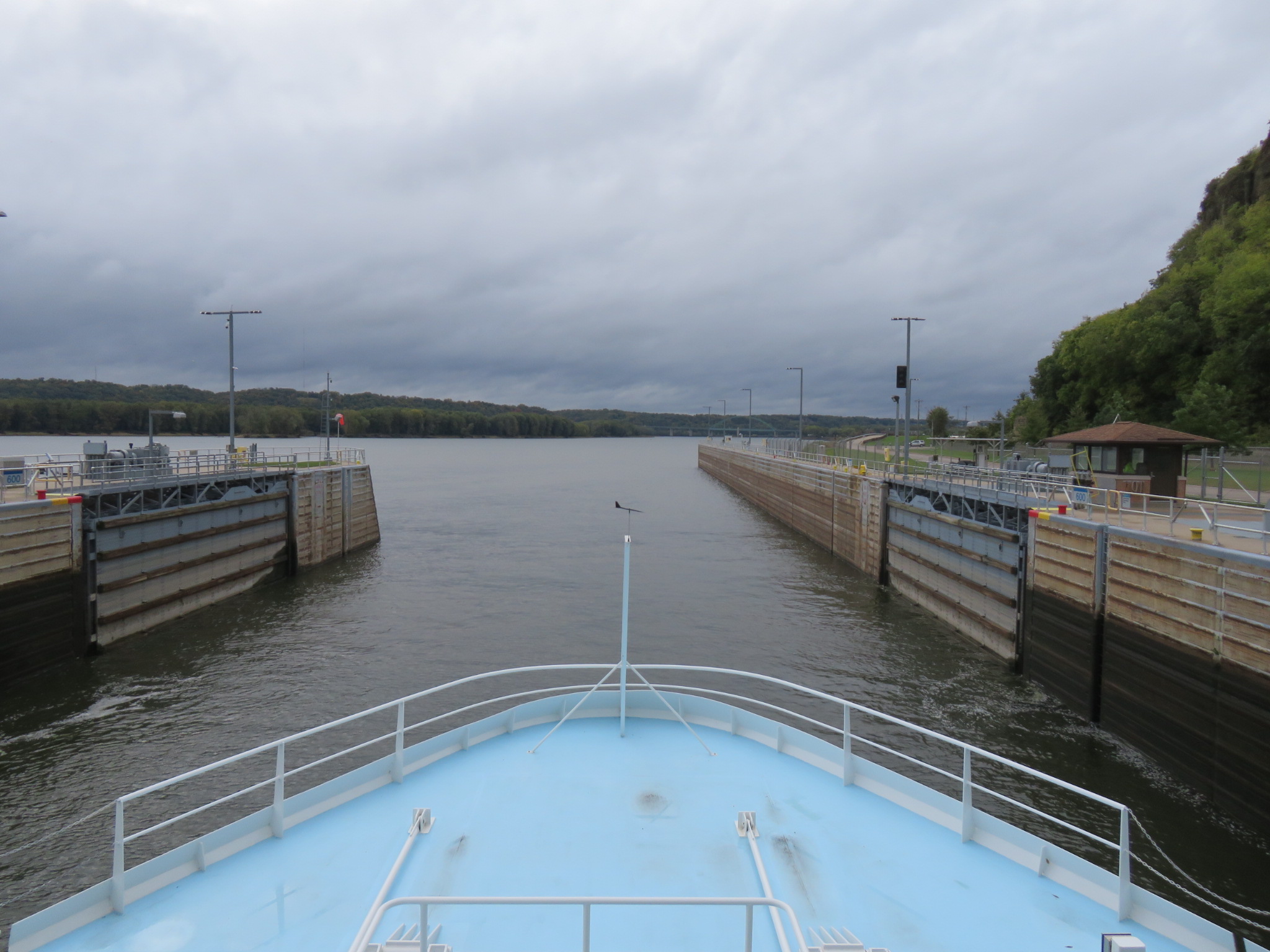
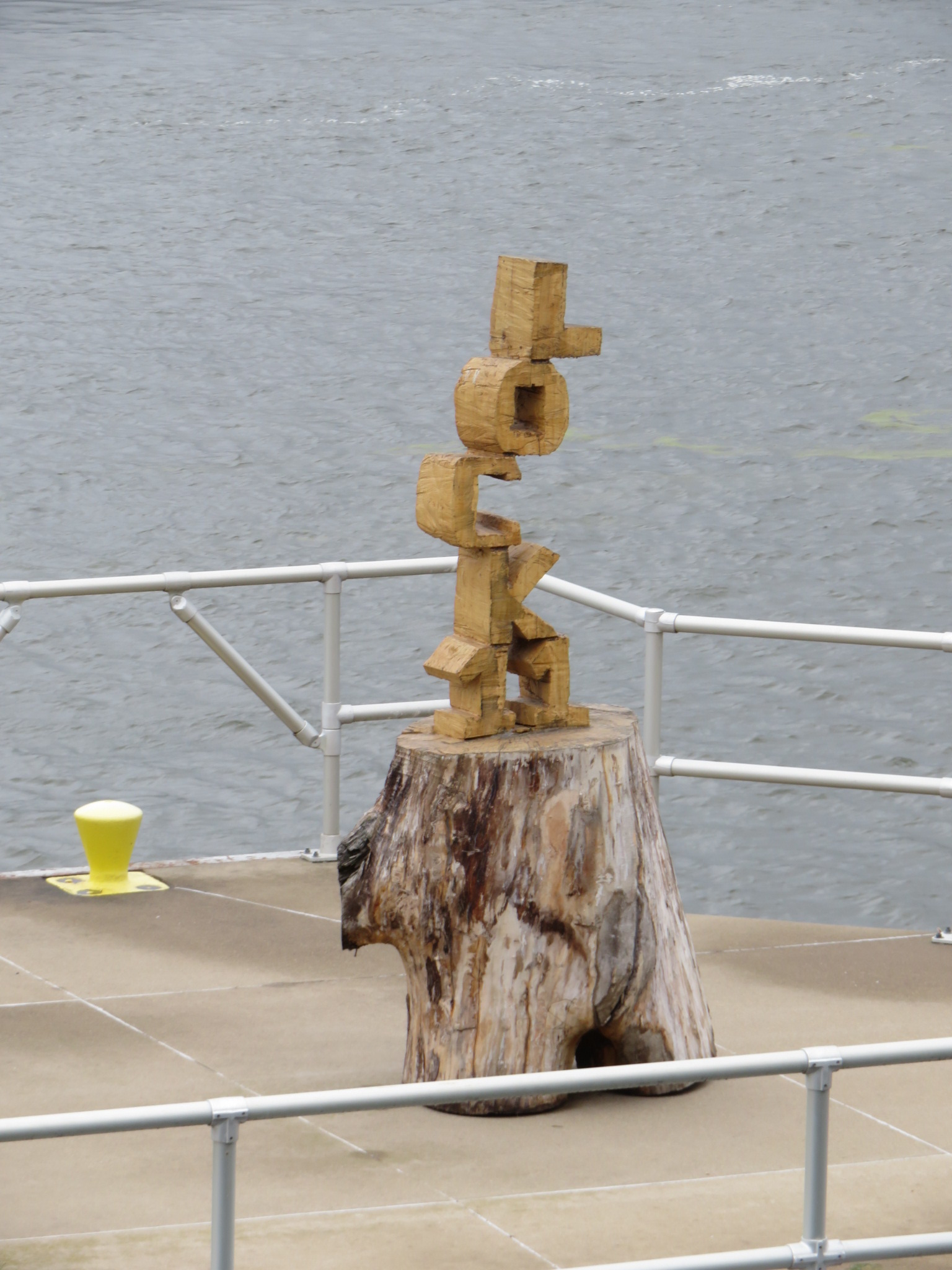
Lock and Dam Number 10 is near Guttenberg, Iowa, with another nine foot drop. We reached Lock and Dam Number 11 just north of Dubuque, with a drop of about eight feet.

There were rich lead deposits on the west side of the river, which drew more settlers. The Meskwaki Peoples had been using unrefined lead for years prior to this. They would grind it into powder, mix it with water, and create a black paint for face and body decoration. The French explorers taught the Native Americans how to melt the ore and shape it into statues, tools, sinkers and cooking utensils.
The Meskwaki traded chunks of ore to the French and English traders, who would then smelt the ore and produce lead shot, often trading them back to the Native Americans. The Meskwaki were secretive about their mines, guarding them form the traders. Julien Dubuque came to the area, drawn by the lead, and gained the trust of the Meskwaki, even marrying the daughter of their Chief Peosta. Dubuque worked with the Native Americans to find new sites, and he ran the mines for them until he died in 1810. At that time, the mines were taken over by the United States Army instead of being returned to the original owners – the Meskwaki.
We arrived in Dubuque late this morning. The city, which sits at the juncture of three states, Iowa, Illinois, and Wisconsin, was founded in 1833, and named for Julien Dubuque.
I grew up in north central Iowa, where the flat prairie and rich topsoil make agriculture and food production the number one industry in the state. We lived west of the Driftless Area, so I wasn’t aware that Iowa had any bluffs or rolling hills until I first visited Dubuque at the age of 16.
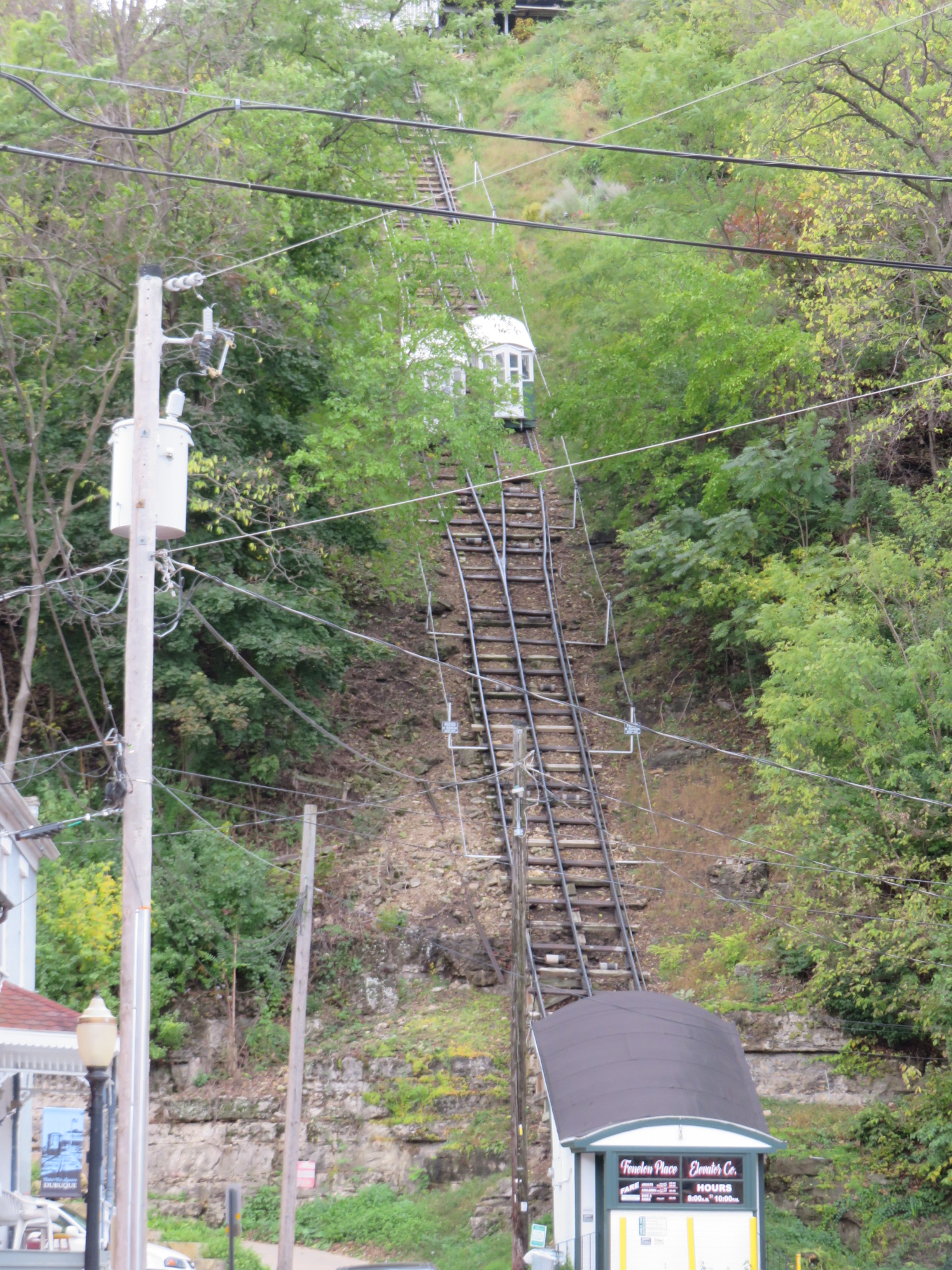
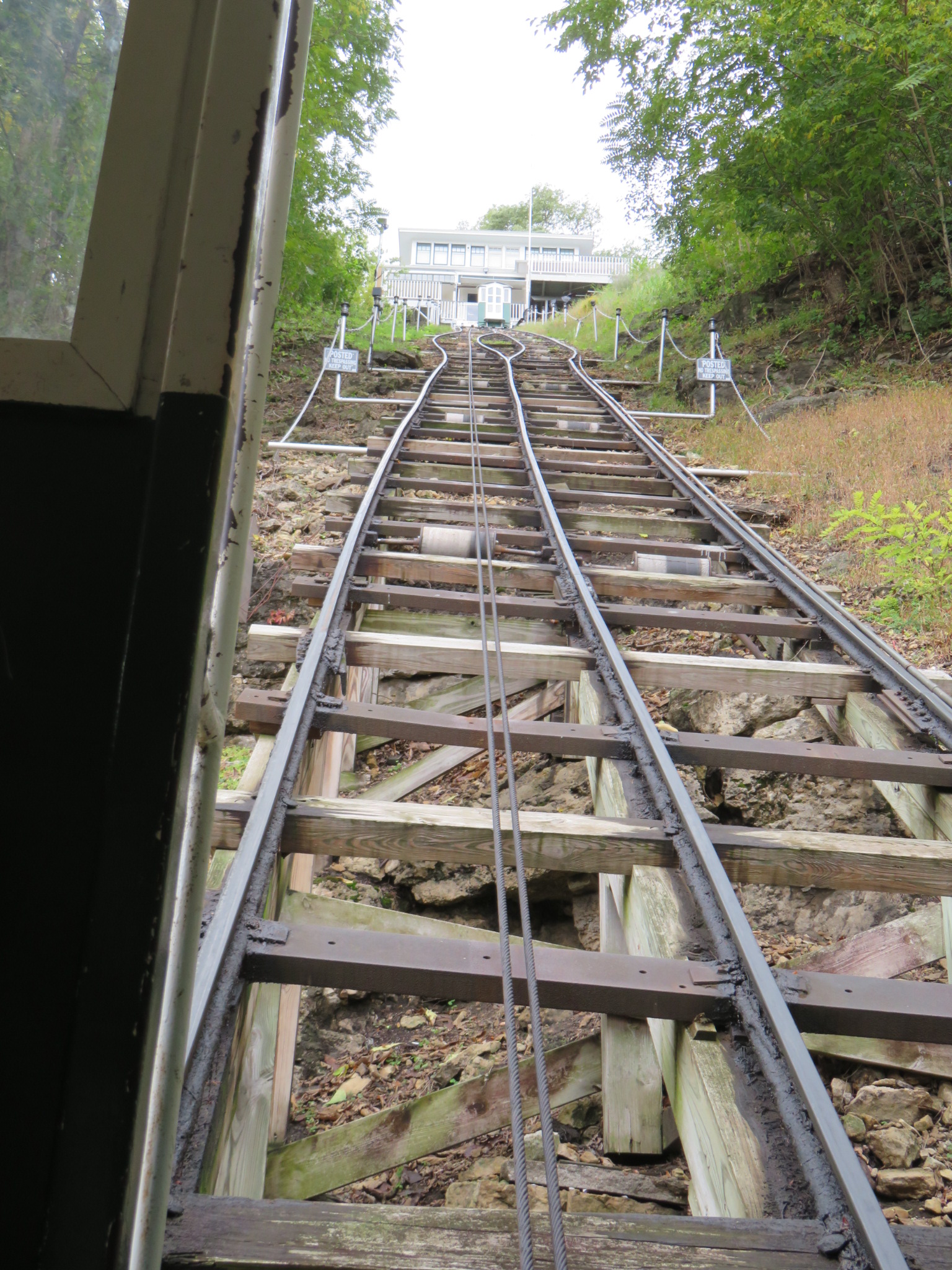
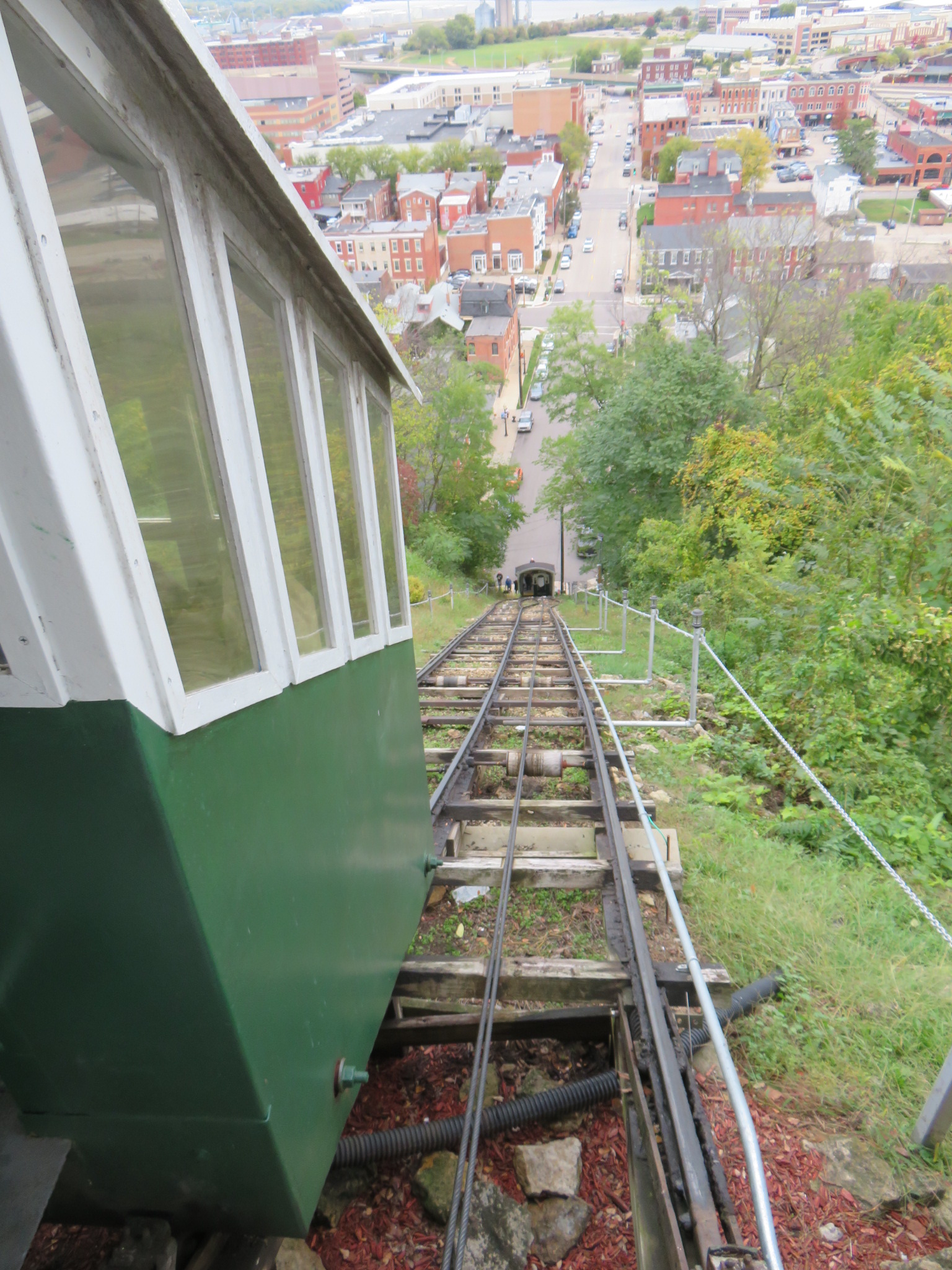
In the 1880s, If you lived on the bluffs of Dubuque and worked closer to the river, it could take you 30 minutes to drive your horse and buggy each way. At this time, Dubuque residents took 1.5 hours for lunch, enough for most people. However, J.K. Graves, former mayor, former State Senator, and banker, liked to have time for a nap over his lunch break. Driving 30 minutes each way didn’t leave enough time to eat and nap, so he decided to build an incline railway with cable car. The city granted him a franchise to build it, and a local engineer was hired to design and build a one-car cable modeled after those in the Alps of Europe. Graves had his gardener operate the car, a plain wood building with a coal-fired steam engine boiler and winch. Other locals paid him 5 cents to use it as well. It’s been called the world’s steepest and shortest scenic railway. It is 296 feet in length, and elevates passengers 189 feet.
The funicular style elevator, experienced a couple of fires over the years. After the second fire, in 1893, Graves could not afford to rebuild the elevator. Neighbors banded together to raise the money, and formed the Fenelon Place Elevator Company, and built an improved elevator which operates to this day. Now it costs $2 each way to ride. It’s well worth the price, though, for the views of the city and river.
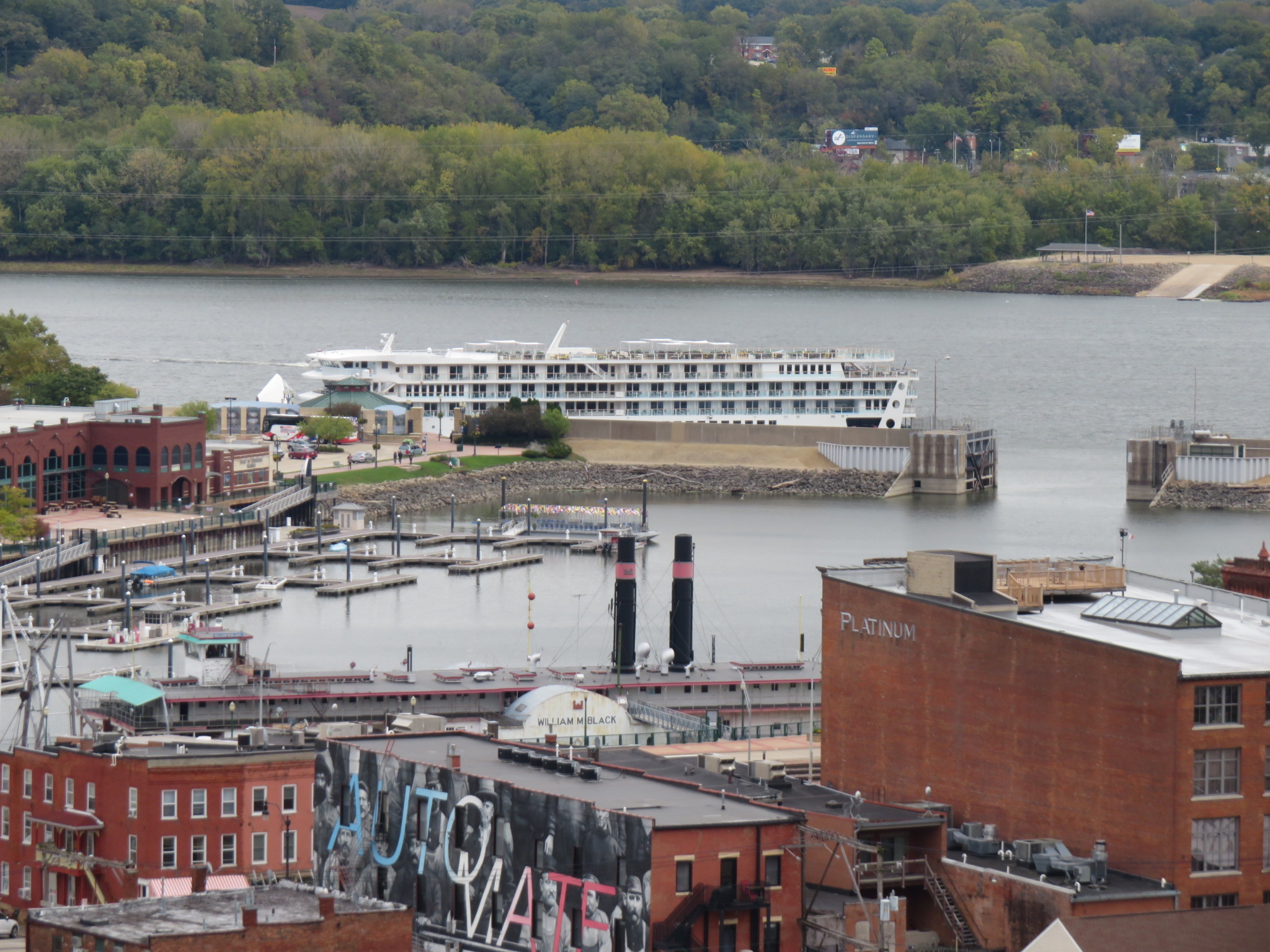

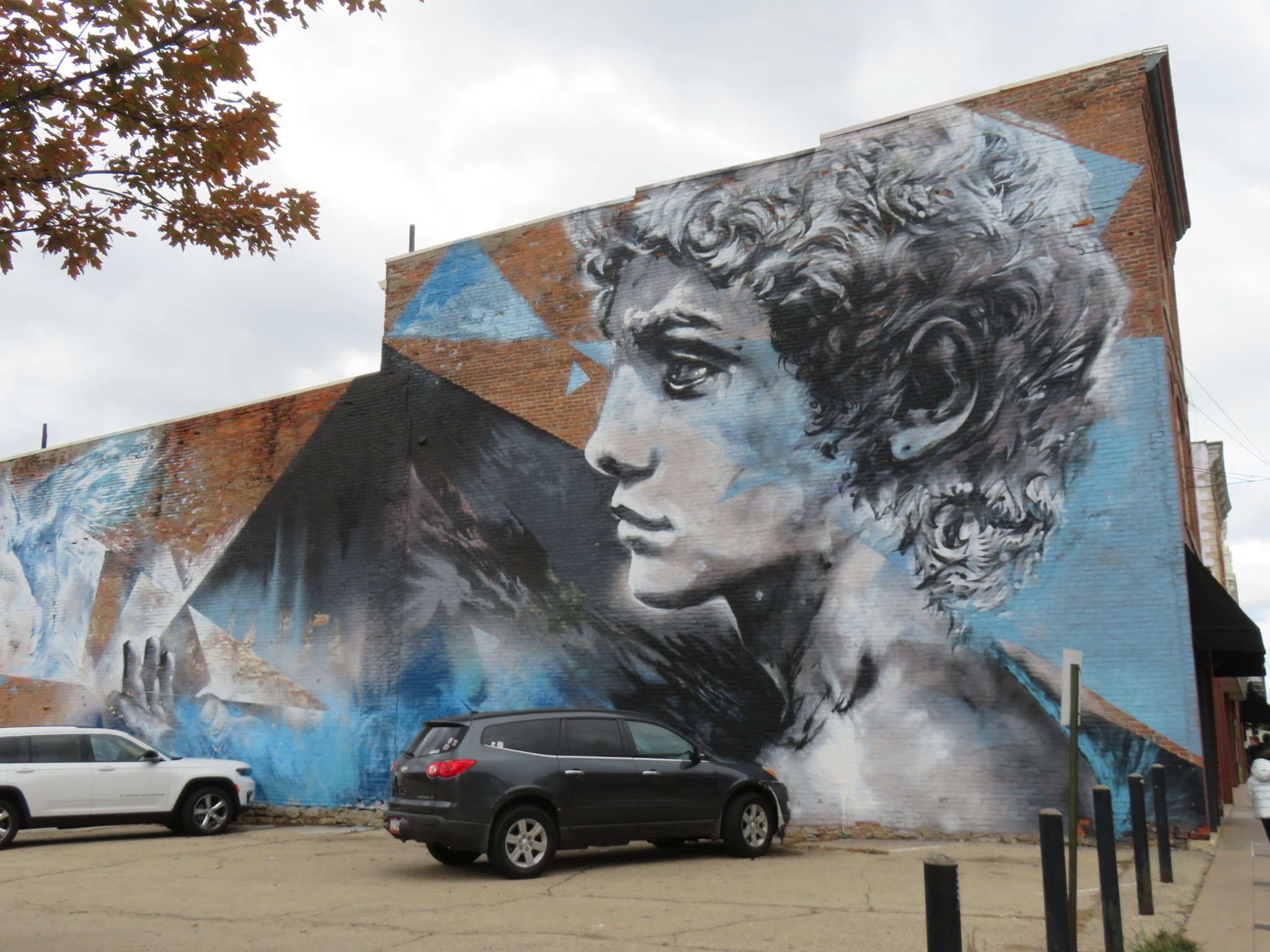
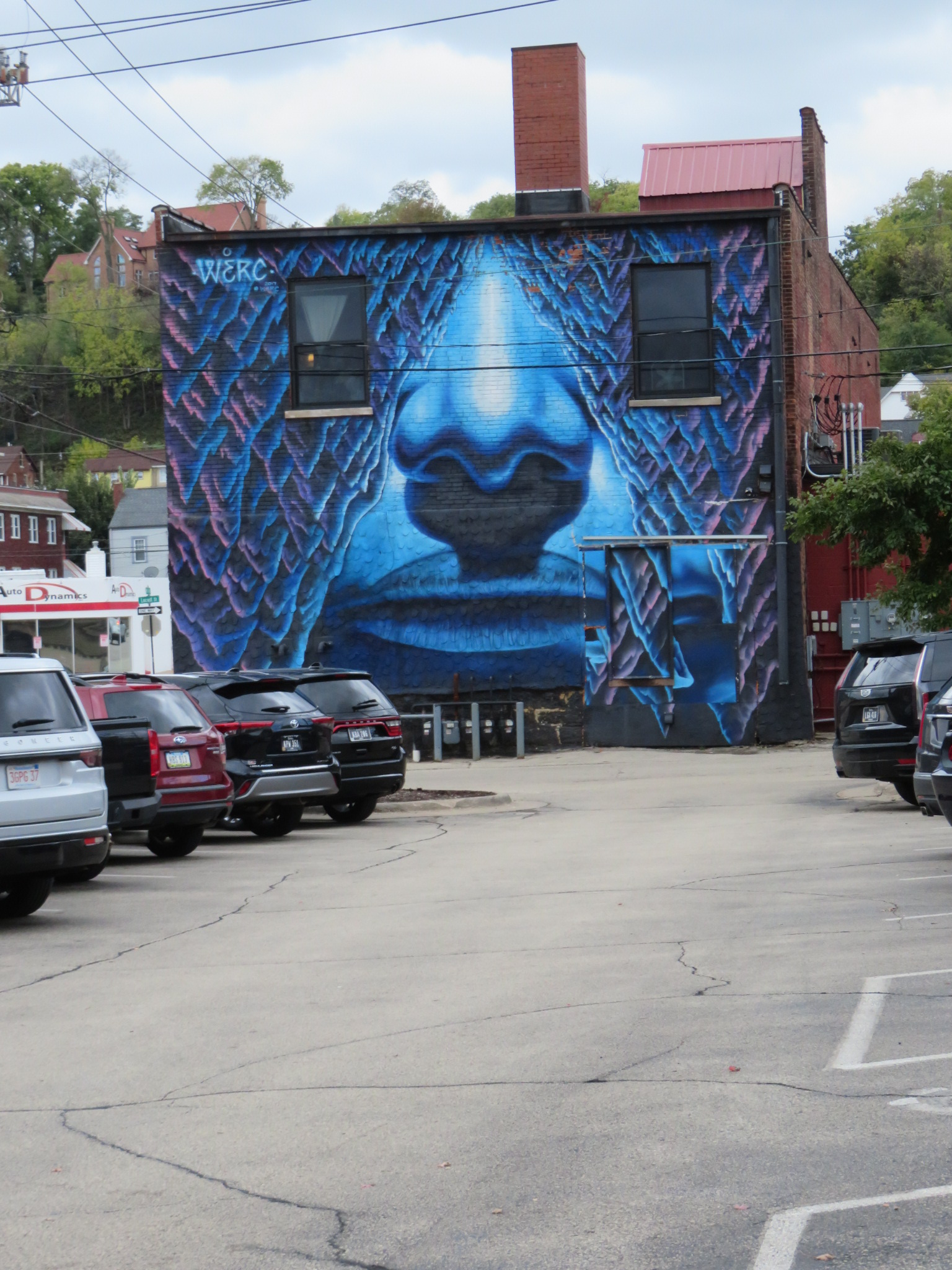
From here, we walked by the downtown area with its lovely buildings and many murals.

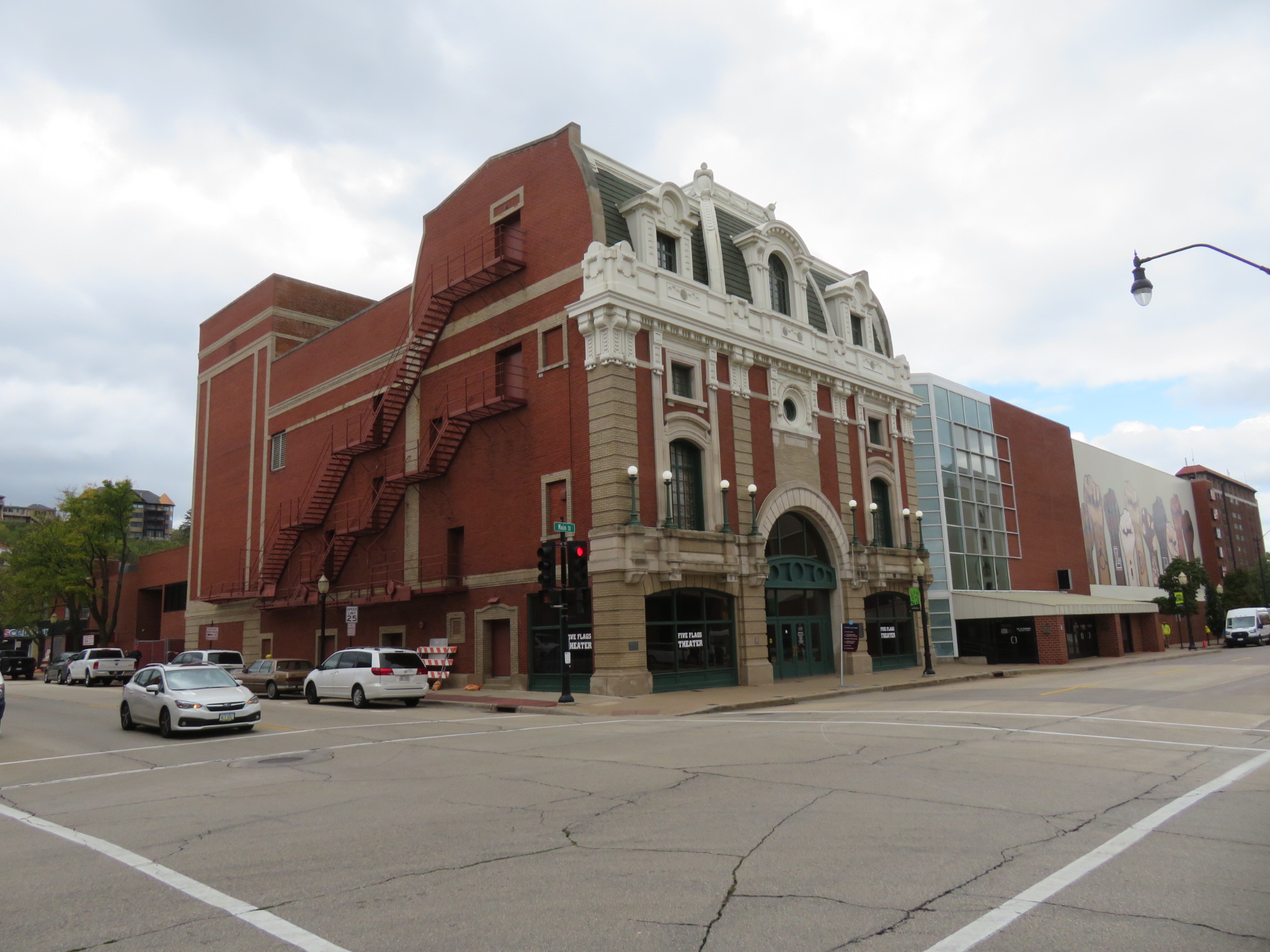
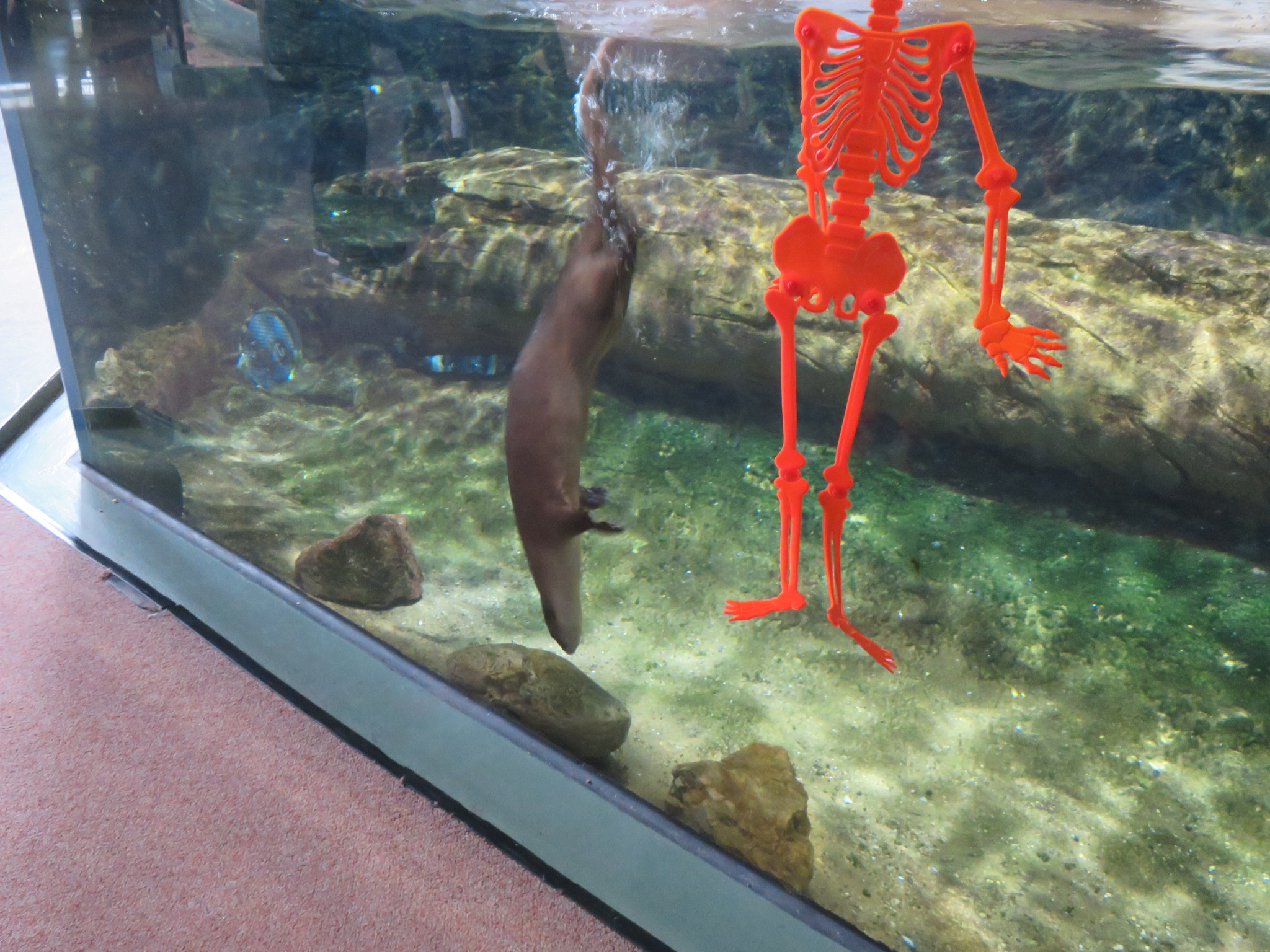
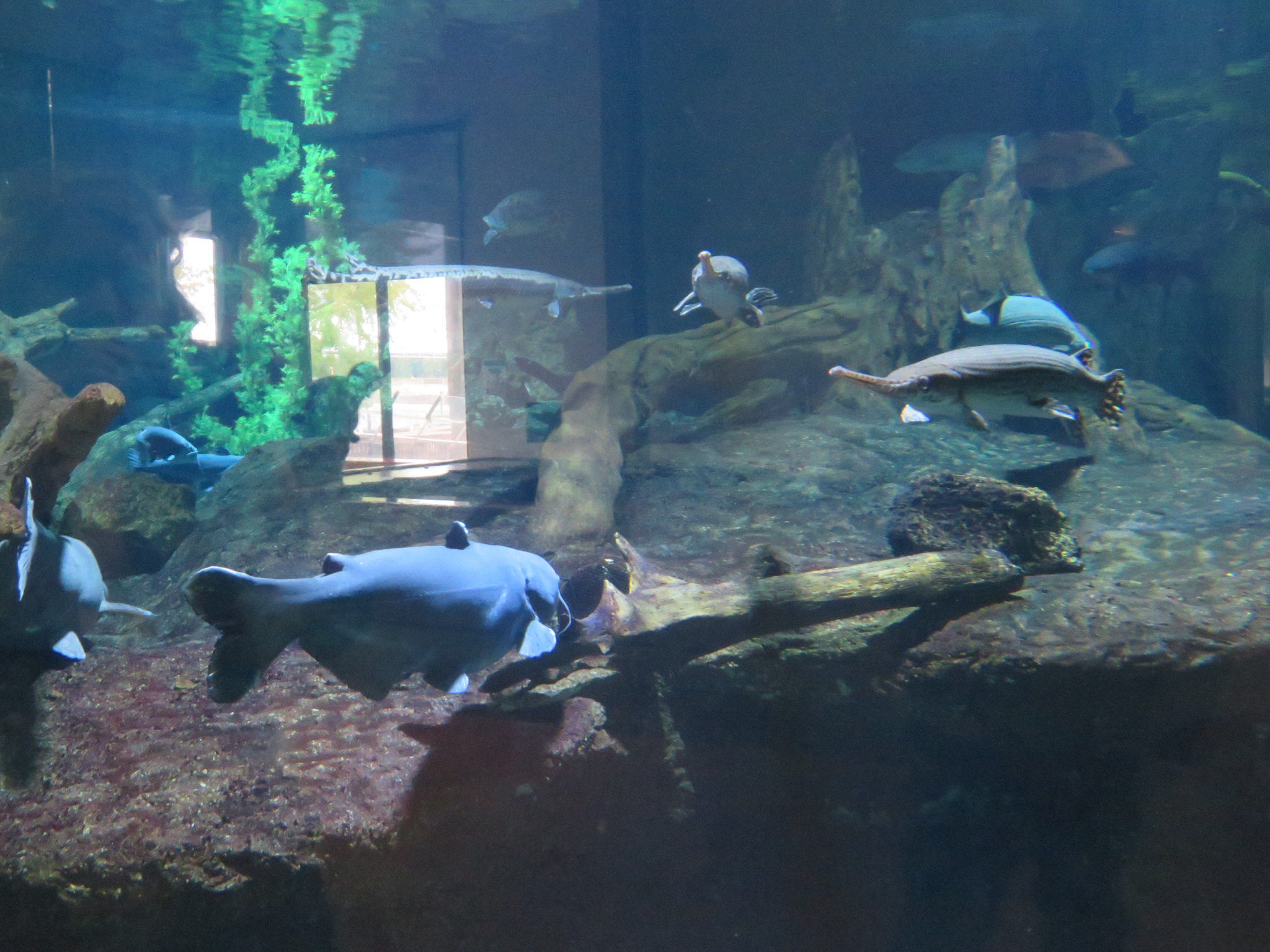
The National Mississippi River Museum and Aquarium graces the western shore of the river, just blocks from downtown Dubuque. This museum was established in 2003 by the Dubuque County Historical Society.
We left Dubuque at around 5:30 pm.


 So Many Exciting and Beautiful Places!