
Sunday, October 15, 2923
We passed through three locks on our way to the Quad Cities: Lock and Dam Number 12 near Bellevue, Iowa, with a drop of about eleven foot; Number 13 is at Fulton, Illinois, dropping us another eleven feet or so; and Number 14 at LeClaire, Iowa, with yet another eleven foot drop. LeClaire’s main claim to fame is that Buffalo Bill Cody was born here. That seems to be the extent of his connection, as his family moved to Canada when he was still an infant.


Wouldn’t you think that an area called “Quad Cities” would be comprised of four cities?According to Merriam-Webster, the meaning of quad is: “having or composed of four items or elements.” I guess every rule has an exception. The Quad Cities include two cities in Iowa (Davenport and Bettendorf) and three in Illinois (Moline, Rock Island and East Moline.)
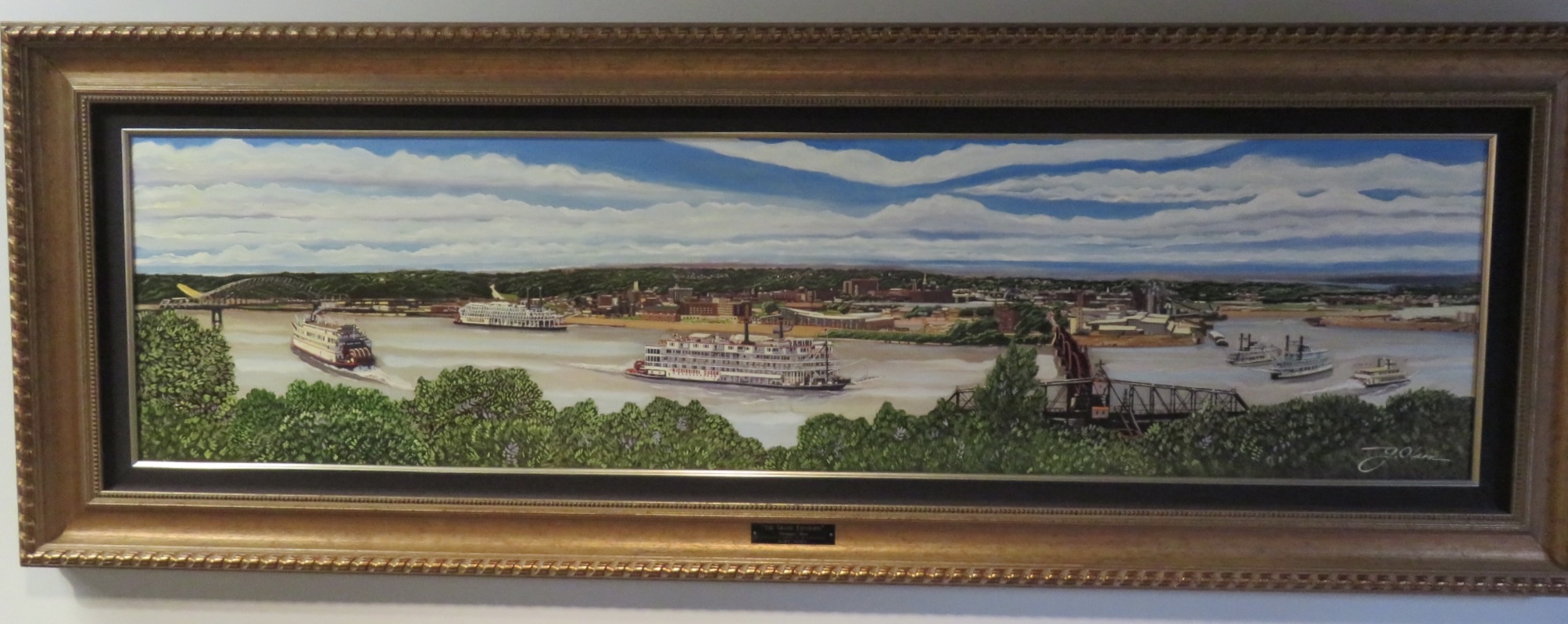
Riverboat traffic contributed to the settlement of this section of the Mississippi River, with three cities enjoying initial growth. After the Civil War, the cities of Davenport, Rock Island and Moline began calling themselves the “Tri-Cities.” As East Moline grew, it was added to what would be called the Quad Cities. Bettendorf was added some years later, and the community discussed changing the name to “Quint Cities,” but that name didn’t catch on, so it remains Quad Cities to this day. Perhaps it simply rolled off the tongue more easily than did Quint Cities.
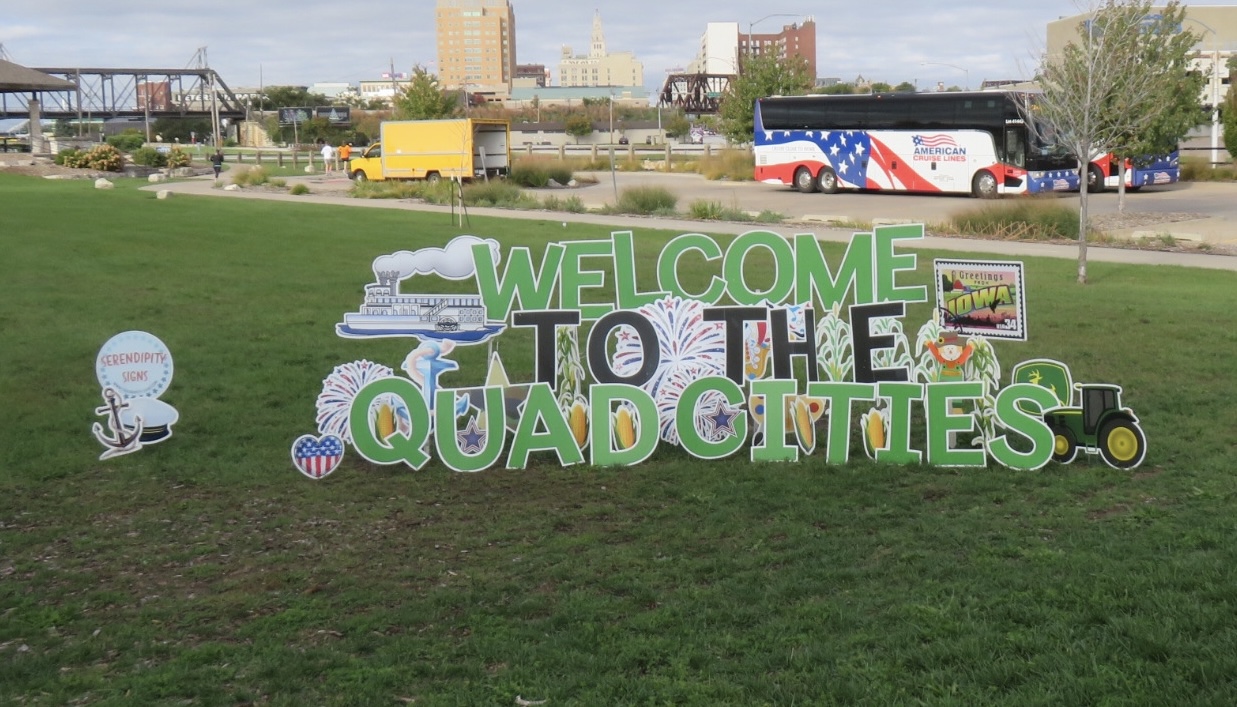
The Quad Cities are located where the Rock River meets the Mississippi. We are no longer in the Driftless Area. Retreating glaciers dumps tons of soil here, and we see many signs of the agricultural richness of both Iowa and Illinois.
Davenport, Iowa, incorporated in 1839, is the largest of the Quad Cities. Following the Black Hawk War, the defeated Native tribes were forced to sell the land Davenport now occupies to the United States.
The Sauk chief Black Hawk was born at Saukenuk, located at what is now Rock Island, Illinois. Other claims to fame include: it’s the home town of the fictional “Blues Brothers,” Jake and Elwood Blues; and the Chicago, Rock Island & Pacific Railroad was founded here in 1851.
Rock Island was also the starting point of the Grand Excursion of 1854, which celebrated the completion of the railroad from Chicago to the upper Mississippi River. Passengers took the train from Chicago to Rock Island, and about 1,200 passengers cruised upriver by steamship from there to St. Paul, MN. The boats passed through some of the widest stretches of the river, stopping at several locations on the way. The passengers were awed by the beauty of the bluffs and the vast areas of open land just begging to be settled. The Grand Excursion was replicated in 2004, 150 years later. A steam locomotive pulled a collection of historic railroad cars from Chicago to the Quad Cities, where their passengers boarded several boats to cruise to St. Paul. This excursion celebrated an extensive cleanup of the Mississippi River, which had become very polluted.
Moline, Illinois‘ biggest claim to fame is as world headquarters of Deere & Company. When you’re in town, you can visit the John Deere Pavilion, the John Deere Tractor & Engine Museum, the John Deere Historic Site as well as the World Headquarters Display. The eponymous John Deere was born in Vermont in 1804, and moved to Illinois at the age of 32 to escape bankruptcy. A blacksmith, Deere opened a shop in Grand Detour, IL. A few years later, he began fashioning a steel plow that worked better in the rich soil of the central states than wood ones did (they kept getting stuck.) He began manufacturing plows, and, in 1848, moved his business to Moline with its access to the railroad and river. In the early 1960s, the company added tractors to its line, and the rest is history. You can’t go far without seeing a John Deere in a field, on the road, even in your garage or back yard.
As the name implies, East Moline abuts the eastern boundary of Moline. It was incorporated as a village in 1903, and began growing after John Deere opened his headquarters in Moline.
Latecomer to the Quad Cities was Bettendorf, Iowa. The first modern riverboat casinos in the US were launched here in April, 1991. At that time, many states prohibited gambling on land, but allowed them on water, as long as the ship was on navigable water.
The Mississippi River has been the source of power and industry in the Quad Cities, but it has also been the source of tragedy, as occurred with the Great Flood of 2019, when the area was hit by unprecedented levels of flooding. A record was set for consecutive days at major flood stage, over 200 days. Record rains tested spillways and destroyed levees, and disrupted traffic on the river. The cost of damages in the area exceeded $2 billion. We humans work hard to control the river, and she tolerates some of our interference, but always wins in the end.
This morning, we visited the Freight House Farmers Market, a year-round farmers market located at the historic Freight House Market Place on the riverfront. Besides fruits and vegetables, we could have had our fill of pastries, jams and jellies, honey and maple syrup. Over 150 vendors from Iowa and Illinois produce products that are sold at this market.


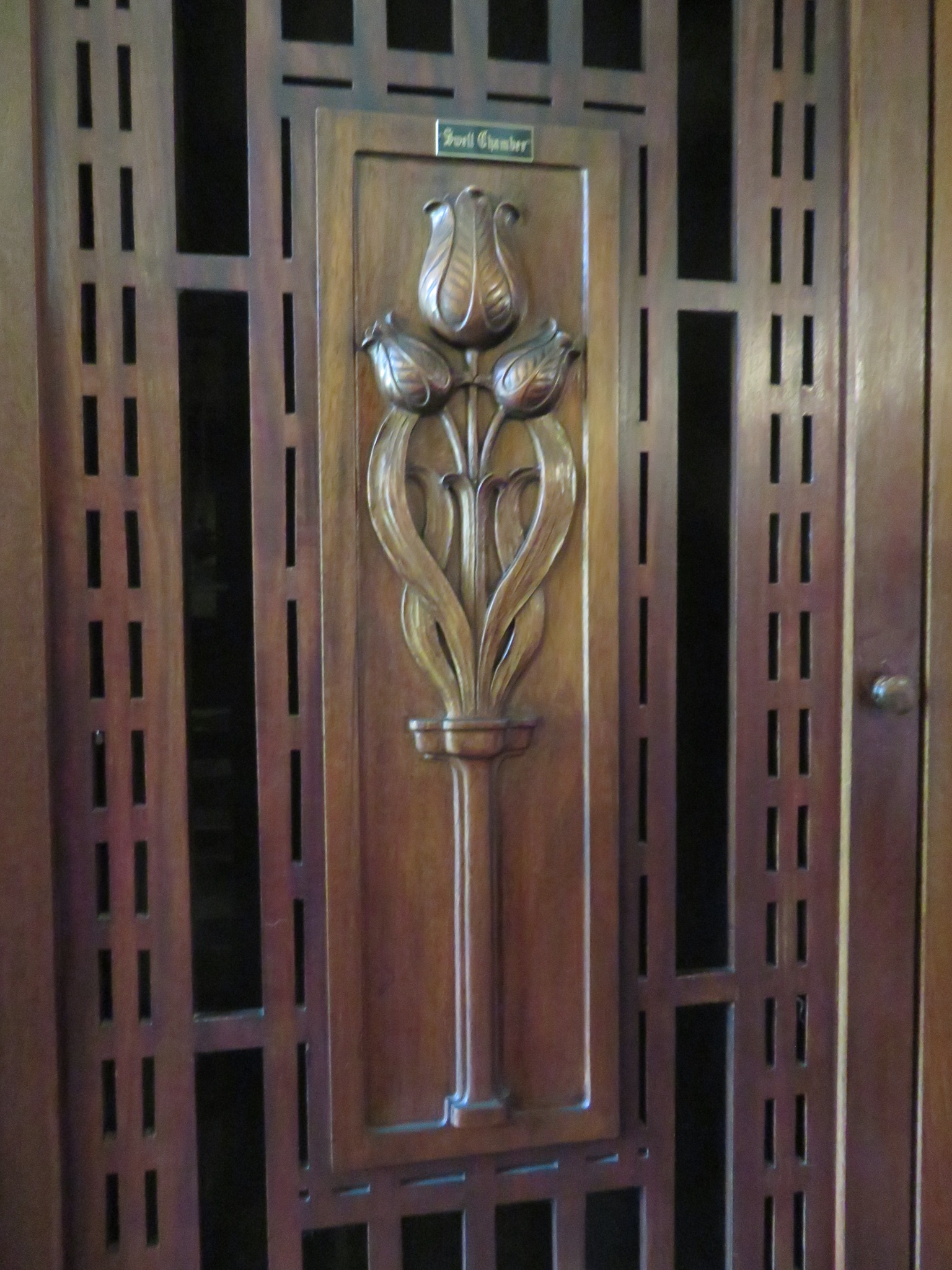
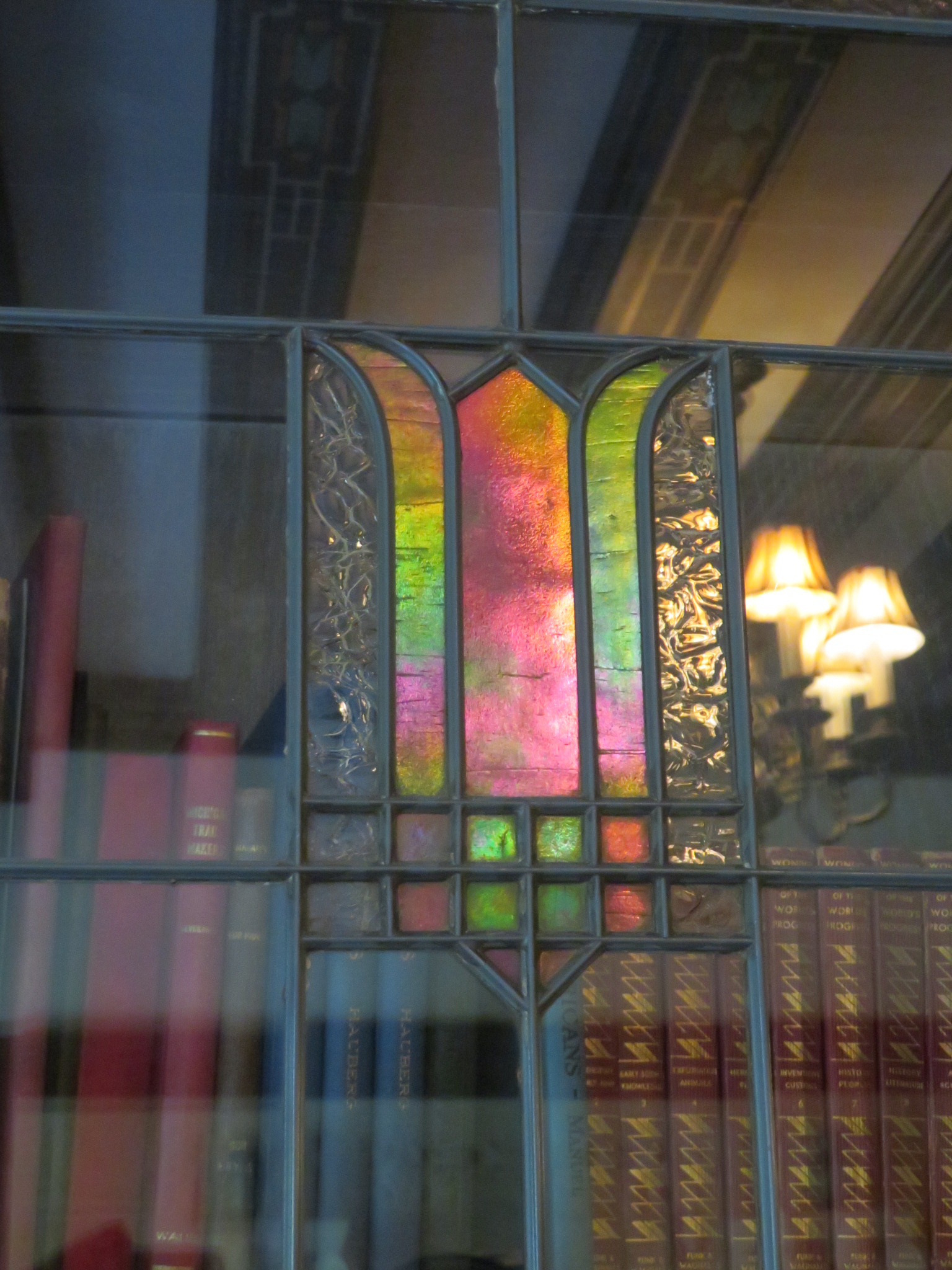
This afternoon, we visited the Hauberg Estate in Rock Island. The house was designed for Susanne Denkmann, by architect Robert C Spencer, a contemporary of Frank Lloyd Wright, in the Prairie style. Denkmann was an heiress of the Weyerhauser-Denkmann lumber business. Shortly after commissioning the house, she met her future husband – John Hauberg. The Haubergs were philanthropists, with Susanne founding the Rock Island West End Settlement and YMCA. After the Haubergs both passed, their children donated their house to the city of Rock Island as a civic and event center.
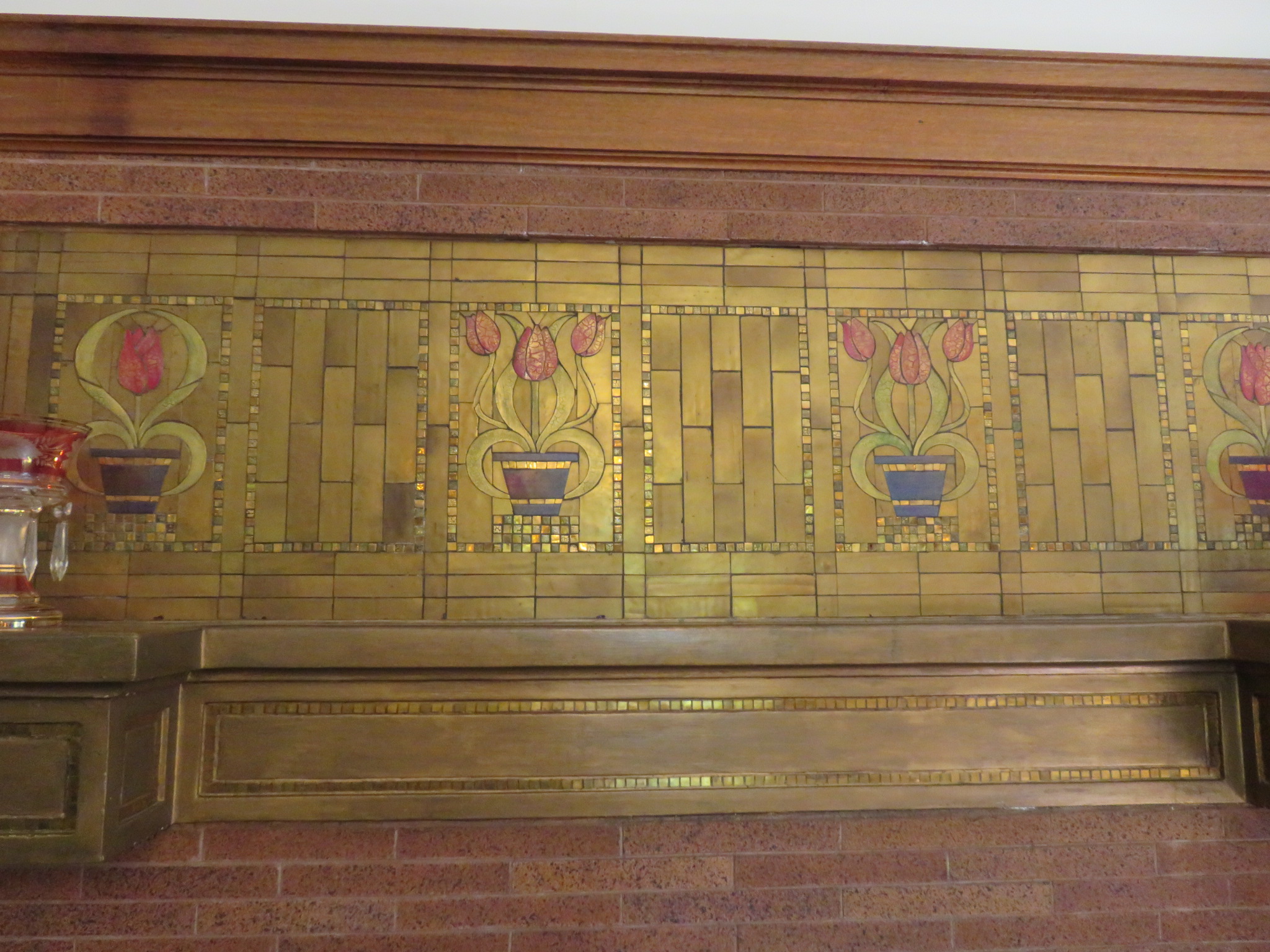


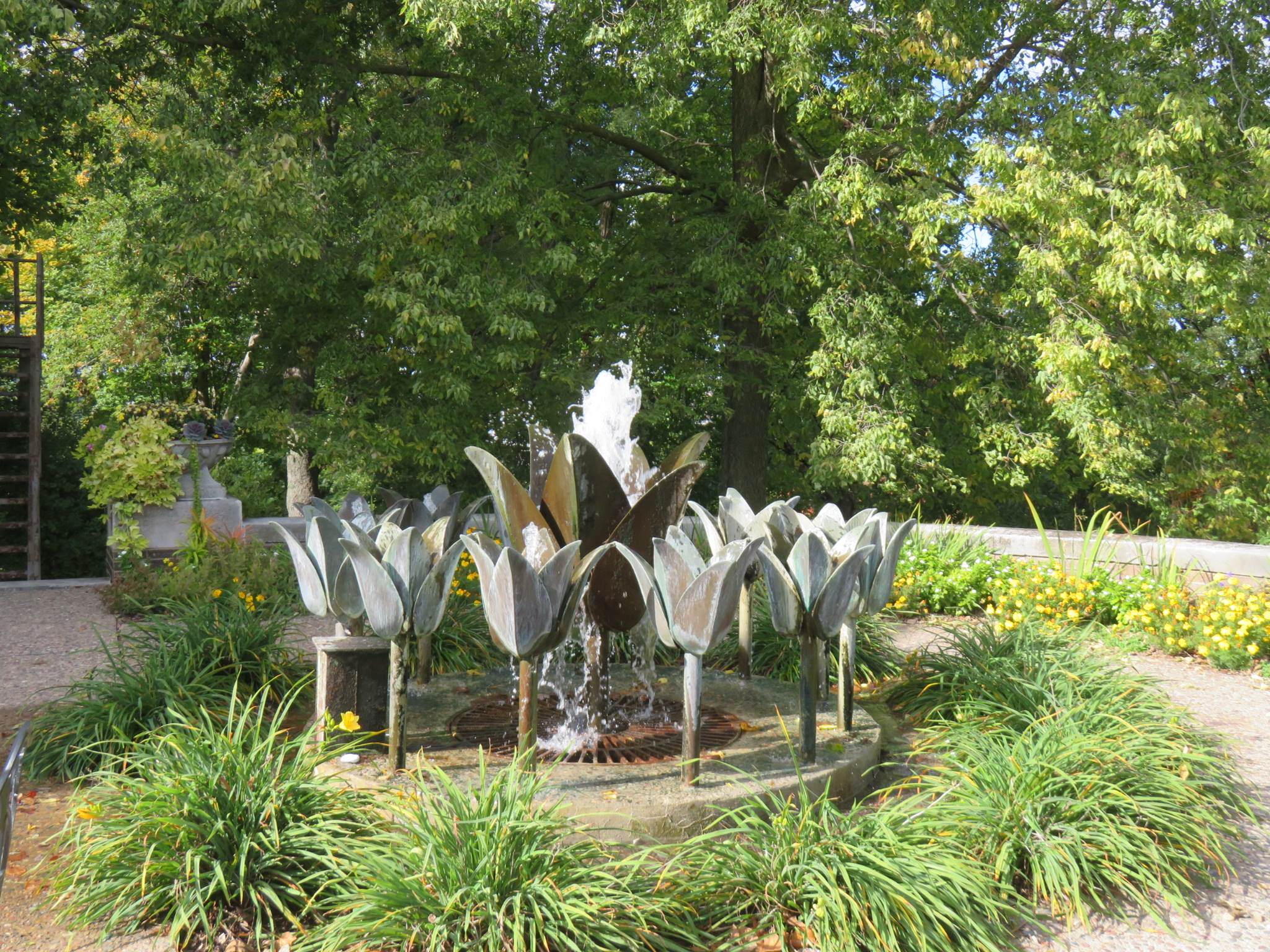
From there, we headed to the Putnam Museum & Science Center in Davenport. Mary Louisa Putnam and her husband, Charles, moved to Davenport in 1832, where Charles started his law practice. While his practice did well, their son, Duncan, was often ill. Duncan was interested in the study of insects, and to encourage this interest, Mary Louisa and Duncan joined the Davenport Academy of Natural Sciences. Mary Louisa was the first female member of the Academy, and she later became its president. She was very committed to developing natural history programs for children and adults. Mary Louisa was inducted into the Iowa Women’s Hall of Fame in 1991.
After the first railroad bridge was built in 1856 by the Chicago, Rock Island & Pacific Railroad, steamship companies worried about the threat to their business. John Hurd, owner of the steamboat “Effie Afton,” crashed it into the railroad bridge, then sued the Rock Island Railroad Company, arguing that the bridge violated the navigation rights of boat traffic. Future foes Abraham Lincoln and Jefferson Davis played roles in the legal battles. The case found its way to the Supreme Court which upheld the right to bridge navigable streams. People have as much right to cross the river as they have to travel on it. This case helped propel Lincoln onto the national stage.
Twenty-year-old Samuel Clemens (Mark Twain) was a passenger on the Effie Afton at the time of the crash. In a letter we wrote afterwards, he said “Yes, the loss of that bridge almost finished my earthly career. “ I am certainly grateful that he survived, as are book lovers around the world.
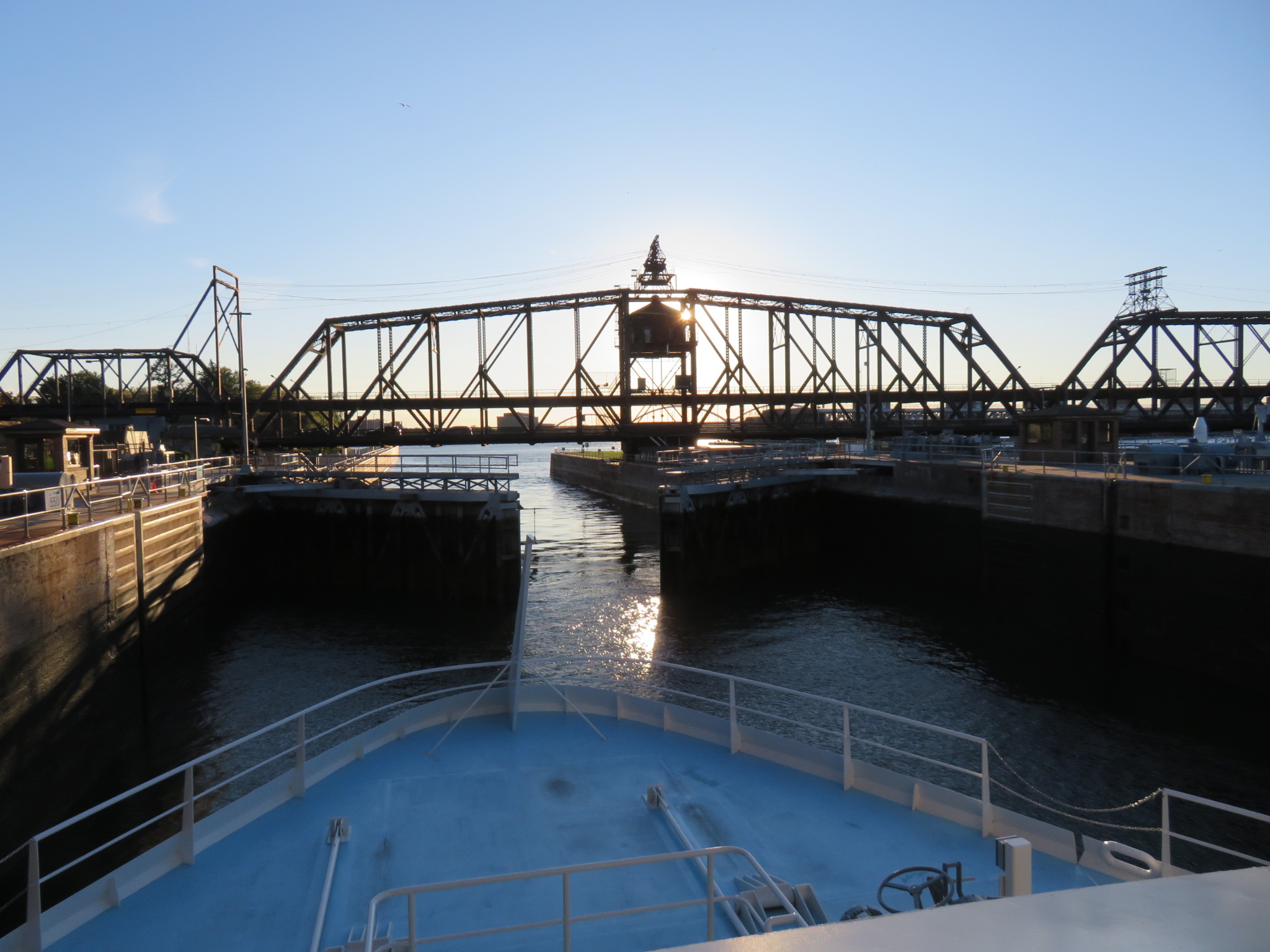
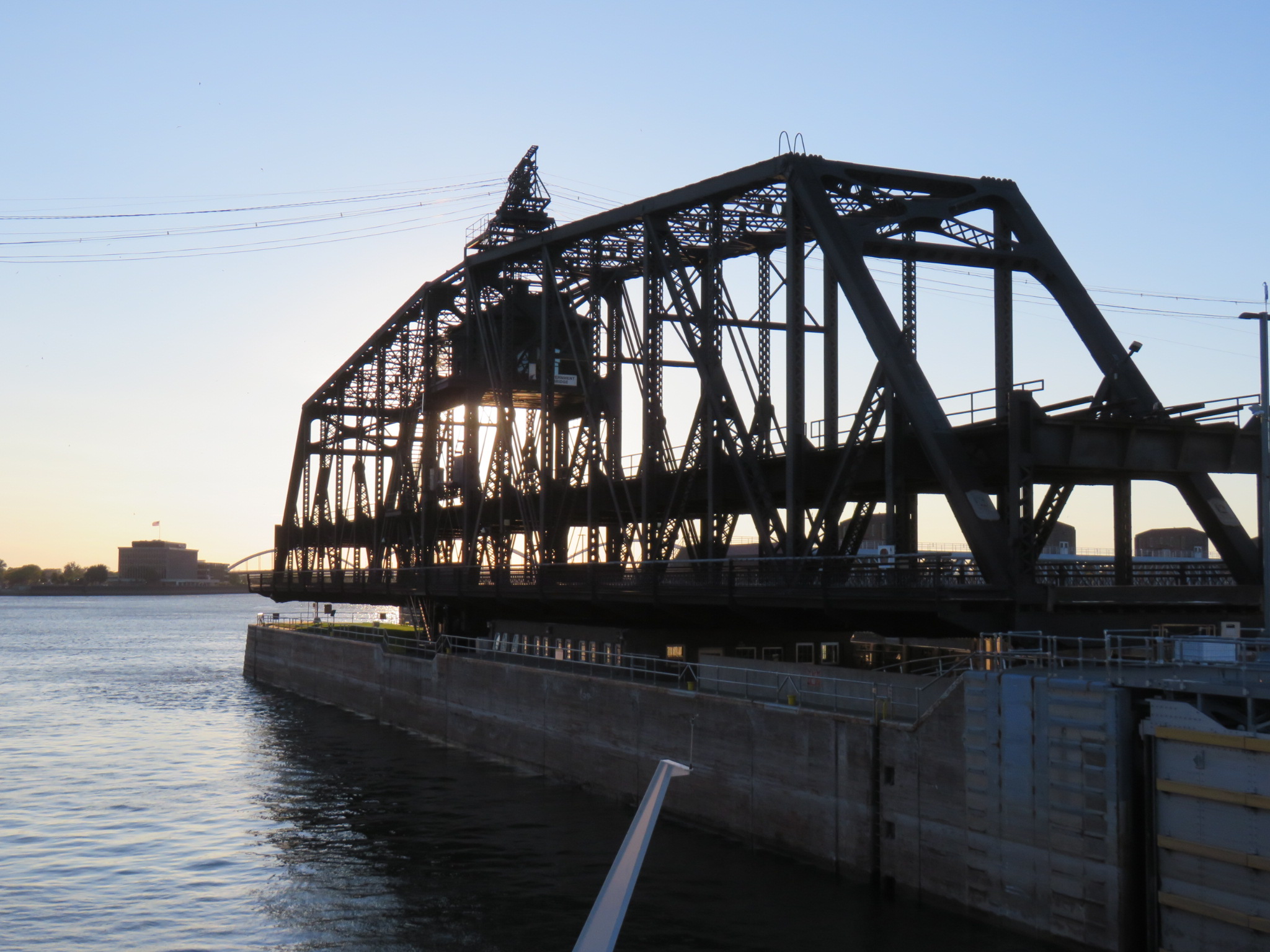
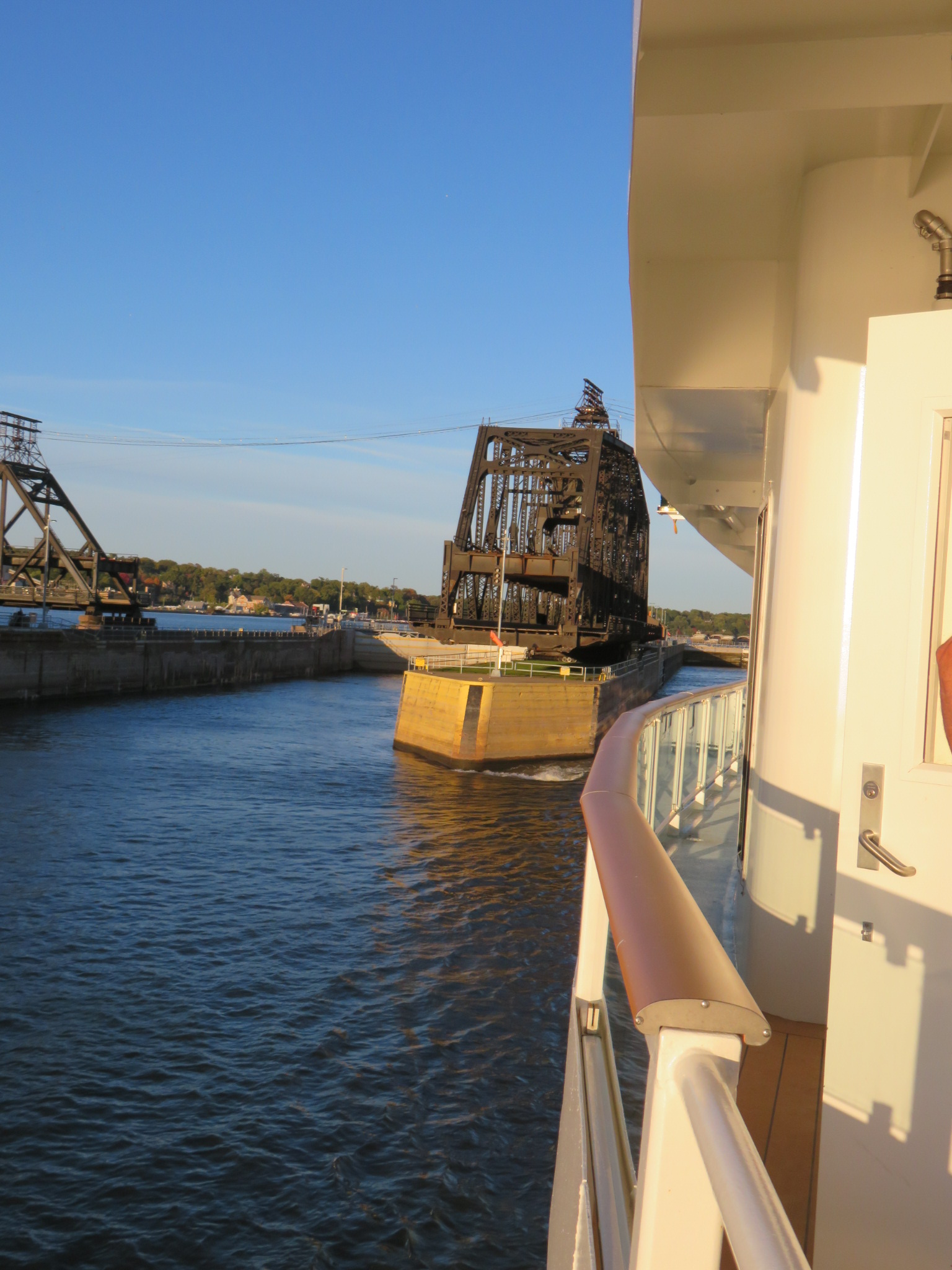
That first railroad bridge has been replaced three times. The current bridge, called the Government Bridge, or the Arsenal Bridge, was built in 1896, and has a 360 degree swing section over Lock Number 15, which we passed through when we left Davenport tonight. The drop here is about eleven feet again. The bridge connects Davenport to the Rock Island Arsenal, the largest government-owned weapons arsenal in the United States, built here in 1862.




 So Many Exciting and Beautiful Places!