Sunday, April 21
We cruised overnight from Chioggia to our first stop on the Adriatic Sea – Koper. Koper sits on the northern section of Slovenia’s rather short shore line – only 29 miles long. This sheltered port city is the third busiest cargo port in Europe, with automobiles making up a large share of the cargo that goes in and out. The automotive industry employs about 16,000 people in Slovenia, and surrounding countries also ship autos through this port.
Slovenia, the “Heart of Europe,” has two official languages – Slovenian and Italian. The country has been a member of the European Union since 2004, and is also a member of NATO, and the Schengen Area. The country is relatively prosperous, especially compared with surrounding countries that were also under communist rule in the past.
Our guide today told us several times that Slovenia is the only country with “love” in the name.
Viking Cruises offers several shore excursions at each port. Some stay close to the port, and others go further afield. Today, we opted to journey to Ljubljana, the capital of Slovenia, a little over an hour from Koper. Both Mark and I have ancestors who came from Slovenia, three and four generations back, and we are excited to learn more about this small part of our respective heritages. At the time these ancestors emigrated to the United States, Slovenia was part of the Austro-Hungarian Empire. In 1918, the country merged with Montenegro and Serbia to form the Kingdom of Yugoslavia, from which it declared independence in 1991, becoming an independent sovereign state, after a 10 day war. Neighboring Croatia, on the other hand, was at war for four years, from 1991 – 1995. Apparently, the Serbs weren’t terribly interested in Slovenia.
The government here is a parliamentary democracy, with five political parties currently. The current president is female, a fact that our guide seemed to be quite proud of.
Slovenia’s capital, Ljubljana, is also its largest city, with a population of almost 300,000 people, among which about 20% are university students. The city began restricting the use of automobiles about 15 years ago, creating more pedestrian areas and green spaces. The city center is now very pedestrian friendly, offering shopping and dining surrounded by lots of green space. There is a free shuttle that takes people all around the central part of the city.


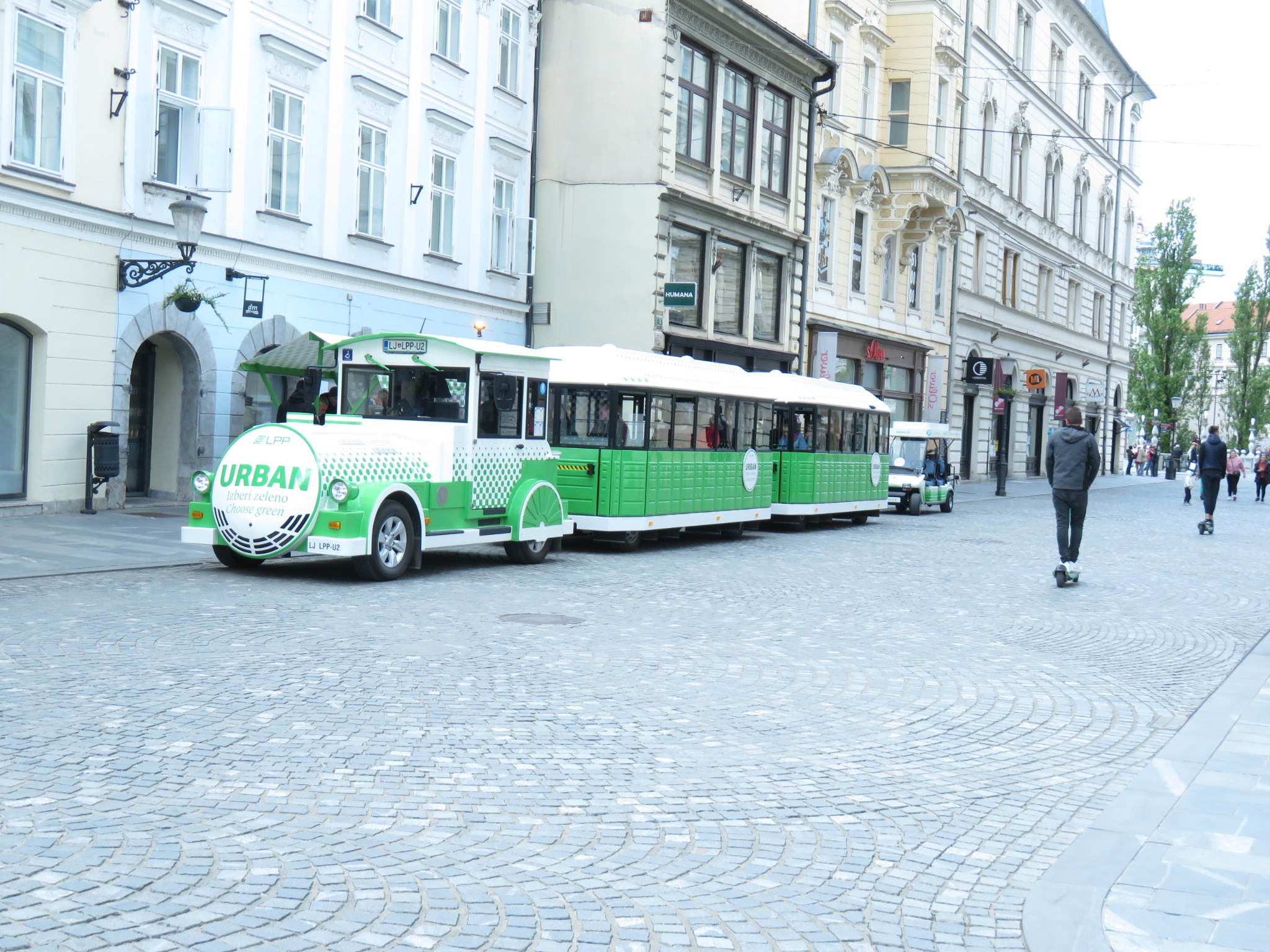
We were treated to walking tour of the city center, with its castles, churches and bridges. Several of the buildings and bridges were designed by the architect, Jože Plečnik, who blended modernism with more historical styles such as baroque. He is a founding member of the Ljubljana School of Architecture, and he had a great deal of influence on the architecture of the city. Several works were added to the list of World Heritage Sites by UNESCO in 2021, under the name “The Works of Joze Plecnik in Ljubljana – Human Centred Urban Design.”
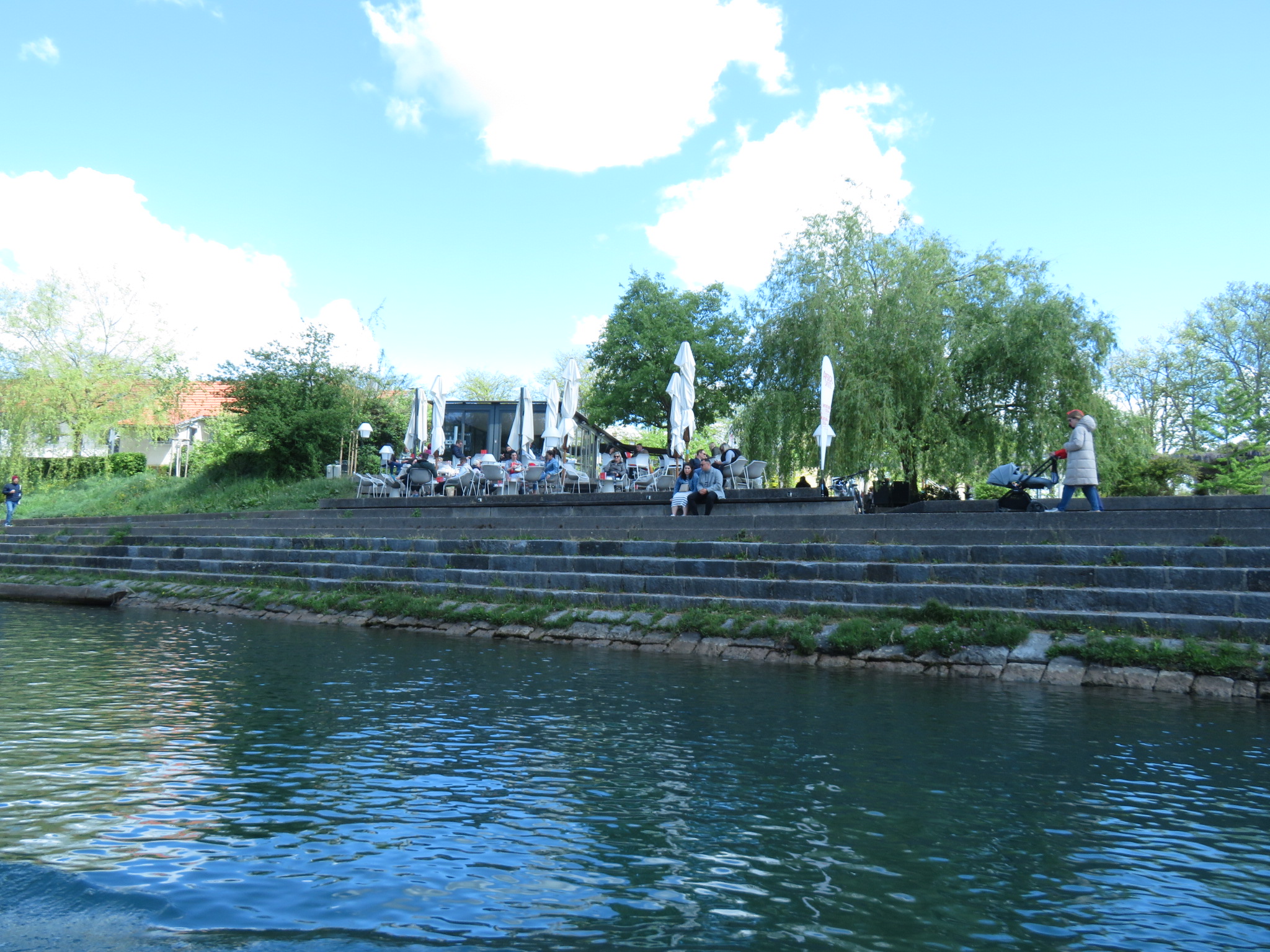
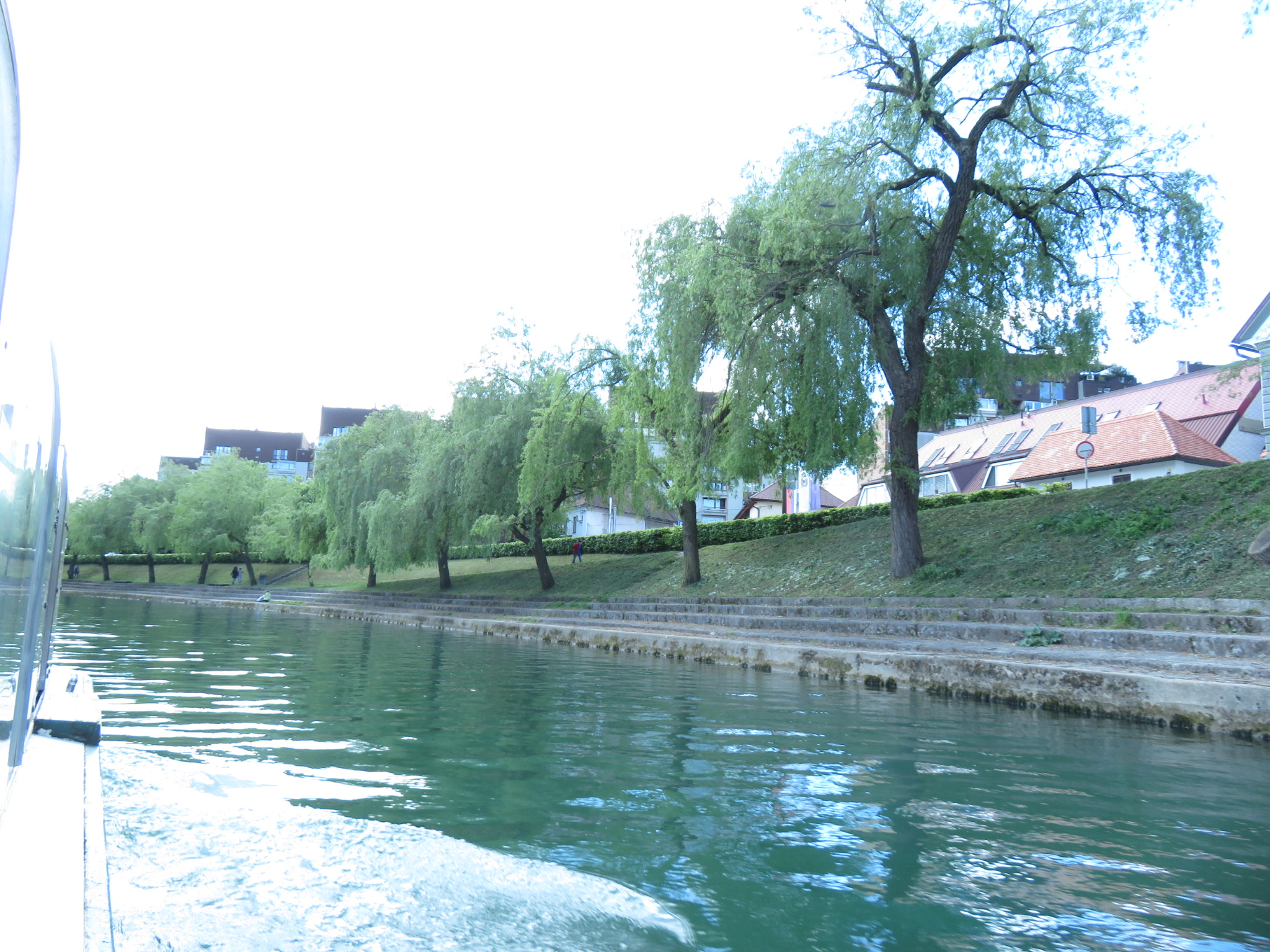
We took a boat ride down the Ljubljanica River, enjoying views of Old Town on one side and the newer areas on the other. The ride was followed by lunch, then a little time to explore on our own. We passed under several bridges, including The Triple Bridge, designed by Plecnik, part of the World Heritage List.




 So Many Exciting and Beautiful Places!