
Tuesday, April 23, 2024
Often referred to as the “Pearl of the Adriatic,” the City of Dubrovnik was founded around 614 AD, by Roman refugees fleeing the nearby colony of Epidaurum, which was destroyed by invaders from Eurasia. At that time, the city was named Ragusa. In the 14th and 15th centuries, the town enjoyed prosperity from its maritime trade. It was also considered to be a cradle of Croatian literature.
Dubrovnik was designated a UNESCO World Heritage site in 1979. The walls that encircle most of the old city were erected in the 16th century, and extend about 1.2 miles in length. At their highest, they reach about 80 feet. We spent this morning walking those walls, along which are several towers and fortresses. There are plenty of steps up and down on this wall – it was a good workout for us. The old city plan was laid out in 1292 when the port was rebuilt following a fire. Motor vehicles are not allowed inside the walls, except for the occasional delivery or emergency.


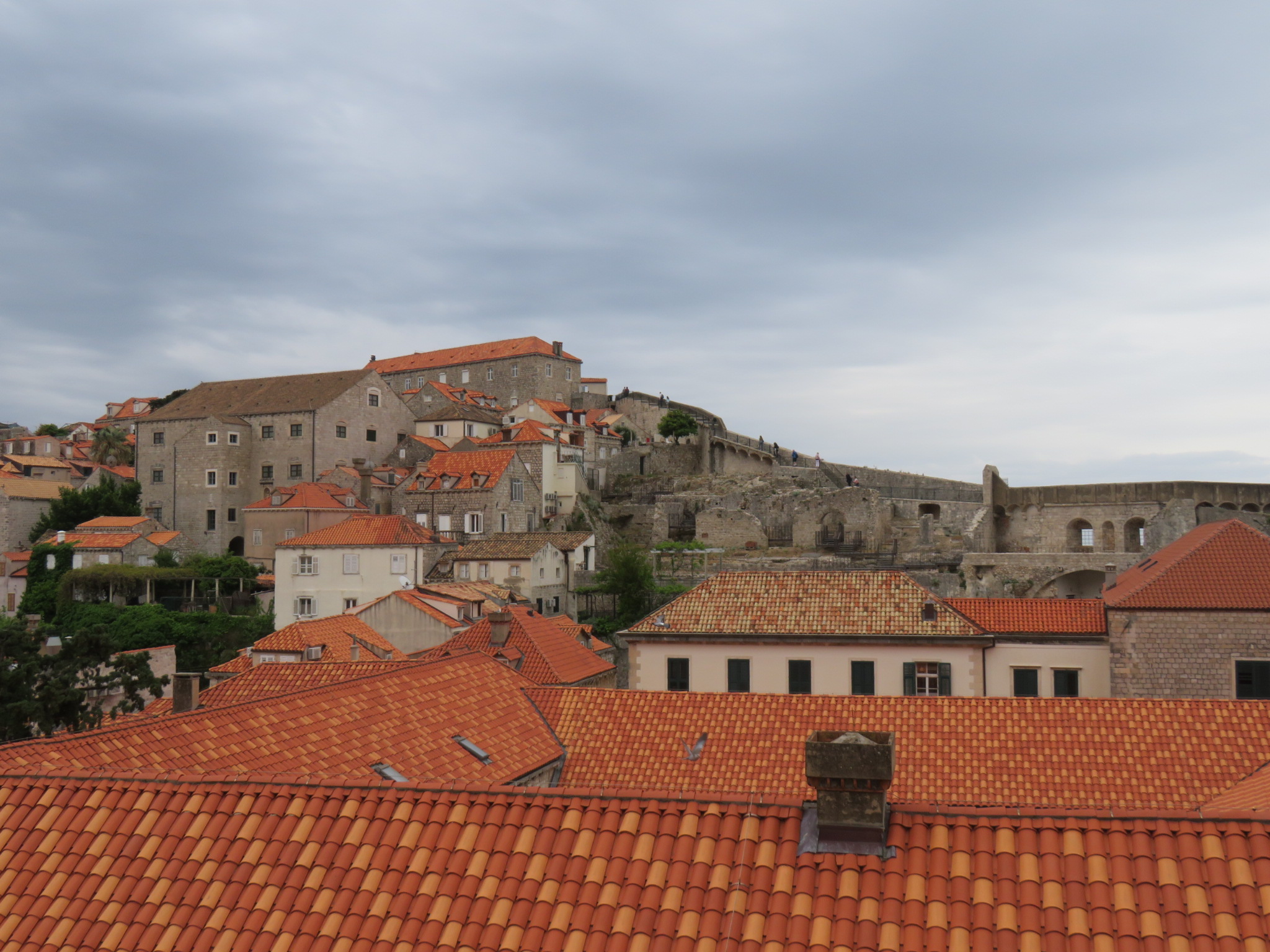


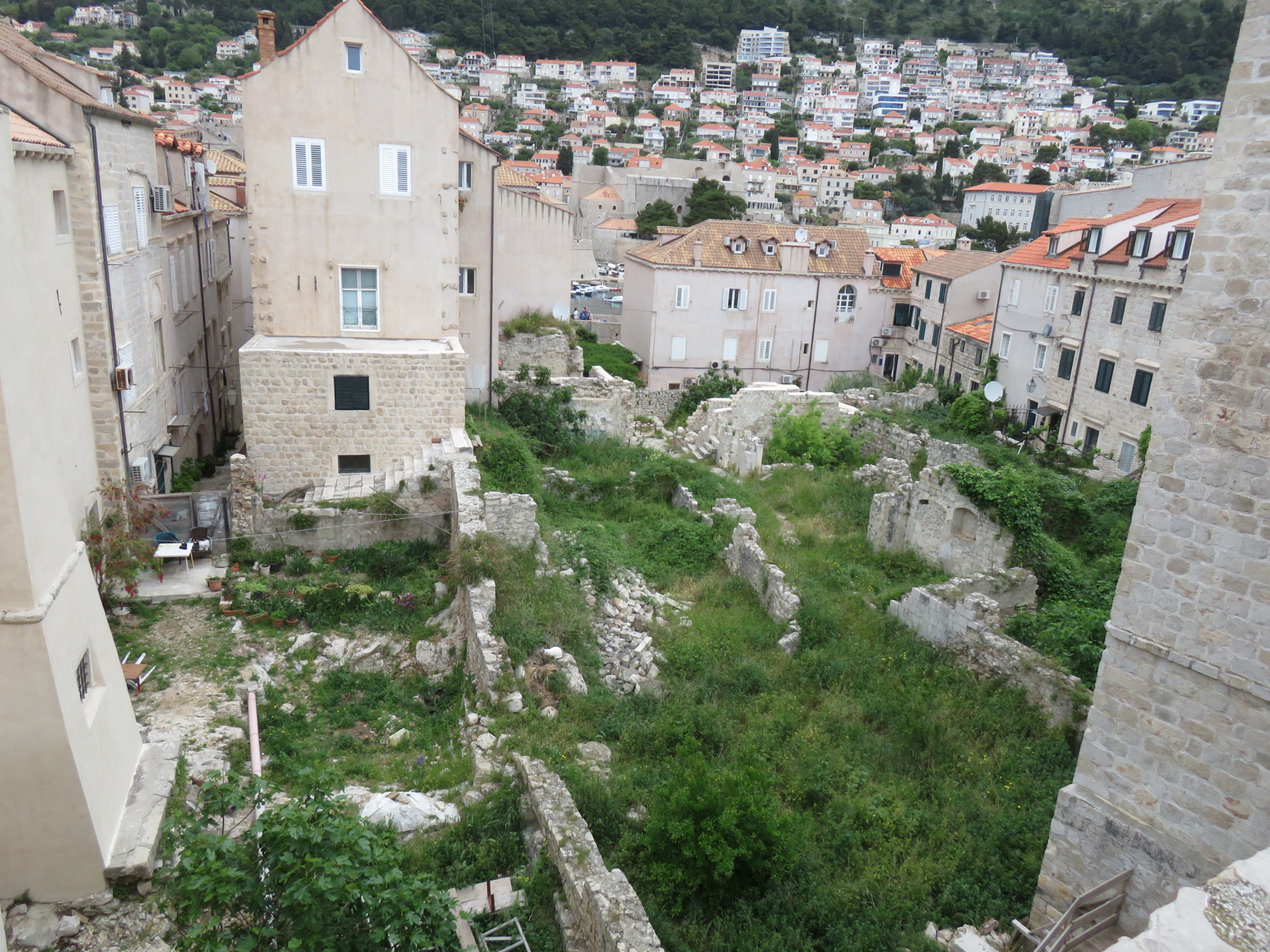
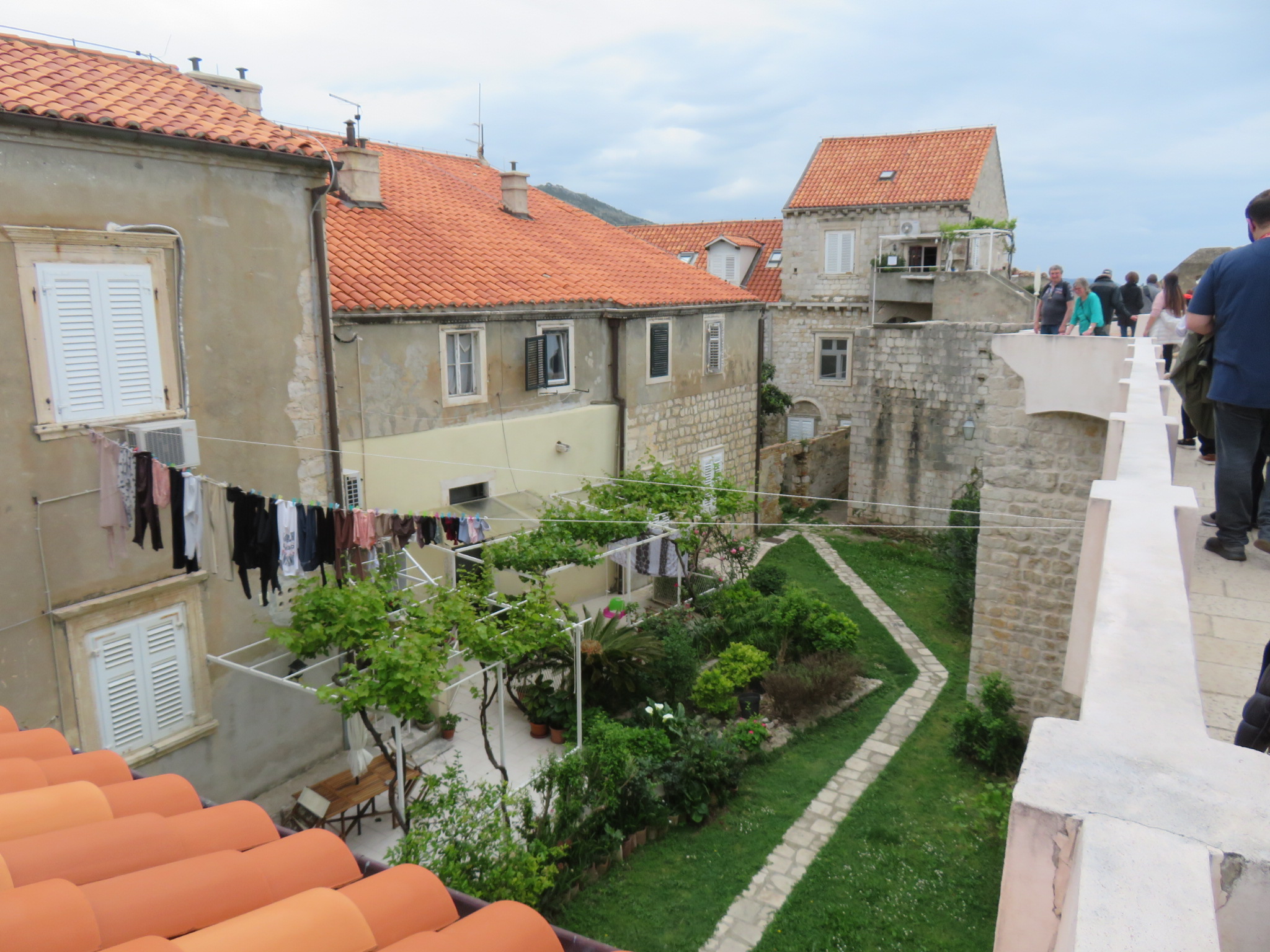
As we walked the walls, we could see evidence of the 1991-1995 struggle for independence. Many homes were struck by mortars, resulting in roof damage to many, destroyed walls in some. A great deal of reconstruction has occurred, outdoor areas are lush and green, with bountiful gardens in many yards. This area has become a popular destination, so we could see many places available for vacation rental. On the down side, this is making property too expensive for the locals to actually live in.

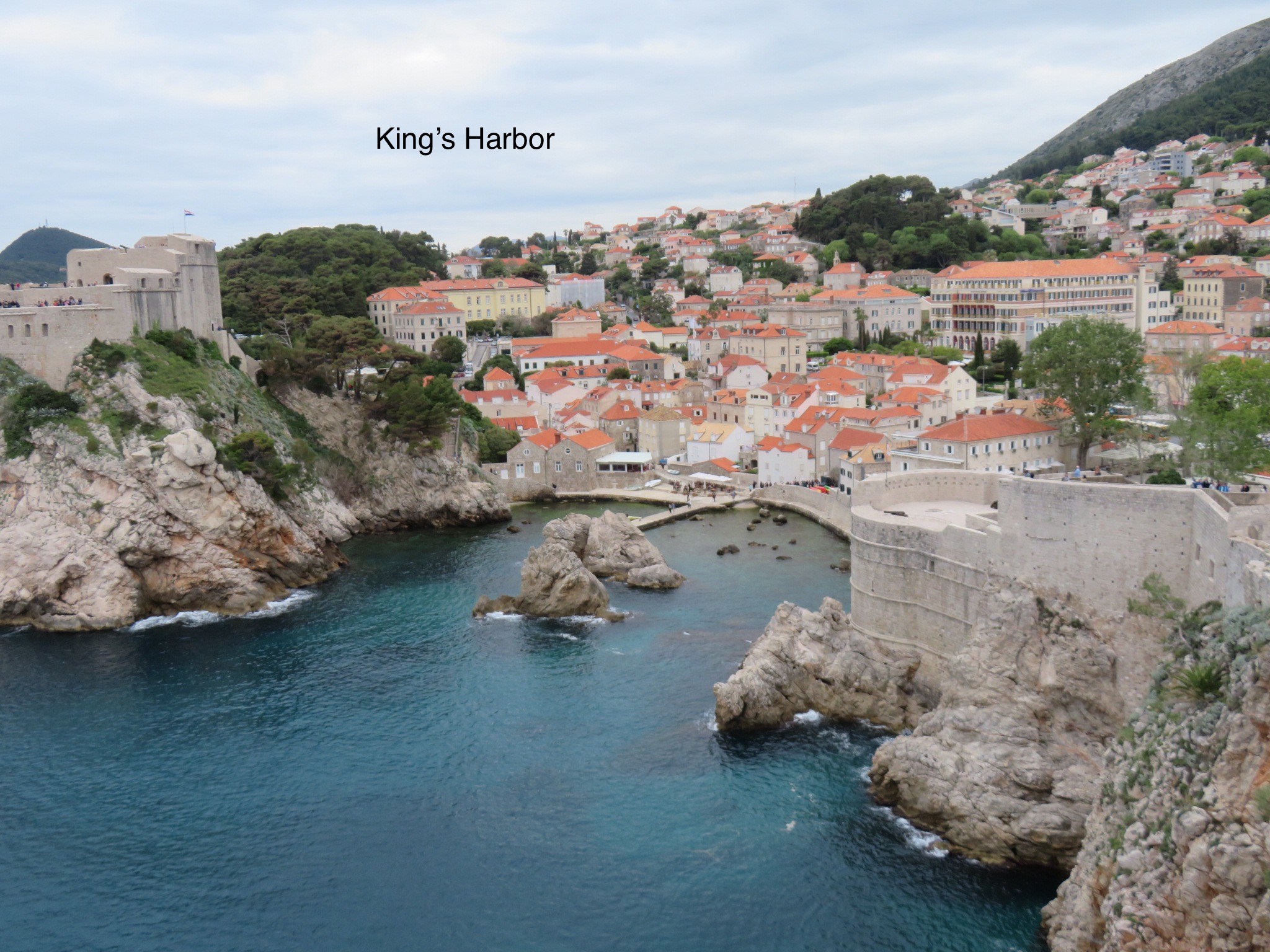
“Game of Thrones” fans may recognize some of the locations used in the series: King’s Landing (West Harbor), and Red Keep (Fort Lovrijenac.) They can even retrace Cercei’s Walk of Shame inside the city walls. On our way from Zadar, we passed by the setting for Arya’s training as one of the “Faceless.” Our guide today was an “extra” in season two of Game of Thrones.

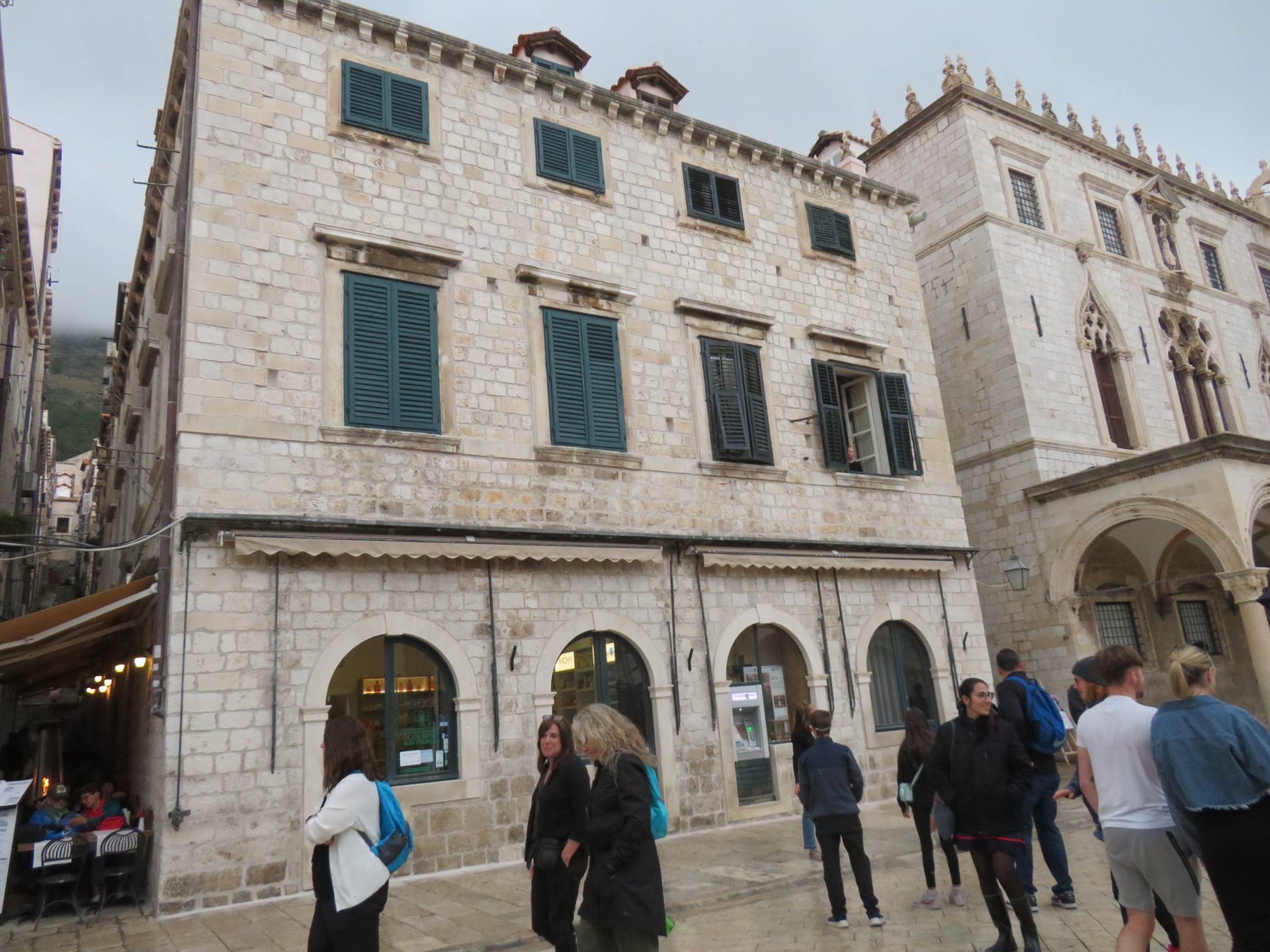
We returned later in the day to walk inside the walls. Much of the city is built on the hillside, so again we walked up and down lots of steps. Like any tourist destination, there are many restaurants and shops, even a few that aren’t tourist traps! We did indulge ourselves with a stop at a gelateria – yum!


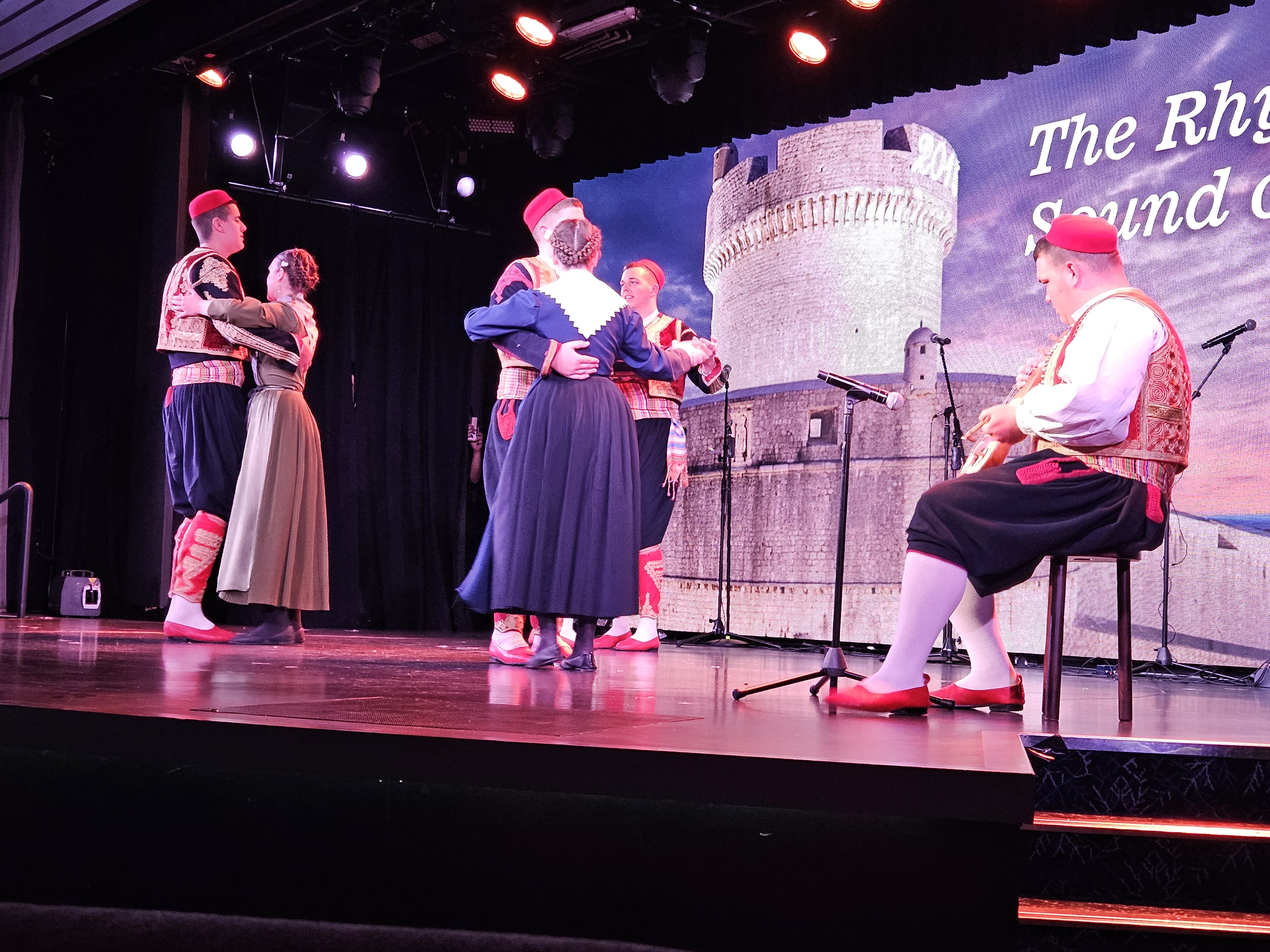
Tonight, a local group performed – Klapa Karaka & Folklore Dance – a rousing performance! The term Klapa dates from the 19th century, for a group of friends singing together, a capella, or accompanied by a simple instrument such as a mandolin or guitar. Another group performed several lively dances for us.
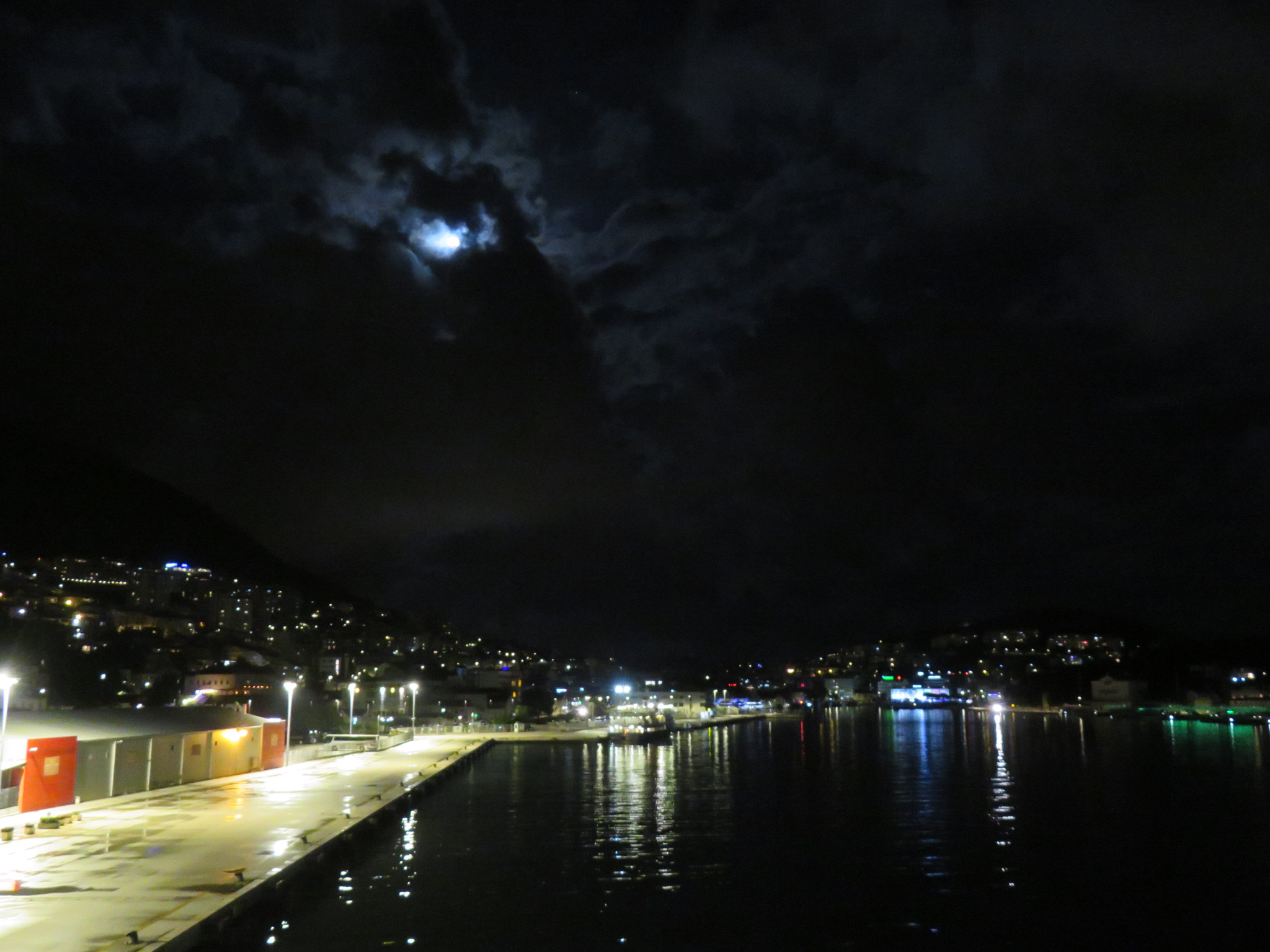
There was a full moon over Dubrovnik as we left port tonight.



 So Many Exciting and Beautiful Places!