
Thursday, April 25, 2024
The island of Corfu is on the northwestern edge of Greece, one of over 20 Greek islands in the Ionian Sea. It is one of the seven major Ionian Islands. Corfu was referenced in writing as early as 1300 BC, and is believed to be the island of Scheria, the home of the Phaeacians in Homer’s Odyssey. The Greek god of the sea, Poseidon, produced a storm that tormented Odysseus for three days until he was washed up on Scheria.
The island was called Corfu by the Venetians for the two peaks of Palaio Frourio, the Old Fortress. Palaio Frourio sits where the original city was located. The word is an Italian version of the Greek word Κορυφώ, meaning “city of the peaks.” The Greek name of the island is Kerkyra, for the Nymph Korkyra, daughter of the River God, Asopus. Poseidon, God of the Sea, fell in love with Korkyra, kidnapped her and brought her to this island.

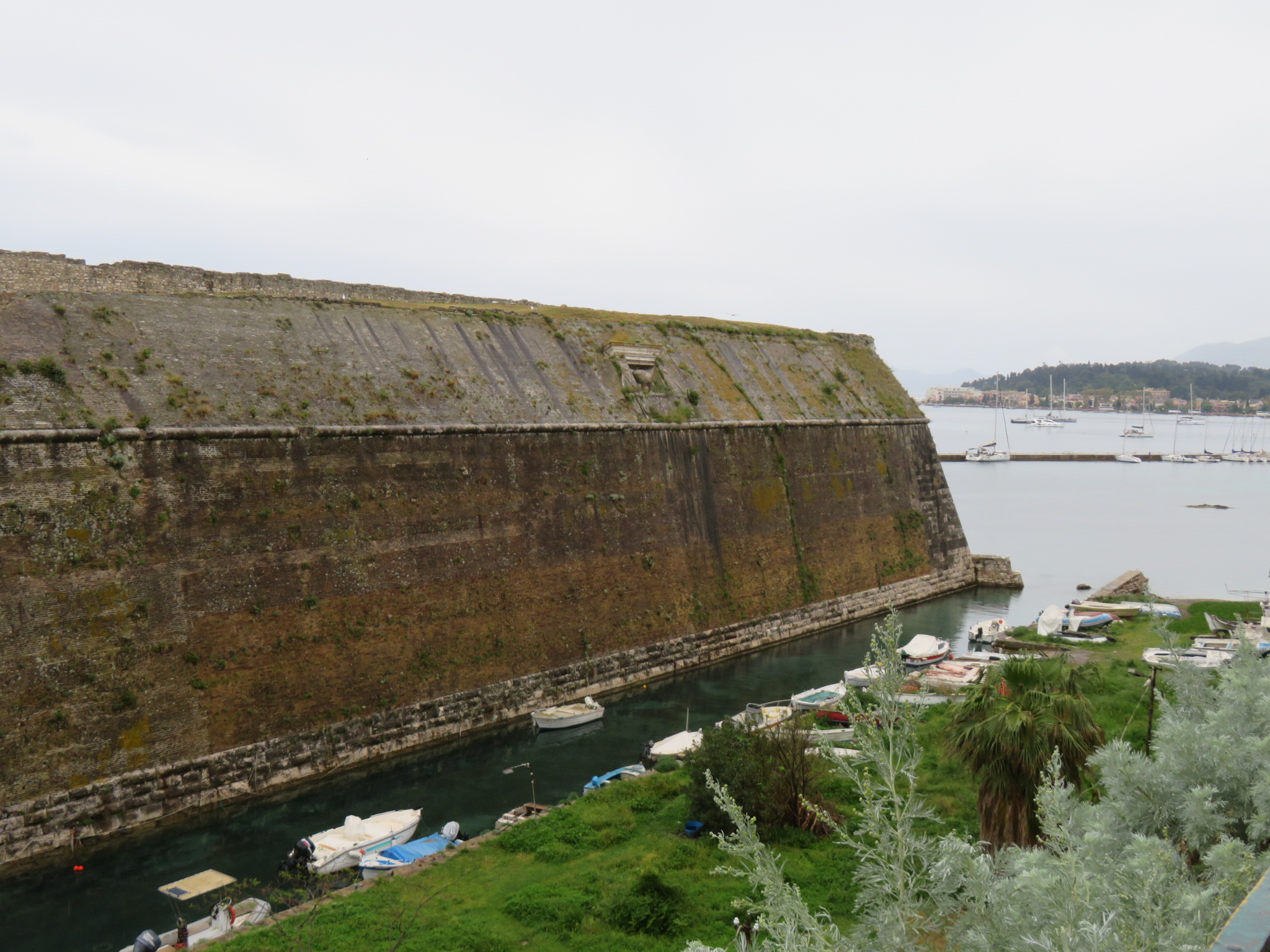
Corfu was a bulwark of Europe against the Ottoman Empire, becoming one of the most fortified places in Europe. The Ottomans besieged the island several times between 1431 and 1718 AD. Corfu’s success in repulsing the Ottomans was widely celebrated in Europe, who saw the island as a bastion of Western civilization.
During those years, Corfu was owned by the Republic of Venice, which greatly influenced the architecture of the island. The first opera house in Greece was erected in 1720. Many Venetian-speaking families settled in Corfu, and the Greek language assimilated many Italian and Venetian words.
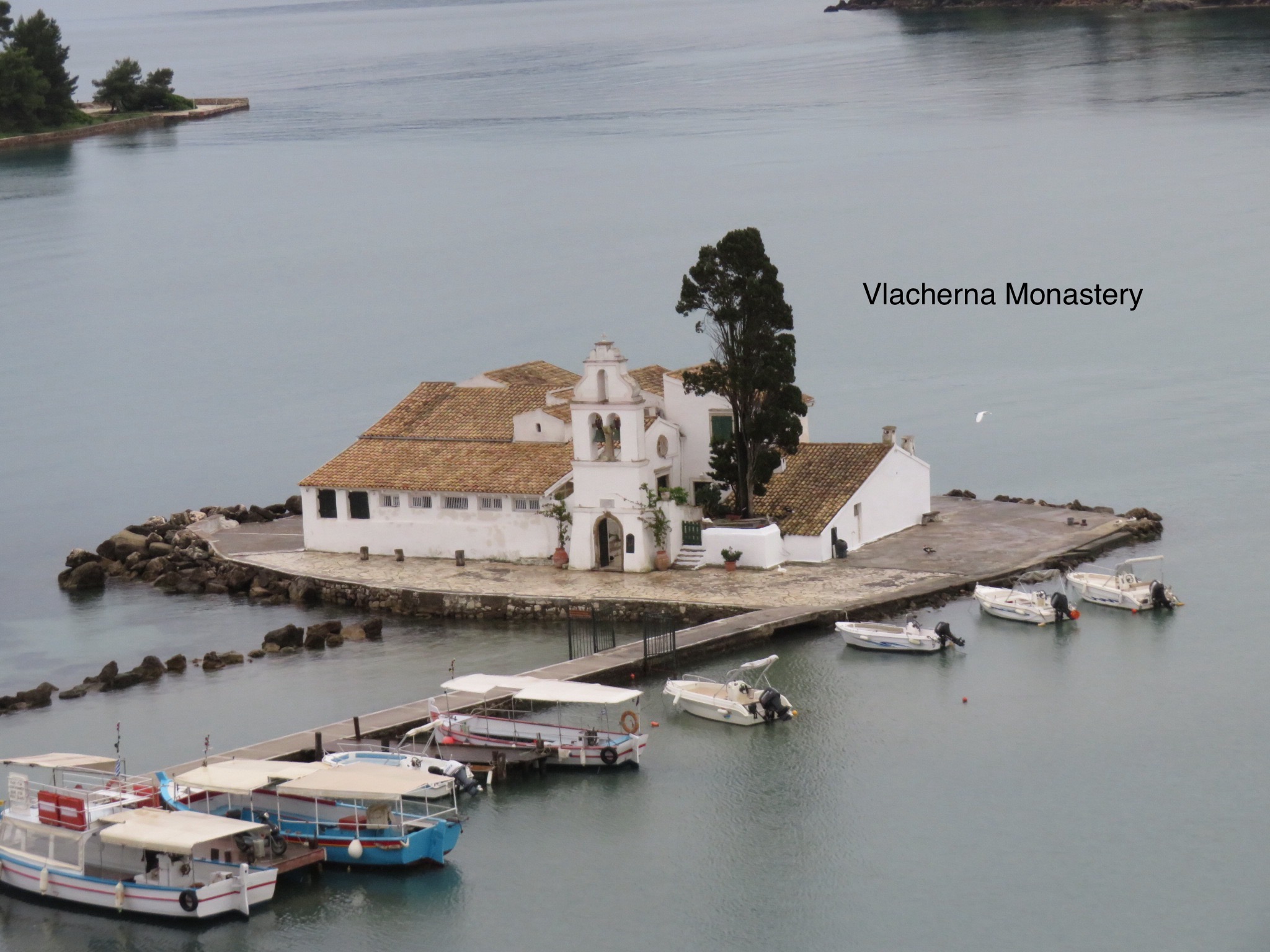
Corfu’s Old Town is a UNESCO World Heritage Site. We took a short ride to Kanoni, for photo ops of the surrounding islands, really just a “stop, focus and shoot,” no time to actually look at anything, plus it was raining. Oh well, we did see a couple of islands. The Vlacherena monastery, founded many centuries ago on a rocky island as a women’s monastery, is now joined to the mainland by a footbridge. Mouse Island (Pontikonisi in Greek), called that because of its shape, is home to a Byzantine chapel. Legend says that the island was formed when the boat of Odysseus was turned into this green rock by Poseidon.

More recently, Prince Philip, husband of Queen Elizabeth, and son of Prince Andrew of Greece and Denmark, was born in Corfu in 1921. He lived here until he was 18 months old, when his family was exiled.
Then, we headed to Old Town for a walking tour. The lovely Esplanade (Spianada) is a greenbelt that runs along the waterfront, and bordered on the west by a street lined with cafes and beautiful homes. It’s truly beautiful and very welcoming.


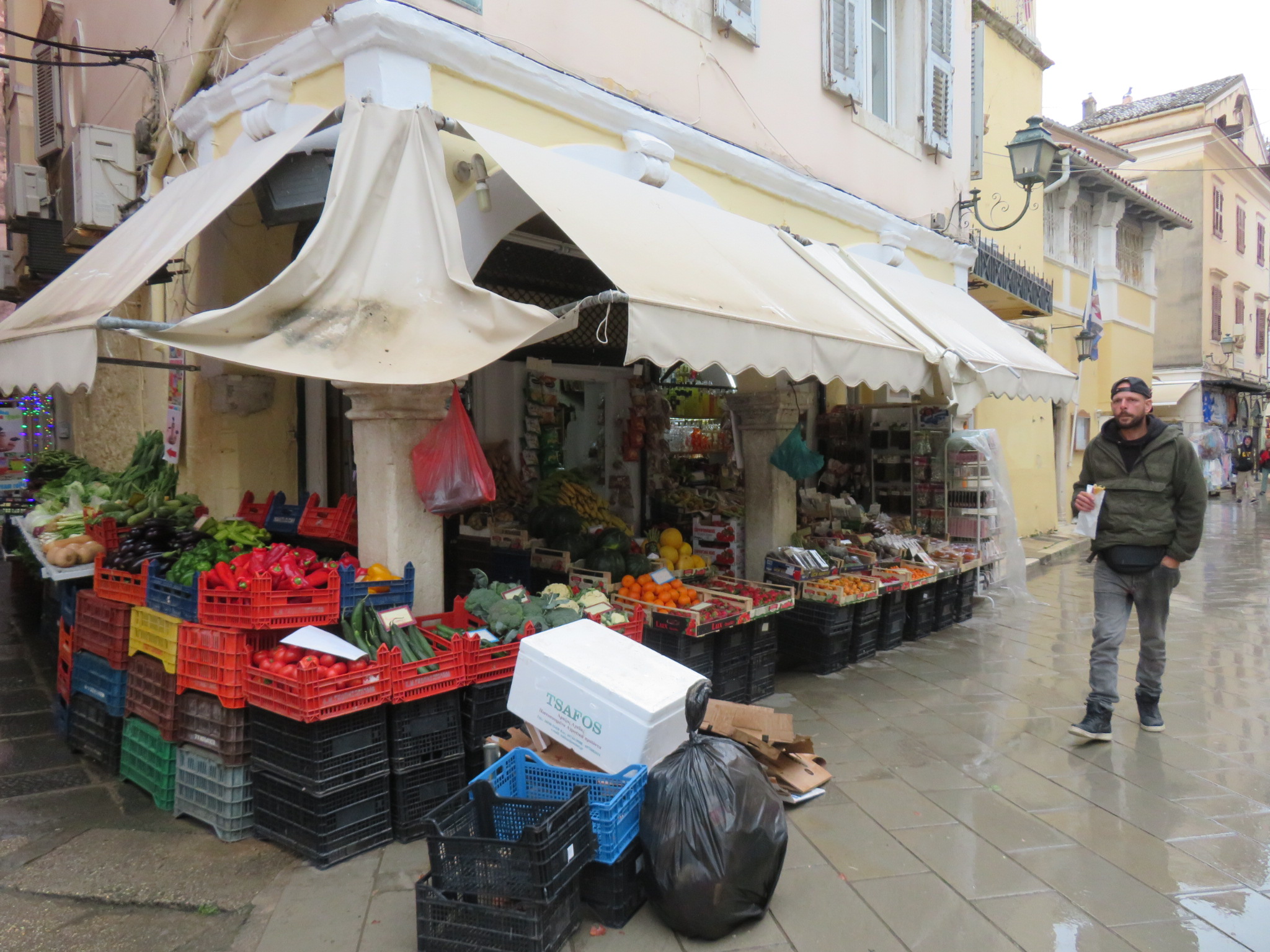
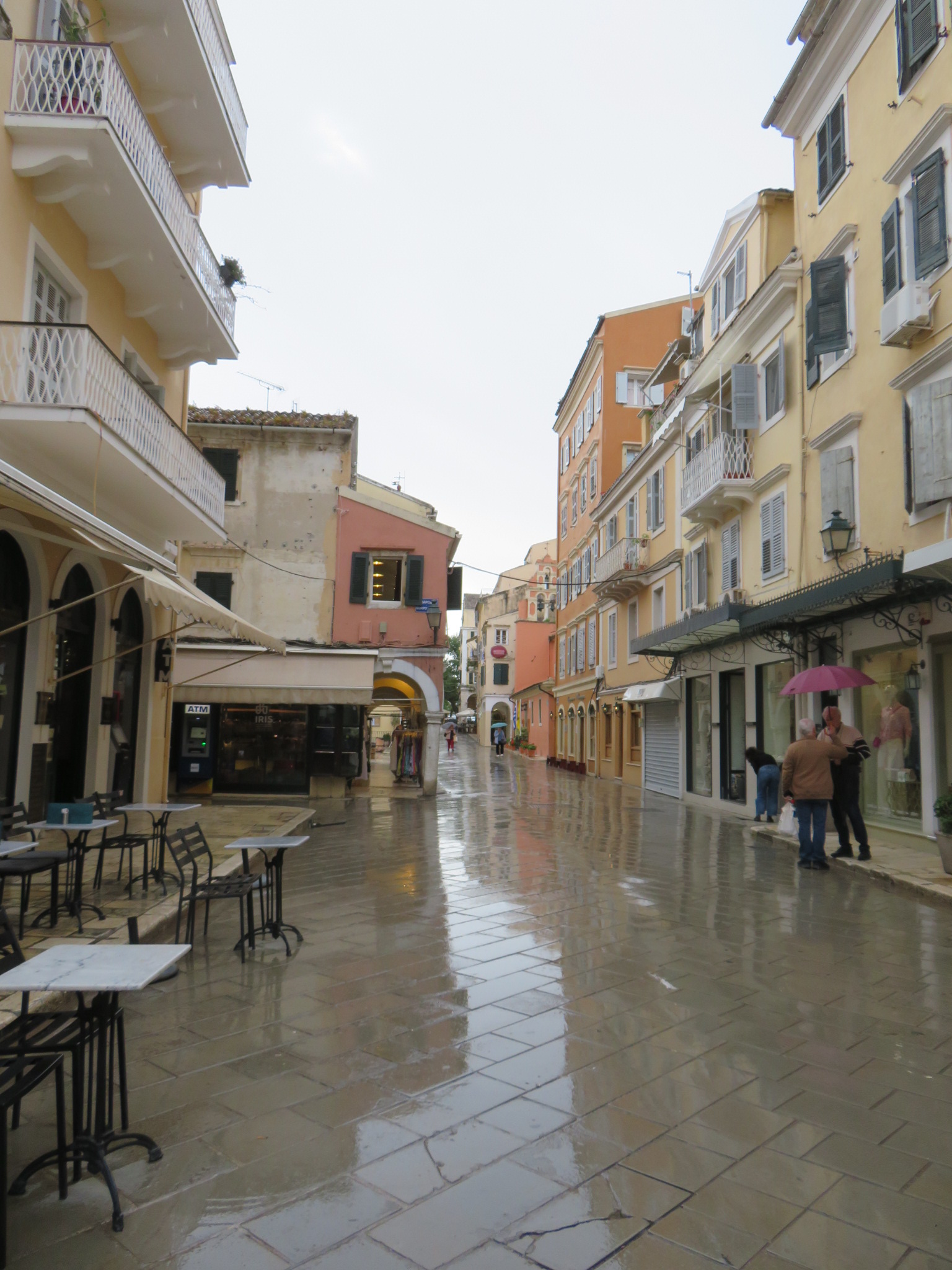


The main religion here is Eastern Christian Orthodox. For them, Easter is on May 5, five weeks after ours this year. They have a unique custom dating back to Venetian times, that takes place on Holy Saturday, the day before Easter. At 11am, the bells ring to celebrate the resurrection of Christ, and people begin throwing clay pots (botides) filled with water out of their windows. The pots can be any size, and some are several feet high! Afterwards, the locals pick up pieces of the broken pots, as these are supposed to bring good luck. Pieces can be found months later between the pavers in the roads. Today, two of use found tiny shards, but will the luck last beyond their Easter?
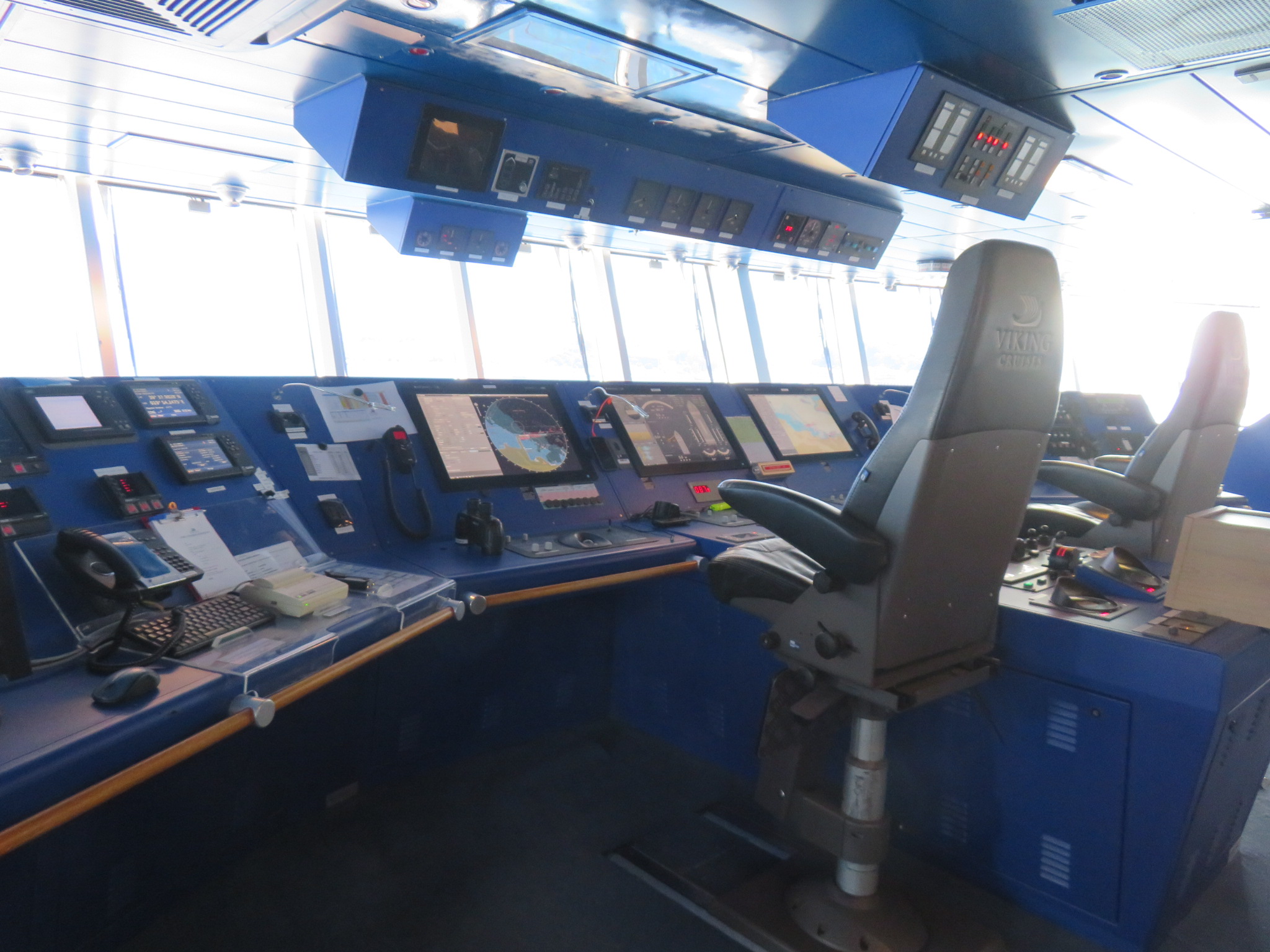
We returned to our ship in time to participate in a bridge tour, where we got to see some of the equipment used in steering, hear about the types and quantities of fuel needed to keep her going, and even about processes to clean the bilge water before it is returned to the sea.




 So Many Exciting and Beautiful Places!