
Monday, April 29, 2024
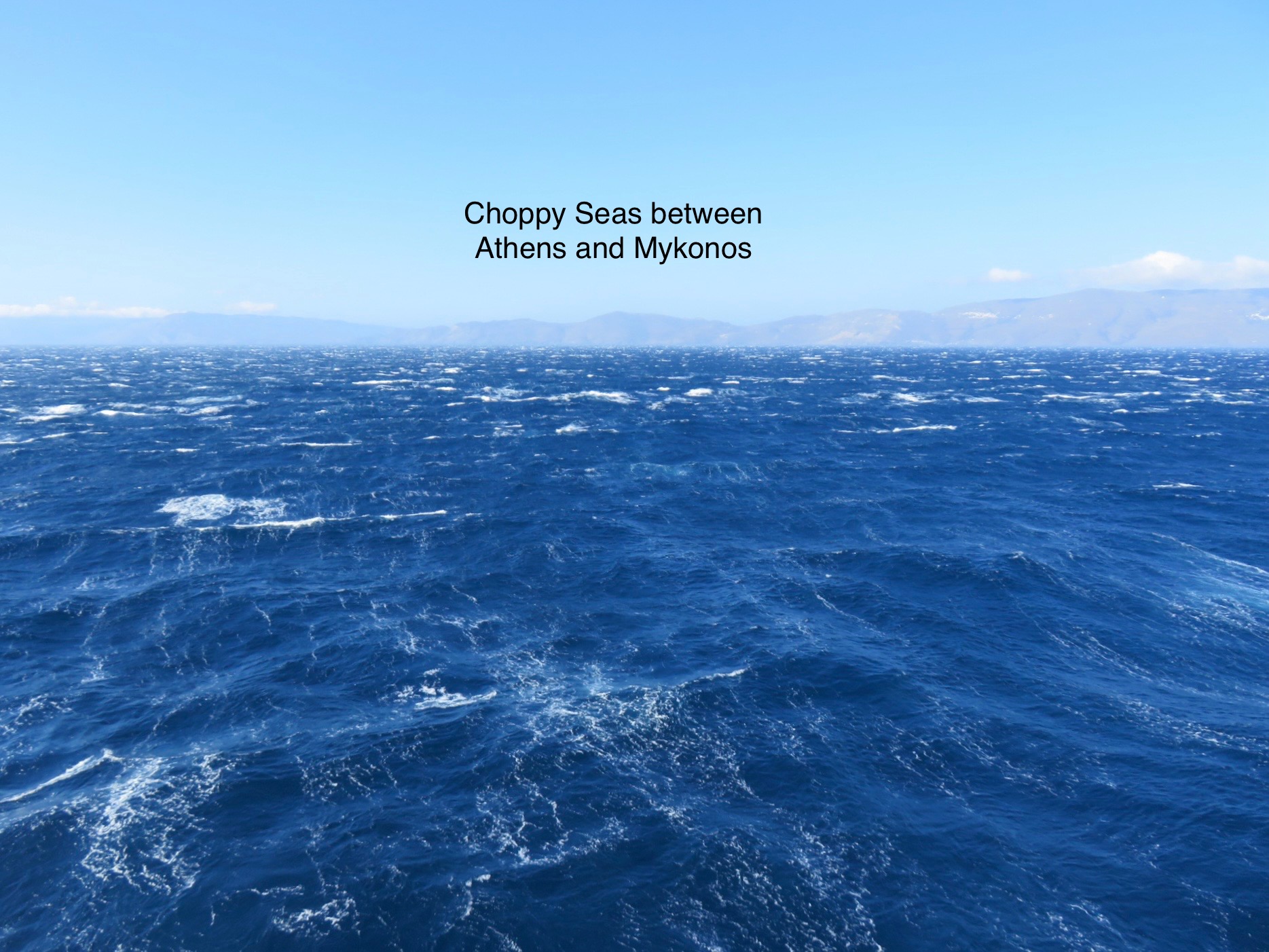
Today, we came to the end of our Viking Voyage, and transferred to Celestyal Cruises to continue our adventure. As long as we had traveled so far, it seemed imperative to explore as much as we can. The winds were very strong today, up to 60 mph, making for a very choppy sea.
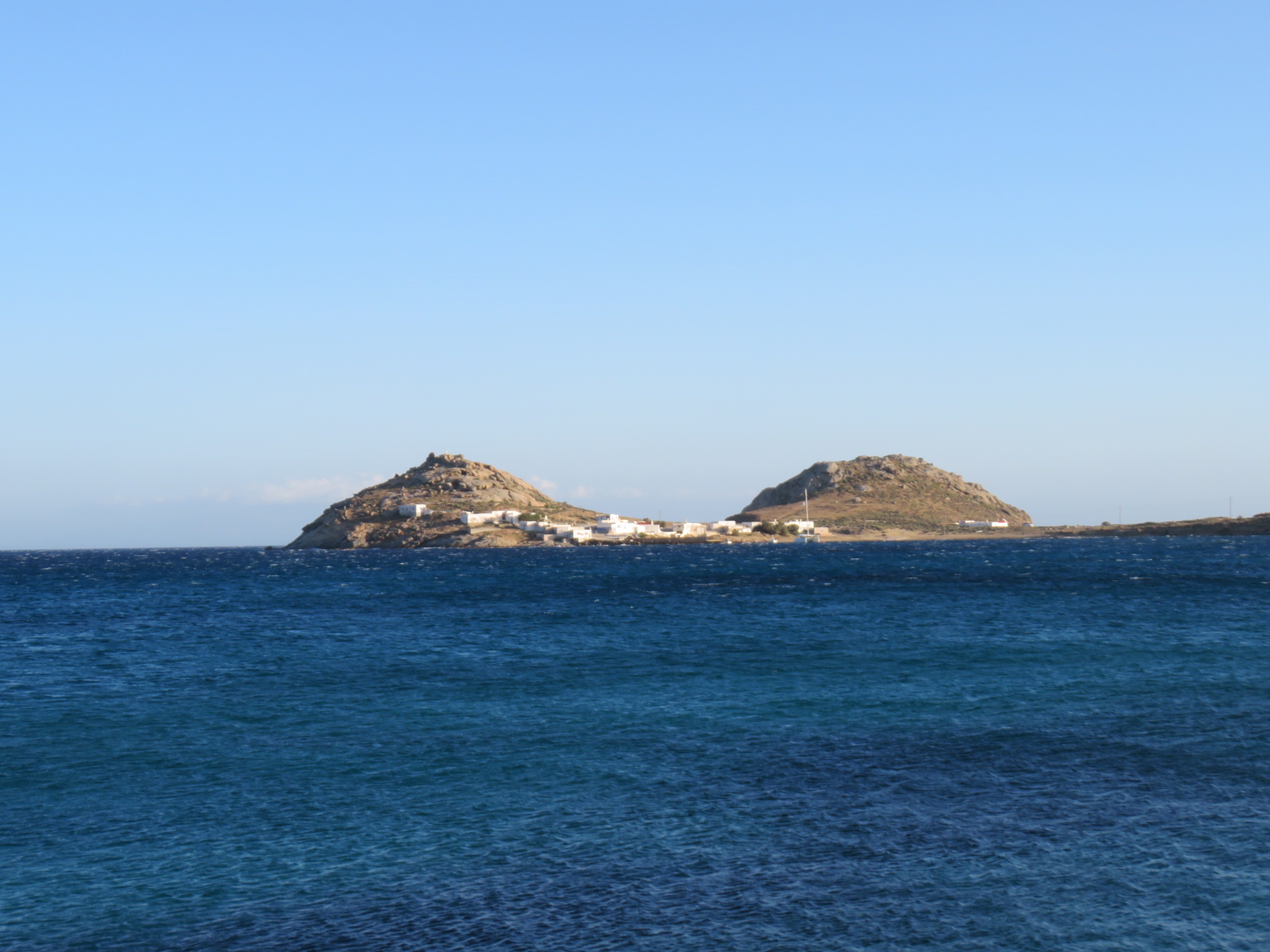
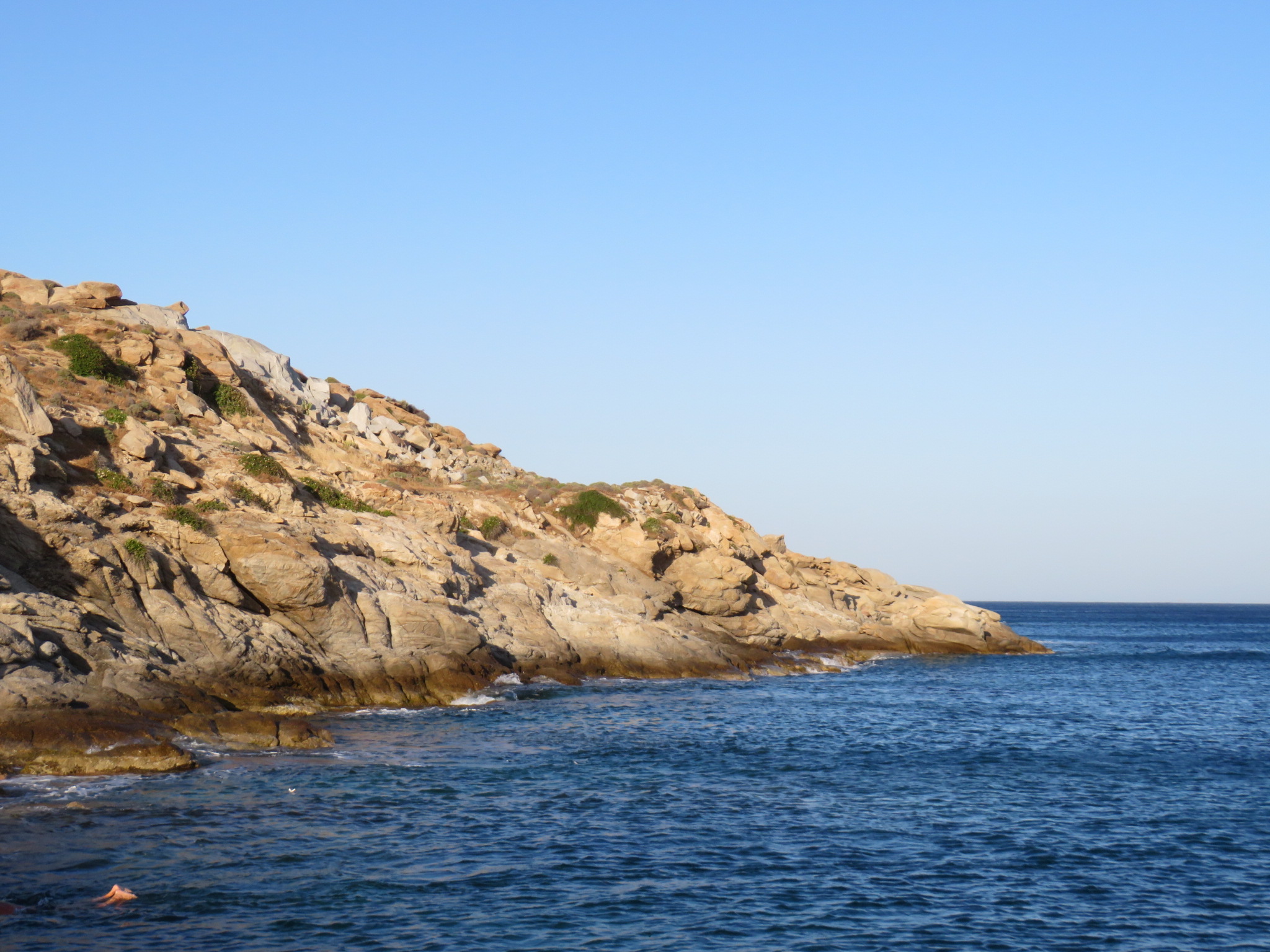
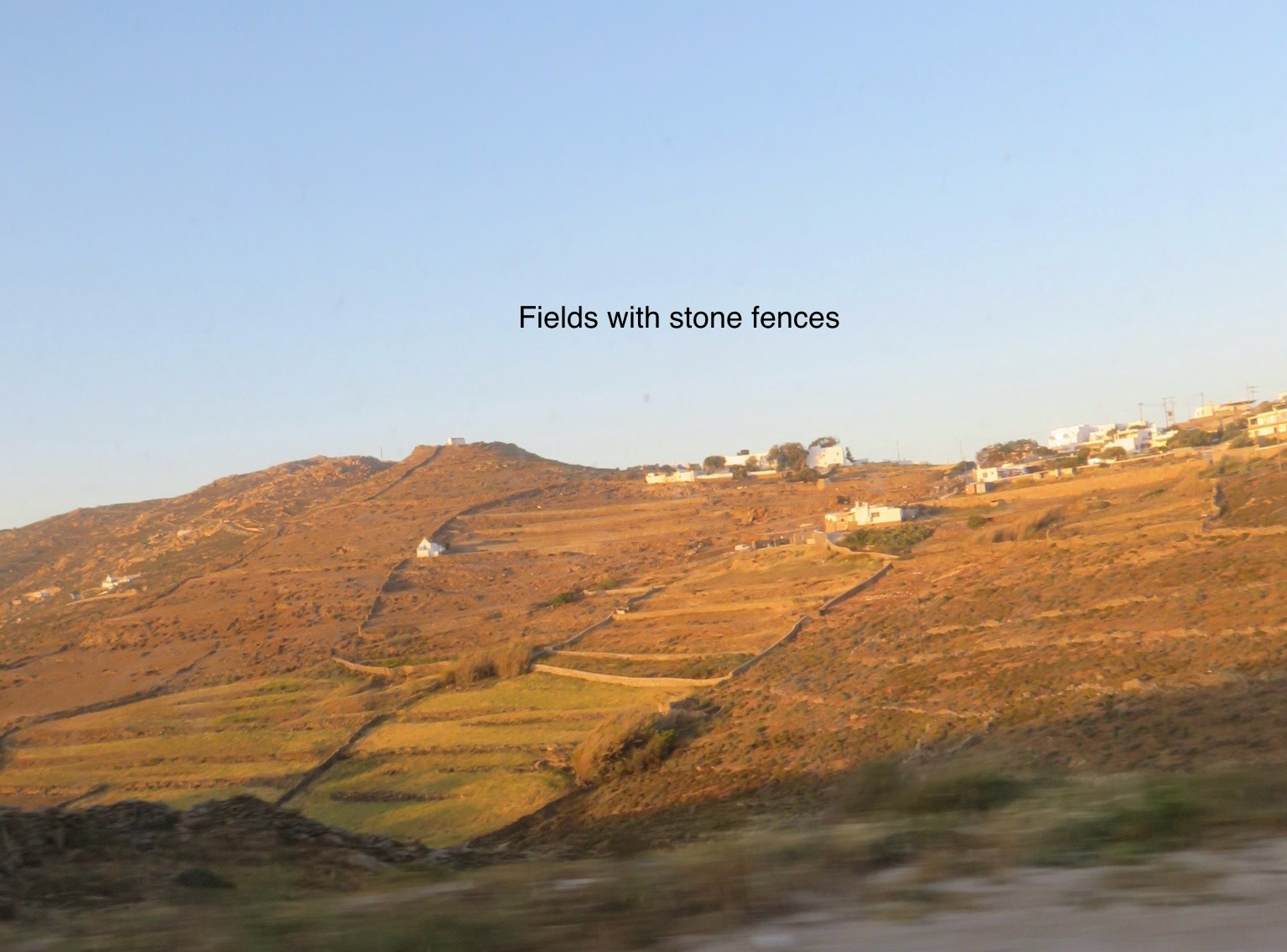
We left port around noon, and our first stop was in Mykonos at 6pm. The island was named for the son of the god of Delos. According to myth, the giants slain by Hercules were buried there, which accounts for the numerous huge rocks here. Many of the fields are. bordered by stone fences on the island.

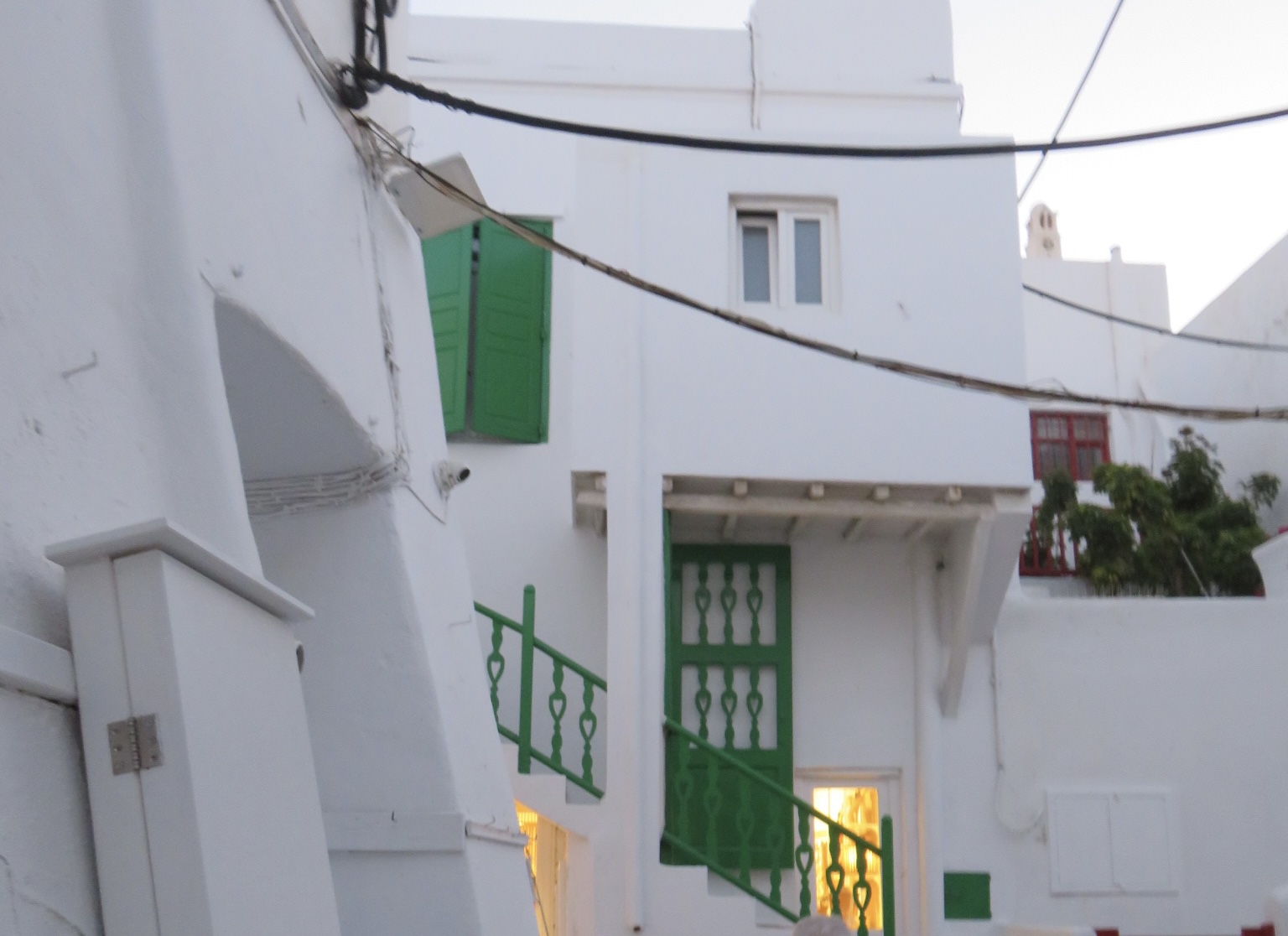
Most of the homes in Mykonos are painted white. In fact, a law passed in 1974 required all residents to use white paint, with blue trim. That law is loosely enforced now, but still the whitewash prevails. Using whitewash originated in the late 1930s during an outbreak of cholera because the white paint that is used contains limestone which is a powerful disinfectant. Also, the white paint keeps the houses cooler. For accents, the blue paint was less expensive than other colors. The blue and white are also the colors of the Greek flag, so very patriotic!
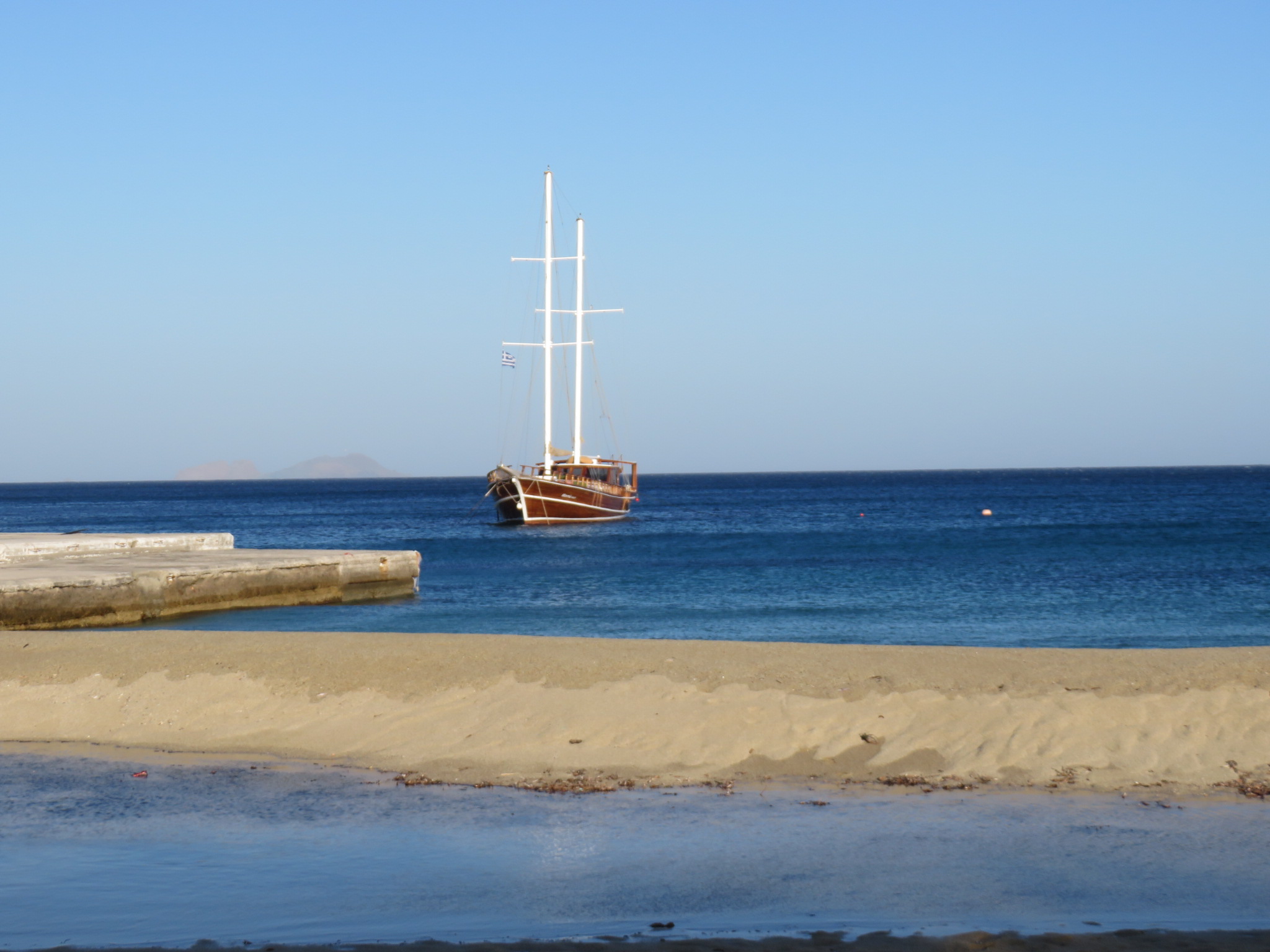
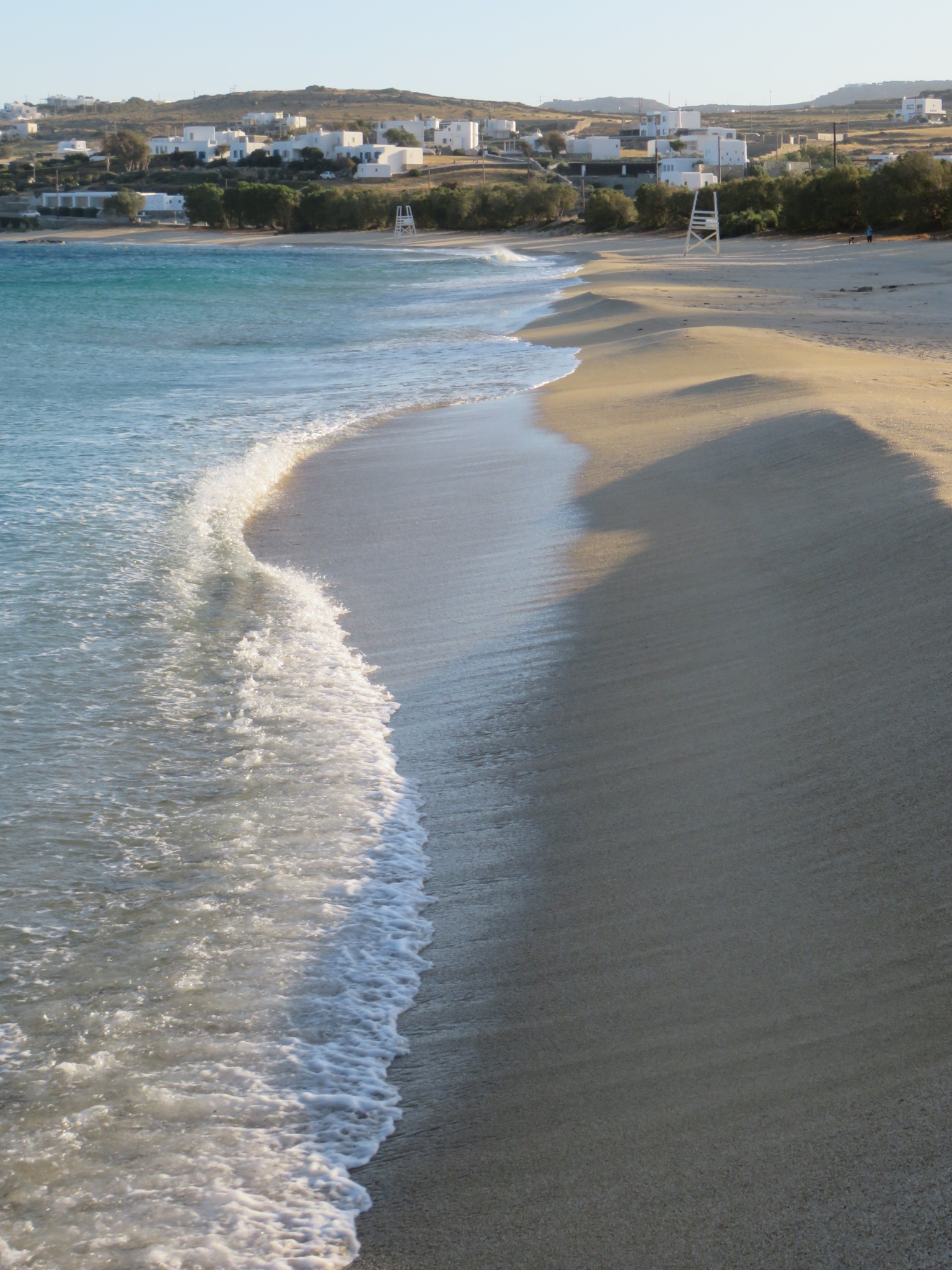
We first visited the beautiful Kalafati Beach, a favorite location for wind surfing as well as swimming and other water sports. Due to the strong winds, we only saw one person swimming today.
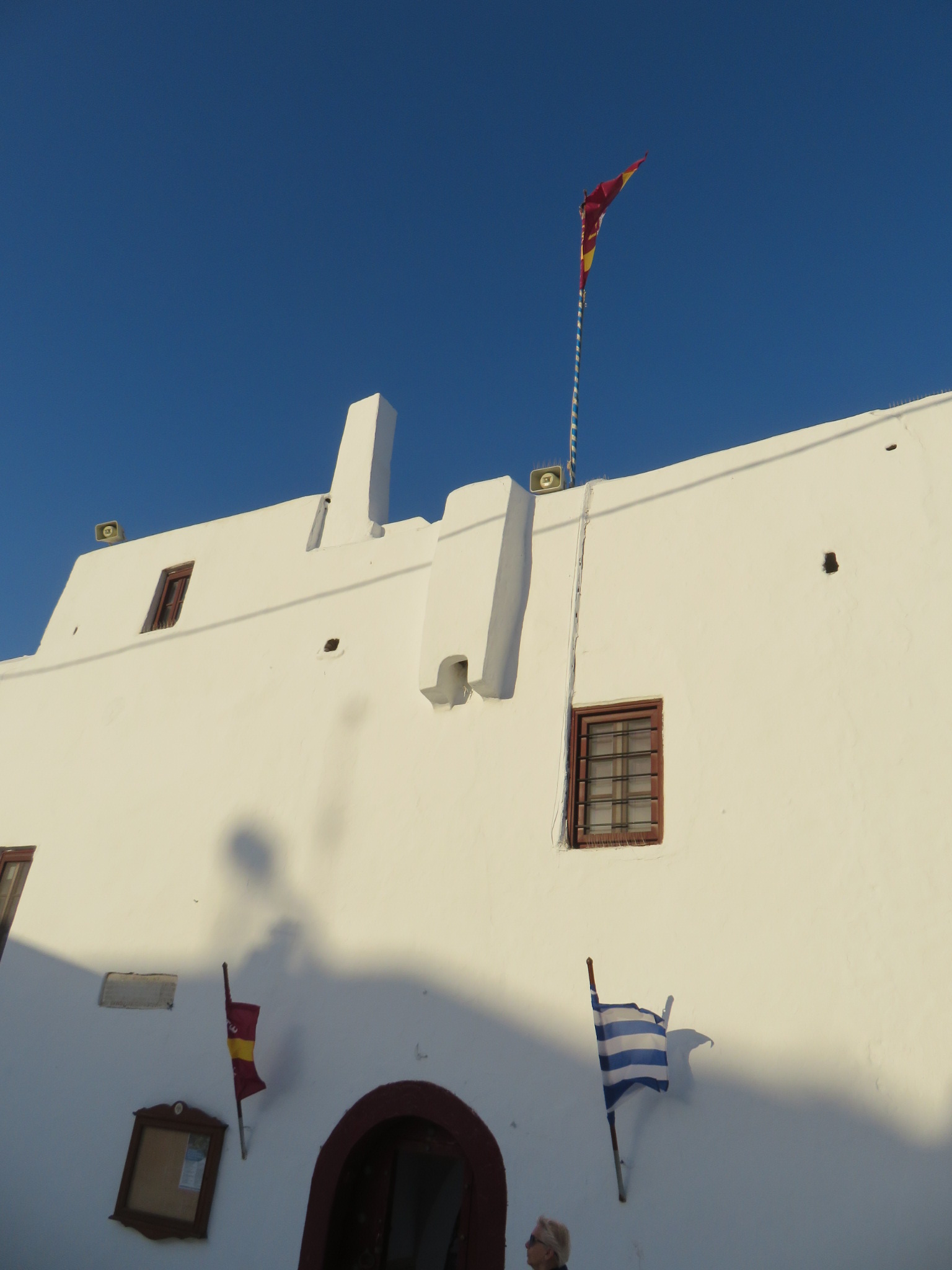
From there, we visited the village of Ano Mera and passed by the monastery of Panagia Tourliani, known for its collection of icons. The monastery was built in 1542, and restored in 1767. The exterior is white-washed, like many of the buildings on Mykonos. Because it is Holy Week for the Christian Orthodox church, we were not able to go inside to view them. Also in Ano Mera, we sampled some Greek coffee and loukoumades – similar to a fried donut with warm honey and cinnamon – very good.

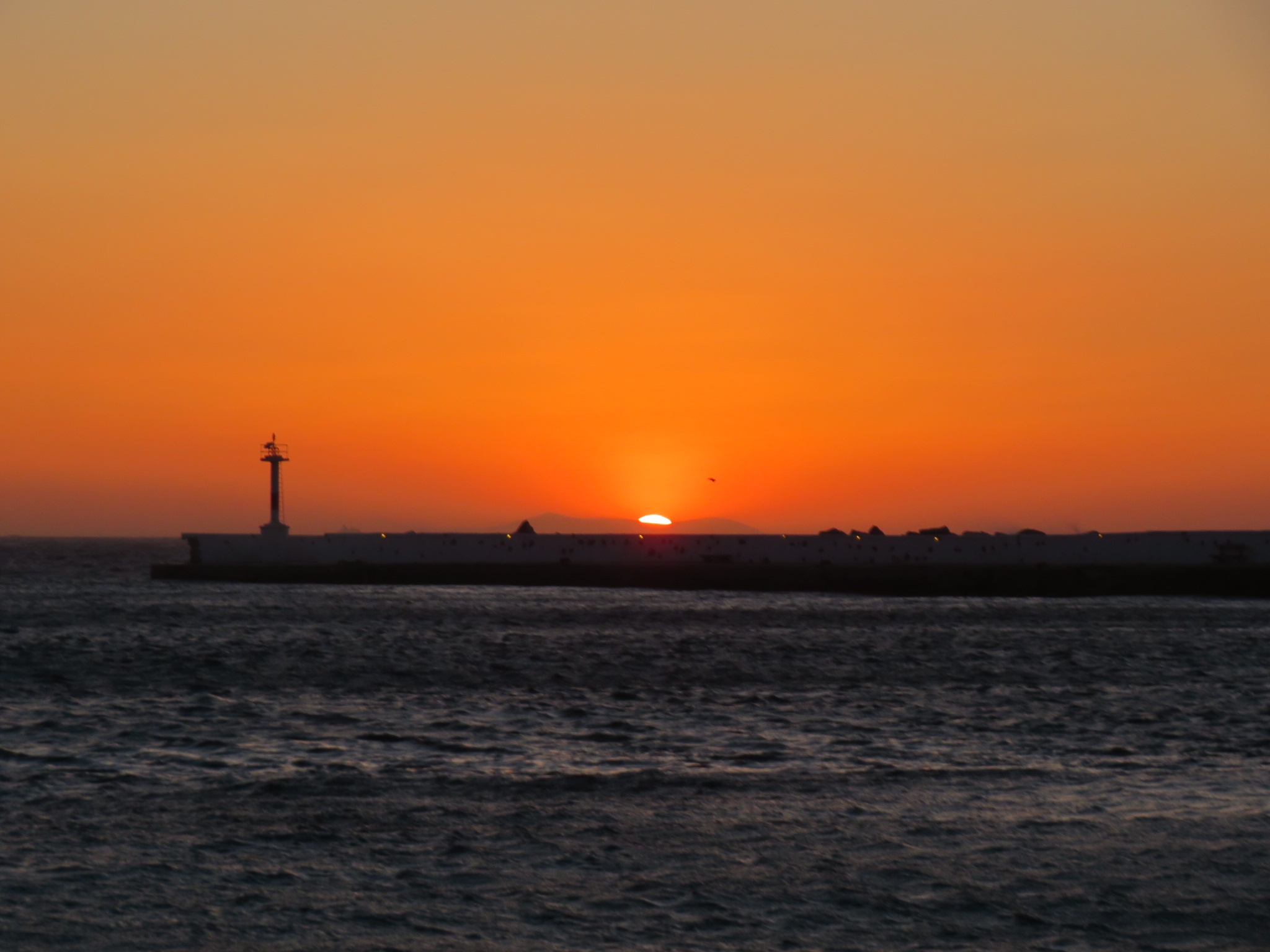
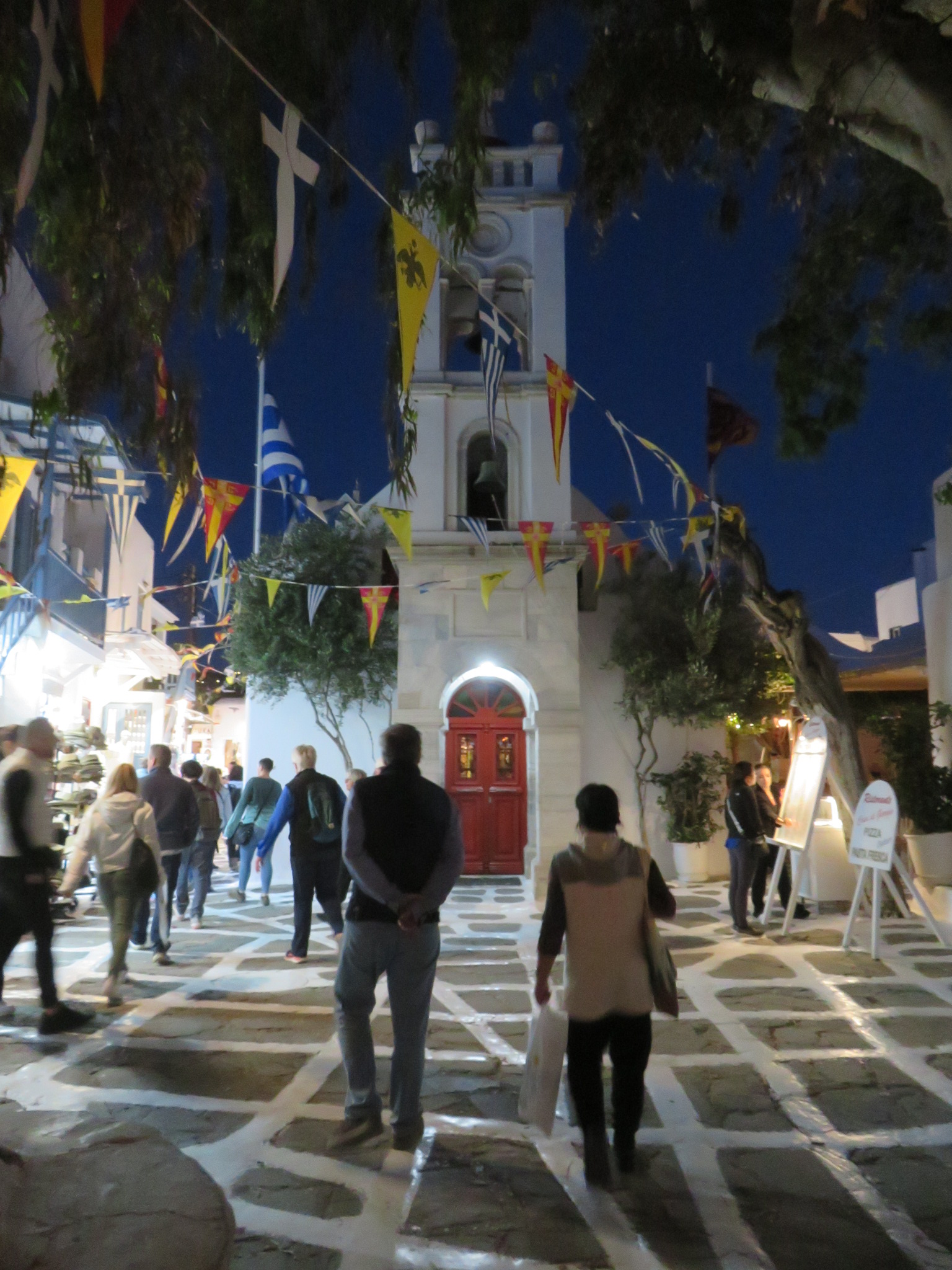
Then, to Chora, also known as Mykonos Town, the capital of Mykonos. In the old part of the city is a Folklore Museum, Lena’s House, that contains many exhibits of traditional costumes, furniture and personal items typical of Mykonos life in the late 19th and early 20th centuries. We enjoyed walking through the narrow streets with it’s whitewashed buildings and colorful doors, stairwells, and roofs, and even caught a beautiful sunset.



Little Venice is home to numerous houses that sit right on the edge of the land by the sea. These homes were probably constructed between the 13th and 18th centuries, when the island was under Venetian rule. The famous windmills of Mykonos are located just on the other side of the bay.


 So Many Exciting and Beautiful Places!