Tuesday, April 30, 2024
When we last visited Kusadasi, we spent the day exploring the ruins in Ephesus, so this time, we decided to stay close to the ship.
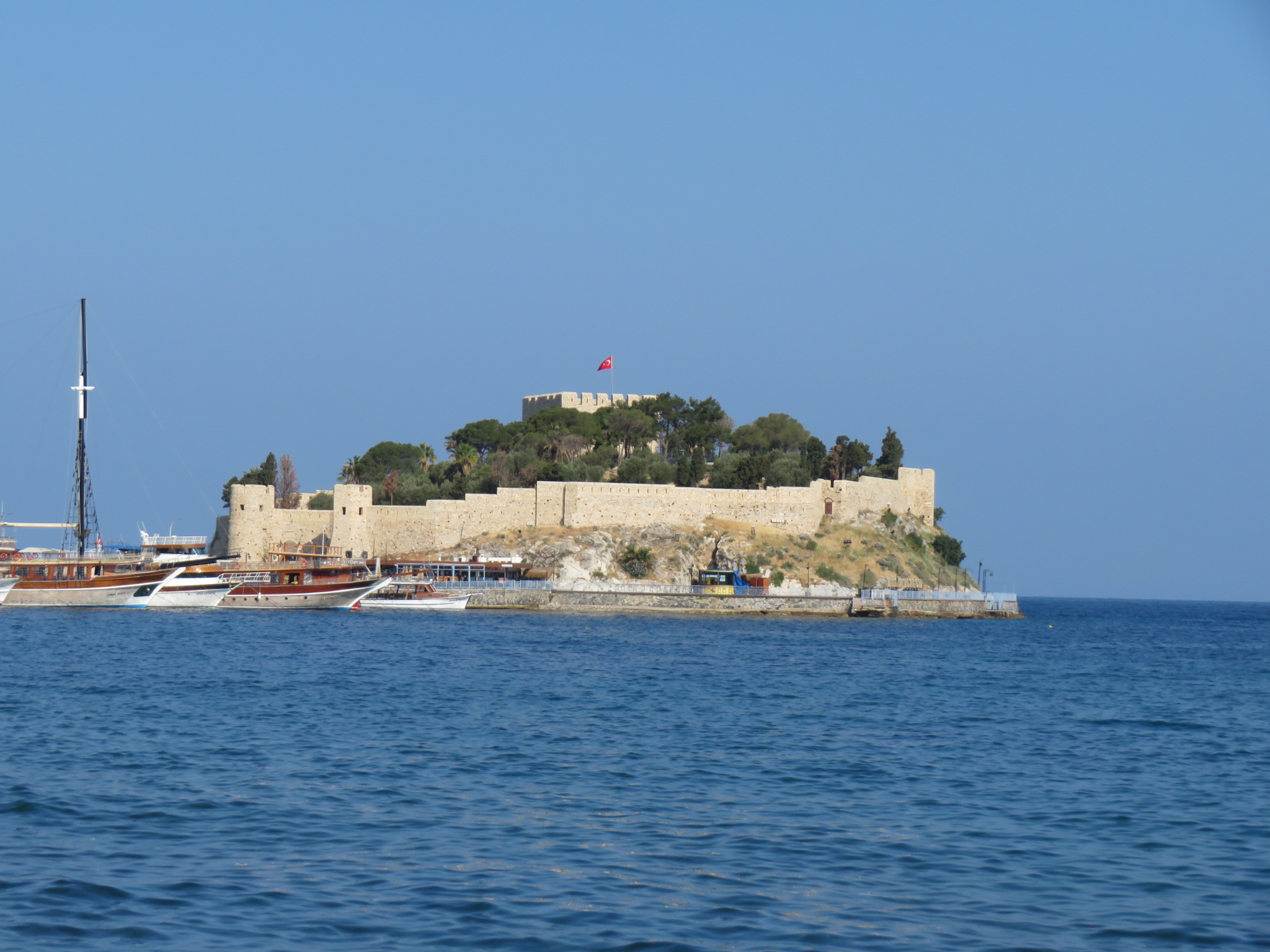
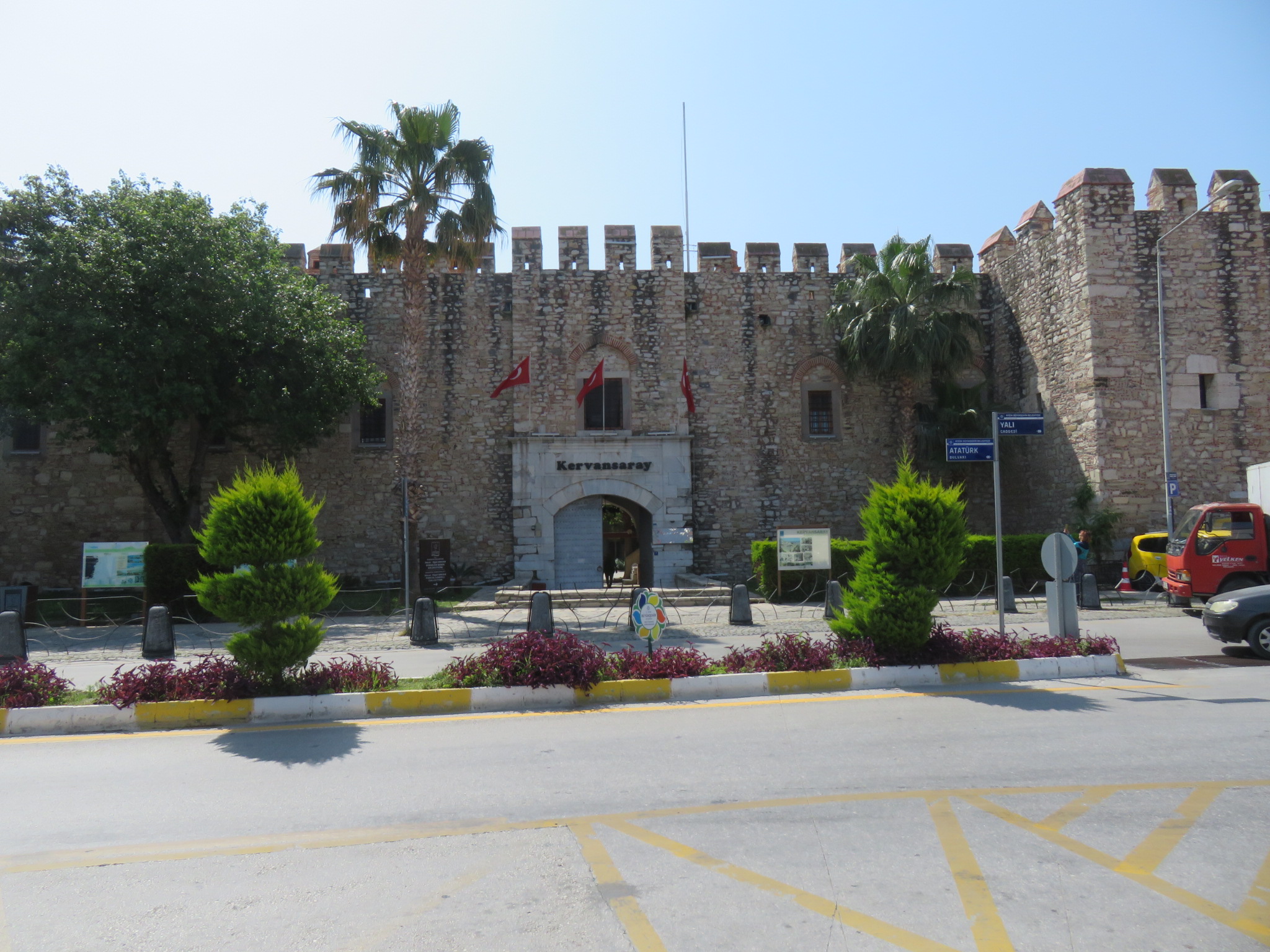
A popular resort community, people have lived in this area for at least 5,000 years. The name Kuşadası (pronounced koosh-a-das-uh) comes from two Turkish words, kuş (bird) and ada (island.) The island, where a 13th century Byzantine fortress is located, was thought to resemble a bird when viewed from the sea. We took a short walk from the ship, and then crossed to the island via a causeway. This is a beautiful, peaceful place, and for us, a way to escape the clamoring taxi drivers and merchants constantly accosting us. They do have to make a living, I guess.
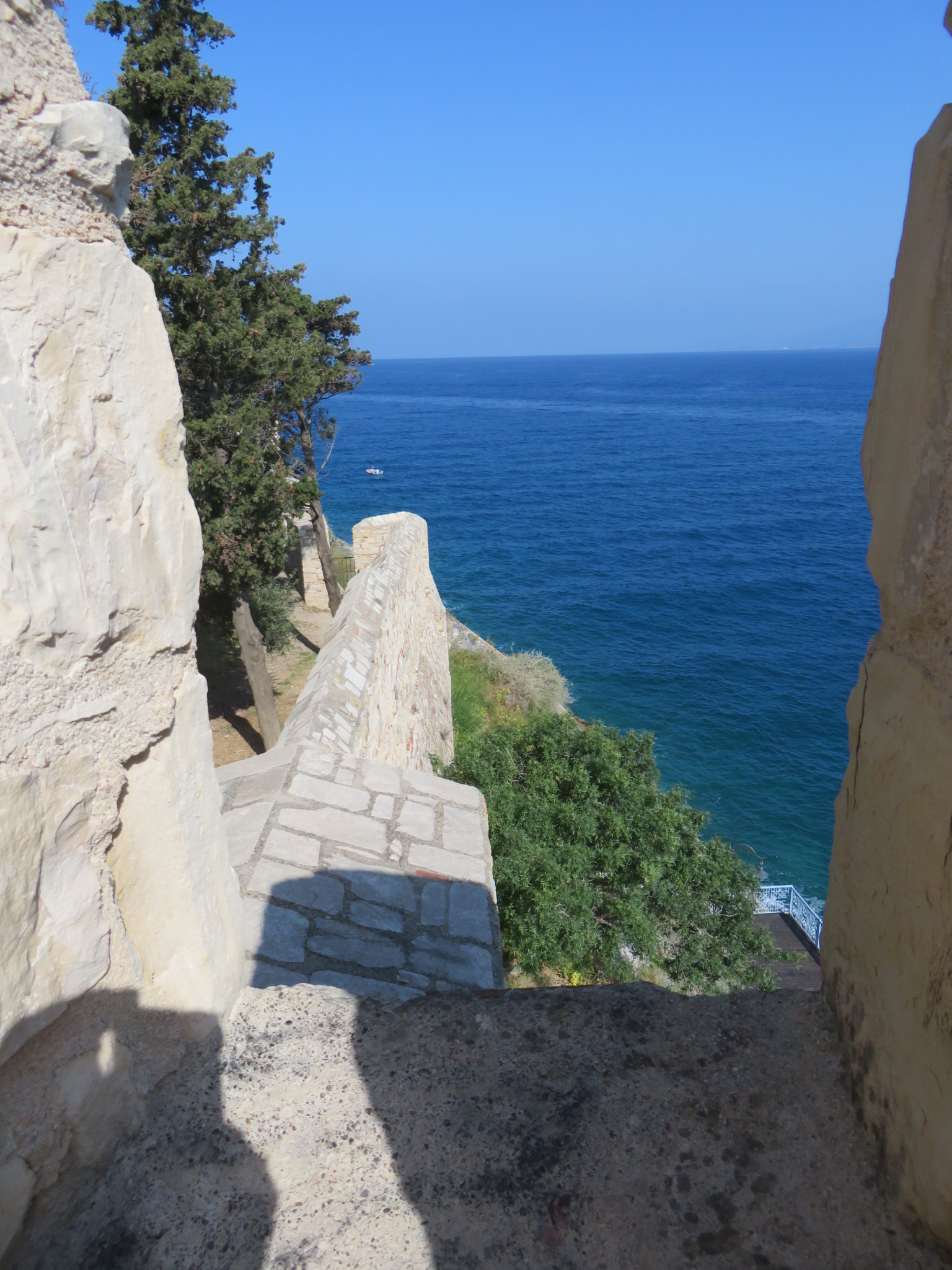
The castle itself is not open at this time of year, but we could walk the grounds around it, and enjoy the views from the fortress walls. It had been renovated in 1834, and is still in very good condition.


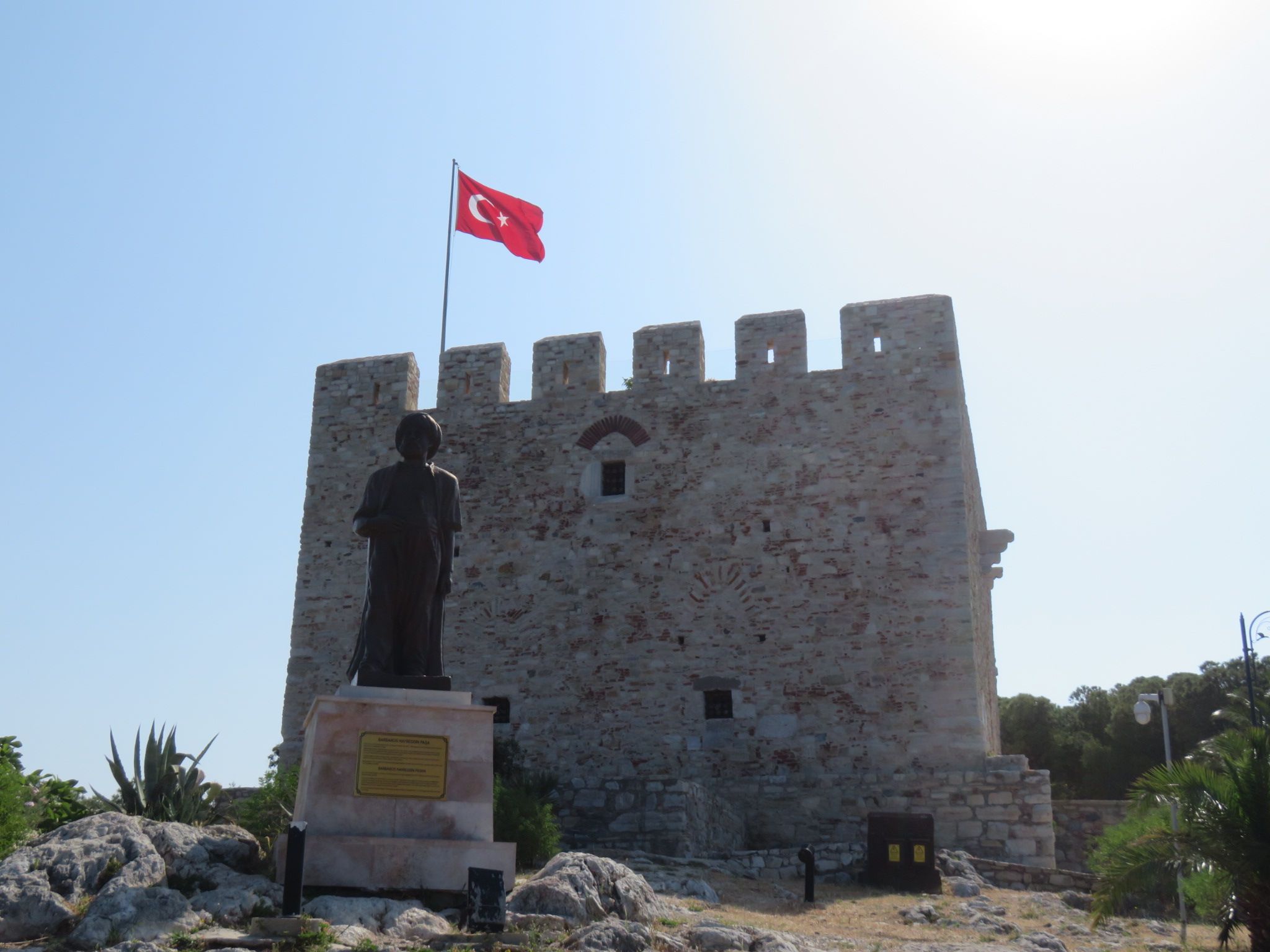
Overlooking the city is a statue of Mustafa Kemal Atatürk, the founding father of the Greek Republic. Ataturk was born in 1881, and served as president from 1923 until his death in 1938. He initiated sweeping reforms, modernizing Turkey into a secular, industrial nation. In 1981, 100 years after his birth, UNESCO honored Atatürk’s memory, and called him “the leader of the first struggle given against colonialism and imperialism.”
Although Turkey is a secular state, more than 99% of the population are Muslim, mostly Sunni. While writing this, I heard the call to prayer at mid-day. Though tolerated here, the Christian and Jewish populations have been declining.

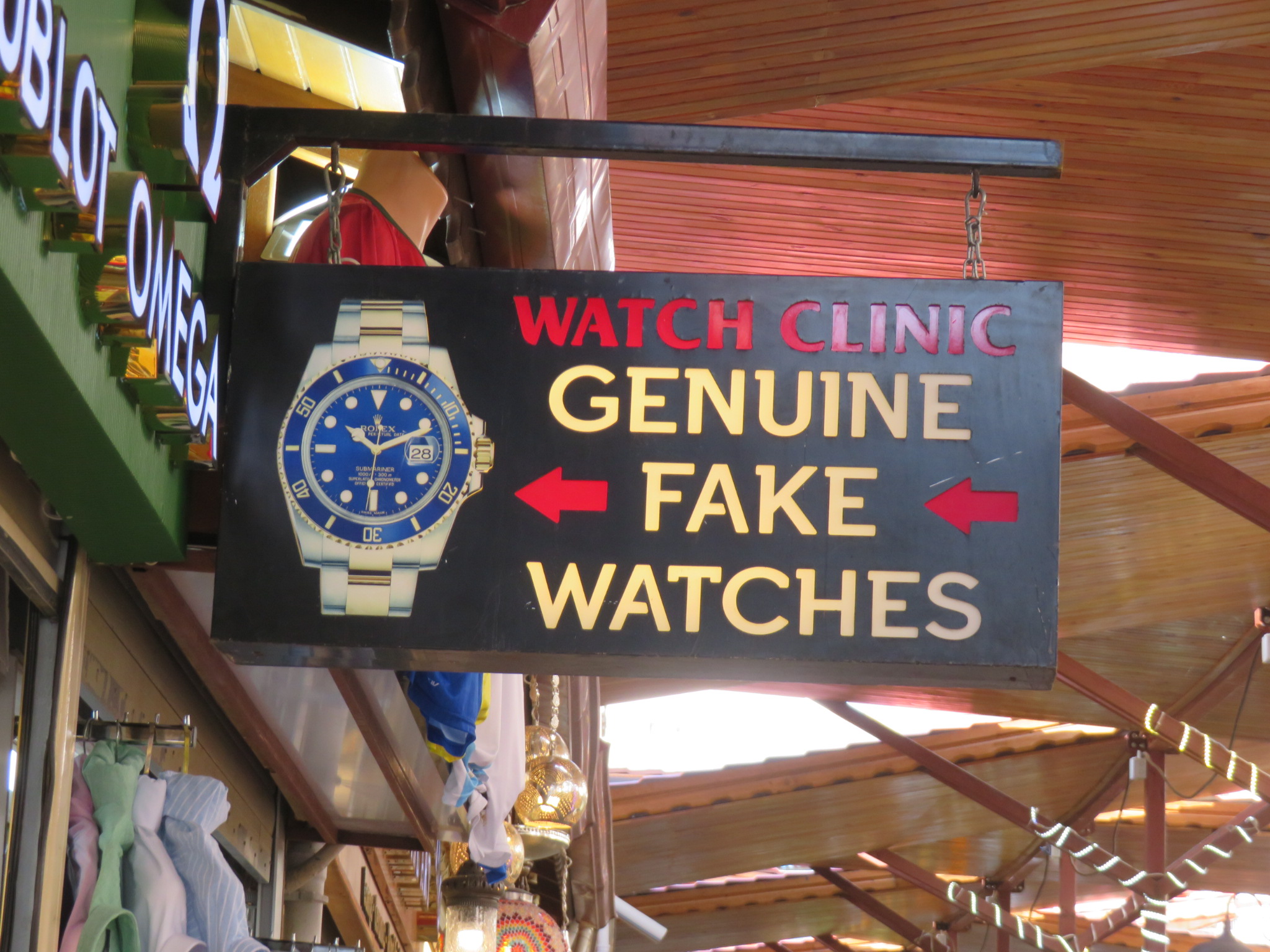
Kusadasi’s Old Town is in the center of town, and is a mix of old houses, shops, bars and restaurants. Here is where we tourists gravitated to for a bit of shopping in the bazaar. There are gorgeous leathers, beautiful jewelry, luxurious rugs, and much, much more. How we managed to escape without going broke is beyond me.




Patmos, Turkey
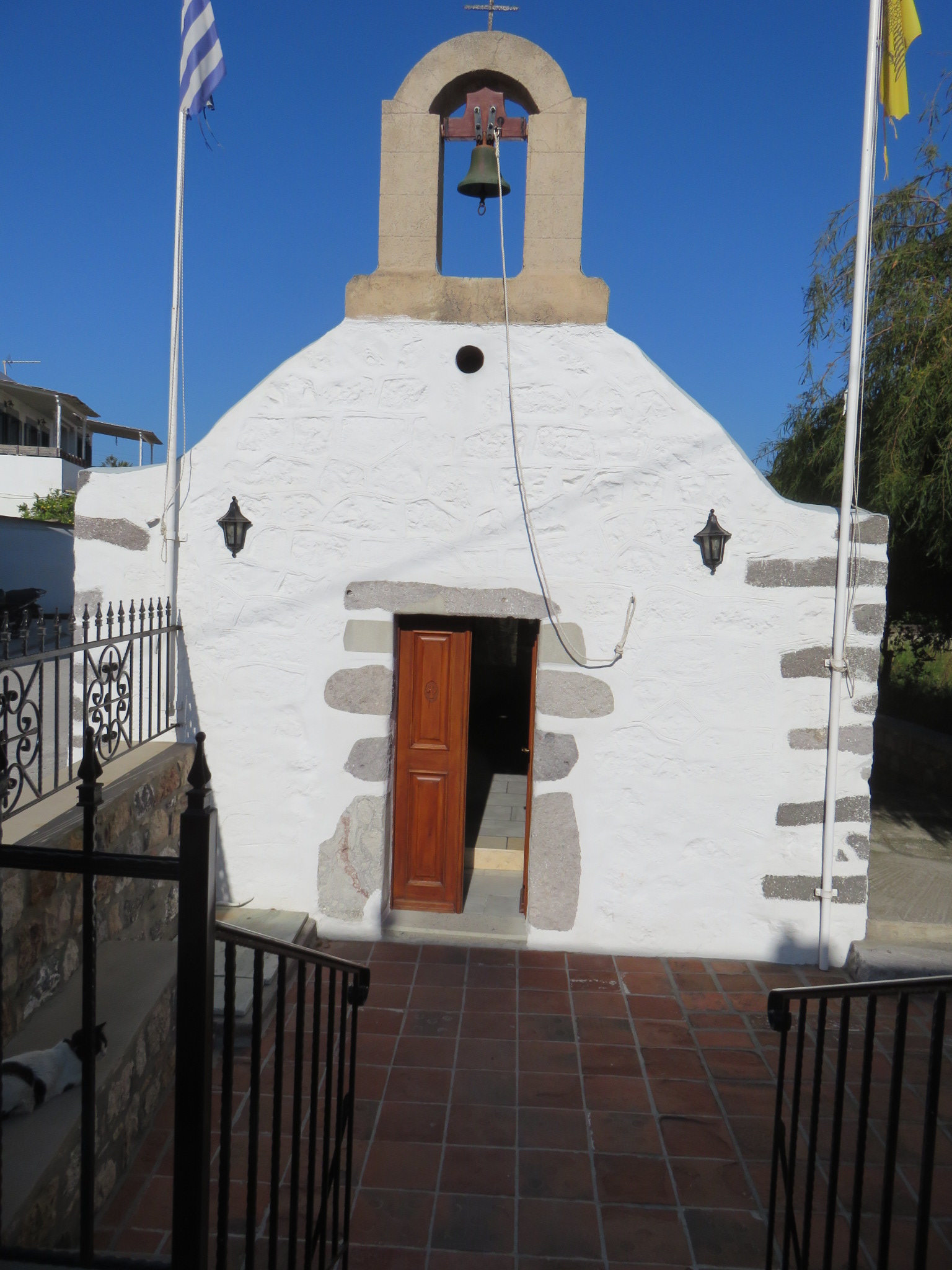
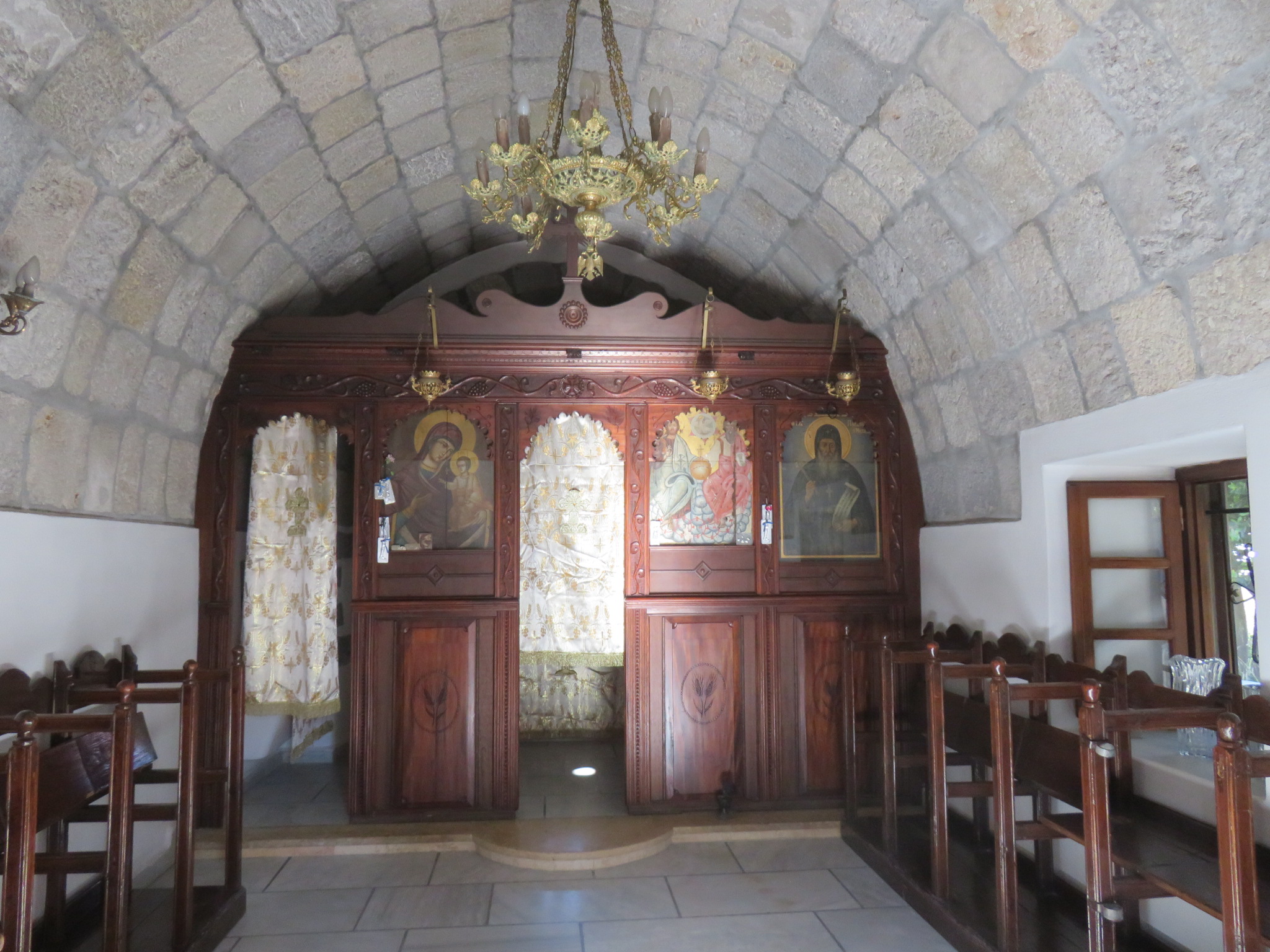
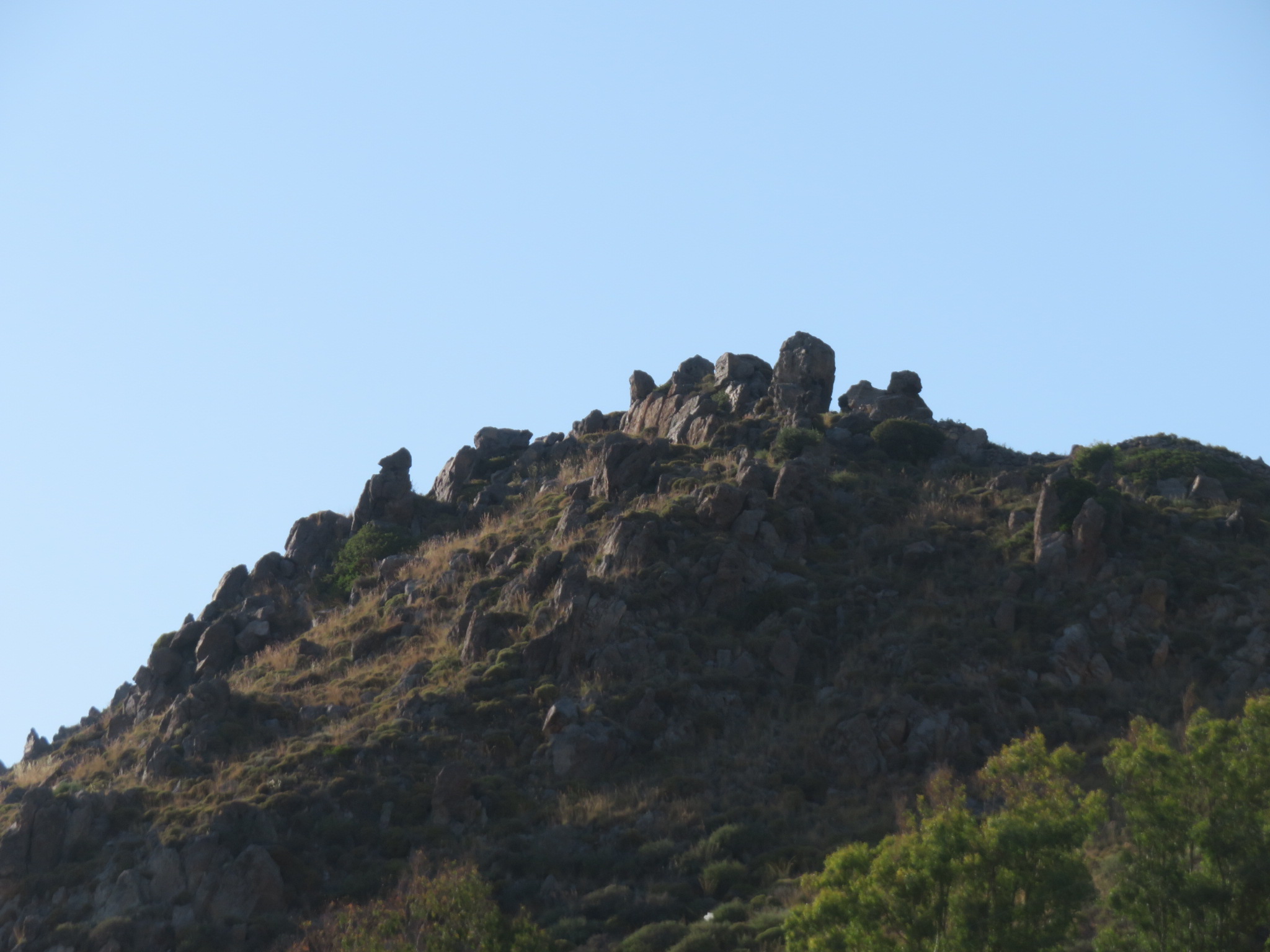
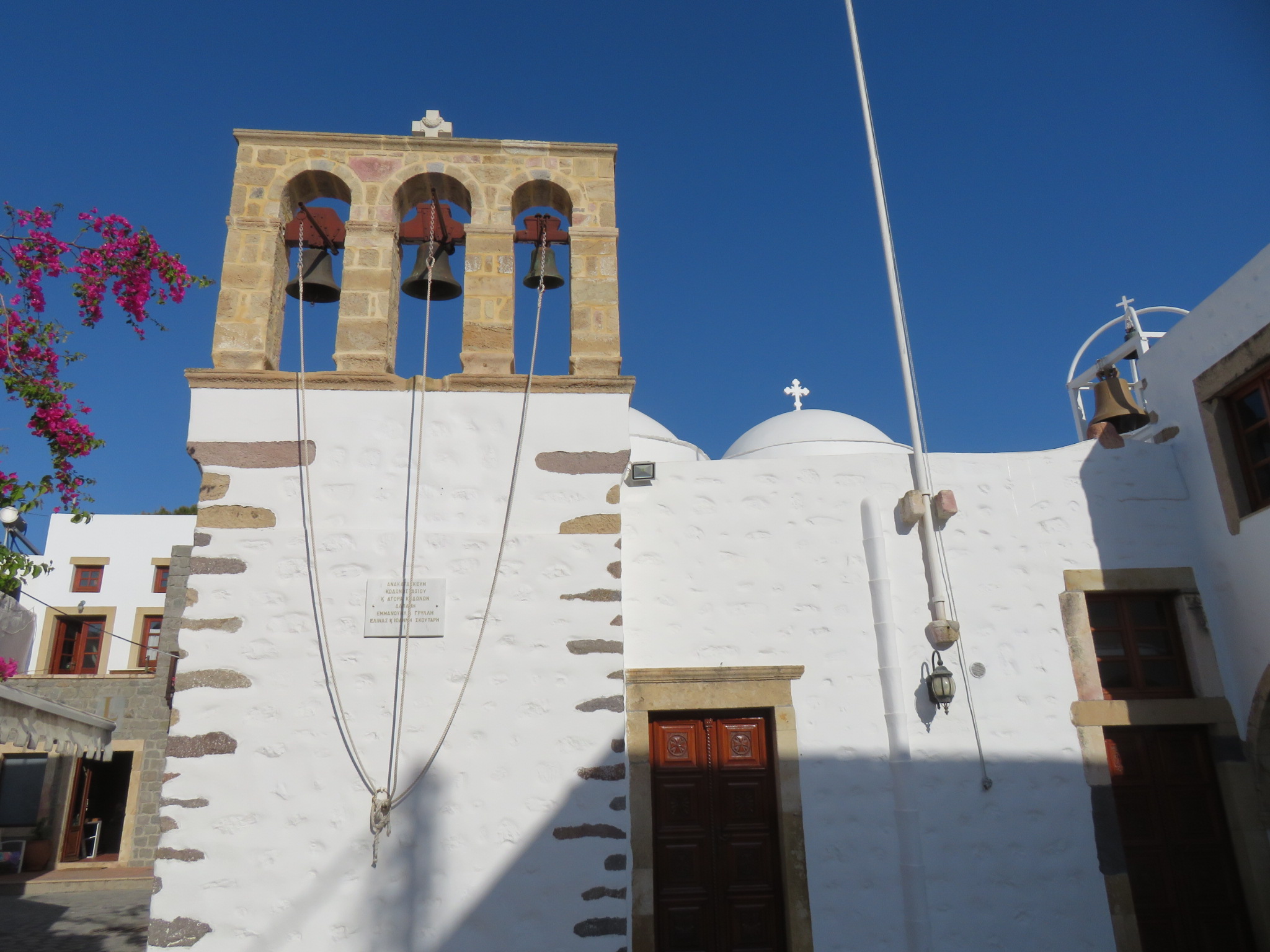
Our second stop today was at Patmos, known as being where John of Patmos received the revelation that he shared in the New Testament Book of Revelation. Some historians speculate that this was the same John of the Gospels, but no one knows for sure. John was said to have brought Mary to Ephesus after Jesus died, so maybe?? Visitors can go to the Cave of the Apocalypse where John is said to have received his revelation, as well as to the Monastery of St. John the Theologian, built in 1088 on a hill overlooking the town. The Monastery, Cave and surrounding town were named a UNESCO World Heritage Site in 1999.





 So Many Exciting and Beautiful Places!