Monday, November 11, 2024

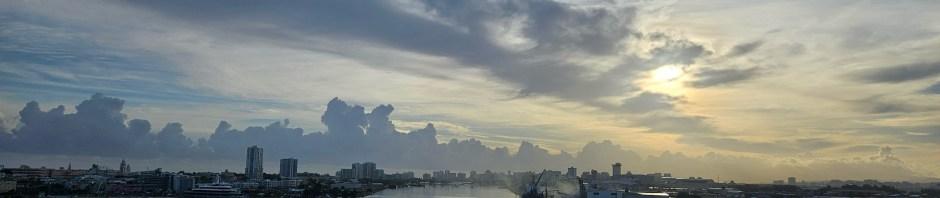
Sea Day, day of rest, sailing past Haiti and the Dominican Republic. We crossed time zones today, from Eastern to Atlantic.
Tuesday, November 12, 2024
We arrived at San Juan about 8 this morning.

San Juan, the capital of Puerto Rico, was founded by Spanish colonists. Europeans first arrived here in 1493, and the first settlement was founded in 1508 by Juan Ponce de León. The oldest Catholic diocese in the United States was founded just three years later In 1521, it was named Ciudad de Puerto Rico de San Juan Bautista, or “rich port city of Saint John the Baptist.” The Castillo San Filipe del Morro was constructed in 1534. During the Spanish-American War, the fort was designated as part of Fort Brooke and used as a military installation during WWI and WWII. The fort was retired in 1961, after 400 years of service, and has been declared a UNESCO World Heritage Site.
Following the Spanish-American War of 1898, the island was ceded to the United States in the Treaty of Paris (at the same time that Florida became part of the US.)
Citizens of Puerto Rico were granted citizenship in 1917 during President Woodrow Wilson’s presidency. Thirty-three years later, Congress authorized Puerto Rico to adopt a constitution, and two years later, approved the Constitution of the Commonwealth of Puerto Rico.
Although they are citizens, Puerto Ricans do not vote in US Presidential elections. There have been a number of referenda regarding the island’s status. The Puerto Rico Status Act passed in the US House of Representatives earlier in the year, but the billed died in the Senate. A non-binding vote was on Puerto Rico’s ballot last week. Final results show that 57% voted for statehood, 31% for independence, and 12% for independence with free association. We’ll have to wait to see if anything happens after that vote.
We took a tour to El Yunque National Forest, (our guide pronounced it El Joon-kay) 29,000 acre rainforest in the Luquillo Mountains. The name El Yunque means anvil in Spanish. Archeologists have found evidence of the presence of pre-Columbian cultures around 3000 BCE. Spanish colonists found gold in the early 1500s, and mined here for several decades, but didn’t fine much. The forests were a source of timber in the mid to late 1800s.
The Spanish became concerned about protecting the forest, fish and wildlife in the mountains, so Spain’s King Alphonso XII set aside the forest in the Luquillo Mountains as a reserve. After Puerto Rico was ceded to the US, President Theodore Roosevelt set aside land as the Luquillo Forest Reserve. The name was changed to El Yunque National Forest in 2007. The Luquillo Mountains, or Sierra de Luquillo, collect 200 inches of rain each year (it rains several times each day), which fuel six rivers and provide water to 20% of Puerto Rico’s citizens.
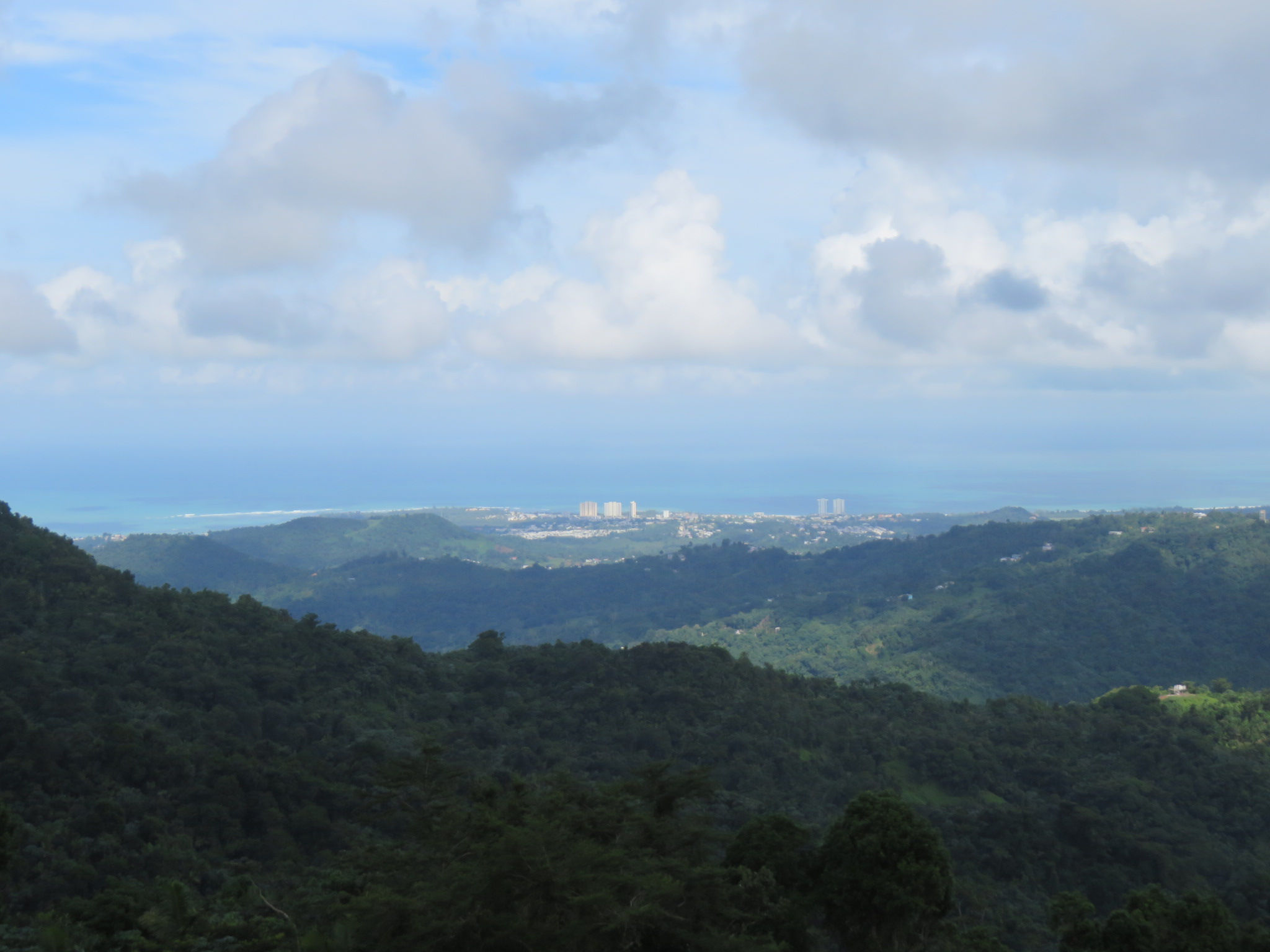


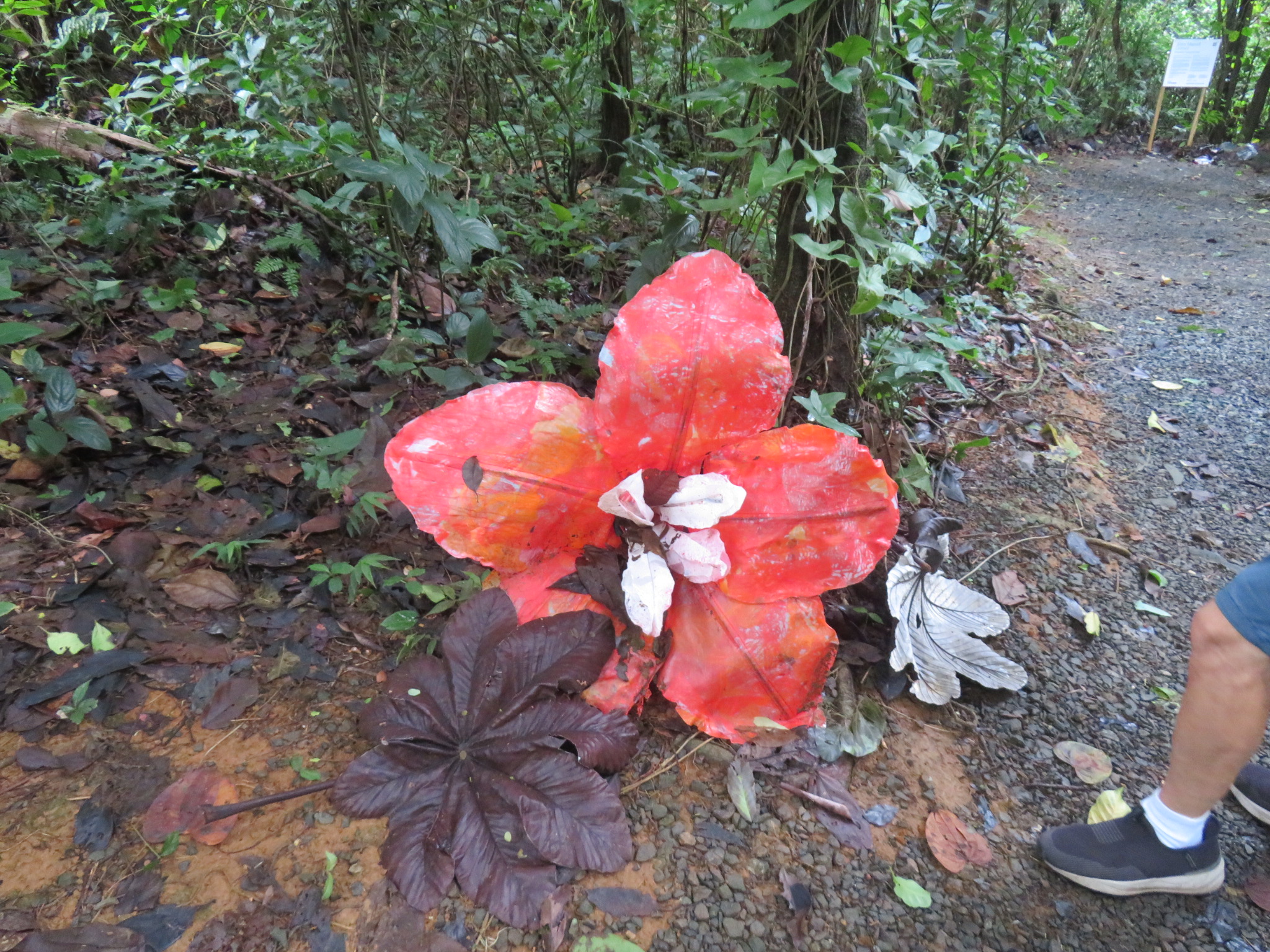
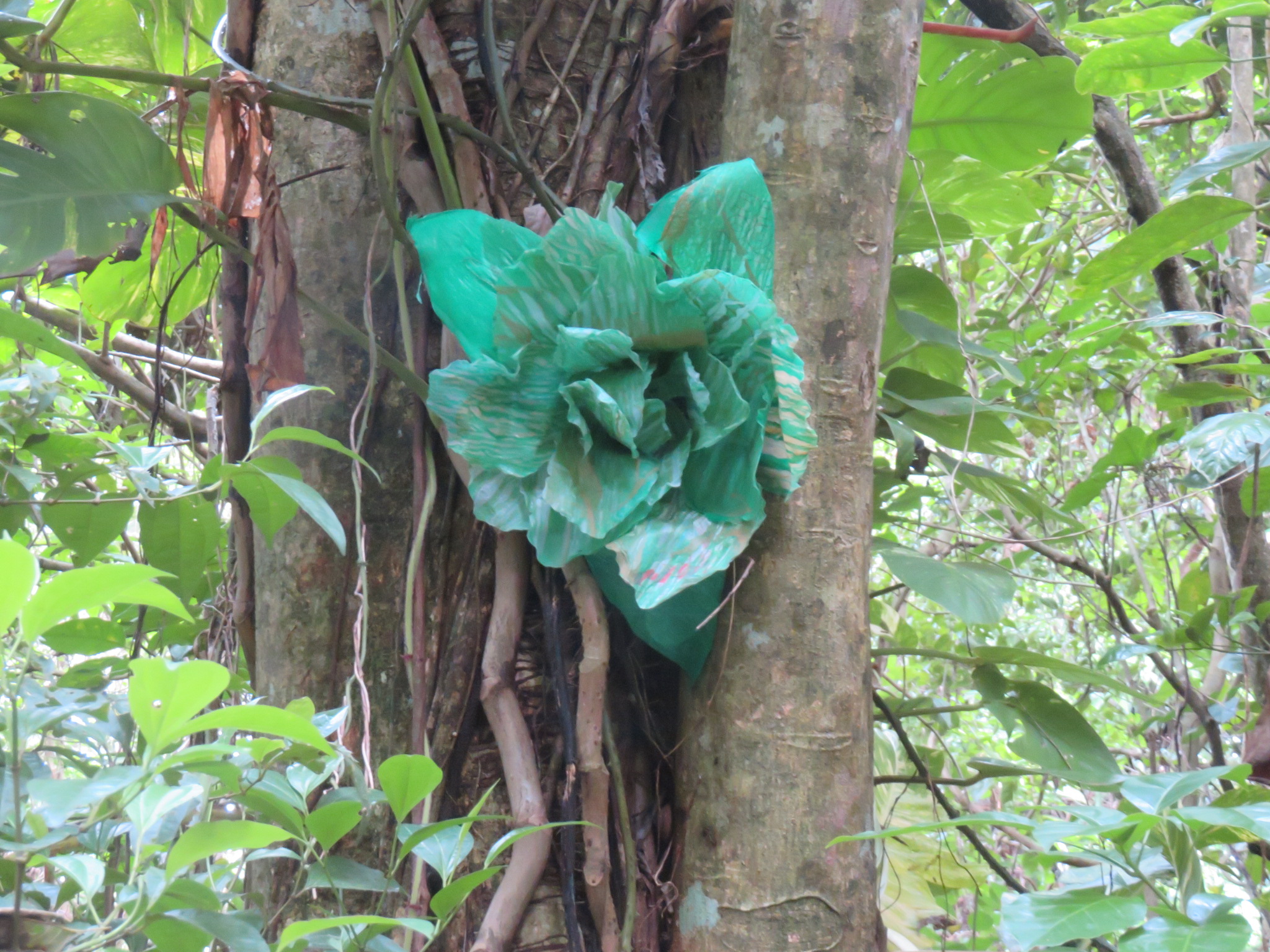
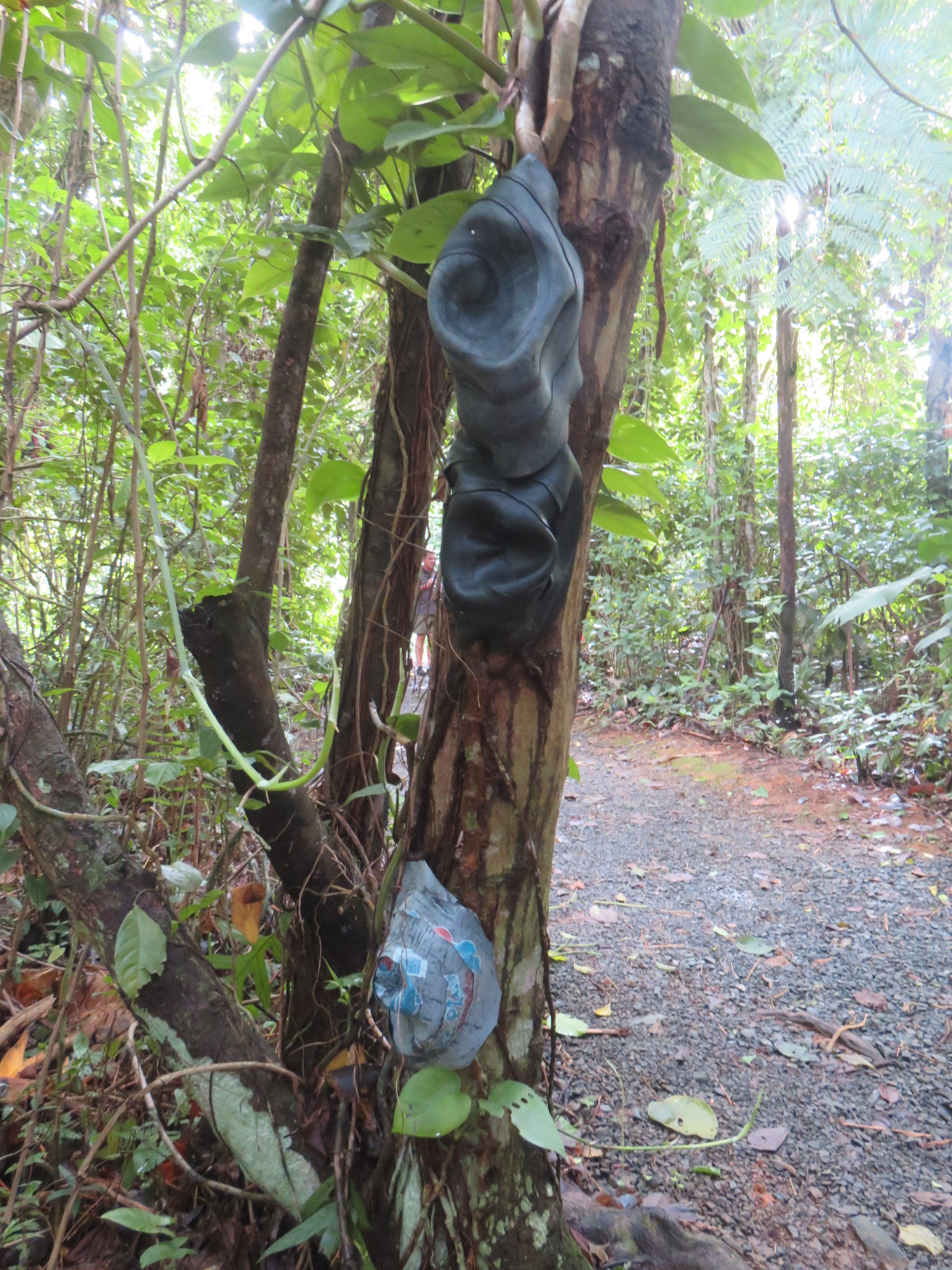
Today we hiked in the Tabonuco forest area. The area has over 170 species of trees. The 1.8 mile La Coca trail (sadly, not open at this time) passes through dense forest foliage, crossing numerous streams, passing waterfalls, leading to the Mameyes Wild & Scenic River area, one of the rainiest parts of El Yunque. Discovery Trail features several pieces of art by local artists.




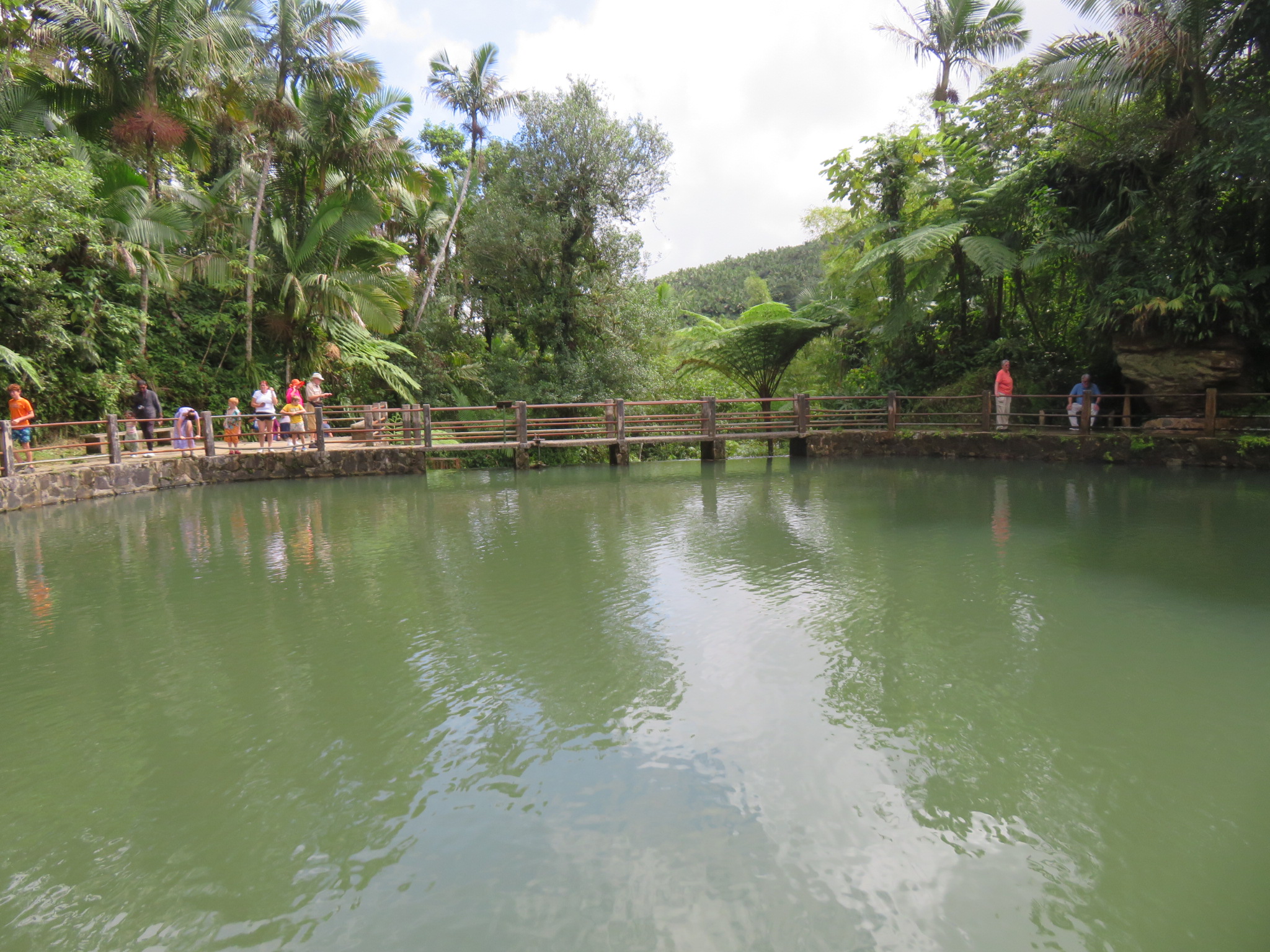
Baño Grande is a former swimming pool in the National Forest that was built during the New Deal, by the Civilian Conservation Corps in the 1930s. It is 18 feet deep, built with stone masonry and reinforced concrete. It was closed in 1968 for safety reasons. The pool is listed on the National Register of Historic Places.



Following our hike, we headed to the Yokahú Tower, a 69 foot tower with views of much of the forest. On clear days, it’s possible to see as far as 10 miles.


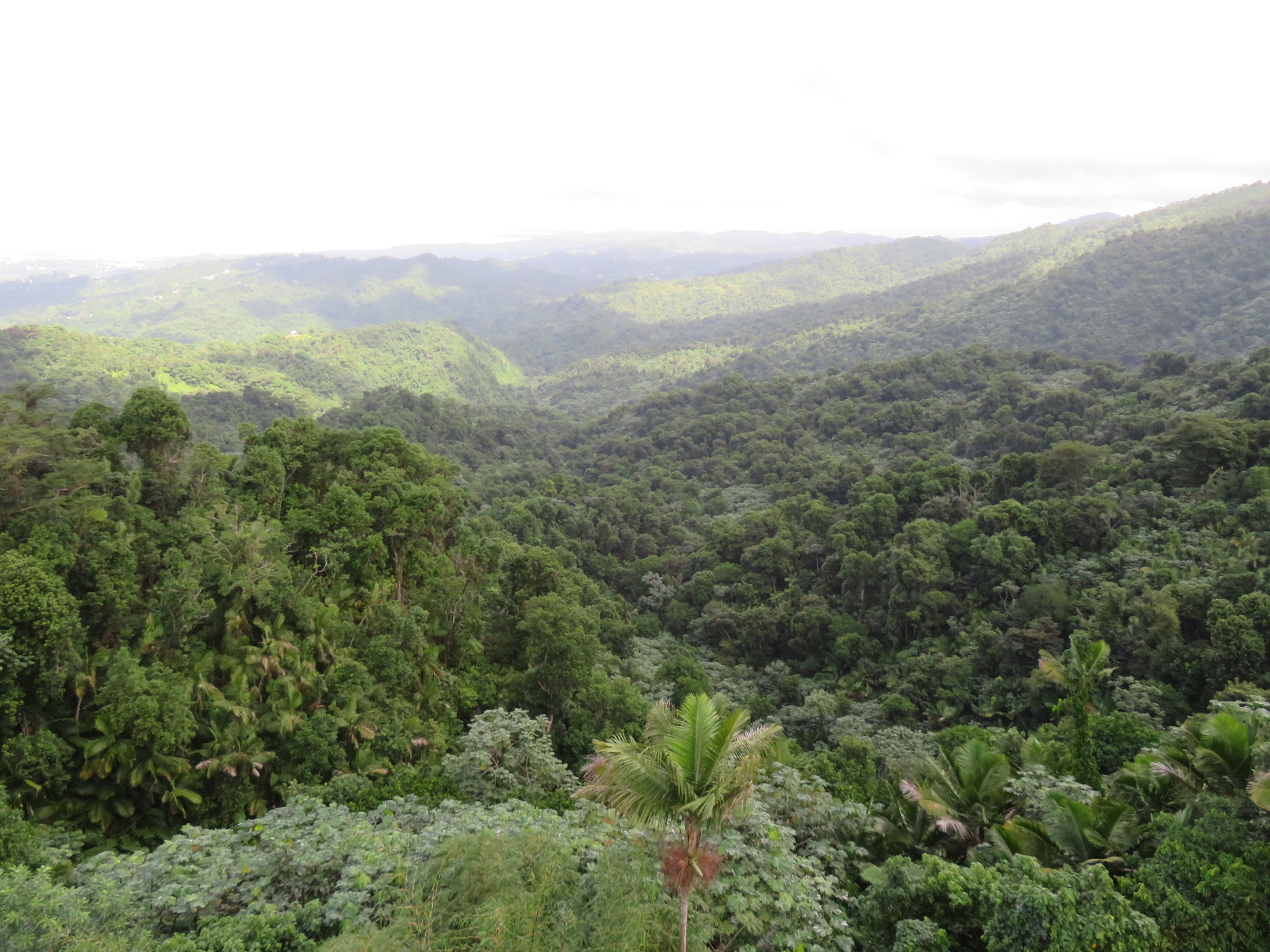

And it rained.
We left port at around 9 this evening.


 So Many Exciting and Beautiful Places!