
Thursday, November 14, 2024
We arrived early this morning at St. John’s Deep Water Harbour, which was redeveloped between 2018 and 2022, adding a new cruise berth, cargo and logistics facilities, as well as office for Customs and Excise, Immigration and other services. Barbuda is slated to get a deep water harbor in the near future. Antigua and Barbuda are two separate islands about 40 miles apart. Two ferry services run between the islands.


St. John’s is the capital city of the nation of Antigua and Barbuda. Antigua means “ancient,” and Barbuda means “bearded” in Spanish. Antigua was home to Island Caribs, who called the island Wadadli, meaning “our own,” when the island was colonized by British Europeans in 1632. Barbuda may have been called Wa’omoni, “Island of Herons,” by the Caribs.
The European settlers raised tobacco, indigo, ginger and sugar cane. Within a few decades, sugar took over as the primary agricultural product. Today, the economy depends mostly on tourism.
The islands gained their independence from the UK in 1981, but remain part of the Commonwealth of Nations, as a constitutional monarchy, with Charles as their king.
We traveled from St. John’s through Antigua’s countryside, to the English Harbour at the south end of the island. It was at this location that British Royal Navy established its base in the Caribbean. Nelson’s Dockyard, a former British Navy base, and a UNESCO World Heritage Site since 2016. The dockyard was constructed in 1725. There were wooden storehouses, slave quarters, naval housing, boathouses, stores and a hospital were among the buildings.
Overlooking the English Harbour is Clarence House, a colonial era house built for the Navy Commissioner. It later became the official country residence of the governor of Angigua.
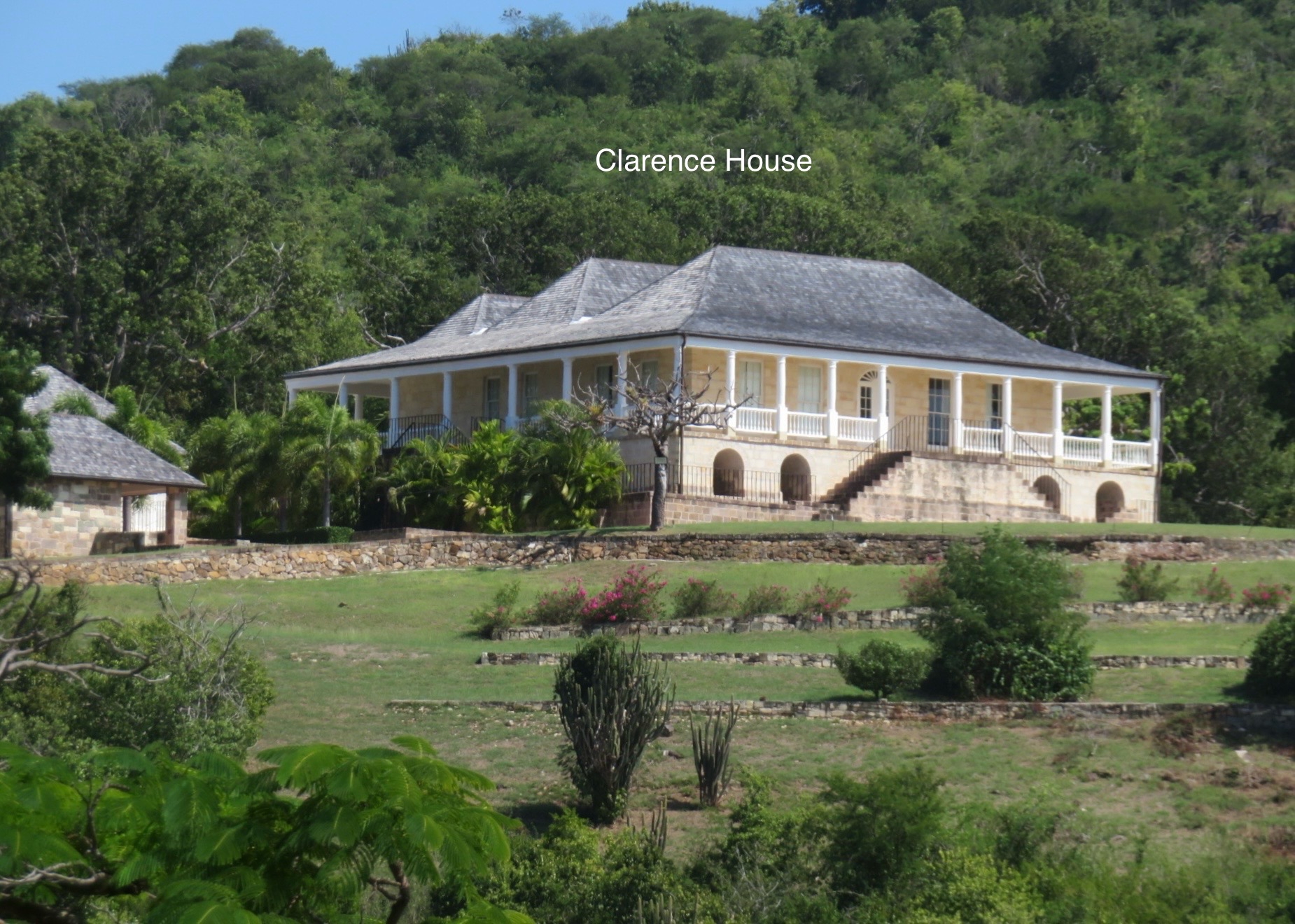


The Dockyard was operational until 1889, when it became difficult for newer, larger ships to navigate the narrow English Harbour. Attempts to create a heritage site began as early as 1920, but it was not opened as an historic site until 1961. With the passage of a National Parks Act in 1984, the Nelson’s Dockyard National Park was established.
After visiting the Dockyard, we rode along Fig Tree Drive (named not for figs, but for banana figs, small bananas), which runs through a Rainforest area, on our way to Carlisle Bay, where we would be boarding a catamaran for a leisurely sail back to port.
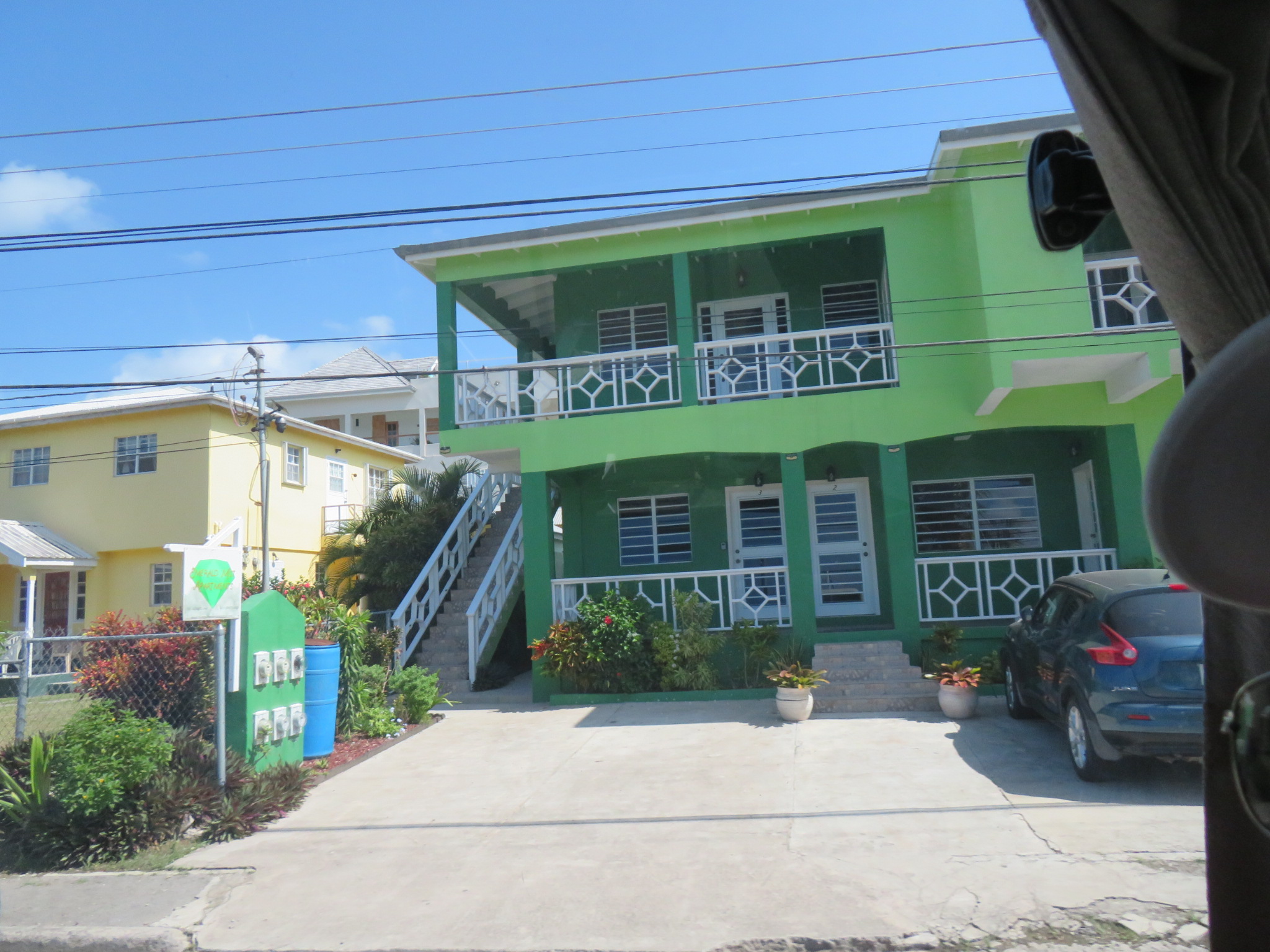


From there, we enjoyed a guided tour of Antigua, passing many lovely beaches, homes and exclusive hotels, then north to St. John’s Harbour, passing colorful villages and white sand beaches. Antigua has 365 beaches along its 54 miles of coastline. All of them are open to the public.
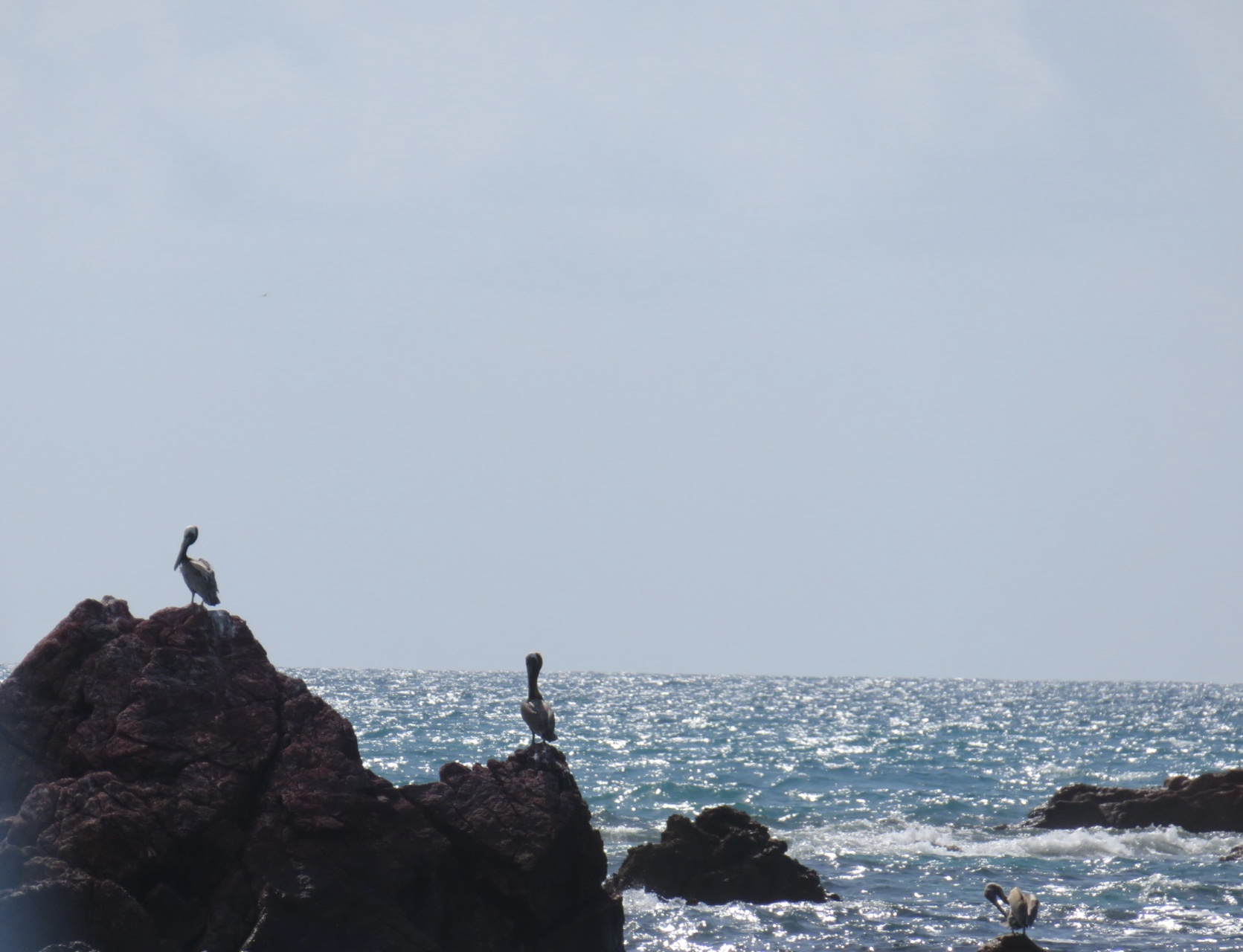
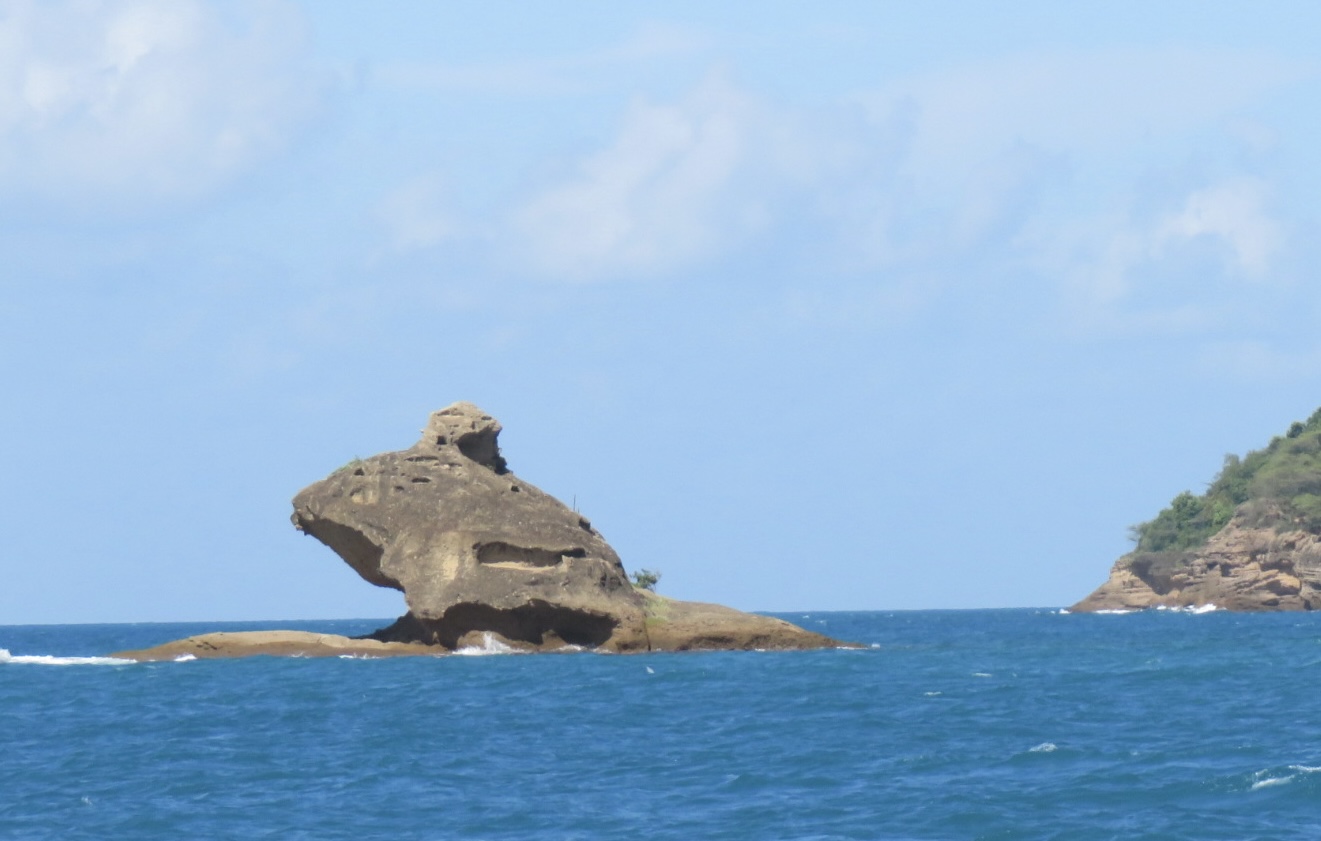
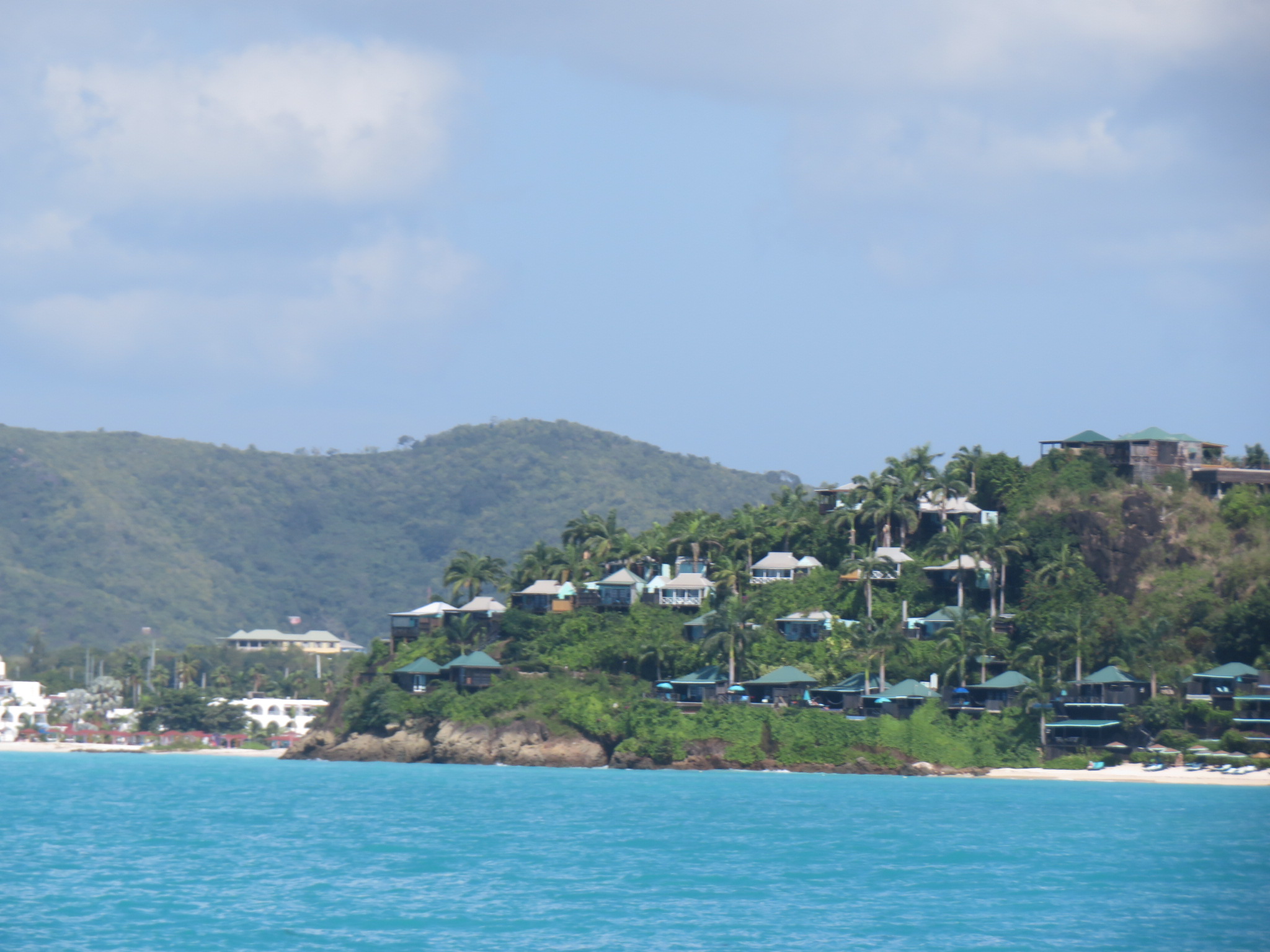


We even stopped for a swim, a welcome respite from the heat of the day. It really was a lovely day.
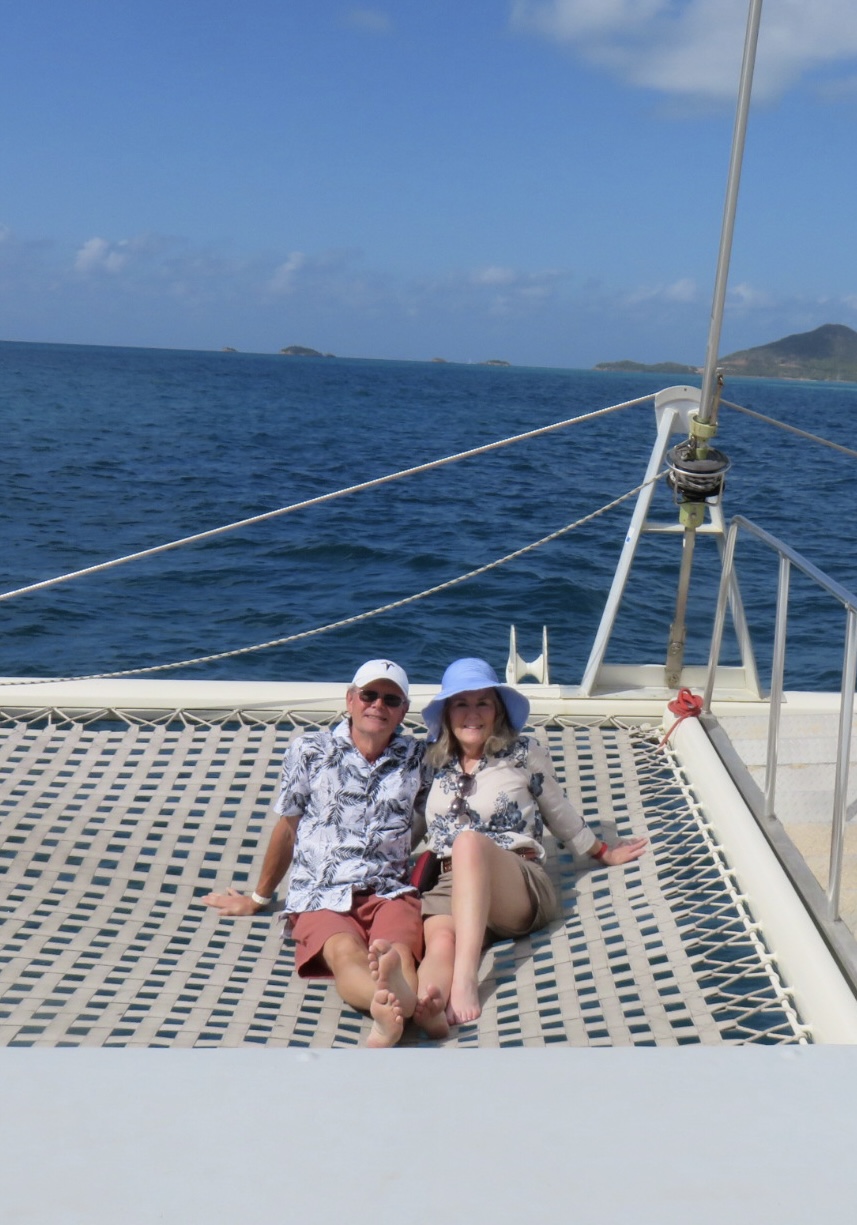
We left port around 6 pm under a full moon.


 So Many Exciting and Beautiful Places!