
Friday, November 15, 2024
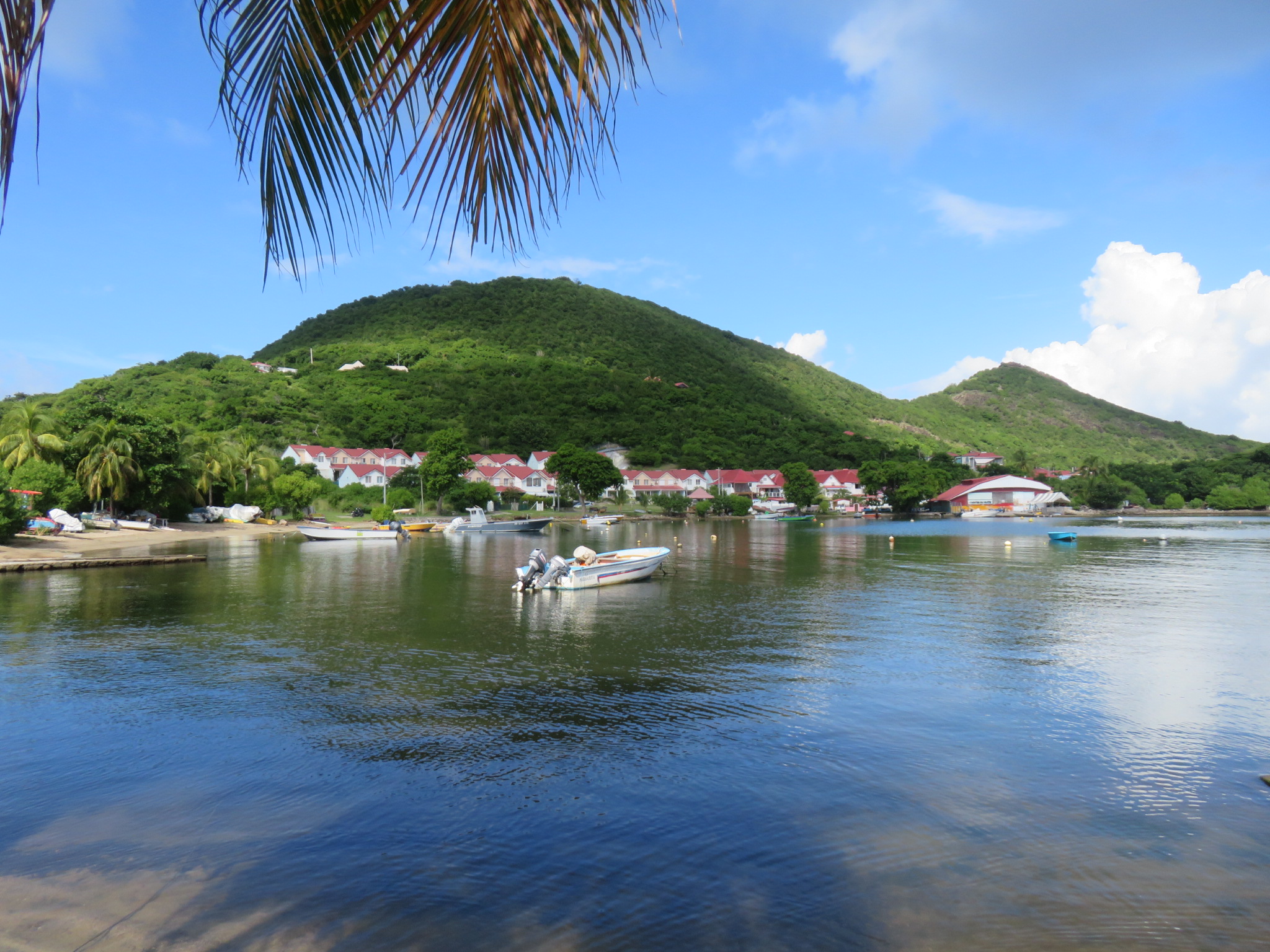
We arrived at harbor in Les Saintes (pronounced Lay-sonts) at around 8am. Les Saintes is one of the nine islands in the Guadeloupe Archipelago.

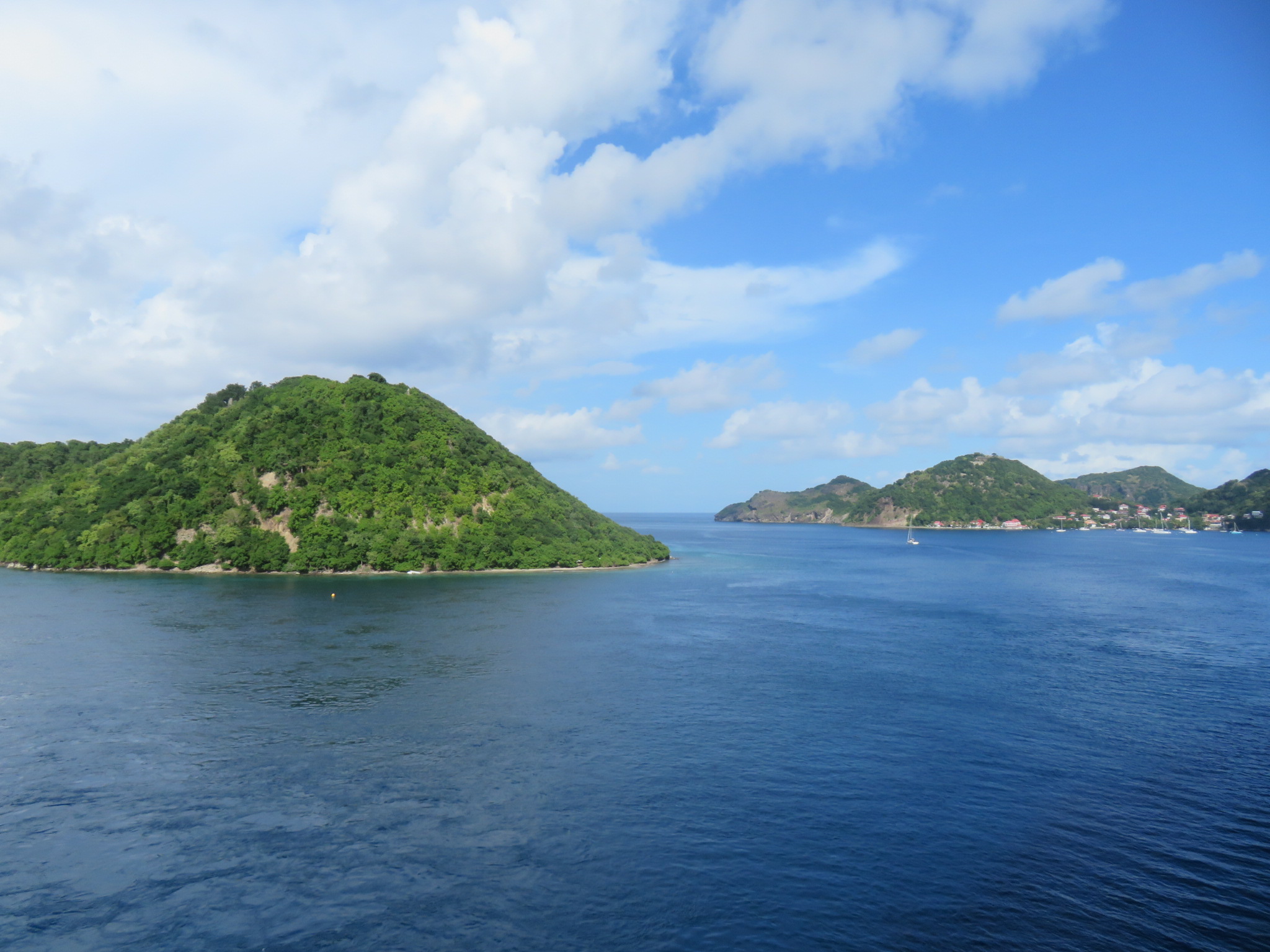
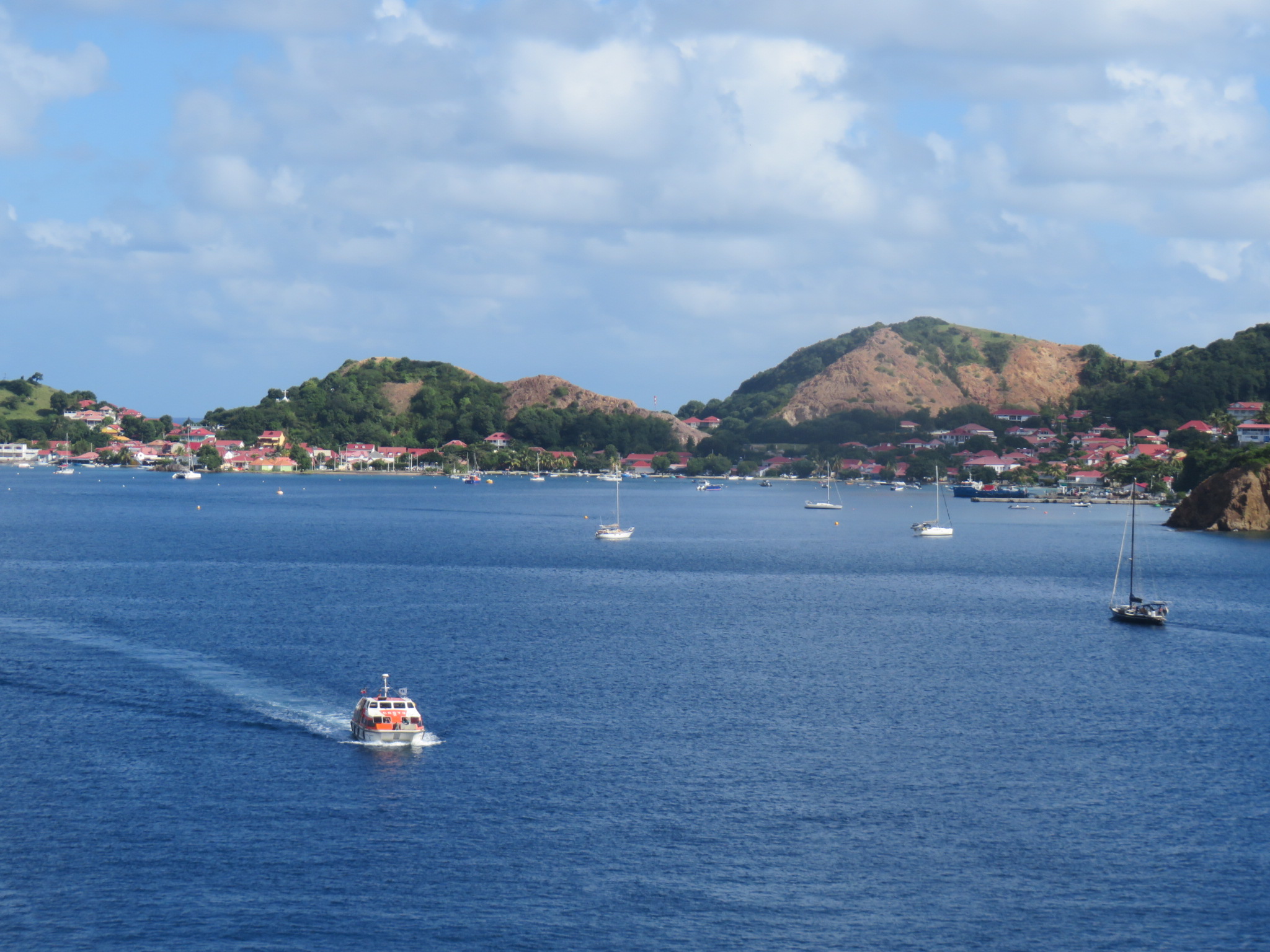
Shortly after arrival, we tendered to shore and joined a guided hike in Terre-de-Haut (“high lands.”) This tiny island, just under 5 square miles, is one of the islands Christopher Columbus landed on during his second voyage to the New World. No cars are allowed on the island, except electric cars, golf carts and motorcycles, which is not a problem since the island is only two square miles in area.

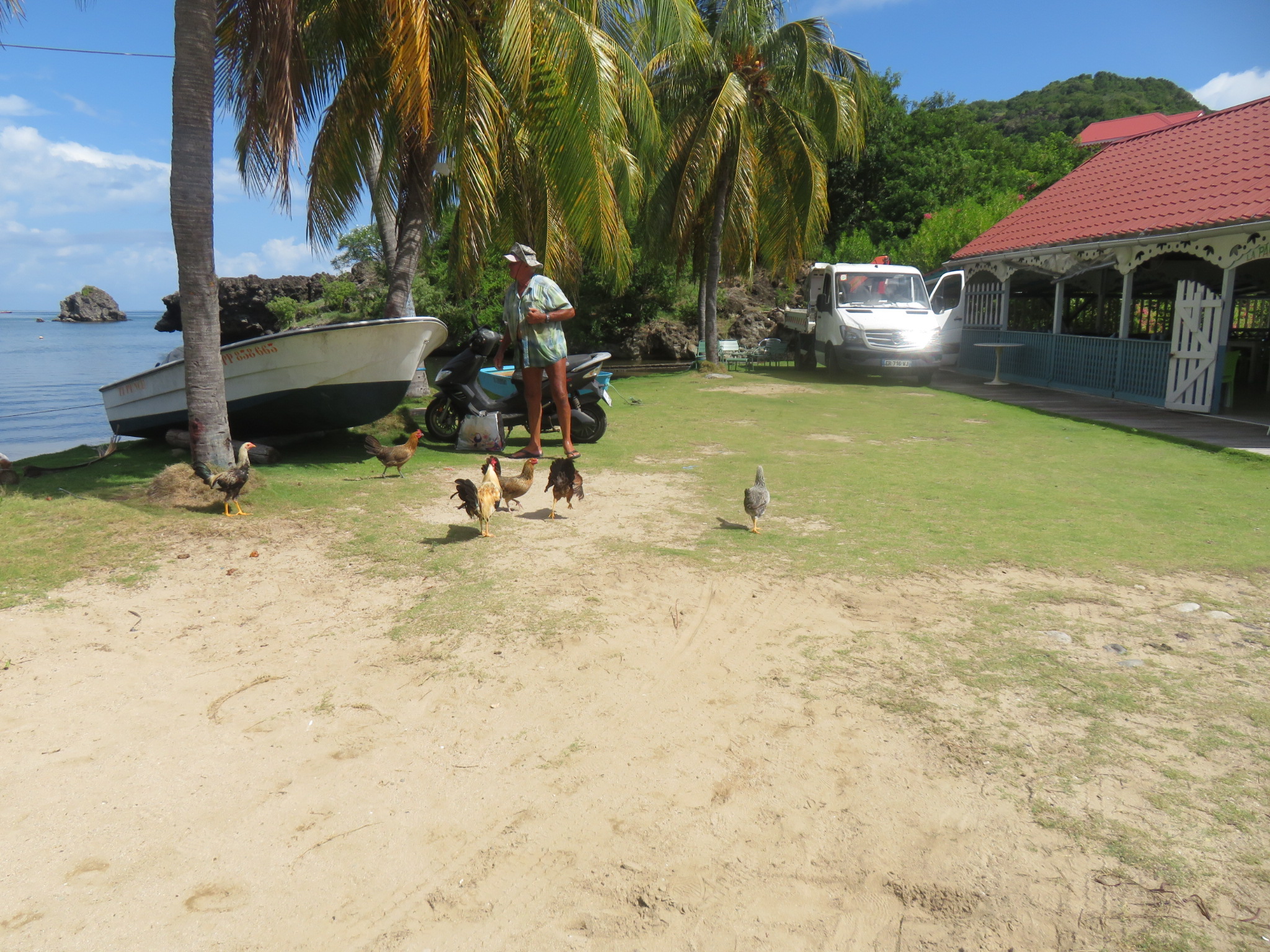
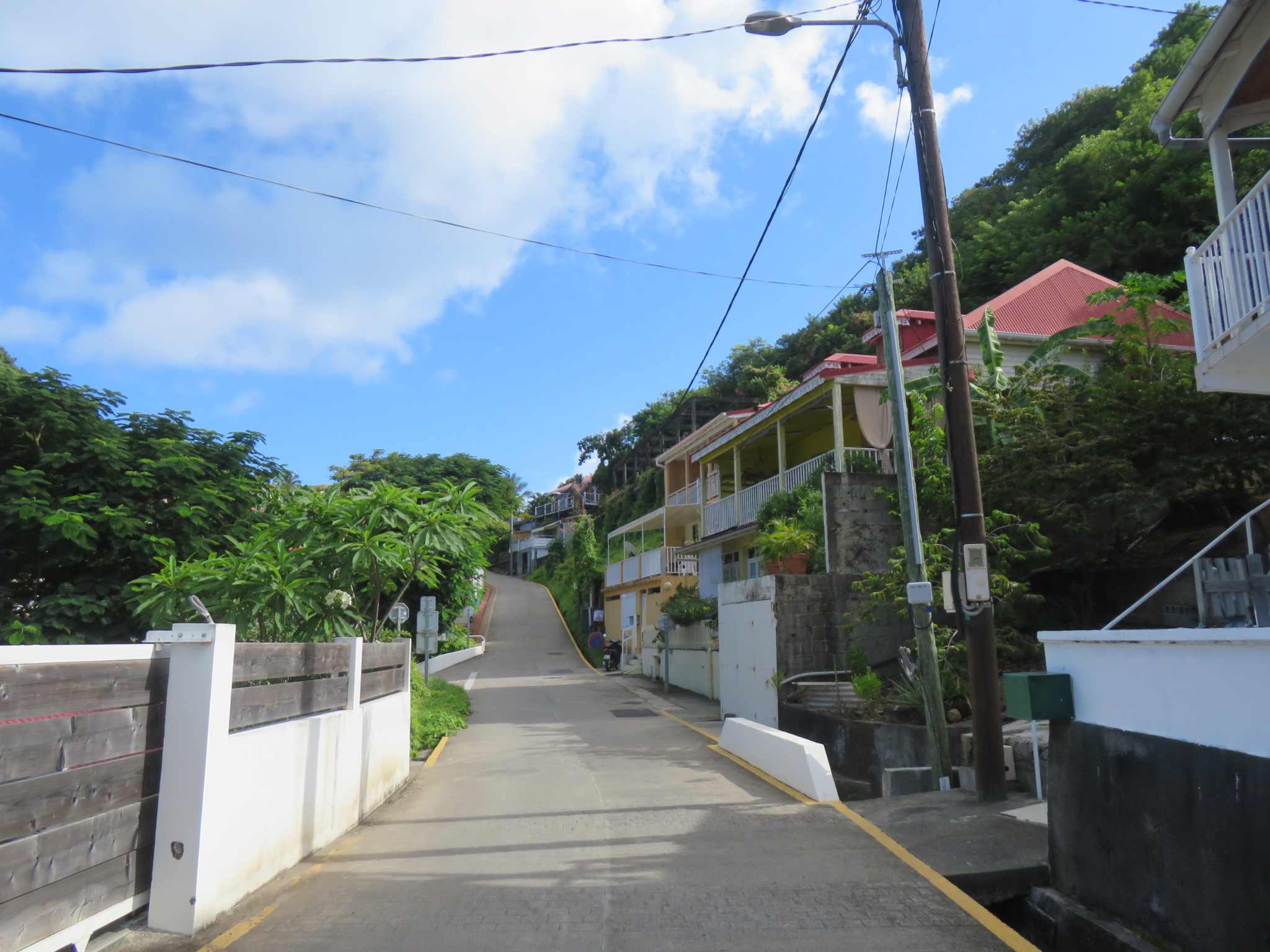
We hiked most of the way up to Mount Morel, on the north part of the island, but one of us found she couldn’t tolerate the heat, so we turned back. Heat stroke just isn’t fun! Although we missed out on the best views, we still were able to see quite a bit. We did see some goats and chickens along the way, as well as a few crabs (pretty far from water.)



Our guide warned us away from the only poisonous tree on the island, the Manchineel tree, which emits a highly toxic sap. Never stand under one in the rain, and don’t eat its berries. Many of these trees are marked by red paid by the locals, so were fairly easy to see and avoid. He also told us that many of the plants here are medicinal, and showed us what he called the headache plant.
Terre-de-Haut is home to what UNESCO has listed as one of the most beautiful bays in the world – Les Saintes Bay. Not only is it beautiful, it is home to thriving coral reefs. The half-mile long Pompierre Beach is shaded by coconut palms, and sheltered from trade winds by Les Roches Percées, an islet to the west. This bay is classified as a natural site, with motor boats and sail boats prohibited from entering or anchoring in it. The beach does welcome iguanas, though, and many can be seen basking in the coconut trees.
We left port at 6pm, next port is St. Lucia.


 So Many Exciting and Beautiful Places!