Wednesday, November 20, 2024
There are at least four rum distilleries on the Island of Barbados. Today, we toured a couple of them – St. Nicholas Abbey on the north end of the island and Mount Gay in Bridgetown.
Despite the name, St. Nicholas Abbey is not a church, rather it is a sugarcane plantation house. The house was built in 1658 by Colonel Benjamin Berringer, who was later killed in a duel with his neighbor, Sir John Yeamans, a duel over Berringer’s wife, who subsequently married Sir John. Hmm….
Yeamans tried to claim the property as his own, but Berringer’s children took him to court, winning back ownership of their father’s home. The Cumberbatch family owned it for at least 200 years. These are ancestors of the actor Benedict Cumberbatch.
It is currently owned by Larry and Anna Warren, who purchased it in 2006. Along with their sons, the Warrens have restored the property as an operating sugar plantation. They hope to develop it as a self-sustaining heritage attraction as well as a self-supporting plantation. The plantation grows its own sugar cane, harvests it and produces rum at its distillery.
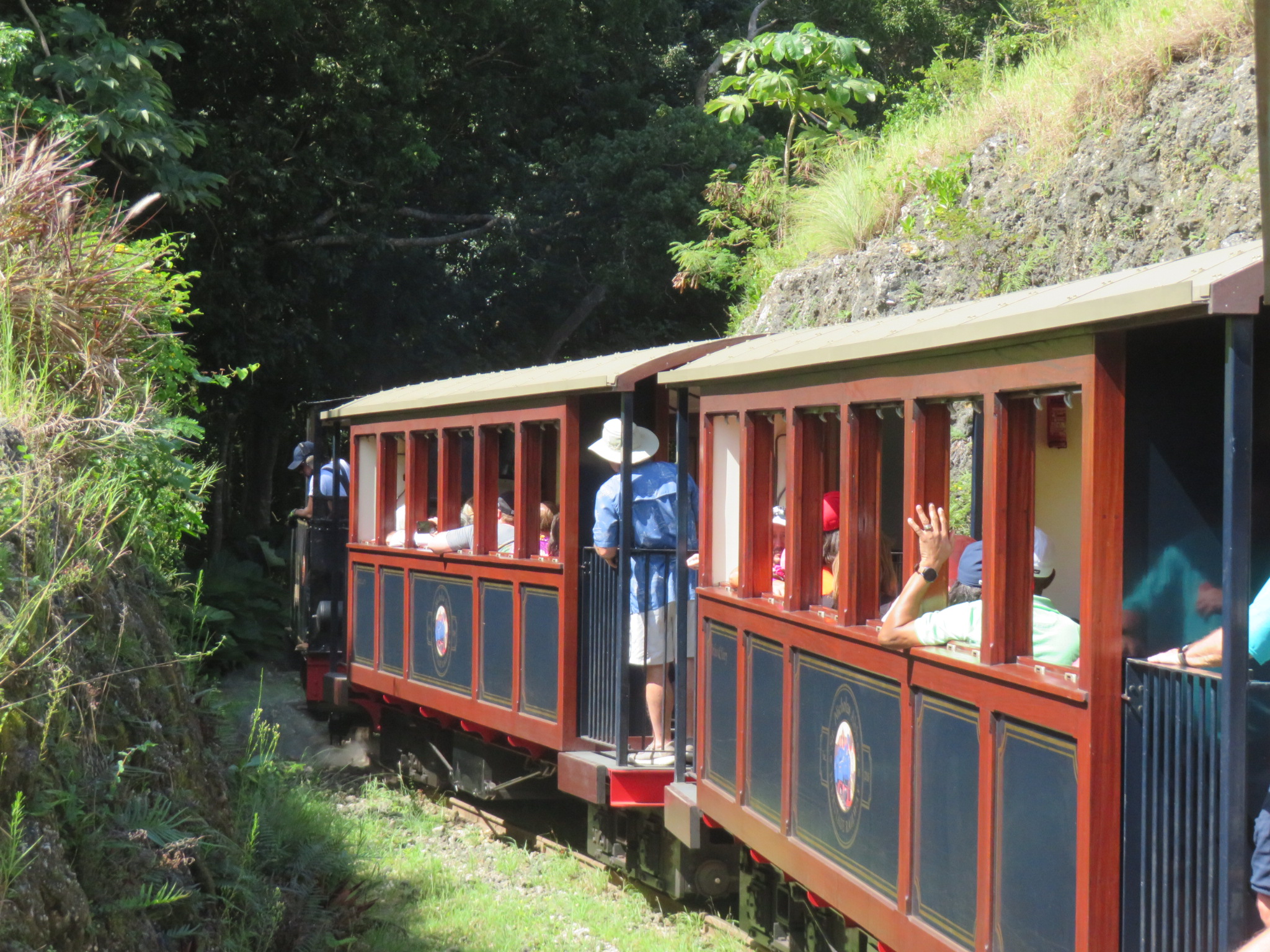
We began our tour by boarding their steam engine, and riding up to Cherry Tree Hill for some fabulous views of the area known as the Scottish District – St. Andrew’s Parish. The area traversed by the train was originally lined by cherry trees, thus the name. They were replaced with mahogany trees by Sir Gay Alleyne in the mid-1700s. Sir Gay is the founder of Mount Gay Rum. Mahogany is not native to the area. It was used for furniture on the island, but it is now protected since it takes so long for a tree to come to maturity – 25 years.



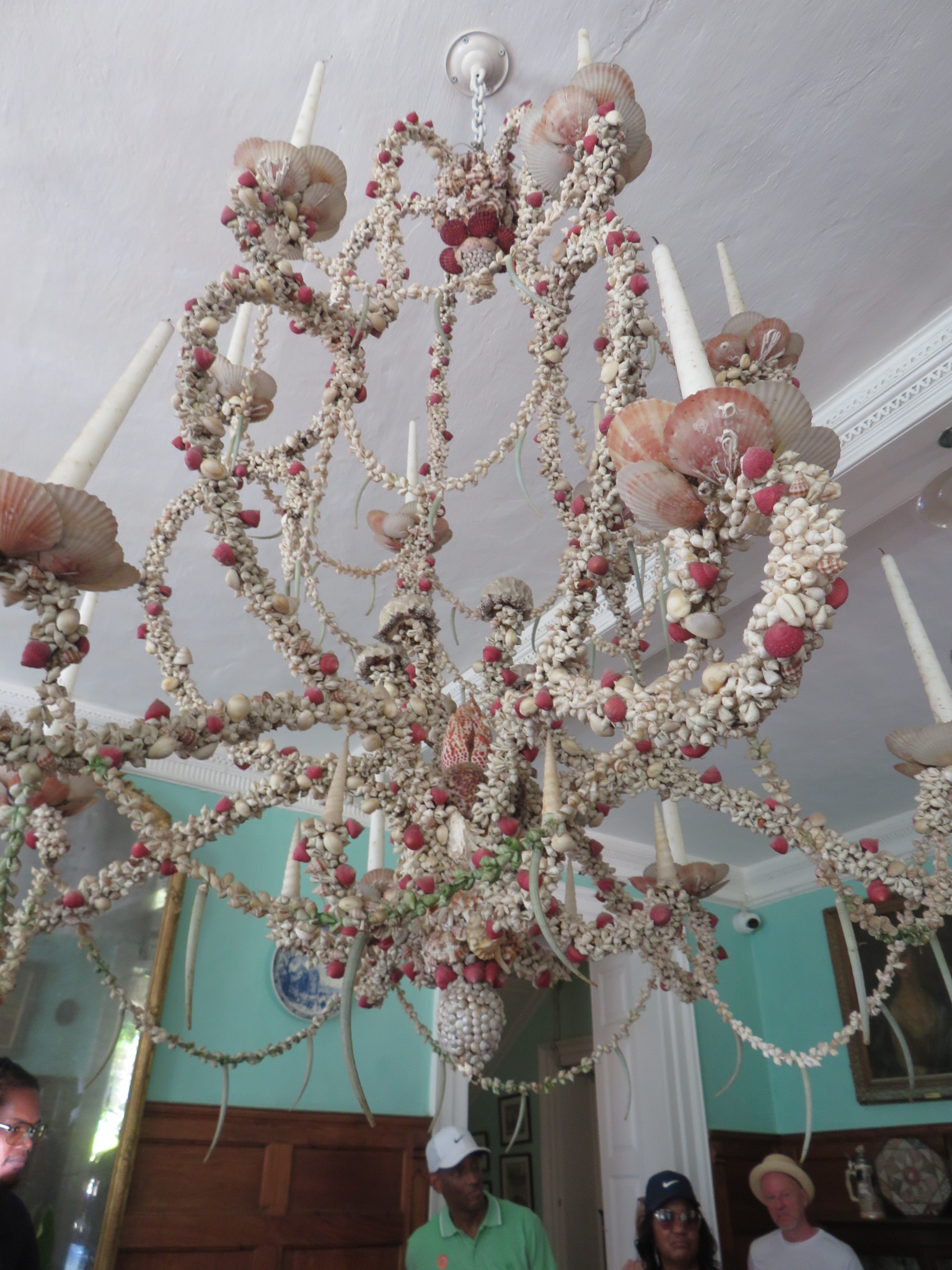
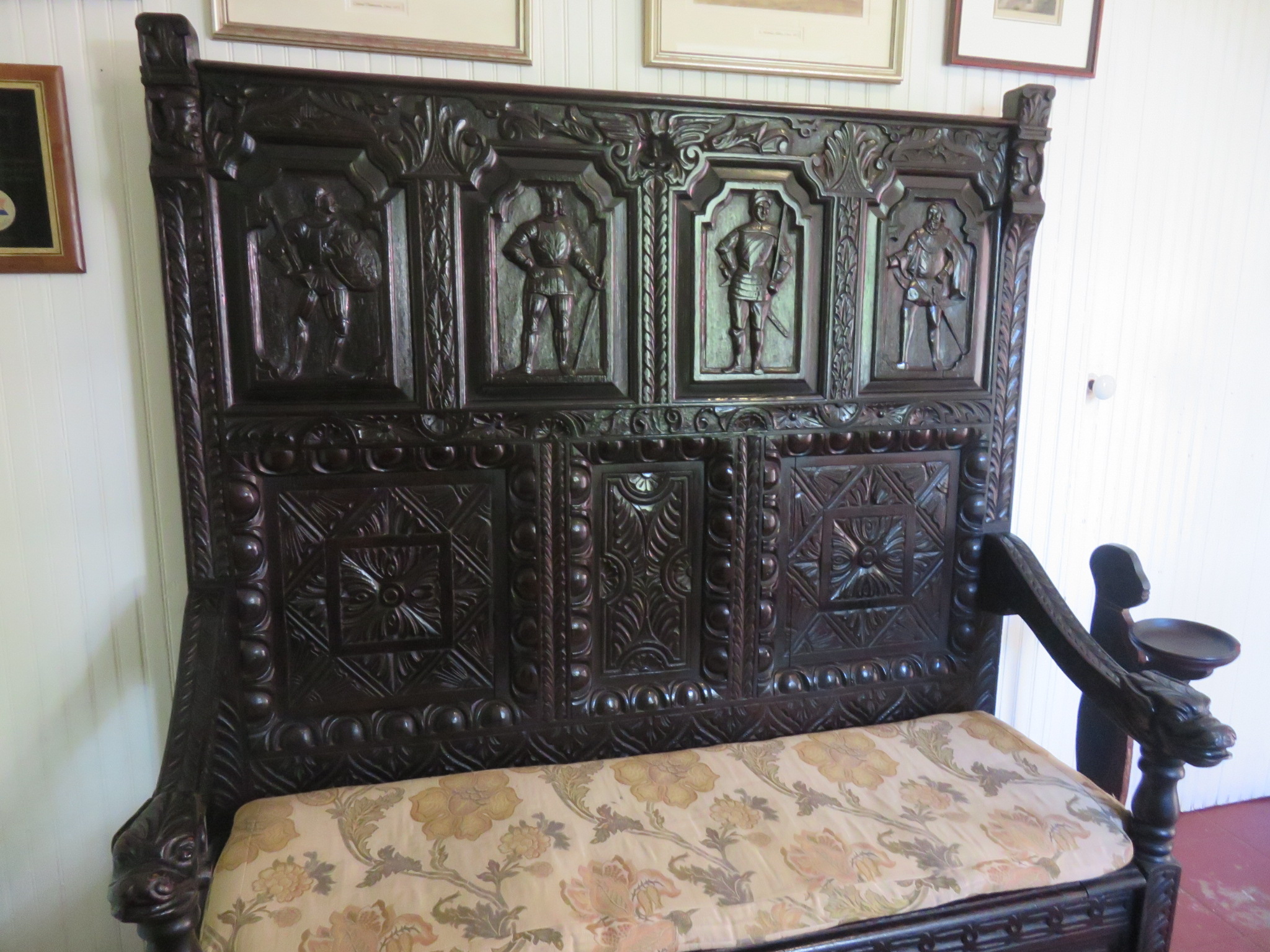
Then, we visited the Great House for a Heritage Tour. The Abbey is an example of the Jacobean architecture, popular in the 1600s. It is one of only three Jacobean mansions remaining in the Western Hemisphere. The other two are Drax Hall Great Hall, also located in Barbados, and Bacon’s Castle in Surry County, Virginia. Much of the furniture in the Abbey is made from mahogany.


Then we toured the Factory, Steam Mill and Distillery. All of this was topped off with some rum tastings, and of course, an opportunity to purchase some to take with us. The rum tastings were hosted by one of the owner’s sons, Simon Warren, who clearly loves interacting with the tourists. He and Mark struck up a conversation about alternative energy sources, specifically hydrogen.
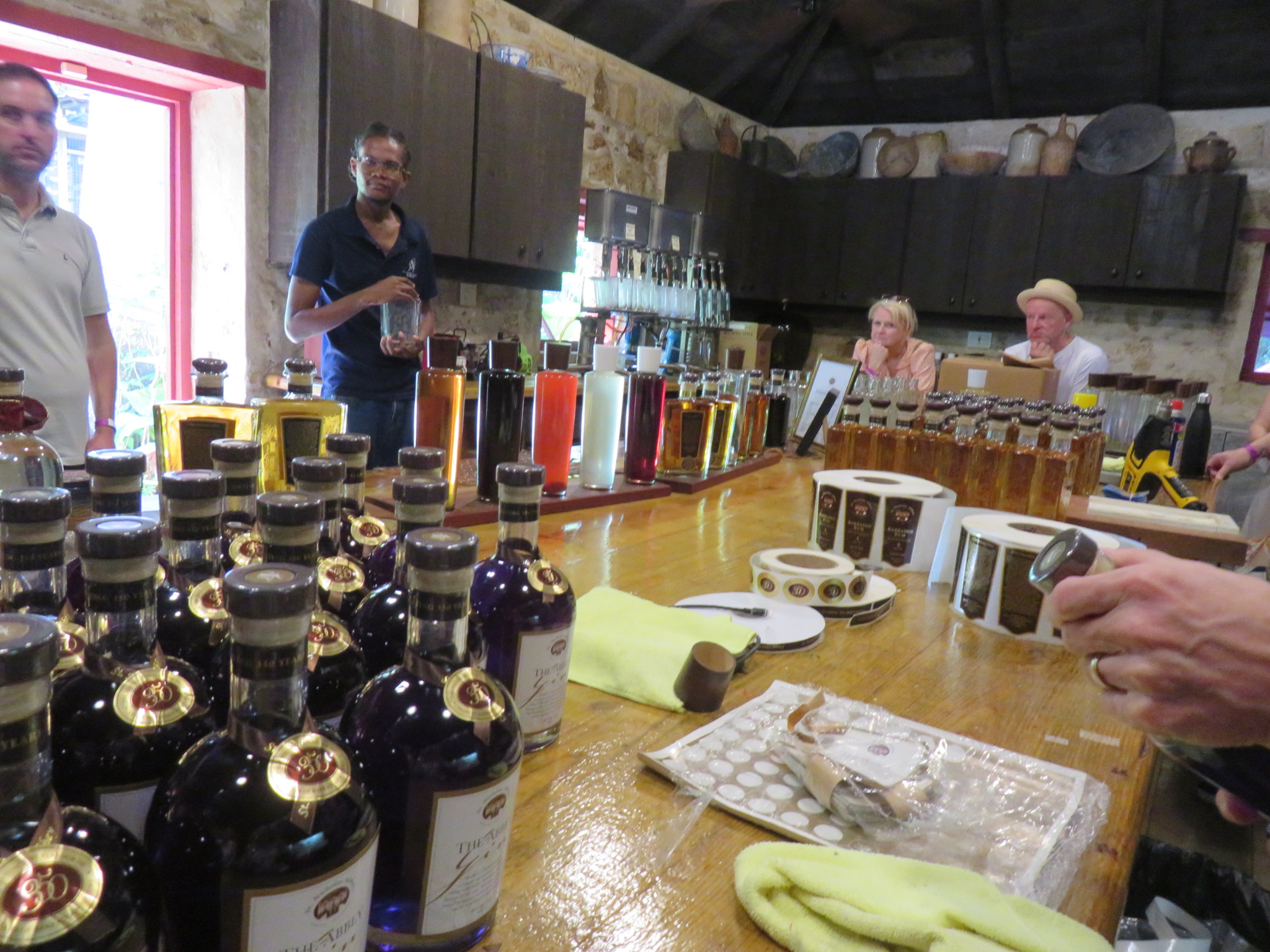

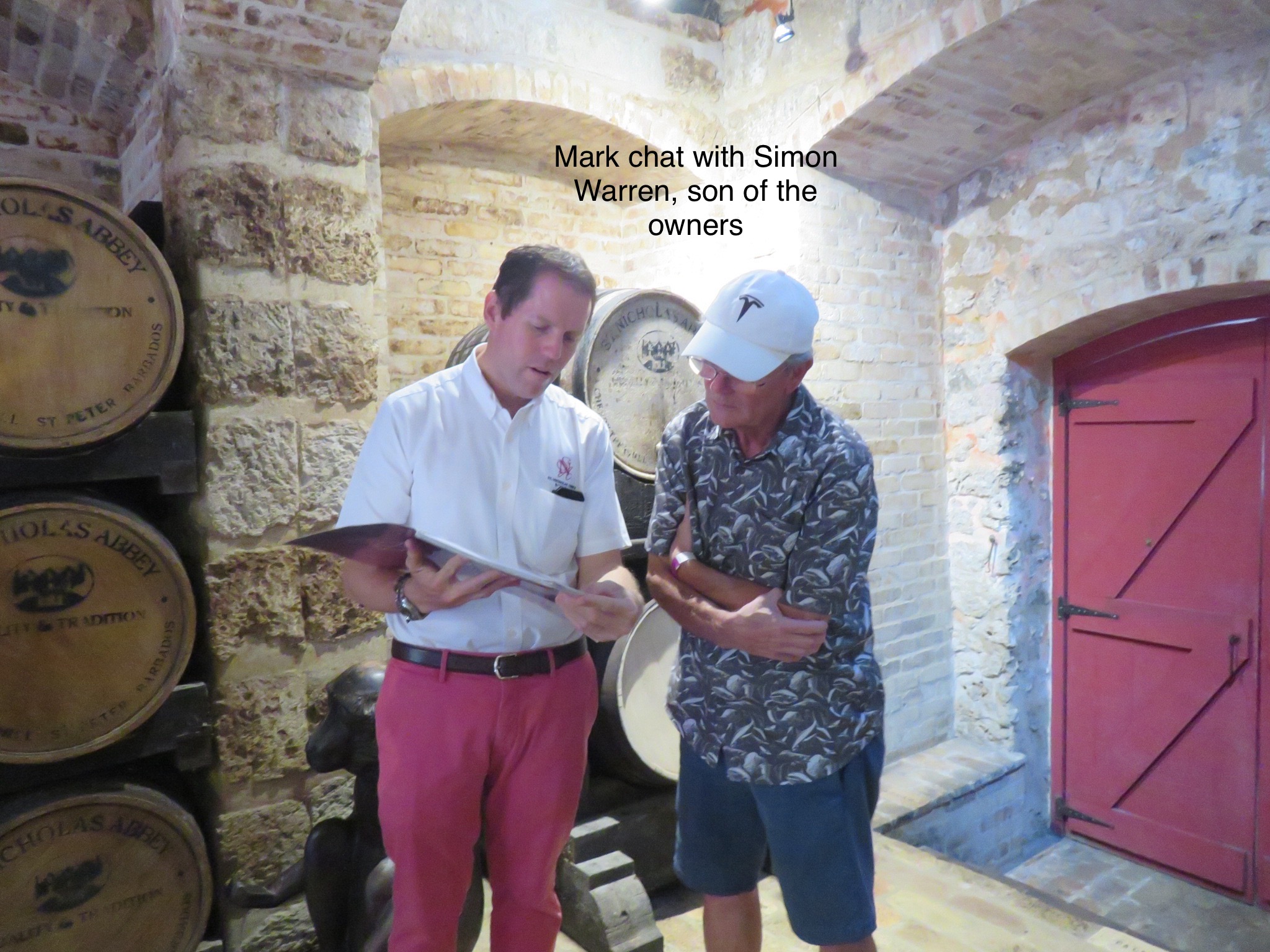

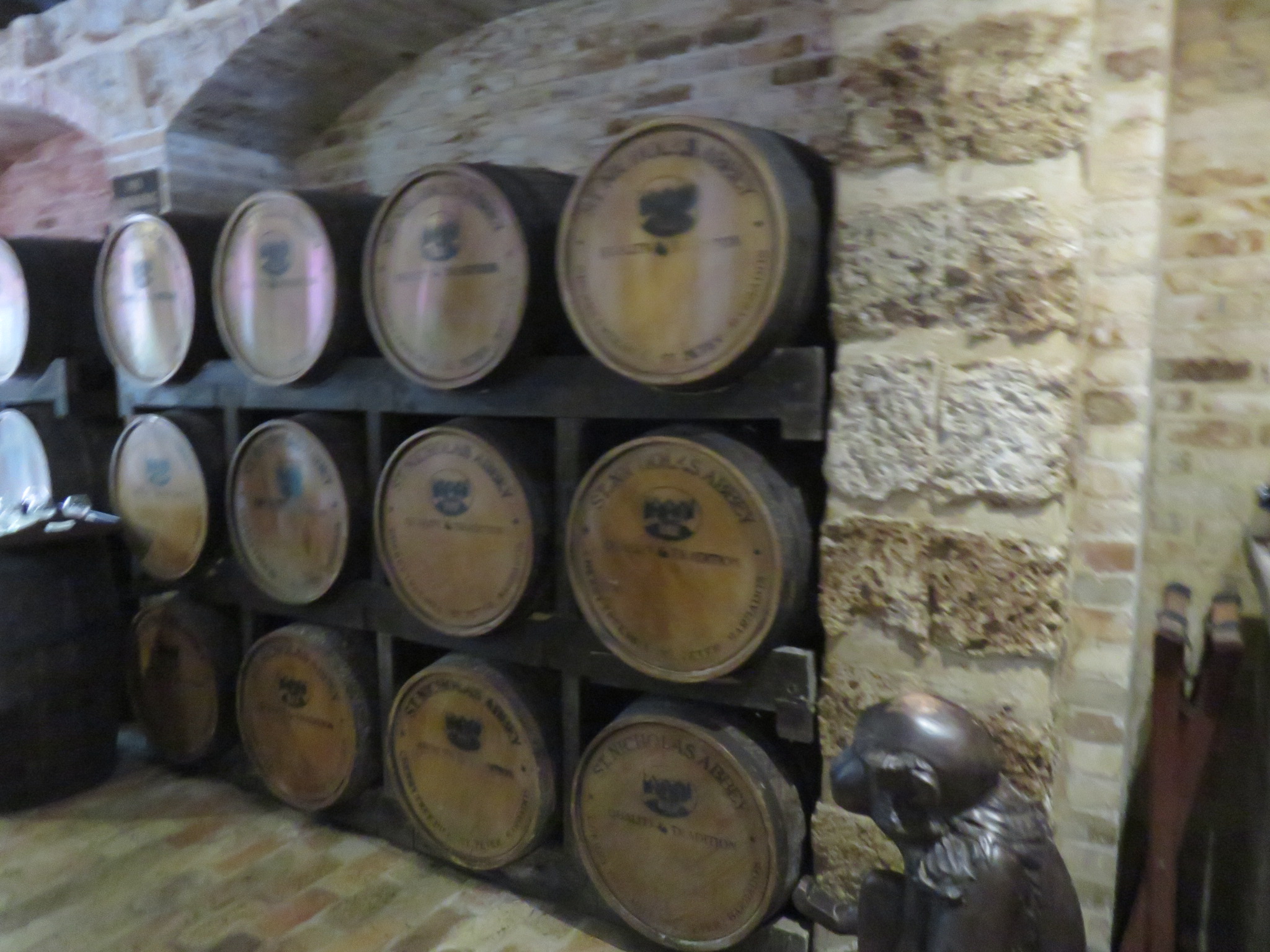
We stopped in St. Andrew’s Parish for lunch. St. Andrew is one of eleven parishes of Barbados, and is located in the northeastern area in the country. Parishes in Barbados are similar to counties in most states of the US. Louisiana is the only US state to use parishes instead of counties.
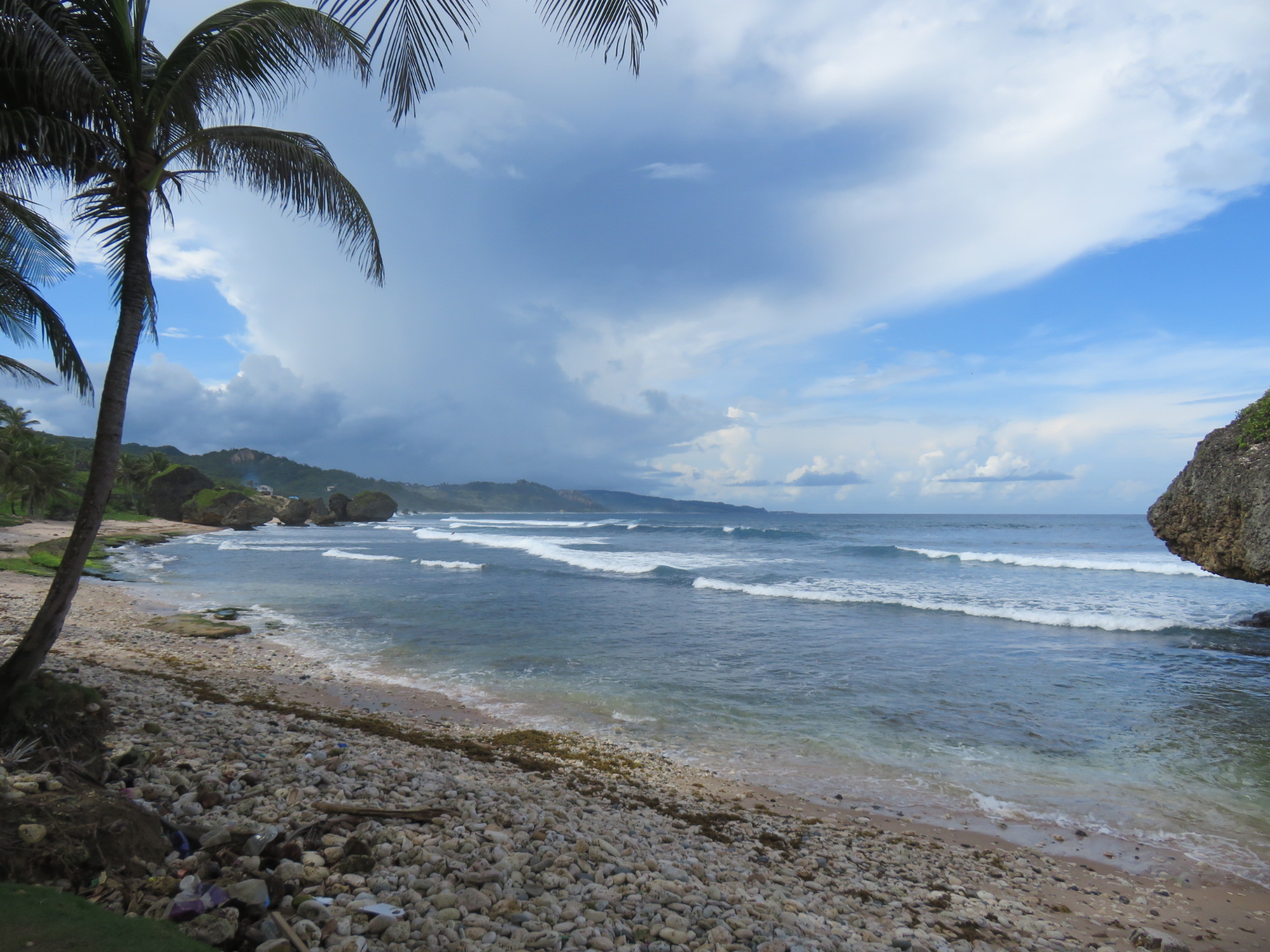
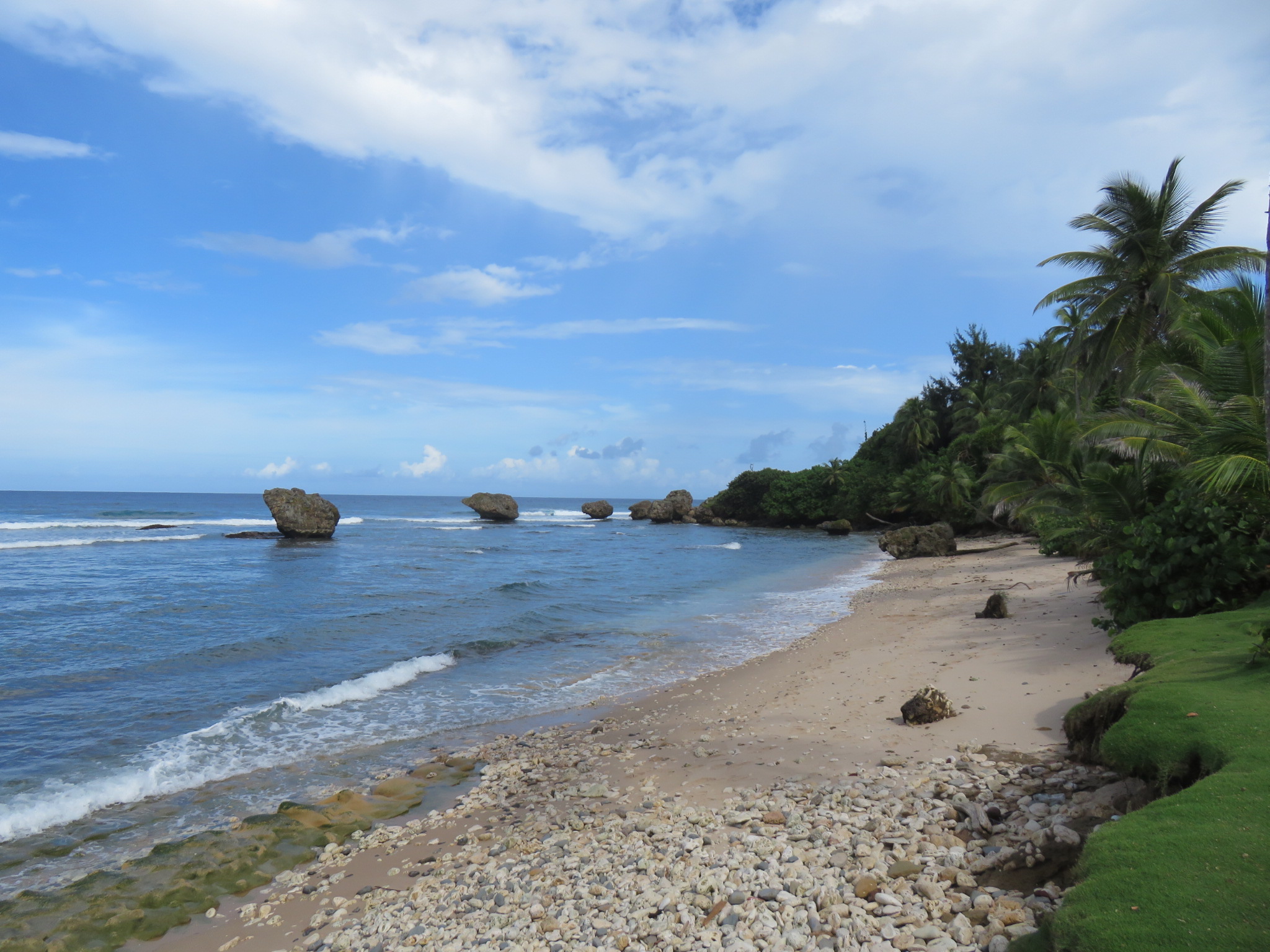
We made a quick stop at Bathsheba Beach with its beautiful white sand beaches and shallow pools carved out of the inshore coral reef. According to legend, the surf covered white waters, rich in minerals and life, is said to resemble Bathsheba’s milk bath. Whether or not that’s true, the waves here are an attraction for surfers.
Legend has it that Bathsheba, wife of King David, bathed in milk to keep her skin beautiful and soft. Legend also says that the waters at Bathsheba Beach are rich in minerals and life, resembling Bathsheba’s bath in both appearance and health giving value.
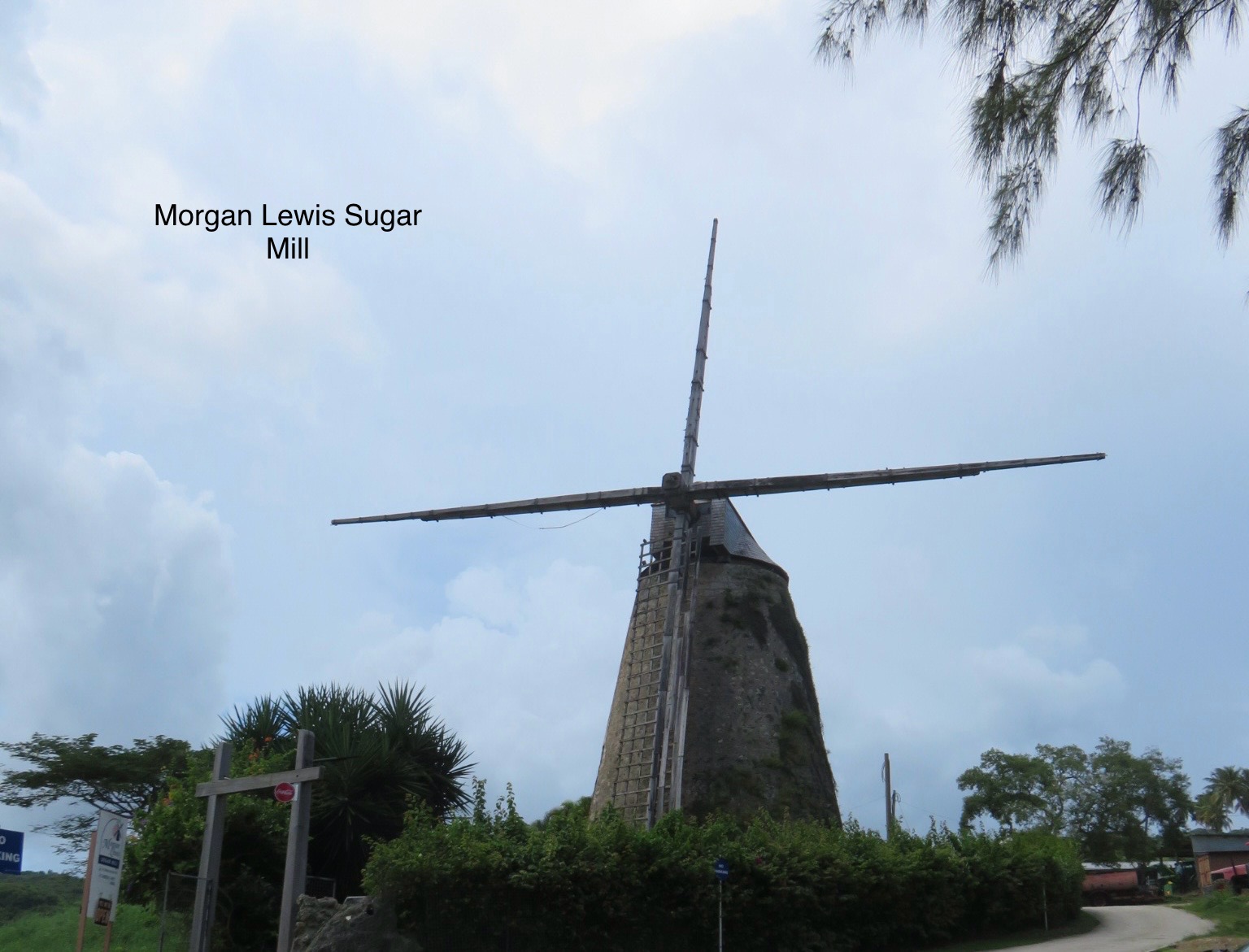



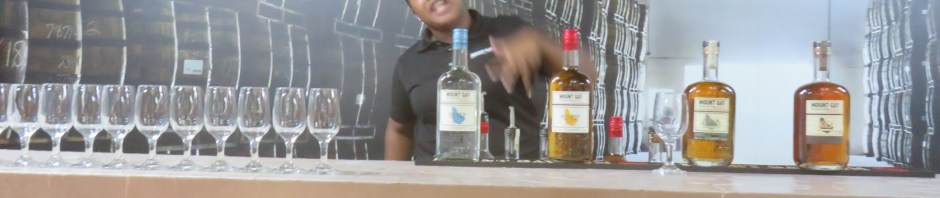
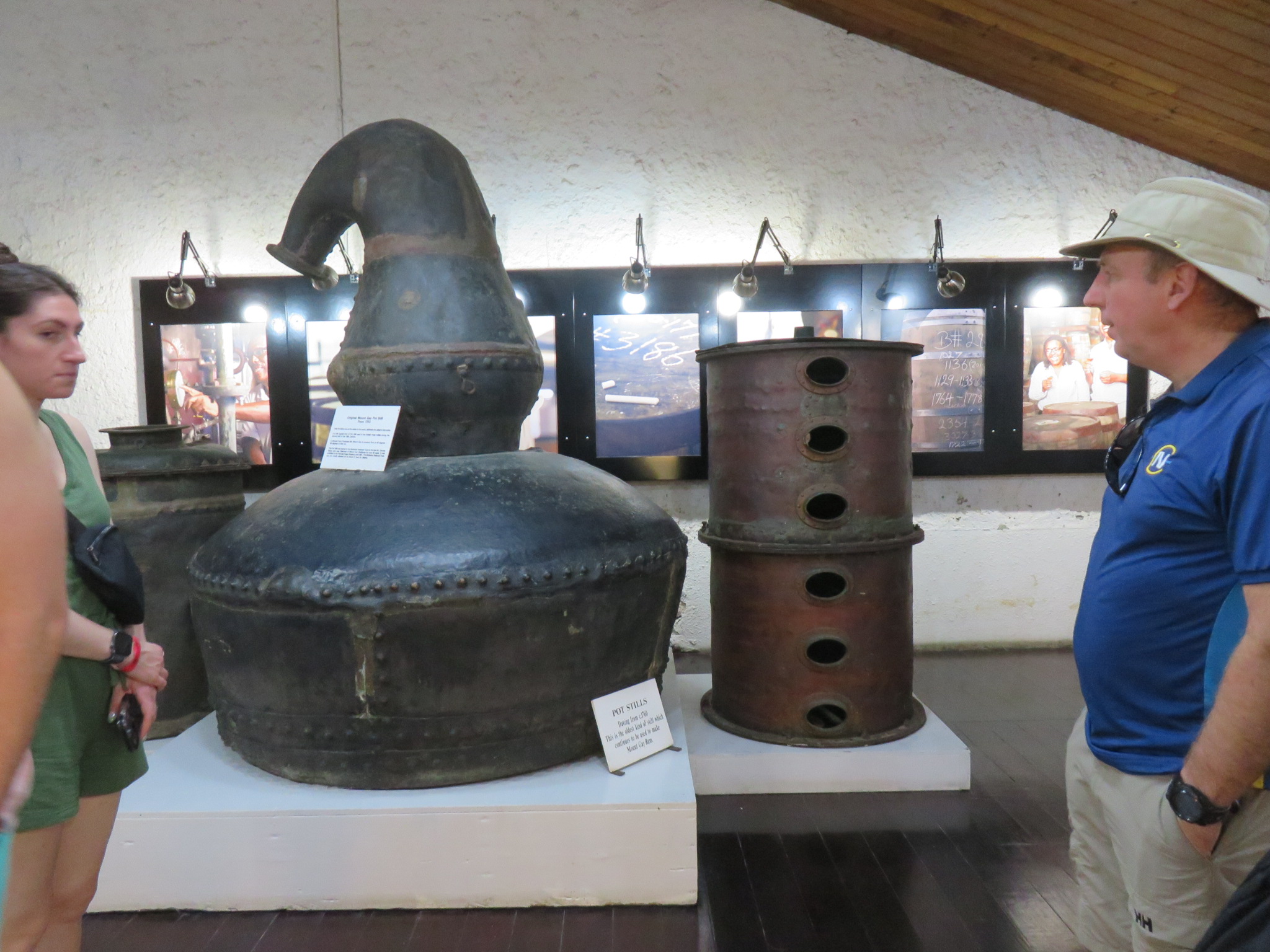
At the Mount Gay Visitor Center, we learned about the production and history of their rum, as well as learning more about rum’s history and importance to the island nation. This was followed, too, by rum tastings.


Thank goodness, we had a driver today, because we were in no condition to drive. But, we were happy…and mellow.


 So Many Exciting and Beautiful Places!