Friday, November 22, 2024

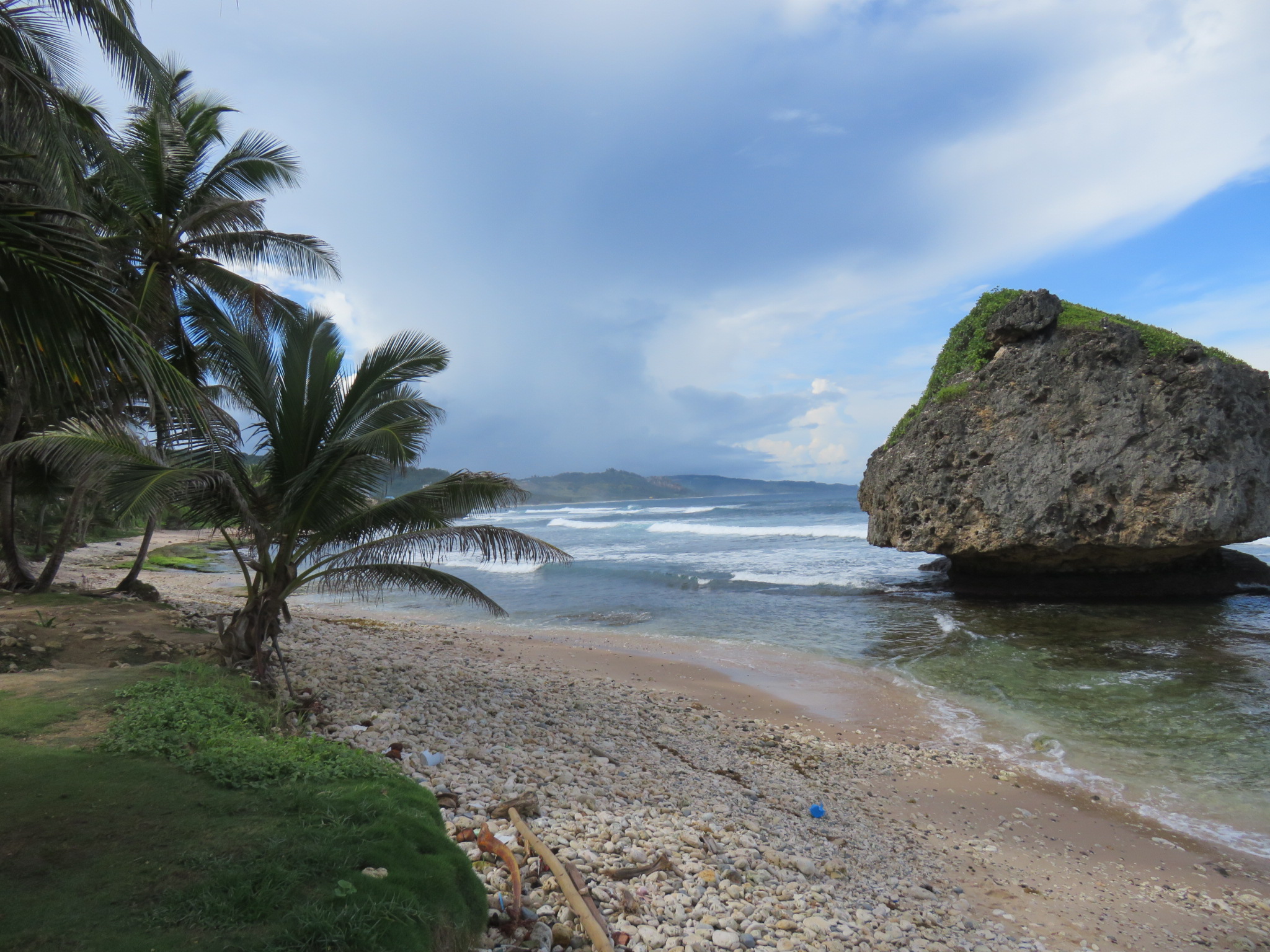
The island of Barbados is less than one million years old. Unlike several of the other islands we have visited on this trip, it is not volcanic, but a result of tectonic action. Barbados is the exposed part of the Barbados Ridge Accretionary Prism, brought to the surface as the Atlantic oceanic crust subducted under the Caribbean Plate. Seventy meter thick exposed reef-related carbonate rocks span 85 percent of the island’s surface. Combined with limestone, the coral provides a natural, and effective, water filtering system for the island. This water is safe to drink from the tap.
Barbadians, or Bajans as they refer to themselves, are very friendly, greeting each other on the street, whether or not they are acquainted. When you hear cars honking, that usually is not an angry driver like in the states, it’s most likely one driver greeting or thanking another one for granting right of way. Sometimes, it is to let a driver coming from the other direction know of an approach. These roads are narrow, and the range of sight is short around curves.
Our guide the other day, Dunstan, told us that children are taught from primary school to be friendly and courteous. Education is free and mandatory from age 5 – 15. The students wear uniforms. At the end of primary school, they sit for exams to qualify for secondary school, and are placed according to interest and ability. After 5 years in secondary, they can sit for exams to qualify for post-secondary education, which is not free, but is heavily subsidized.
Historically, Barbados has rarely been hit by hurricanes. The last was in 1955. More recently, hurricanes have touched near the coast, so it is possible that climate change will bring more.
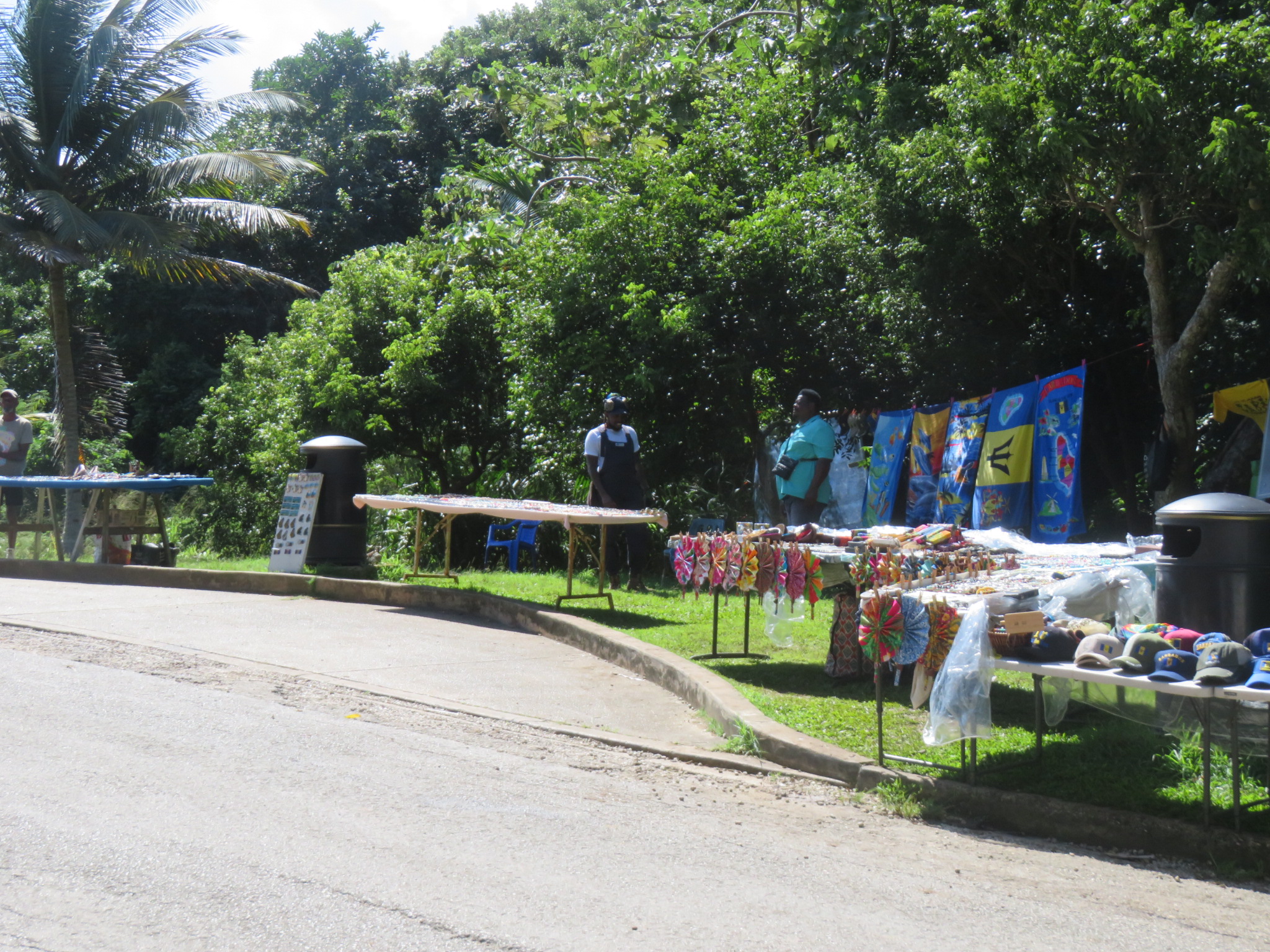
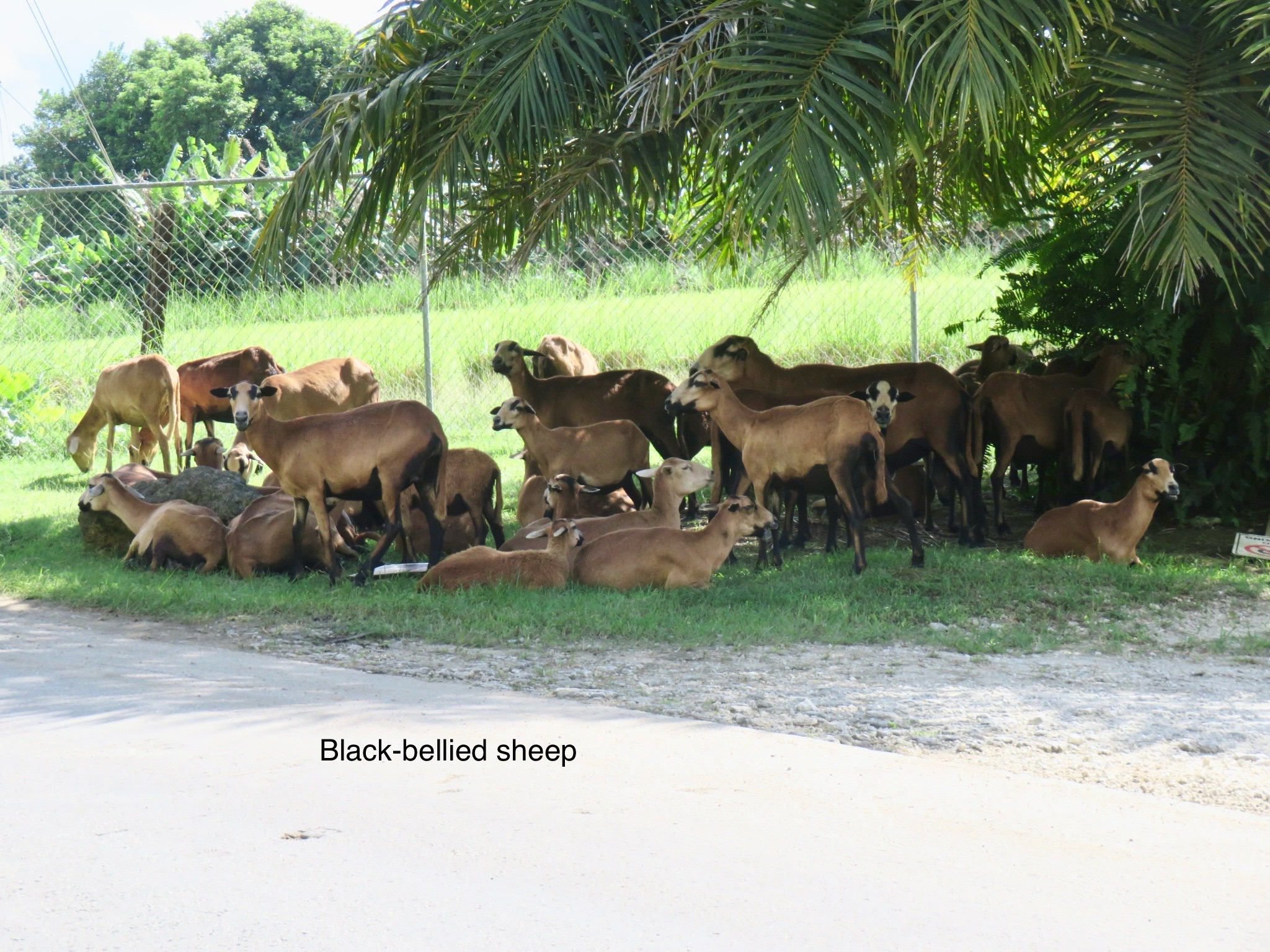
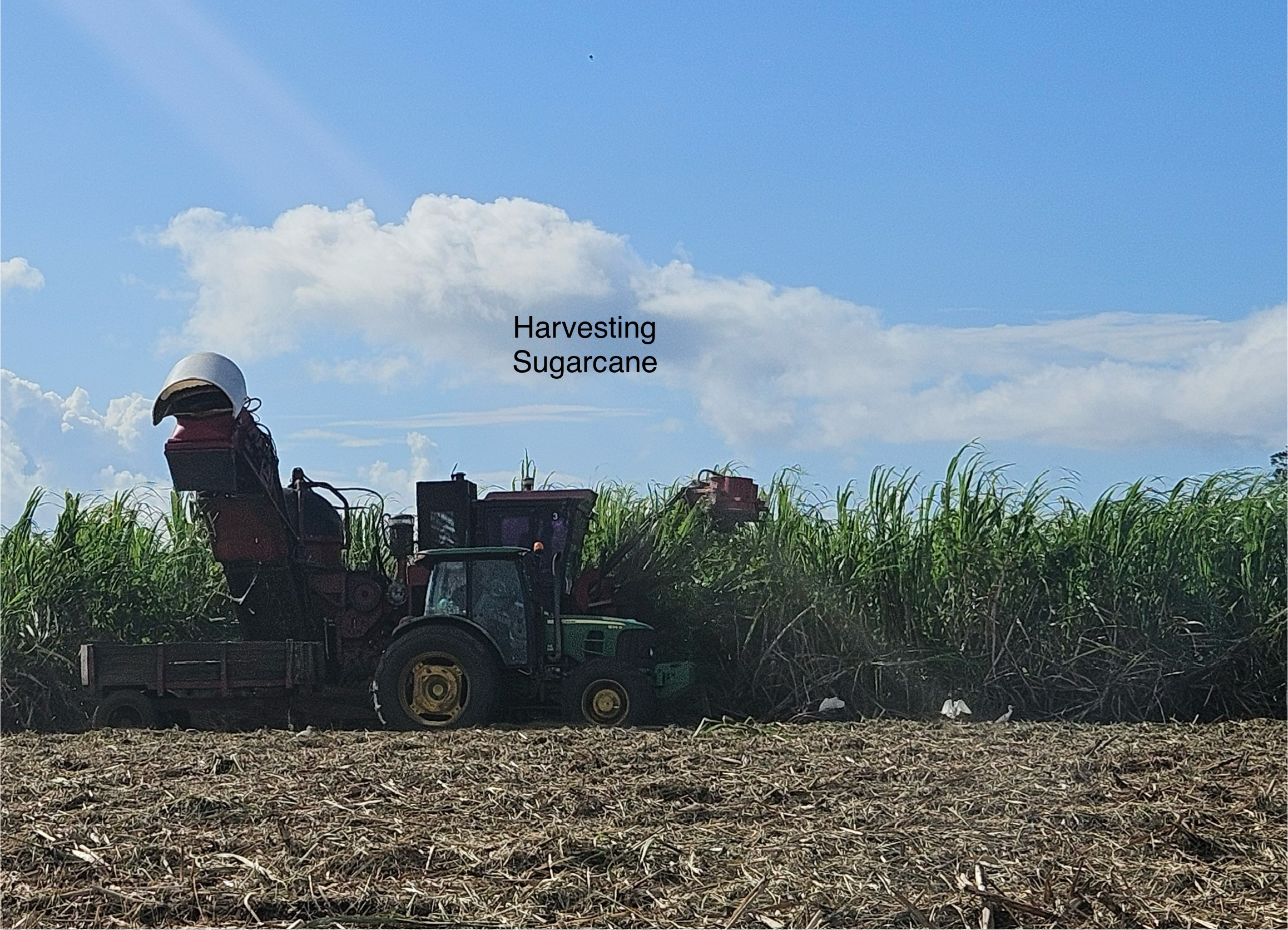
The soil is fertile, and produce grows year round, including sugar, cotton, tomatoes, sweet potatoes, cucumbers, pumpkin, cabbage, carrots, lettuce, beets, okra, peppers, beans, fat-porks, coconuts, breadfruit, mangoes, ackees, sour-sop, sugar apples, plums – hog plums and papaya. Roadside fruit and vegetable stands abound on the island. There are also cattle, black-bellied sheep, goats and chickens, and, of course, plenty of fish: flying fish, swordfish, mahi-mahi, red snapper, marlin and yellow-fin tuna. They know how to use spices to make delicious meals.






 So Many Exciting and Beautiful Places!