
Wednesday, October 8, 2025
Since we were in the neighborhood, we decided to visit nearby Fort Davis and the McDonald Observatory. Due to the current government shutdown, the park was closed, but we decided to be scofflaws and go inside anyway. There was one ranger on site, there to feed the horses, and he didn’t seem to have a problem with our being there. We did see a few other tourists as well as some mountain goats.


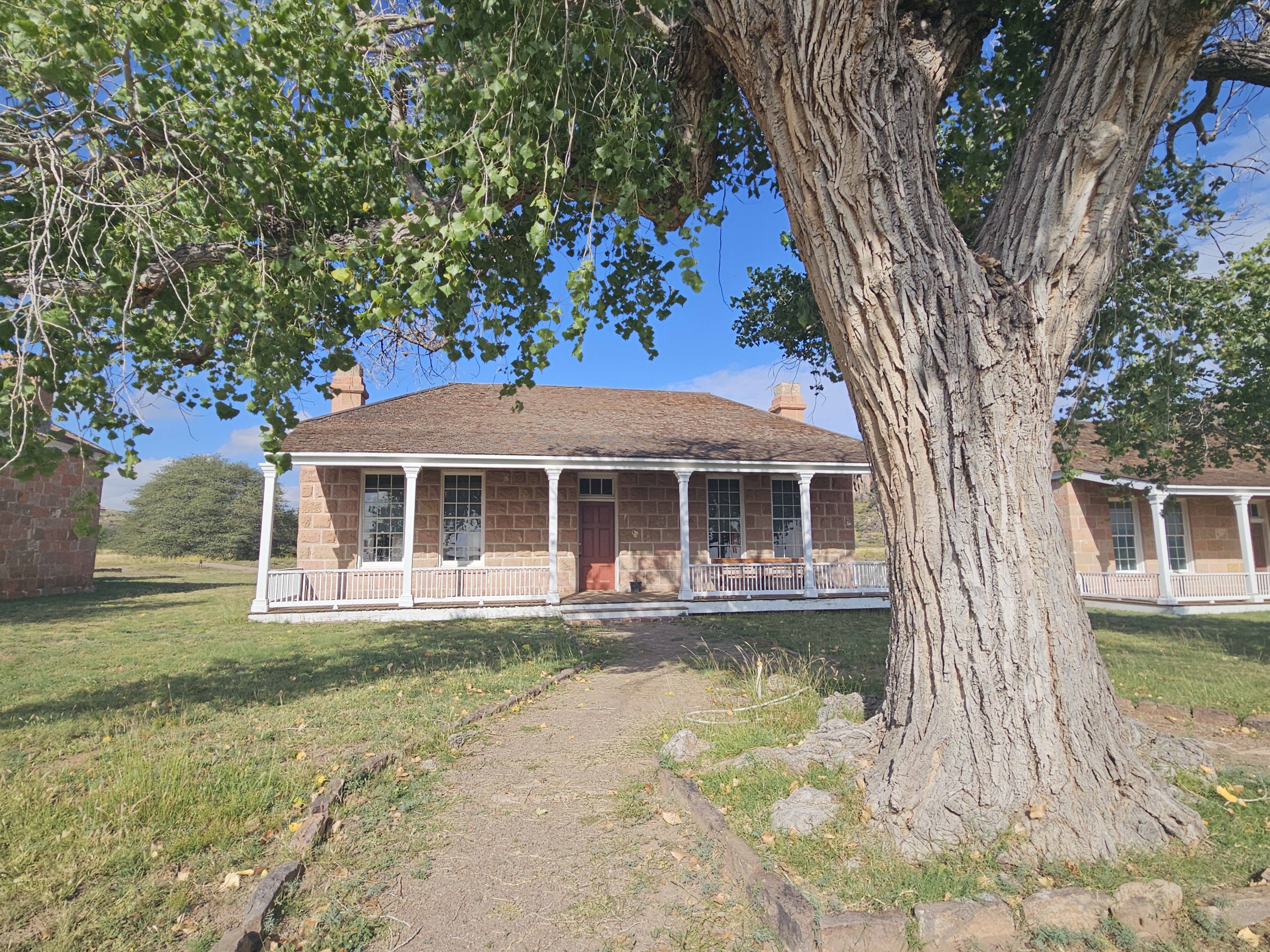
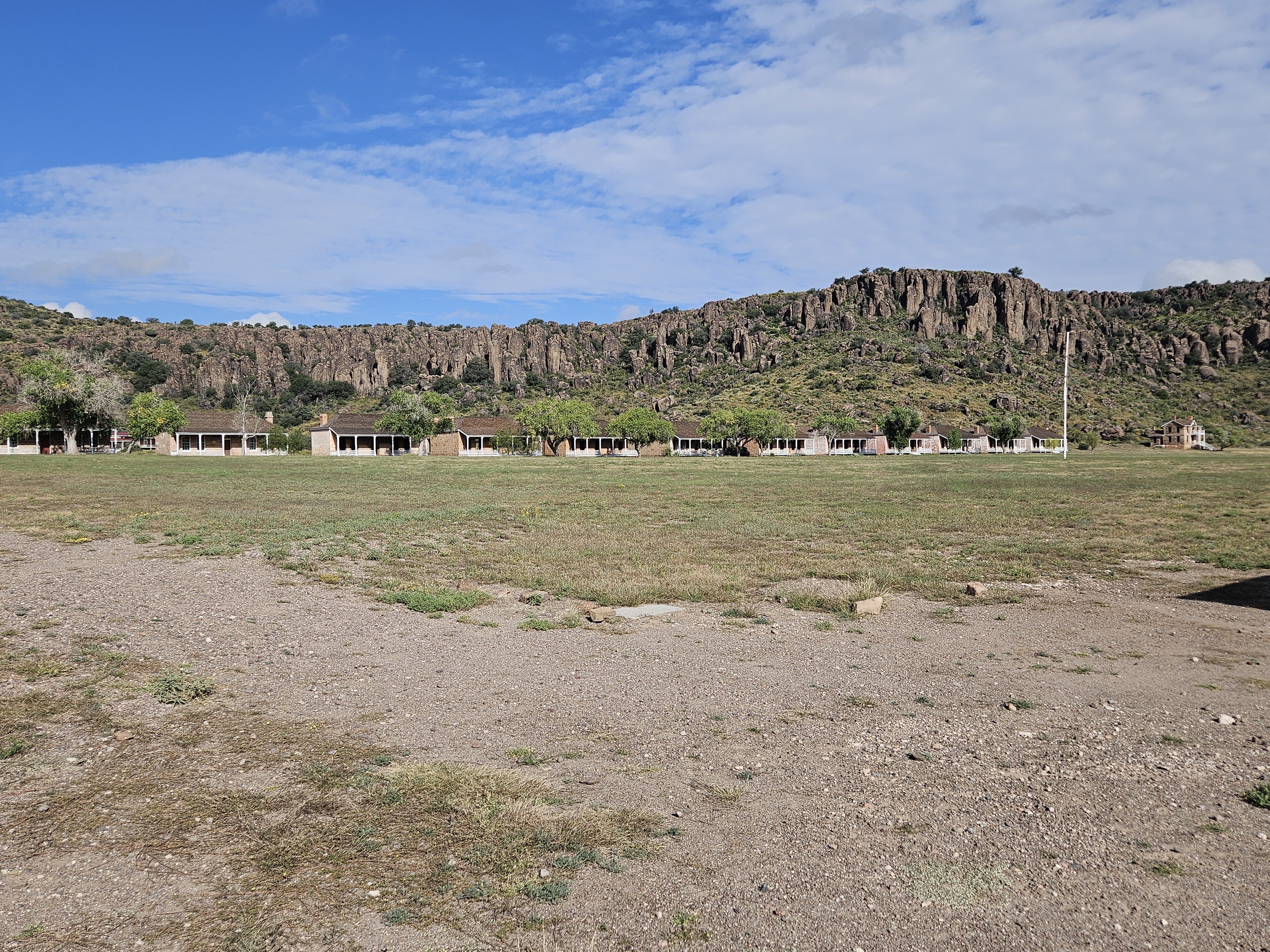
Fort Davis was established in 1854 to protect emigrants, mail coaches and freight wagons on the trail between San Antonio and El Paso. For protection, the fort was located in a canyon flanked by sheer rock wall on three sides. The fort was evacuated during the Civil War, then reoccupied in 1867. Two years later, the all-black regiments, known as buffalo soldiers, were stationed here.
Several historic buildings have been restored to their 1880s state, including some living quarters and kitchen buildings. The Fort Davis National Historic Site was added to the National Park System in 1961, a year after it was designated a National Historic Landmark Landmark. Although we couldn’t explore inside the buildings, it was a beautiful day to walk the grounds.



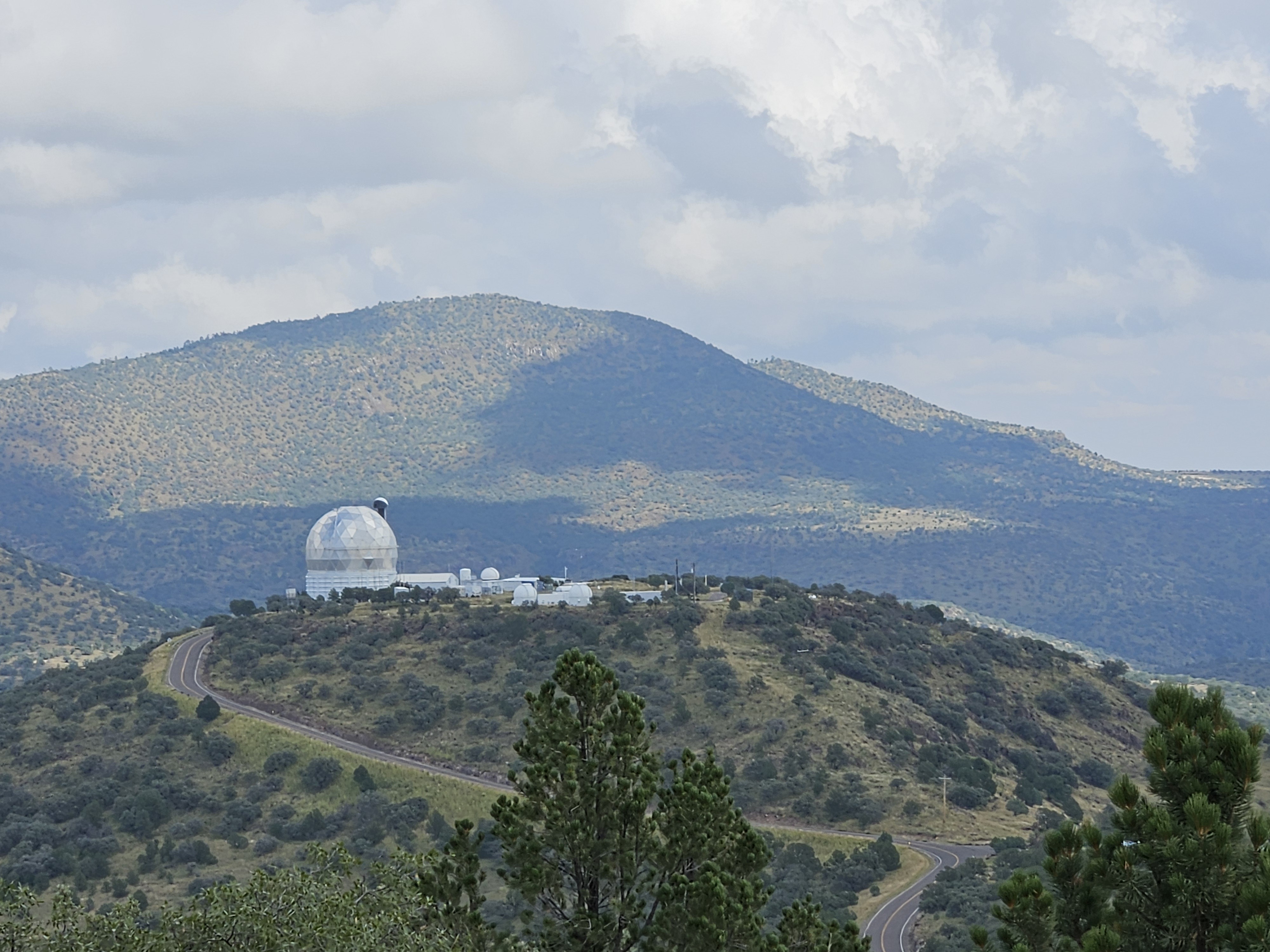
From there, we headed up a winding road to the University of Texas McDonald Observatory In 1926, William Johnson McDonald left $1 million to the University of Texas at Austin to endow an astronomical observatory. Land was donated by Edwin Hockaday Fowlkes to build the observatory. The first telescope was dedicated in 1939, and was the second larges telescope in the world at the time. Several more telescopes have been installed since then. There are now four research telescopes being operated by the university, ranging in size from 30 inches to 390 inches. There are several others belonging to other organizations around the world.

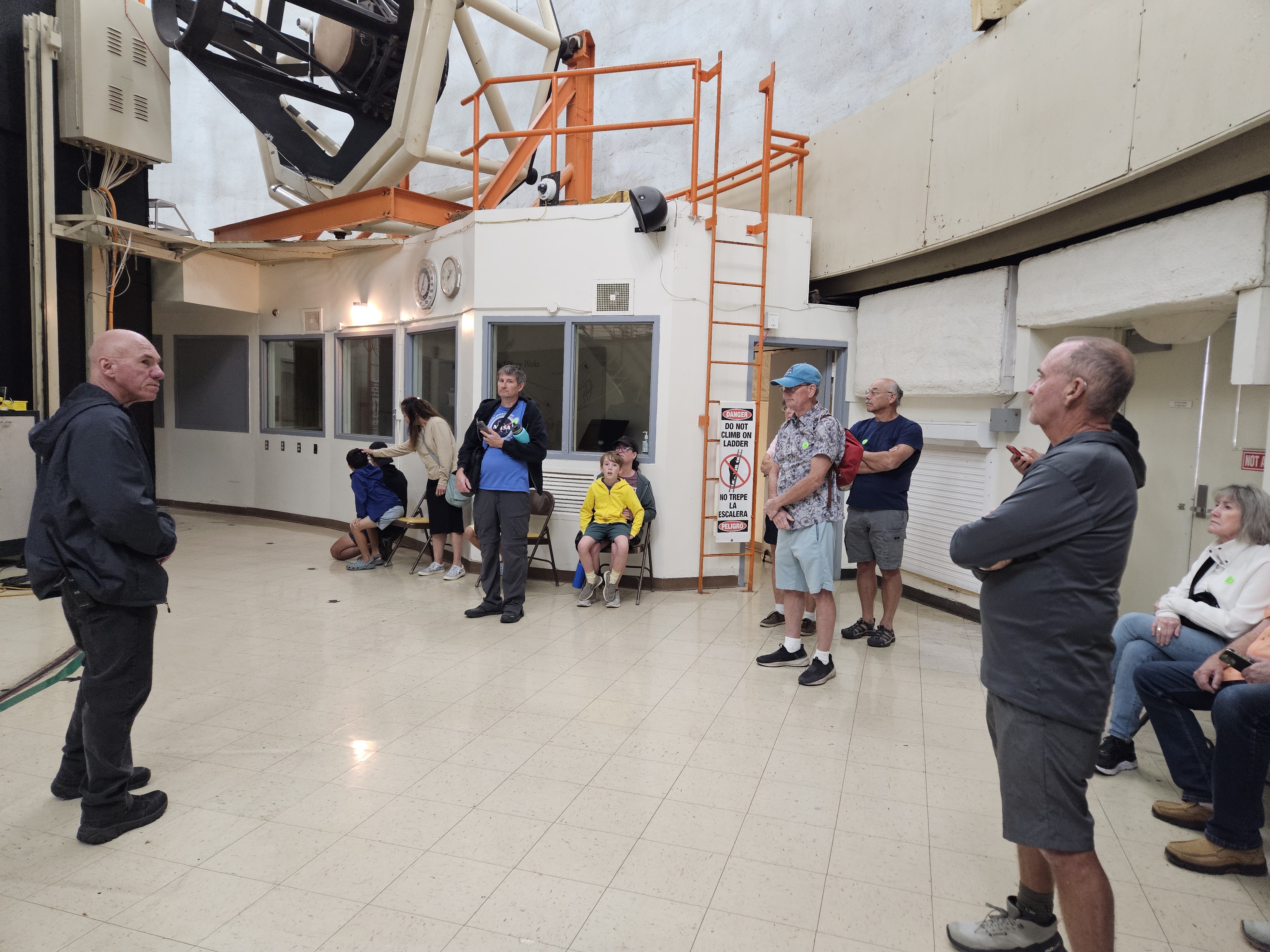
We took a guided tour which started with the guide explaining a bit about the history of the observatory, how telescopes work, and the telescopes that have been located here over the years. We went up Mount Locke to visit the 107 inch Harlan J. Smith telescope, which was completed in 1968 with the assistance of NASA.
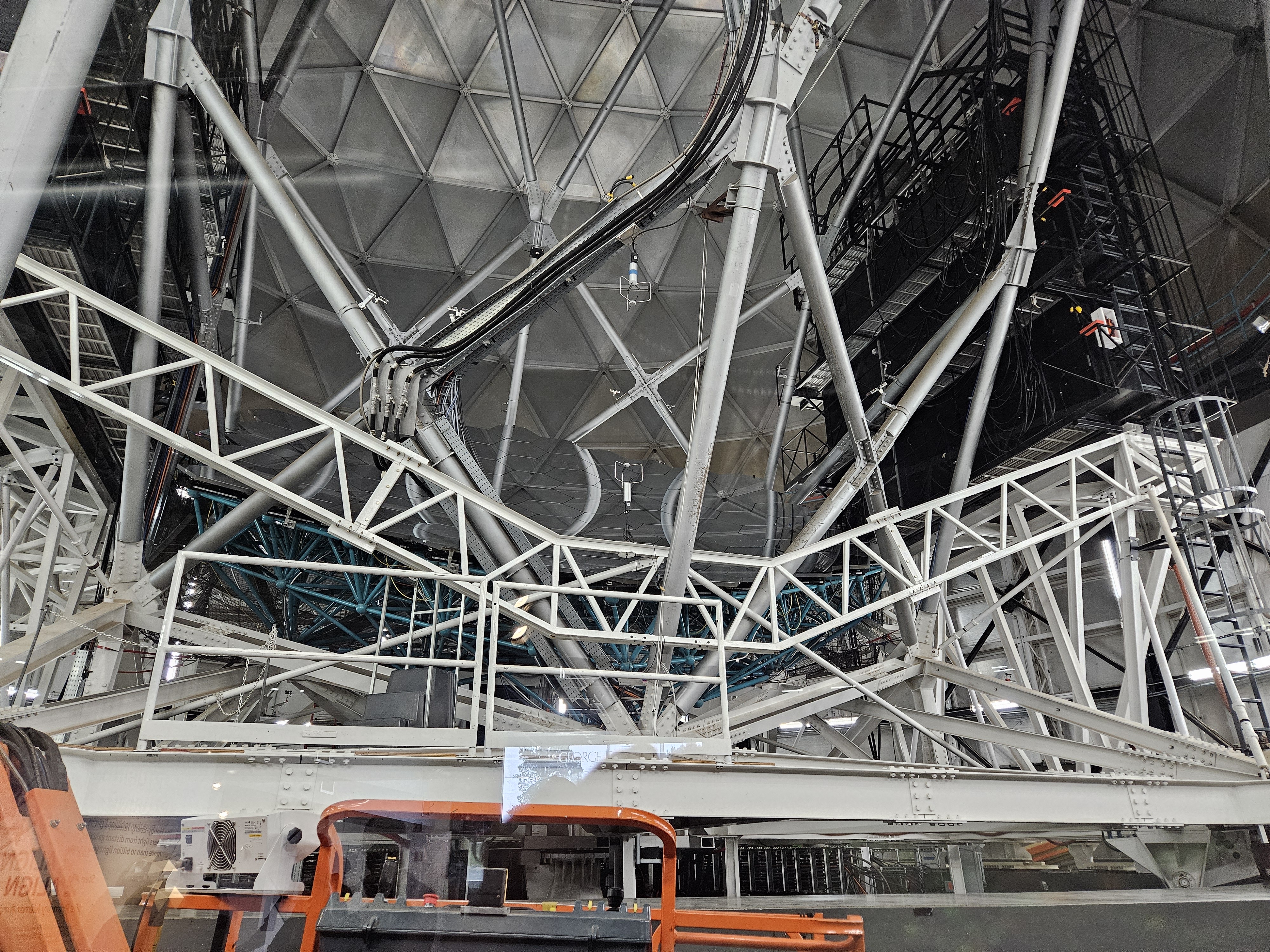
Then we went to the top of Mount Fowlkes to see the 390 inch Hobby-Eberly Telescope, which began operation in 1996, and is one of the largest optical telescopes in the world. It has been used to study our solar system and stars in our galaxy. The telescope has aided in the discovery of planets orbiting around other stars; it has been used to measure the rotation of individual galaxies. It is also being used in the exploration of dark energy – trying to explain what exactly dark energy is. It’s pretty exciting stuff!
And now, we head back across the state, 600 plus miles, to South Padre Island, where we will await the upcoming Starship launch.


 So Many Exciting and Beautiful Places!