Sailing the Bermuda Triangle – Oh My!!

Thursday, November 7, 2024

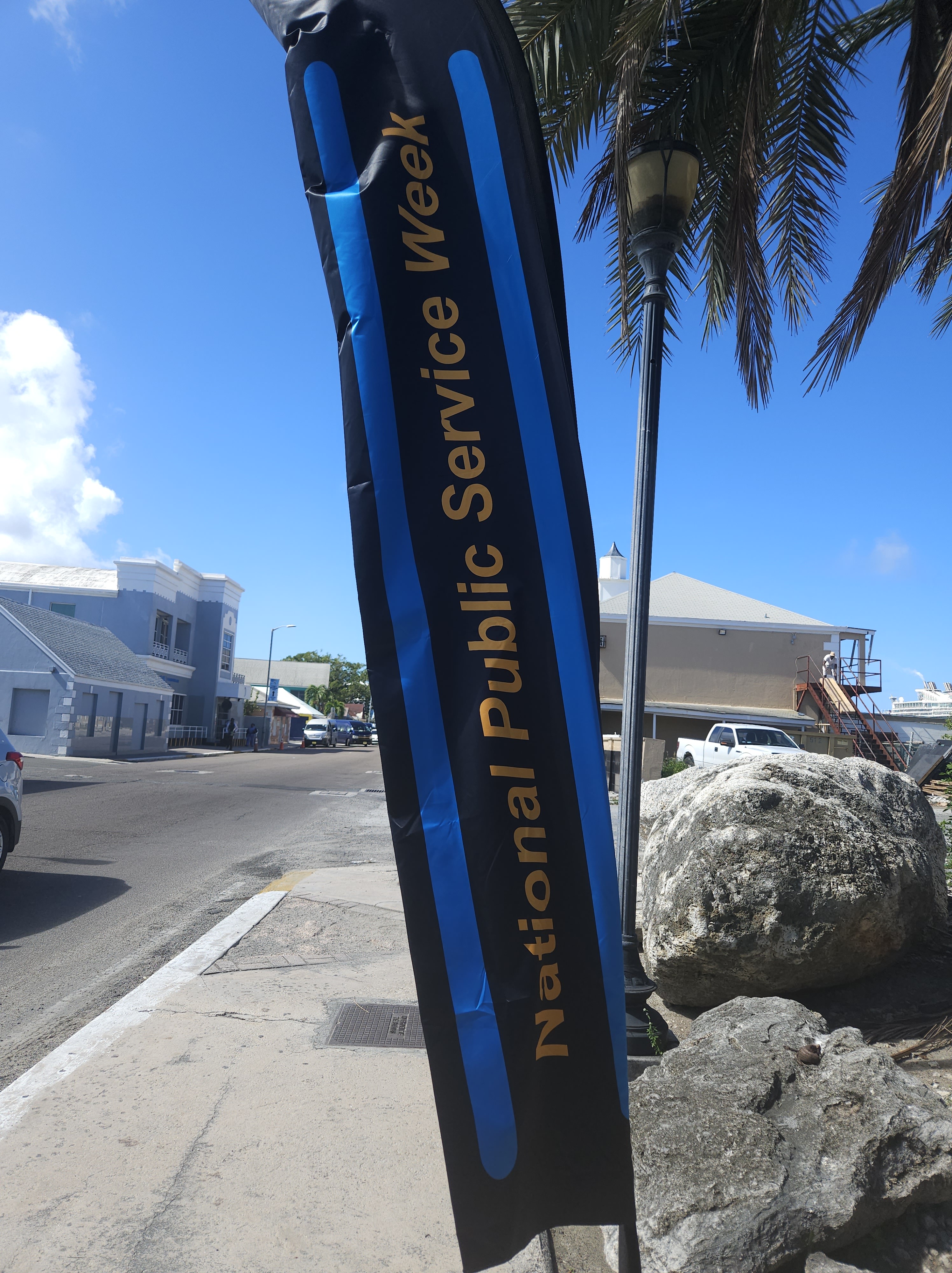
We entered the seas of the Bermuda Triangle early today. Will we ever be heard from again? According to Monday’s speaker, Ed Sobey, we have nothing to worry about. I’m inclined to agree. We are sailing all day today, on our way to the Bahamas. As on other sea days, there were some excellent presentations today.

General Nick Halley spoke on Radical Islam. Almost 25% of the world’s population are Muslims, and the vast majority are peaceful. However, there is that small minority that believes they have a mission from God to spread Islam by force, and they are willing to pursue that mission at any cost. BTW, the word Islam means “submission to God,” something I learned today.

Rick Beyer spoke about the rivalry between Alexander Hamilton and Aaron Burr. For those of us who decry the divisiveness and vitriol of more recent campaigns, it’s interesting to hear that this is not new at all. Some of the founders of our country were just as quick to attack their political opponents. We may regret the passing of civility in our country’s political environment, but in reality, civility simply shows up on occasion, just long enough for us to be nostalgic for it. You may think you know the whole story if you saw the musical “Hamilton,” but that wasn’t all. Hamilton and Burr both served under George Washington during the Revolutionary War, both practiced law in New York, and both pursued careers in politics. Here is where the differences arose. Their personalities were radically different: Hamilton was hot-headed, where Burr was more calculating. Things came to a head, Burr issued the challenge. There is disagreement about whether or not Hamilton ever shot his pistol, but Burr’s aim was true.

I find Mr. Beyer to be very interesting. He has a podcast that I plan to check out: History Happy Hour, that airs on Sundays.

Today’s final presentation was by Ed Sobey, about the coral reefs of the Bahamas. There are only about 50 species of hard coral in the Bahamas, a small percentage of the more than 3,000 that exist in the world. Corals exist mostly in the band between 30° north and 30° south, in warm clear waters. Coral is a combination of animal, plant and mineral, and is the most productive, and most diverse marine ecosystem, providing habitat for one quarter of marine life. Hard corals have been impaired by rising sea temperatures, pollution and over-fishing, as well as by human contact while fishing or diving. The National Oceanographic and Atmospheric Organization is using coral nurseries to try to replenish and restore damaged reefs. We learned about these efforts a couple of years ago when visiting the Key West Aquarium.

You can do your part to help the coral reefs by avoiding sunscreen that contains oxybenzone or octinoxate – they’re reef killers, and have been banned in Key West and Hawaii already. You can check on-line for other names for either of these ingredients. I found it in one of my own sunscreens, so it’s getting trashed.

Posted in Uncategorized | Tagged , , , , , , , | Leave a comment

Jacksonville, Florida

Wednesday, November 6, 2024

Jacksonville is the geographicaly largest city in the United States. It is also the largest by population in the State of Florida, with just under 1 million people, and it has 22 miles of beach. The town was established in 1822, just a year after the US acquired Florida from Spain.

Prior to the European arrival, the land around Jacksonville had been occupied for thousands of years. Some of the oldest remnants of pottery in the US have been found here, dating as far back as 3500 BCE.

Our guide yesterday told us the story of how some of her ancestors came to the St. Augustine area from Minorca, Greece. In the early 1800’s, Indigo farming was introduced to central Florida by the British. One of the plantation owners, Alexander Turnbull, went to Minorca to recruit people to work his plantation at New Smurna. He succeeded in recruiting 1,400 people who agreed to indentured servitude in exchange for land at the end of their indenture of 9 years. However, when their term was done, they were told they would not get their promised land because they were Catholic and could not own land under British rule. They remained captive, much like slaves, until a few escaped and found refuge with the Spanish near St. Augustine. They returned to their families and brought them to St. Johns County, where they survived and thrived. Minorcan descendants now make up about 10% of the population there.

In May, 1901, the downtown was almost totally destroyed by a fire that started as a kitchen fire. A nearby mattress factory was quickly engulfed when the spanish moss that was used as filler caught fire. In only 8 hours, over 2,000 buildings were destroyed, and 10,000 people were left homeless. Seven residents were killed. The city rebuilt. Soon after, more than 30 silent film studios were established, earning Jacksonville the title of the “Winter Film Capital of the World.” Only one studio remains today – Norman Studios.

Jacksonville is home to a marine base and three naval bases, giving it the largest military presence in the United States.

We took a shuttle bus to nearby Beaches Town Center, home to a few boutiques and restaurants, as well as access to the beach. The rain had stopped, so it was a good time to wander a bit.

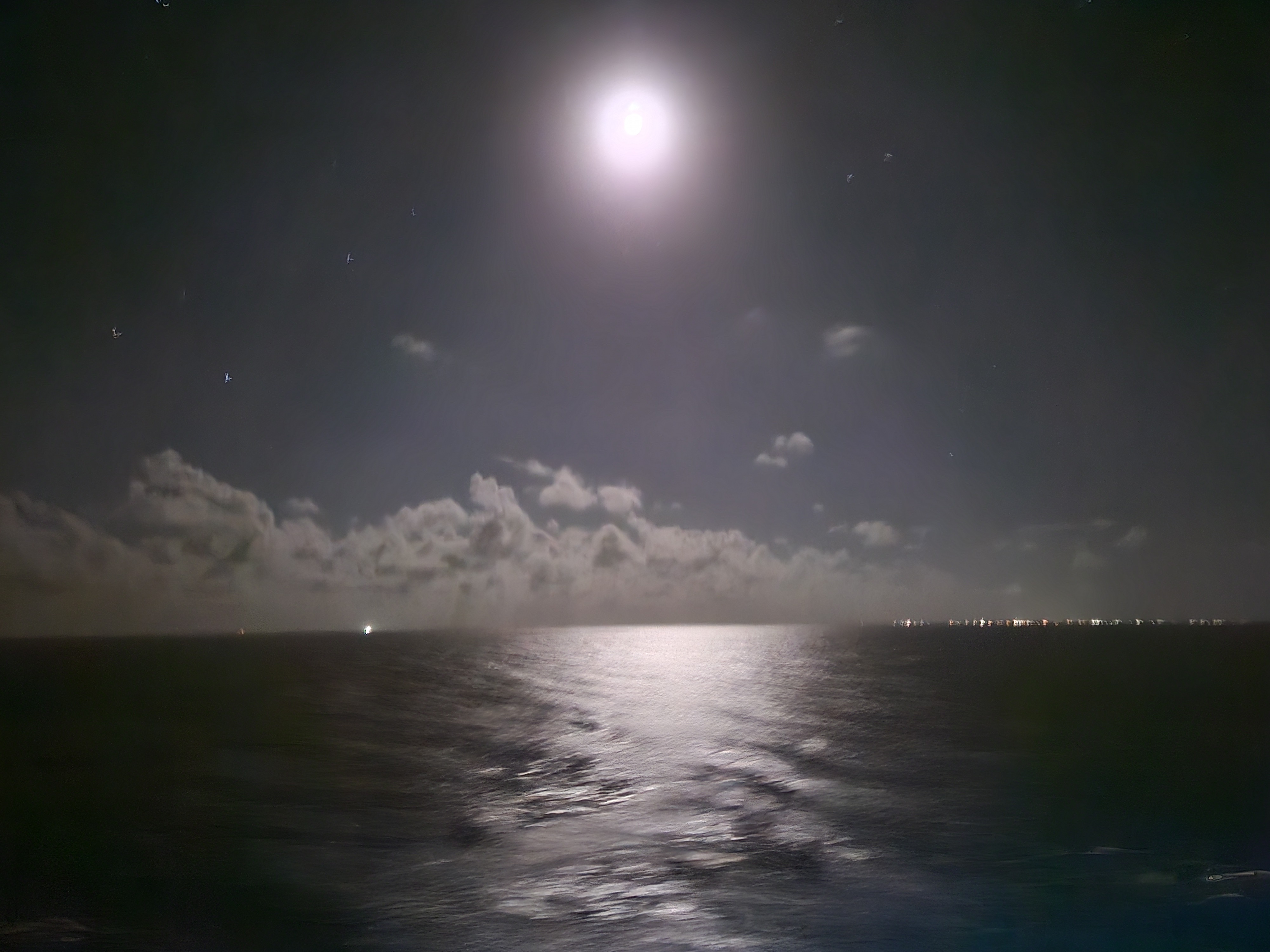
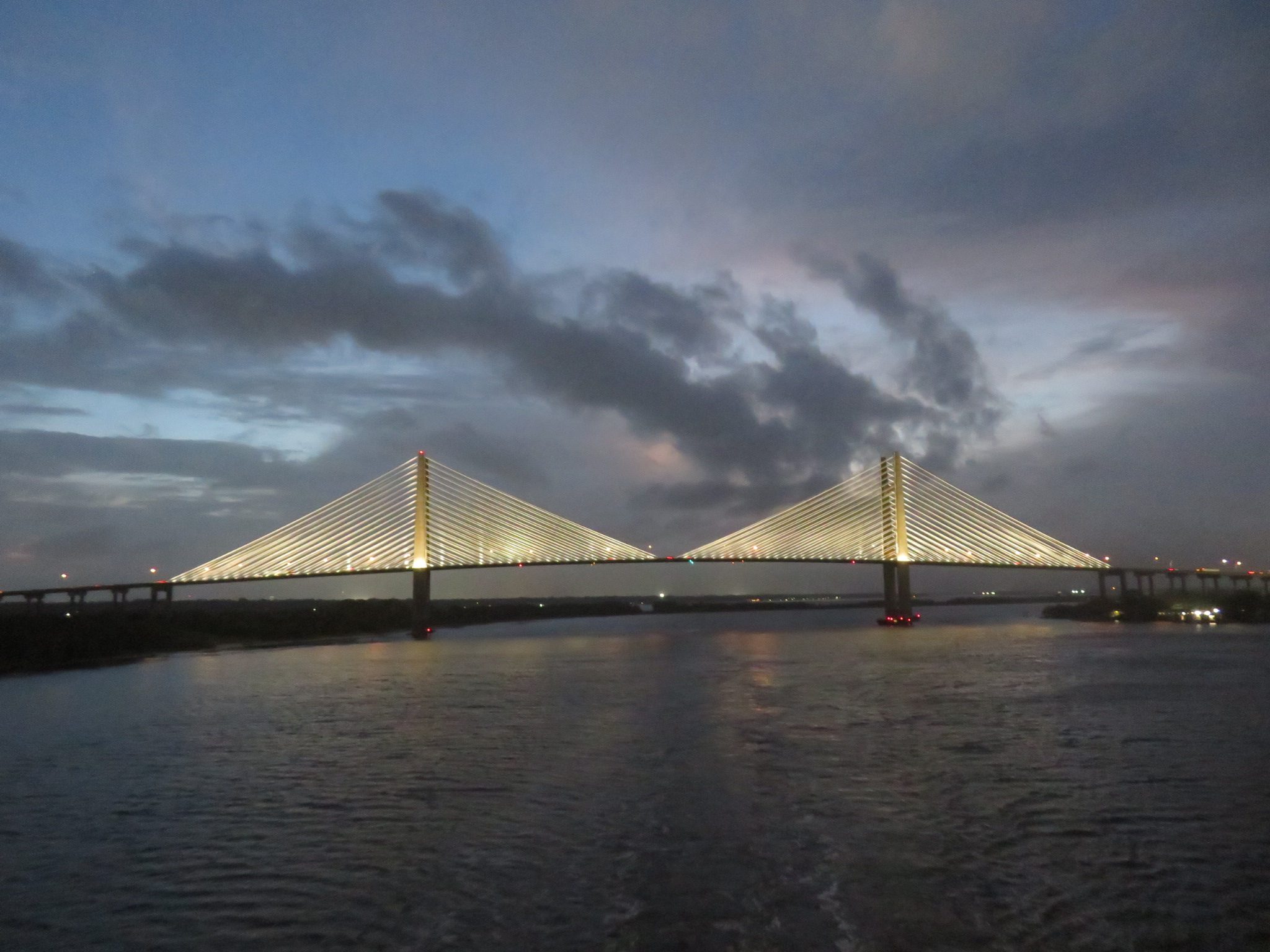
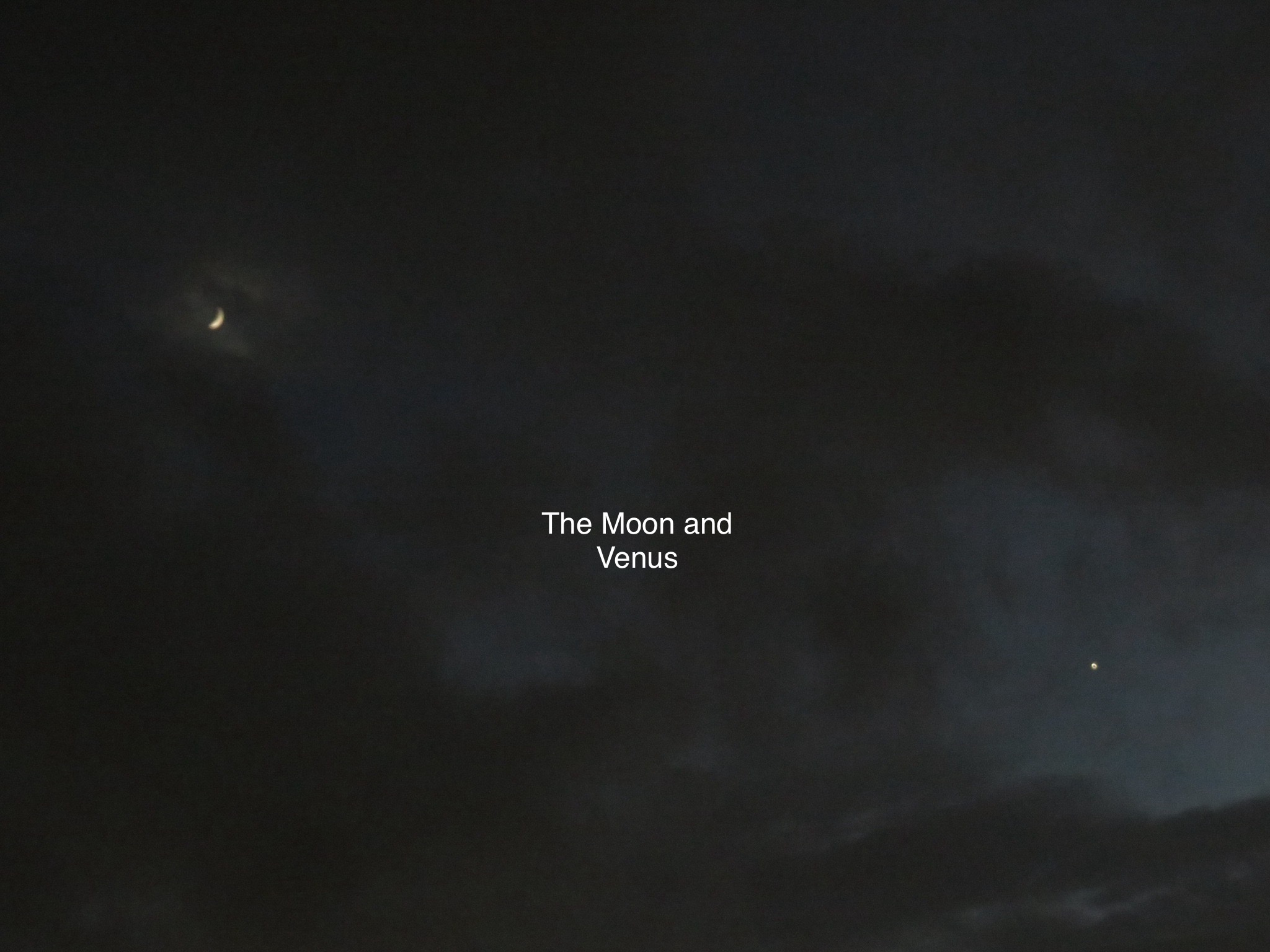
We left port today at 6pm, next stop Nassau, Bahamas after a day at sea. As we left port, we could see the moon and Venus as they peeked out of the clouds.

Posted in Florida, Gardens, USA Travel | Tagged , , , , , , | Leave a comment

St. Augustine, Florida

Tuesday, November 5, 2024

It’s election day! So glad we took care of that before we left on this cruise. Early voting has proven to be a boon to many of us.

We arrived at the port in Jacksonville early this morning, and headed out for a tour of St. Augustine, which claims to be the Oldest City in the United States. Founded in September, 1565, almost 460 years ago, by Pedro Menéndez de Avilés, a Spanish conquistador. Menéndez’ mission was to explore and settle the Florida region for King Philip II of Spain, and eliminate the Huguenot French. The crew sighted land on August 28,1565, the feast day of St. Augustine of Hippo. They landed at the site a few days later, and claimed the land for Philip, naming it San Agustin (Saint Augustine).

When Europeans arrived here, they were greeted by members of the Timucuan peoples, who lived in this area. They were unusually tall, some over 6 feet, like giants to the much shorter Europeans. They also had a longer life expectancy, so the Spanish explorers thought they must be drinking from some kind of Fountain of Youth. Actually, the Timucua bred for height – tall men married tall women – and they ate a healthy diet. The taller members of the tribes got the better food, and the short ones got whatever was left over. St. Augustine is home to the fabled Fountain of Youth. We visited some years ago, drank the water (which tastes awful BTW), but we’re still getting old. Rats!!! The Timucua were decimated by the introduction of European diseases. When the Spanish left following defeat by the British, the Timucua went with them to Cuba, where the remaining natives died out. There are no living descendants of these people.

Control of Florida moved back and forth between Spain and Great Britain between 1740 and 1821, when it was ceded to the United States. Saint Augustine was the capital of the new US territory until 1824. Florida became a state in 1845.

We stopped at the Castillo de San Marcos, built between 1672 – 1695. An earlier wooden fort had been destroyed in 1668 by an English privateer/pirate Robert Searles. The replacement was a masonry star fort built with coquina stones. Coquina is a sedimentary rock composed mostly of shell, and it varies hardness from poorly to moderately cemented. This coquina came from the Anastasia Formation, after Anastasia Island where the Spanish quarried the rock to construct the Castillo, one of only three forts built with coquina, a sedimentary rock composed almost entirely of fragments of mollusks, trilobites, and other invertebrates. Coquina is unique to this area, to Cuba and to Puerto Rico. Coquina is impervious to fire, termites, and most bombardment. The other two forts are in Cuba and Puerto Rico. Despite numerous attacks over the years, the fort was never breached or taken by force.

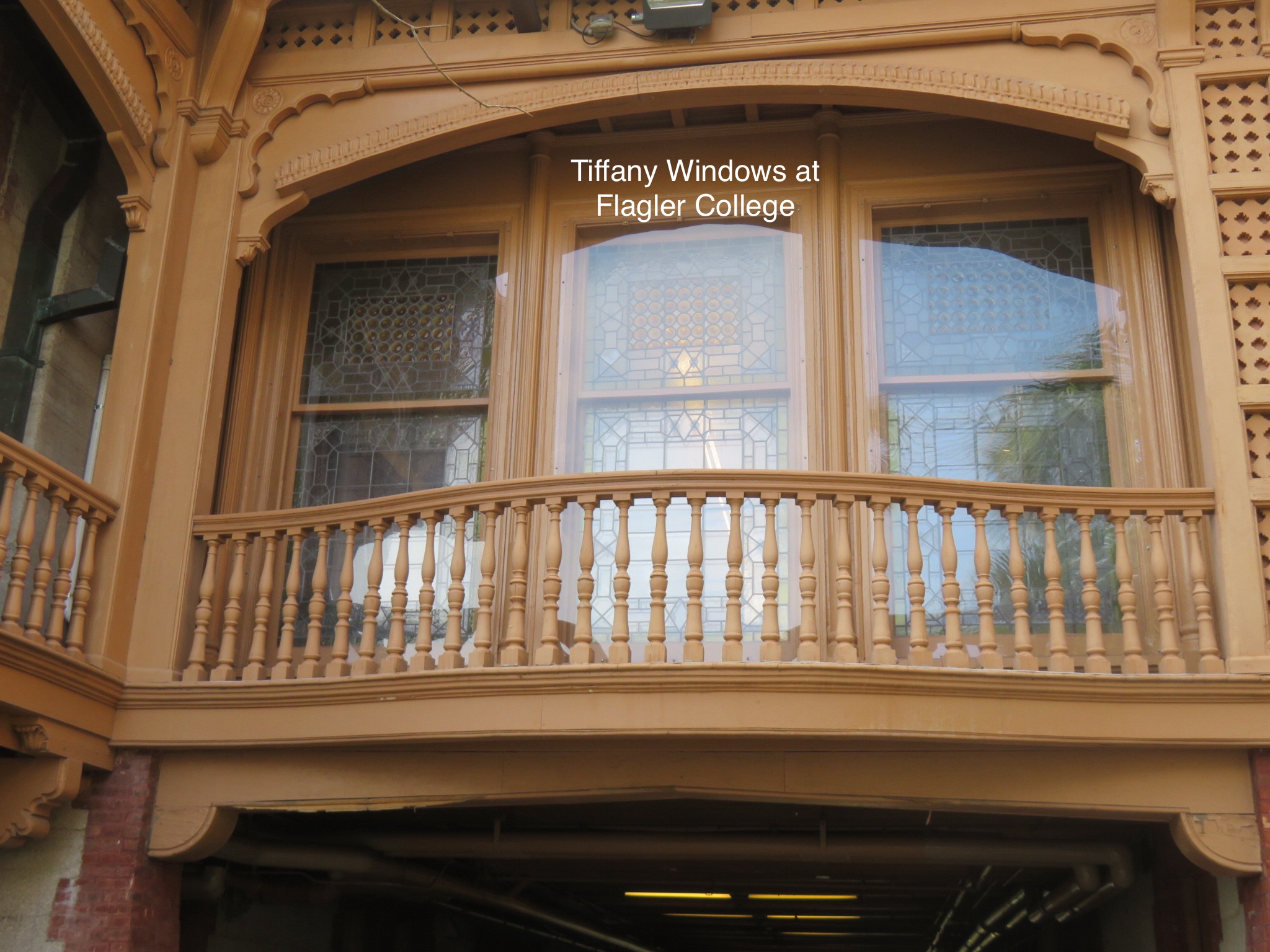
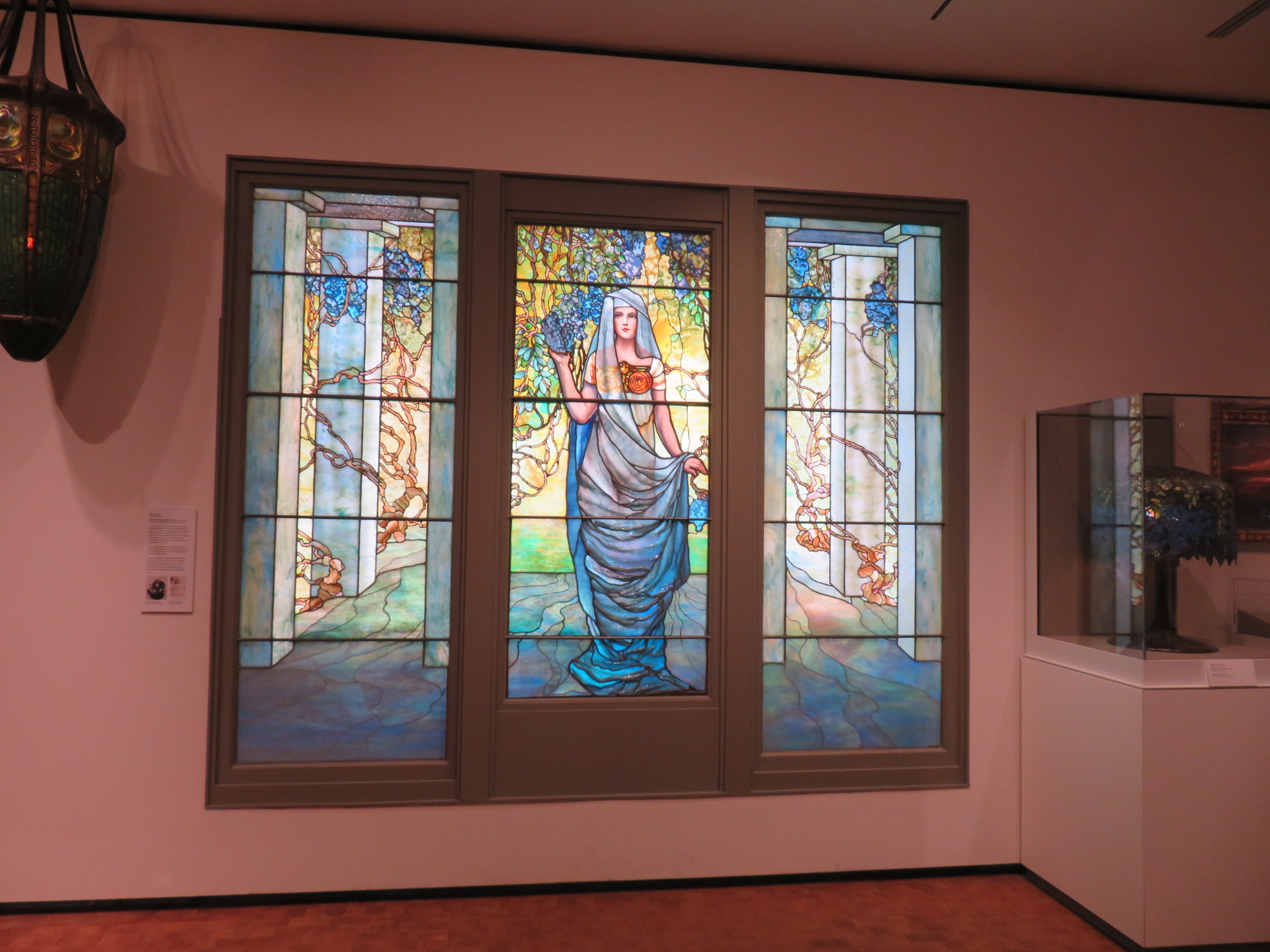
We passed by the Spanish Mission Grounds, City Gates, Spanish Plaza and more. The local Flagler College was originally a very exclusive hotel intended for the rich and famous, the Ponce de Leon, built by Henry Flagler between 1885 – 1887, in the Spanish Colonial Revival style. It was the first hotel of its kind constructed entirely of poured concrete, using coquina as aggregate. After the hotel closed in 1967, Flagler College was founded, and housed in the former hotel. Flagler’s good friend, Louis Comfort Tiffany, made the stained glass windows in the building.

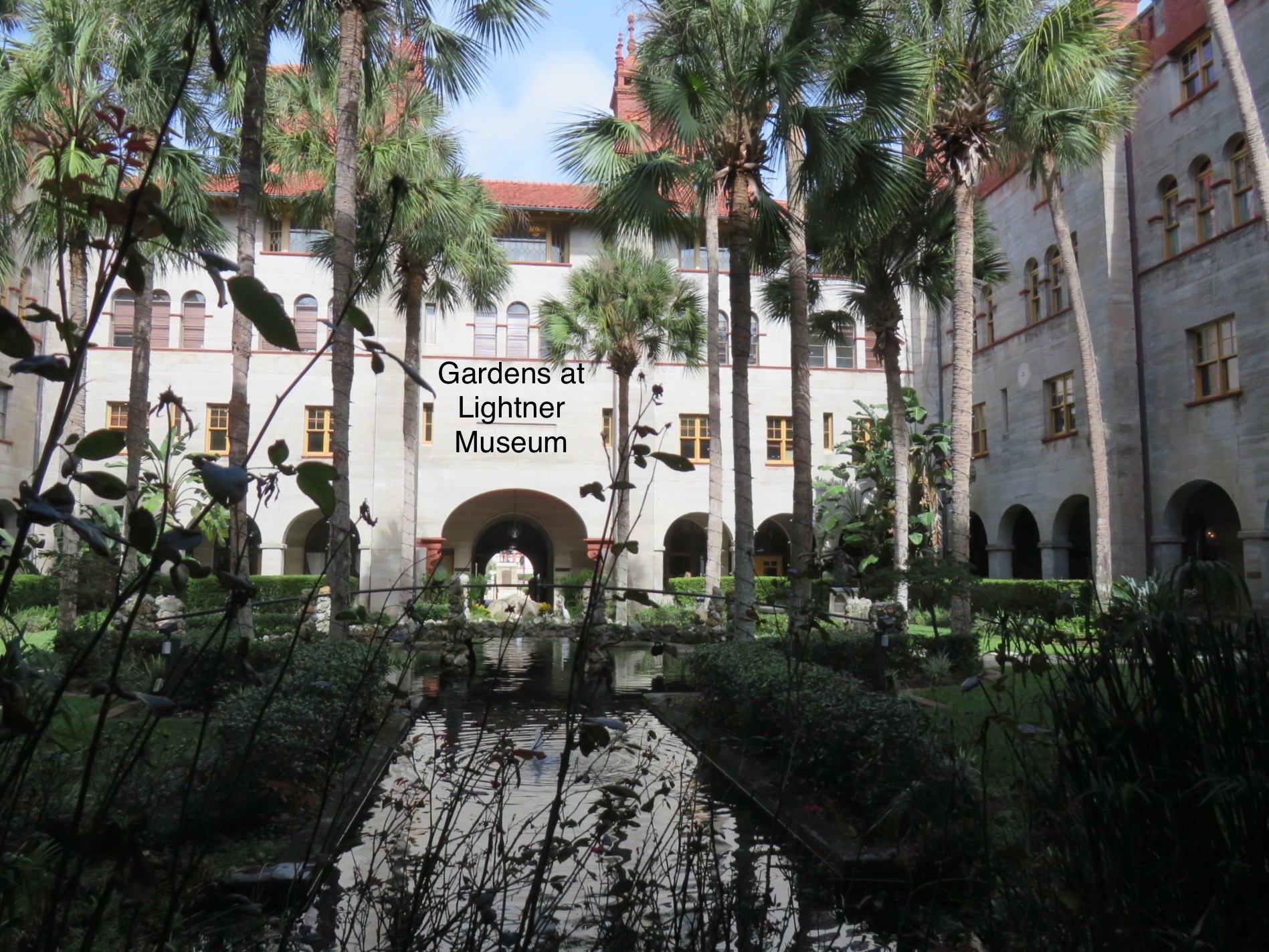
Another hotel that dated to the same time was the Hotel Alcazar. This hotel was also owned by Henry Flagler, and offered an indoor pool, spa, grand ballroom and opulent dining facilities. The indoor pool was the largest indoor pool in the US, measuring 80 feet wide by 120 feet long, with a skylight roof. The hotel closed in 1931, and was purchased some years later by Otto C. Lightner, a magazine publisher (Hobbies Magazine) and collector of collections. The Alcazar became the Lightner Museum of Hobbies, the home for his collections, in 1948.

The indoor pool was converted into a restaurant – the Café Alcazar, which offers lunch daily. BTW, the lunch was delicious.

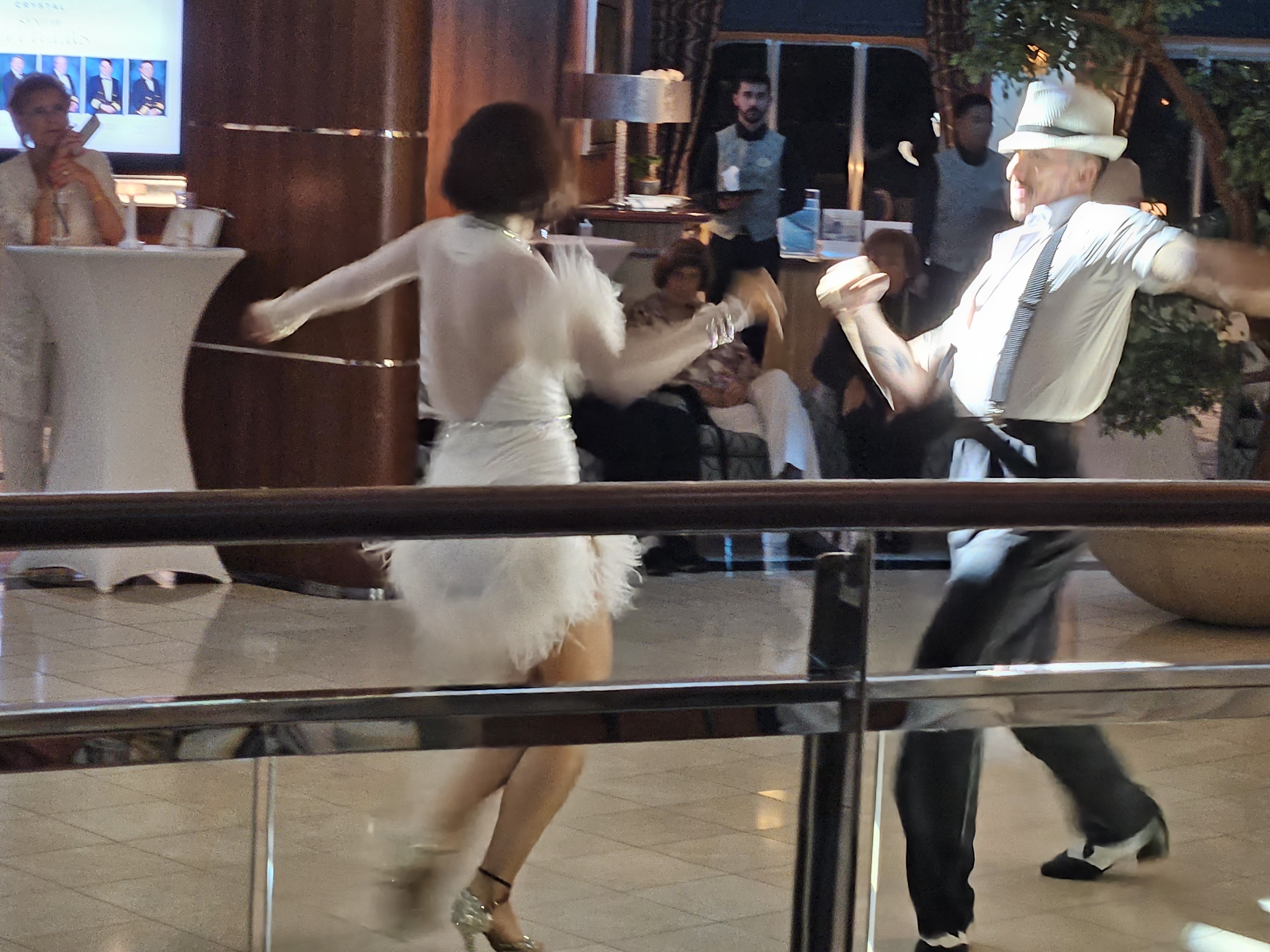
One of the highlights of Crystal Cruises is the Crystal White Party, which was held tonight. Wear white if you have it. I actually found a 20 year old dress that still fits (although it did look better on a younger body). The Crystal Plaza is decorated in white, the crew and entertainers all wear white, and it really is quite festive.

We are staying overnight at port in Jacksonville.

Posted in Crystal Cruises, Florida, Uncategorized | Tagged , , , , , , , , | Leave a comment

Another Serenity Day at Sea

Monday, November 4, 2024

We are cruising from Norfolk to Jacksonville today. It looks like it’s raining toward land, but our weather today is mild and windy, with a little rain interspersed with sunshine. Continuing Crystal’s tradition, there are several presentations available to us today.

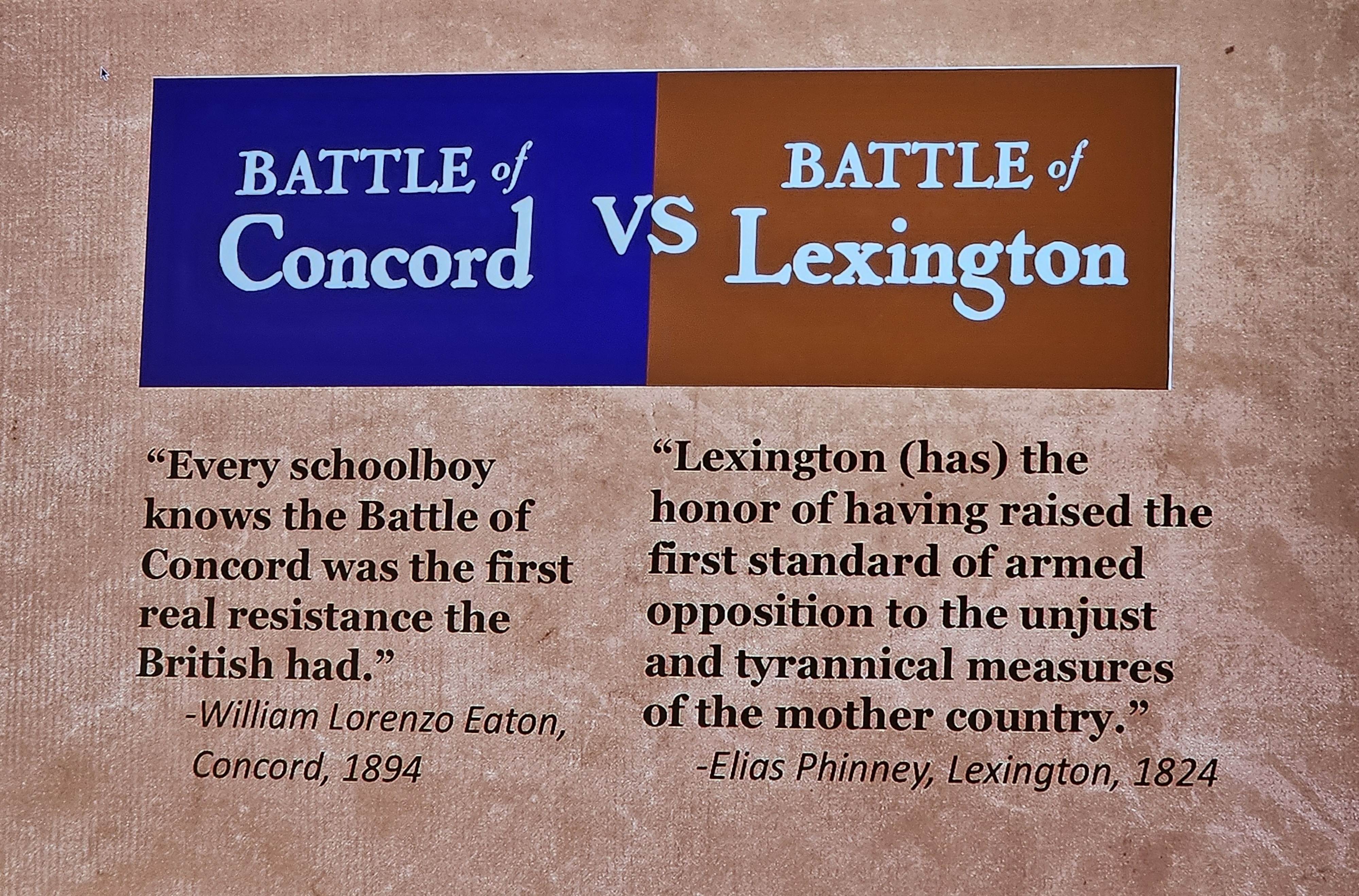
This morning, Rick Beyer talked about the ongoing battle between Lexington and Concord, cities in Massachusetts that both claim to be the site where our American Revolution began. I recall learning in school that it began at Concord, but now I realize I’ll never know for sure. On April 19, 1775, there was an altercation in Lexington where several Americans were killed by British soldiers, but did Americans actually fire back??? On the same day, our militia did fire on the British in Concord. What most of don’t know is that there was another battle on that day, at Menotomy (since renamed Arlington), Massachusetts on the road between Lexington and Concord.

At the centennial, Lexington invited Concord to collaborate on a celebration, but no dice! Again at the bicentennial, both cities went their own ways. And, for the semiquincentennial next year, there will be two separate celebrations. Back in 1892, Lexington petitioned the state to establish a holiday celebrating the beginning of the war, calling it “Lexington Day.” Concord countered with “Concord Day”, and the State of Masachussetts settled on “Patriot’s Day

Next, we listened to General Nick Halley talk on “China-Future Enemy? Future Superpower.” China aims to take over as the largest super power in the world. They are growing their army and navy. Their incursions into the South China Sea, where they are establishing strongholds on many small atolls, are designed to give them authority over that area. The US maintains a strong presence there as well, to remind China that the South China Sea is international waters. China’s presence there could impact fishing rights and shipping of products, oil, and natural gas for the rest of the world. Also, Halley warned that China is even more actively involved in cyber-terrorism than Russia is.

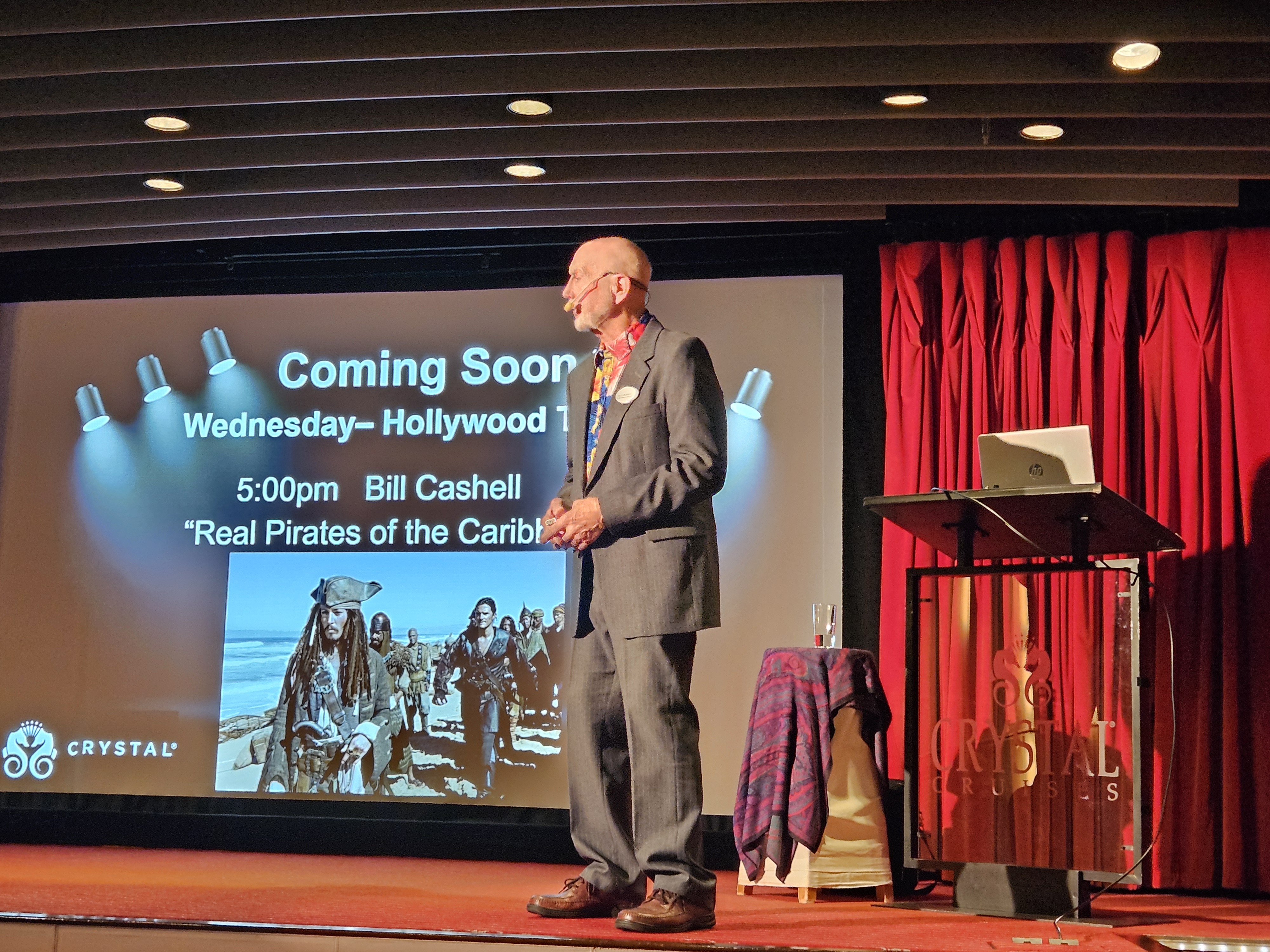
Bill Cashell gave us some history about Florida, which is considered the lightning capital of the United States, although in reality, it ranks fourth behind Texas, Oklahoma and Kansas. However, Florida does lead the pack with lightning-related deaths.

I learned that the Florida Keys were originally connected by rail, when Henry Flagler decided to expand his railroad from Miami to Key West. The railroad took seven years to complete, and was opened in 1912. At the time, it was called the 8th Wonder of the World. It operated until Labor Day, 1935, when it was destroyed by a hurricane. Several decades later, the old railroad was used as the foundation for what was, until recently, known as the Overseas Highway. Parrotheads everywhere will be happy to know that it was renamed the Jimmy Buffett Memorial Highway earlier this year.

Ed Sobey talked about “The Ocean Trifecta: Bermuda Triangle, Gulf Stream, and Sargasso Sea.” We had entered the Gulf Stream earlier in the day. Sobey discussed how much climates will be changed as the waters become warmer, and the Gulf Stream slower. The Sargasso Sea, named for the Sargassum weed that fills it, is nearby. The weeds are thriving on the nutrients that are being washed into the sea by our agricultural activities. Apparently, the only thing we need not worry about is the Bermuda Triangle – a myth. Despite its notoriety, there are very few accidents and disappearances than in many other parts of the world.

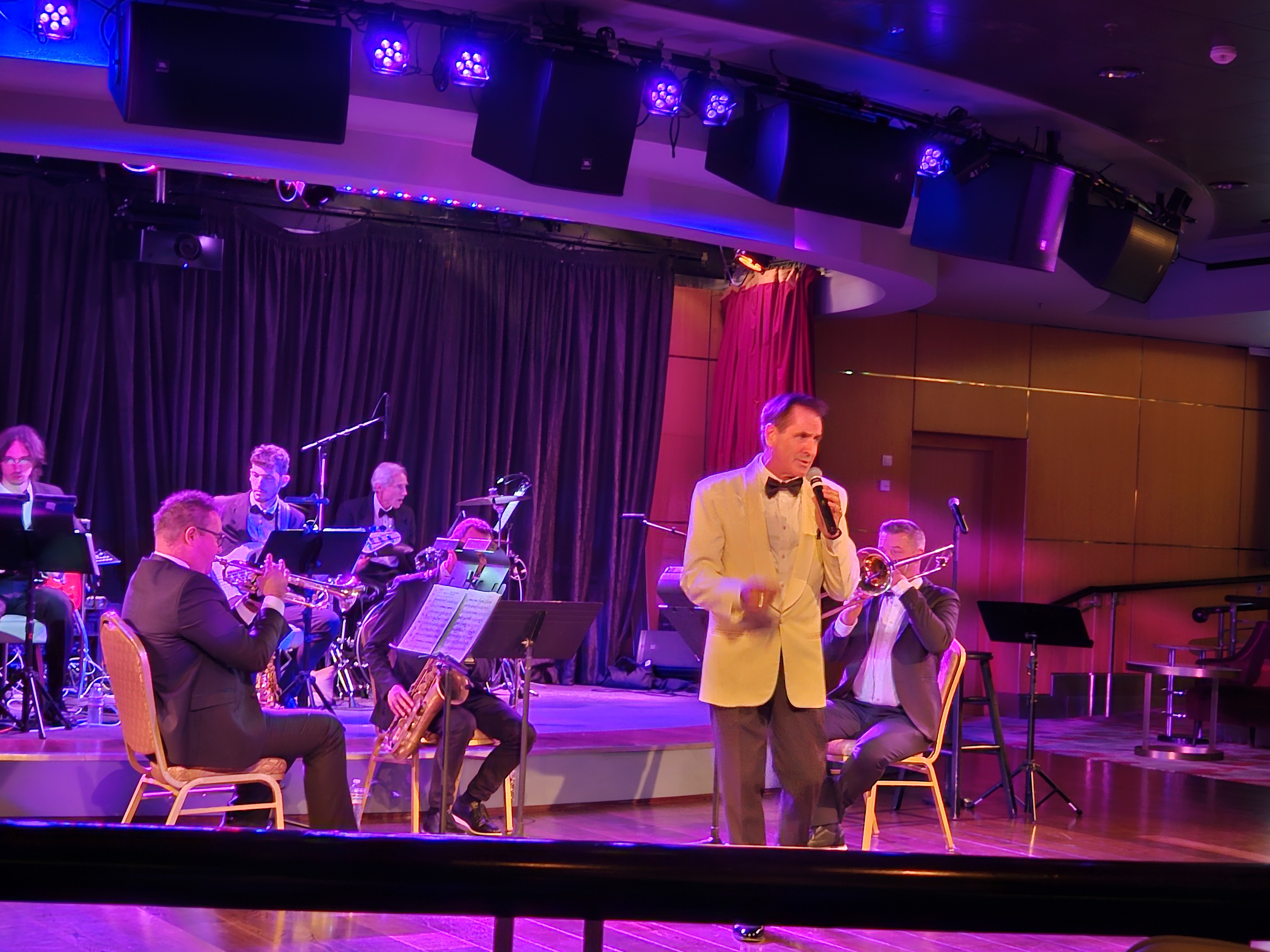
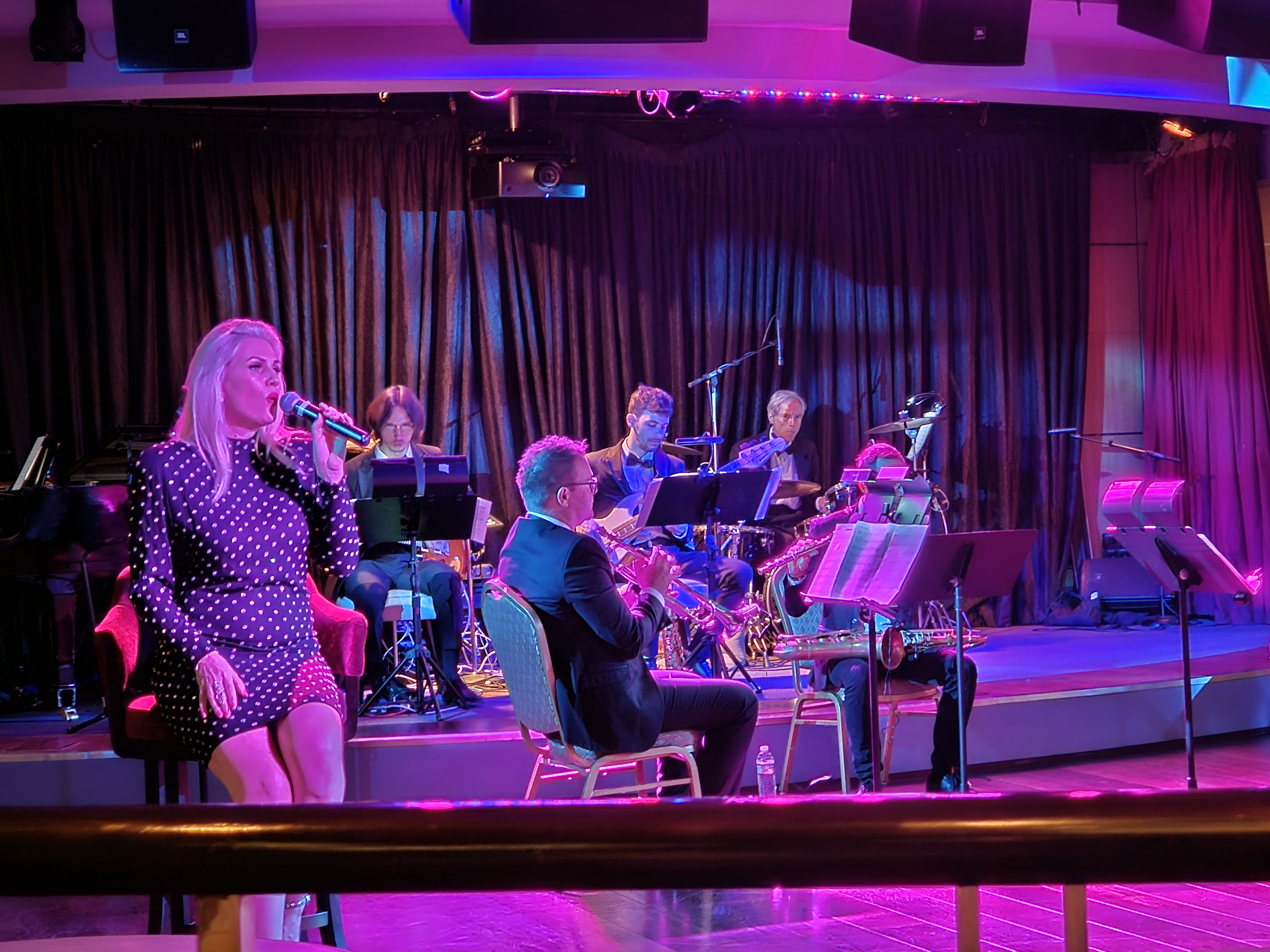
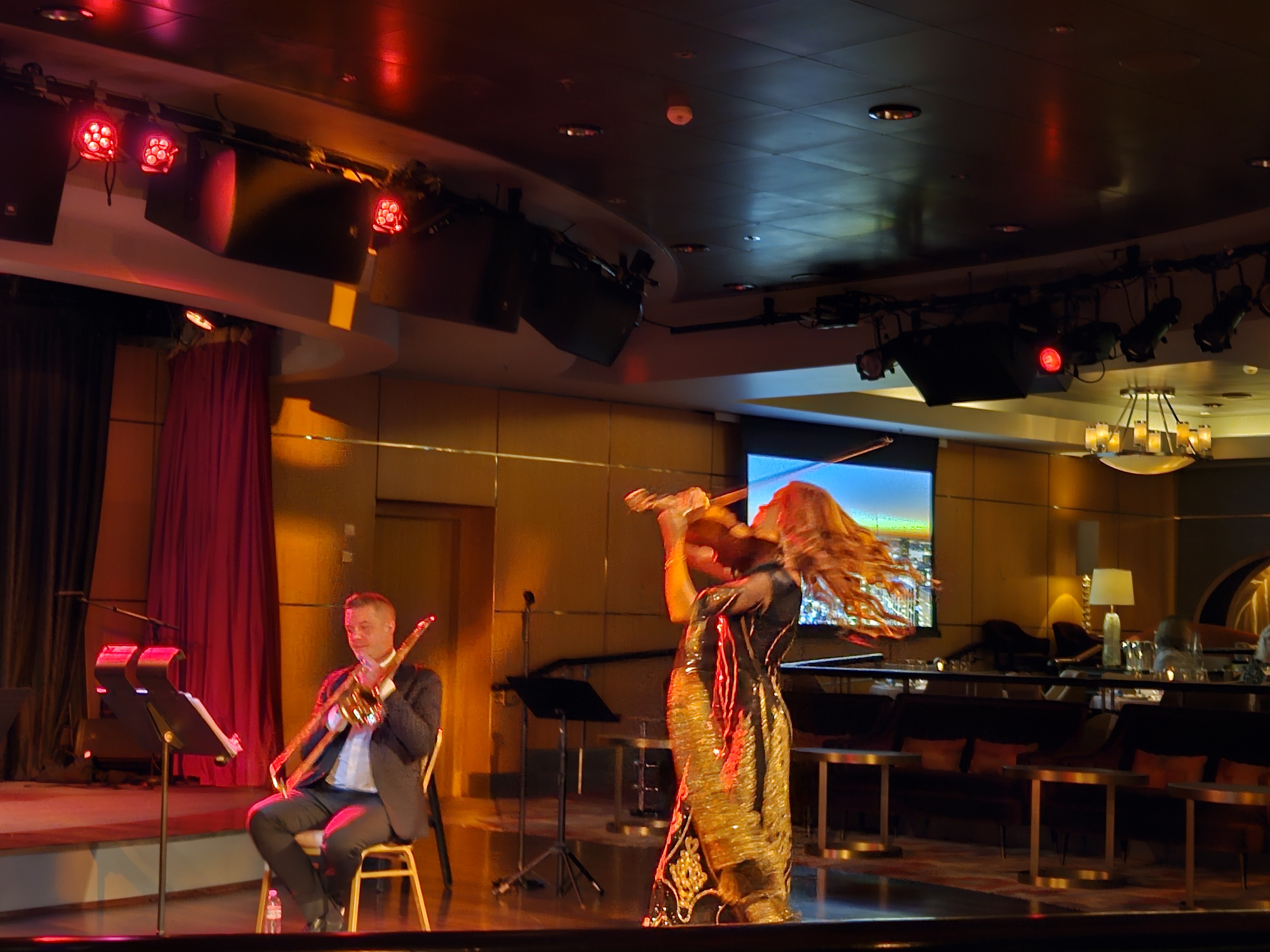
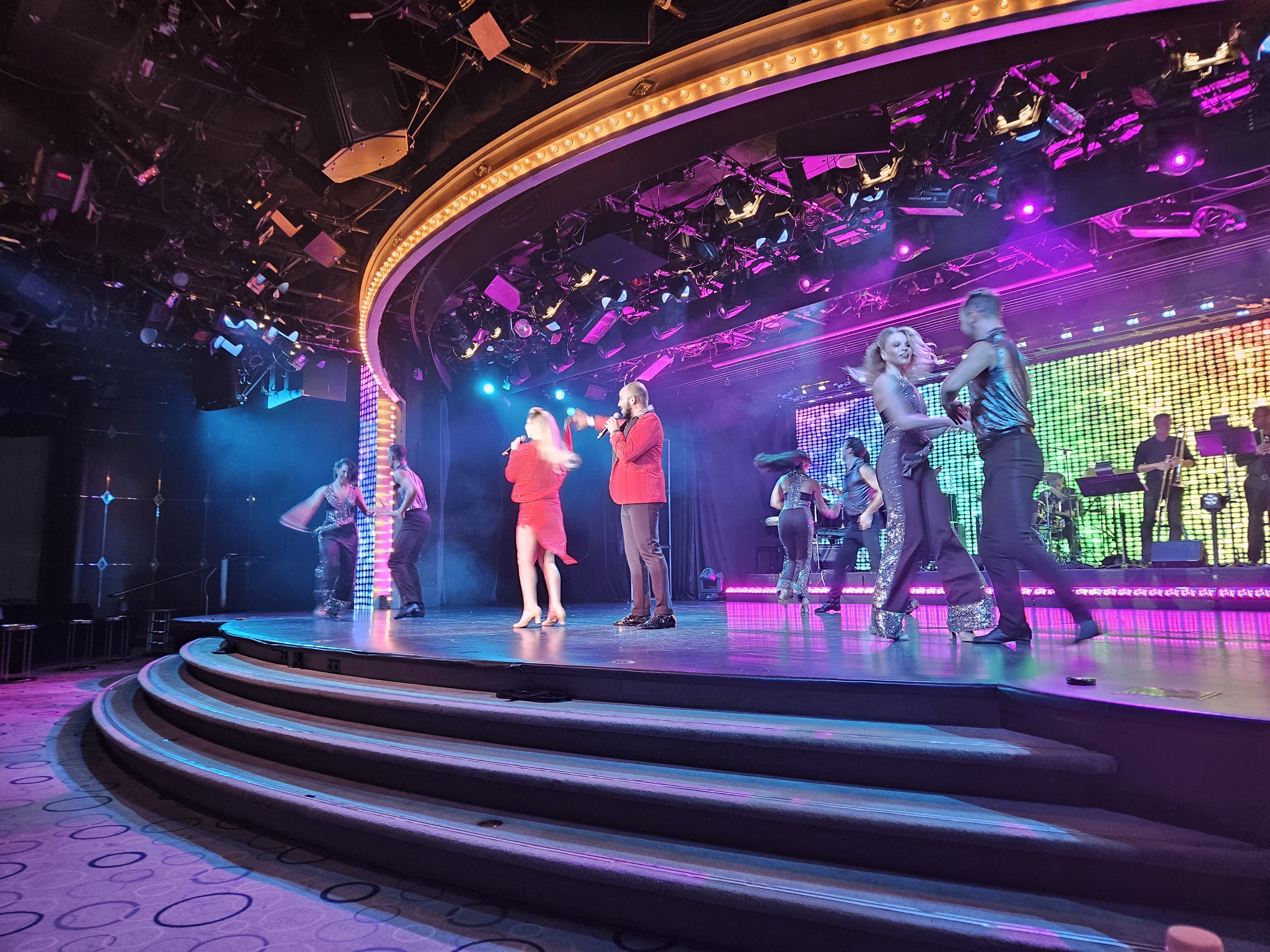
The day ended with a wonderful program by Crystal’s dancers and singers: “Icons in Concert.”We enjoyed songs from more artists than I can remember, including Journey, The Beatles, The Rolling Stones, and ending with a set from Queen.

Posted in Florida, Uncategorized | Tagged , , , , , , , , , | Leave a comment

Norfolk, Virginia

Sunday, November 3, 2024

On a previous visit to Norfolk, we toured the USS Wisconsin and spent some time in Colonial Williamsburg, Jamestown and Yorktown. Since our time here is relatively short, we stayed close to port.

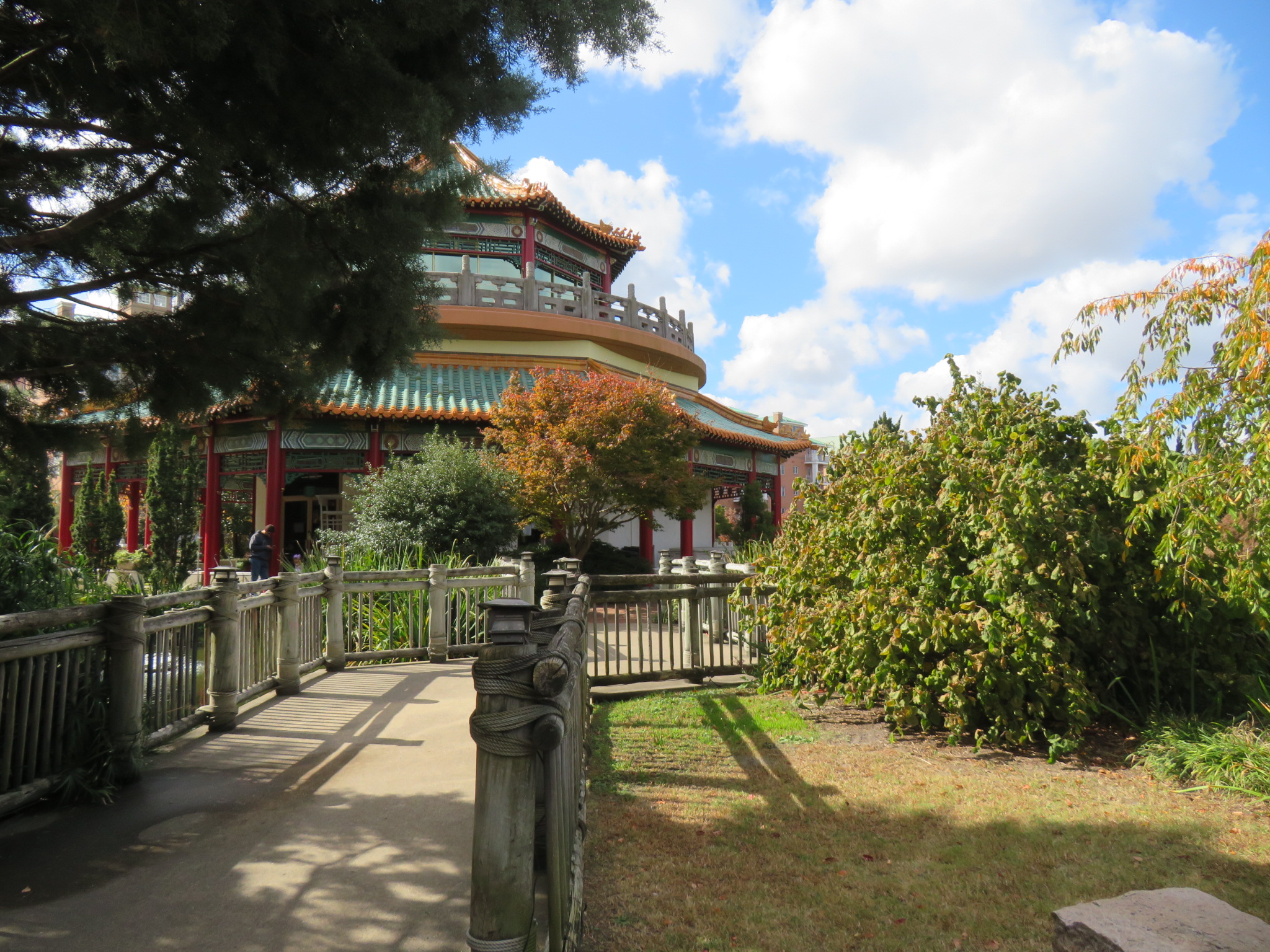
The Pagoda & Oriental Garden was less than a half mile away. This lovely park is situated in Freemason Harbor. The Pagoda (Marine Observation Tower) was given to the city by the Taiwan Provincial Government in 1989. Materials were constructed in Tawain, shipped to Norfolk and assembled there by Taiwanese artisans. The observation tower was not open today, and the park was being set up for a small wedding later today.

The pagoda and Koi pond are surrounded by more than 130 species of Asian plants and trees. Rocks and boulders were used to create hills and “mountains” in the landscape. It’s too bad we had to leave too early to enjoy the many lighted lanterns in the evening.

Nearby is the Elizabeth River Trail, which runs along the waterfront, from Norfolk State University, past Old Dominion University and Fort Norfolk, to the Norfolk International Terminals. The first part of the trail opened in 2003, using 3,500 feet of abandoned rail line donated by Norfolk Southern. Extensions were added over the next decade, resulting in a total length of 10.5 miles.

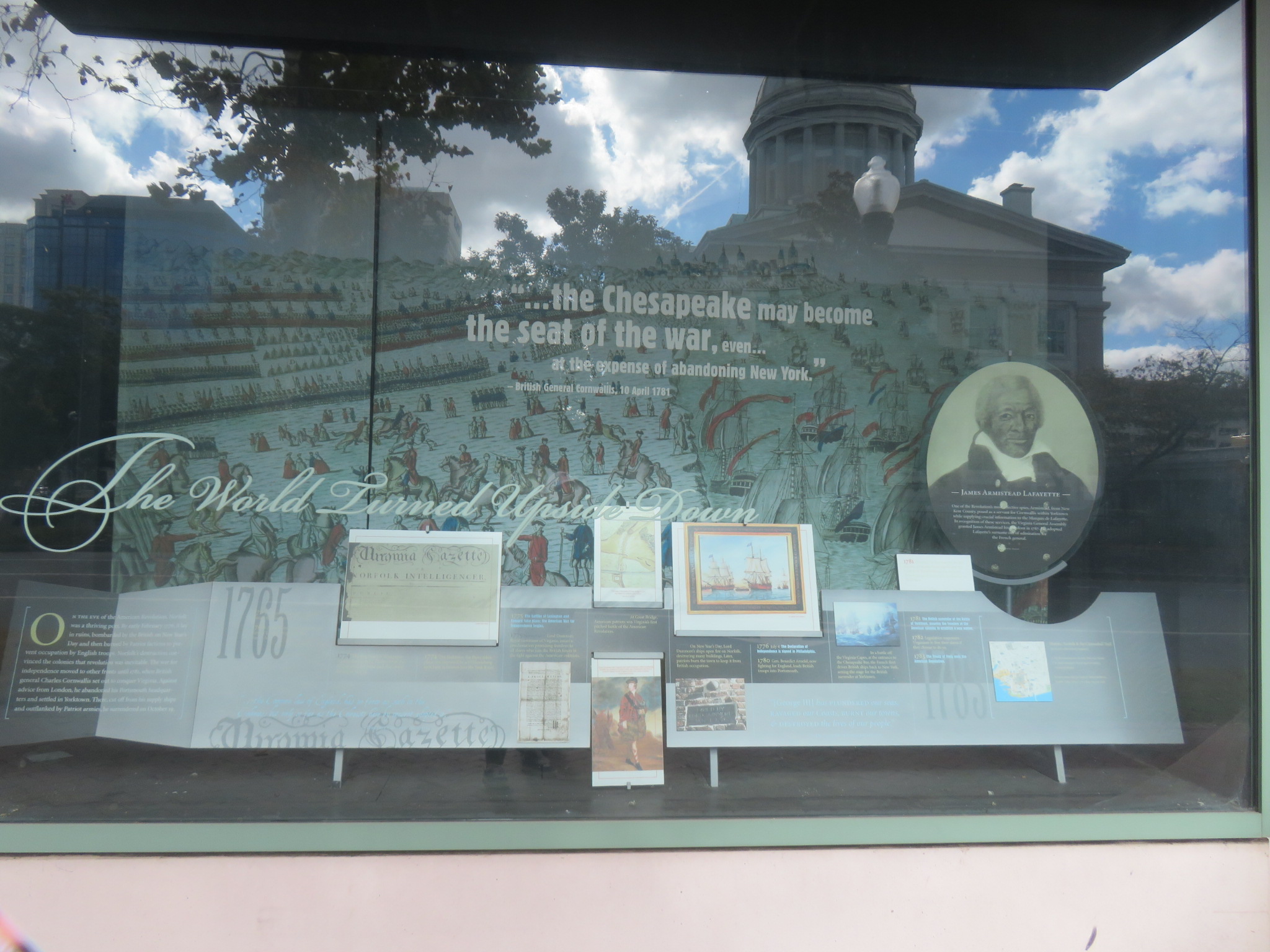
We walked along some of what is billed as the Cannonball Trail, highlighting some of the history and architecture of the city. Windows on History is an exhibit at the MacArthur Center, using display windows to tell 400 years of Virginia History.

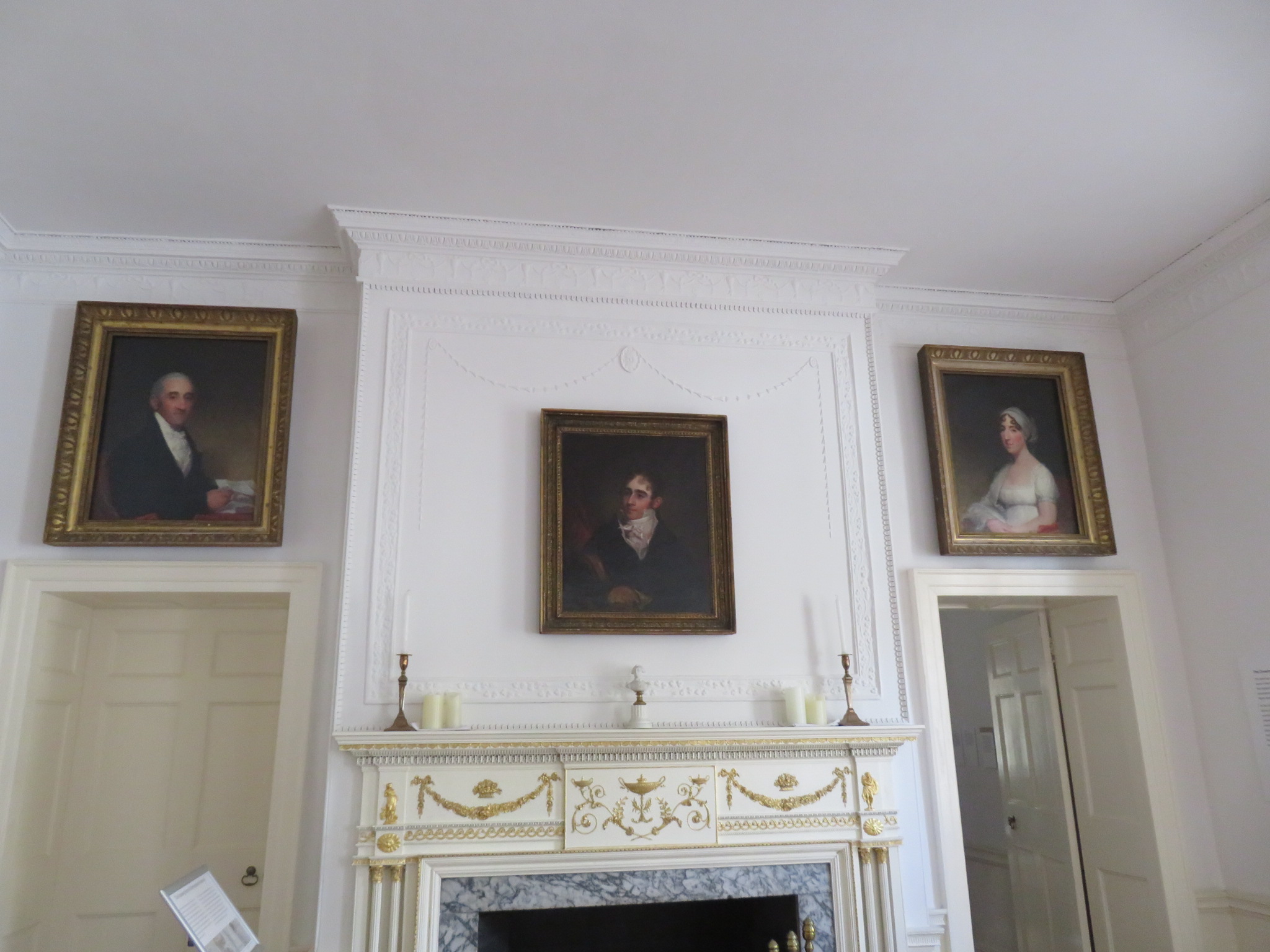
We stopped at the Moses Myers House, which is maintained by the Chrysler Museum of Art. Myers was the first Jewish settler in Norfolk, and he established a shipping and exporting business with a five-ship fleet. He had served as president of the Norfolk City Council, and also as consul for Denmark and the Netherlands, and vice-consul for France. He and his wife, Eliza, had twelve children whom they reared in this house. Their son, Myer, and great-grandson Barton both served as British consuls.

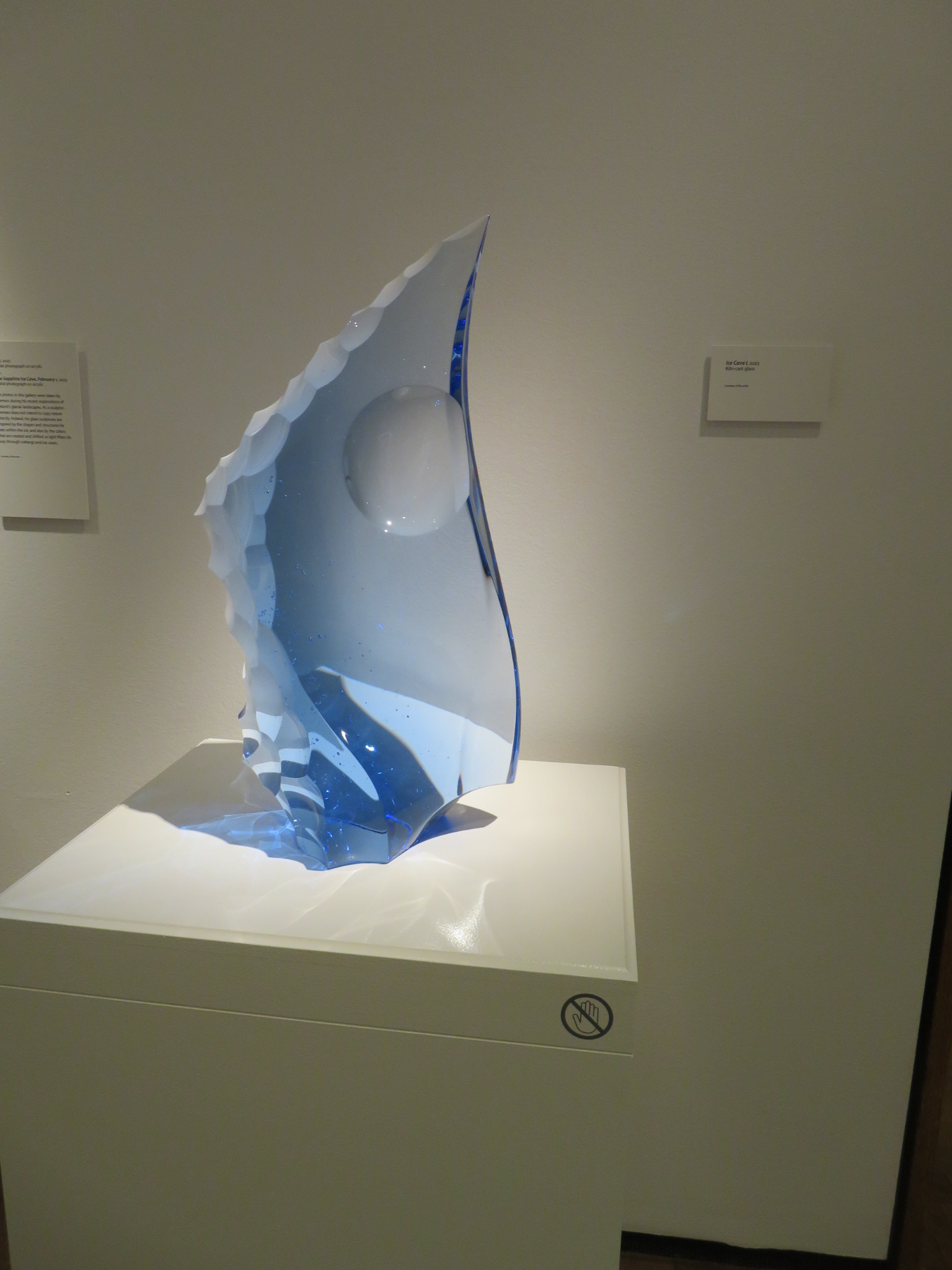
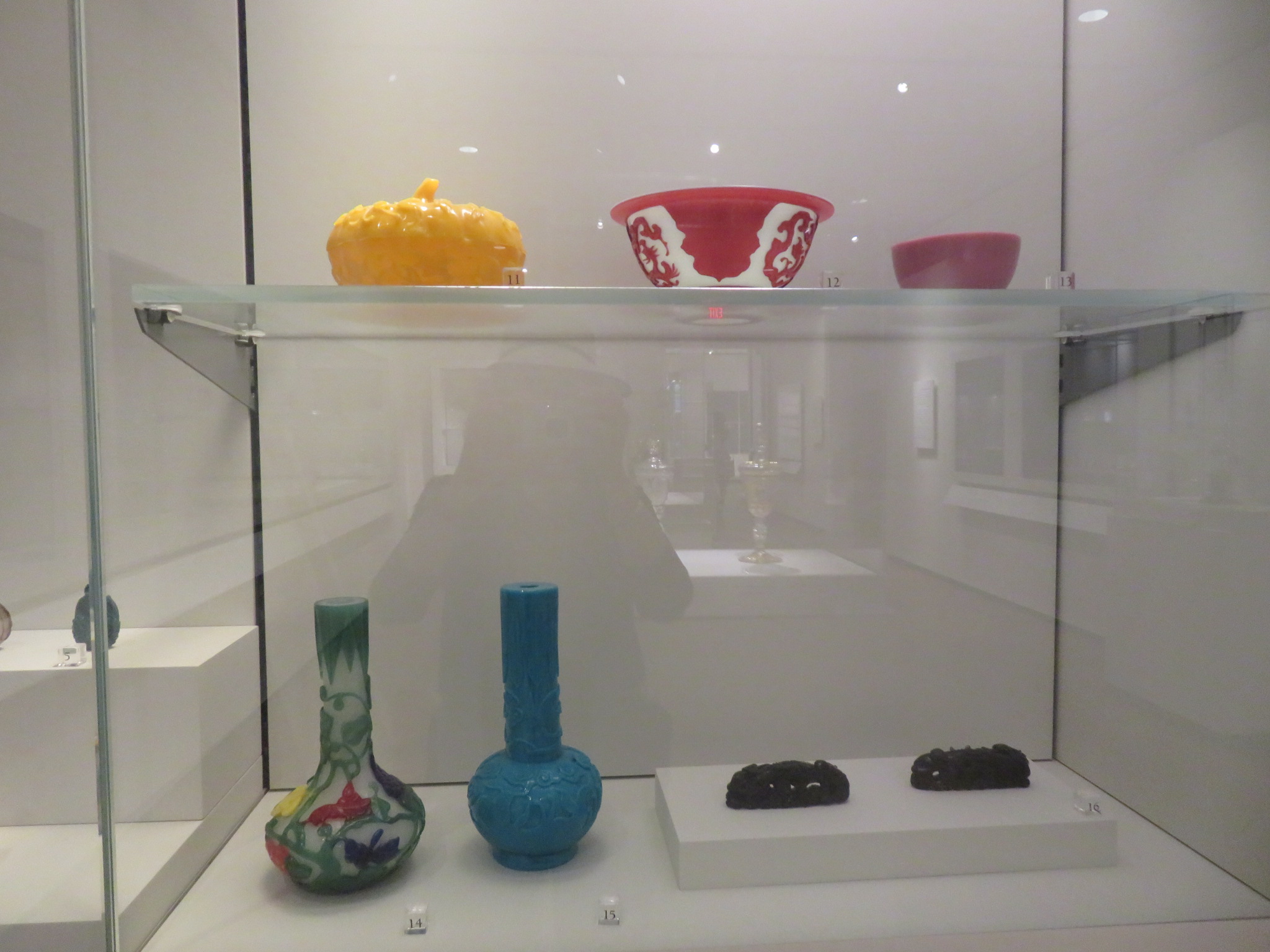
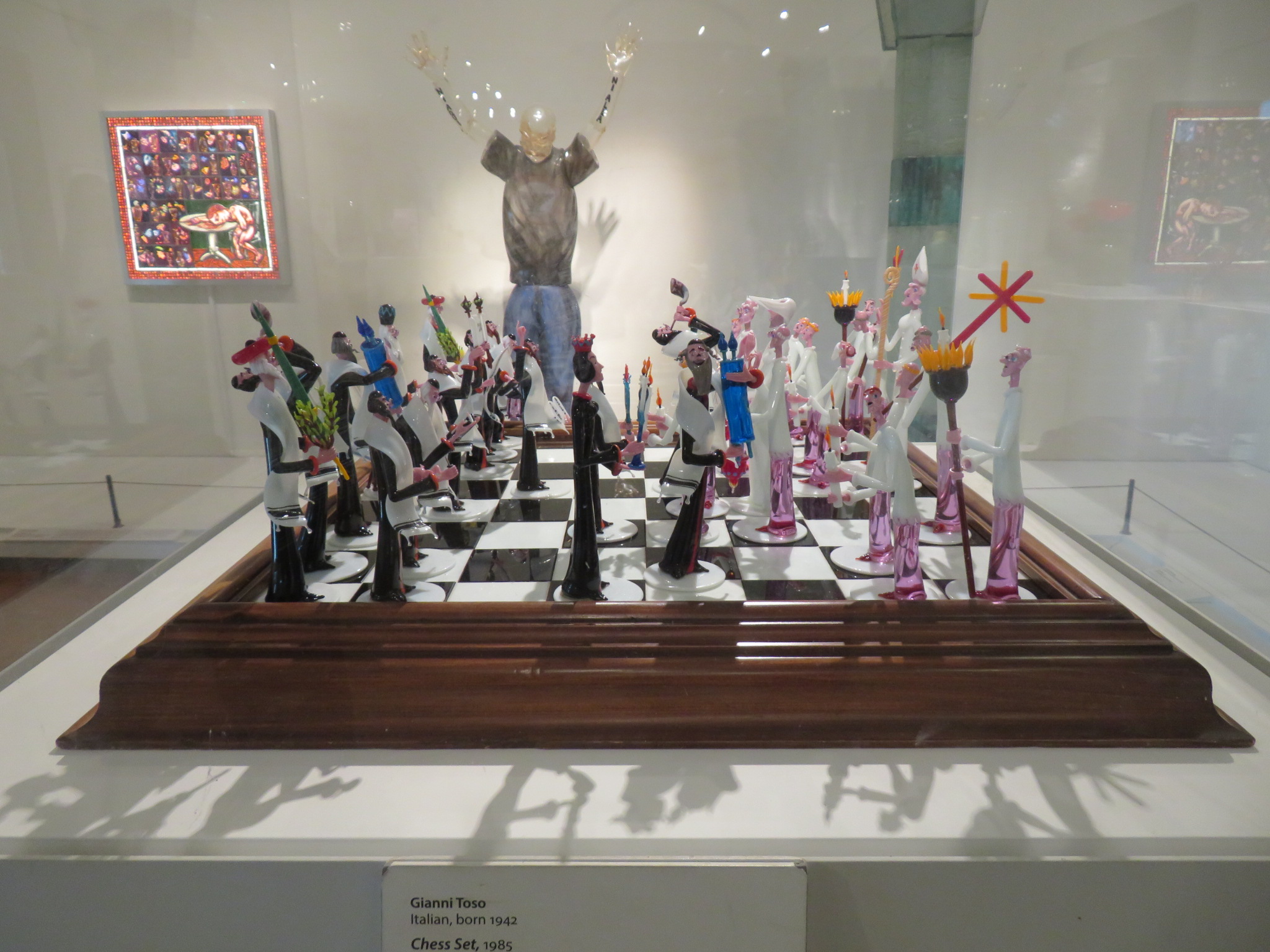
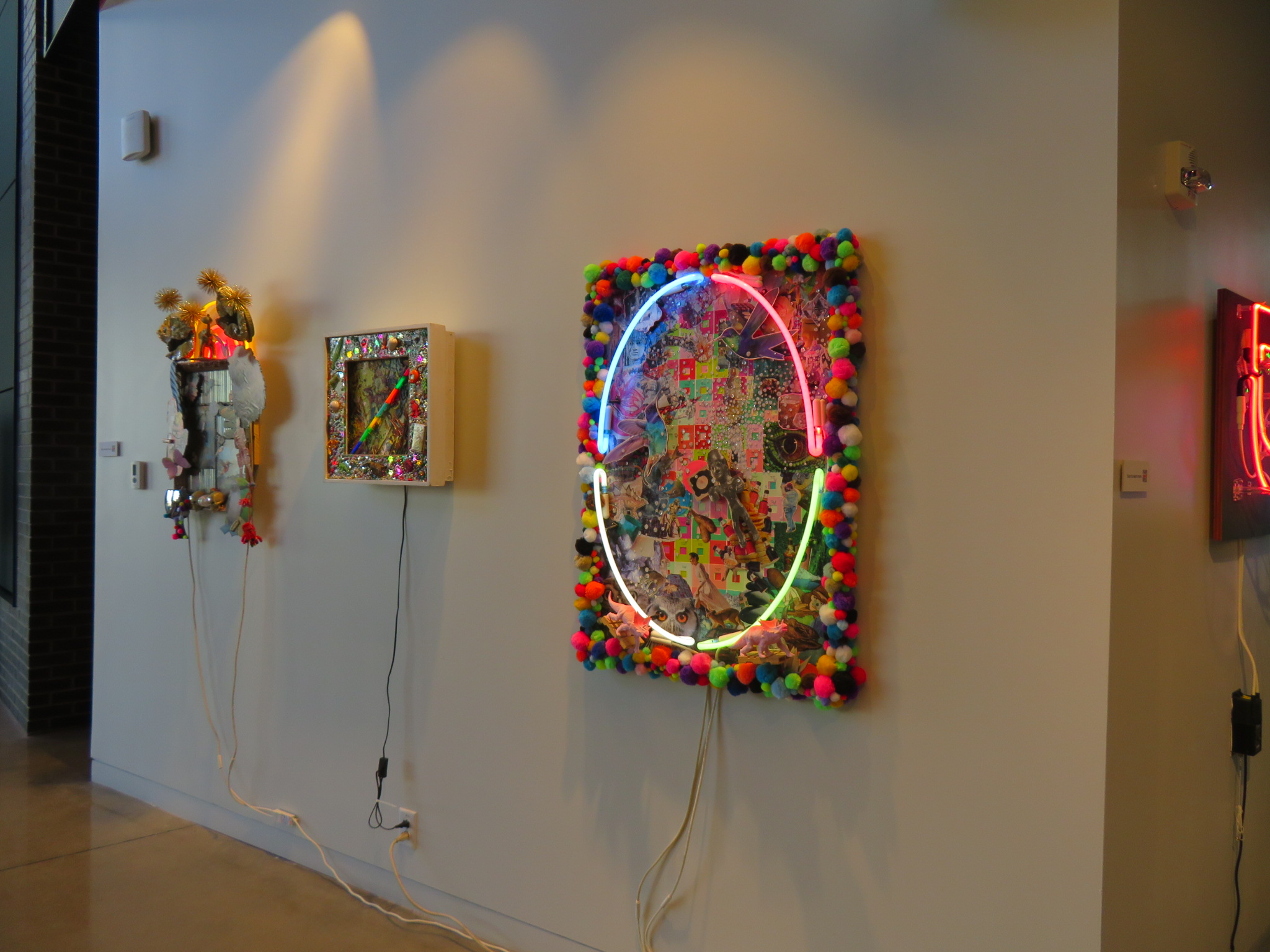
From there, we went to the Chrysler Museum of Art to see their extensive exhibit of glass art, spanning three millennia. The museum was founded in 1933 as the Norfolk Museum of Arts and Sciences. The museum was relatively small until Walter P. Chrysler, automotive heir, donated most of his collection to the museum. Chrysler’s wife, Jean Outland Chrysler, was a native of Norfolk.

The lower level of the museum contains the glass collections, while the upper levels contain paintings and sculptures from many well-known artists.

Across the street from the museum is the Perry Glass Studio, where enthusiasts can take glass blowing classes. The studio also offers a Glass Studio Assistantship for emerging artists, who have recently completed an undergraduate degree program in glass, or who are pursuing a professional career working in glass. The studio was founded by Patricia and Douglas Perry, whose passion for glass art began when they purchased a piece from Dale Chihuly.

It was a beautiful day for a walk in Norfolk, with sunshine and occasional breezes.

We left port around 6pm, next destination is Jacksonville, Florida after a day at sea.

Posted in Crystal Cruises, Uncategorized, USA Travel | Tagged , , , , , , , | Leave a comment

Intrepid Museum, New York City

Saturday, November 2, 2024

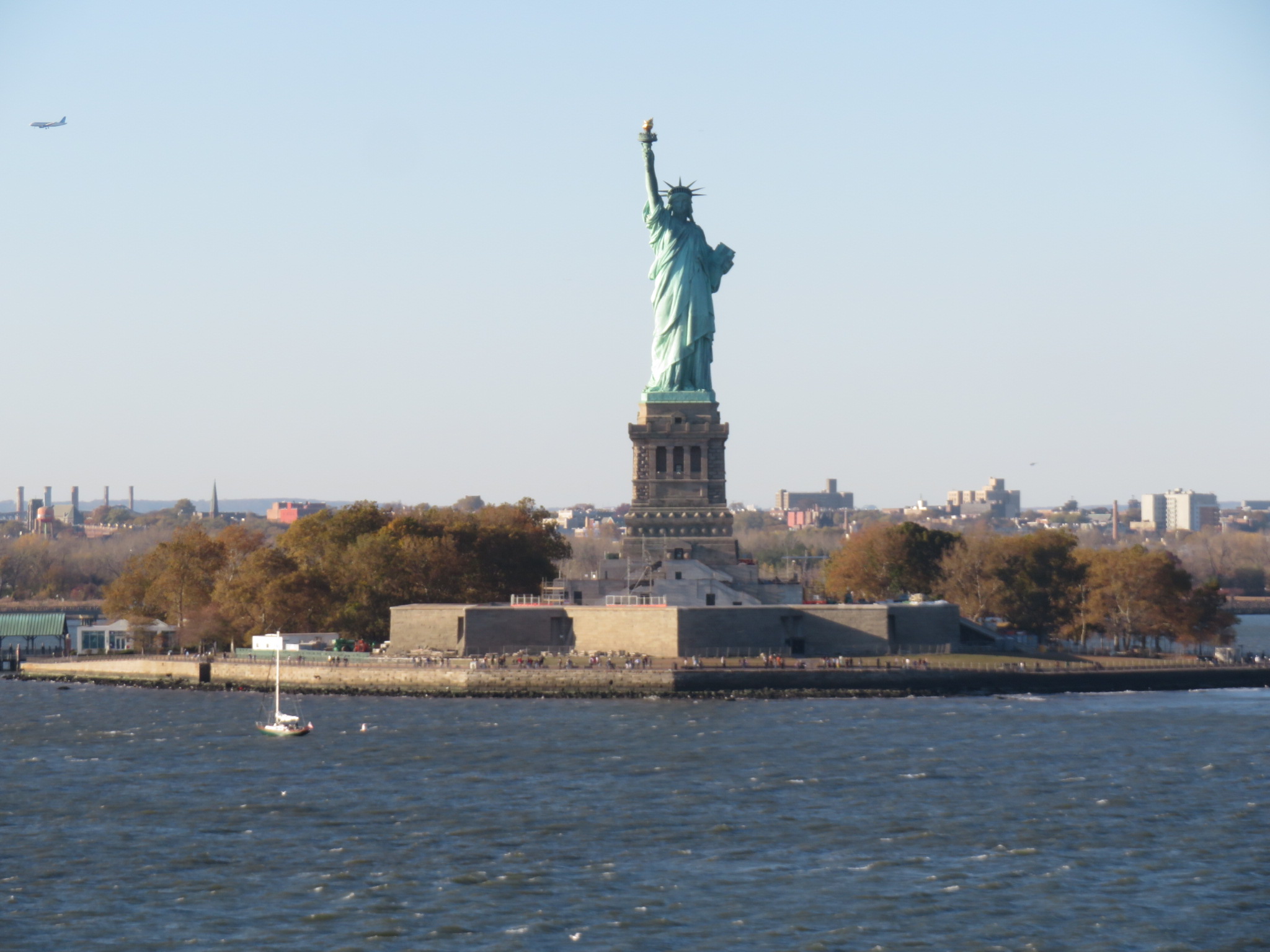
We arrived in New York City last night, in time to raise a toast to Lady Liberty before dinner, and docked alongside the Intrepid Museum

We have been to NYC a few times, and we’ve already seen many of the main attractions: Ellis Island, Empire State Building, Times Square, Broadway, Lincoln Center, Central Park, the 911 Memorial. So, this time, we were looking for something different. The Intrepid Museum is just next door, so we were able to walk there. We decided to go early, since we will be leaving harbor later this afternoon.

Located in the Hell’s Kitchen neighborhood, this museum was established in 1982 after the US Navy transferred the USS Intrepid to the Intrepid Museum Foundation in 1981. The ship underwent significant renovations, at a cost of $22 million, and the museum was named the Intrepid Sea, Air & Space Museum. It was designated a National Historic Landmark in 1986. The name was shortened to Intrepid Museum in 2024.

The USS Intrepid was an Essex-class aircraft carrier, launched in 1943. She served in World War II, as well as the in Korean and Vietnam Wars. She was also used for space mission recovery efforts. The Intrepid was decommissioned in the late 1970s, and was due to be scrapped until being tapped for the museum in New York.

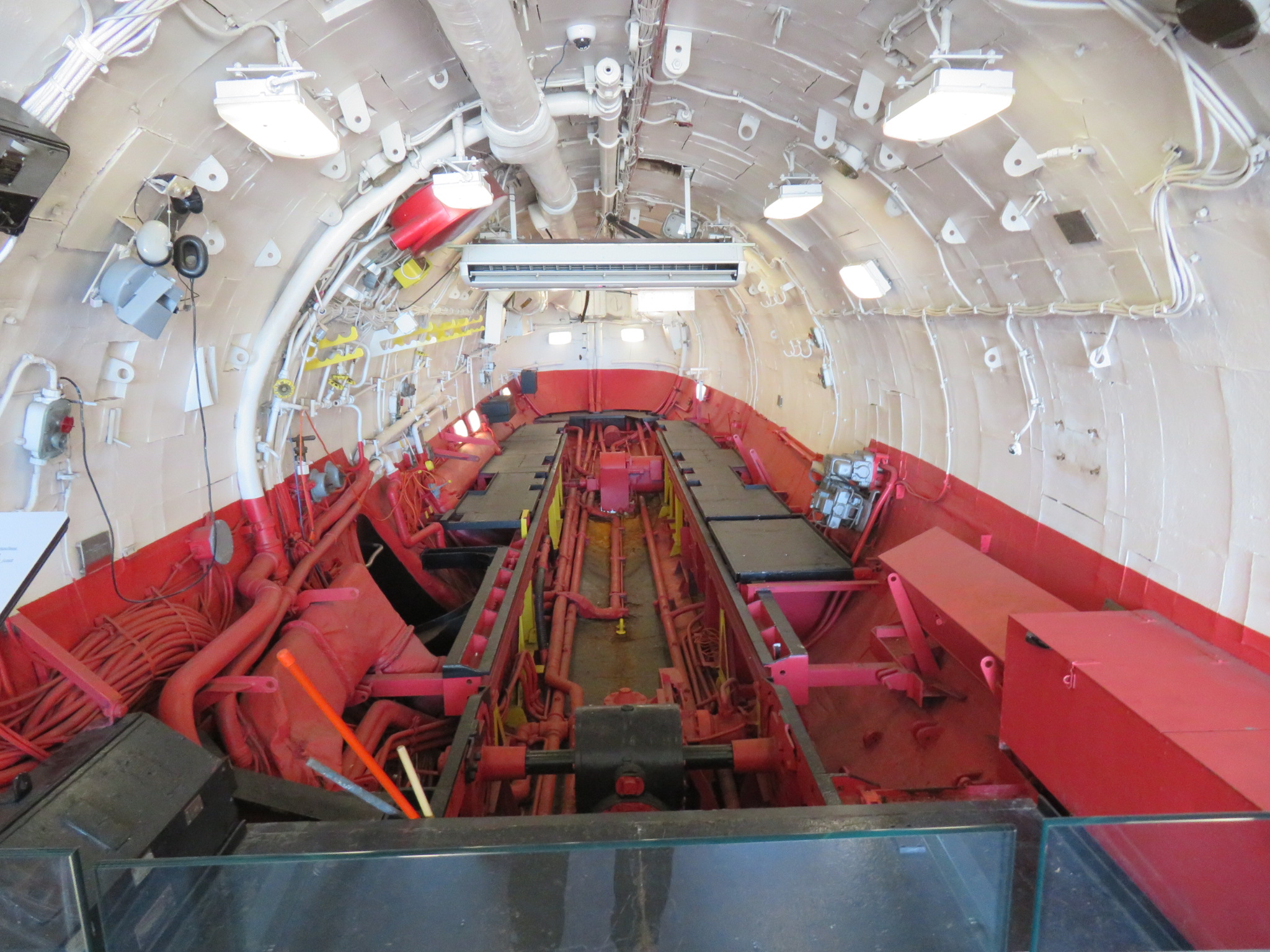
The USS Growler, a Grayback-class nuclear submarine, was added in late 1988. The Growler was intended to deliver Regulus I cruise missiles, but there were problems with this class of sub, and only two Graybacks were ever built. This sub was launched in 1958 and decommissioned in 1964. The Growler is the only nuclear missile submarine open to the public in the United States.

About 100 sailors and officers spent extended periods of time on board this sub. Quarters are tight, built to the peak of efficiency, and packed into a total space of 300 feet in length x 27 feet in width. Do not apply to be a submariner if you are claustrophobic.

A British Concorde supersonic aircraft was added in 2003. This particular airplane set a world speed record for passenger airlines in 1996, flying between London and New York in just under three hours. There are only two museums in the US with Concordes, the other is the Museum of Flight at Boeing Field in Seattle, Washington. We toured that one on a visit to Seattle in 2018, so we skipped this one.

When the museum acquired the Space Shuttle Enterprise in 2012, a new Space Shuttle Pavilion was developed. Built in 1976, the Enterprise was the first orbiter of the Space Shuttle system. The shuttle was originally to be named Constitution, but a letter-writing campaign by Trekkies convinced the White House to tell NASA to change the name to Enterprise.

Since it was constructed without engines or a functional heat shield, it was not capable of spaceflight. Its fifth and final fight occurred in October, 1977. For a few years, NASA used it to conduct tests to prepare other ships for space flight in Vandenberg Air Force Base in California. It was on display at the Smithsonian from 2003 – 2012 before being transferred to the Intrepid Museum.

We are particularly interested in the Space Shuttle, as our neighbor city, St. Cloud, Minnesota, is now home to Inspiration, a full-sized replica of a space shuttle. Felicity-John Pederson acquired the mockup in 2015, and raised funds to transport it cross-country from Florida to St. Cloud, Minnesota. My husband’s brother was part of the effort to bring it here, so they drove to the southern boarder of Minnesota on June 23 this year to greet it as it crossed border, then accompanied it to its temporary home in south St. Cloud.

Next efforts will be devoted to finding a permanent home, and building a museum to house the Inspiration.

This afternoon, I took a walk to Bryant Park, home of a Winter Village with its own ice skating rink. I didn’t expect it to open already, but plenty of people were here enjoying the sunny day on the rink. The Winter Village opened just last week, on October 25, and will remain open until March 2, 2025. Beginning in 2002, a Holiday Market, modeled after a traditional German Christkindlmarket, surrounds the rink.

Not far from Times Square, I came across the Midtown West Spring Fair, with food, crafts and live music. Here, too, many people were out enjoying this lovely day in New York City.

We left New York City at around 3pm today, heading to Norfolk, Virginia.

Posted in New York, New York, New York City Travel, Spacecraft, USA Travel | Tagged , , , , , , , | Leave a comment

The Ghost Army and Deception in WWII

Friday, November 1, 2024

We cruised today toward New York City. We always enjoy a sea day, a time to relax and catch up, get a massage, walk the Promenade Deck (although it was too windy for that today), watch a movie or read a good book, listen to some of the speakers who are sailing with us. Crystal always has interesting speakers scheduled for these sea days.

One of the speakers is Jim Brochu, who talks about the life of Lucille Ball, and his close friendship with her. We heard this presentation on an earlier cruise, and found it to be very entertaining.

Later in the morning, Rick Beyer, history enthusiast, author, filmmaker, spoke about the Ghost Army of World War II. Beyer also leads Ghost Army tours in Europe.

The 23rd Headquarters Special Troops, established in early 1944, was the first tactical deception unit in US Army history. Just over 1,000 men, with about 80 officers served under Colonel Harry L. Reeder. The 23rd took part in 22 large-scale operations in Europe, in which they simulated other divisions using artwork, inflatable tanks, radio transmissions to fool the German forces, including inflatable tanks and equipment, pre-recorded artillery activities and fake radio broadcasts that mimicked those of other troops. Some soldiers even wore false patches, drove equipment with false insignia, and spent time in local towns spilling false intel. During the days leading up to D Day, they created dummy artillery placements at Omaha Beach to draw fire from the Germans, distracting them from the real army that was preparing to invade. These efforts helped save thousands of American lives during World War II.

Some of the better known participants in these deceptions included Bill Blass, fashion designer; Ellsworth Kelly, painter; Art Kane, photographer; Arthur Singer, wildlife artist. These unsung heroes are just a few of the many members of the “Greatest Generation.”

Following the war, the unit’s soldiers were sworn to secrecy, records were classified, and equipment packed away. The public knew nothing about these operations until an article appeared in the Smithsonian magazine in 1985. Beyer, along with others, lobbied Congress to have the Ghost Army awarded the Congressional Medal of Honor. His group was finally successful, and the medal was awarded earlier this year. A few of these brave soldiers are still alive, and were present to received the medal.

The National World War II Museum in New Orleans developed a traveling exhibit called Ghost Army: The Combat Con Artists of World War II that is available to museums and history organizations. Aside from that, the WWII Museum is well worth the time to visit.

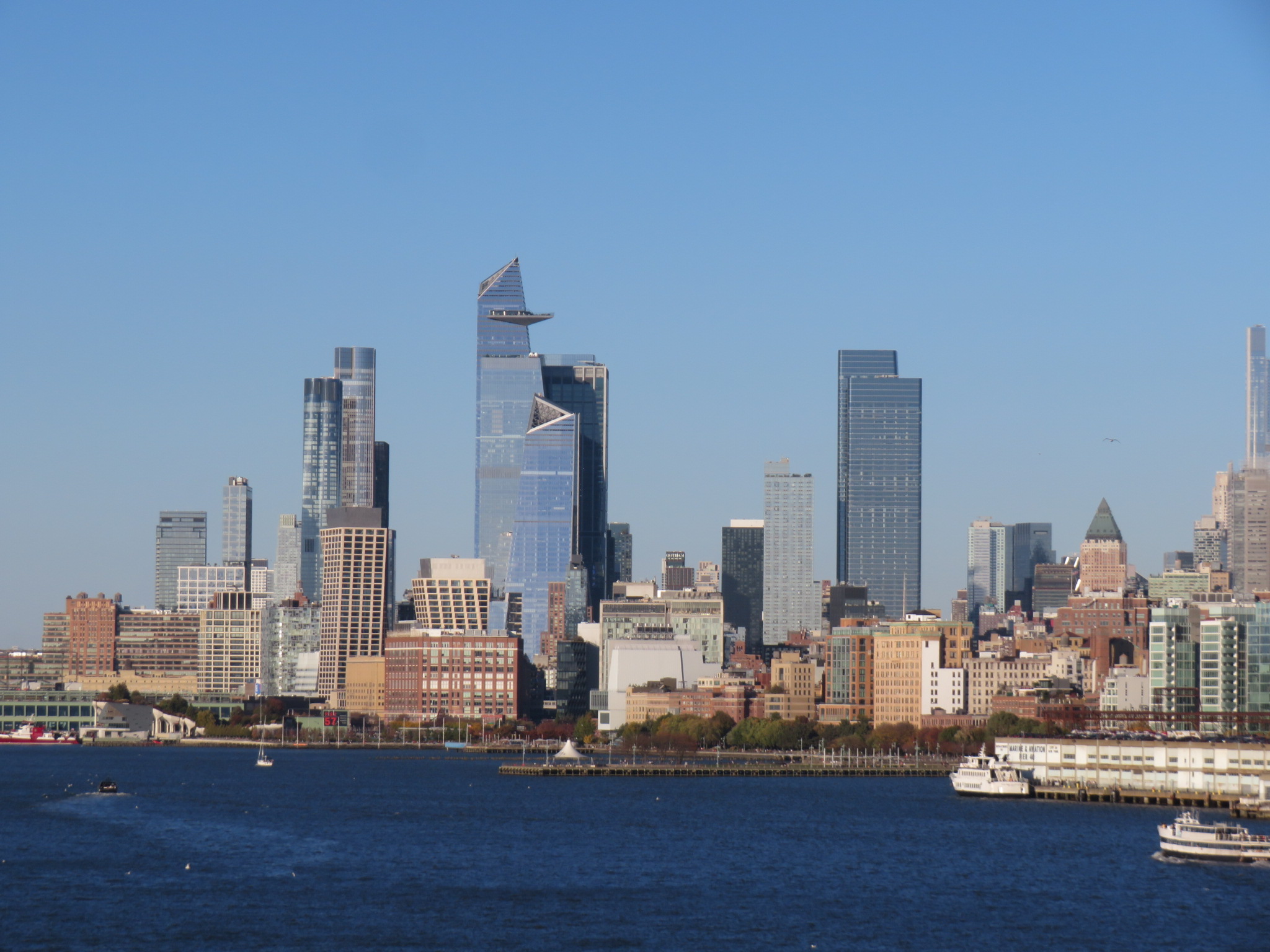
This afternoon, we sailed by Long Island on our way to New York City, and arrived at port around 5pm. The views of New York City never fail to amaze.

Posted in New Orleans, New York, Uncategorized, USA Travel | Tagged , , , , , , , | Leave a comment

Boston, Continued

Thursday, October 31, 2024

Happy Halloween!!

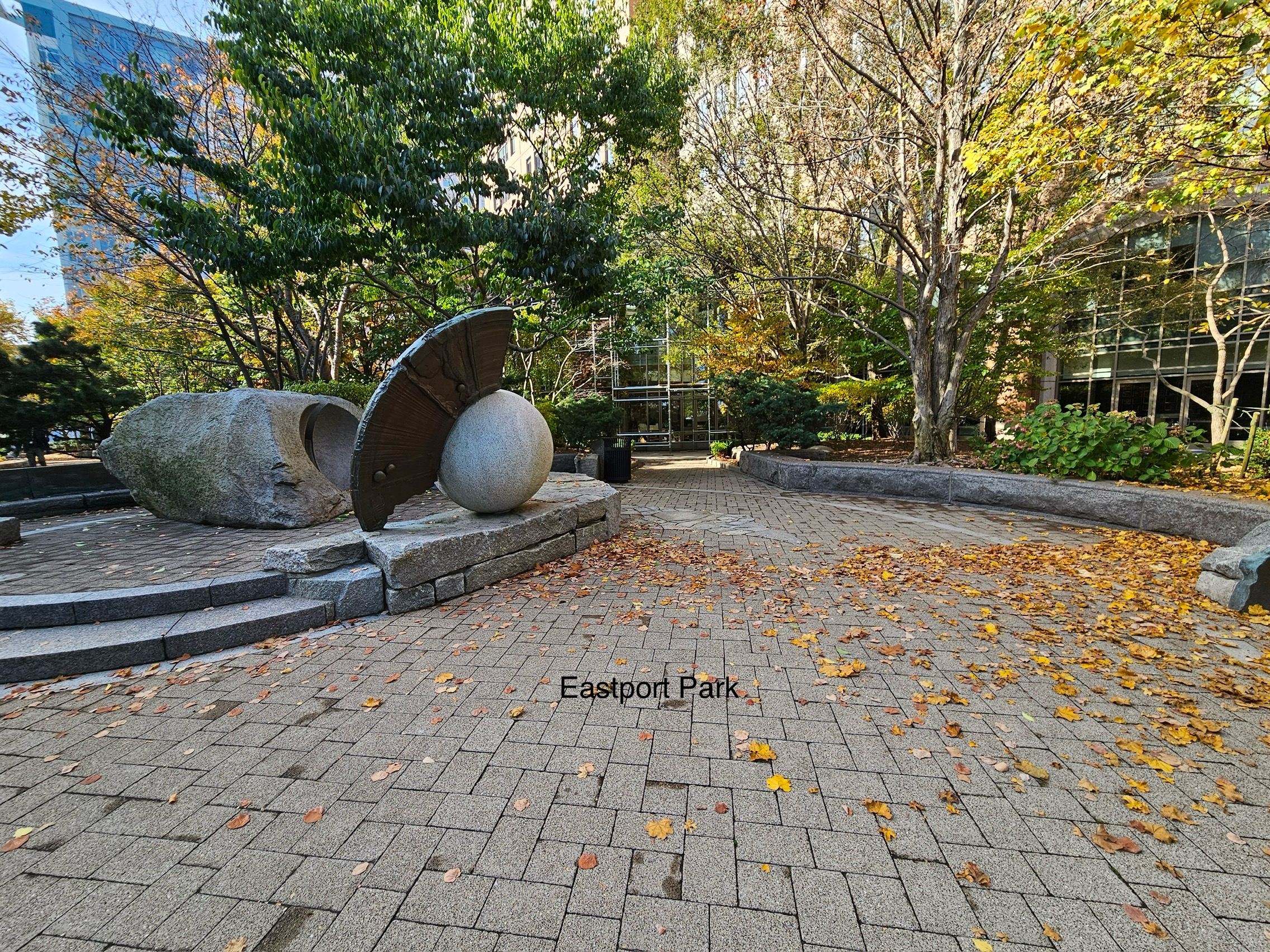
It was a beautiful day for a walk, so I took advantage of that this morning, heading toward the site of the Boston Tea Party. On the way, I stopped at two lovely parks, Eastport Park and Martin’s Park.

Martin’s Park is intended to be a climate resistant park, with plants, stone and wood to connect children to nature.There is a climate stripes project designed by Professor Ed Hawkins, a climate scientist at the University of Reading, United Kingdom. Each stripe represents a year, starting in 1850 and going to 2023, with colors that represent the average global temperature for that year. As you can see, the stripes are progressing from blue and dark blue to light blue, coral and red.

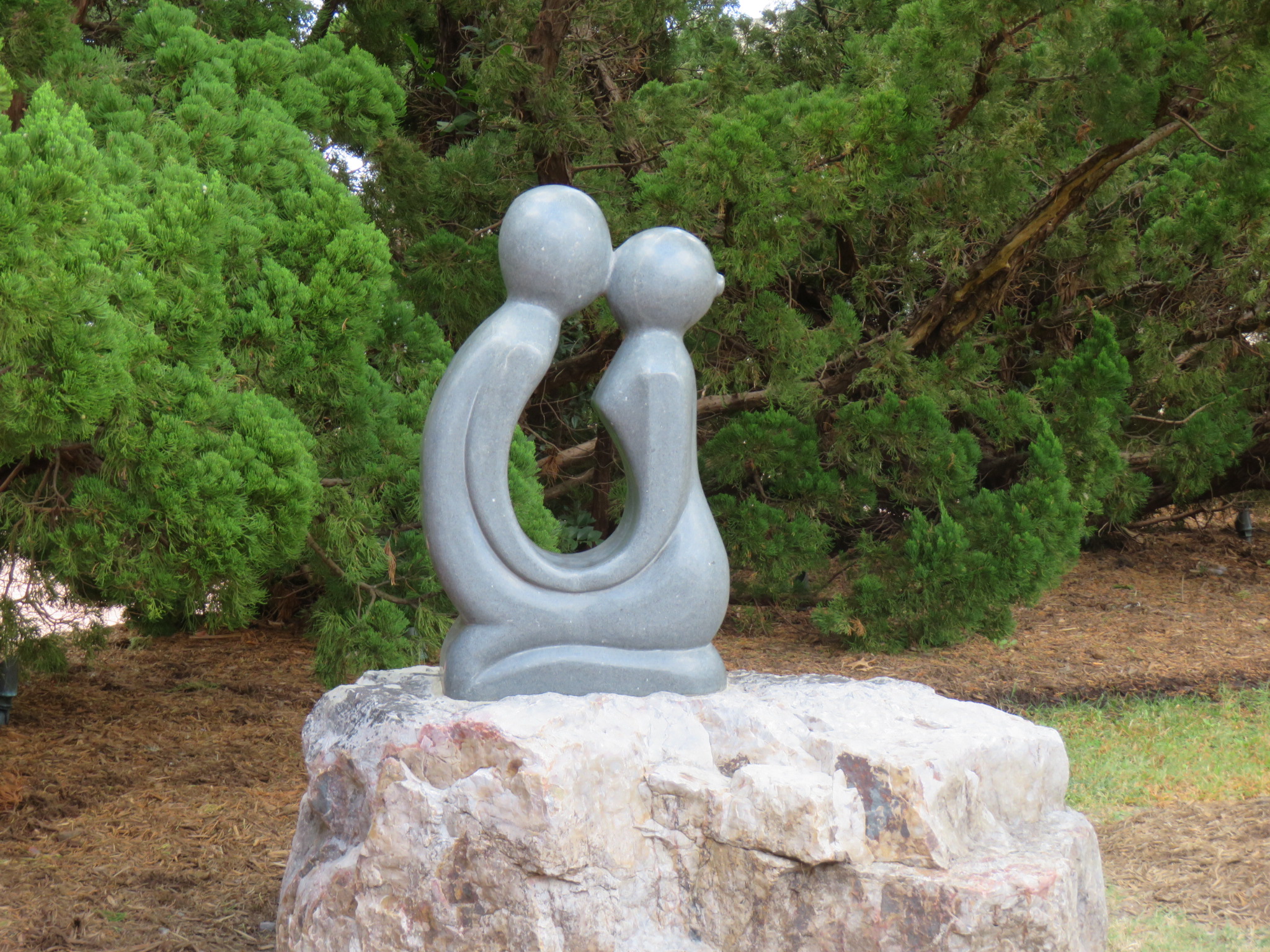
As I walked on, I noticed several delightful sculptures along Seaport Boulevard, plus a campaign sign for Seaport’s First Ever Dog Mayor, election to be held tomorrow. May the best pooch win.

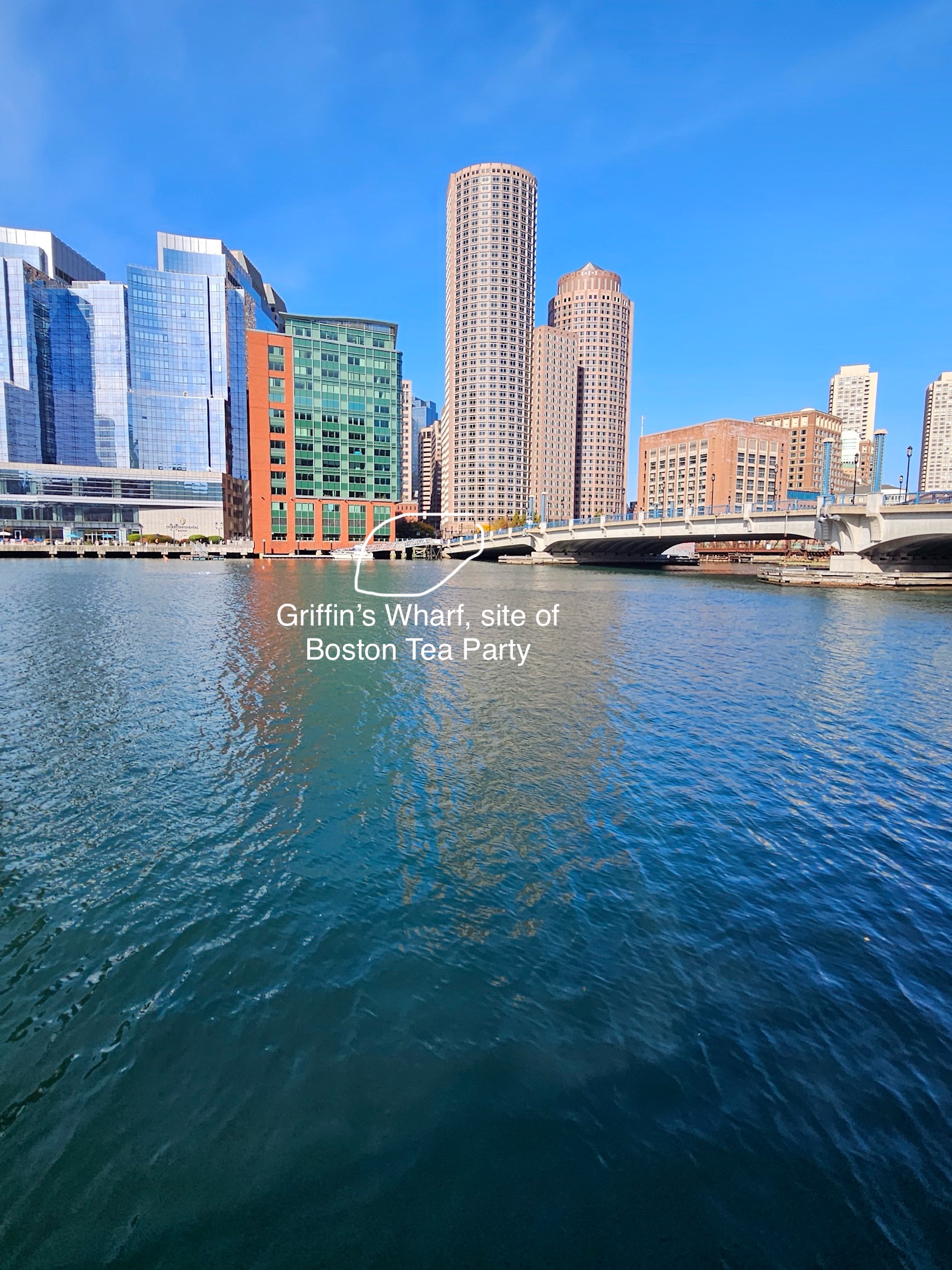
The Boston Tea Party took place at Griffin’s Wharf, now named Independence Wharf, located in front of the Intercontinenal Hotel.

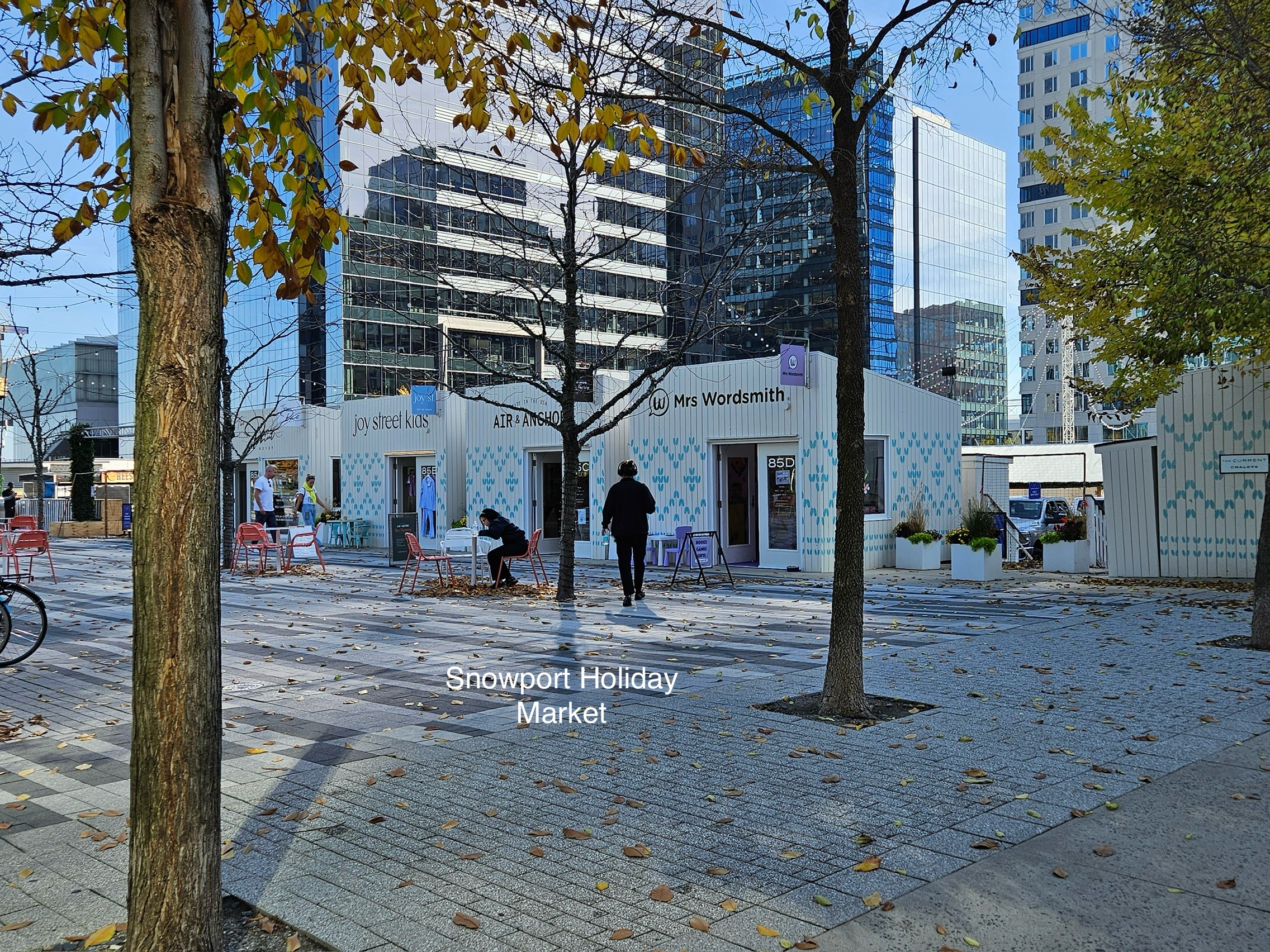
Returning to the ship, I came upon some “pop-up” shops. This site will host a Holiday Market – Snowport, with shops that will be up between November 8 and December 29.

The ship is getting ready for a Halloween Party this evening. Some of the crew have created Jack-o-Lanterns for us to vote on. Hard decision!

We left port at 4:00 pm today, heading next to New York City.

Posted in Crystal Cruises, Massachussetts, USA Travel | Tagged , , , , , , , , , | Leave a comment

Boston

Wednesday, October 30, 2024

We’ve been to Boston before, and have already experienced some of the main attractions: The Freedom Trail, Faneuil Hall, USS Constitution, Bunker Hill, etc. We even had drinks at the Bull & Finch Pub, whose exterior was used for the old sitcom “Cheers.” The Pub was renamed Cheers in 2002.

Prior to Europeans, the Boston area was inhabited by the Massachusett people, for whom the state is named. The name means “At the Great Hill.” After Europeans arrived, many of the native people died of various illnesses, and the fertile lands were mostly taken over by British settlers.

The area was settled by Europeans in 1625, and Boston became incorporated as a town just five years later. Boston was a Puritan stronghold, and with their focus on education, the first American public school was established in 1635 – Boston Latin School.

Today, the population of Boston is about 650,000. The population peaked at just over 800,000 in 1950, declined significantly for a couple of decades, and seems to be growing again. It is home to several renowned universities – Harvard, MIT, Tufts – plus more than 50 other colleges and universities. Boston’s ten largest employers are all medical facilities, including Brigham and Women’s, Massachusetts General, Beth Israel, and Boston Children’s.

Before docking around noon today, we enjoyed two presentations. The first was by Bill Cashell on the Salem Witch Trials, titled “Terrified Towns – Tales of Witches & Vampires of New England.’ We had hoped to do an excursion to Salem on this cruise, but the town of Salem is overcrowded at Halloween, so it was not an option.

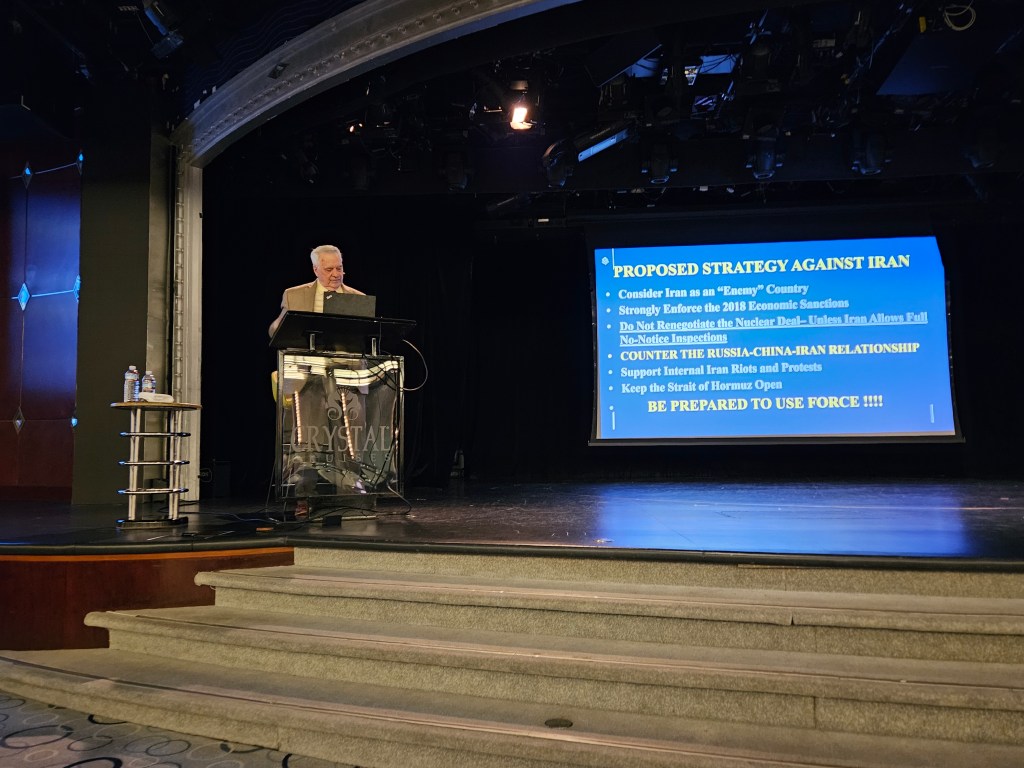
Our second presentation was by General Nick Halley, about the “Islamic Republic Iran – Quest for Mideast Domination – Future Nuclear Power?” This is certainly disturbing, and General Halley does an excellent job of presenting the situation in layperson’s terms.

After a mandatory Immigration inspection, we headed to the Quincy Market area for a while, did a little shopping for those items we forgot to pack. Even with a checklist, we forget things. I wonder how much worse it would be if we didn’t have that checklist!! While there, we came across an Irish Famine Memorial. I’m always interested in that, since some of my own ancestors came during the famine.

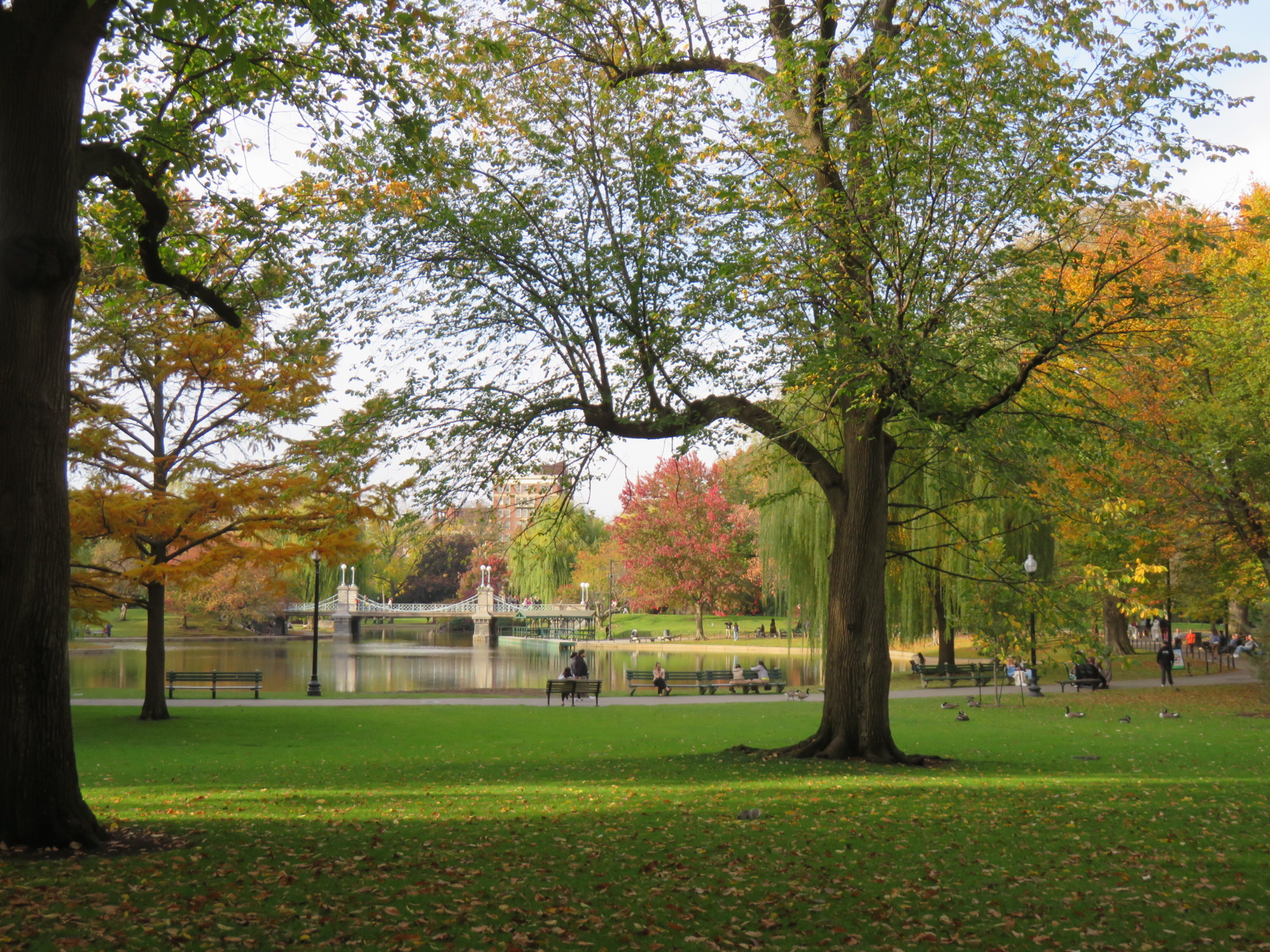
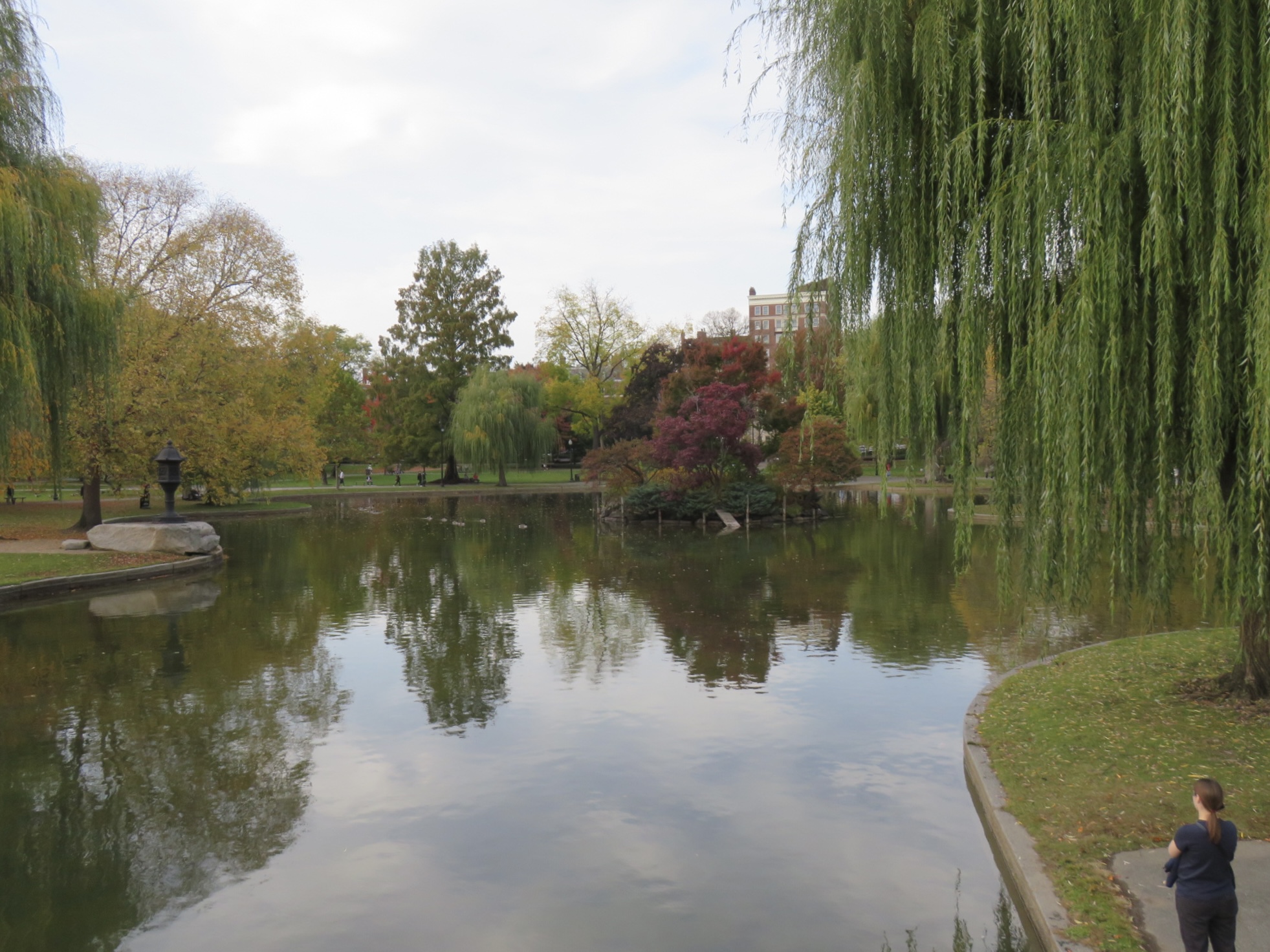
We walked through Boston Common, hoping to see the Swan Boats, but, of course, it’s too late in the year for them. Nonetheless, the park was lovely, with lots of people enjoying a beautiful fall day.

Posted in Massachussetts | Tagged , | Leave a comment

Cruising on Serenity

Tuesday, October 29, 2024

No, that’s not the same Serenity from the movie, and short-lived TV series: Firefly. There is no “Captain Tightpants” on board this ship. The few of you who ever saw the series will know what I’m talking about.

Today is another sea day for us. We entered the Atlantic Ocean sometime during the night, and are headed to Boston where we dock tomorrow.

The ship hosted an Open House of staterooms today, giving us the opportunity to view the different options, in case we want to upgrade next time we cruise with Crystal. We do like the cabin we have, with its aft location. From here, we can step outside and climb up or down to the other decks, quite convenient when it isn’t raining or snowing. The temperature is much nicer today – sunny and in the mid-60’s.

So, Crystal opened up nine staterooms, starting with the Double Guest Room with or without veranda (215 square feet), not too cramped for a shorter cruise. Next up, at 323 square feet, are two versions of the Aquamarine Veranda Suite, Classic and 2018 redesign. We had stayed in a Classic when we cruised around South America (at that time, I believe it was considered a junior penthouse). On this trip, we are staying in the redesigned Aquamarine, which we find to be quite comfortable.

Next up is the Sapphire Veranda Suite, classic, 2018 redesign and 2023 design, 430 square feet. Many of the rooms were redesigned after Abercrombie and Kent acquired Crystal’s ships.

Next is the Junior Crystal Penthouse, 645 square feet, which we could definitely endure for a long cruise.

But the one that made us want to ask for an upgrade right away is the Crystal Penthouse, at 1,265 square feet.

Even the Double Guest Room with Ocean View would be better than what the Pilgrims had when they sailed to Plymouth Rock. Initially, there were to be two ships, one for passengers called the Speedwell, and one for Cargo – the Mayflower. Unfortunately, the Speedwell proved to not be seaworthy. Two attempts to sail ended when the Speedwell began leaking badly. The 102 passengers then boarded the cargo ship, which was definitely not designed for passengers. They were assigned the middle deck, with a living area 25 x 80 feet, only 5.5 feet in height. There were no beds, chairs, tables, and no room to stand if you were a tall person, rather wretched conditions for two months of travel. They were not allowed to go onto the top deck as that was the domain of the captain and crew.

We learned about that trip, as well as the first meeting with the Native Americans, and the First Thanksgiving from speaker Bill Cashwell. After the Pilgrims had been there a few days, they were approached by a group from the Pokanoket tribe, who then brought Tisquantum (also called Squanto) who was living with the Wampanoags and spoke fluent English. He had been captured some years before by an English slaver, taken to Spain and sold. He was ransomed by Franciscan monks who educated him. Tisquantum was a Patuxet, but his tribe had been wiped out by epidemic while he was gone. He went to live with the Wampanoags.

Only half of those original Pilgrims survived their first year in the New World, and those only because of the assistance they received from the Pokanokets.

Tonight’s entertainment was a Broadway performance by Crystal’s singers and dancers, with music from “Something Rotten,” “West Side Story,” and “Rent.” Might have to make an effort to see “Something Rotten,” about two brothers in 1590s London, who set out to write the world’s first musical.

Posted in Crystal Cruises | Tagged | 2 Comments