Santorini, Greece

Saturday, April 27, 2024

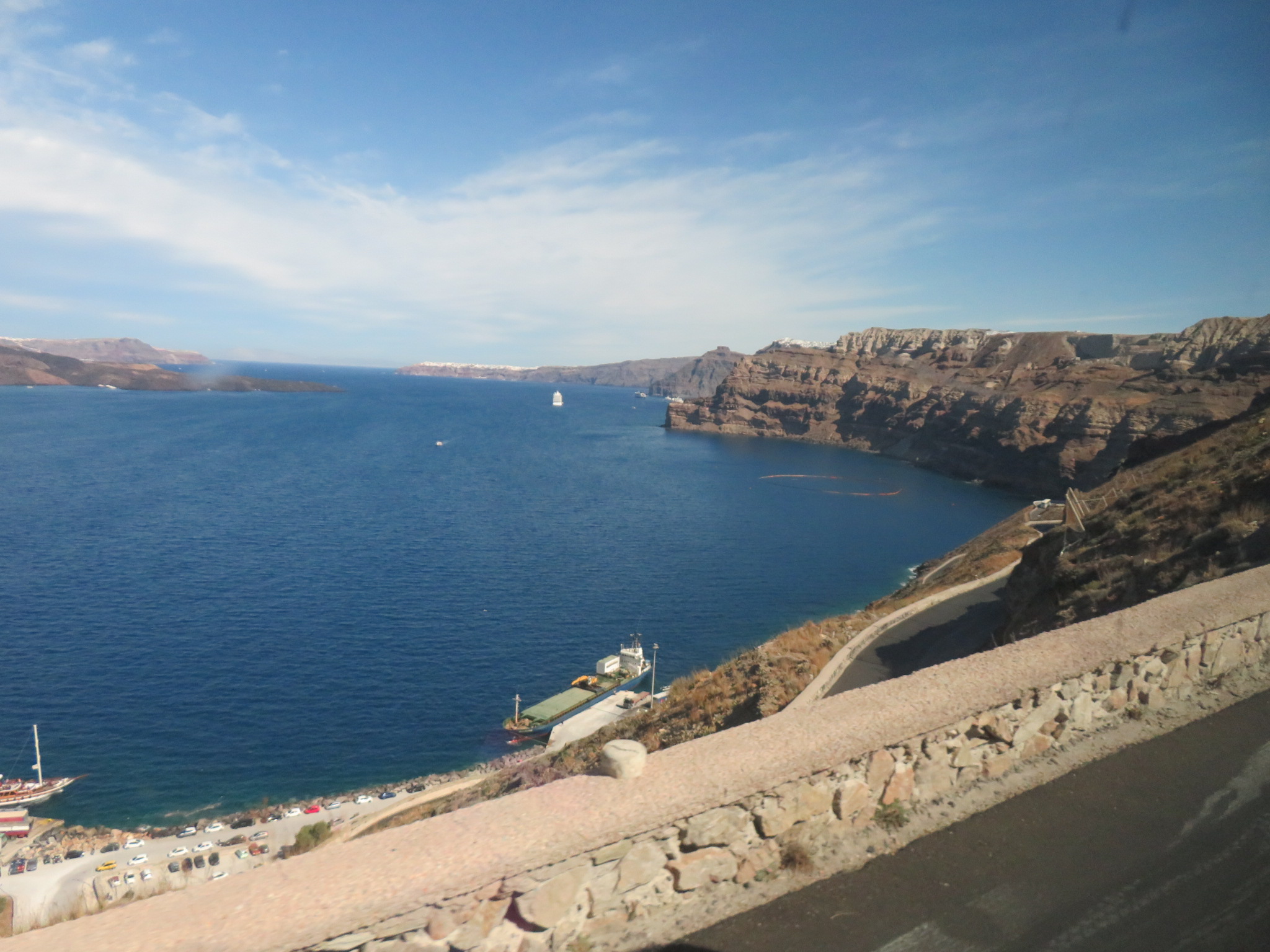
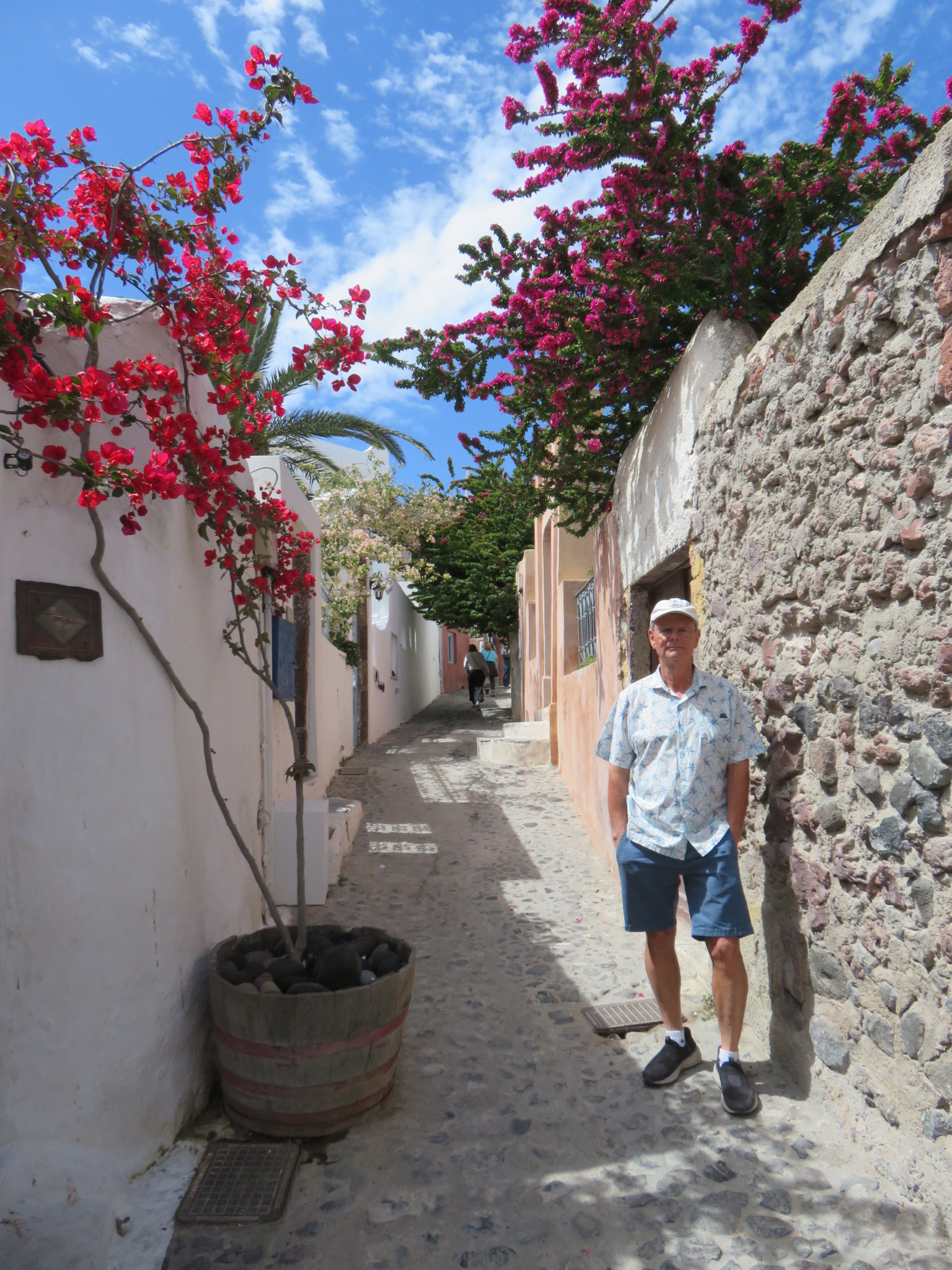
Santorini is one of the seven Ionian Islands, and is named for St. Irene. We tendered from the ship this morning to Santorini’s main port at Athnios, then took a ride to the village of Oia on the north end of the island. Oia, pronounced Ee-ya by the locals, enjoyed prosperity in the 19th and 20th centuries with its merchant fleet that traded in the Eastern Mediterranean, from Alexandria to Russia. Oia had suffered extensive damage from an earthquake in 1956, and it was redeveloped into a tourist town. In 1976, Oia was included in a program for preservation and development of traditional settlements, and has received a number of prizes for its work.

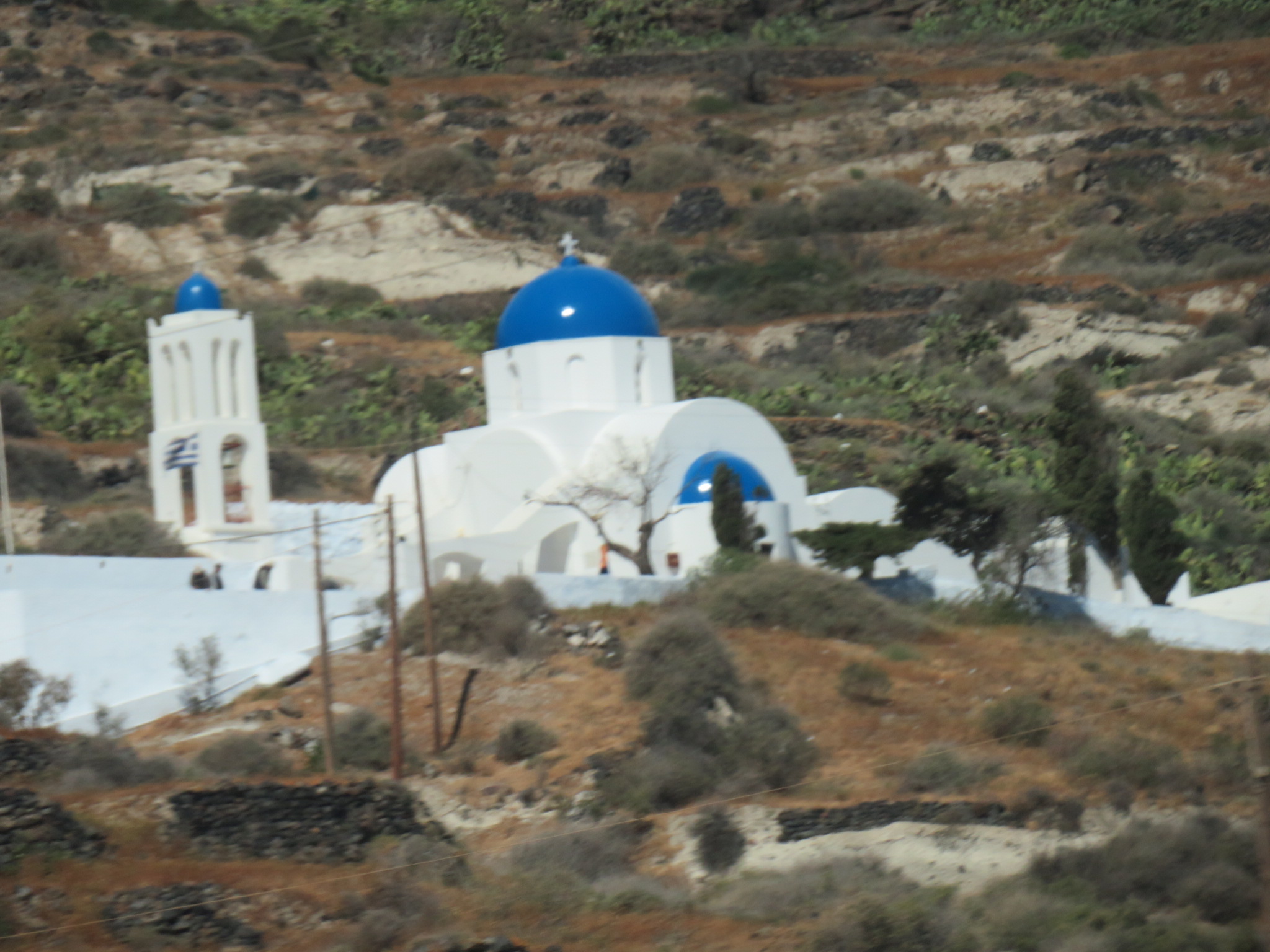
Oia is built on the steep slope of the caldera that forms the island of Santorini. The roads to get there have several hairpin curves. Oia’s houses and restaurants are built into niches carved into the caldera. The homes are typically painted white, and trimmed and roofed in blue. Many of the churches have blue roofs as well. The buildings are freshly painted twice a year, just before Christmas, and just before Easter. Since their Easter is next week, everything is very bright.

In 1970, the government decided to bring electricity here. Churches got priority for the connections, at no charge. The residents here decided to improve their positions in line for electricity, so many of them built small churches on their property.

At the pinnacle of the village of Oia is a ruined castle which was the seat of the Argyri family during Venetian rule. With its 360 degree view, it serves as a lookout point. An old windmill in town often appears on postcards. This windmill can only be seen from a house in the town, so tourists don’t get to replicate that shot.

Our time in Oia was very short. We went to the area that’s billed as the best scenery, then did a “point, focus and shoot” one more time. We did have enough time to enjoy gelatos at Lolita’s. Our guide said it was the best gelato in Santorini, and it was very good indeed! As we traveled between cities, we noted that most of the houses have arched roofs, which are resistant to earthquakes.

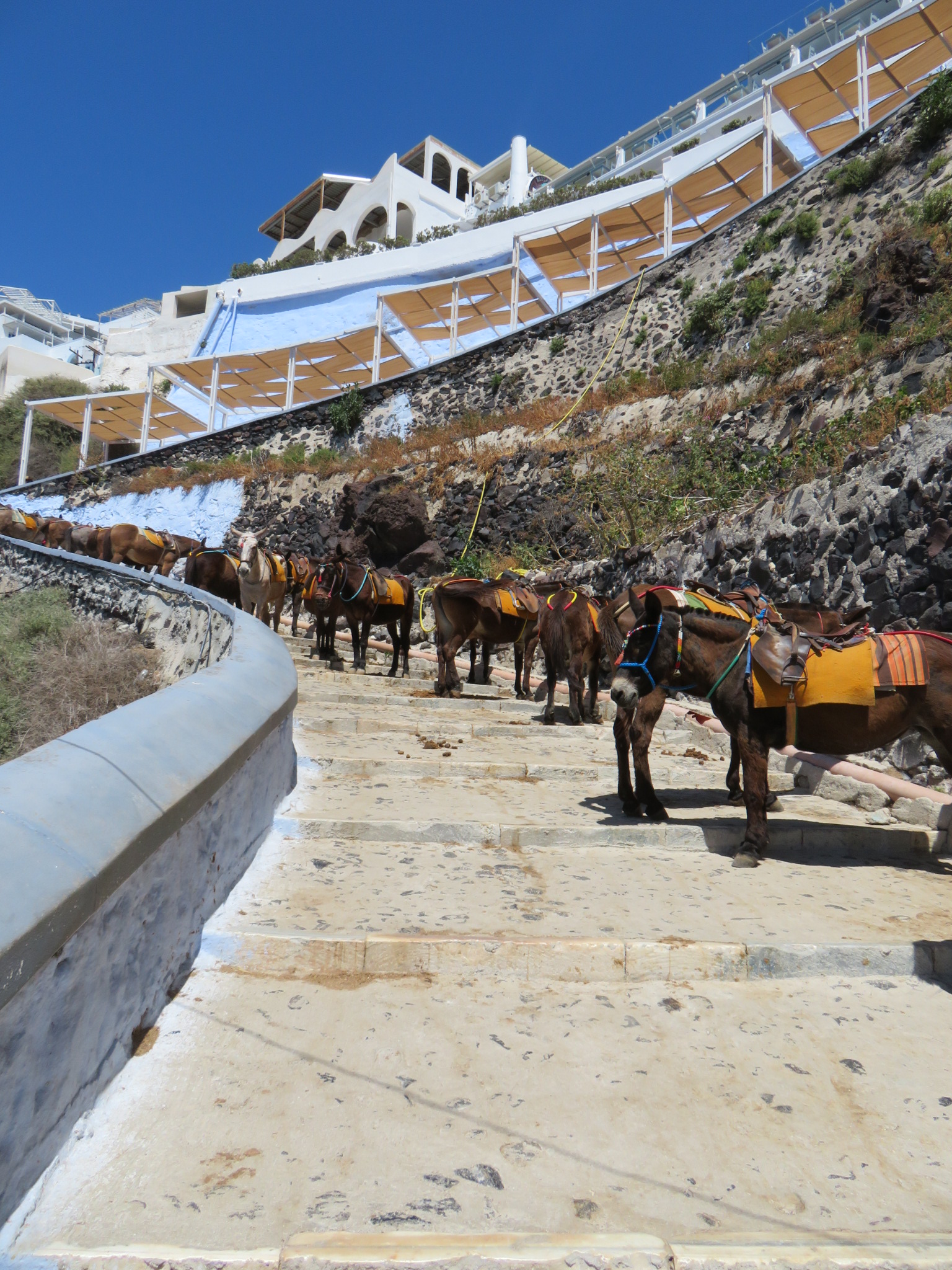
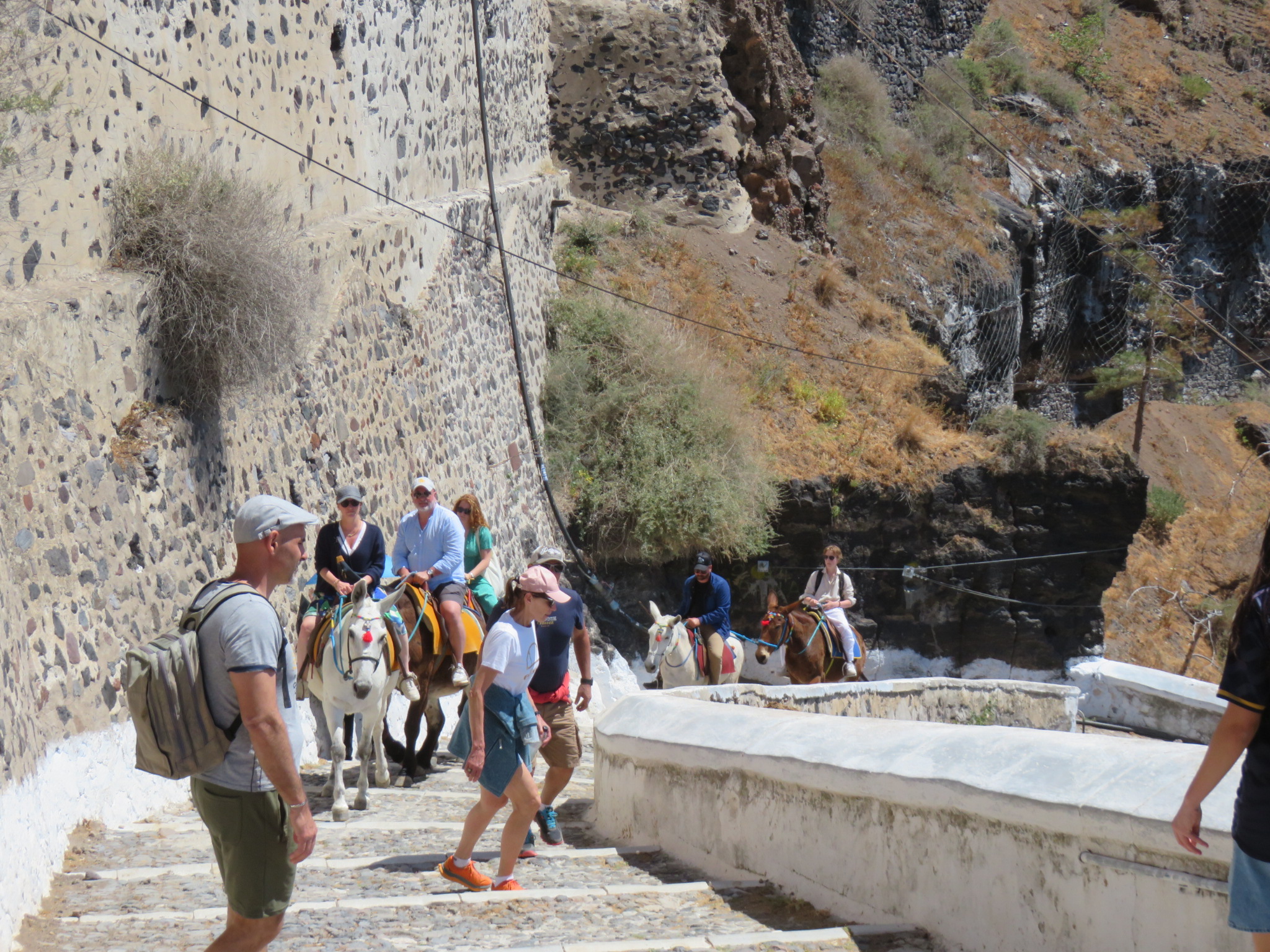
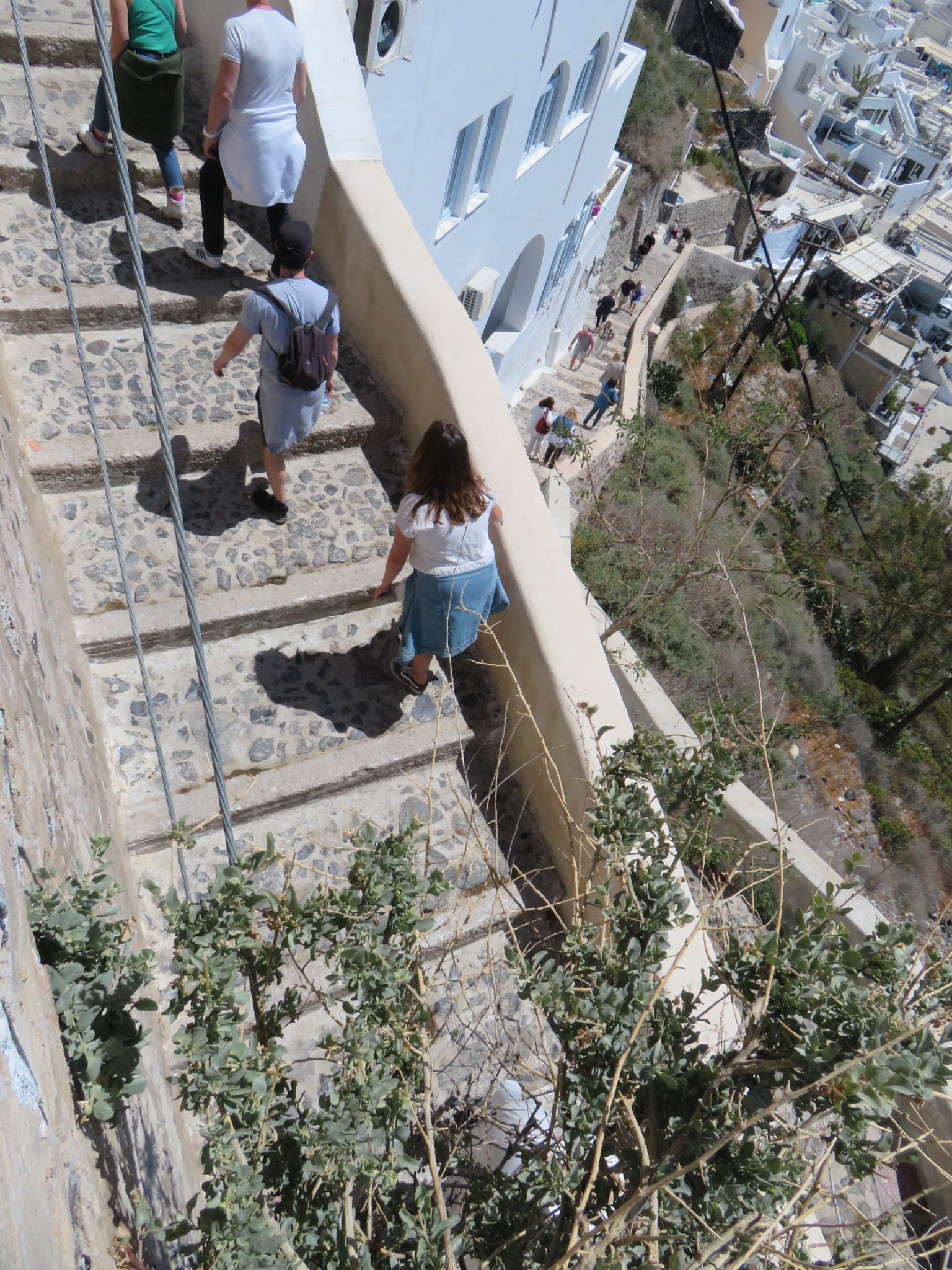
Our second stop was at the city of Fira, mostly to give us a chance to purchase souvenirs. To get from Fira back to the old port, we had three options: ride a donkey down (very smelly,) ride a cable car (long, long line waiting,) or walk down 600 steps (trying to avoid the donkey leavings on the way.) We chose the steps, a switchback route which took about 30 minutes. Those steps are well spaced, so our actual footsteps were much greater than 600. They are also somewhat treacherous, between the donkey droppings and the slope, so I think we should get credit for 3,000!

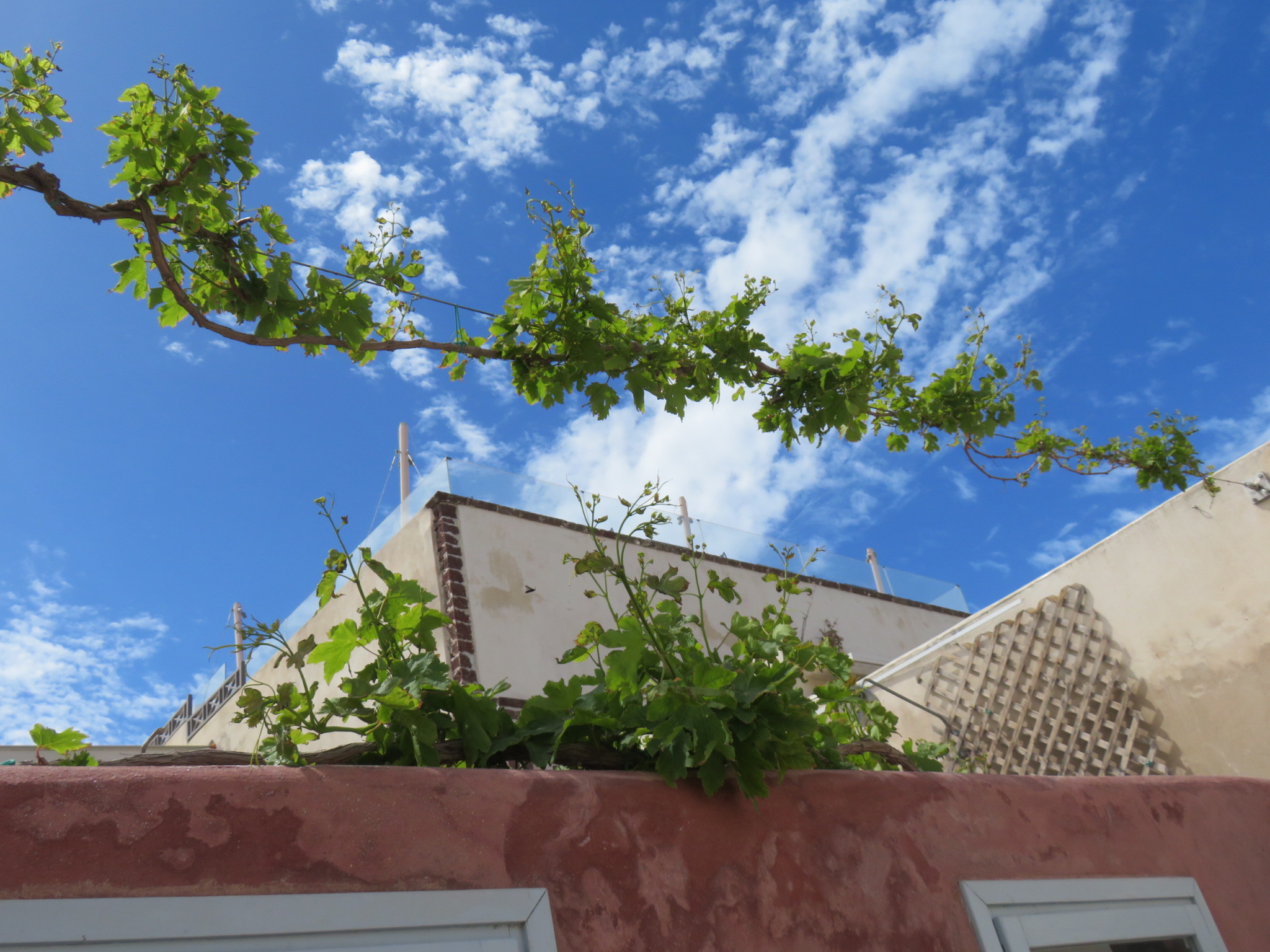
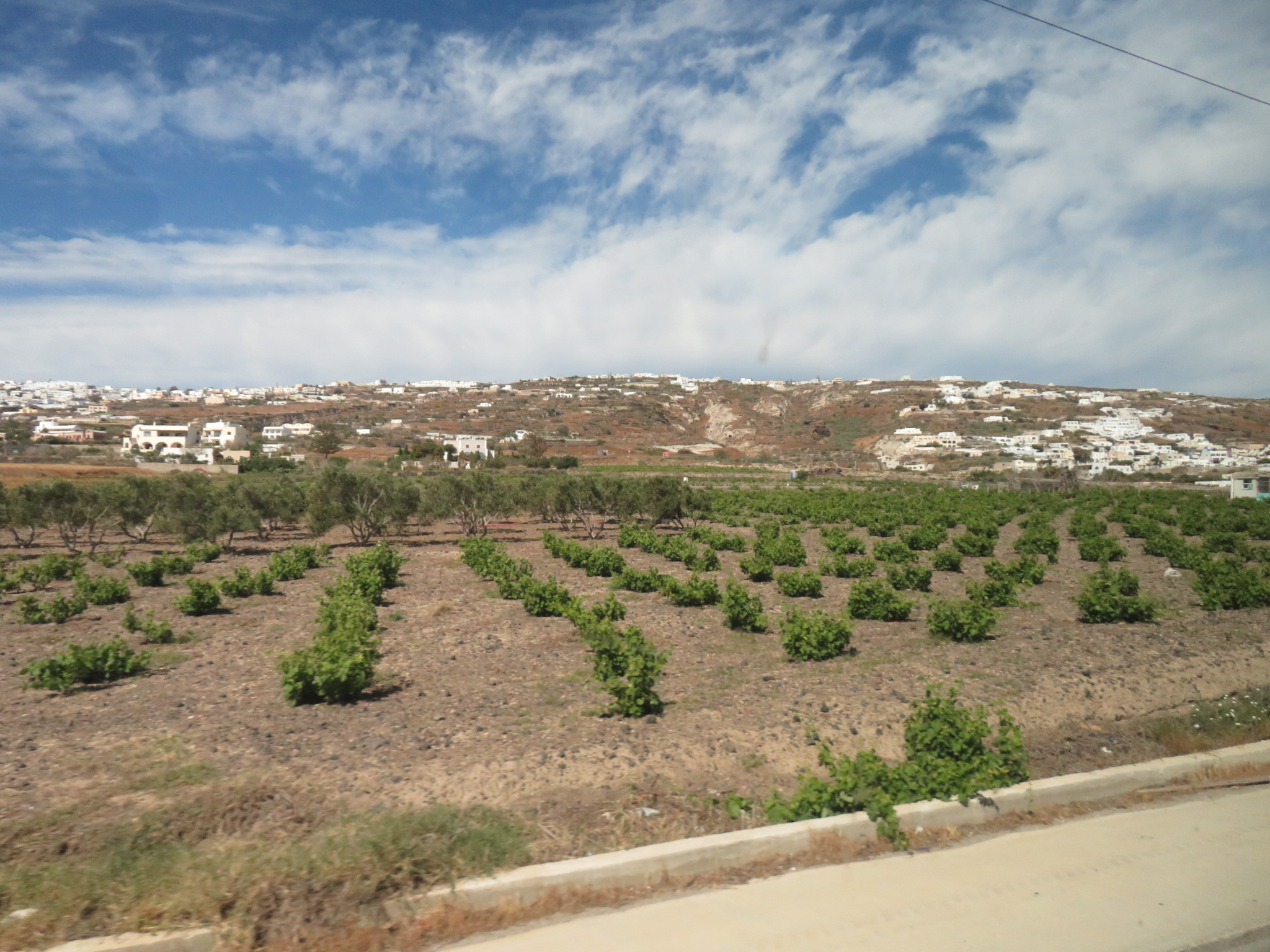
There are many vineyards here on Santorini, with roots that can be several centuries old. These old vines are very valuable because the roots have grown deep into the soil, allowing them to reach any moisture that is available. Rather than the grapevines we are used to, the grape growers here use a bush-training system (koulara). The vines are woven into baskets with the grapes facing the center of the ring. Leaves and vines protect the grapes from harsh winds and sunlight. Dew will accumulate in the baskets bringing much needed moisture to the plants as well. Santorini has no natural source for fresh water, so it had to be brought in to the island. Now there is a desalination facility on the island so they can use water from the sea.

Sunsets are spectacular in Oia, which is located on the northern part of the island, and people gather every evening at Sunset Serenade point to enjoy it. We will have left port before that time – alas! At the southern end is the Akrotiri archaeological site. Akrotiri was a Minoan settlement that was destroyed by a volcanic eruption around 1600 BC, one of the largest in human history. After that eruption, the islands of Santorini formed a continuous ring of islands, with only one entrance from the outside. Later eruptions caused the form we see today, with a few islands surrounded by Santorini and Thirasia. Approximately 200 feet of volcanic materials. Archaeological excavations were started in 1870. Unfortunately, we were not able to visit the site today. Too much to see, too little time!!

Posted in Uncategorized | Tagged , , , , , | Leave a comment

Ancient Olympia

Friday, April 26, 2024

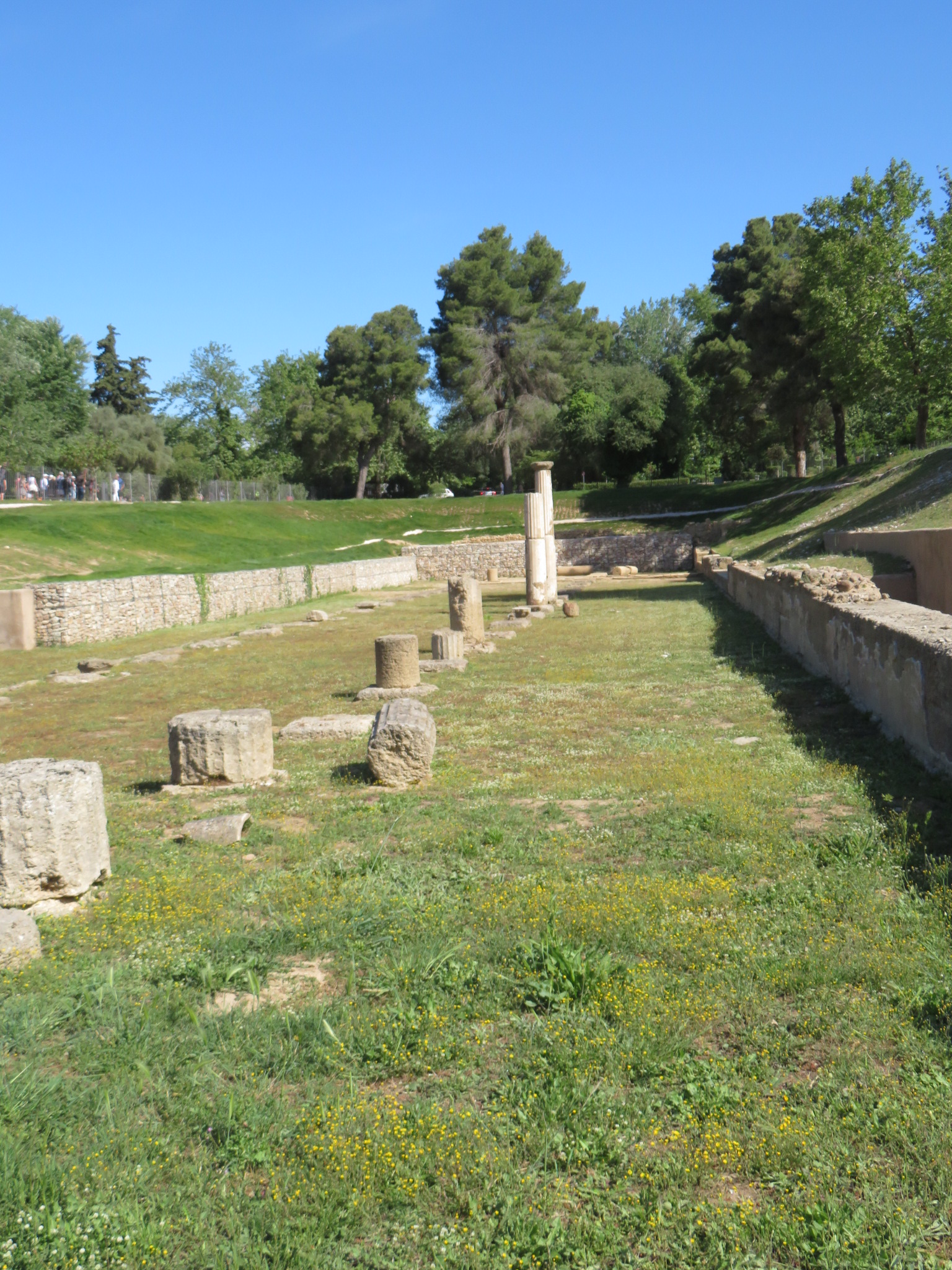
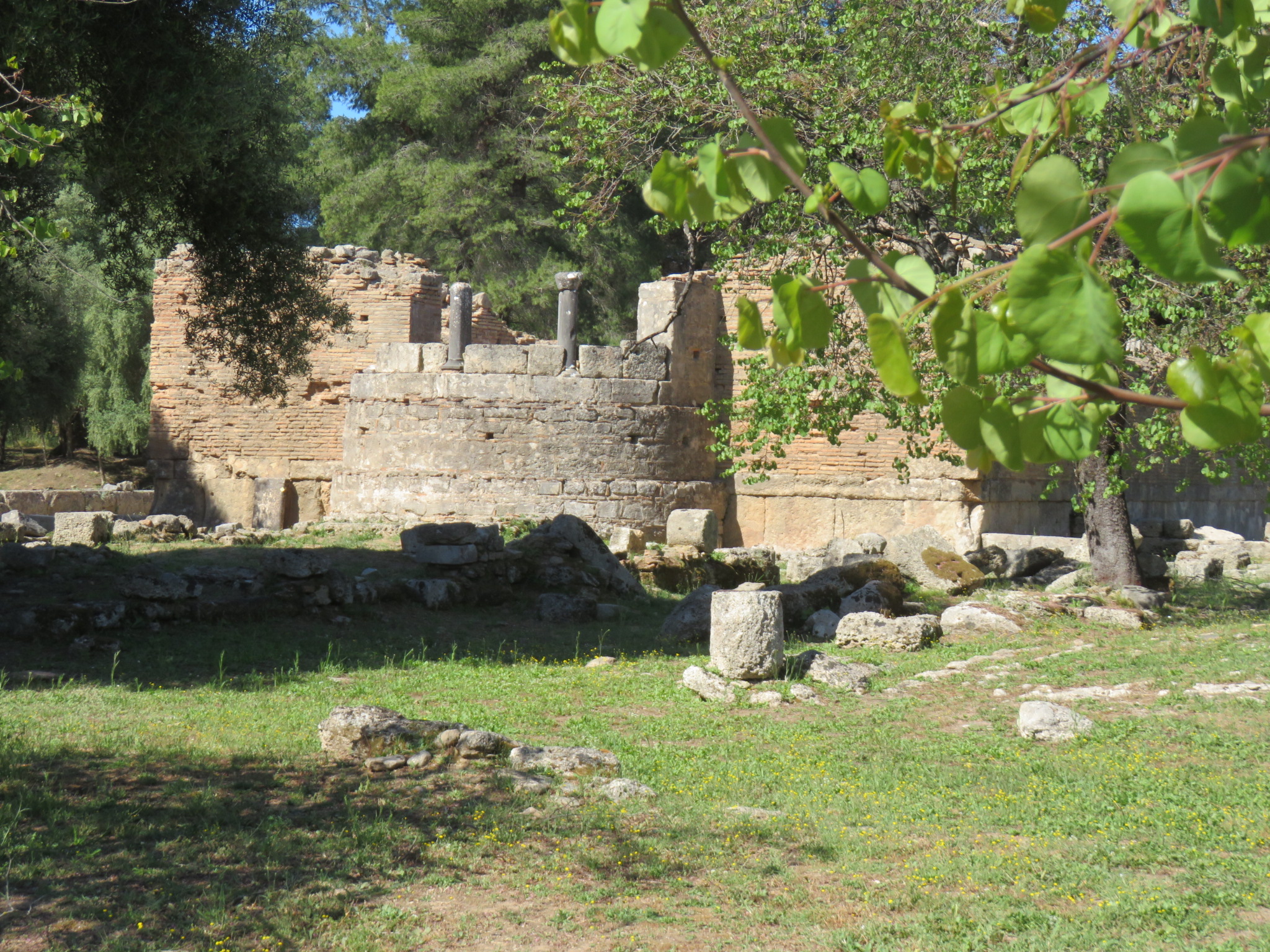
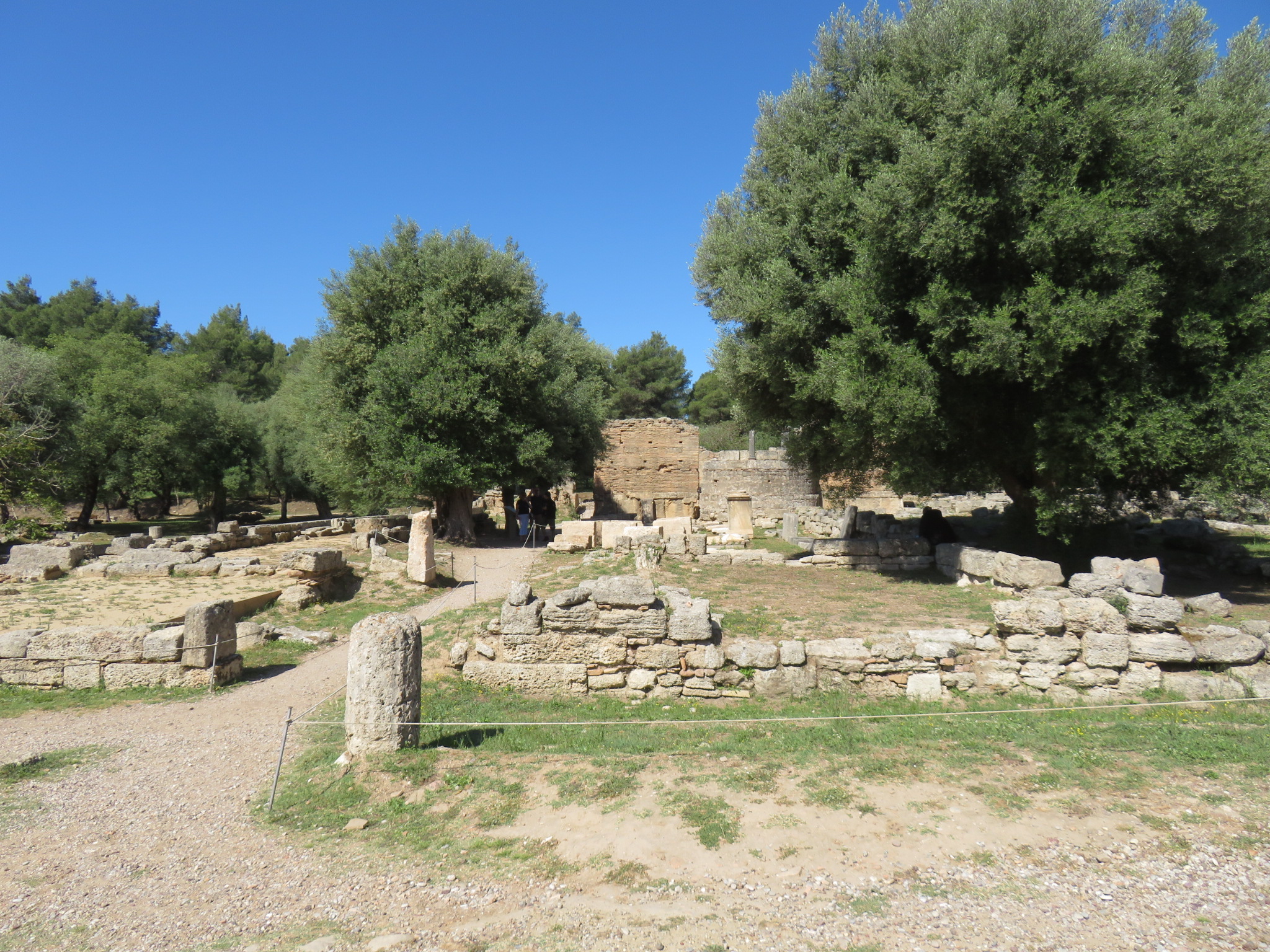
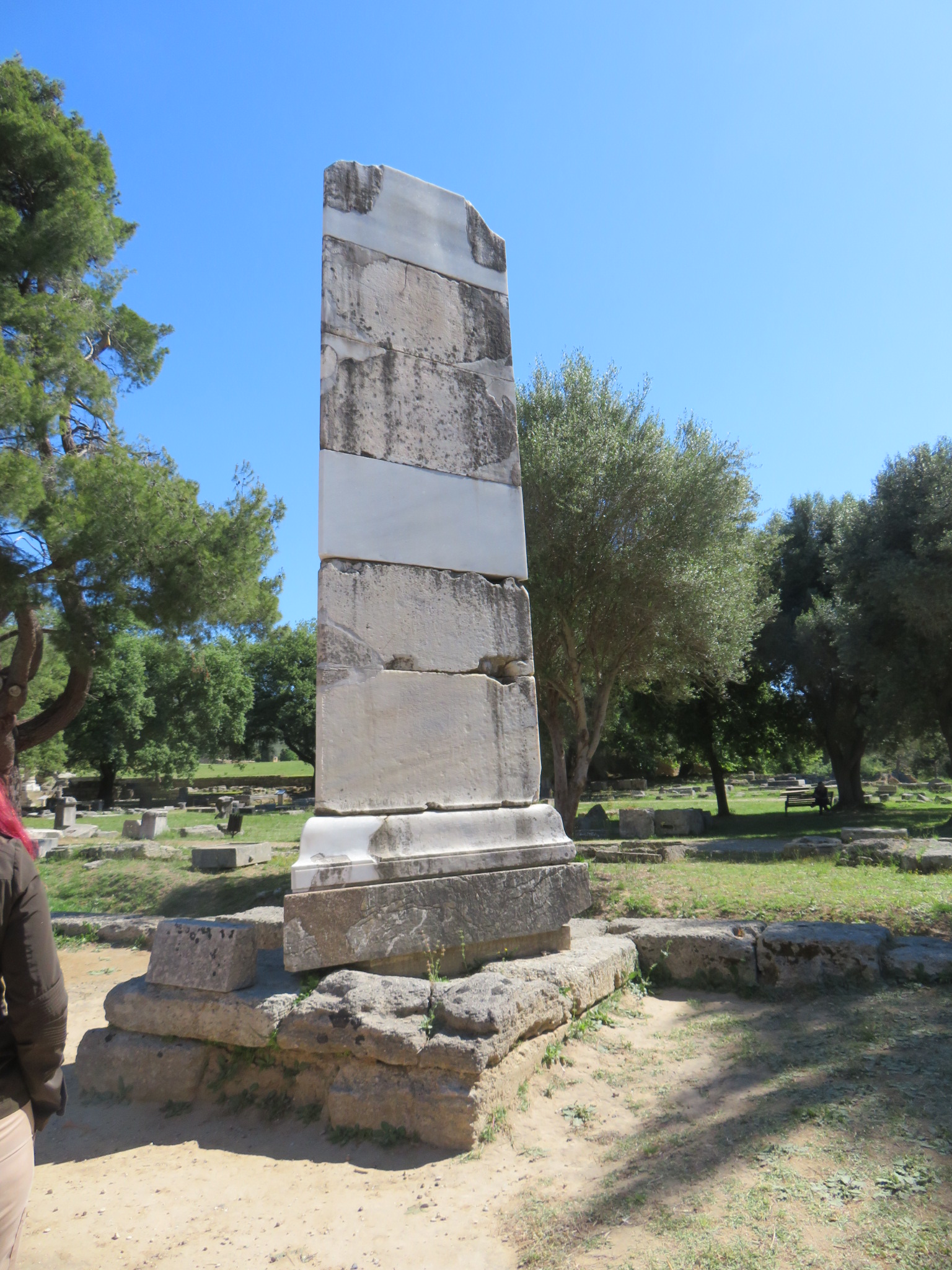
When we visited Athens in 2012, we visited the site of the first modern Olympic Games in 1896, which is located about 60 miles east of the ancient site of Olympia. Today, we got to visit the original site, another UNESCO World Heritage Site.

On our way, we passed many olive groves, which comprise a large part of the area’s agricultural products. Many families have productive olive trees in their yards. Three types of olive are grown here: koroneiki for olive oil, green olives (unripe) and kalamata. We drove by the town of Kalamata on our way to Olympia. The drive was lovely, all around us was lush and green. We were told that the Greeks call this the “Blessed Land,” for its fertility; that they have one of the most fertile soils in the world.

Legend has it that Heracles (also known as Hercules), son of the god Zeus, established the games after completing his twelve labors. He is said to have built the Olympic Stadium as an honor to Zeus, and established the custom of holding them every four years. The games took place during the festival of Zeus at Olympia.

Another story is that Pelops, from which the region gets its name of Peloponnese, had come here to court the daughter of King Oenomaus, but the king, afraid of a prophecy that he would be killed by his son-in-law, made all suitors participate in a chariot race with him. If the suitor lost, he would be killed. Eighteen suitors had already met that fate before Pelops showed up. Pelops had an advantage, though. Poseidon was fond of Pelops, and gave him a chariot drawn by untamed winged horses. When King Oenomaus caught up to Pelops in the race, and made ready to kill him, the wheels of the king’s chariot fell off, and he was dragged by his horses to his death.

Pelops organized chariot races to celebrate his victory and to honor Oenomaus, in order to be purified of the king’s death. These chariot races are said to be the beginning of the ancient Olympic games.

The earliest evidence of the games dates to 776 BC, from inscriptions that listed the winners of a footrace held every four years starting in that year, but the games may actually date to 1100 BC. The Ancient Olympic games included running, pentathlon, boxing, wrestling and equestrian events. These events took place alongside ritual sacrifices honoring Zeus and Pelops, mythical king of Olympia. The games continued for about 1200 years, although they had been diminishing in success after the Romans gained power and influence in Greece.

The site suffered heavy damage from a series of earthquakes in the 3rd century AD. In addition, invading tribes caused more destruction. The last Olypmiad was held in 393 AD. After that, the Christian emperor Theodosius I banned the games because of the pagan influence. His son, ,Theodosius II, later ordered the destruction of the site. Over time the site was buried under alluvial deposits, up to 25 feet deep, possibly caused by sea water during repeated tsunamis. These deposits helped to preserve what we saw today.

The first archaeological excavations occurred in 1829, and excavation continues today. The site held over 760 buildings, including 70 temples, over 14,000 bronze artifacts, and several marble and terracotta sculptures.

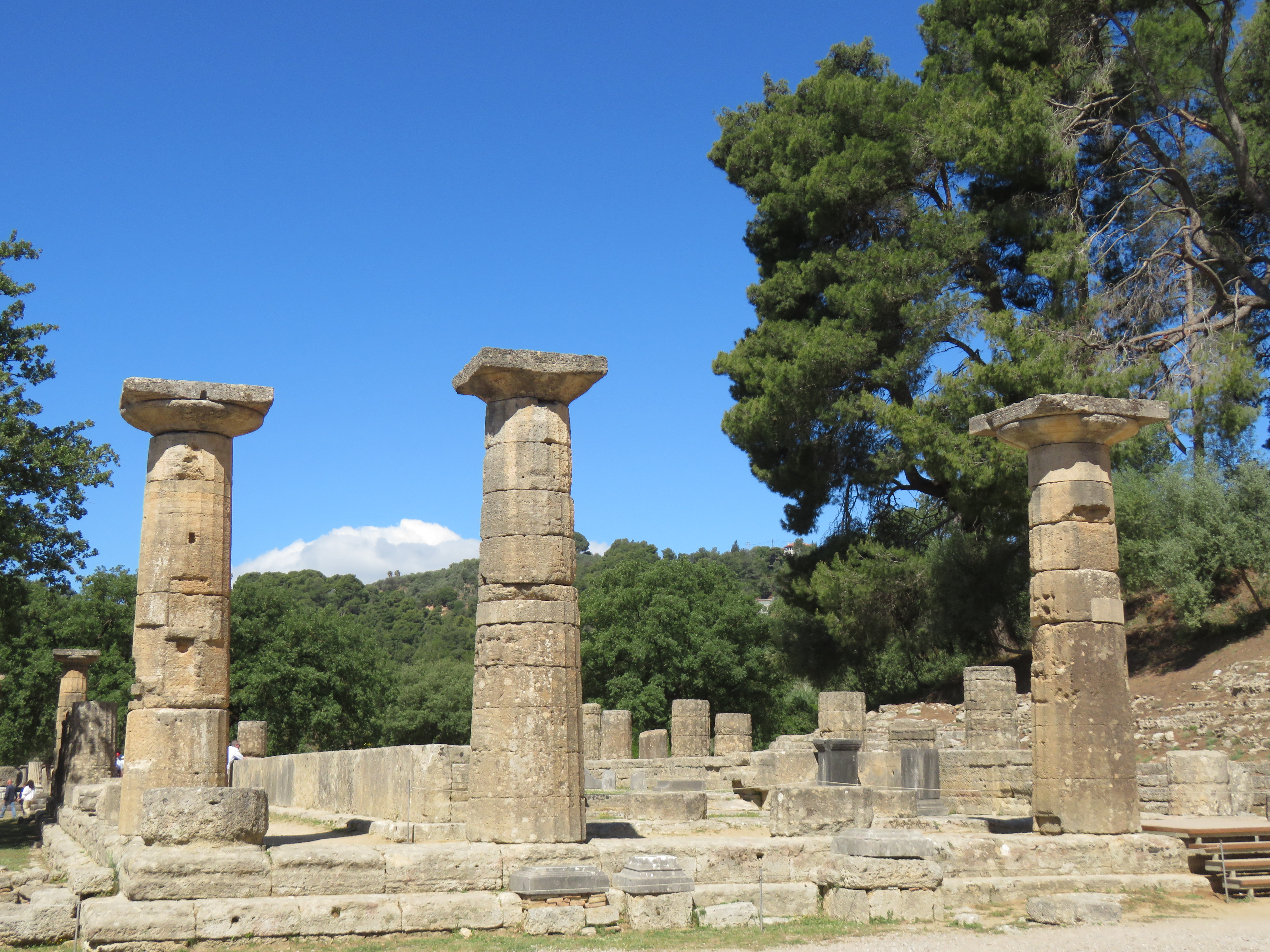
Just 10 days ago, on April 16, the Olympic flame was lit here at the Temple of Hera. Usually, the Greek priestess (actress) uses the sun to ignite a silver torch, but the skies were cloudy, so a backup flame was used to light the torch. From here, the flame is being carried along a 3,100 mile route through Greece until it was handed over to the Paris Game organizers in Athens today. Temple of Hera at right:

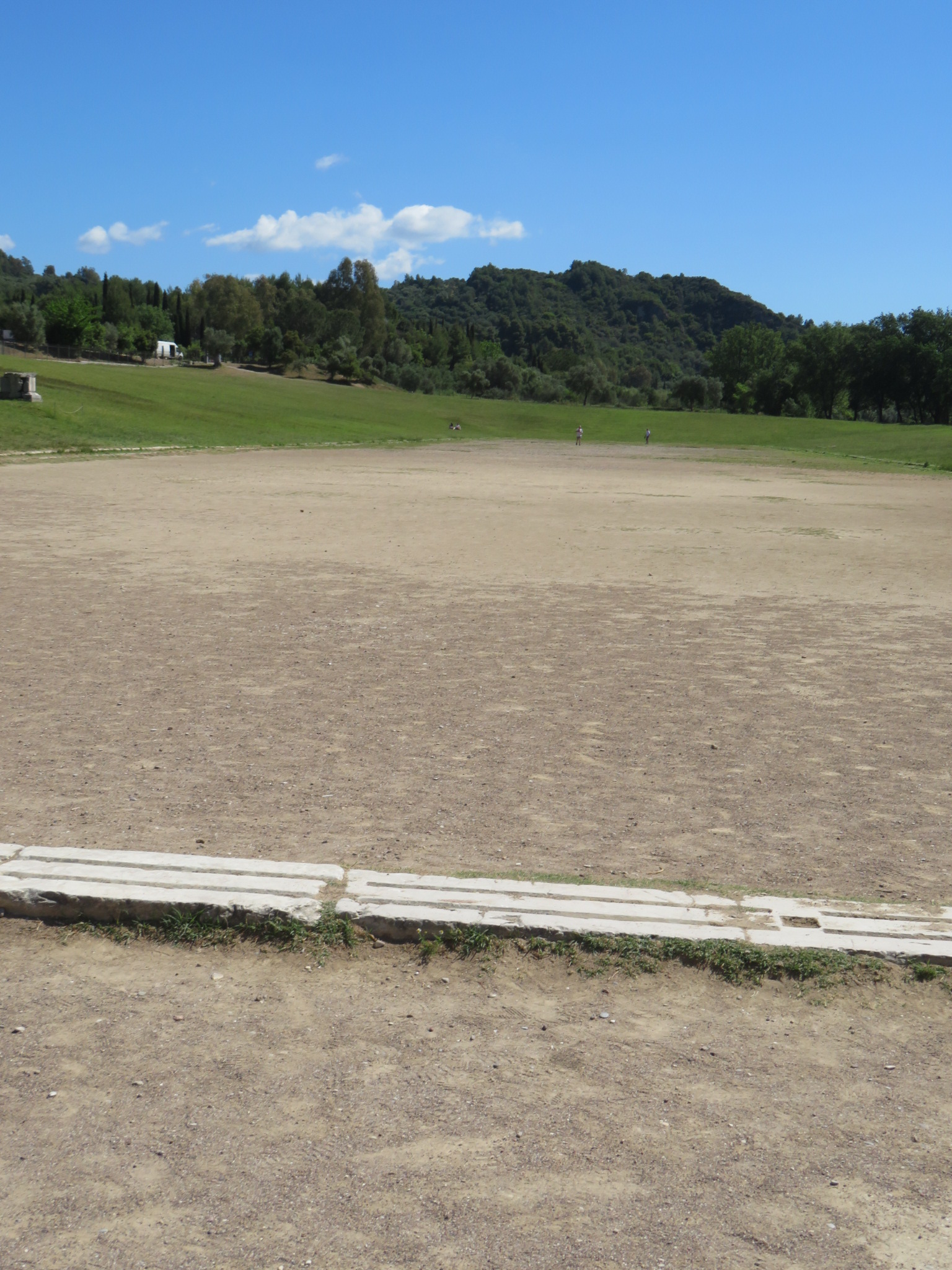
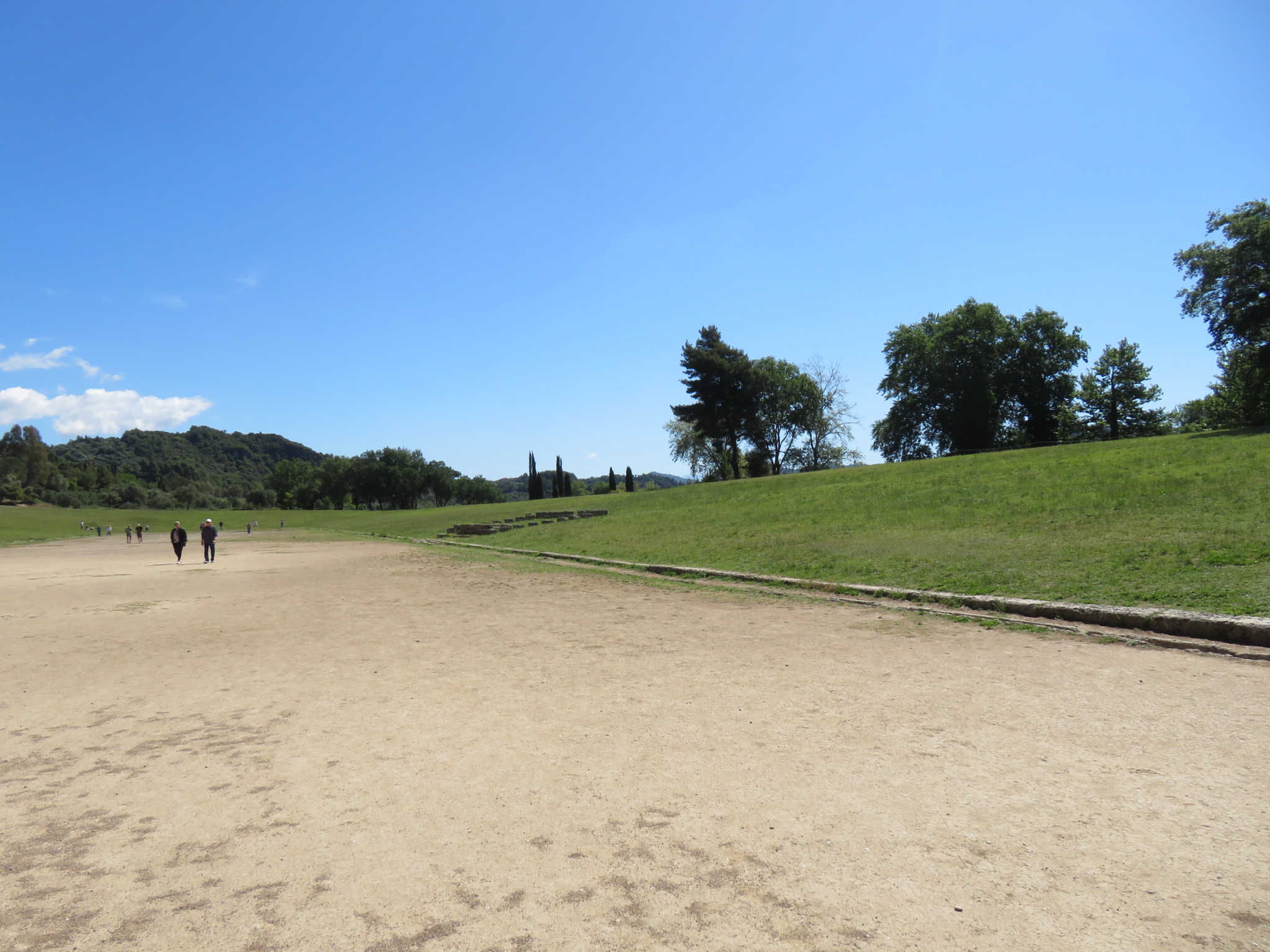
The ancient stadium is a field with start and end lines marked off. Athletes entered under an archway at the start, with spectators sitting on the field’s sloping sides. The length of the field was called a stadion, an ancient Greek unit of distance, which is estimated to be somewhere between 170 – 230 yards.

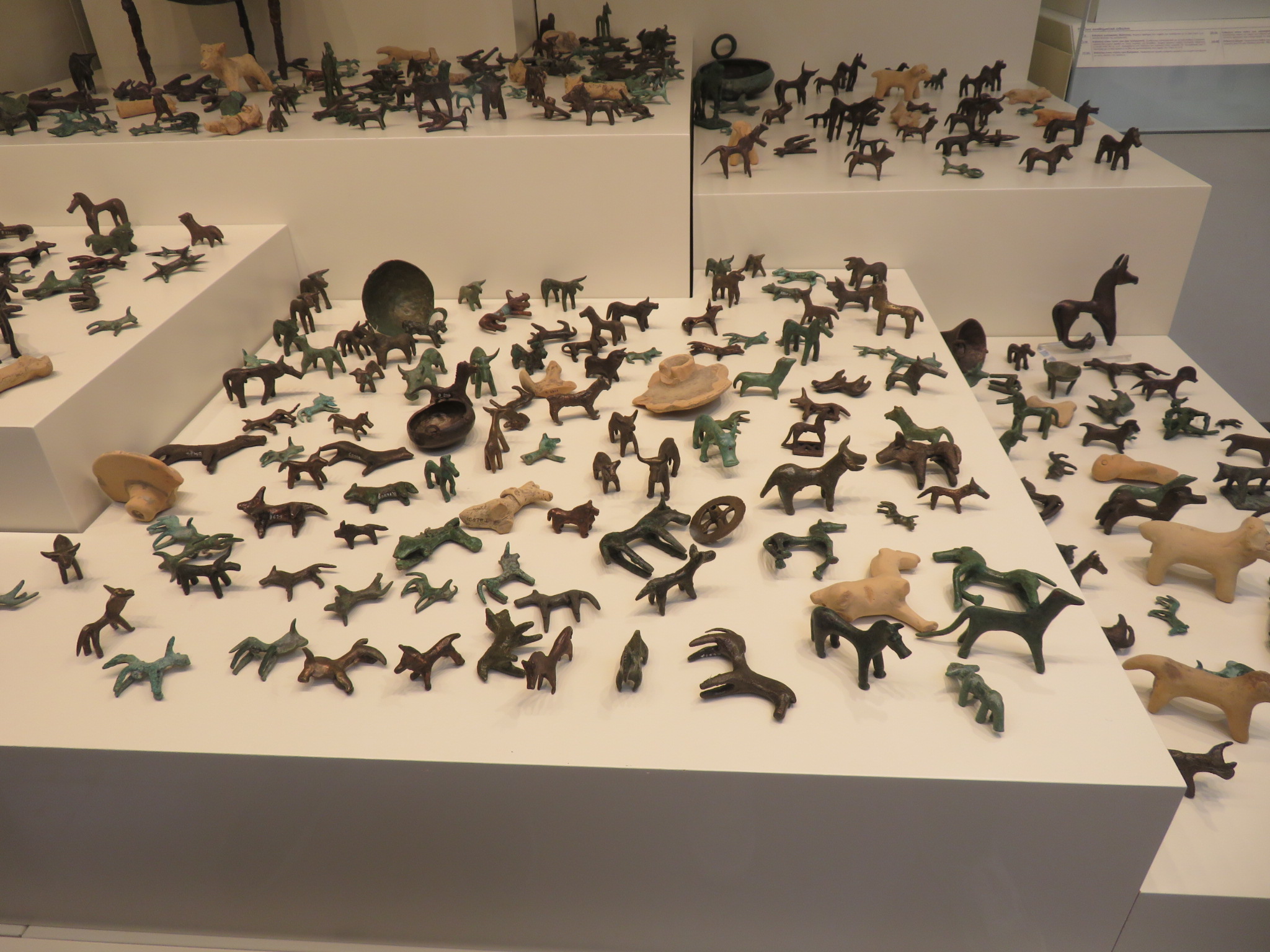
The nearby Archaeological Museum of Olympia is considered one of Greece’s most important museums. It contains one of the richest collections of bronze in the world, with figurines of humans and animals, griffins, sphinxes, cauldrons, weapons and more. There are also many terracotta statues, as well depictions of the labors of Heracles.

When we returned to the ship, we were greeted by a reception line from the ship staff. They were holding red umbrellas, dancing, and welcoming us back with glasses of champagne. We are certainly being made to feel special by Viking.

Posted in UNESCO World Heritage Site | Tagged , , , , , , , , , , | Leave a comment

Corfu, Greece

Thursday, April 25, 2024

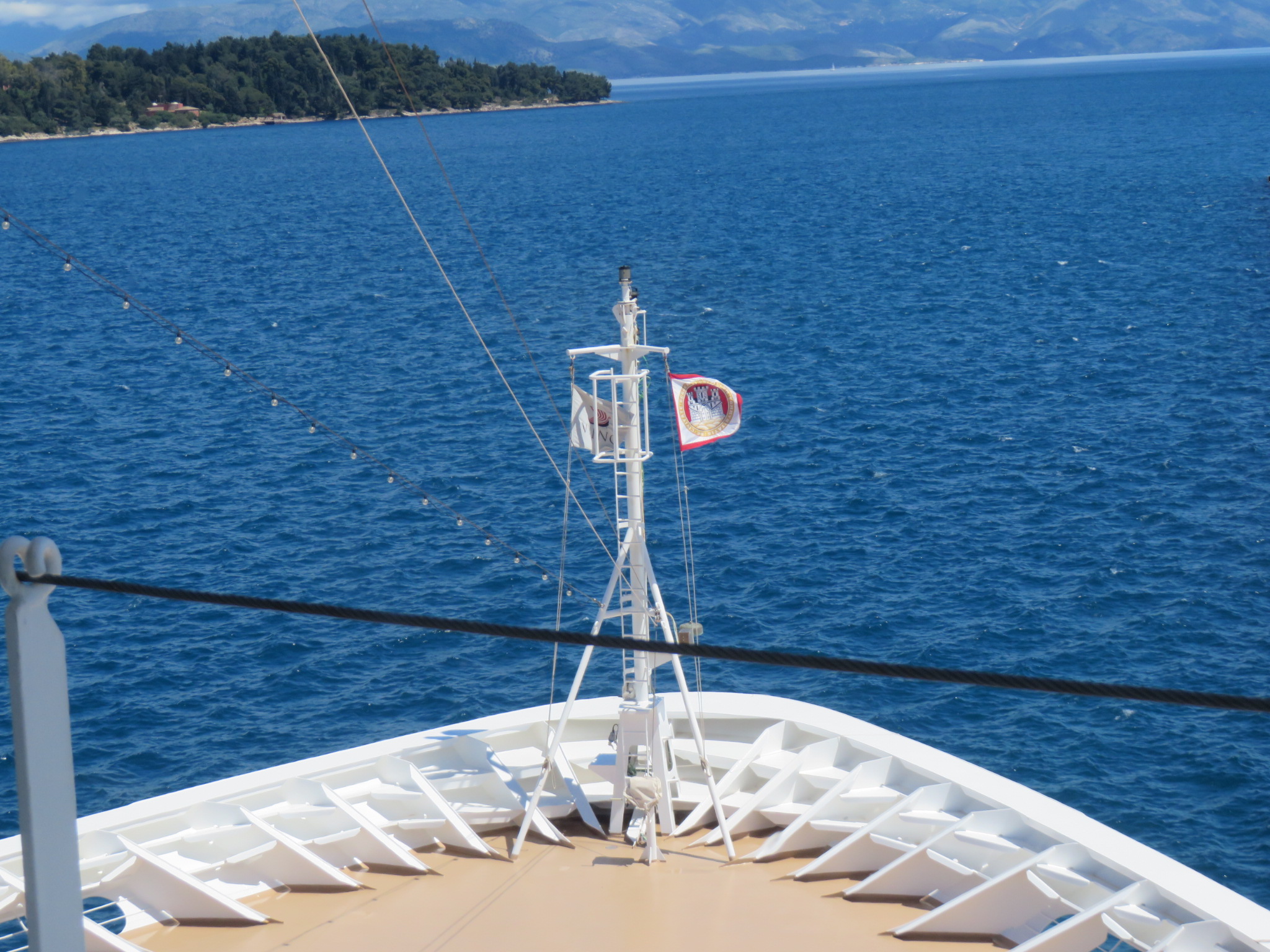
The island of Corfu is on the northwestern edge of Greece, one of over 20 Greek islands in the Ionian Sea. It is one of the seven major Ionian Islands. Corfu was referenced in writing as early as 1300 BC, and is believed to be the island of Scheria, the home of the Phaeacians in Homer’s Odyssey. The Greek god of the sea, Poseidon, produced a storm that tormented Odysseus for three days until he was washed up on Scheria.

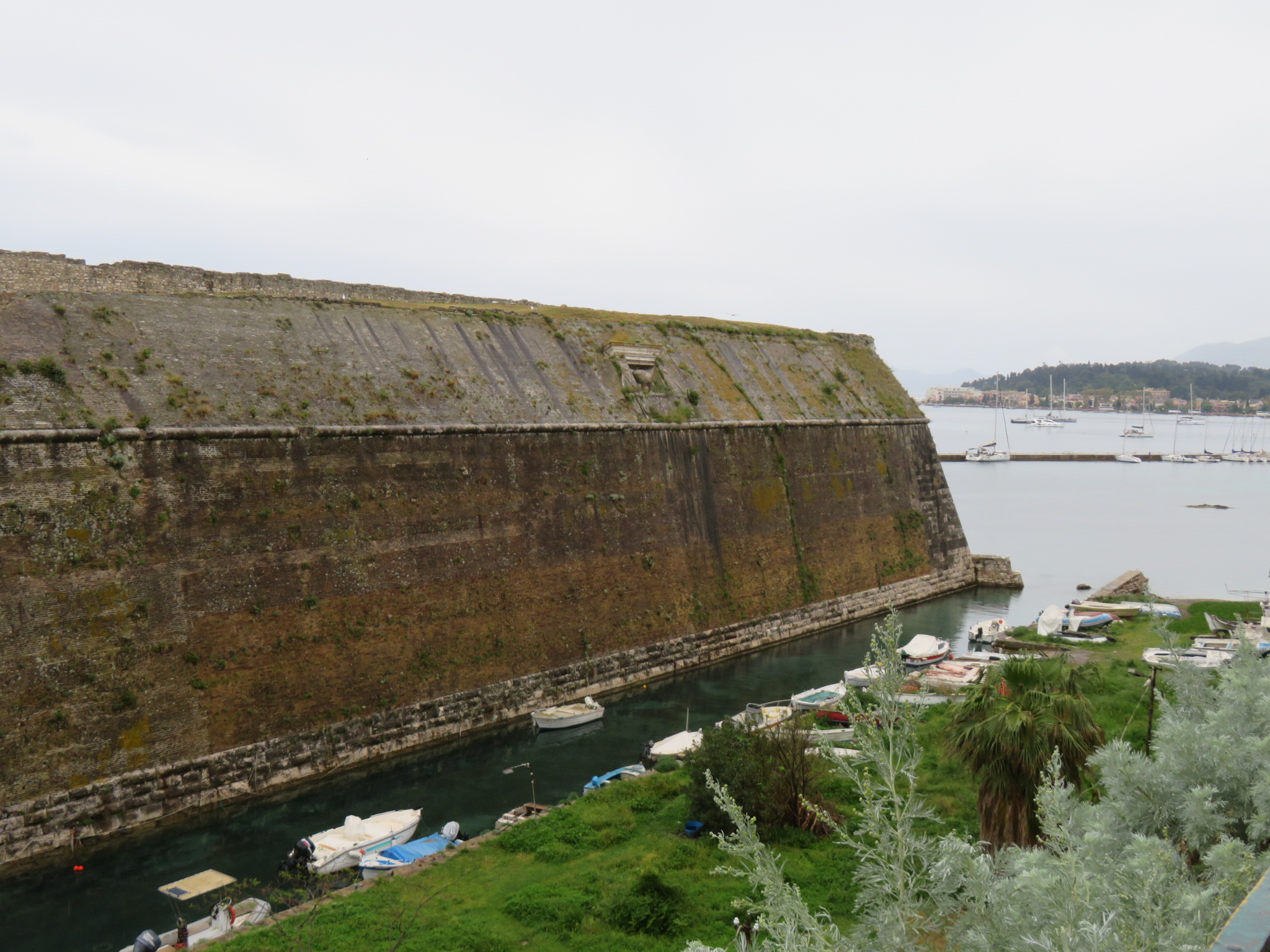
The island was called Corfu by the Venetians for the two peaks of Palaio Frourio, the Old Fortress. Palaio Frourio sits where the original city was located. The word is an Italian version of the Greek word Κορυφώ, meaning “city of the peaks.” The Greek name of the island is Kerkyra, for the Nymph Korkyra, daughter of the River God, Asopus. Poseidon, God of the Sea, fell in love with Korkyra, kidnapped her and brought her to this island.

Corfu was a bulwark of Europe against the Ottoman Empire, becoming one of the most fortified places in Europe. The Ottomans besieged the island several times between 1431 and 1718 AD. Corfu’s success in repulsing the Ottomans was widely celebrated in Europe, who saw the island as a bastion of Western civilization.

During those years, Corfu was owned by the Republic of Venice, which greatly influenced the architecture of the island. The first opera house in Greece was erected in 1720. Many Venetian-speaking families settled in Corfu, and the Greek language assimilated many Italian and Venetian words.

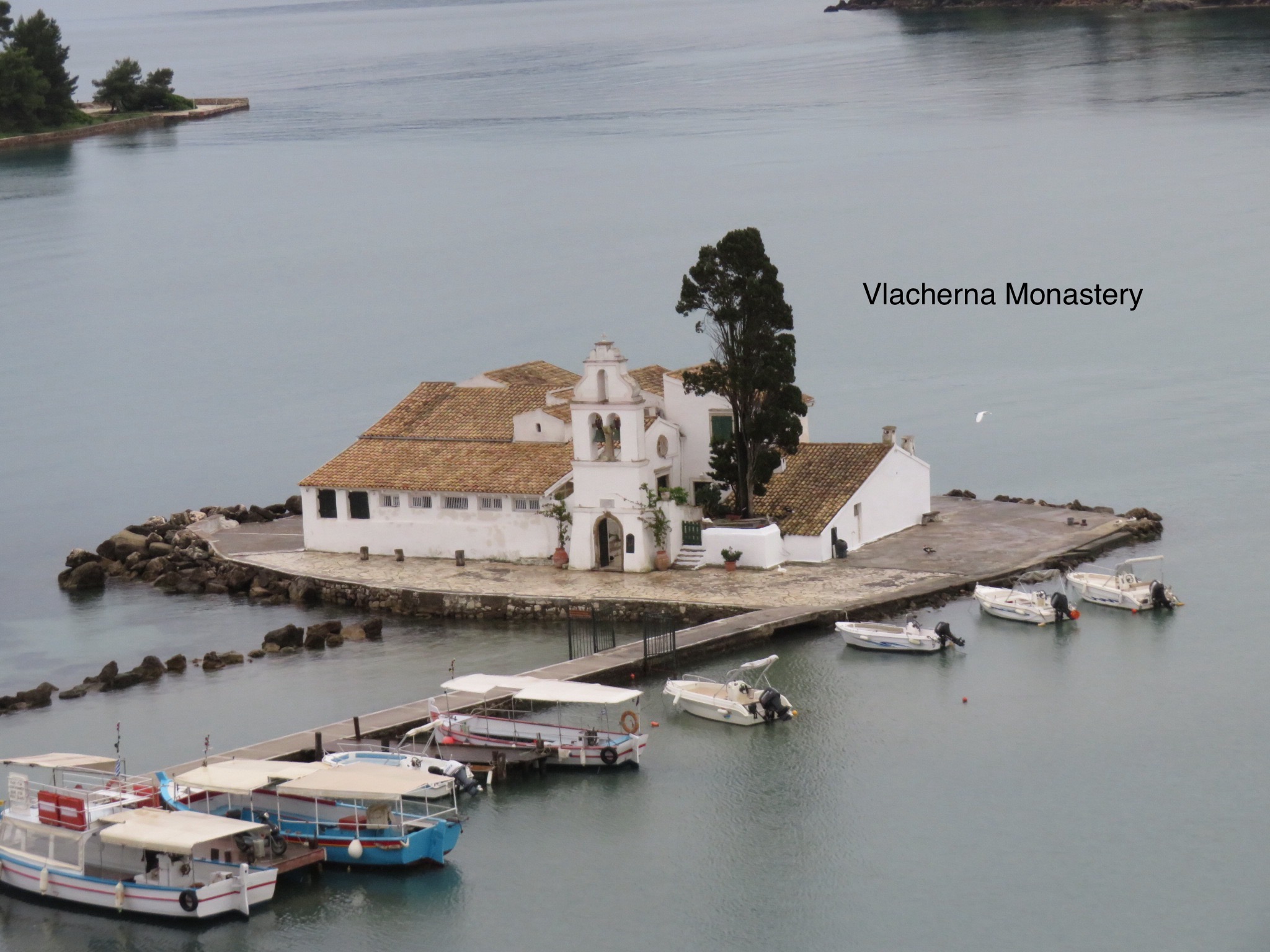
Corfu’s Old Town is a UNESCO World Heritage Site. We took a short ride to Kanoni, for photo ops of the surrounding islands, really just a “stop, focus and shoot,” no time to actually look at anything, plus it was raining. Oh well, we did see a couple of islands. The Vlacherena monastery, founded many centuries ago on a rocky island as a women’s monastery, is now joined to the mainland by a footbridge. Mouse Island (Pontikonisi in Greek), called that because of its shape, is home to a Byzantine chapel. Legend says that the island was formed when the boat of Odysseus was turned into this green rock by Poseidon.

More recently, Prince Philip, husband of Queen Elizabeth, and son of Prince Andrew of Greece and Denmark, was born in Corfu in 1921. He lived here until he was 18 months old, when his family was exiled.

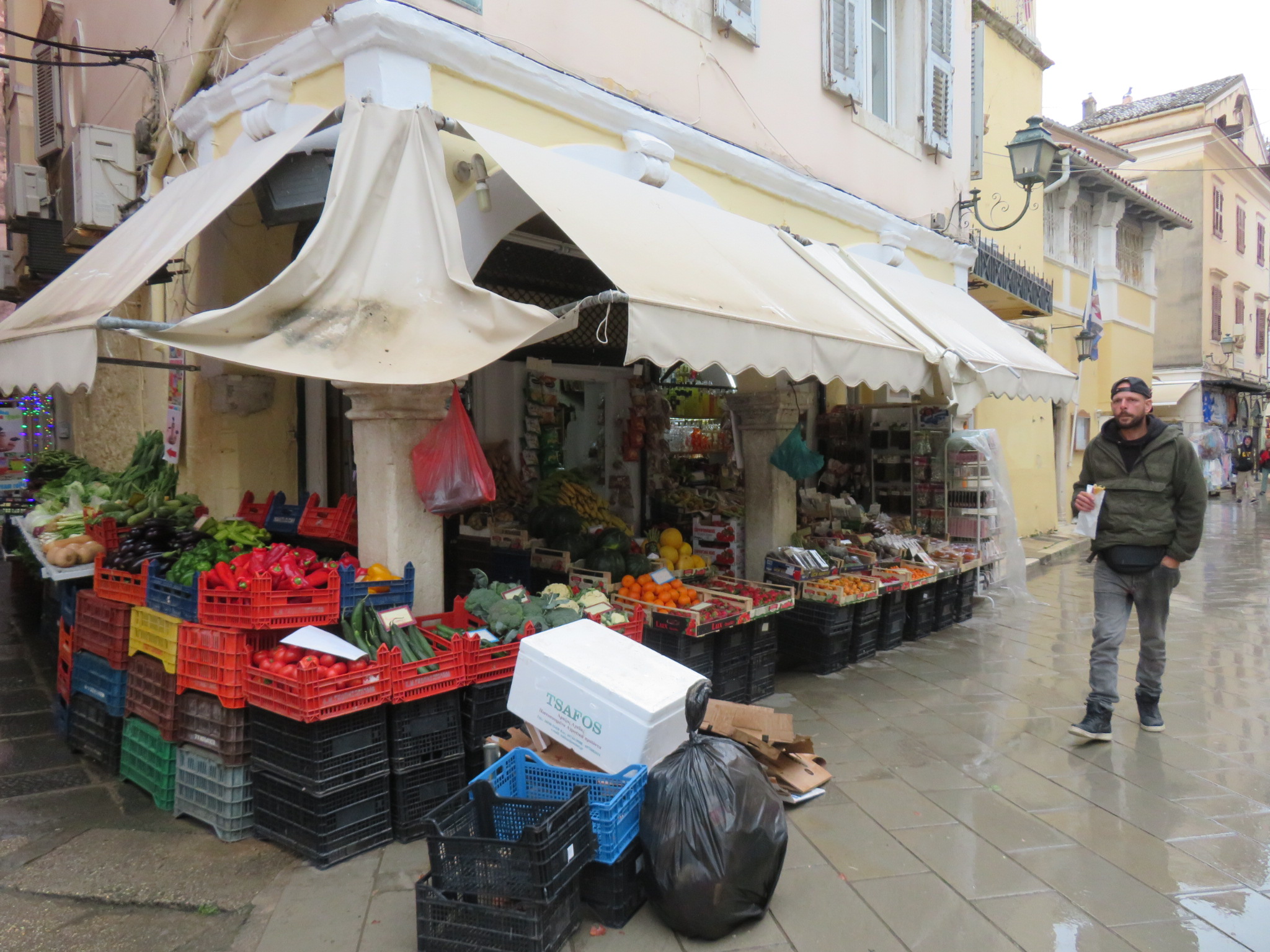
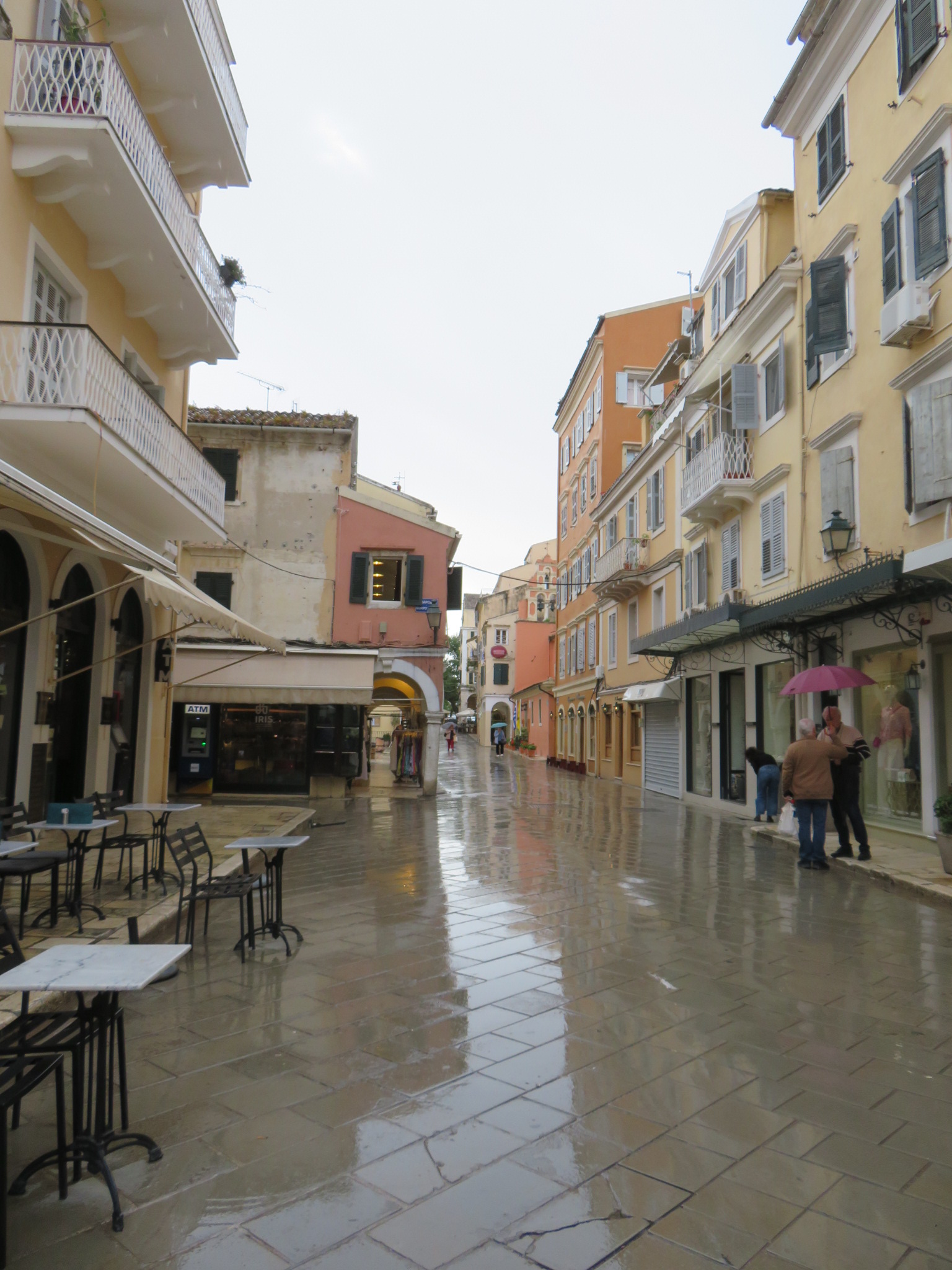
Then, we headed to Old Town for a walking tour. The lovely Esplanade (Spianada) is a greenbelt that runs along the waterfront, and bordered on the west by a street lined with cafes and beautiful homes. It’s truly beautiful and very welcoming.

The main religion here is Eastern Christian Orthodox. For them, Easter is on May 5, five weeks after ours this year. They have a unique custom dating back to Venetian times, that takes place on Holy Saturday, the day before Easter. At 11am, the bells ring to celebrate the resurrection of Christ, and people begin throwing clay pots (botides) filled with water out of their windows. The pots can be any size, and some are several feet high! Afterwards, the locals pick up pieces of the broken pots, as these are supposed to bring good luck. Pieces can be found months later between the pavers in the roads. Today, two of use found tiny shards, but will the luck last beyond their Easter?

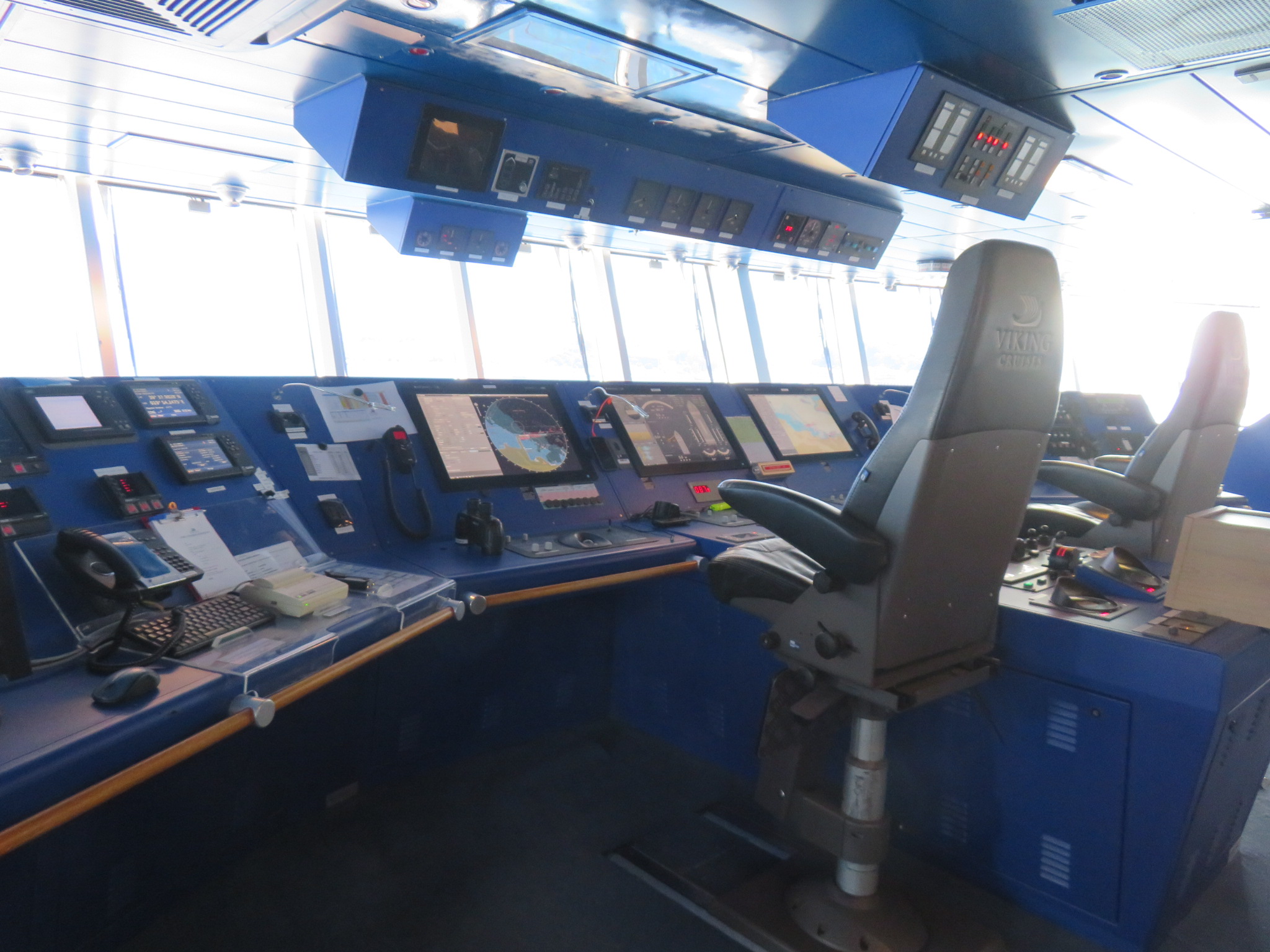
We returned to our ship in time to participate in a bridge tour, where we got to see some of the equipment used in steering, hear about the types and quantities of fuel needed to keep her going, and even about processes to clean the bilge water before it is returned to the sea.

Posted in UNESCO World Heritage Site | Tagged , , , , , , | Leave a comment

Kotor, Montenegro – My Dear and Beautiful People

Wednesday, April 24, 2024

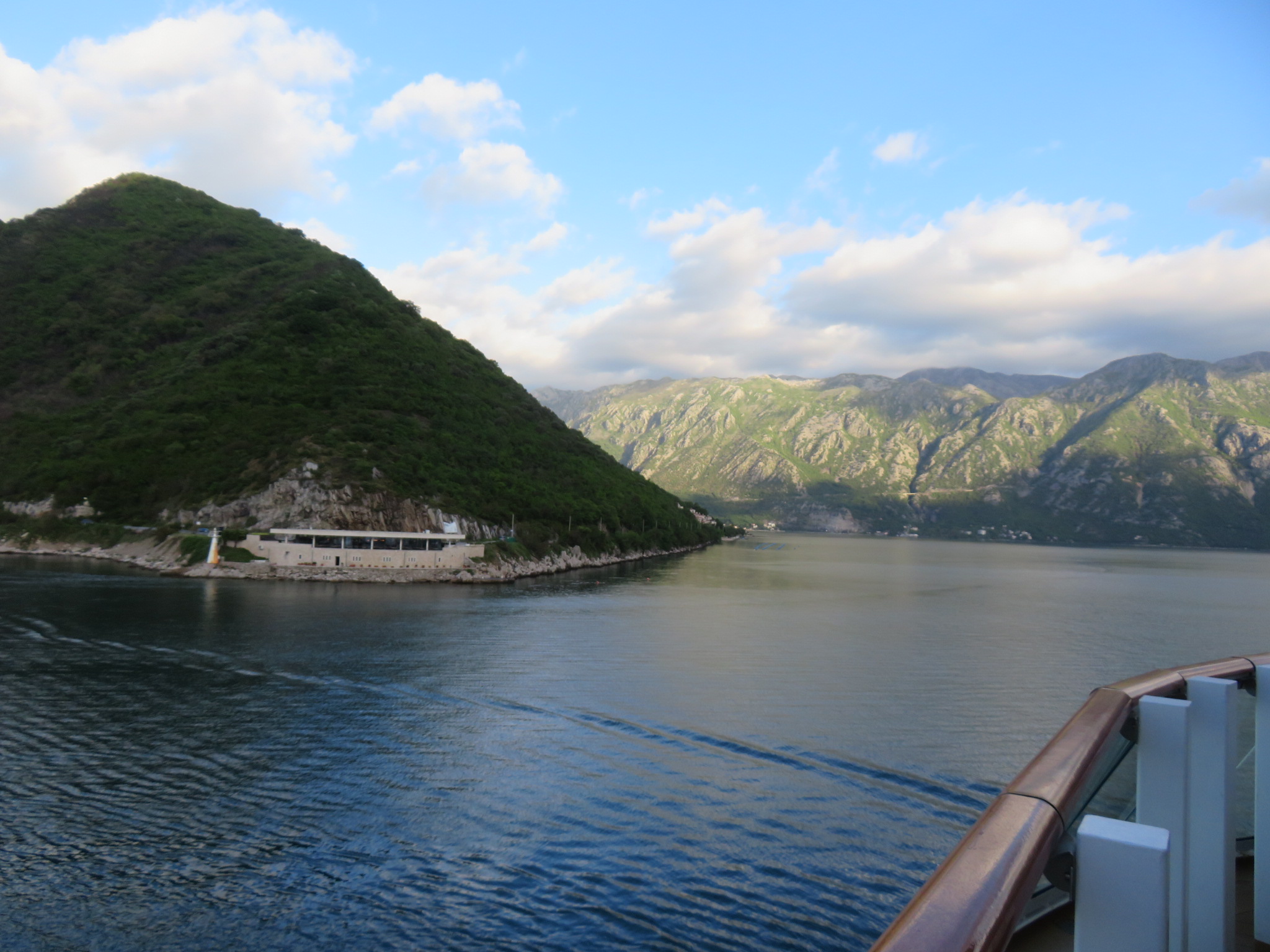
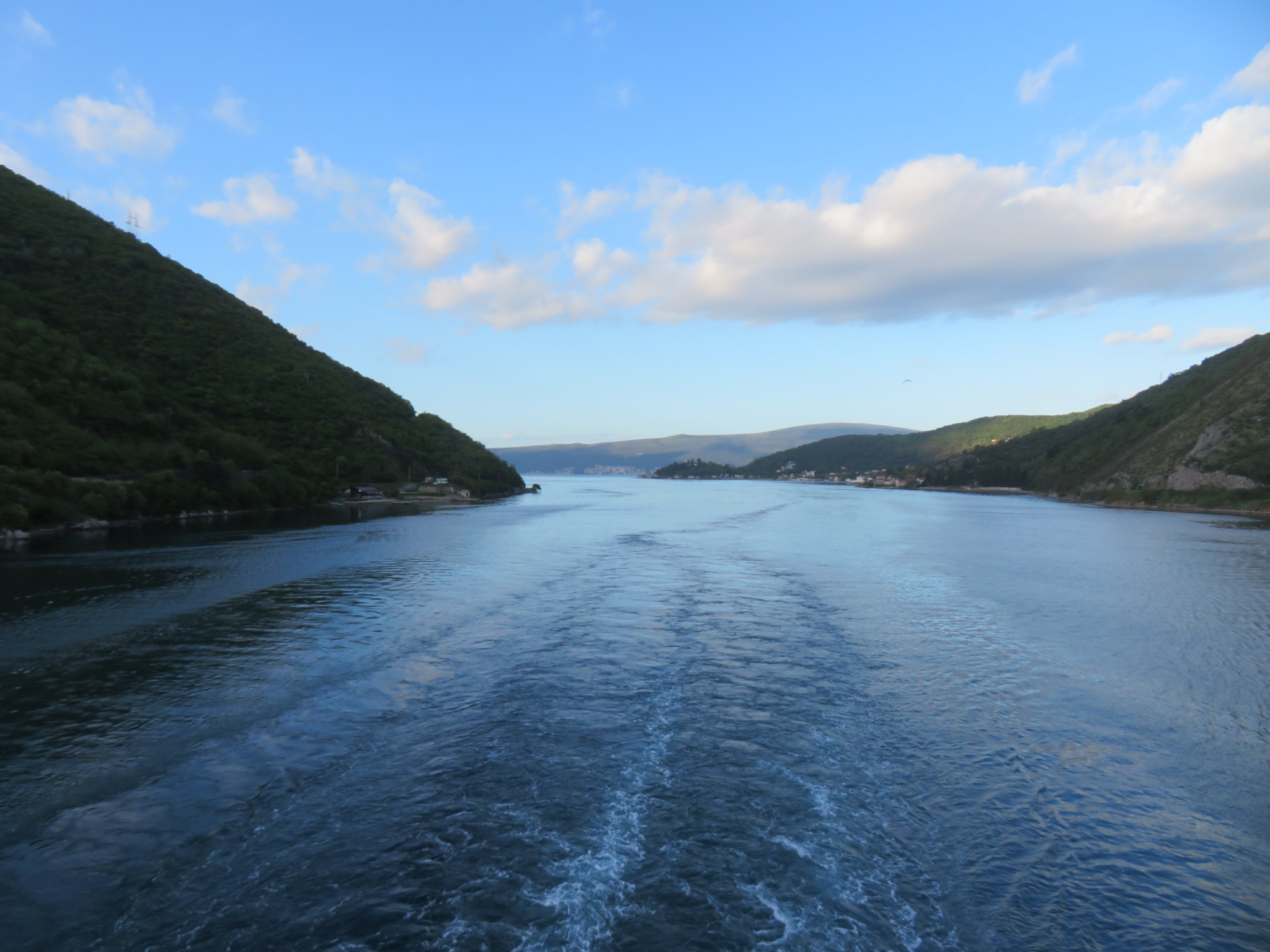
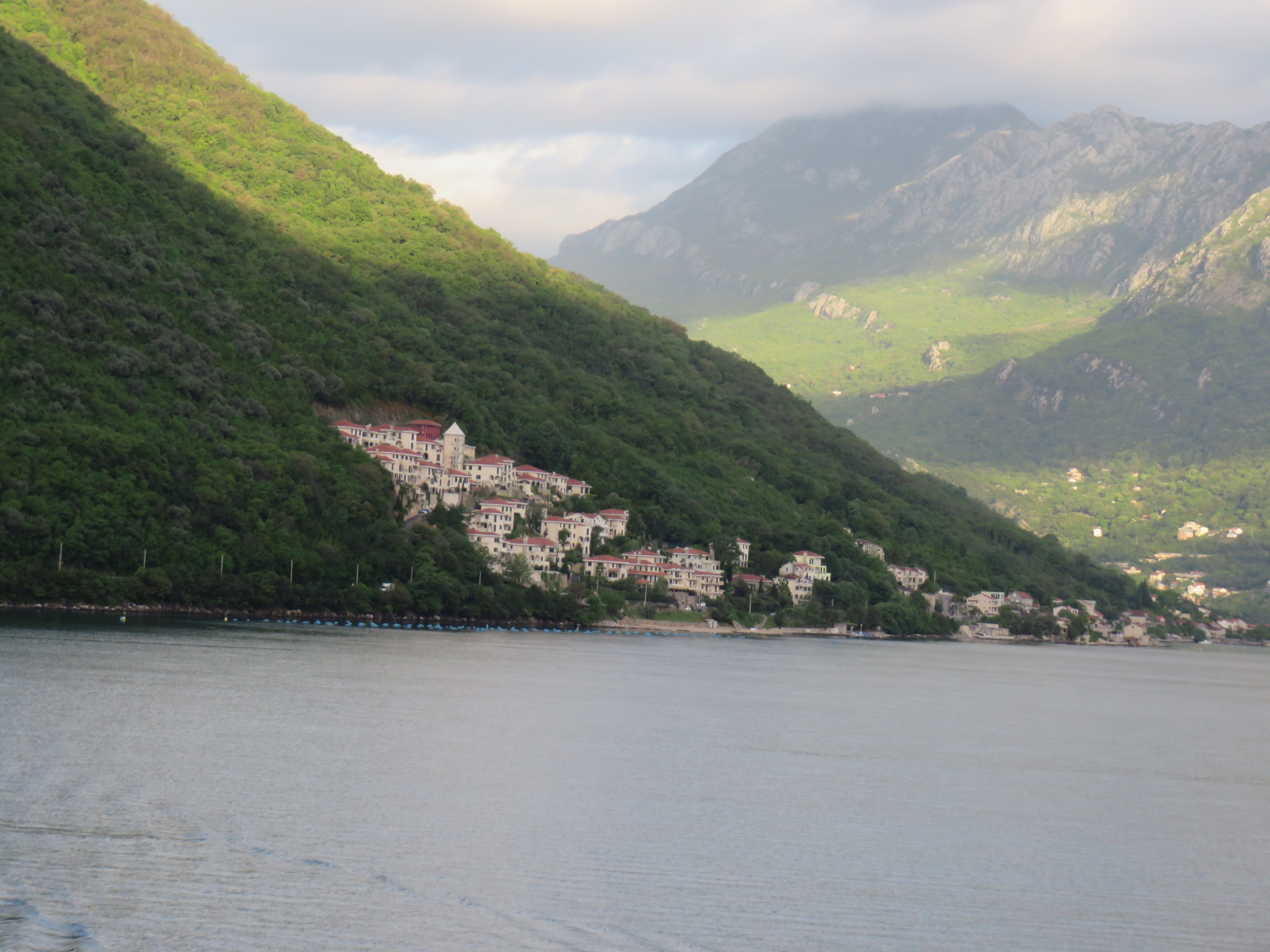
Another UNESCO World Heritage Site, Kotor is a small town in a secluded part of the Bay of Kotor, at the southernmost part of historical Dalmatia. We were alerted yesterday that we would be sailing through a 19 mile fjord (actually a river canyon that has collapsed and been submerged by the Adriatic Sea.) We arose at 5am to witness this passage, and it was well worth the effort. The sun was beginning to rise over the bay, providing enchanting views all around.

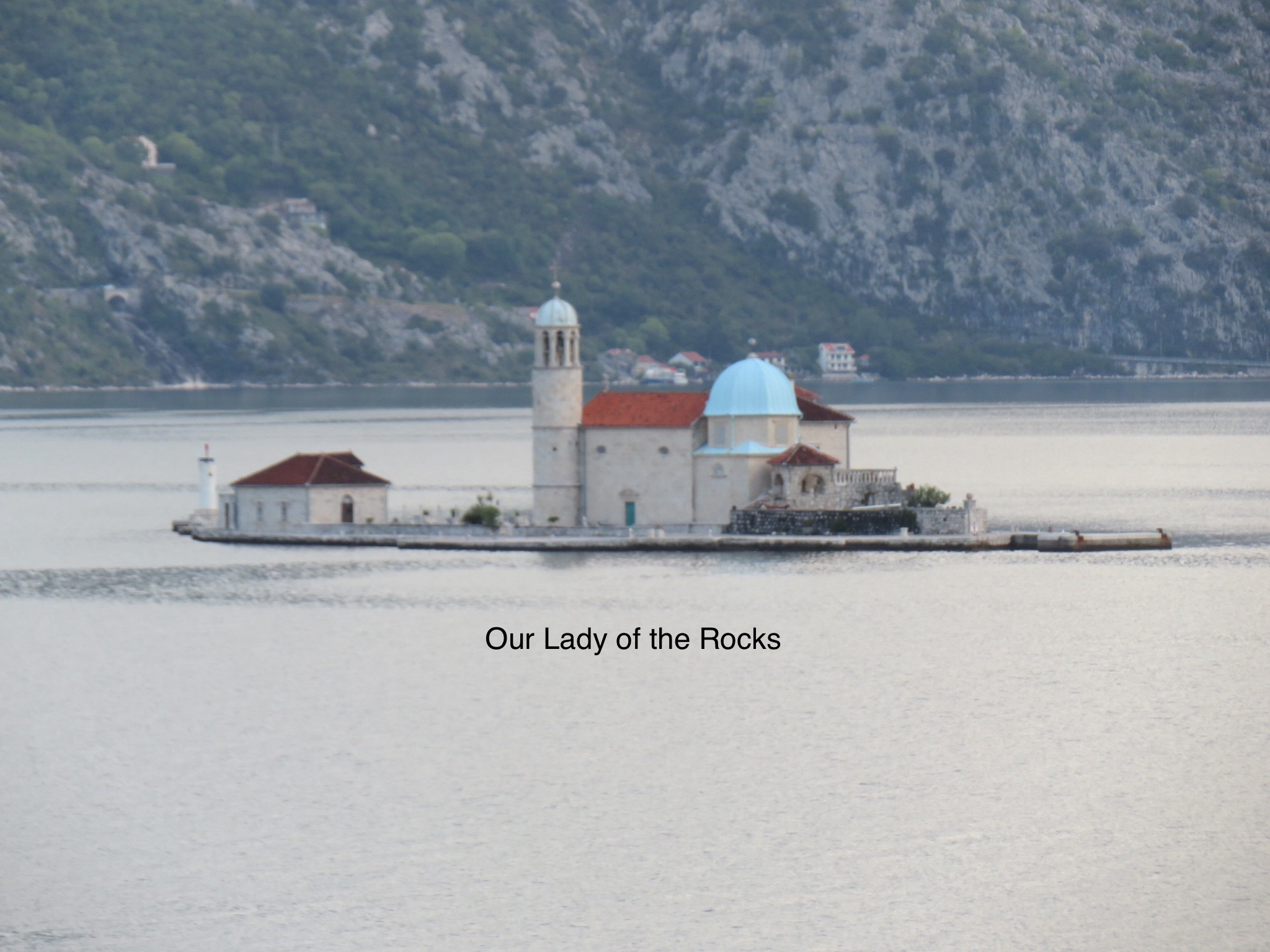
As we approached Kotor, we passed by two islands, one natural and one artificial. Our Lady of the Rocks was created after local seamen found an icon of the Madonna and Child on the rock in the sea on July 22, 1452. After returning from a successful sea voyage, sailors would lay another rock in the bay. Over time, the accumulation of rocks resulted in an artificial island. At some time, a tiny Orthodox chapel was built here, then replaced by the Venetians with a Catholic chapel in the 1600s. Every year, on July 22, local citizens take their boats there and throw rocks into the sea.The other island, St. George, is home to the Monastery of St. George, built in the 12th century.

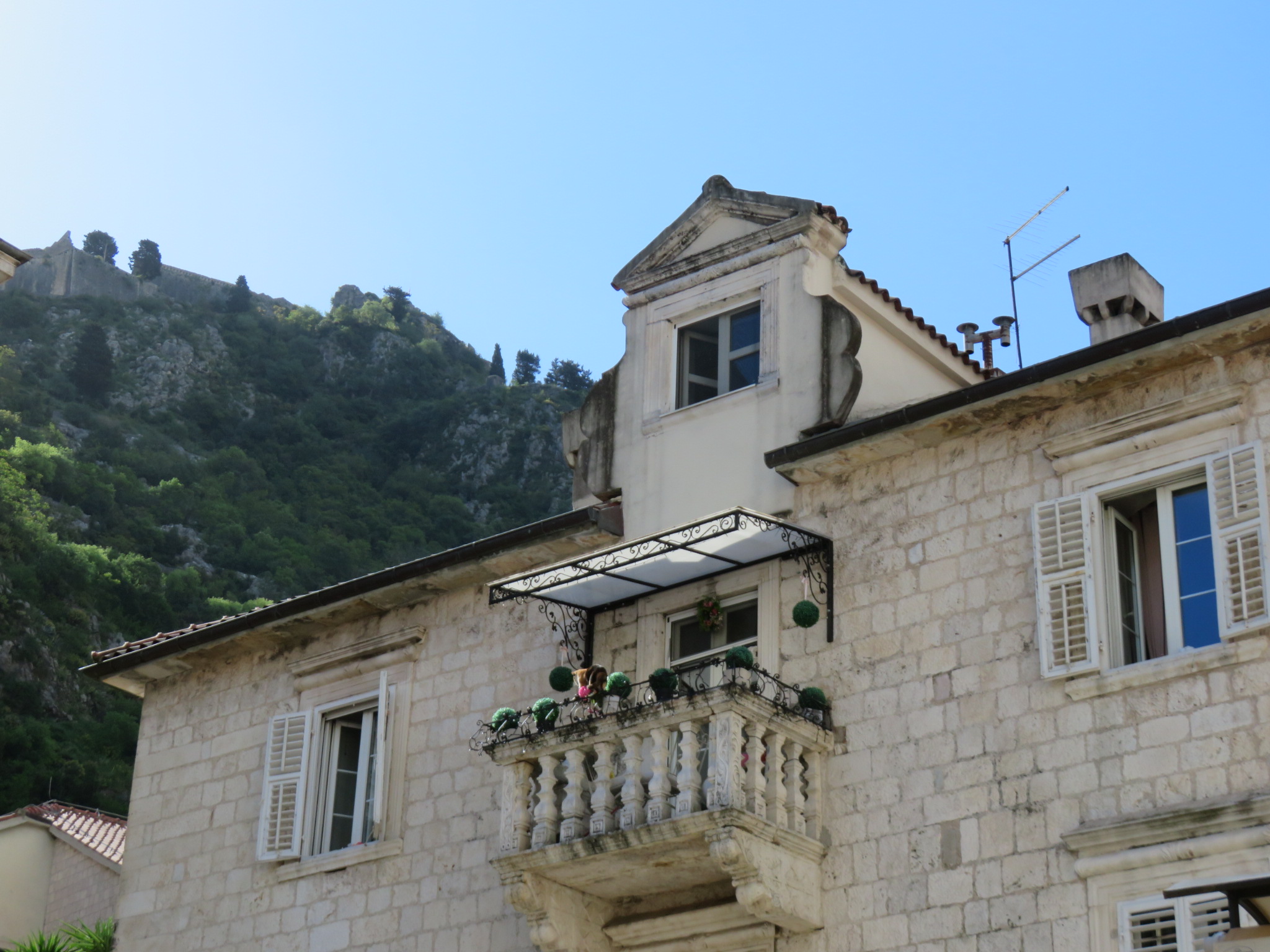
The town of Kotor is surrounded by fortifications built in the 16th and 17th centuries by the Republic of Venice. The Venetians built several polygon-shaped fortresses throughout their territories.

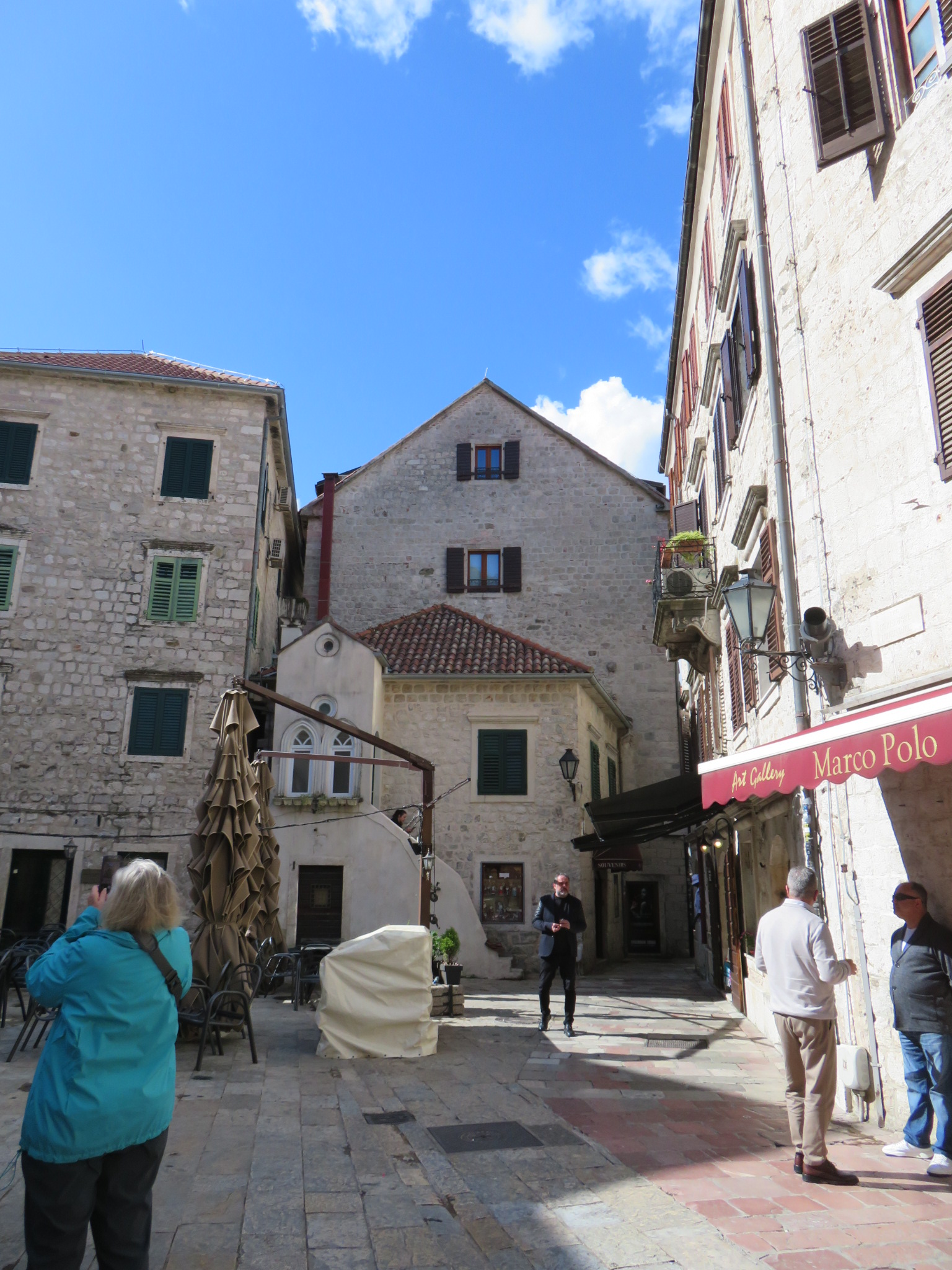
Our guide this morning addressed our group as “My Dear and Beautiful People,” and we did indeed feel dear and beautiful for an entire day. As part of our walking tour of Kotor, we visited the Cathedral of St. Tryphon, constructed in the Romanesque style around the 12th century AD. It is one of the largest and most ornate buildings in the town. It had been seriously damaged in the earthquake of 1667, and was partly reconstructed. Another earthquake, in 1979, caused more damage. Restoration was completed only a few years ago.The Cathedral contains frescoes from the 14th century, as well as many ornaments and figures in relief (including saints in gold and silver.)

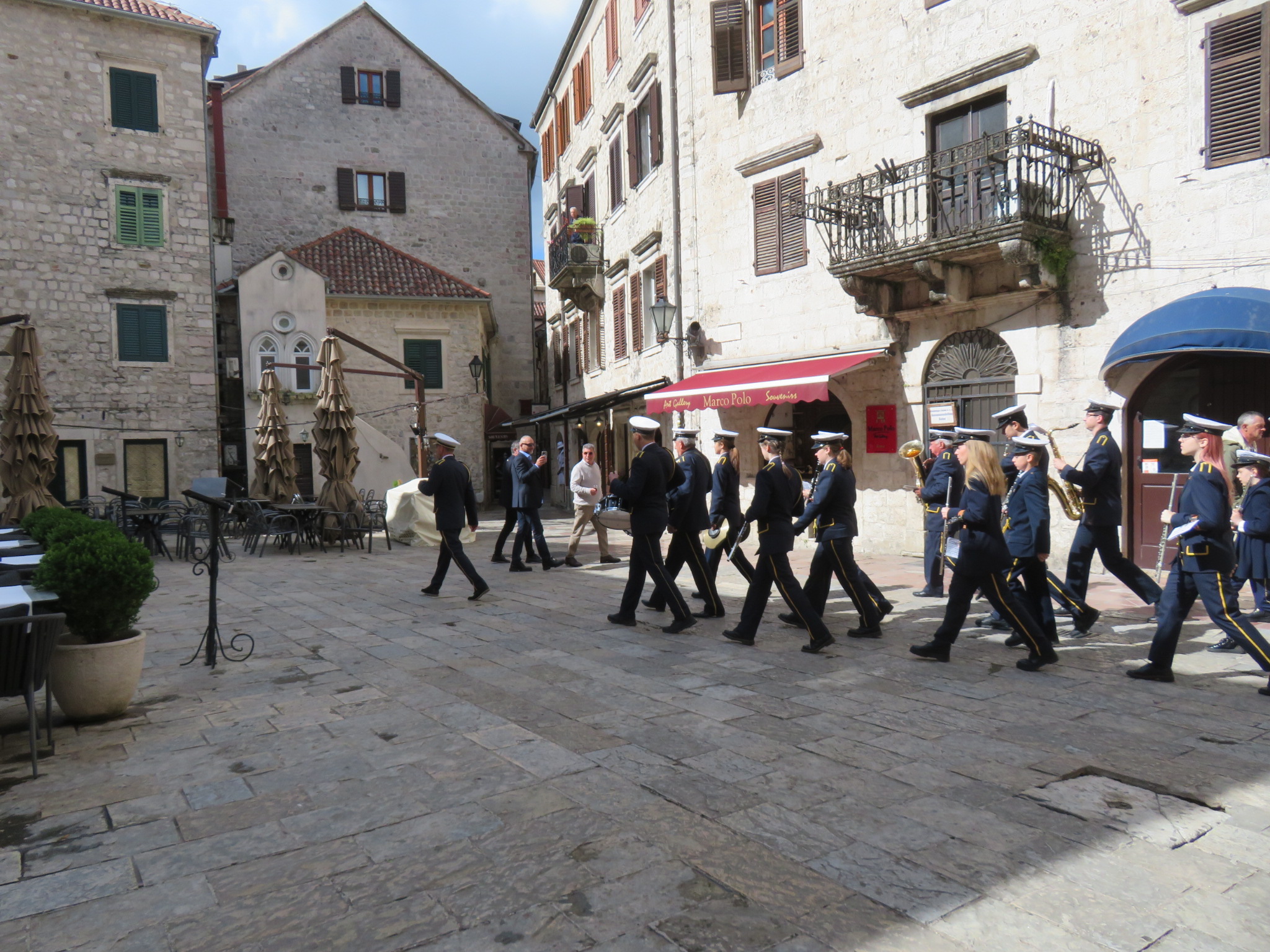
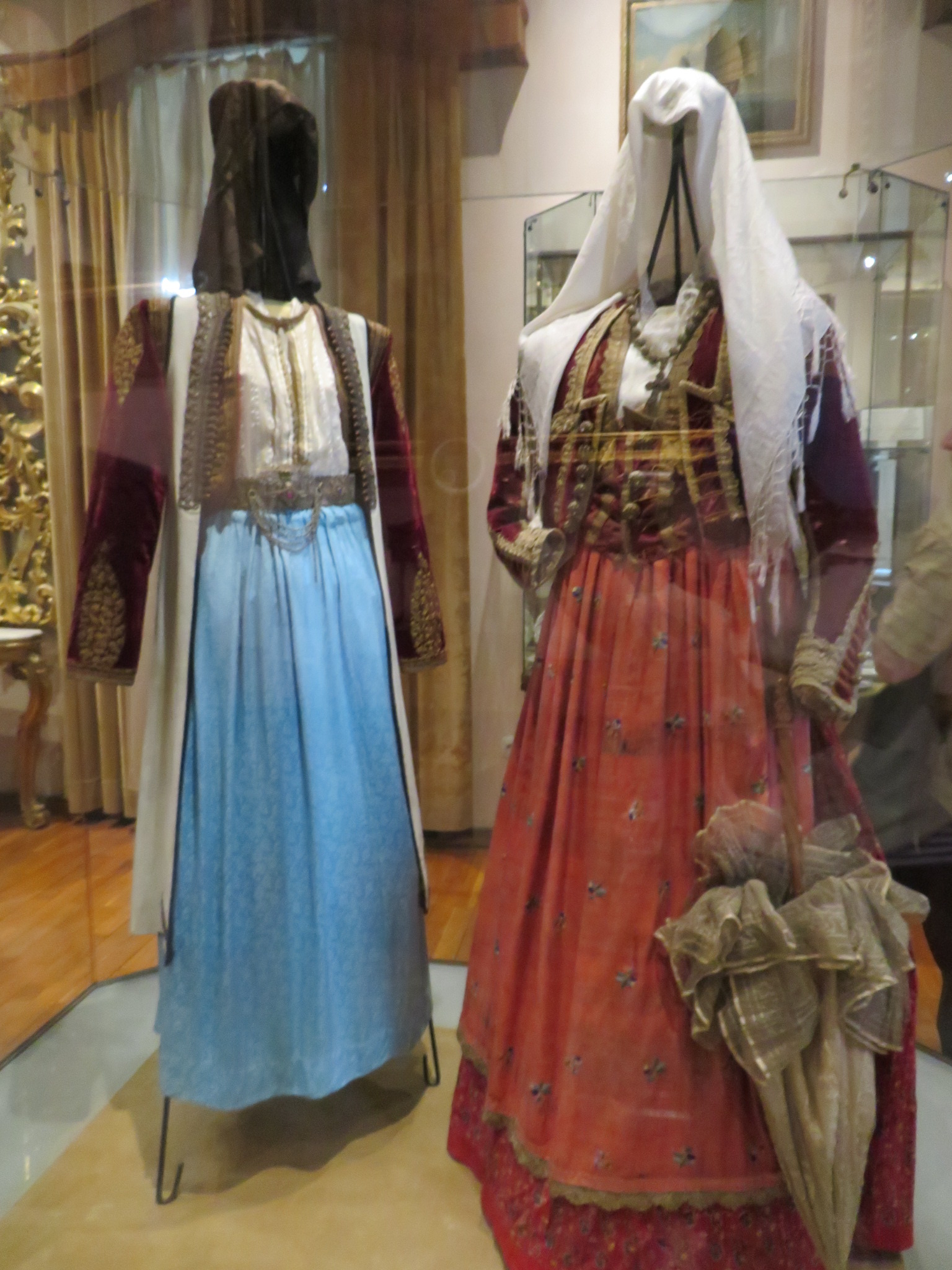
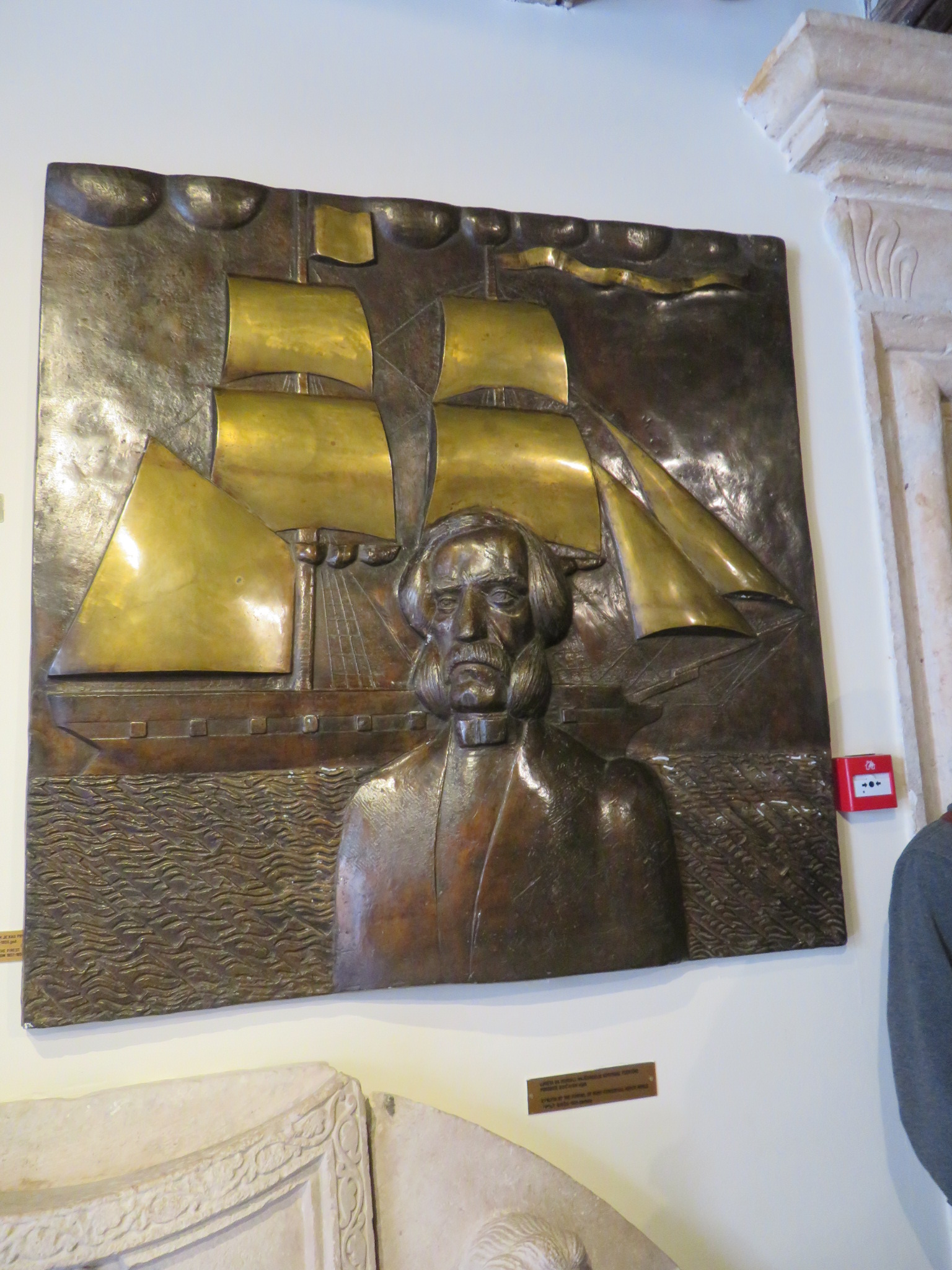
We also visited the Kotor Maritime Museum, established around 1880 with many artifacts from that time and earlier, most related to the maritime industry, but also some cultural items such as furniture, dishes and regional costumes. Before viewing the exhibits, we were distracted by a small marching band that marched through the square outside the front door. We don’t know what the occasion was, but we enjoyed the very short performance.

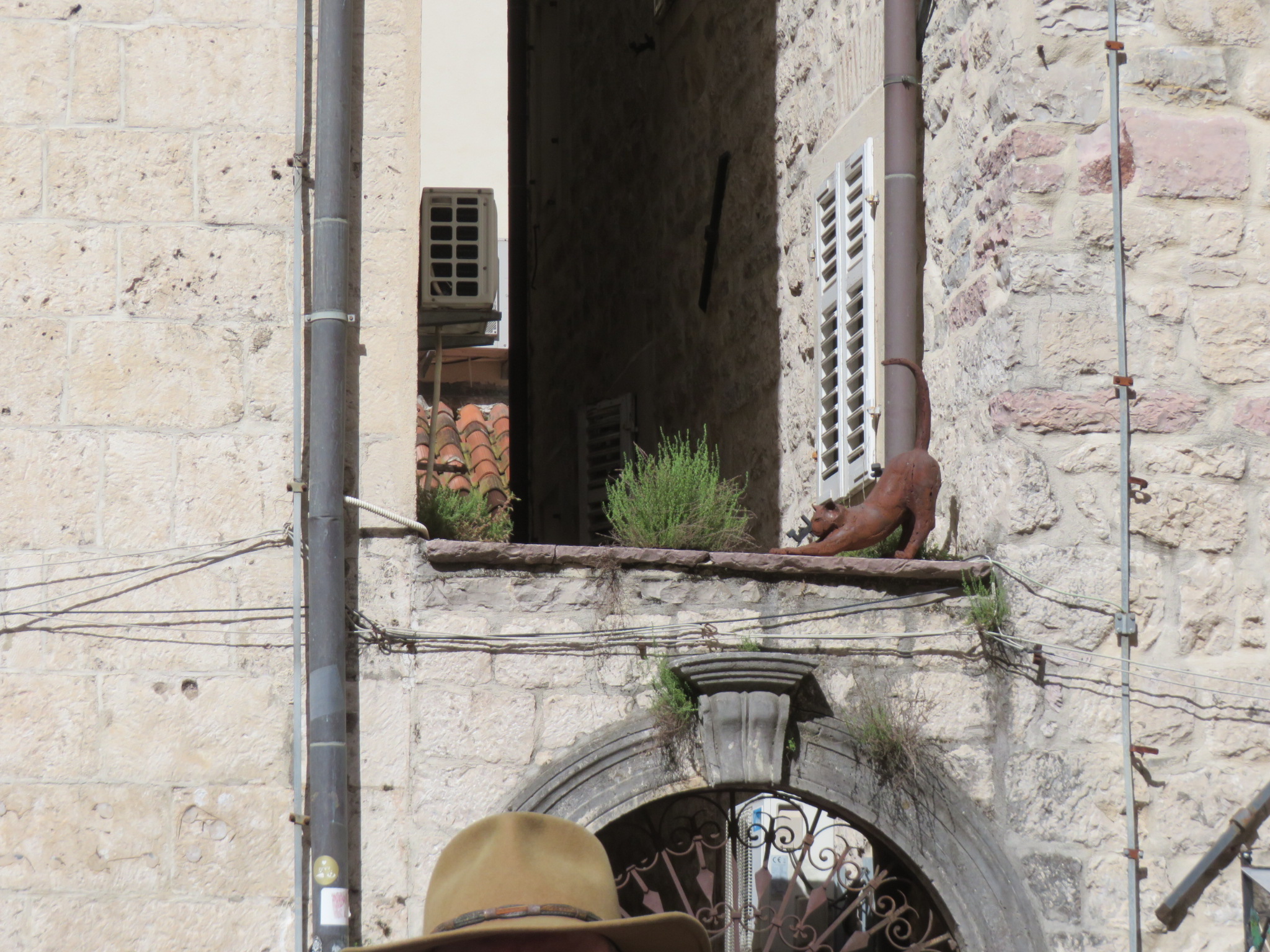
We did not, however, visit the Cat Museum. Kotor loves its cats; they are everywhere! Signs outside the museum proclaim that they feed the cats daily. Do those cats have homes? Or do they disdain that sort of conformity (being cats after all,) and simply rely on the kindness of strangers.

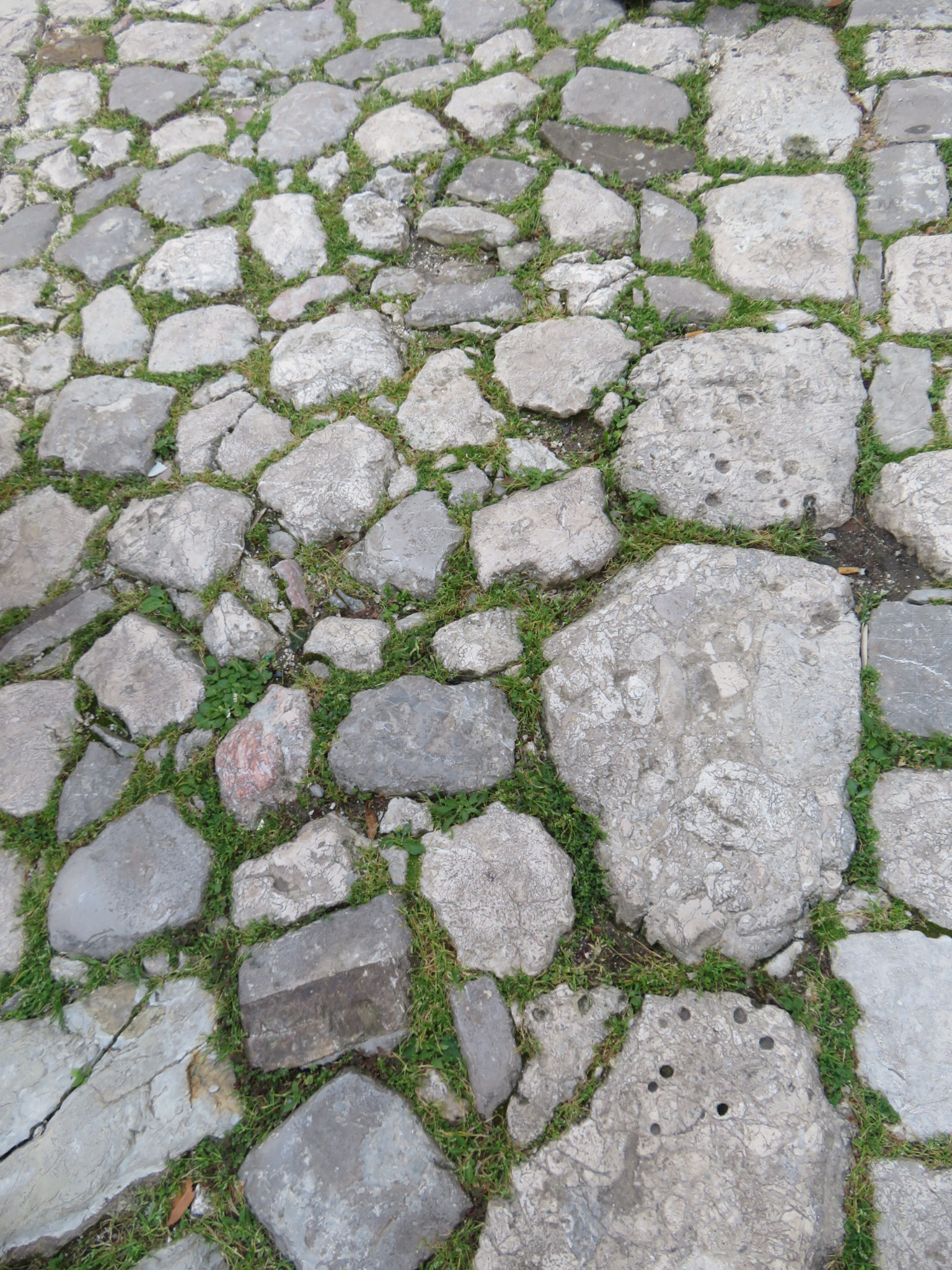
The 1667 Dubrovnik earthquake affected many of the communities we have been visiting on this cruise. It was one of the most devastating in over two millenia. Although there have been more recent quakes in these areas, they were far less powerful. After 1667, the architecture changed to more Baroque styling, and the cobbled streets were paved with larger stones. We did manage to see a few (very few) examples of the old style.

In the afternoon, we enjoyed a concert performance at St. Nicholas Franciscan Monastery in Perast, a seaside town not far away. This church was built in 1616, possibly replacing an earlier church. A second church was begun in 1740, but never completed. The two structures are combined to form one church. The impressive belfry was constructed by Ivan Skarpa from the island of Hvar, and given to the church by archbishops Andrija and Matija Zmajevic.

The concert was performed by guitarists from Montenegro – Srdjan Bulatovic and Darko Nikcevic. The music was beautiful. Their CDs sold out before we could even reach the table.

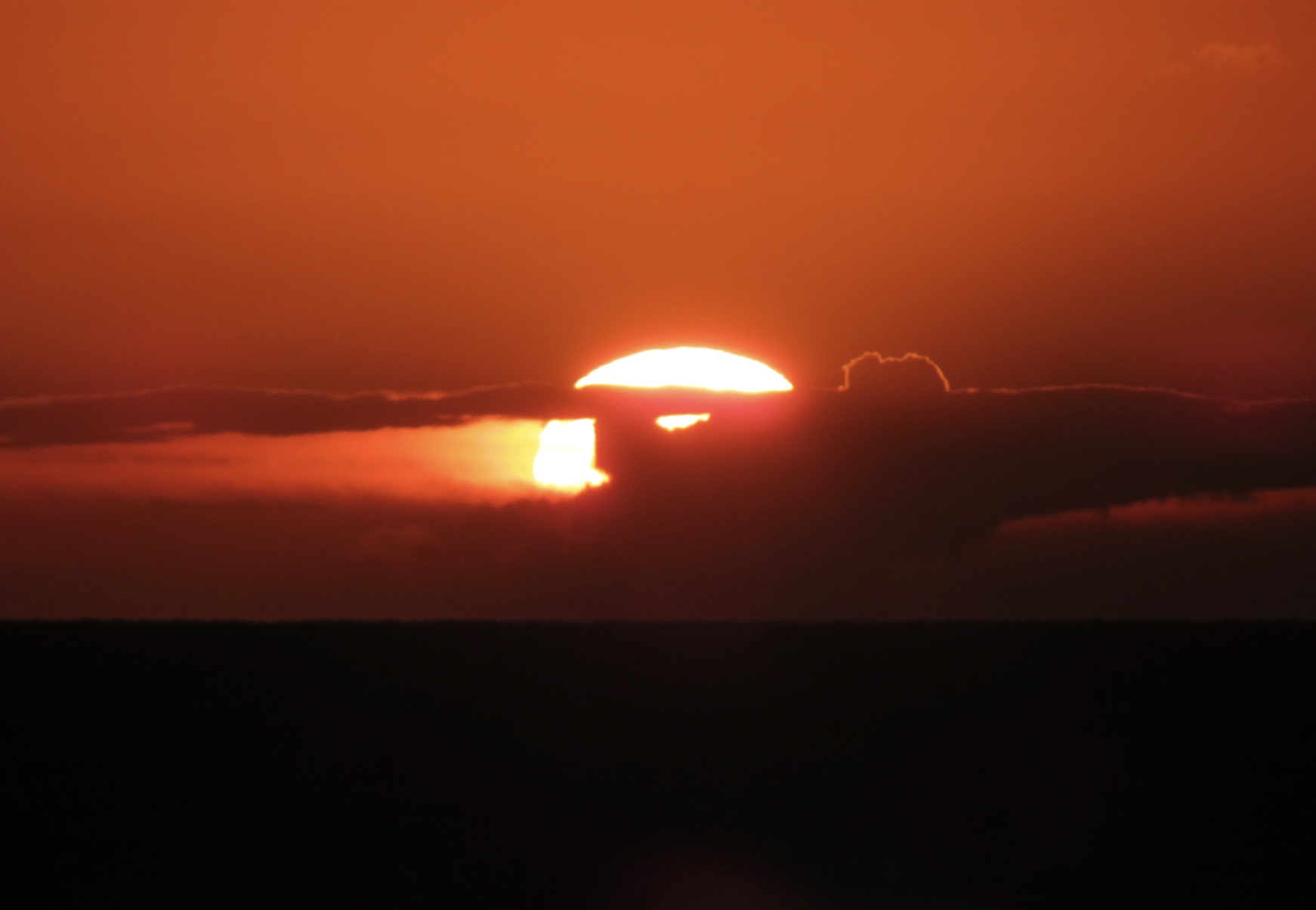
Getting up at 5am definitely paid off. By evening, heavy rain had started, and we would not have been able to see any of the beauty that surrounds us. The rain did stop, however, in time for an interesting sunset.

Posted in UNESCO World Heritage Site | Tagged , , , , , , , , | Leave a comment

Dubrovnik, Croatia

Tuesday, April 23, 2024

Often referred to as the “Pearl of the Adriatic,” the City of Dubrovnik was founded around 614 AD, by Roman refugees fleeing the nearby colony of Epidaurum, which was destroyed by invaders from Eurasia. At that time, the city was named Ragusa. In the 14th and 15th centuries, the town enjoyed prosperity from its maritime trade. It was also considered to be a cradle of Croatian literature.

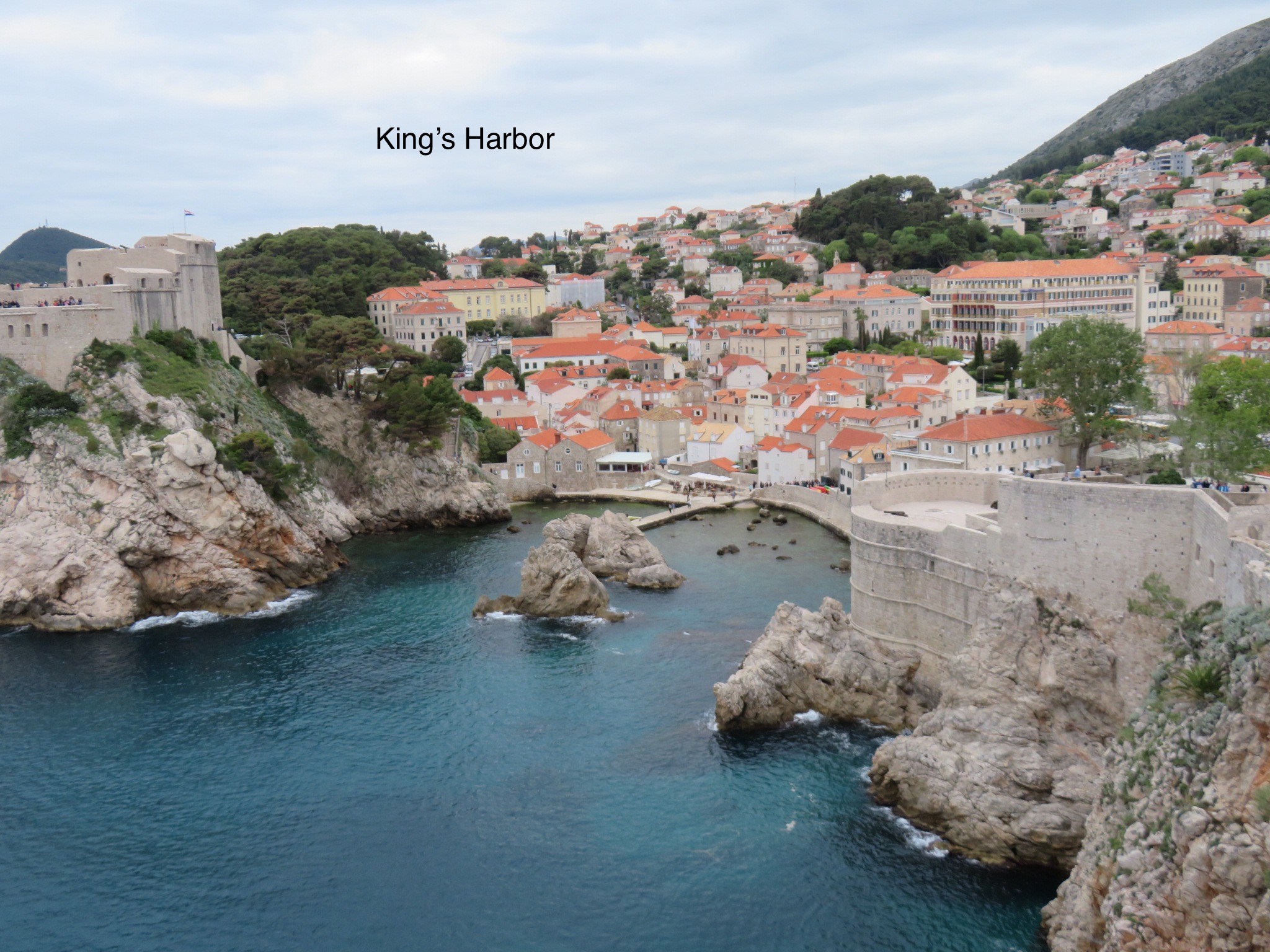
Dubrovnik was designated a UNESCO World Heritage site in 1979. The walls that encircle most of the old city were erected in the 16th century, and extend about 1.2 miles in length. At their highest, they reach about 80 feet. We spent this morning walking those walls, along which are several towers and fortresses. There are plenty of steps up and down on this wall – it was a good workout for us. The old city plan was laid out in 1292 when the port was rebuilt following a fire. Motor vehicles are not allowed inside the walls, except for the occasional delivery or emergency.

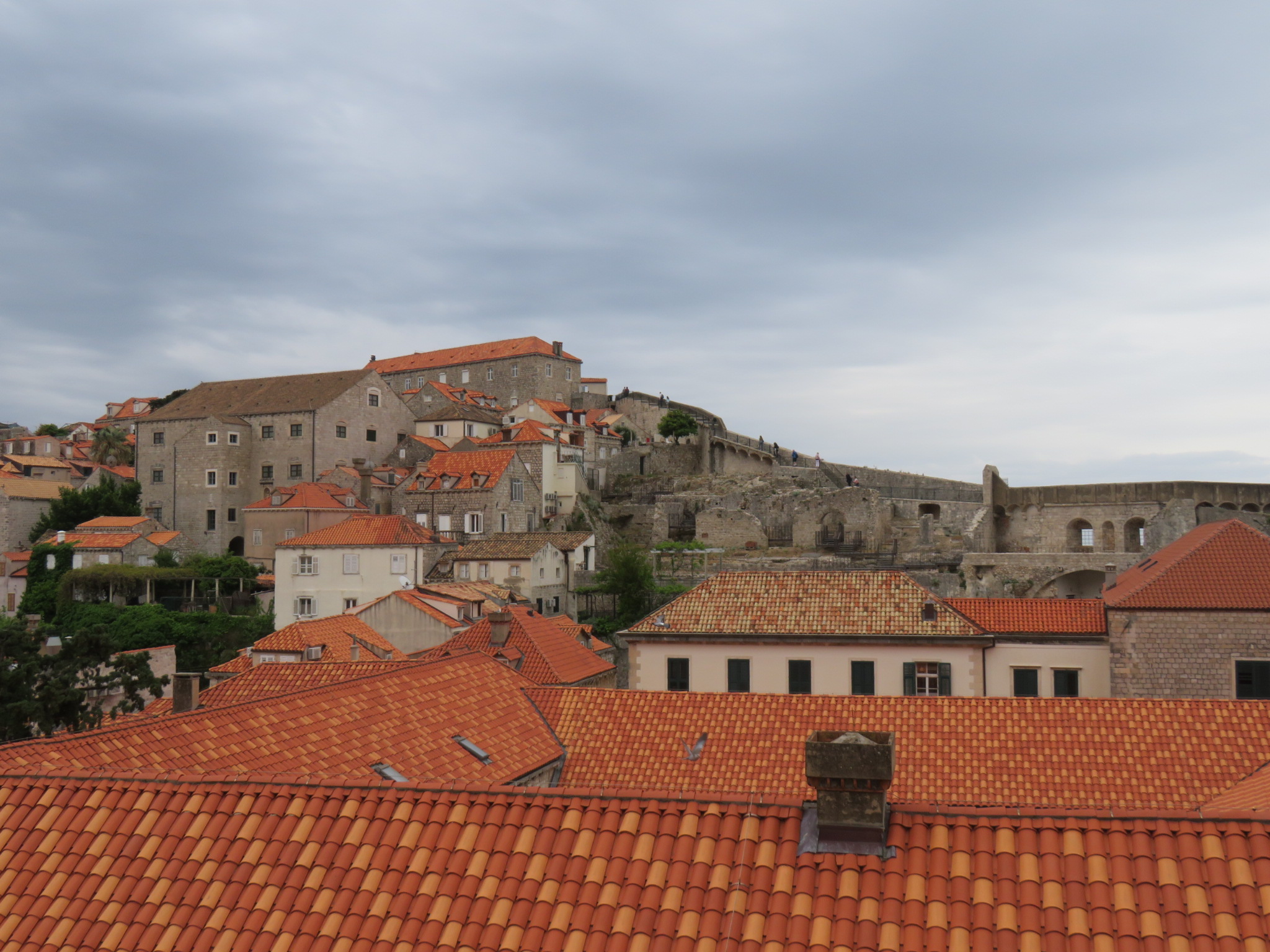
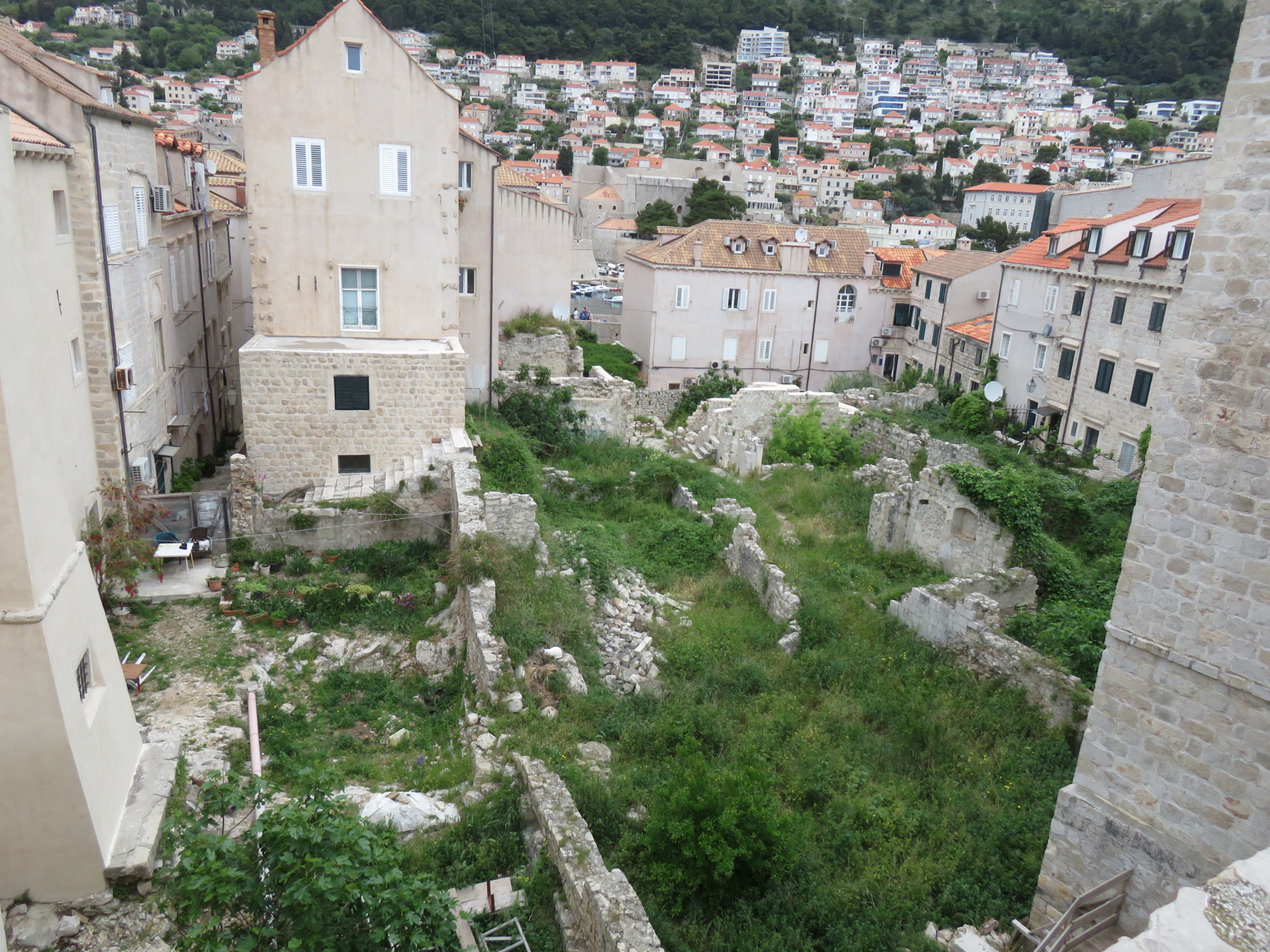
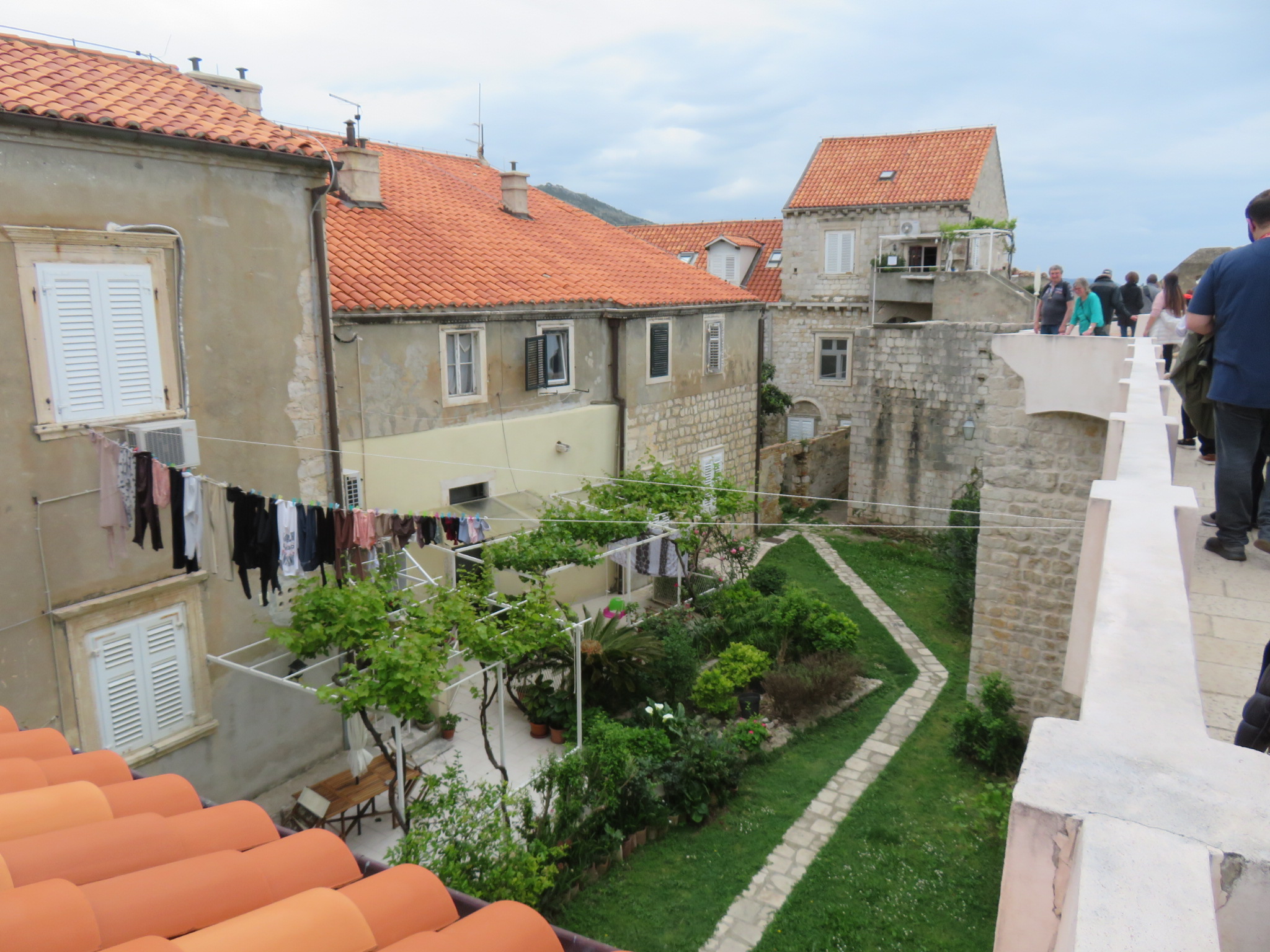
As we walked the walls, we could see evidence of the 1991-1995 struggle for independence. Many homes were struck by mortars, resulting in roof damage to many, destroyed walls in some. A great deal of reconstruction has occurred, outdoor areas are lush and green, with bountiful gardens in many yards. This area has become a popular destination, so we could see many places available for vacation rental. On the down side, this is making property too expensive for the locals to actually live in.

“Game of Thrones” fans may recognize some of the locations used in the series: King’s Landing (West Harbor), and Red Keep (Fort Lovrijenac.) They can even retrace Cercei’s Walk of Shame inside the city walls. On our way from Zadar, we passed by the setting for Arya’s training as one of the “Faceless.” Our guide today was an “extra” in season two of Game of Thrones.

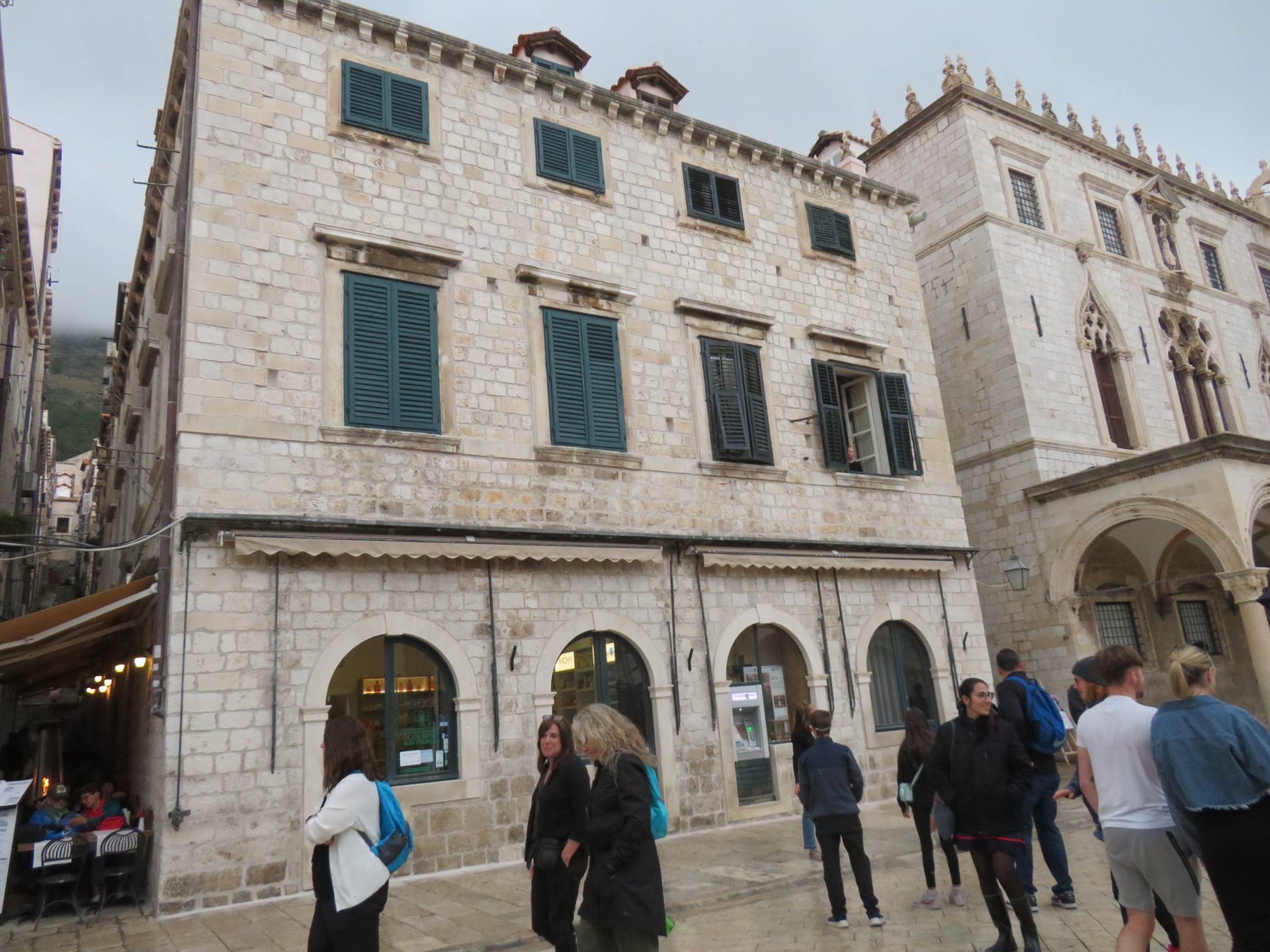
We returned later in the day to walk inside the walls. Much of the city is built on the hillside, so again we walked up and down lots of steps. Like any tourist destination, there are many restaurants and shops, even a few that aren’t tourist traps! We did indulge ourselves with a stop at a gelateria – yum!

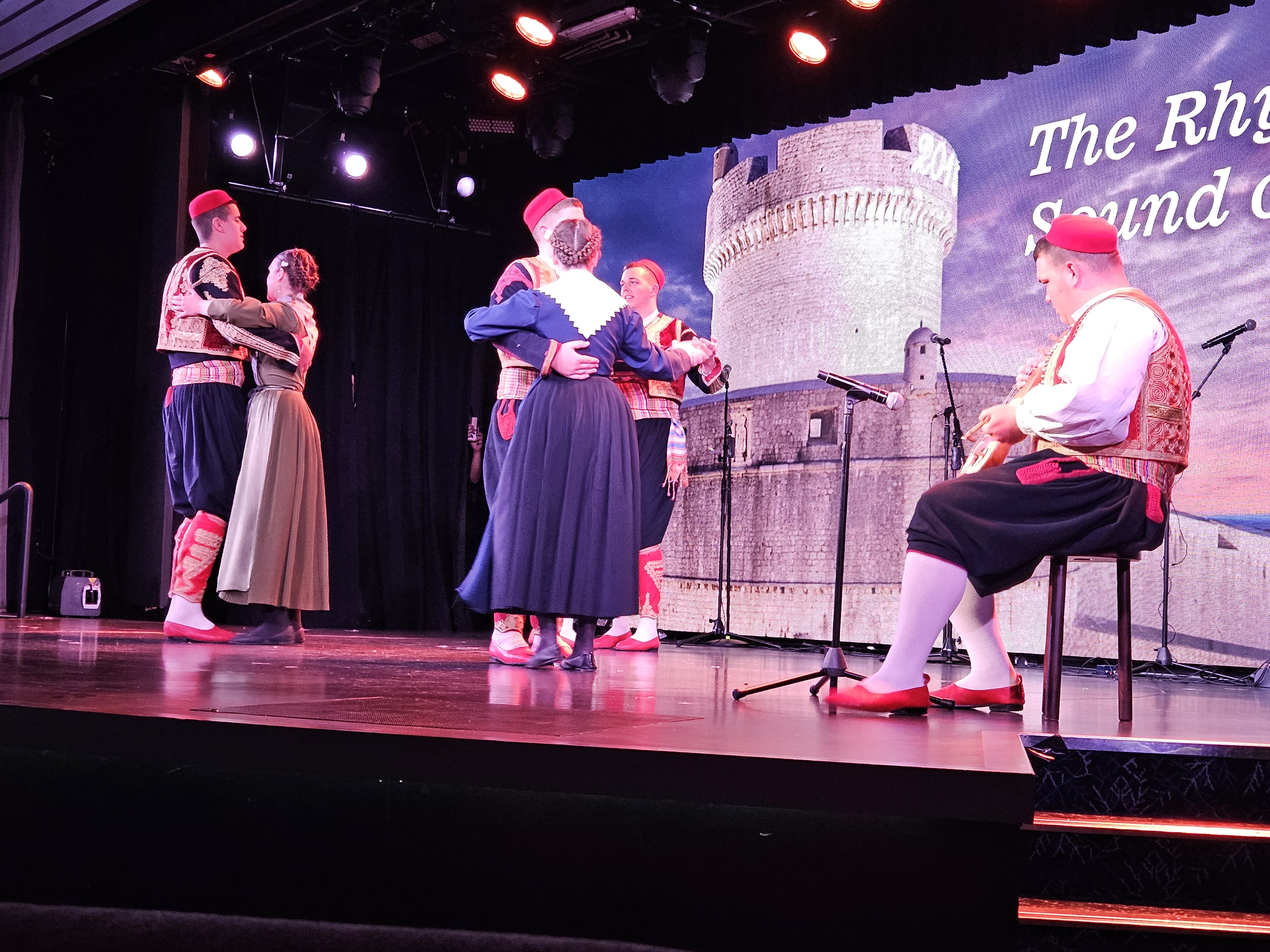
Tonight, a local group performed – Klapa Karaka & Folklore Dance – a rousing performance! The term Klapa dates from the 19th century, for a group of friends singing together, a capella, or accompanied by a simple instrument such as a mandolin or guitar. Another group performed several lively dances for us.

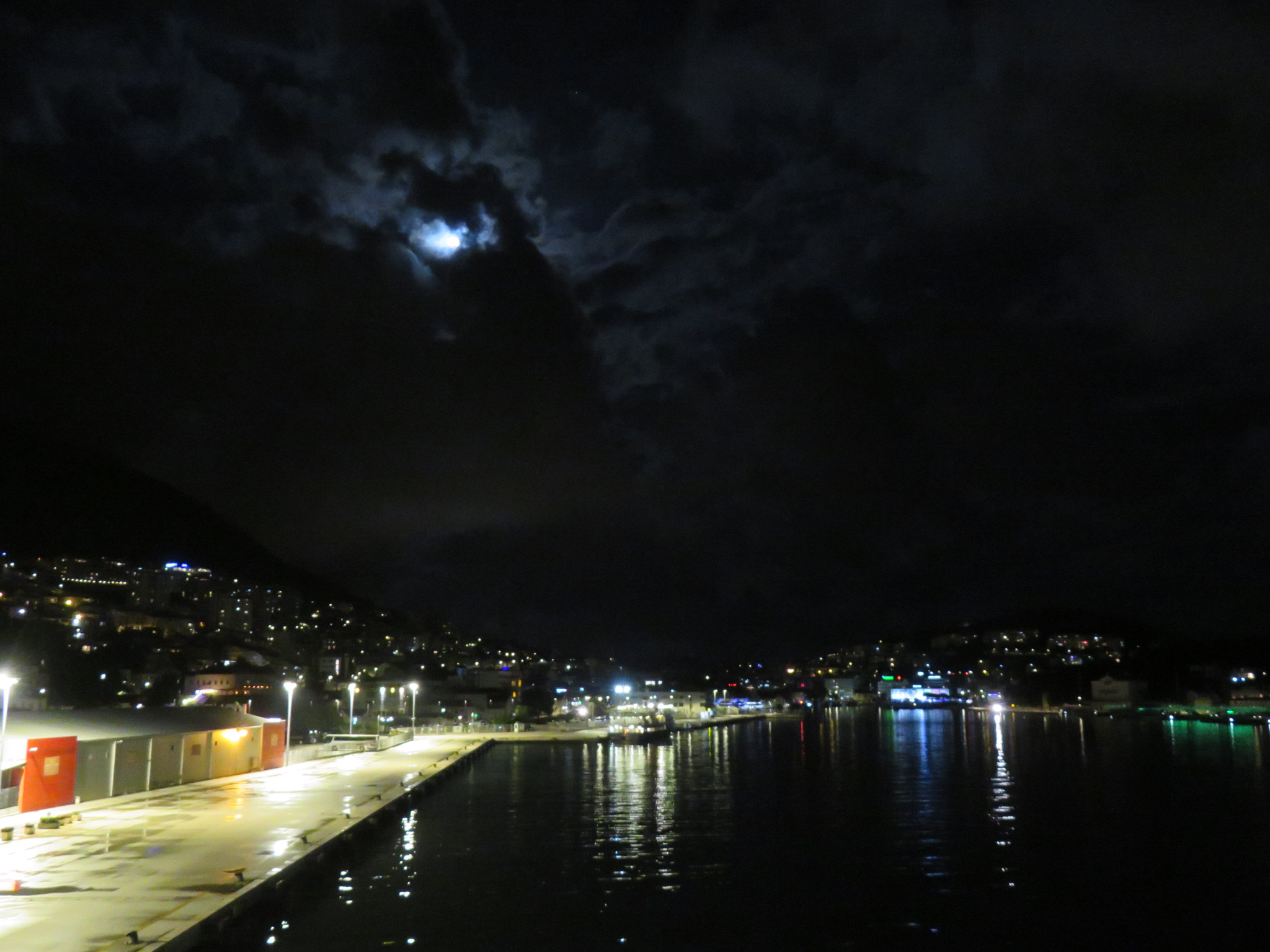
There was a full moon over Dubrovnik as we left port tonight.

Posted in Europe, UNESCO World Heritage Site | Tagged , , , , , | Leave a comment

Zadar, Croatia

Monday, April 22

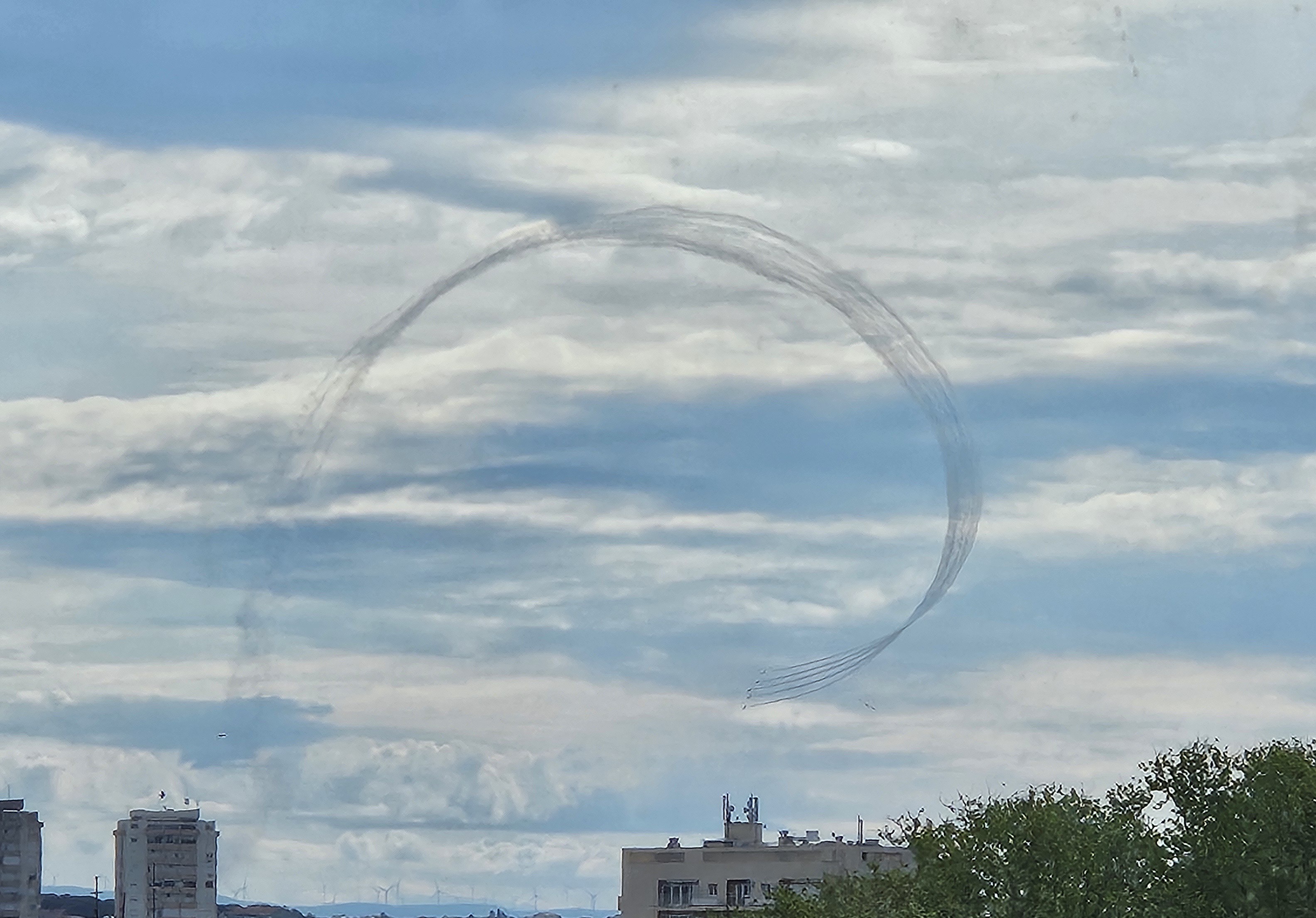
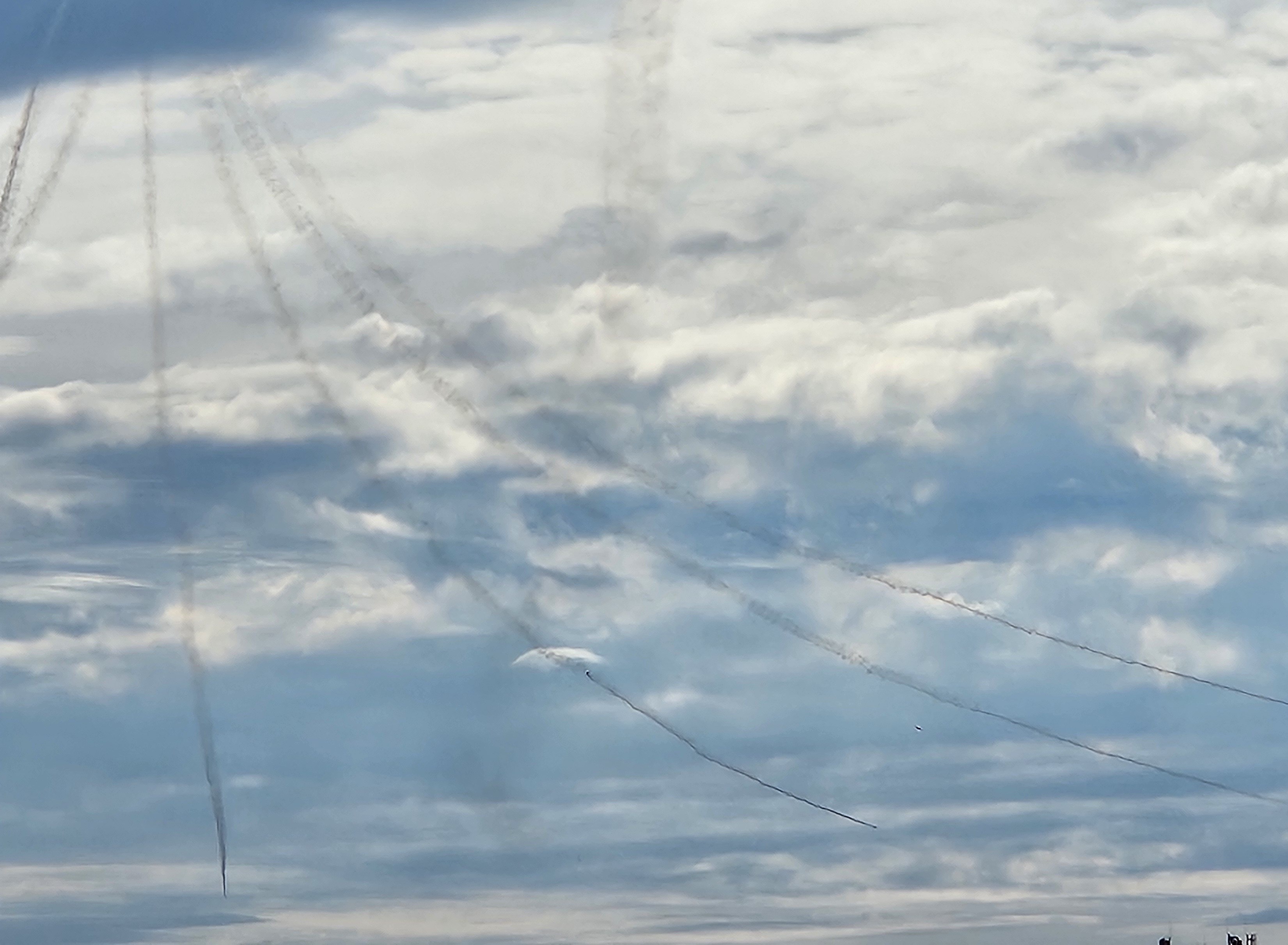
At breakfast this morning, I just happened to look up in time to see several jets flying in formation over the city of Zadar. It was the “Wings of Storm,” the Croatian Air Force acrobatic display team, similar to the US Navy’s Blue Angels. It appeared they were practicing their maneuvers this morning, flying loops and swoops, as well as flying straight up into the clouds. They were using colored smoke to mark their paths. I believe there were six jets in the pack.

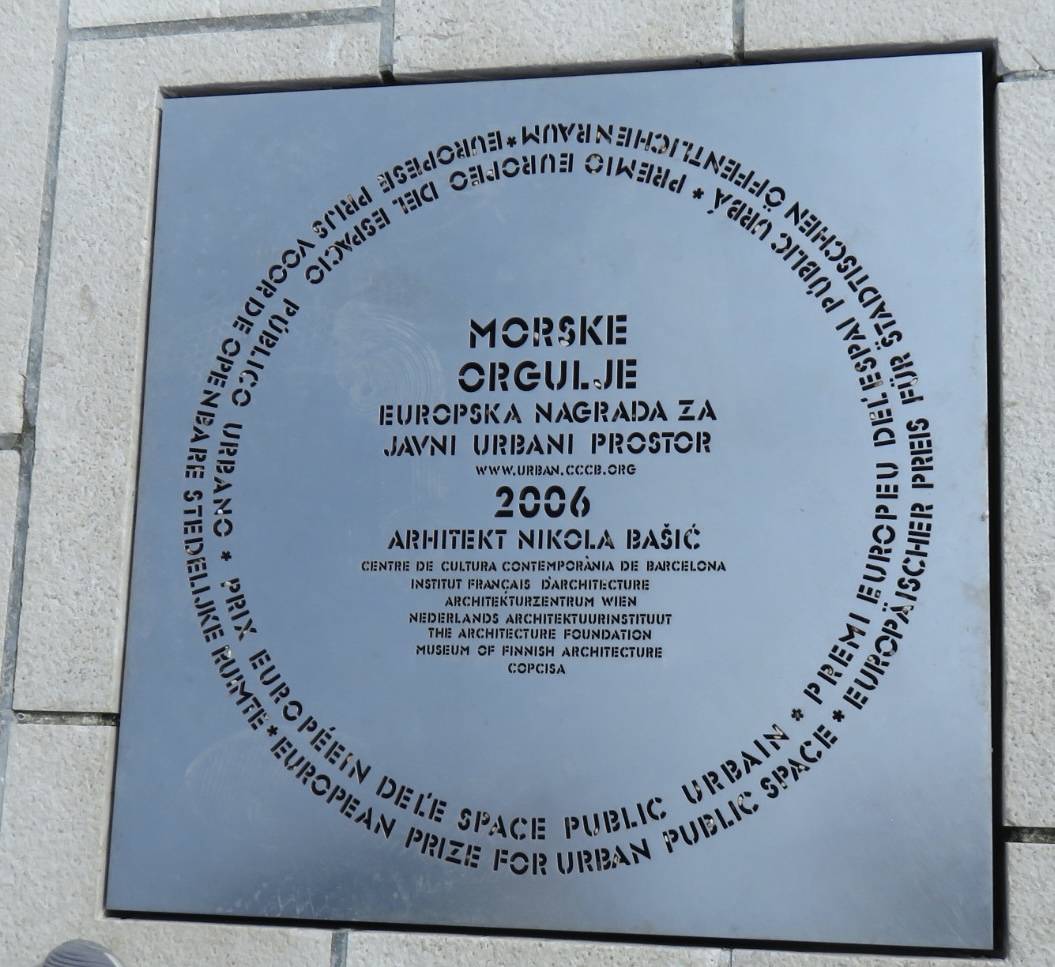
Next to the dock in Zadar is the Sea Organ, an architectural sound art feature on Zadar’s coastline. Tubes are located underneath large marble steps, and sea waves cause the musical tones that reverberated around us. This feature was designed by Nikola Basic as part of a redesign project in 2005.

Next to the Sea Organ is the Greeting to the Sun, which consists of 300 solar panels within a 72-foot diameter circle. Designed by the same architect who designed the Sea Organ, there are also smaller circles representing the planets. The sizes of the circles are proportional to the sun and planets, as are the distances from one to the next. The solar panels power lights that are turned on a night to produce a light show. Sadly, we will have left port by the time they are lit today.

Once the capital of Dalmatia, Zadar has been occupied since at least the late Stone Age. The town was laid out in the 9th century BC by Liburnians, built on a stone islet and connected to the mainland by a narrow isthmus. Liburnians, an Illyrian tribe, were sailors and merchants, and perhaps pirates as well.

Like many other countries in the area, control of Croatia moved back and forth between more powerful peoples – Romans, Ottomans, Austrians, among others. Like Slovenia, they attained their independence in the 1990s, although their war lasted four years rather than ten days.

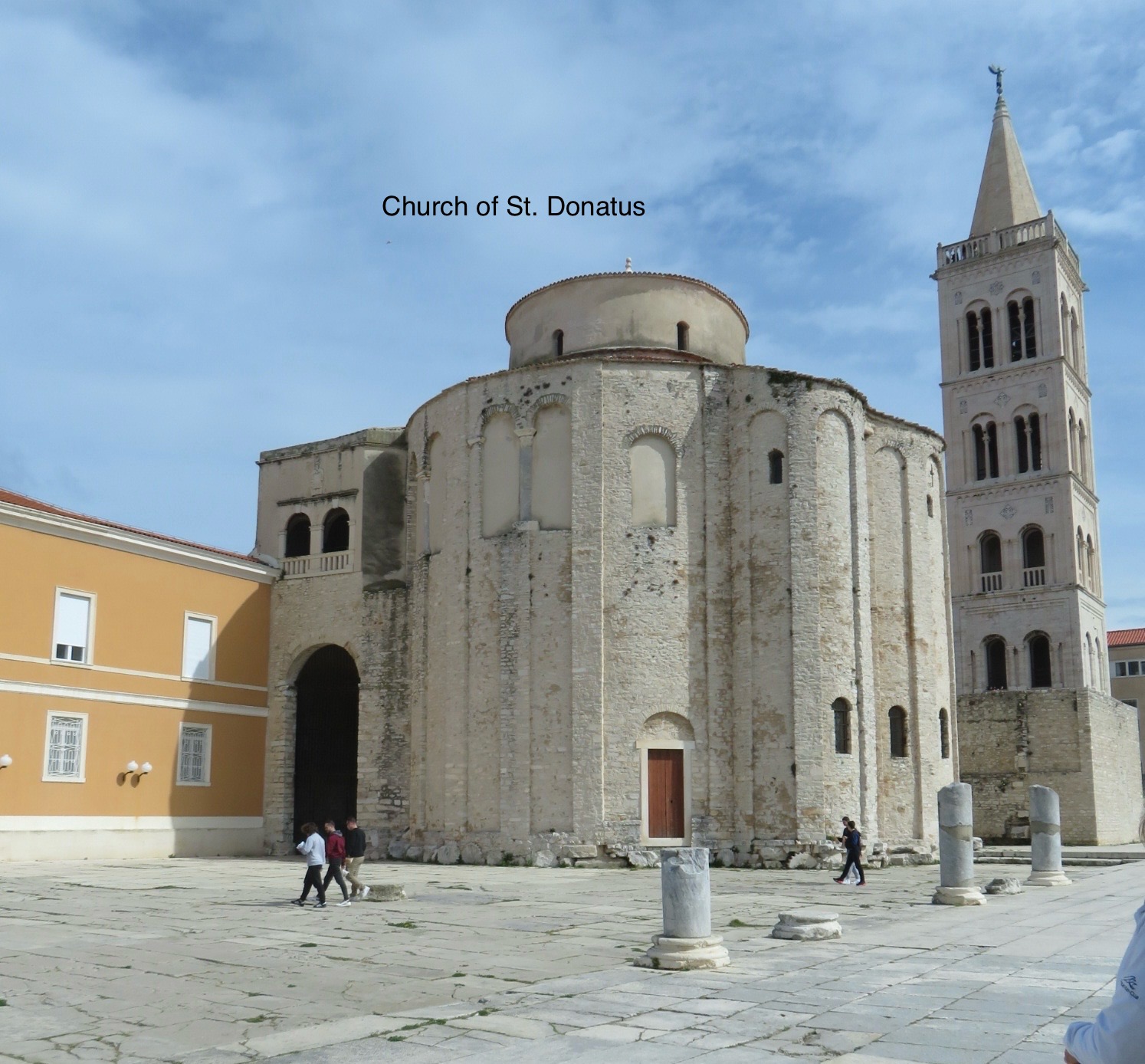
On our walking tour of Zadar, we walked through the Roman Forum, which was constructed between the 1st century BC and 3rd century AD, and is now surrounded by churches, including St. Donatus, the Cathedral of St. Anastasia and St. Mary’s Church. Although we could go inside, no photos were allowed.

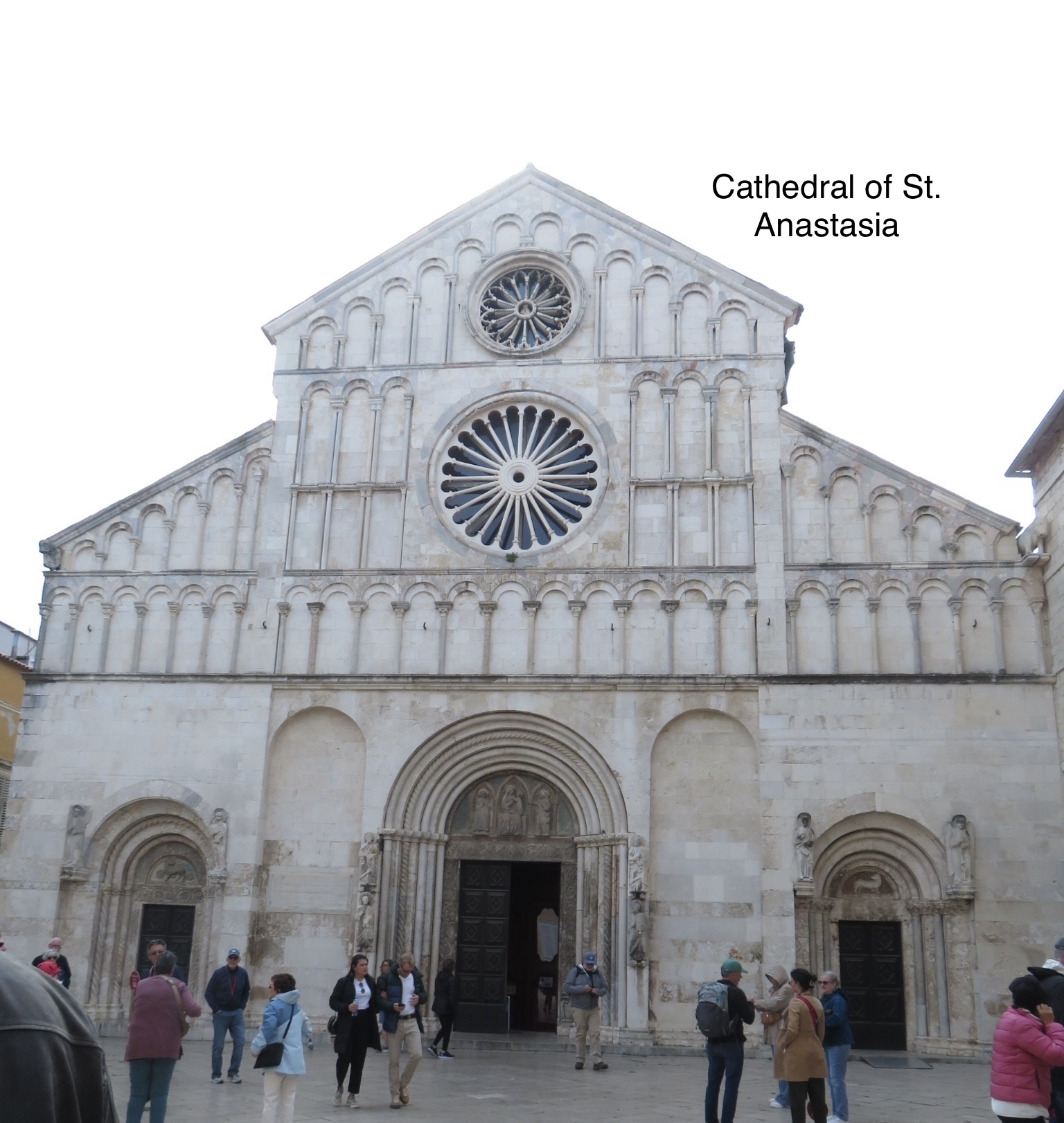
The Cathedral of St. Anastasia was originally built in the 4th and 5th centuries AD. During a siege by Venetians and Crusaders in 1202, the cathedral was heavily damaged. It was under repair for most of the 13th century, and is now considered a fine example of Romanesque architecture.

The Church of St. Donatus dates to the 9th century. Donatus was a bishop and diplomat for the city-state of Zadar. He is credited with the construction of the church. This circular church is typical of the the early medieval age in Dalmatia. In addition to its initial use as a church, it has served as a warehouse, an archaeological museum, and currently as a concert venue for the annual Festival of Medieval Renaissance Music.

The newest church we visited today was built in the 11th century – St. Mary’s Church. Founded as a Benedictine monastery, it functioned for several centuries, and was rebuilt in the 16th century. It was destroyed in World War II, then was rebuilt after the war. The bell tower dates to the 16th century. The church houses many ecclesiastical artifacts, dating back to the 16th century. Relics from several saints are enclosed in reliquaries, and on display. We were not able to take photos inside the museum.

The Church of St. Simeon holds the body of St. Simeon who, when he met the infant Jesus, said that he could die now that he had seen the Messiah. His mummified body was acquired by the church in 1203, and is housed in a silver and gold sarcophagus. The sarcophagus was donated by a wealthy woman around 1380. There are several stories about why she gave this gift. Did she steal the saint’s finger, conceal it by her breast, and did it cause her skin to become infected so she had to return it to the church? Or did she pray to St. Simeon to grant her a son, and gift the sarcophagus to seal the deal? Who knows? And does it really matter?

For trivia lovers: The cravat, a scarf worn by dapper men, sort of like a tie or an ascot, comes from Croatia. The word comes from French cravate, meaning from Croat, because of the scarf worn by Croatian mercenaries in France. The Cravat Regiment is an honor guard based in Zagreb. Their uniforms are replicas of those worn by the Croat military forces during the Thirty Years’ War of the 1600s.

Posted in Uncategorized | Tagged , , , , , , | Leave a comment

Koper to Ljubljana, Slovenia

Sunday, April 21

We cruised overnight from Chioggia to our first stop on the Adriatic Sea – Koper. Koper sits on the northern section of Slovenia’s rather short shore line – only 29 miles long. This sheltered port city is the third busiest cargo port in Europe, with automobiles making up a large share of the cargo that goes in and out. The automotive industry employs about 16,000 people in Slovenia, and surrounding countries also ship autos through this port.

Slovenia, the “Heart of Europe,” has two official languages – Slovenian and Italian. The country has been a member of the European Union since 2004, and is also a member of NATO, and the Schengen Area. The country is relatively prosperous, especially compared with surrounding countries that were also under communist rule in the past.

Our guide today told us several times that Slovenia is the only country with “love” in the name.

Viking Cruises offers several shore excursions at each port. Some stay close to the port, and others go further afield. Today, we opted to journey to Ljubljana, the capital of Slovenia, a little over an hour from Koper. Both Mark and I have ancestors who came from Slovenia, three and four generations back, and we are excited to learn more about this small part of our respective heritages. At the time these ancestors emigrated to the United States, Slovenia was part of the Austro-Hungarian Empire. In 1918, the country merged with Montenegro and Serbia to form the Kingdom of Yugoslavia, from which it declared independence in 1991, becoming an independent sovereign state, after a 10 day war. Neighboring Croatia, on the other hand, was at war for four years, from 1991 – 1995. Apparently, the Serbs weren’t terribly interested in Slovenia.

The government here is a parliamentary democracy, with five political parties currently. The current president is female, a fact that our guide seemed to be quite proud of.

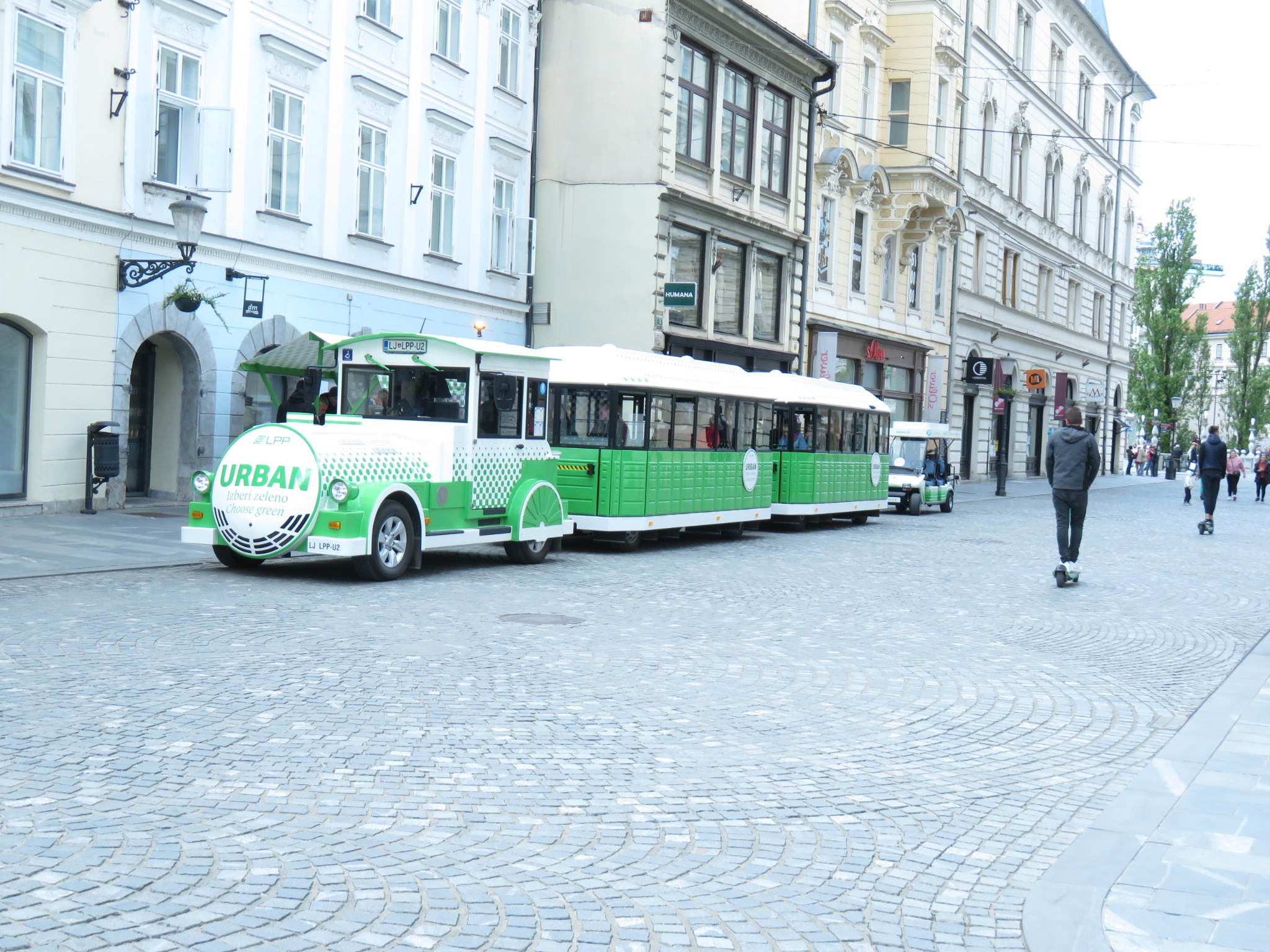
Slovenia’s capital, Ljubljana, is also its largest city, with a population of almost 300,000 people, among which about 20% are university students. The city began restricting the use of automobiles about 15 years ago, creating more pedestrian areas and green spaces. The city center is now very pedestrian friendly, offering shopping and dining surrounded by lots of green space. There is a free shuttle that takes people all around the central part of the city.

We were treated to walking tour of the city center, with its castles, churches and bridges. Several of the buildings and bridges were designed by the architect, Jože Plečnik, who blended modernism with more historical styles such as baroque. He is a founding member of the Ljubljana School of Architecture, and he had a great deal of influence on the architecture of the city. Several works were added to the list of World Heritage Sites by UNESCO in 2021, under the name “The Works of Joze Plecnik in Ljubljana – Human Centred Urban Design.”

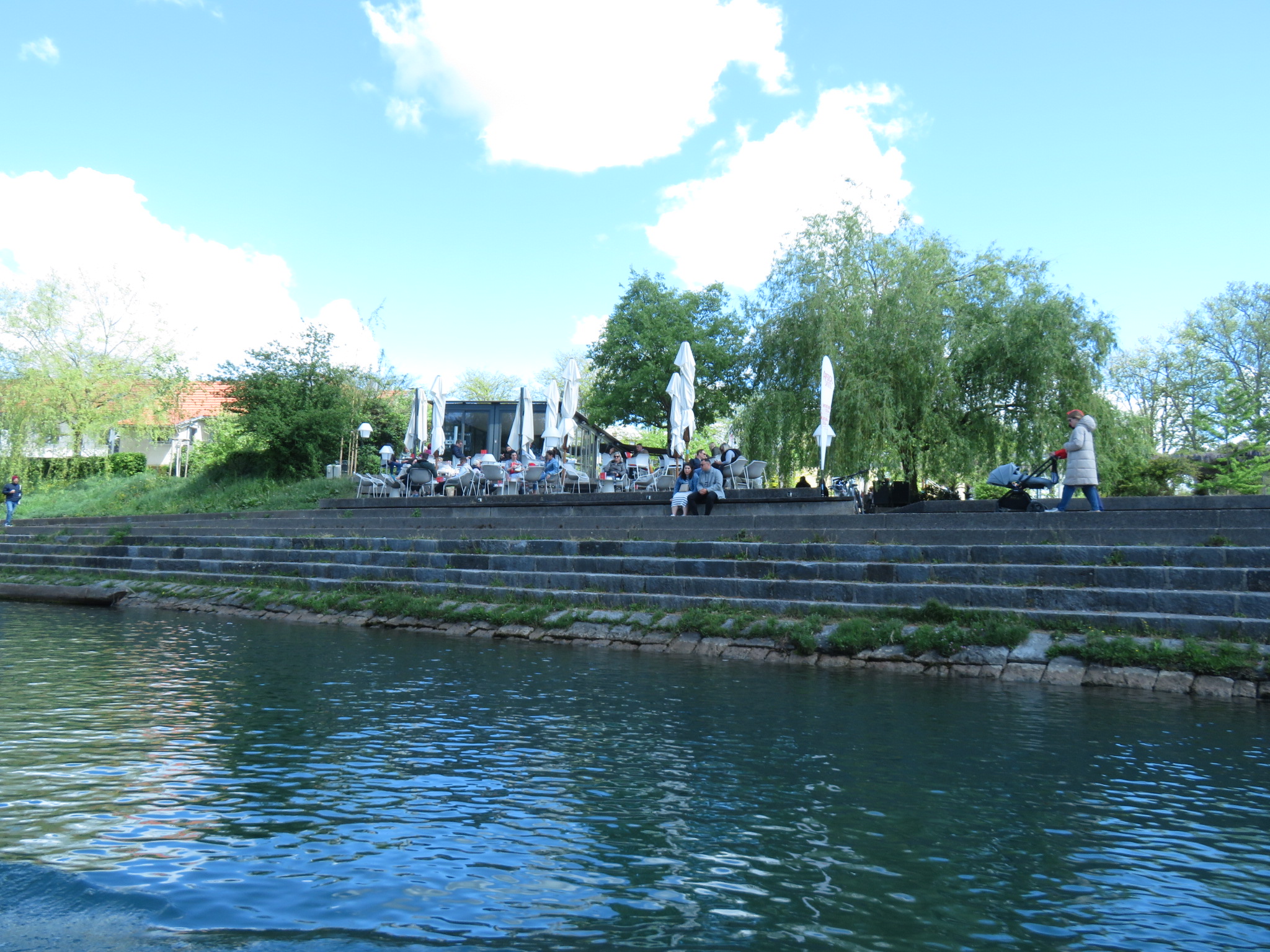
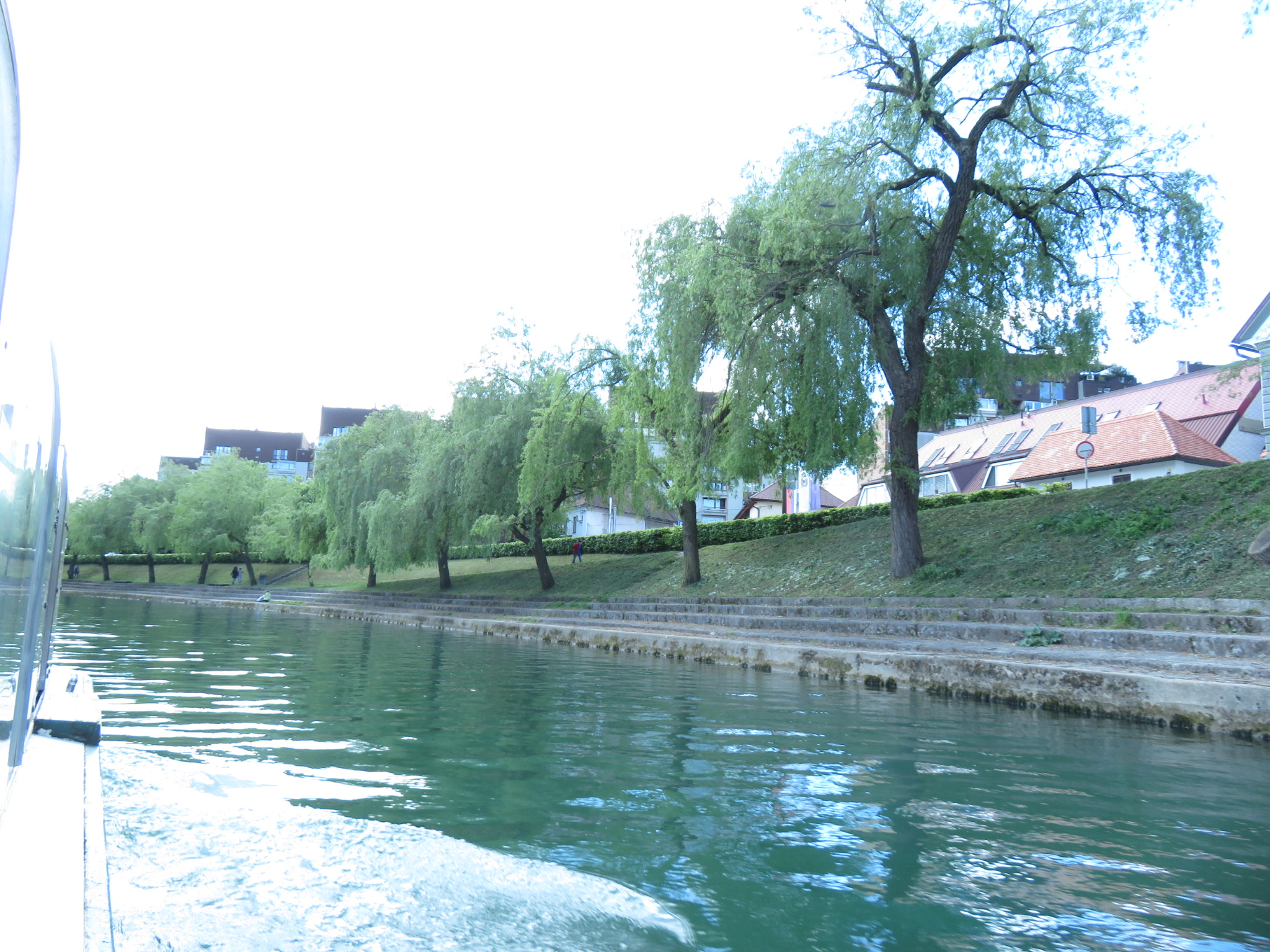
We took a boat ride down the Ljubljanica River, enjoying views of Old Town on one side and the newer areas on the other. The ride was followed by lunch, then a little time to explore on our own. We passed under several bridges, including The Triple Bridge, designed by Plecnik, part of the World Heritage List.

Posted in Europe | Tagged , , , , , | Leave a comment

Chioggia, Italy

Saturday, April 20

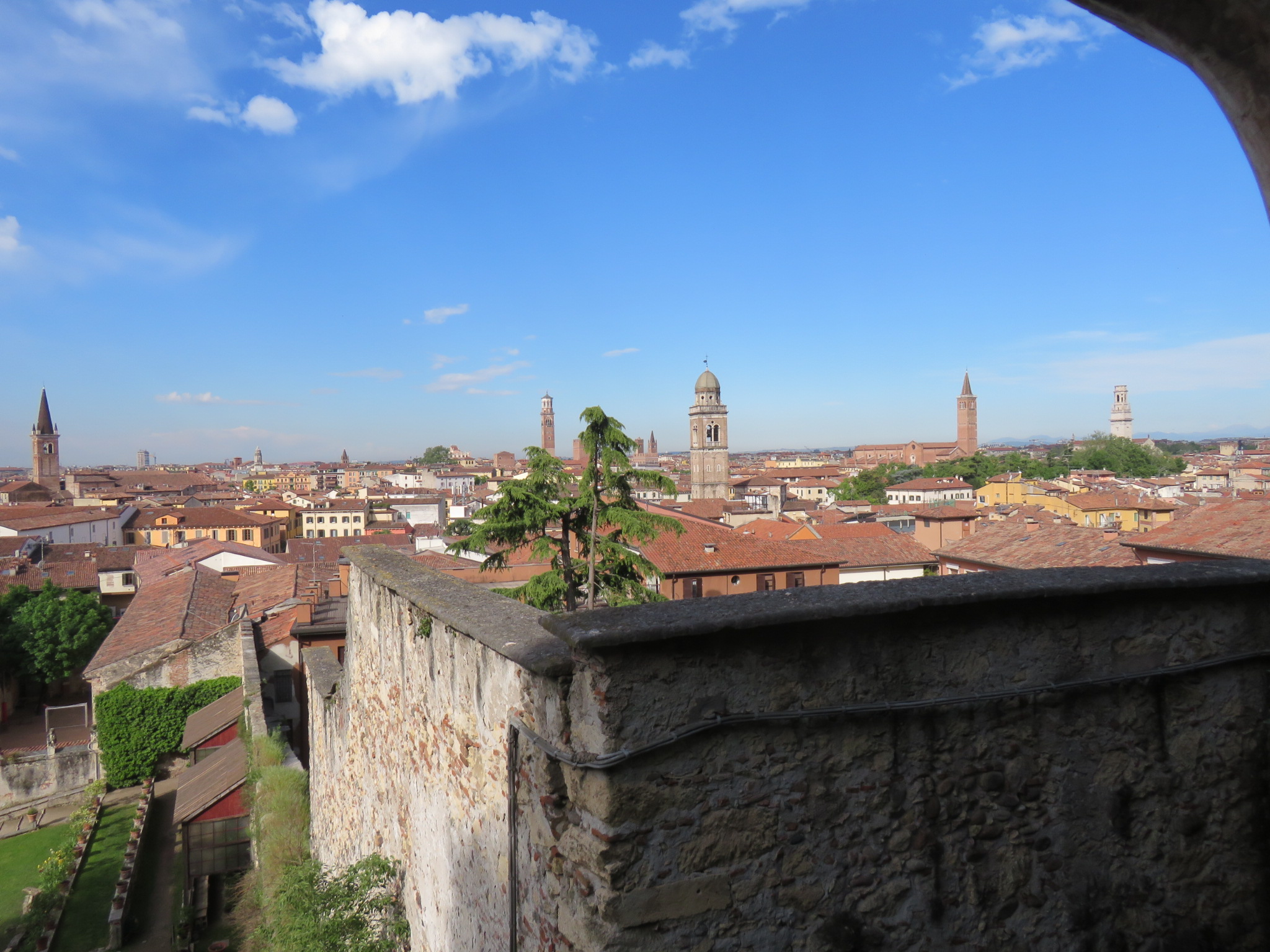
We left this morning, headed to Venice to board our cruise ship. On the way, we stopped at the Villa Giusti outside of Verona. This villa served as a temporary home to King Victor Emmanuel III during World War I. He served from 1900 to May, 1946, when he abdicated in favor of his son, Umberto II. The Italian monarchy was dissolved shortly thereafter, in June of the same year.

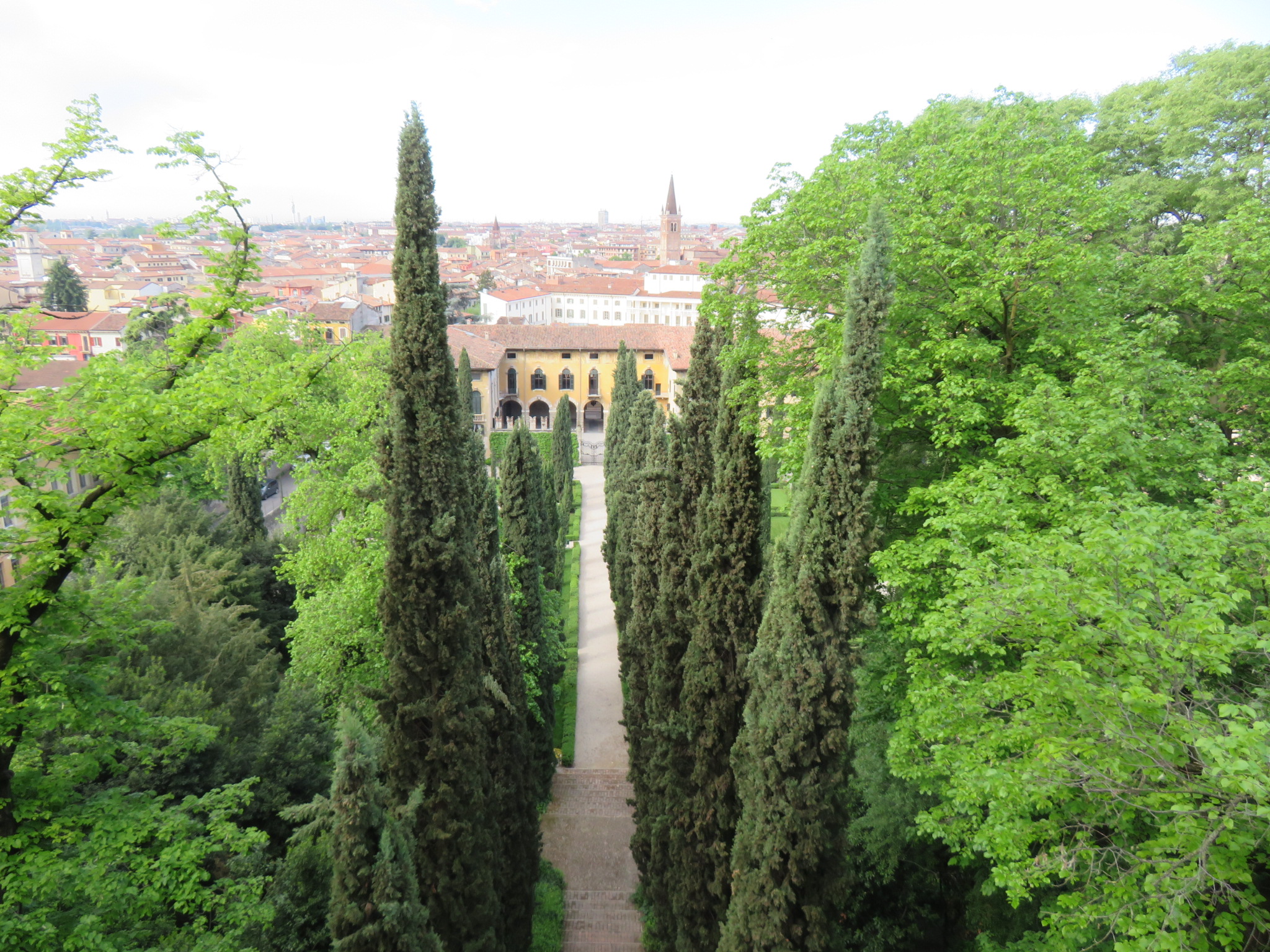
Giardino Guisti (Guisti Garden) preserves the tone of past gardens with its architecture and its references to mythology and the classical war. The garden is laid out in the “giardina all italiano” style, with nine square sections. A central path, lined with cypress, took us to the upper levels where the Belvedere is located. A belvedere is a building with a view, from the Italian words “bel” (beautiful) and “vedere” (view.) We climbed the 50 steps of the belvedere, and the views were indeed beautiful. We could see much of Verona from there. We would have enjoyed spending more time at this lovely oasis, but it was time to head to the ship.

Later in the day, we arrived at the cruise port outside of Venice. On our first cruise to Venice, in November, 2012, we docked on the northeast side of the island. Since, then, the Italian government has declared that all cruise ships must use alternate locations outside of Venice, to help preserve the Venetian Lagoon, so we boarded the ship in Chioggia, south of the Lagoon.
We experienced record level flooding during that November, 2012 visit, almost five feet. Since then, there have been four events with higher levels, the highest so far being in November, 2022, at over 6.5 feet. At that time, we had learned about MOSE (Experimental Electromechanical Module,) a project designed to protect Venice from the ever-increasing levels of flooding. A smaller version was in place already to protect Chioggia, but the larger one, begun in 2003, is scheduled for completion in 2025. It has been used already, 49 times since it was first tested in 2020. The project is designed to protect Venice up to 3 meters (almost 10 feet.) It will be activated any time the tide is forecast to be 1.3 meters or higher (just over 4 feet.)

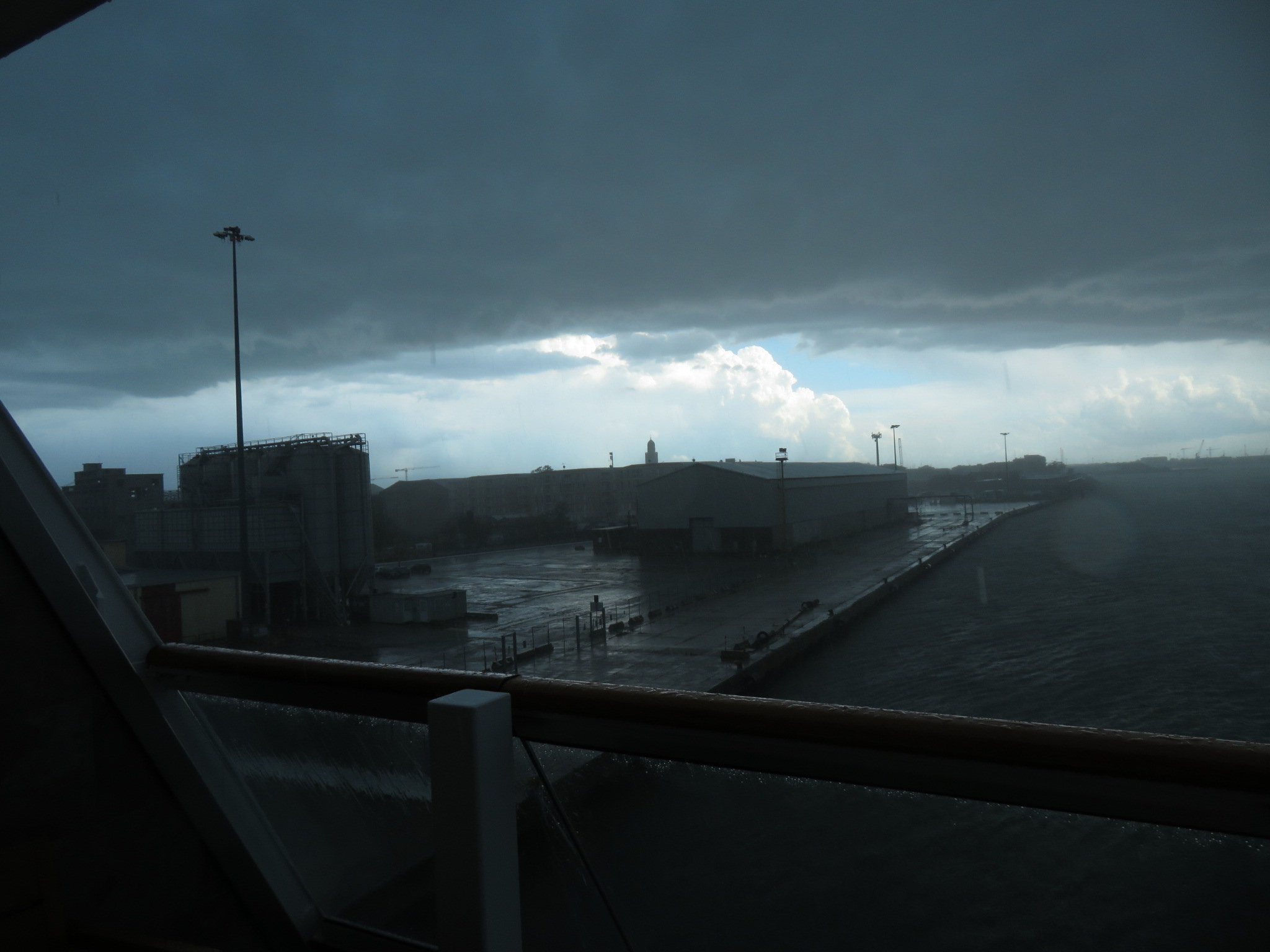
We had the option of walking into Chioggia before dinner, but opted to try to settle into our cabin instead. Living out of a suitcase gets old pretty fast. This turned out to be a good decision, as a drenching storm came in the late afternoon.

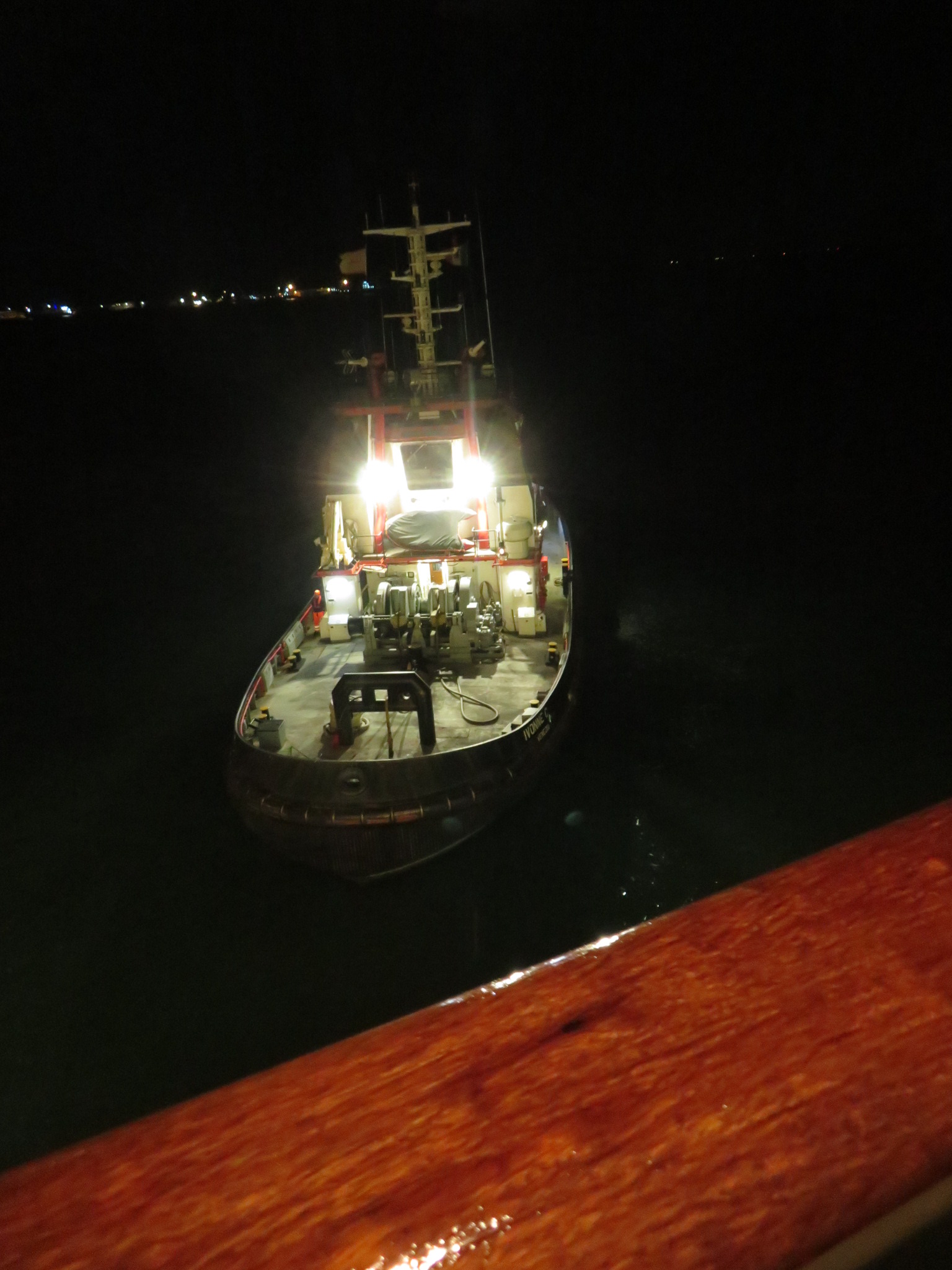
We cast off from the Chioggia dock after dinner. Our cabin is at the far aft (rear) end of the boat, which gave us an opportunity to watch the tug help guide us out into the Adriatic Sea.

Posted in Europe, UNESCO World Heritage Site | Tagged , , , , , , , | Leave a comment

Verona, Italy

Friday, April 19, 2024

We left the Lake Como area this morning to travel to Verona, a Roman town dating to the 4th and 3rd centuries BCE.

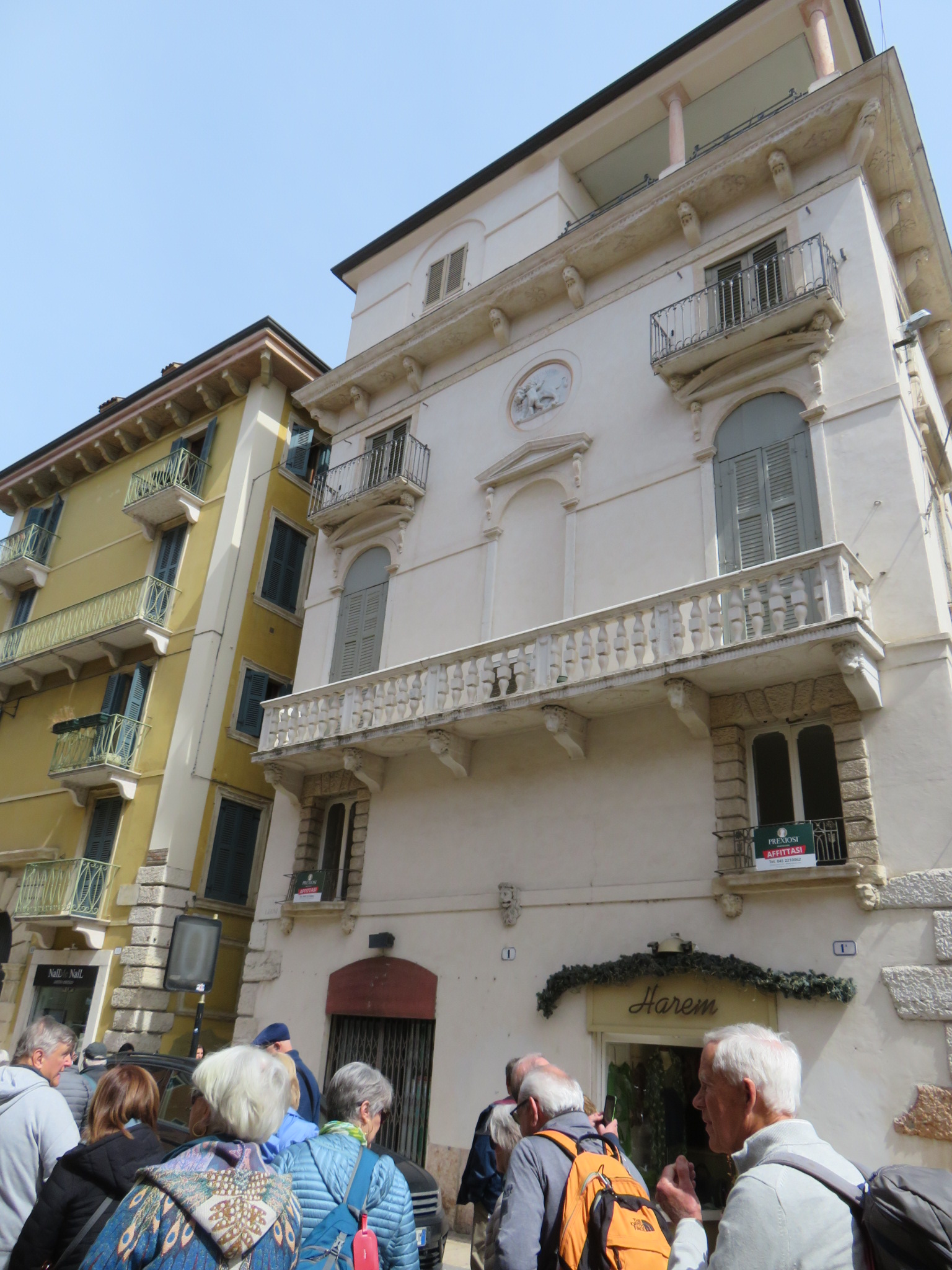
This UNESCO World Heritage Site is home to two of William Shakespeare’s plays: “The Two Gentlemen of Verona” and “Romeo and Juliet.” During a guided tour, we visited the balcony that is said to be the one Juliet stood on in the play. However, there was no reference to a balcony in Shakespeare’s original play – Juliet stood at a window. Later adaptations added the balcony. Also, the balcony we saw today was built in the 1930s for the 1936 film of “Romeo and Juliet.” I suppose it is more romantic to imagine a love-struck young girl standing outside on a balcony, rather than leaning out of a window.

Under the window is a statue of young Juliet, actually a reproduction of the original statue which was being damaged by a rather inane tradition that has developed. People rub her right breast for luck, not unlike what tourists do to the statue of Molly Malone in Dublin. The area was packed with people who wanted to view the balcony and/or rub the breasts.

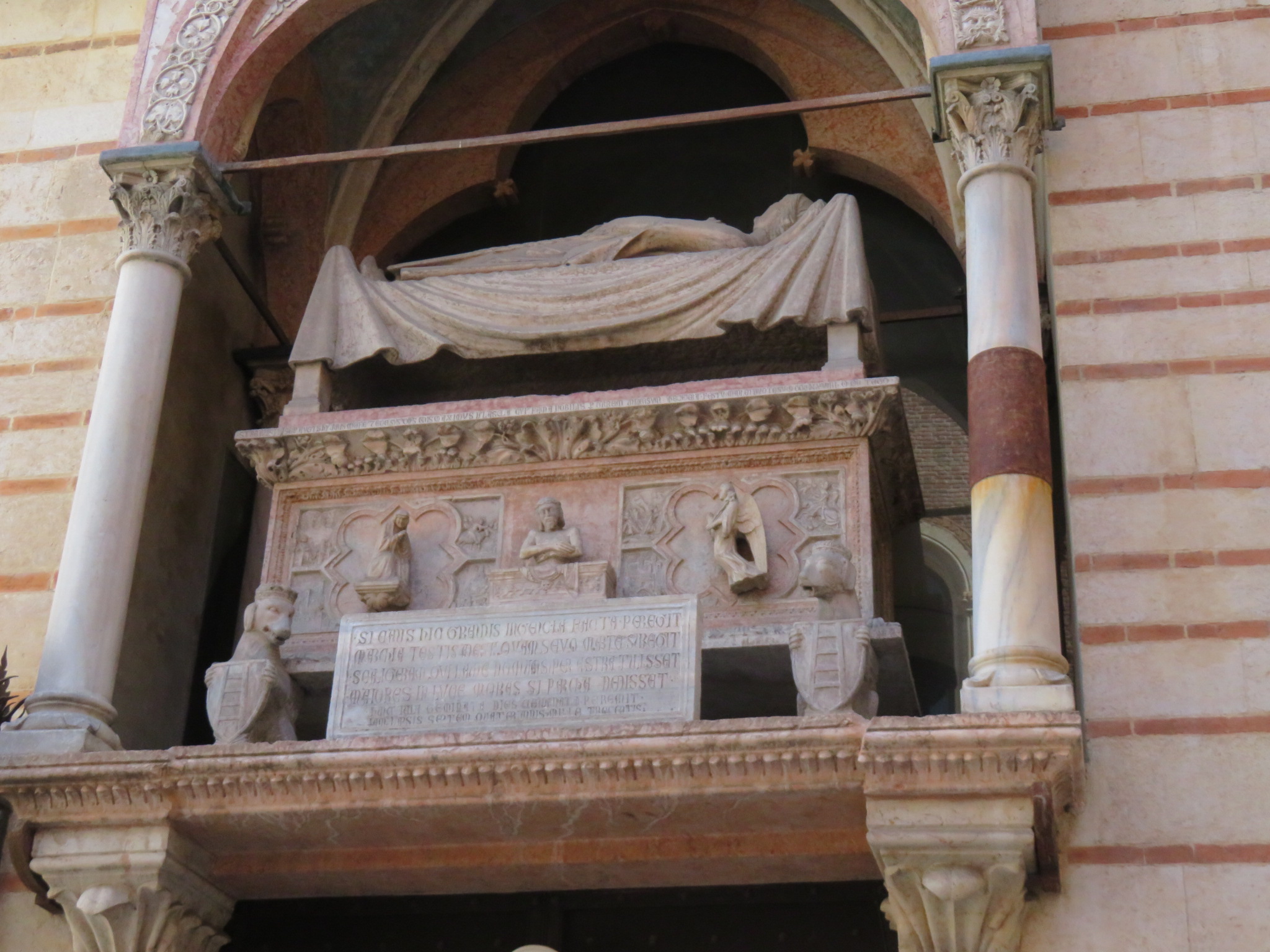
Also during the tour, we saw some excavations of areas of the ancient city. Like many old, old cities, there are often a few layers – the older city has deteriorated or been damaged by fire, flood, or earthquakes, and a new city has been built on top. It is possible to see several archaeological sites from Roman times in the city.

There are a number of Roman structures in Verona, although many were destroyed by an earthquake in 1117. Some of the replacements are more reflective of the later Venetian influence. They continue to house businesses, retail shops, restaurants and residences.

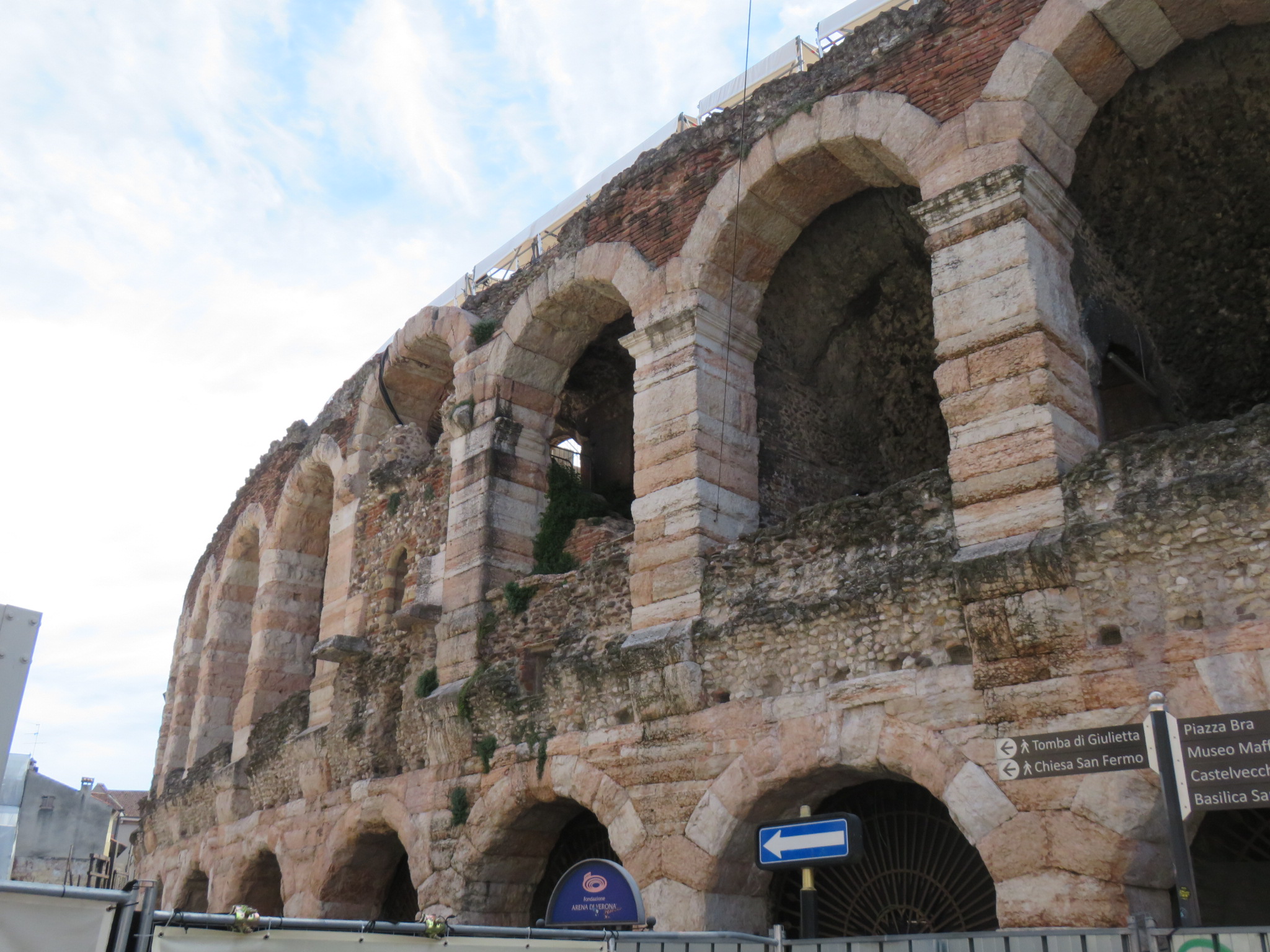
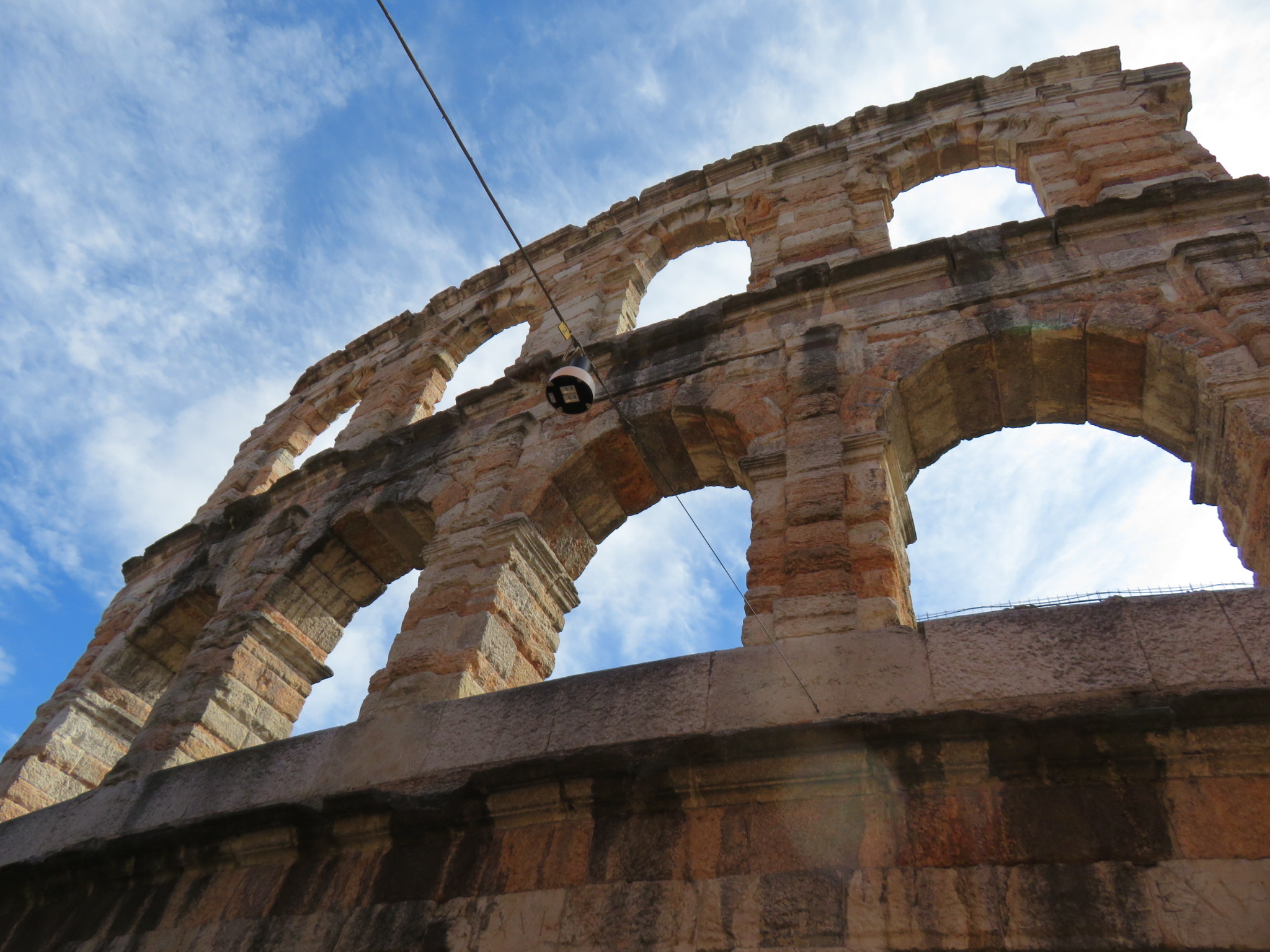
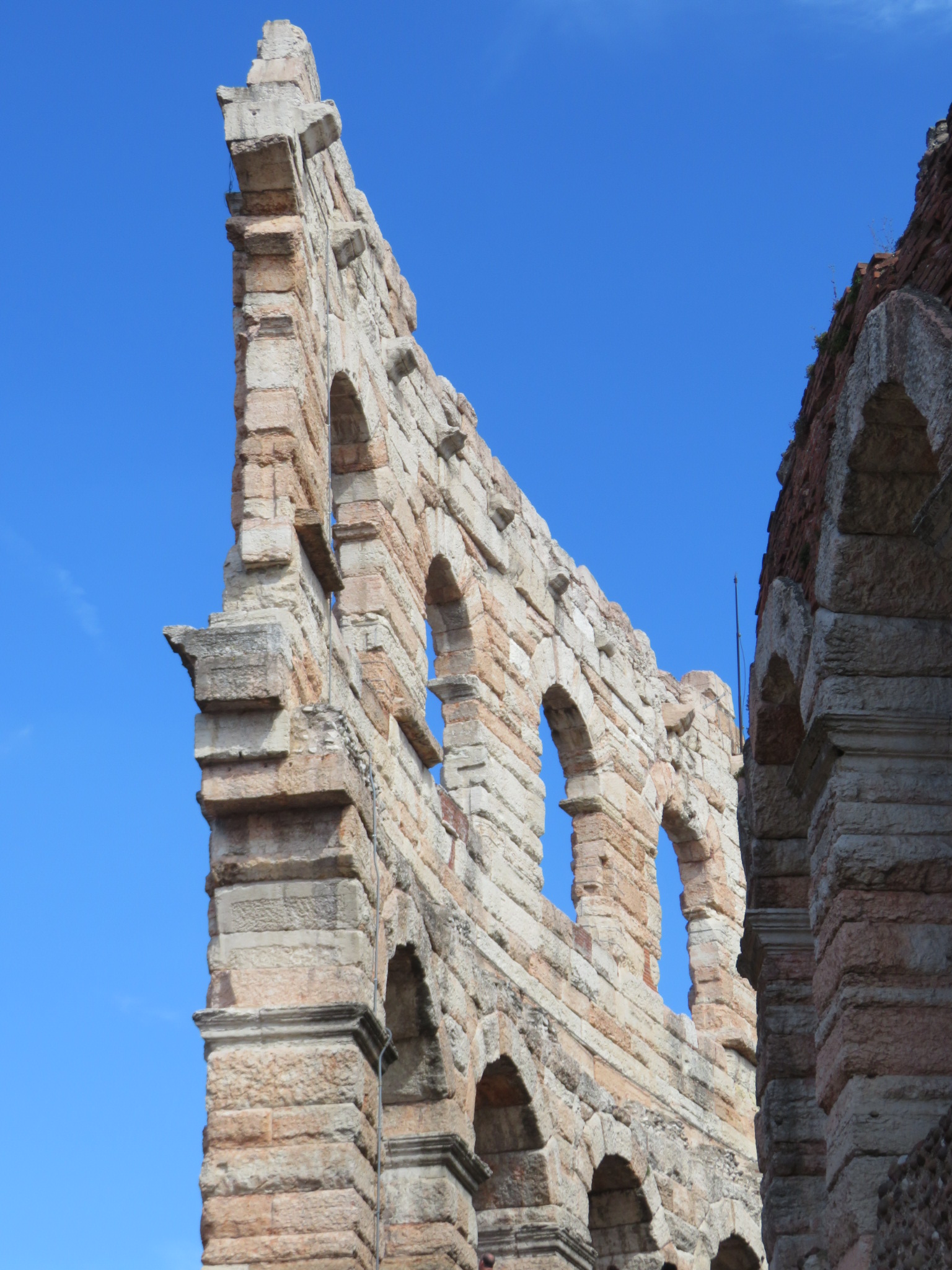
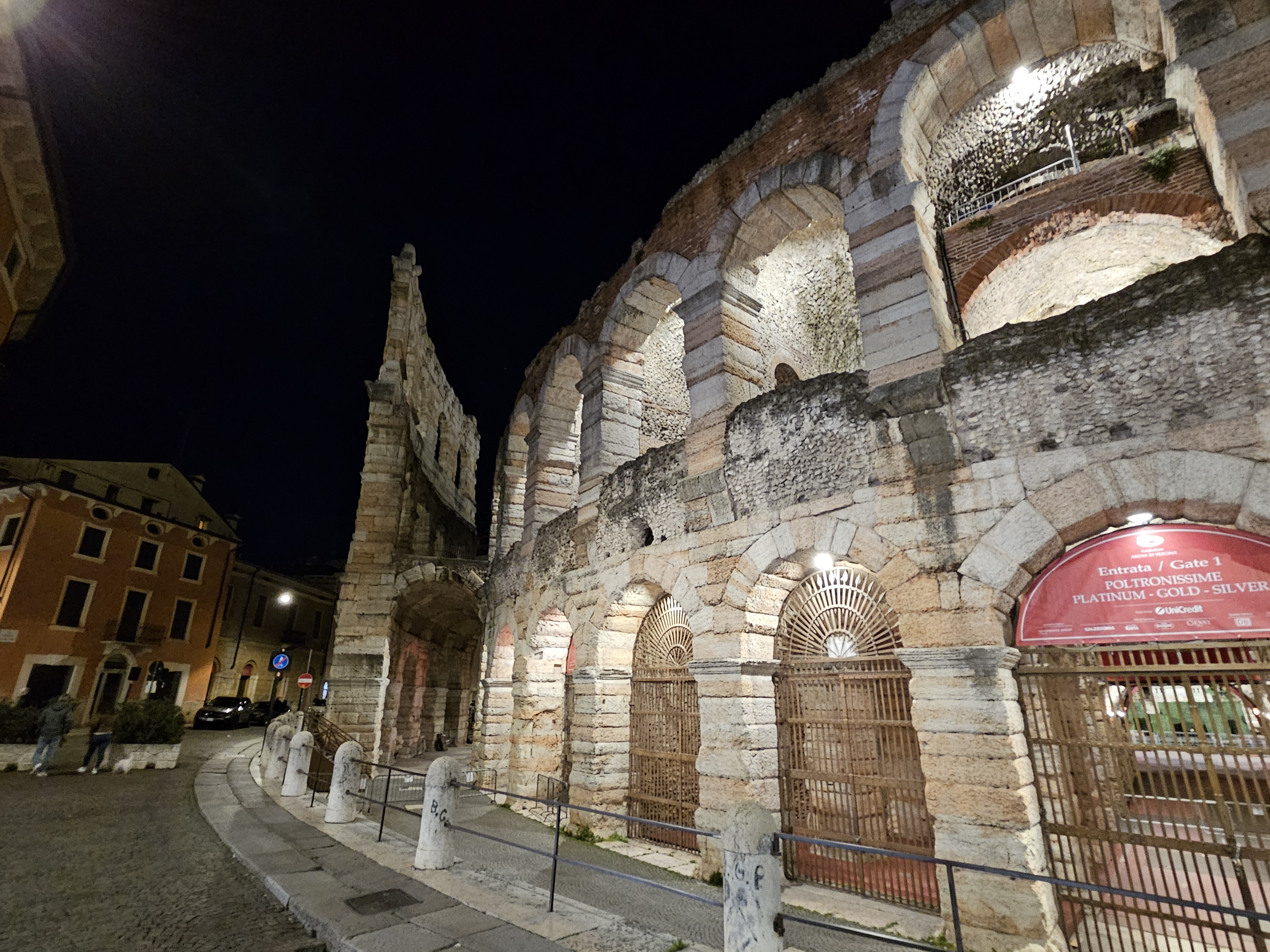
The Verona Arena, built in 30 AD, with a capacity of 30,000, is still being used today for concerts and opera performances. The arena has also hosted international rock and pop bands, including Pink Floyd, Rod Stewart, Michael Flatley, Sting and many more well-known artists. In two years, the arena will be home to the closing ceremonies of the 2026 Winter Olympics and the opening ceremonies of the 2026 Winter Paralympics. We passed by the Arena during the day, and found it to be very impressive. It sits on the edge of the busy shopping area of Verona, across from several lively restaurants.

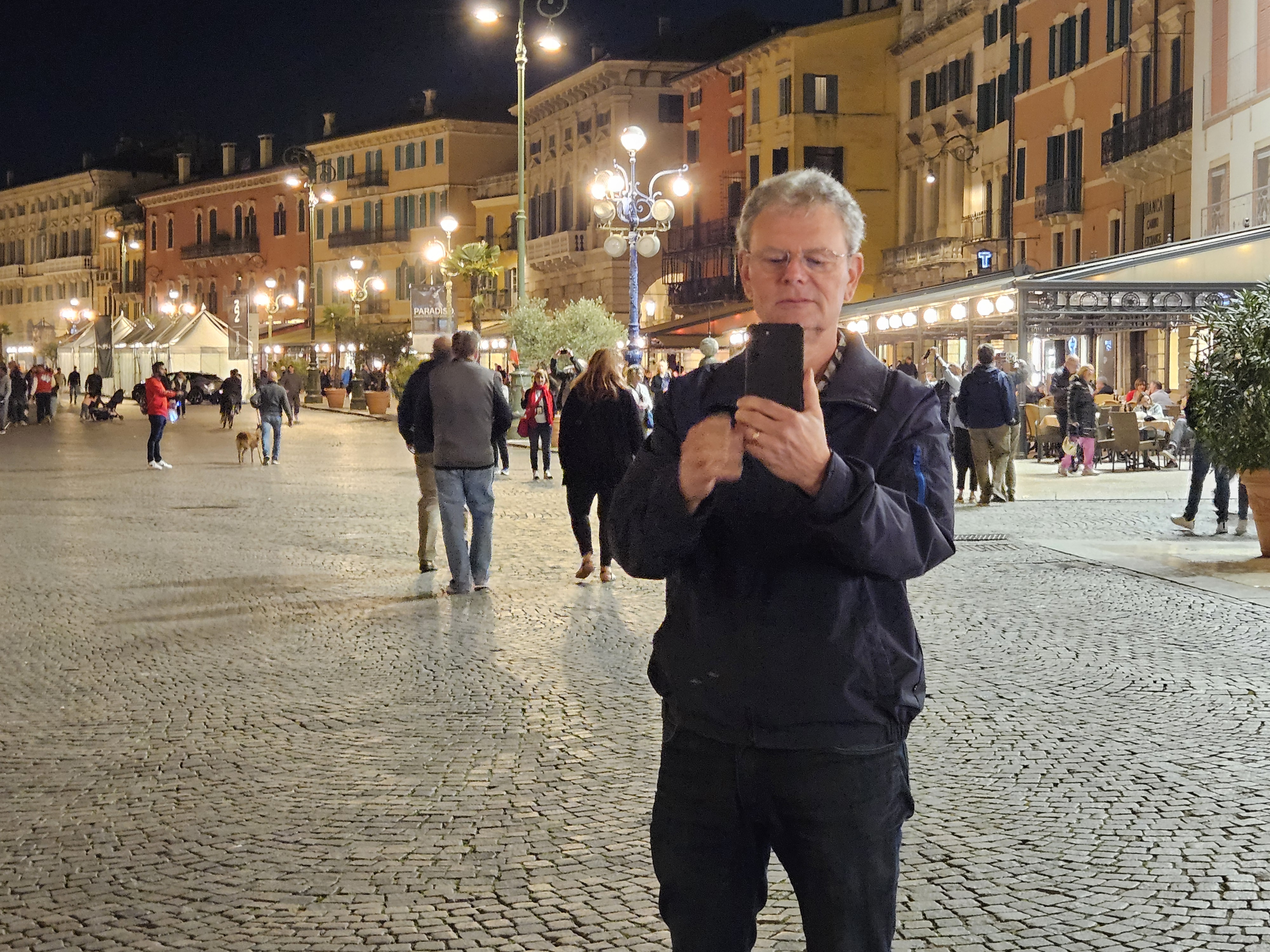
The Arena is brightly lit on this beautiful spring evening. Many people were enjoying the weather in the adjacent plaza. We stayed for a while, reluctant to end this lovely day, but we knew we’d be getting up early the next day to head to our cruise port.

Posted in Europe, UNESCO World Heritage Site | Tagged , , , | Leave a comment

Lake Como, Italy

Wednesday, April 17, 2024

We left Minneapolis late yesterday, and arrived in Milan around noon today. From there, an hour long bus ride took us to Malgrate, on Lake Como, where we will stay for two nights, as part of a pre-cruise package with Viking Cruises. The original plan was to stay in Como itself, but the hotels were overbooked due to other events taking place at this time. That was a disappointment, but Malgrate was a lovely place to stay.

Lake Como, or Lago di Como, is shaped like an upside-down “Y”. Malgrate is located at the southeastern fork of that “Y.” This side of the lake is actually Lake Lario, the other side is Lake Como. Lake Como is the third largest lake in Italy, with an area of 56 square miles. While that may not seem large to us Minnesotans, our Minnesota lakes are not surrounded by mountains, which gives this one an edge. The area has been popular with tourists for centuries. The shore is lined with magnificent villas and palaces.

Our hotel, the Hotel Promessi Sposi is named for a beloved 1827 Italian novel by Alessandro Manzoni – “I Promessi Sposi,” or “The Betrothed.” The novel is supposedly the most famous and widely read novel in the Italian language.

Thursday, April 18

We took a private boat tour this morning, stopping first in Bellagio, which is nestled in the crook of the lake’s “Y”. Lake Como was formed by glacial activity during the Pleistocene Era. The glaciers carved the lake around Mount St. Primo, resulting in the “Y” shape we see today.

The earliest signs of habitation in Bellagio date to 30,000 years ago, though little is known about the peoples who lived here then. Insubres (a Celtic tribe) and Gauls occupied the area when Romans arrived in 225 BC, and conquered them. The Romans established a garrison, and the soldiers were joined by colonists about 150 years later. These colonists introduced Mediterranean crops, such as olives, chestnut, bay laurel, and many other plants.

Called the “Pearl of Lake Como,” Bellagio is famed for its olive oil and silk. Around 1400 AD, the Duke of Milan imported mulberry trees from Asia. Silkworms feed on the leaves of these trees. Soon, silk was being produced, and it became a major part of the local economy. A school to train “silk masters” was even built here. Several shops in Bellagio sell hand made silk scarves, shawls, ties, and more, making for some great shopping opportunities for me.

Mulberry trees line walkways in the downtown area of Bellagio. Each year, they are pruned way back, so they will produce many leaves in the following spring. Right now, there are just beginning to leaf out again.

After leaving Bellagio, we sailed on to Como, passing several beautiful villas on the way, including the one owned by actor George Clooney in the Village of Lario. Clooney purchased one villa about 20 years ago, and has added four more since then, all along the lake. We stopped for a few minutes to “ooh and ahh,” and take photos. The Clooneys spend their summers there, and are said to be well-liked by the villagers.

While in Como, we enjoyed a lunch of prosecco and bruschetta – this is the life! After that, we had a guided tour of the old part of Como. There is a statue of Allesandro Volta, the Italian physicist and inventor of the battery, who was born in Como in 1745, and died there in 1827.

Como is a beautiful town, and we do wish we could have spent more time here. Perhaps we will return some day.

We took a cooking class this evening, then enjoyed the meal we prepared – six different types of pizza – delicious but way more than we could eat. Various members of the group were called upon to work on making the dough and adding the ingredients, including Mark. It was a delightful evening.

Posted in Europe, Uncategorized | Tagged , , , , , , | 1 Comment