Watch Your Heads, Guys!

We heard that several times during today’s excursion.

Sunday, February 19, 2017

Amazingly, we had another mostly sunny day, but rain would not have deterred us. The motto of today’s tour company, Canal Fun & Nature Excursions is “Never judge a day by the weather.” Excellent advice in a region that has sunny days only 35 – 40 days per year.

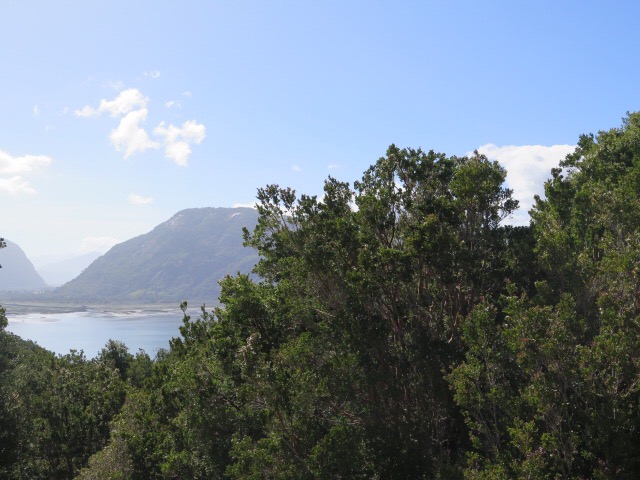
On our way to our destination, we stopped for a few photo opportunities, including one at Carbajal Valley, a large glacial valley where peat is harvested for fertilizer. This peat is wet, being almost 70% water, which is safe to drink if you need it. The peat moss here grows at a rate of only about 1 millimeter per year. In some places, it is 10 meters thick, so it has been growing there for 10,000 years.

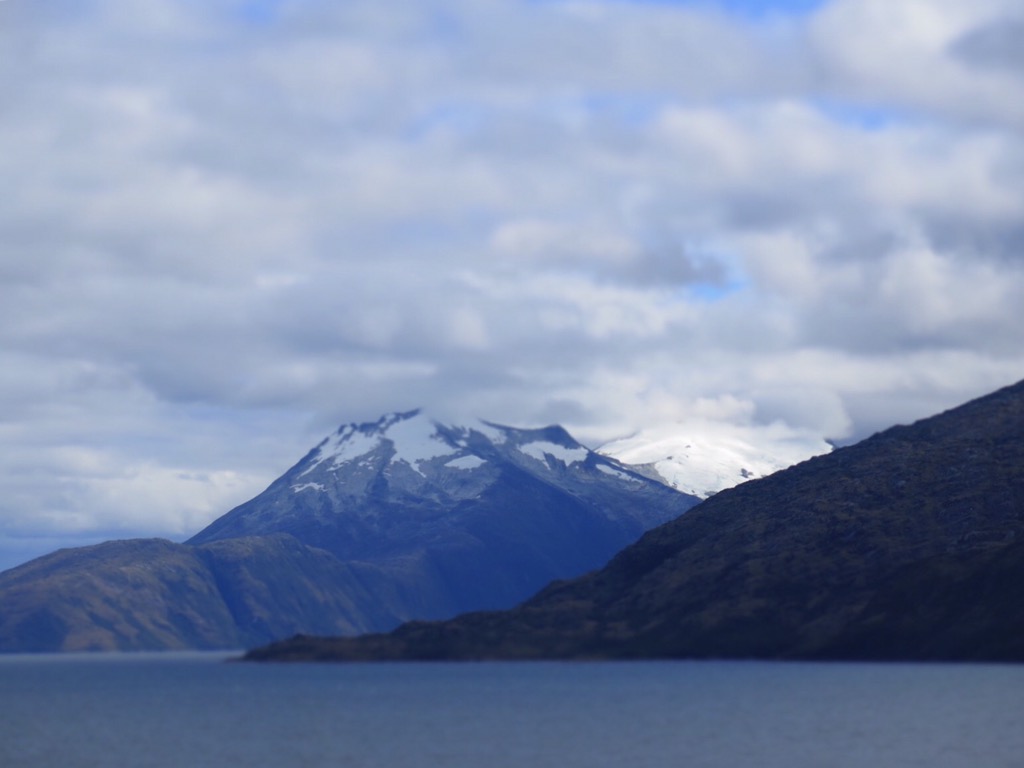
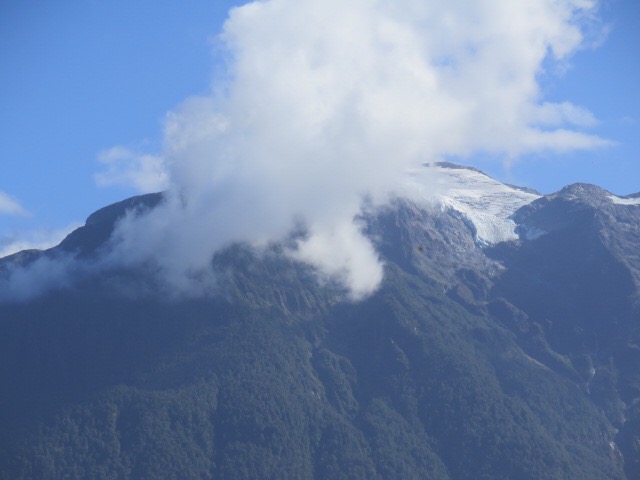
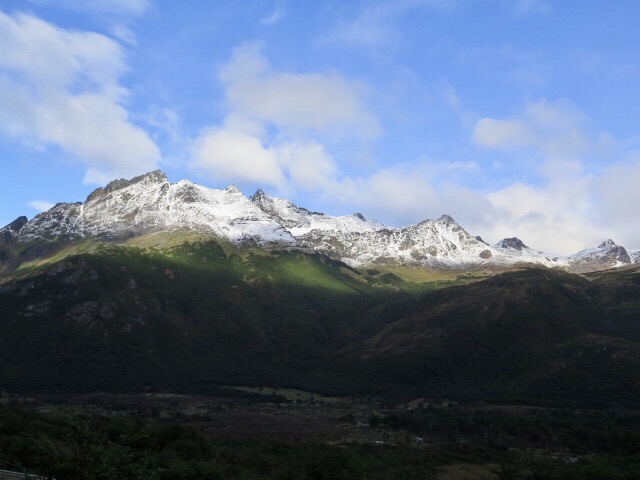
The Carbajal Valley is surrounded by mountains at the southern end of the Andes. These mountains are not very high – the highest one, Mount Olivia, is about 4,350 feet high. It’s still impressive, though, with its sharp peak.

`
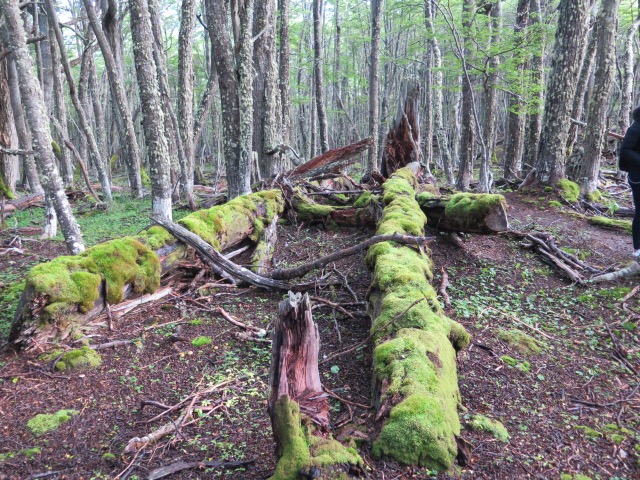
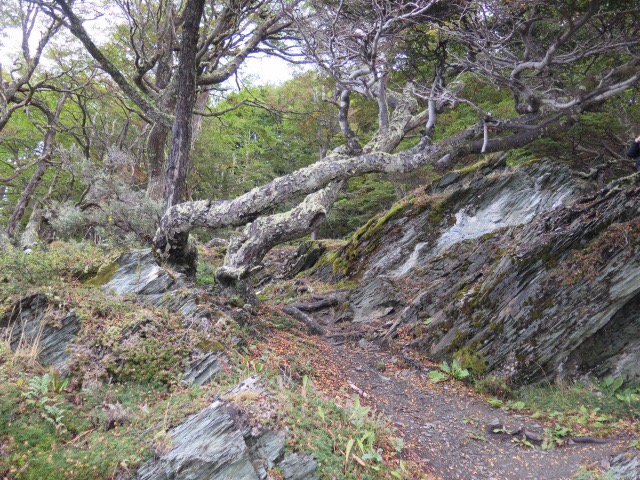
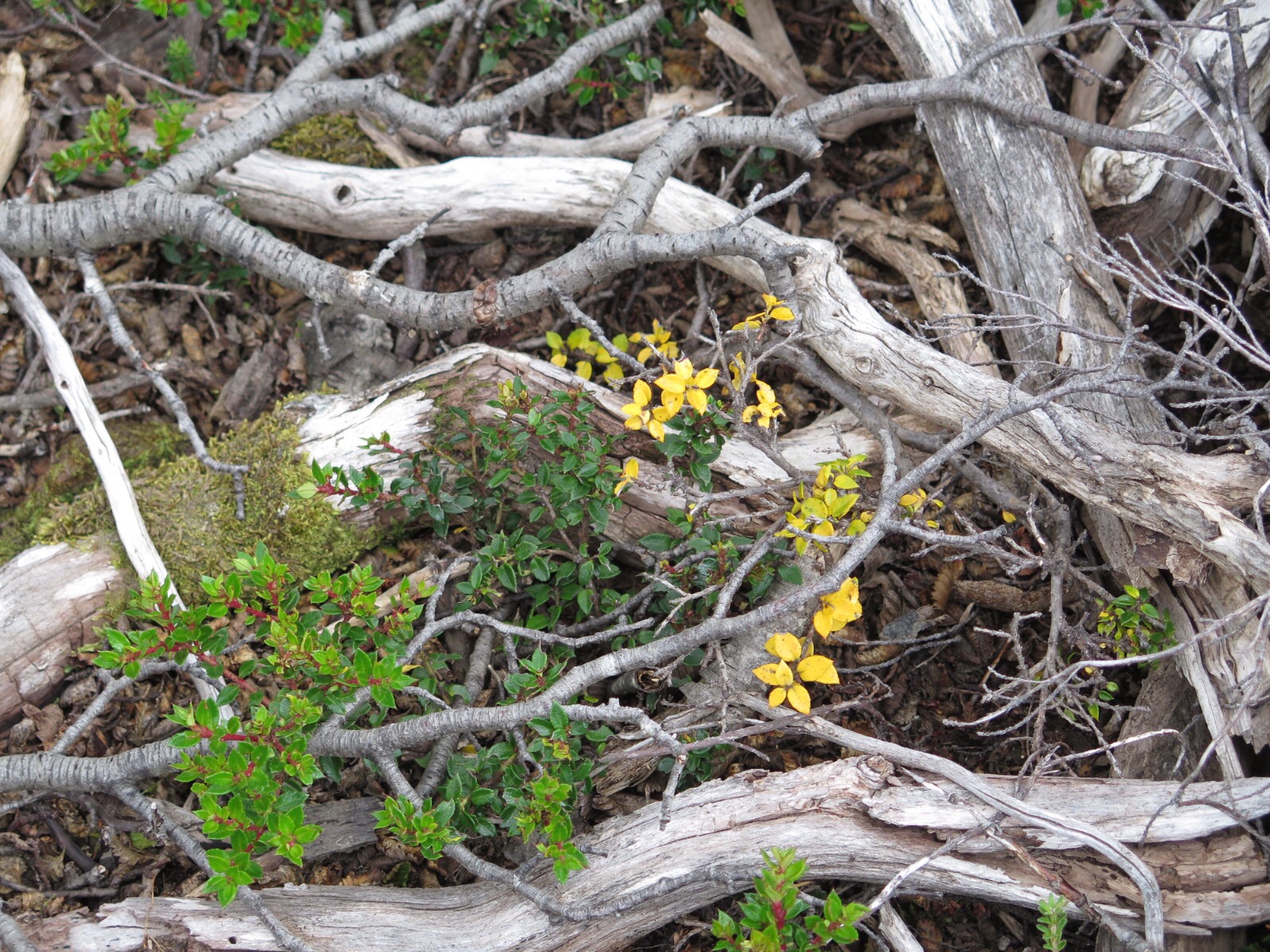
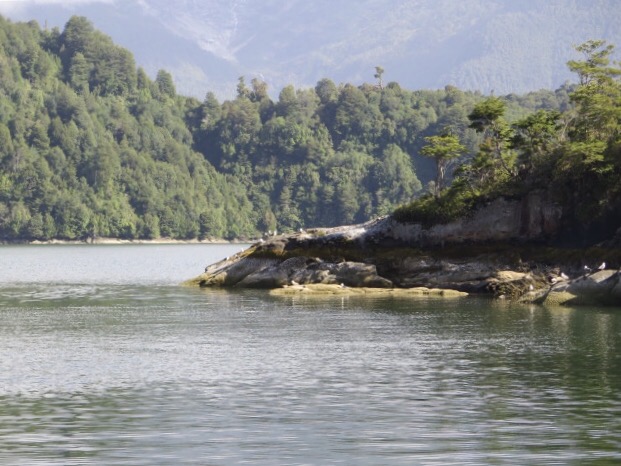
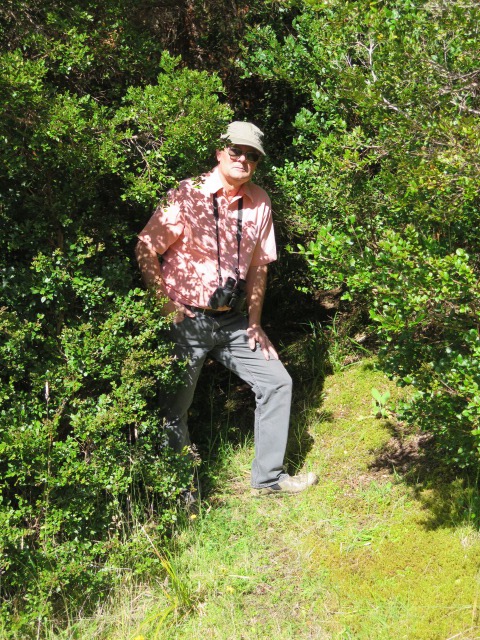
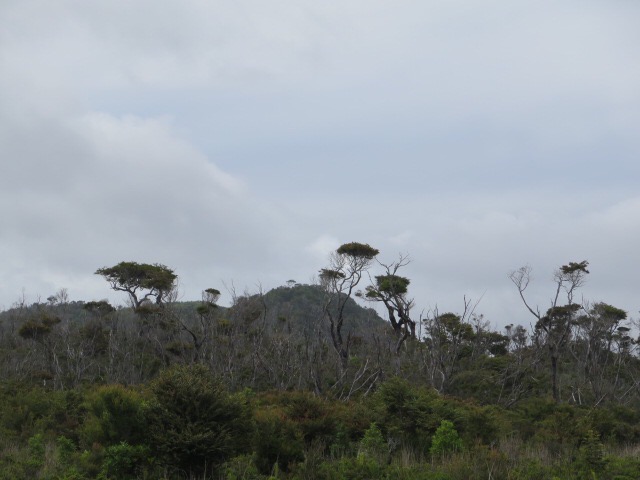
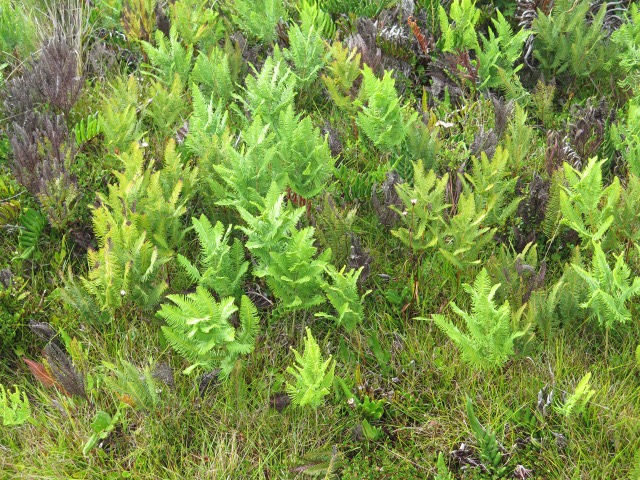
We then hiked along an old woodcutter’s trail into the Fuegian forest. Here again, there are the three types of native trees, one evergreen and two deciduous. They are all related. Of the two deciduous, the lenga beech is used for furniture and construction as it grows quite tall and straight. The other deciduous is a low growing version. We saw quite a few downed trees. Geographically, this is fairly new land and the soil is not very deep. A shallow root system makes these trees vulnerable to the strong winds that blow through Tierra del Fuego.

The trees can take up to 1,000 years to decompose because the climate is often not warm enough to foster the bacteria that cause decay. For that reason, trees that look like fresh fall may actually be decades old. Many are covered with beautiful green moss. When they do begin to decay, they can act as nursery logs for new trees and plants. The trees are slow growing.

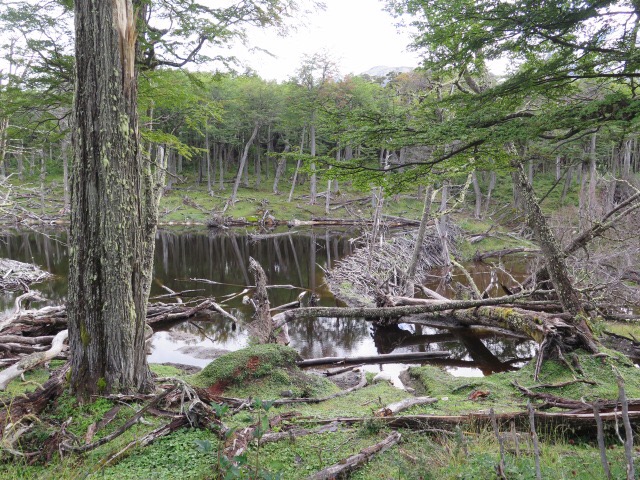
We saw several examples of damage by beavers who were introduced here in the 1940’s to try to develop a fur trade. Only 20 were originally brought here, but, with no natural predators, they now number about 100,000. The fur was not marketable – it takes a colder climate for the beaver’s fur to become long and thinks. These beavers are destroying the Fuegian forests, which cannot regrow quickly enough to replace what the beavers take down.

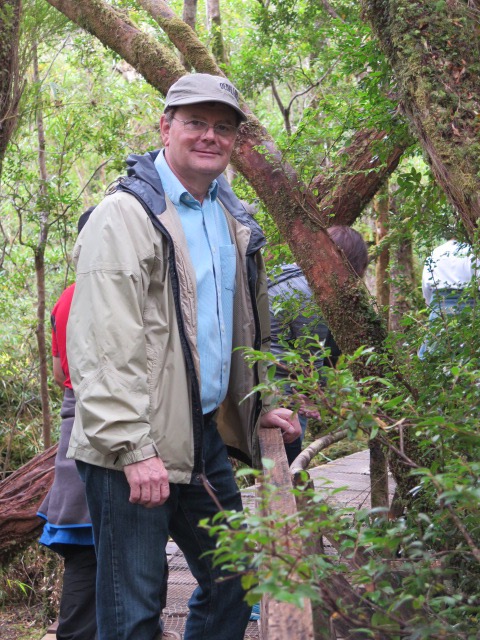
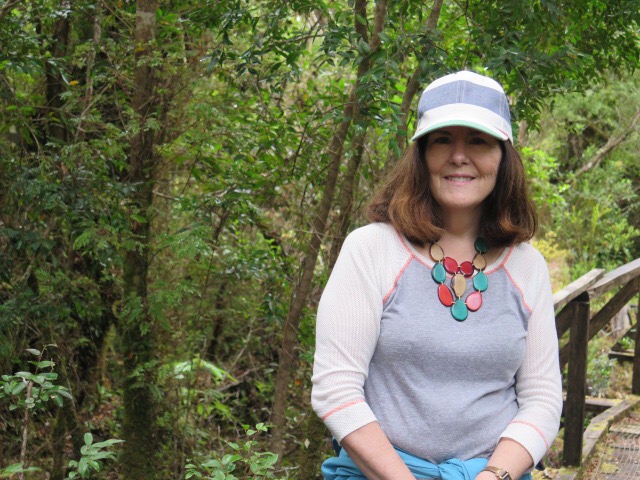
After our hike, we boarded a Land Rover for an exciting ride on muddy roads and across flowing streams. This is when we heard the admonition to watch our heads – several times. We stopped at one point to see a large beaver dam and several beaver huts, surrounded by dead fall. Each year’s new beaver crop build their own huts and so the devastation continues.

Lunch was served at Llanos del Castor Restaurant. Besides a meal, the tourist can play mini-golf (I saw two holes,) rent snowmobiles in the winter, or take a sled dog ride. They had several sled dogs there, including Alaskan Huskies and Greysters, a mix of Alaskan Husky, German Shorthaired Pointer and Greyhound. They have great endurance and can run even faster than the Alaskan Husky.

Back to town and the ship, where I PANICKED!! My camera was missing! You almost didn’t get to see my photos today, and I know how disappointed you would have been. Fortunately, the ship was able to contact the tour guide who found my camera in the vehicle and returned it. Yay!! I do back up all of my shots each day, but would have lost those from today, and would have had to borrow Mark’s camera for the rest of the trip. Or, buy a new camera.

On board, we enjoyed a presentation by Ice Captain Keith Johnson who served many years on ice breakers for the US Coast Guard. He was appointed Commanding Officer of the USCGC Polar Sea in July, 2000, on board which he participated in six Operation Deep Freeze deployments to Antarctica and five extended Arctic scientific expeditions, being at sea for up to six months at a time. As Ice Captain aboard our ship, he will advise the Captain on navigation and meteorological matters while in the Antarctic waters.

Captain Johnson showed a video from the Polar Sea, showing life on board the ship as well as the ice breaking activities. This ship has 3 turbines and 6 diesels, generating 45,000 hp. It could cut through 21 feet of ice as it cut its way to McMurdo Staton, a US Antarctic research center on the south tip of Ross Island. Polar Sea held two helicopters, and carried up to 35 scientist. It has been out of service since 2010.

We left Ushuaia around 6 pm, and are headed to Cape Horn, the most southerly part of South America, and the northern boundary of the Drake Passage. The Atlantic and Pacific Oceans meet just south of Cape Horn.

Posted in Antarctica, Argentina, South America Travel, Uncategorized | Tagged , | Leave a comment

City at the Bottom of the World

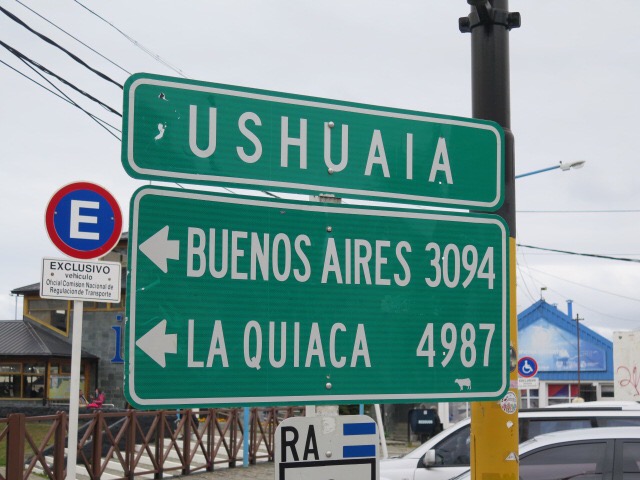
Or so they say in Ushuaia, Argentina (54.8 degrees latitude south). You might hear something different in Fort Williams, Chile (54.9 degrees south.)

Saturday, February 18, 2017

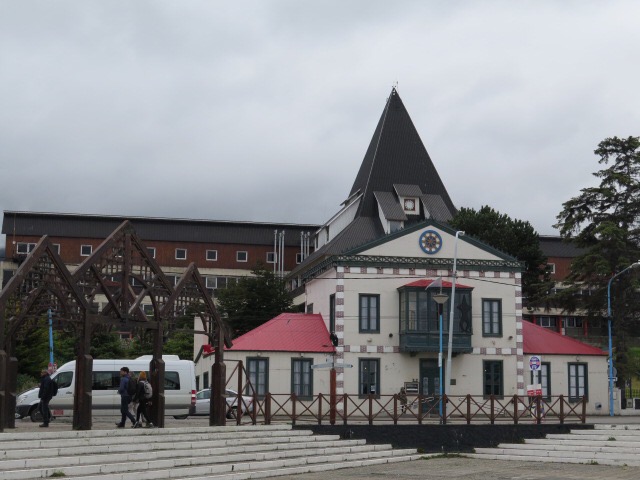
We docked here last night, earlier than planned, and got to see the city lights as we were finishing dinner. This morning, it was cloudy with a 60% chance of rain so we donned our rain gear for this morning’s visit to Tierra del Fuego National Park. According to our guide, Sergio, Ushuaia experiences sunshine only 35 – 40 days per year. They get excited about sunny “moments” rather than sunny days. The average temperature during winter is about 32 degrees Fahrenheit, and in summer about 50 degrees, not much of a range. There really is no summer here.


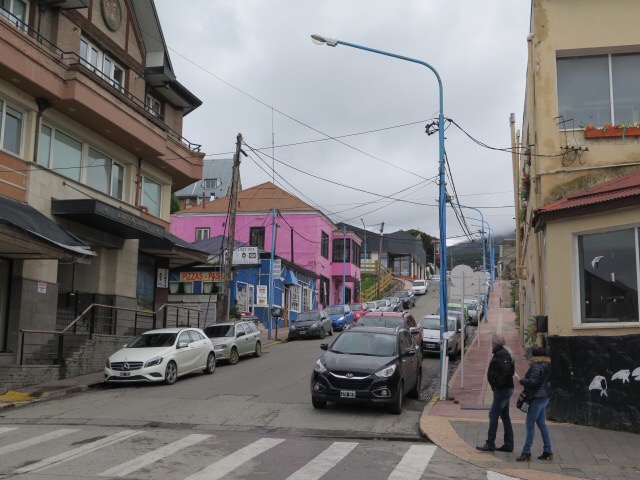
Ushuaia, the capital of Tierra del Fuego Province in Argentina, boasts a population of about 40,000, compared to only a few thousand just 25 years ago. To solidify their claim to this land (Chile had tried to claim it in the past,) Argentina encouraged people to settle here by offering “hardship” pay. Although the pay here may be 50% or more higher than in the rest of the country, so are the prices. Ushuaia has one of the highest costs of living in the world. They do raise sheep here, but fruits and vegetables must be imported from the north. A stroll through town verified that prices are indeed high.

The town served as a penal colony for Argentina in the late 1800’s and early 1900’s. Ushuaia Penitentiary was constructed here in 1902, built by the convicts themselves. These prisoners also built the basic infrastructure of Ushuaia and laid the track for a narrow gauge railway. The penitentiary was closed in 1947 by President Juan Peron.

It’s also home to the southernmost golf club in the world – the Ushuaia Golf Club – with a 9 hole course.

The area is rich in natural gas, so heating is very inexpensive if you can connect to the resource. For those parts of the town that must use propane, it’s about ten times as high to heat a home.

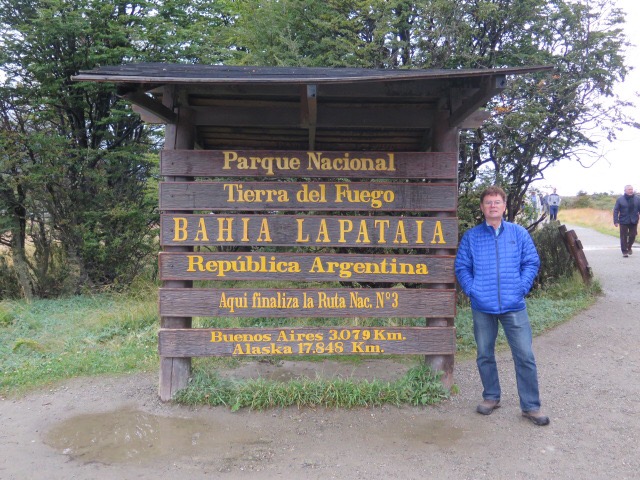
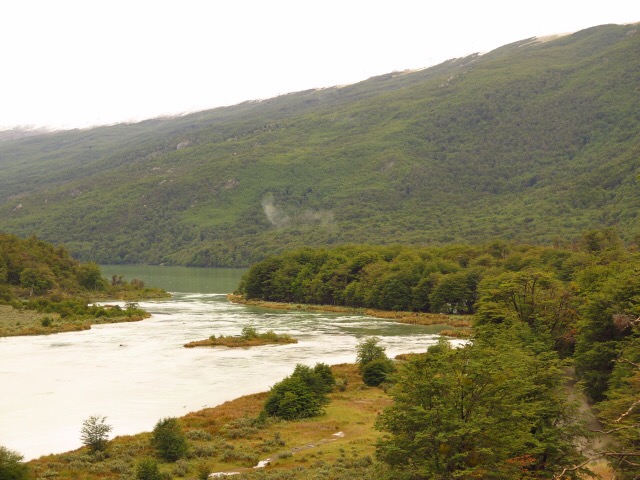
We rode once again on the Pan American Highway, through the Beagle River Valley, to the Tierra del Fuego National Park, which was created in 1960. The park covers 266 square miles. There are only three species of trees that grow here, two deciduous and one evergreen. Some of these trees can grow fairly tall but they have shallow root systems and are easily toppled during strong winds.

There is very little pollution here, as evidenced by the “old man’s beard” lichen that grows on many trees.

Unfortunately, beaver were brought here from Canada in the 1940’s to develop a fur trade. That didn’t pan out, and, without any natural predators, the beaver have proliferated. They have been destroying the forests to build their beaver dams.

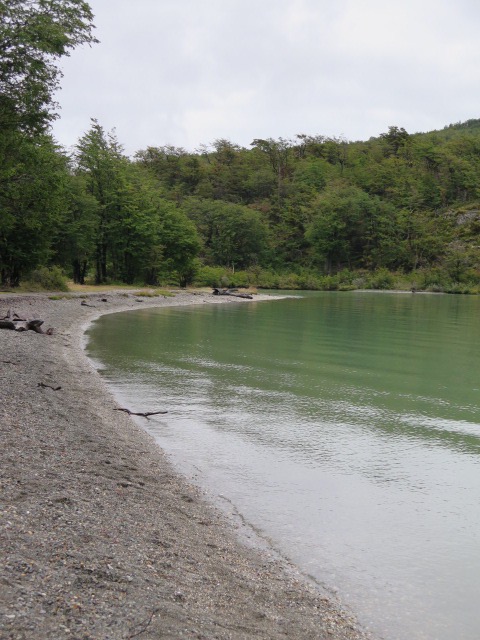
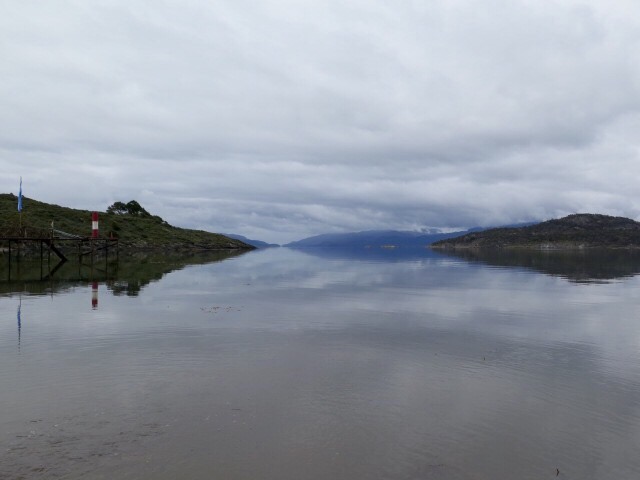
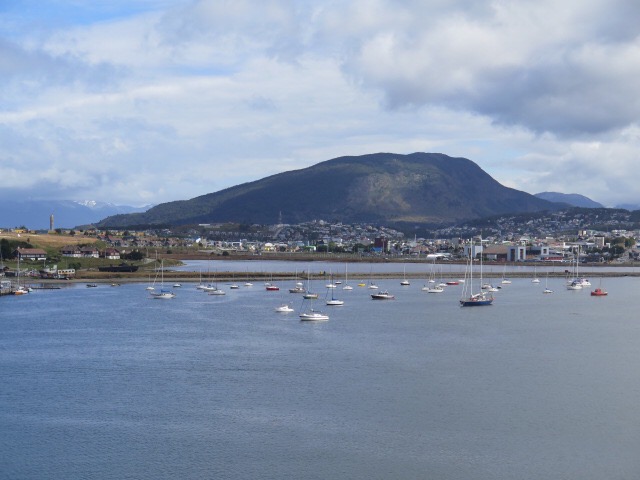
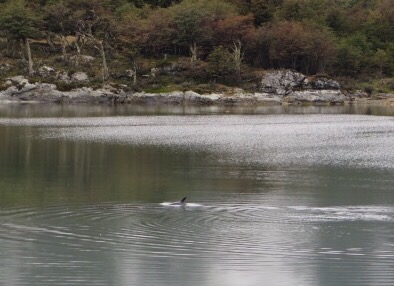
We stopped first at Lapataia Bay, a saltwater bay where we were fortunate to see some dolphin along with other wildlife in the park.


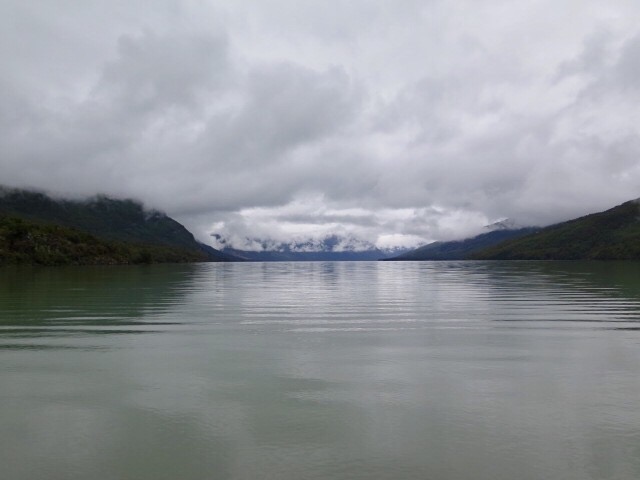
Then on to Roca Lake with more wonderful views, including Chile on the other side.


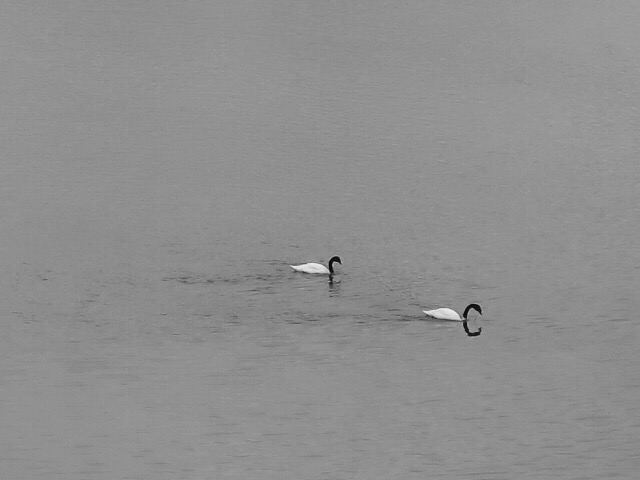
We then visited Alakush Lodge for refreshments and more views, including several Patagonia black necked swans swimming nearby.


Our last stop was at Ensenada Bay and, yes, more fabulous view.


From here, back to Ushuaia town, where we walked around a bit looking for souvenirs. Didn’t get any – very expensive. I was surprised to see a Hard Rock Cafe here – they seem to be everywhere.


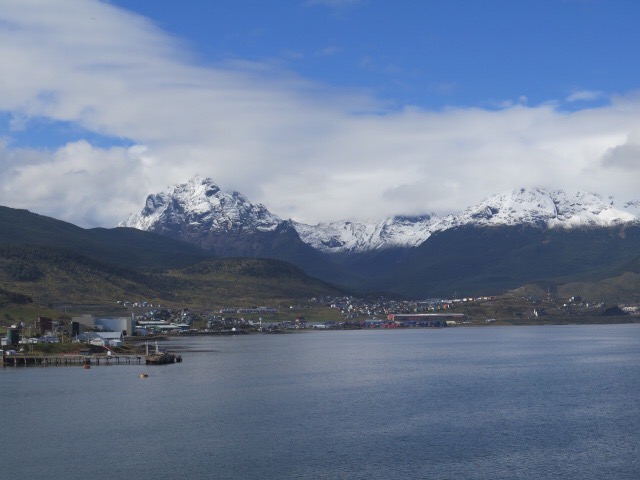
At about 3:00 this afternoon, the sun came out, for more than a minute or two. I think we now belong to the 10% club of Ushuaia. The blue skies above the snow covers mountains provided yet another gorgeous view, and the temperature is 52 degrees – a heat wave!

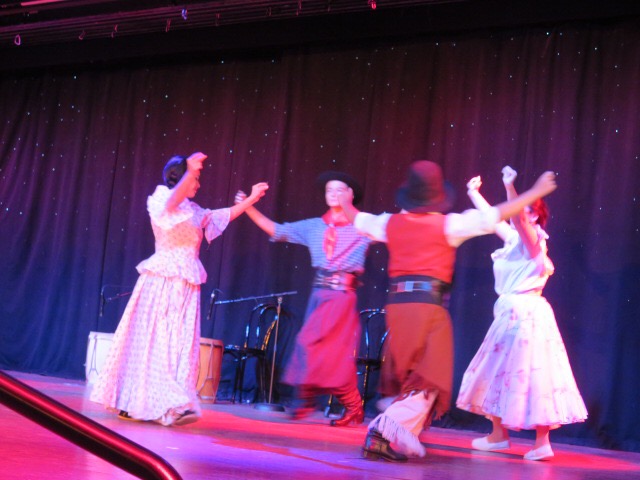
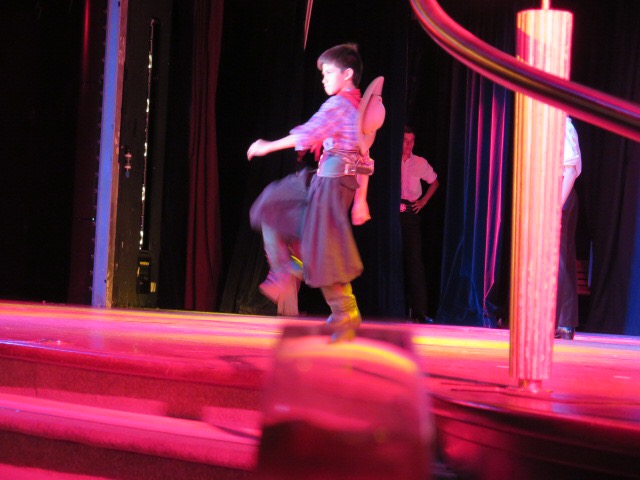
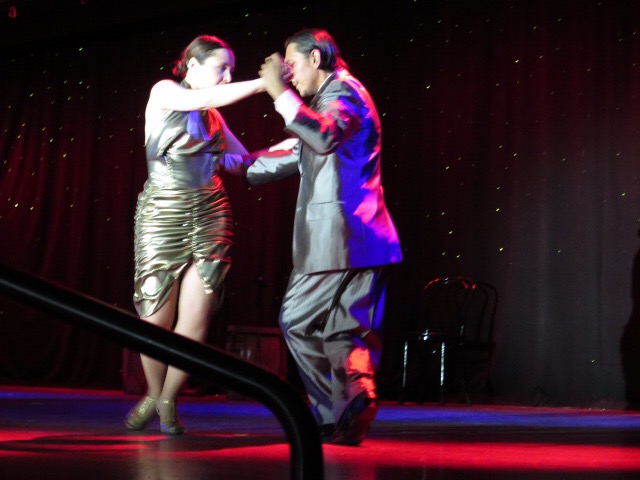
We enjoyed a show featuring local dancers again tonight, just young boys.


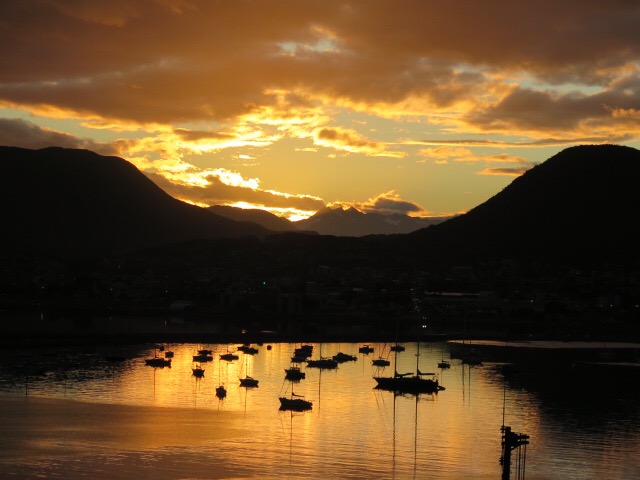
And, to end a beautiful day, a beautiful sunset.

Posted in South America Travel | Tagged | Leave a comment

Penguins and Glaciers and Wind, Oh My!

Friday, February 17, 2017

We were delighted to see a group of penguins (a raft of penguins) fishing near our ship while eating breakfast. Had we seen them on land I’d call them a rookery or a waddle (I have heard that term applied to groups of people at times, especially if I’m with them.)

The sea was calm this morning, and even into the afternoon. When the sun came out, it was truly stunning.


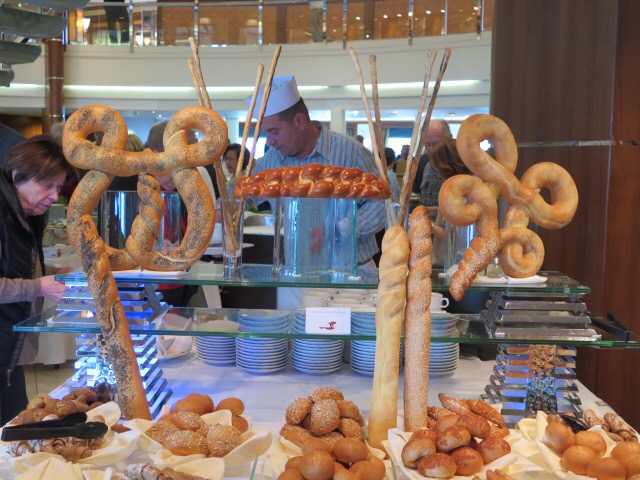
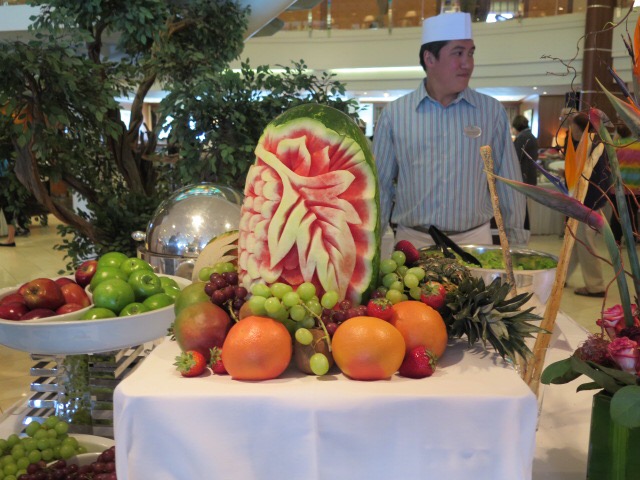
At noon, there was a brunch in the atrium, accompanied by some light jazz. The music was lovely, the food presentation almost as much, and the food itself was, as always, very good. I keep saying that I’m going to cut back, but then I see something I can’t resist – like macaroons.


When we ventured out this afternoon to see the numerous glaciers and waterfalls that we’ve been sailing by, we were nearly blown off deck. I finally got to use my down jacket and other cold weather gear. The water in these channels is almost turquoise in color – very beautiful. The glaciers that we saw today do not flow to the water, so we didn’t get to see any calving. I really have no complaints, though.


At Amalia Glacier, the ship turned around, affording some wonderful views to our fellow passengers on the starboard side. Amalia Glacier, also called Skua Glacier, is located in the Bernardo O’Higgins National Park. It originates in the Southern Patagonia Ice Field, and covers 61 square miles in the Magellanes and Antarctica region of Chile. We have seen a very small portion of it.

Later in the afternoon, we sailed by Italia Glacier, a tidewater glacier located in Alberto de Agostini National Park, terminating in the Beagle Channel. No calving today, though.

Posted in Chile, Crystal Cruises, Patagonia, South America Travel | Tagged , , , | Leave a comment

All Dressed up With Nowhere to Go

Or, how we didn’t get to go to Antarctica after all.

Thursday, February 16, 2017

We had been warned that there was only a 50/50 chance that we would be able to go to Antarctica, but we were willing to take the chance. The tour was originally scheduled to leave at 5am and return at 5pm – a long day. Last night, the time was changed to 8am, meaning that we wouldn’t get as much time on the continent as originally planned, but that was OK if we got to be on land for a while, not to mention sleeping a little later. After a quick breakfast, we donned our attire and boarded the bus.


On our way to the airport, our guide informed us that we would not know for sure that we’d take off until after we got to the  airport. Even then, we had to wait while the pilots conferred with meteorologists about the forecast. Another group was scheduled to go yesterday, but couldn’t because of fog. The pilot can’t land if he/she can’t see the runway. We got our boarding passes which we hoped was a good sign. We knew that the latest the flight would leave was 10am, so we waited around in our hot gear, checked out the two tourist shops, and admired the hanging sculptures of whales.


The pilot came out at about 9:30 and gave us the bad news. It was foggy again. Earlier this morning, it looked like the fog would lift in time, but by now, it was clear that it would not. Even if we had flown out, there was always the chance that we’d have to turn back without landing, or that the weather would suddenly turn wicked and we’d have to leave in a hurry. Still, it was a disappointment. We’re consoled by the fact that we should sail by in a few days so we can at least see Antarctica.

In any case, we have our boarding passes as souvenirs as proof that we almost made it.

img029

There were two guides accompanying us today, a mother and daughter team. Both are wild life veterinarians. The mother accompanies all of the flights to Antarctica, about half of those that are actually scheduled. The daughter lives in Santiago and comes down periodically to help her mother with larger groups. Her father is an ornithologist who was once stranded on Antarctica for several months because of bad weather. He lived in a cave and had to eat penguins to survive.

While riding to and from the airport, our guide told us a little bit about Chile and Punta Arenas. There are ten species of penguin in Chile, and three on Antarctica, out of 17-18 total species worldwide. Patagonia is so windy that trees can’t grow very high. Flags that are put out usually last only a few weeks before being blown to shreds. The wind can even be strong enough to blow cars off the road.

Temperatures range from about 36 degrees in winter to 56 degrees in summer. Crops can’t grow here so many homes have greenhouses for gardening. On the other hand, sheep do well here, and this is one of the most productive marine areas in the world.

Climate change is a serious concern for Patagonia as well as for Antarctica. In Patagonia, the glaciers are melting and lakes are drying up. There has been a rash of fires, some set deliberately, but it’s not known why. On Antarctica, the runways (three total) are built on permafrost, and if it melts, the runways will be destroyed. Our guide told us that the weather was far more predictable in the past, so that it was easier to schedule flights and be fairly certain that they could land.

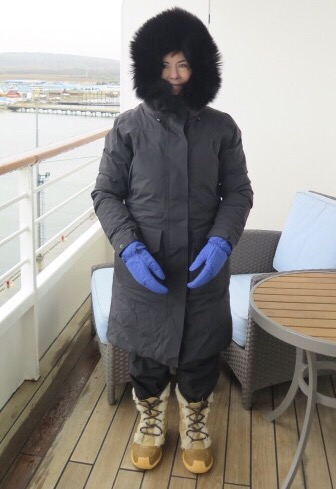
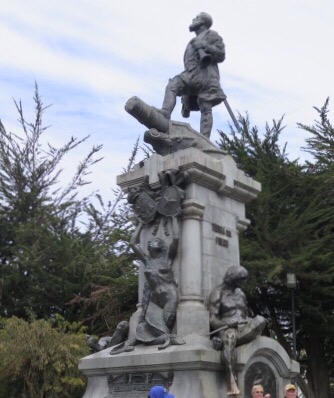
Back to the ship, where we slipped into something more comfortable. By the way, I think my boots weigh 20 pounds, and my down parka is like a sauna (great for Minnesota!) We headed into town to do a little looking around. Our first stop was at Plaza De Armas Muñoz Gamero, the center of town, where there were several crafts and textiles booths to check out. At the center of the park is a statue commemorating Ferdinand Magellan, or Hernando Magallanes, or Fernão de Magalhães, depending on whether you are English, Spanish or Portuguese. Apparently, if you kiss the toes of the Indian near the bottom, you are guaranteed to return to Patagonia.


The Catedral del Sagrada Corazón (Sacred Heart Cathedral, across from the Plaza, was built in the late 1800’s, one of the first structures here to be built with brick.


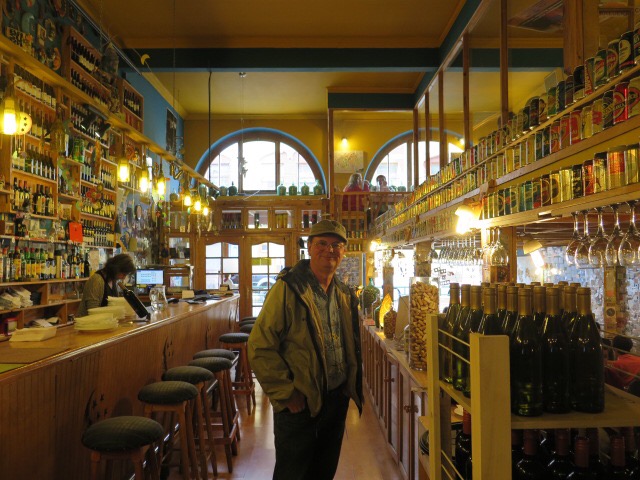
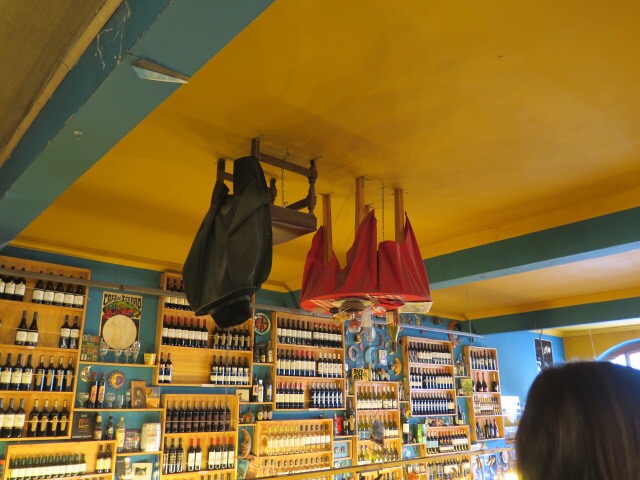
We had lunch at La Luna Cafe, a couple of blocks from the center of town. What a delightful find! Not only was the food and service good, the restaurant was eclectically decorated, including a set table suspended upside down from the ceiling, stickers and posters on the walls, a large collection of beer cans and chandeliers made of pots and pans, flatware, wine glasses, etc. But the best was the art in the restrooms.


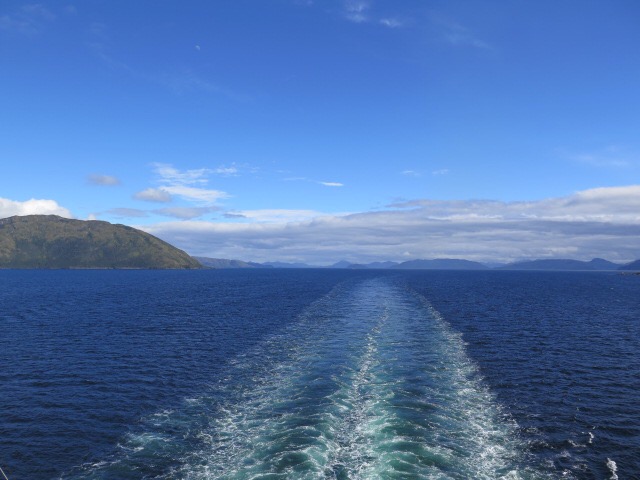
We’re leaving Chile tonight, on our way through the Strait of Magellan. The captain informed us that we’ll be passing by a large glacier around 5 tomorrow morning. Not sure yet if I’m going to get up for that.

Posted in Antarctica, Chile, Crystal Cruises, Patagonia, South America Travel, Uncategorized | Tagged | 1 Comment

At the End of the Earth

Wednesday, February 15, 2017

Punta Arenas (pronounced as one word: puntarenas,) or Sandy Point in English, is the southernmost city of Chile, and the capital of Magellanes. It sits on the Brunswick Peninsula, and is separated from Tierra del Fuego by the Strait of Magellan.The city has about 100,000 permanent residents plus double that of military personnel, from the army, navy and air forces of Chile. Punta Arenas’ location, halfway between the Pacific and Atlantic Oceans makes it strategic for the national defense.

Before the Panama Canal was built, Punta Arenas was an important port city for ships sailing around Cape Horn. Major industries include oil and natural gas and sheep ranches. In fact, our tour guide said that there are about 3 million sheep in the region, about 10 sheep per every human living here. Indigenous peoples have been here for centuries, long before the first Europeans arrived. Punta Arenas was established in 1848 as a penal colony and to assert Chilean sovereignty over the area.
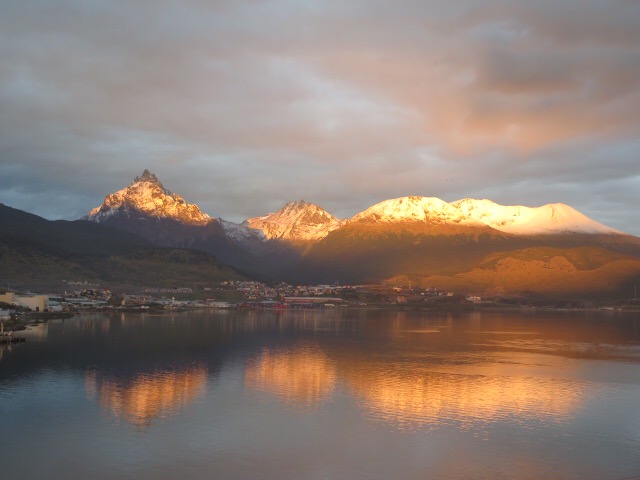
There are significant populations of Russians and Croatians who settled here in the 1800’s, some lured by the prospect of gold, some to work the sheep farms.

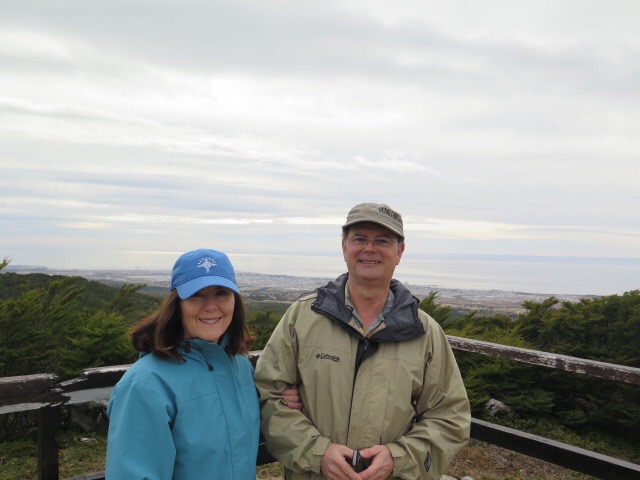
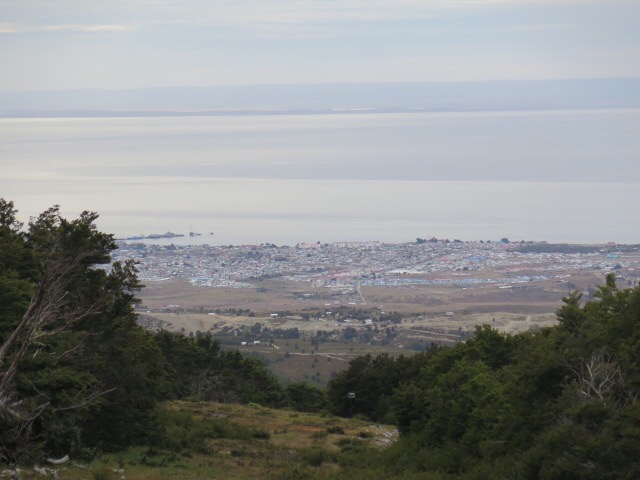
Shortly after the ship docked here this morning, we took a bus to Club Andino (The Andean Club,) then rode a chair lift to the top of the ski hill where we had beautiful views of the ocean and Argentina.


Fortunately, we had another beautiful day for outdoor activity. Our guide, Catarina, told us that it can often be very windy here, and we saw plenty of windfall in the area. It was cloudy, but that meant we didn’t have to worry about sunburn.


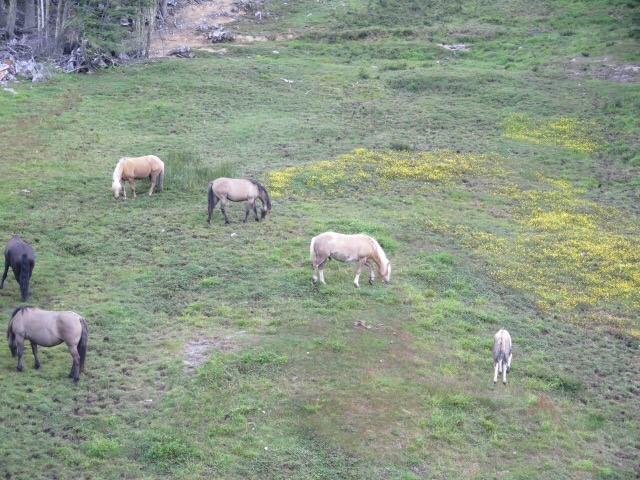
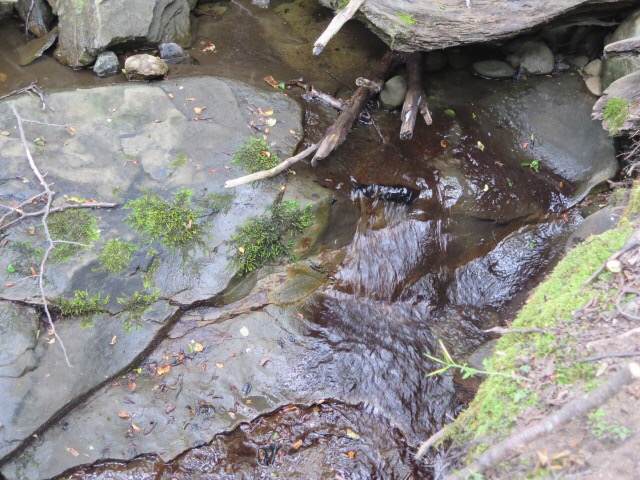
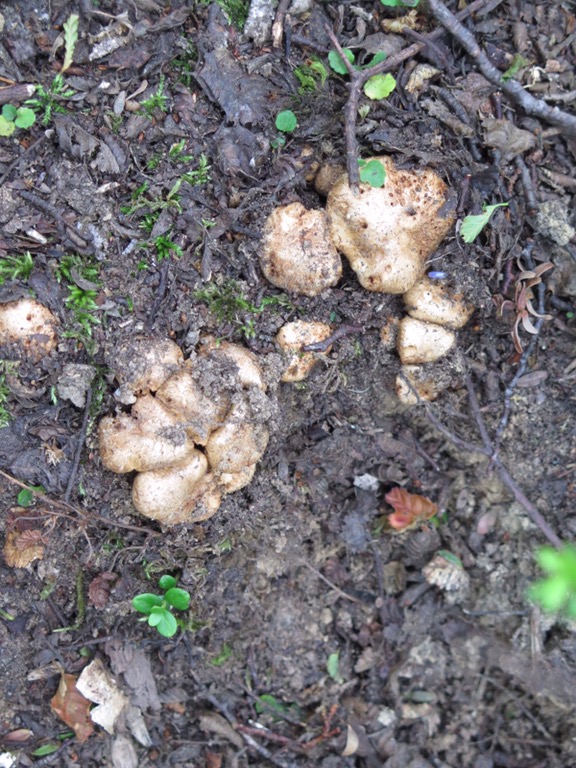
The path down was about 1.5 miles, and sometimes a bit challenging, as it had rained the night before. Besides mud, we had to be careful of horse apples that littered the trail in many places. We crisscrossed a brook on rickety wooden bridges, but we were never more than a foot over the shallow water, so there wasn’t any danger of getting hurt, just wet or muddy. With the uneven terrain, we got a great workout as well as being able to enjoy the woods that surrounded us.

We enjoyed a show by some folkloric singers and dancers from Punta Arenas before dinner tonight. Why didn’t I bring my camera? At the end of the show, we were informed that our Antarctica Excursion was cancelled for tomorrow. Boo boo! We spent time today getting all of our gear ready for this visit, and now I have to repack the down jackets, sorrel boots, etc. once again. Bummer!

After dinner, we stopped at the excursion desk to see what we can do tomorrow now that the Antarctica excursion is cancelled. Surprise! It’s back on, but at a later time. Who can argue about getting to sleep until 7am instead of 4am – not me! So…get us to bed…asap!
Hopefully, we’ll have exciting news from tomorrow’s excursion – to our 7th continent!

Posted in Chile, Crystal Cruises, South America Travel | Tagged , | Leave a comment

Cruising the Chilean Fjords

Monday, February 13, 2017

The sea was choppy this morning, but didn’t seem to be as bad as we had been warned last night, although we were out in the ocean. The air was definitely colder, and the sky was mostly cloudy. The clouds broke up a bit as the afternoon went on.
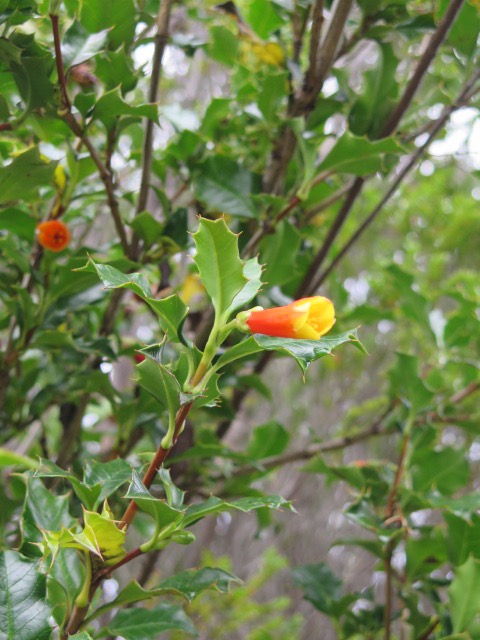
The captain turned the ship into more sheltered areas of the inside passage in the early afternoon. The winds died down somewhat although we don’t see too many people strolling the decks. I also didn’t see many people in the workout room this morning. I got some unplanned balance work in as my treadmill tipped back and forth, and from side to side, with the waves.

We attended a short briefing this afternoon about our Antarctica visit in three days. We must put our boots out for cleaning tonight to be sure we don’t bring any unwanted seeds or germs to that pristine environment. Fortunately, our down parkas haven’t been worn yet so are good to go. Projected temperatures will be in the 30’s, practically balmy for us intrepid Minnesotans. There is about a 50-50 chance that we will actually go on this excursion. If there is any chance that the weather will not allow us to return safely to the ship, the visit will be cancelled. We’re keeping our fingers crossed.

There are no shore excursions today or tomorrow, a good time to catch up on our rest, and fit in a massage this afternoon.  As we sailed closer to land, we saw several waterfalls. Mark thought he saw penguins along the shore. Others mentioned sea otters and whales as well.


After dinner, we enjoyed a stage performance by Perry Grant, a singer/pianist/comedian in the style of Liberace. He has performed all over the world, before celebrities such as Princess Diana and Prince Charles, and has accompanied stars like the late Debbie Reynolds. He has also appeared on some television shows. We have had the pleasure of seeing his lounge act both here and on the Alaska cruise last August. Tonight’s show was all we expected, totally delightful.

Tuesday, February 14

Cloudy again today, but less windy. We’ve been seeing a little land as we continued sailing through Chile’s fjords.

The crew spent this morning decorating the main lobby and lounges for tonight – lots of red and white balloons plus red hearts everywhere.

t

After dinner tonight, we enjoyed a variety show and then popped in to watch Perry Grant, where Mark was his latest victim. Fortunately, he passed the test – 4 bedrooms, granite countertops, brushed nickel facets, etc – so stressful. Still, it was a good Valentine’s Day.

Posted in Chile, Crystal Cruises, South America Travel, Uncategorized | Tagged , | Leave a comment

Oh Dear, No Deer

Sunday, February 12, 2017

Our ship is at anchor offshore from Puerto Chucabaca, Chile, at the northern end of Patagonia. By the way, Patagonia means Big Feet. Seriously! The name Patagones was given to the people of the area by the Portuguese explorer, Fernando de Magallanes in 1520. Apparently, the furs worn on the feet by the natives, the Tehuelche, left large footprints, so of course, that meant they had big feet. The Tehuelche were much taller than many of the other native peoples, some even more than 6 feet tall.

Puerto Chucabaca is a small town in Aysén Province (also spelled Aisén) numbering only about 1,200 in habitants, who earn their living from salmon fishing and timber. It sits at the head of Aysén Fjord. The area experiences tidal fluctuations of up to 25 feet (big ones.) 


I’m still not entirely sure if our boat was called Shaker or Shacker, but Mark and I both voted for Shaker. The boat looks like it’s probably used for fishing when not ferrying tourists around.

Before talking about today’s excursion, may I just say that I am constantly amazed at the number of people who do not understand the meaning of the word “strenuous.” OK, no more whining about the people who should have stayed behind because they can’t even walk on even ground without the aid of a cane. Seriously, no more whining!!

We tendered to shore, where we boarded a boat for Isla Carmen, also known as Deer Island. Back in the 1960’s, European Elk, also called red deer, were imported to this island. They are closely related to American elk, but are slightly smaller. We weren’t told why, but probably for hunting. Today, about 200 live here. Like elk anywhere else, they are very elusive. It was clear we wouldn’t be seeing any today, because there were three strikes against us: warm weather, noisy trekkers, and time of day. Oh well, it was a beautiful day, and we truly enjoyed the hike. The paths were pretty narrow, and sometimes quite steep, challenging to those of us who are physically fit, and more so to those who could barely walk on flat land (yes, I know I said No More Whining!) We would hike a way, then stop to wait for those who couldn’t navigate quite as well. I can’t help but wonder how much more land we could have covered otherwise. 

However, the views from all parts of the island were amazing – mountains and glaciers all around. The weather could not have been better either, not so hot to cause discomfort while hiking, and not so cool to require a jacket. In fact, we have had beautiful weather every day so far. In spite of this being the rainy season in Chile, we have mostly stayed dry. The days have been partly (minimally) cloudy, with temperatures in the mid to upper 60’s.


We’ve been warned by the captain that the seas will be rough tonight. We should expect swells of up to 20 feet between midnight and noon tomorrow. Just another adventure.

Posted in Chile, South America Travel, Uncategorized | 1 Comment

Chiloé National Park

Saturday, February 11, 2017

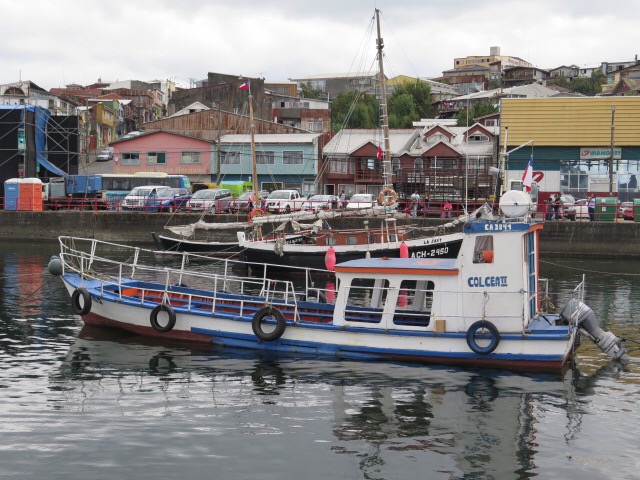
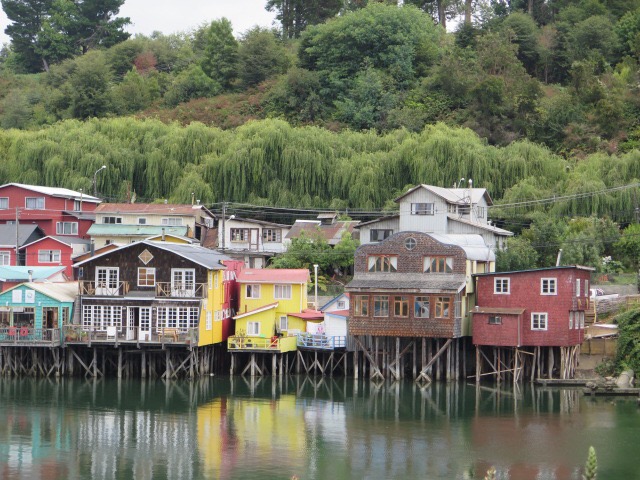
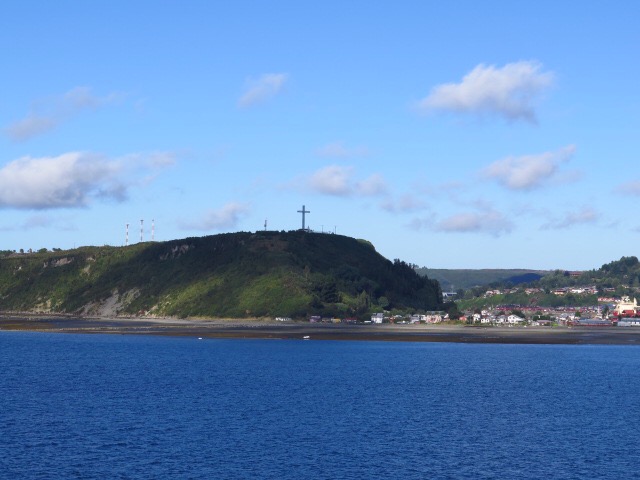
Our ship pulled in this morning at low tide, outside of Castro, a city on Chiloé Island, and the capital of Chiloé province. We could see several boats sitting on land. By late evening, at high tide, those same boats were floating. The water level changes by about 10 feet from low to high tide. It looked like the tide was going out again around 5pm. People who live along the water build their houses on stilts. Because the land is often covered by water, the residents cannot own the land, they can only own their houses.


Many people burn wood for heat and cooking. Chilotes are required to replace every tree that is cut down. Many planted eucalyptus which is a fast-growing tree. Now, efforts are being made to replace this non-native tree with trees that grow here naturally.

Castro is the capital city of the Chiloé Province, and the third oldest continuously inhabited city in Chile. The Province encompasses most of  Chiloé Archipelago, which includes 45 islands, about 37 miles wide and 125 miles long, with a population of about 170,000 people. Wind power serves the entire island, and some is even exported.

Unlike mainland Chile, the natives (Chilotes) accepted the Spanish colonization, and even fought on the side of the Spanish when Chile was fighting for its colonial independence.

Castro is subject to earthquakes. In 1960, a 9.5 magnitude quake caused a great deal of damage. The quake was followed by two tsunamis that altered the quality of the rivers (they became brackish from seawater) and killed many of the native fish there. The introduction of salmon to these waters caused more damage.

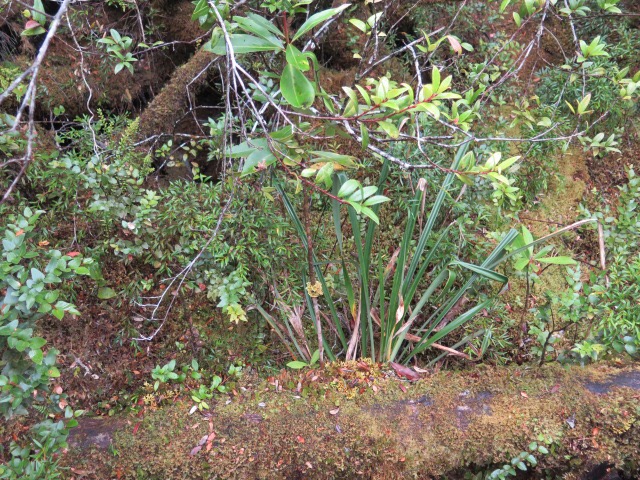
With our tour guide, Juna from Puehen Expediciones, we rode along the Pan American Highway from Castro to Chiloé National Park, located on the western side of the island. The park was established in 1983 and is in a temperate rain forest. In some areas, up to 200 inches of rain falls each year. We walked first through secondary forest – this area had not been protected before 1983 so much vegetation had been cut back before then. Next, we walked through marsh land, filled with grasses and ferns. Last, we explored primary forest, with moss covered trees and beautiful flowers. Some plants look like what we have at home, but they are not even related. One looks like holly, but with pretty red and yellow flowers that look like candy corn before fully opened. Another looks like magnolia, but is a nut tree.


The tepual area of the park remains moist most of the years. Moss grows on the trees that grow low to the ground, often twisting just a foot or so above the ground. Many smaller plants will take root here and bromeliads will grow here as well. It is so very beautiful.

o


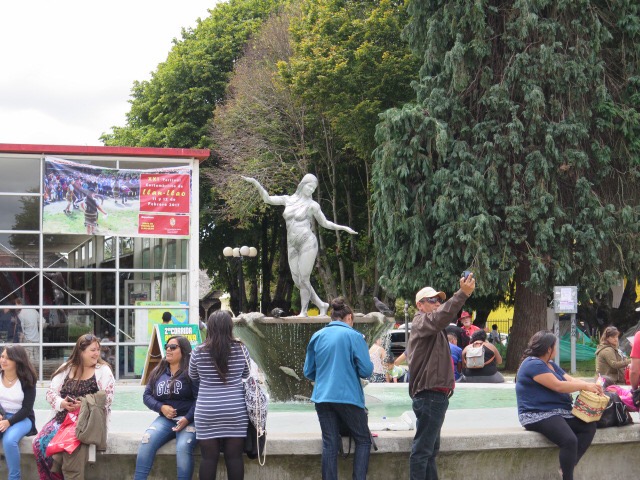
We enjoyed a delicious lunch, then headed back to town. Today is Castro Day, celebrating the day this city was founded, and the citizens of the town were out in force, enjoying the beautiful day. We visited the local square where kiosks were set up to sell alpaca and crafts. A stage was set up near the waterfront for an evening concert. A fireworks barge was set up in the water, but, sadly, we had to leave before any of the evening festivities started.


The center of town is dominated by the Iglesias de San Francisco, an impressive church built entirely of wood. It had been designed by an Italian architect who planned that it would be built from stone. Chiloé has little stone, but plenty of wood. Disappointed, the architect returned to Italy but left the plans here. The townspeople proceeded to build the church with wood, even carving the wood blocks to resemble stone.

Chiloé has sixteen churches that are built with local materials, using European design techniques. All, including the Iglesias de San Francisco, are UNESCO World Heritage Sites.

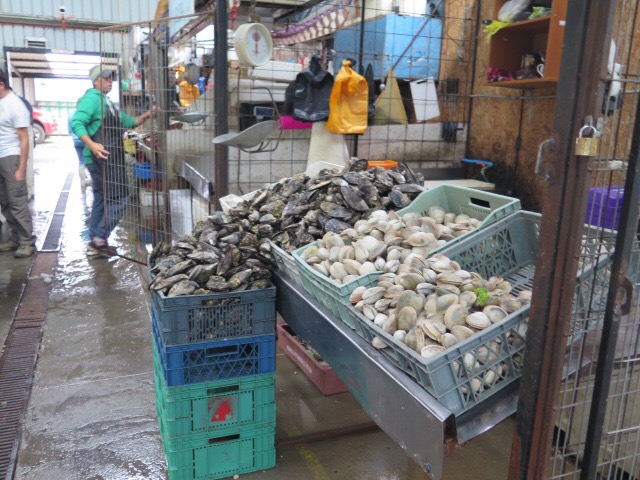
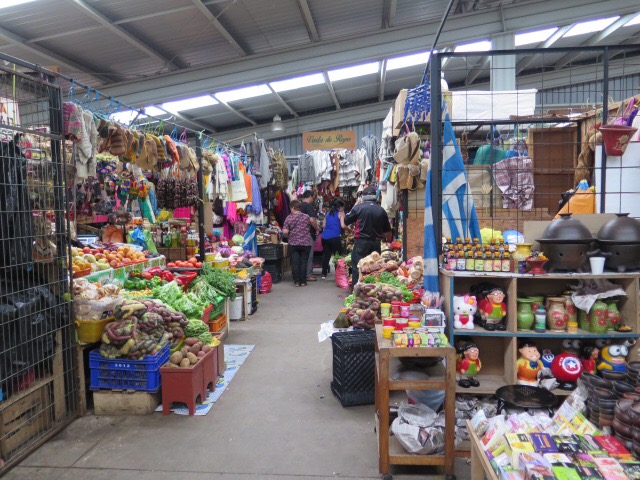
We also paid a visit to the local farmers/fish market before returning to our ship. We recognized many items, but not all. It’s always a treat to visit the markets in other countries, to get a feel for how the natives dine. I do wish our ship would prepare some cuisines from the areas that we visit.

Posted in Chile, Crystal Cruises, South America Travel, UNESCO World Heritage Site | Tagged , , , | 2 Comments

So Tired

Wednesday, February 8, 2017

Again, we got up very, very early, in order to catch a flight back to Lima, then on to Santiago, Chile. In Santiago, we boarded a bus to Valparaiso, where we boarded our cruise ship, Crystal Serenity at around 6 pm (actually 8.) Valparaiso looks like it’s almost due south of Lima, but there is a two hour time difference. We found this out when we were strolling on the ship at 6:30 pm (0r so we thought.) We figured we had plenty of time before dinner at 8:30. Then we saw the clock. Yikes! We were already late for dinner, and we were still dressed in our traveling clothes. I didn’t even know where my comb was. Fortunately, our fellow diners were very understanding. We enjoyed some good conversation over a delicious dinner, and then headed to bed.

Thursday, February 9

Spent a few hours unpacking, doing laundry and ironing clothing so that we could look more presentable this evening. Tonight was our first formal night, and we wanted to make a little better impression than last night. Spent a few more hours resting. It was so nice to be able to sleep past 6 am for a change.

It was fairly windy today and the seas are a little choppy. We’ve been warned that we may be a little late docking at tomorrow’s port as we didn’t get started on time yesterday. Some of the other passengers who came in from Santiago didn’t get here until almost 10 pm. Their flight was later than ours, but I also heard that Crystal staff in California forgot about the two hour time difference between Lima and here.

We enjoyed a great show by James Fox who covered several Billy Joel songs, including my favorite: Uptown Girl. The theater was rocking. Fox has had several roles in several musicals, including The Piano Man in the Broadway musical  “Movin Out“, based on the career of Billy Joel.

Friday, February 10

We arrived at Puerto Montt, Chile, at around 10am. This area was first settled by the Mapuche people whose tribes were spread out over a vast area of what is now Chile and Argentina. There was no central leadership, so the Mapuche were able to hold out against the Europeans for much longer than their northern neighbors, the Inca.

Chile won its independence by 1810, but suffered through a series of coups and failed reforms. Augusto Pinochet instituted a series of austere policies, and punishment for those who had opposed him. One of my favorite authors, Isabel Allende (related to the former leader of Chile)  emigrated to the Unites States to escape his tyranny. Since 1990, Chile has benefited from democratic governance.

Puerto Montt is situated about 700 miles south of Santiago, at the terminus of the railway and the continental portion of the Pan American Highway a national motorway that stretches from Alaska to the southern tip of Chiloe Island. German colonists arrived here in the mid 1800’s, and their influence is evident in the architecture of the area.


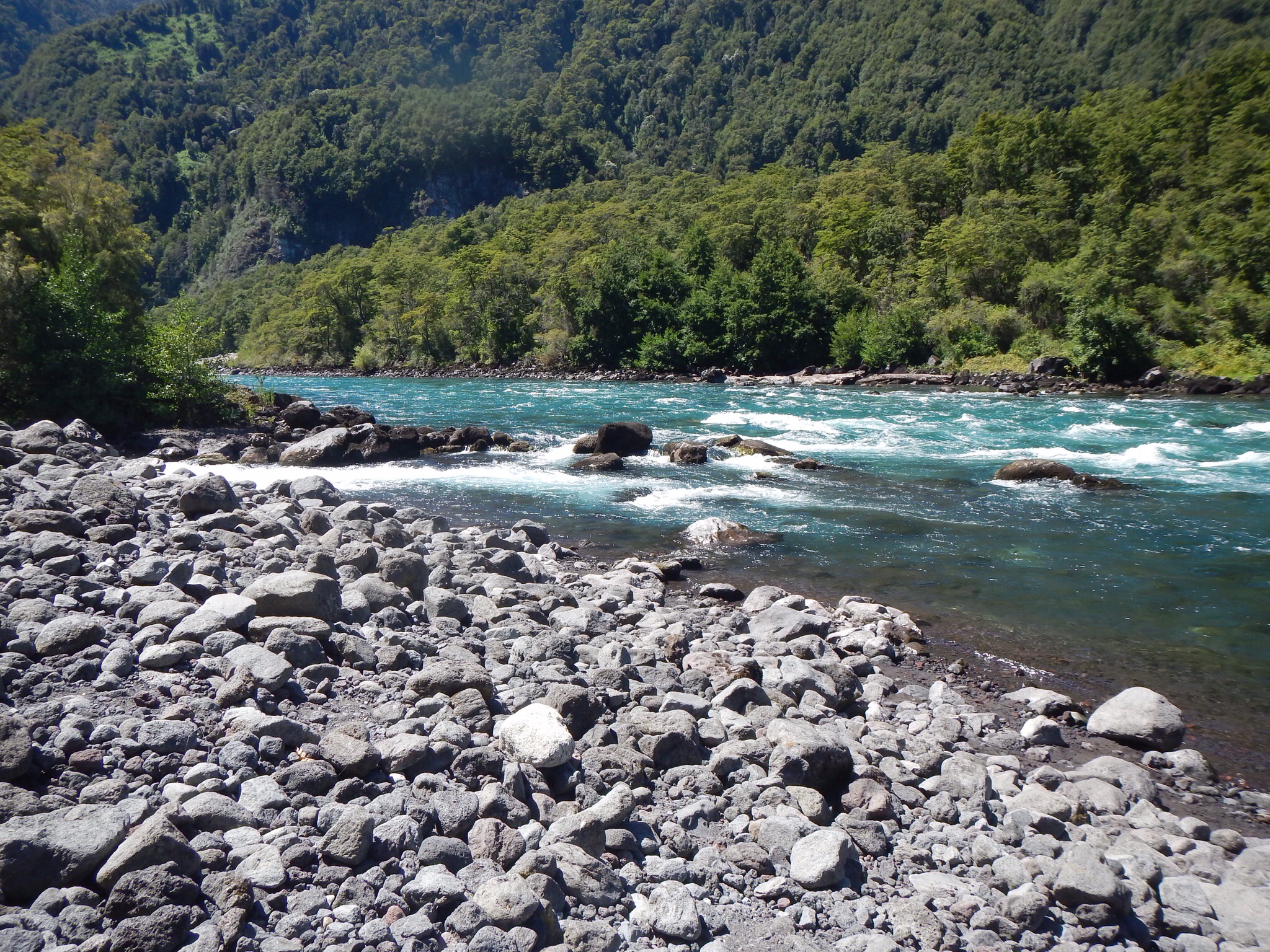
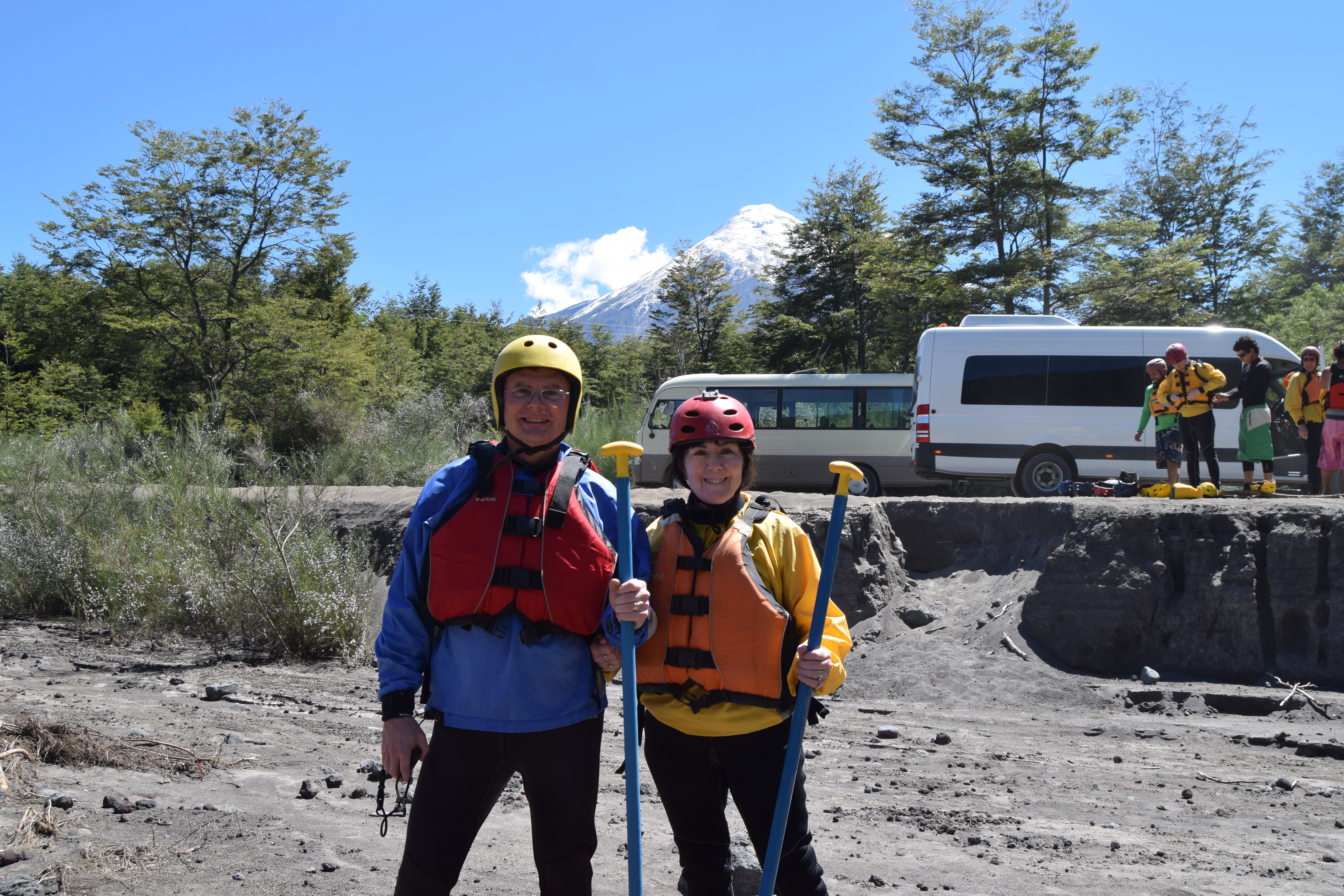
The Petrohué River fed by glaciers from the surrounding mountains, starts at the Petrohué waterfalls, and flows through the area. It is considered to be one of the best rivers for recreational fishing in the area, as it is populated with several species of trout and salmon. It is also a popular destination for white water rafting, an item that was on my personal bucket list (checked off today!)

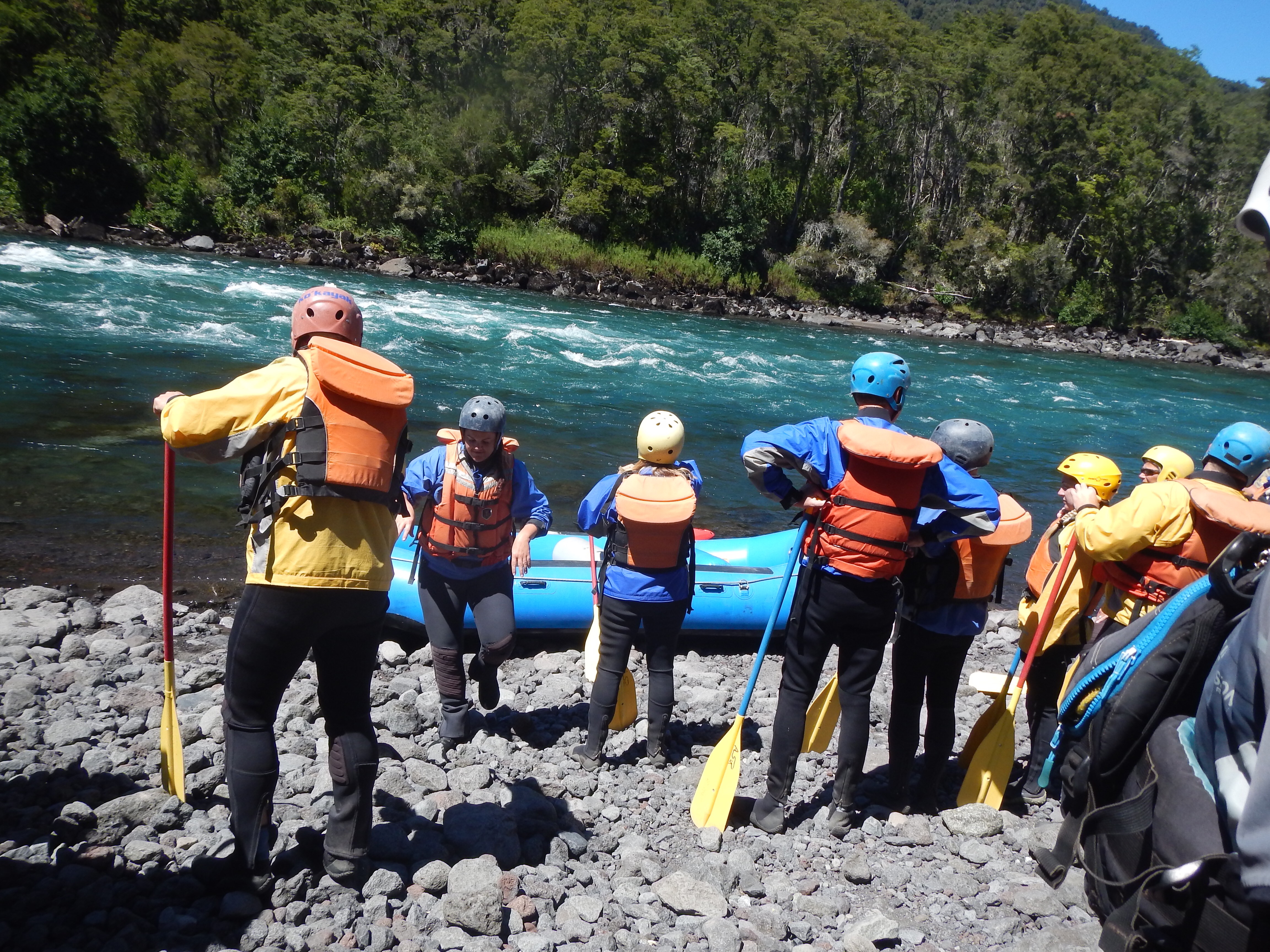
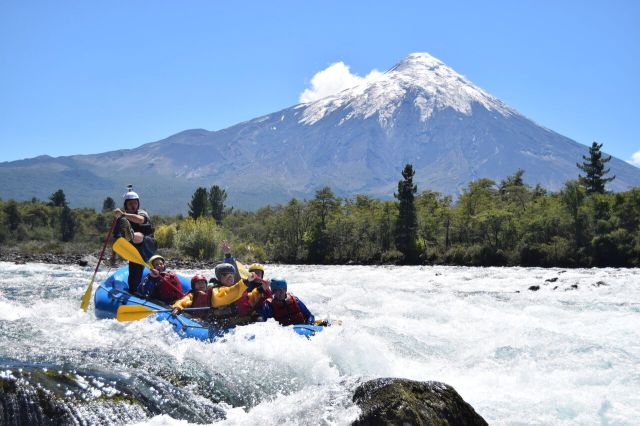
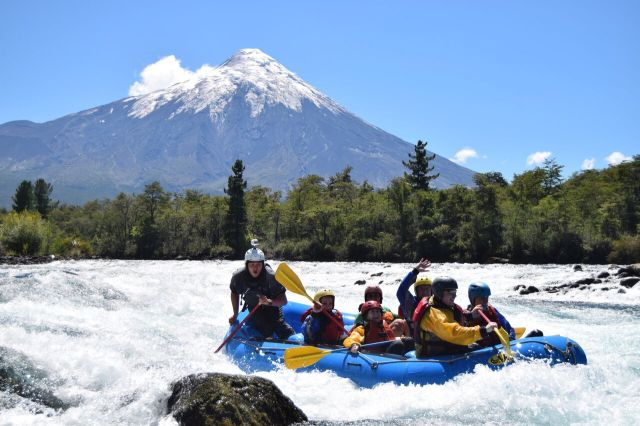
Our adventure was provided by Alsur Expeditions, which has a private base on the Petrohué River. After about an hour long bus ride, partly skirting. the very large Llanquihué Lake, we arrived at the base, donned neoprene wetsuits and boots, jackets, life jackets and helmets, grabbed our paddles and paid careful attention to the instructions given by our guide. The basic commands were: forward, backward, stop, get down, left paddle and right paddle. We were instructed on what to do if we feel out of the raft, or if we needed to help a raft mate get back inside. Fortunately, no one from our raft fell out, but it was certainly close at times. Two people did fall out of one of the other rafts, and I was impressed with how quickly the guide was able to get them back on board.

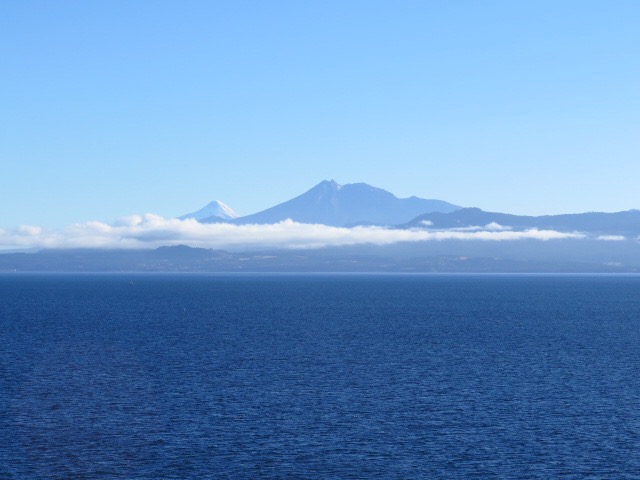
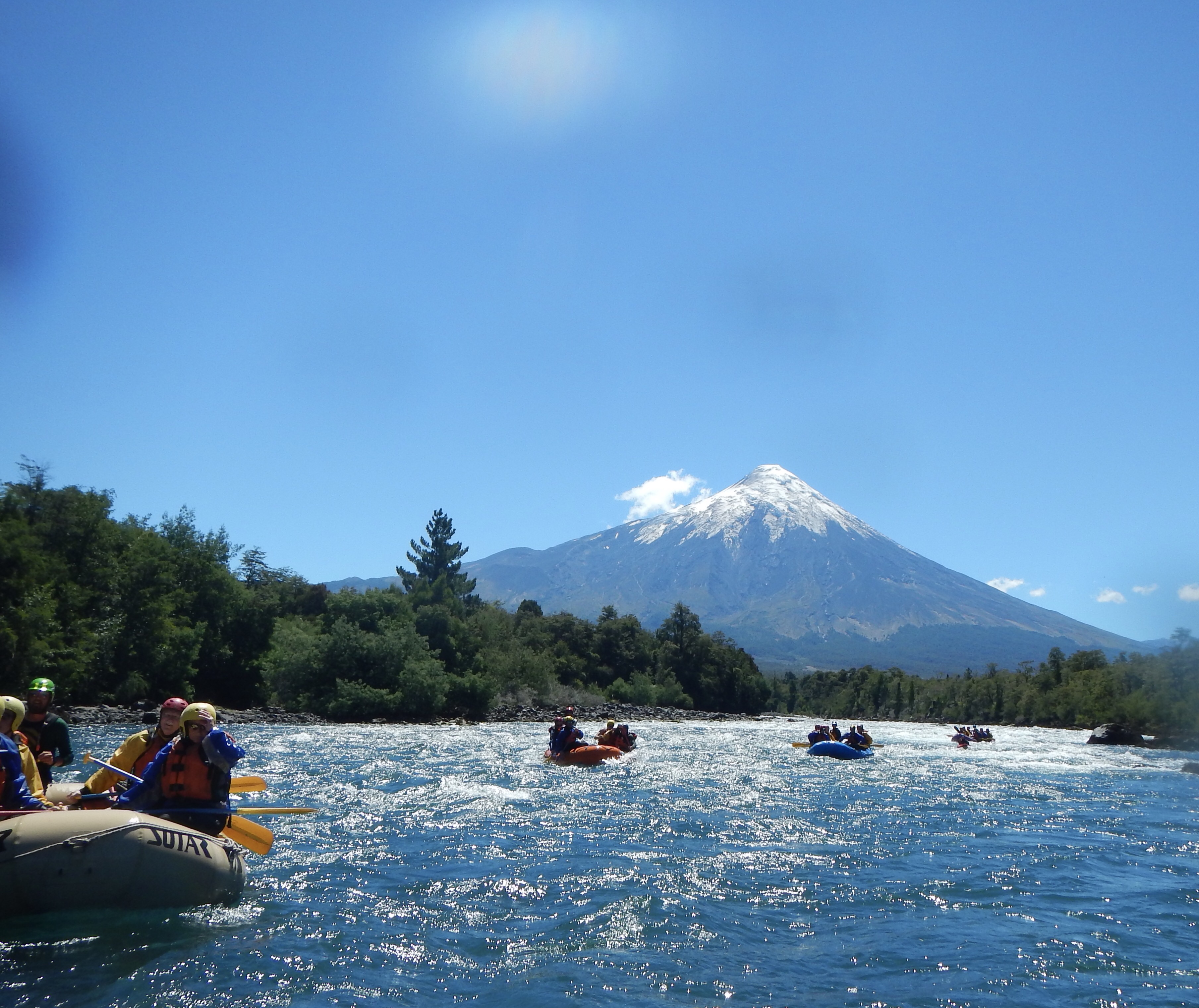
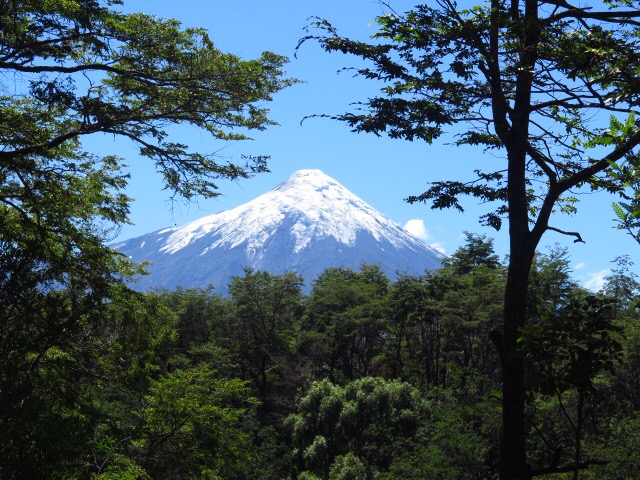
Our raft held 7 people, including 2 guides. This was not a relaxing ride down the river, sitting back and enjoying the scenery. We did enjoy the scenery – great views of several volcanoes, including Calbuco and the glacier capped Osorno – but only during short breaks. We sat on the sides of the raft with our feet braced inside, and went to work as instructed, while one of the guides did the steering in back. There was lots of paddling and several drops back into the raft as we came too close to rocks. Even though neither of us fell overboard, we were drenched by the end of the ride. We were also exhilarated.

Mark took a few photos with the waterproof camera, and Alsur had people on shore taking photos as well. Back at base, we dried off and put on dry clothes. We were treated to a beer and empanada before getting on the bus again. I almost fell asleep on the way back.

BtdaBTkR6Zk2LV3rVM2lsz5EWJfXwk9qf_jke2yz-gs,PdTKQsakmLozX5pF-WDpw9RLT-__r4UH0lcAfz_DtbI

rK5x8rlajjHNZIzUs2QxgmBxZO_it5CSYM__w18KphM,IN7YiaQ4xQOqg6TSw3mNMfOGq36Ov4Cat3p_Xy3xSHQ

Posted in Chile, Crystal Cruises, South America Travel | Tagged | 3 Comments

Old Mountain

Tuesday, February 7, 2017

On our way to the train station this morning, we rode by Skylodge Adventure Suites in Calca. These are glass suites on the side of a mountain, accessible only by climbing to them. The cost to stay in one of these suites is over $400 per night. You can hike there as well, and zipline down if you so choose.


We stopped at Urubamba again today to view the city from above. It is located in a lovely part of the Sacred Valley.


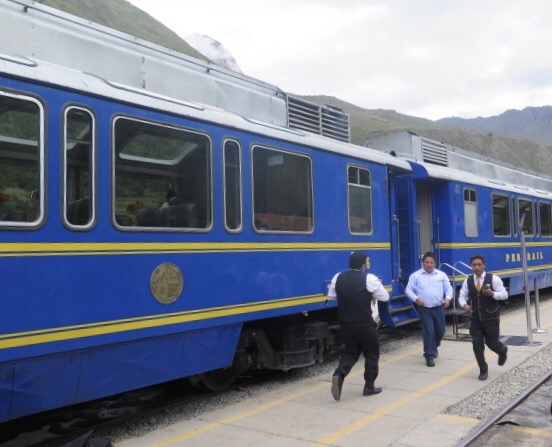
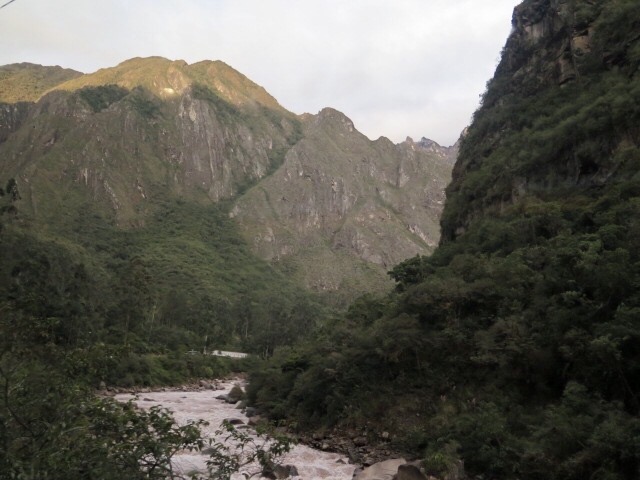
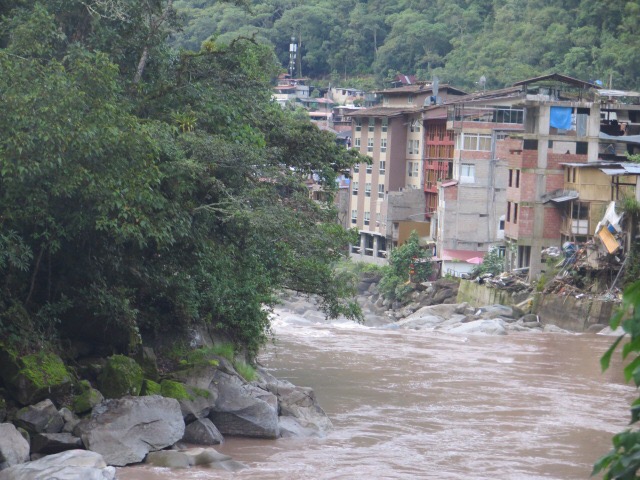
We boarded the Perurail Vistadome Train in Ollantaytambo. The train cars have windows above the passengers as well as on the sides, giving us some great views of the mountains, farms and river as we rode by on our way to Aguas Calientes, or Machu Picchu Pueblo.


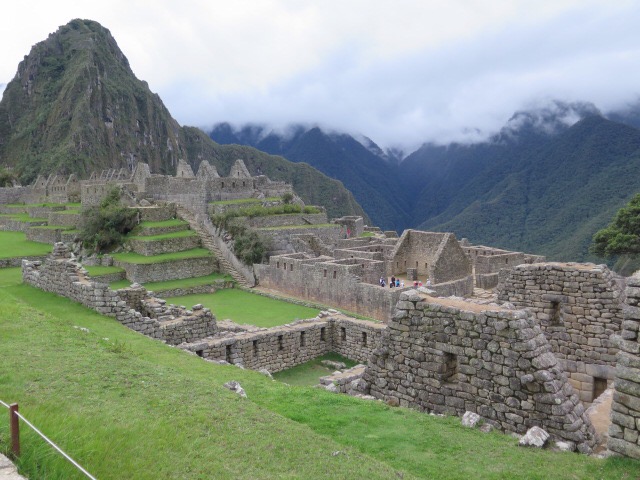
In Aguas Calientes, we took a bus to Machu Picchu, which means “Old Mountain.” Machu Picchu is believed to have been a retreat for the Inca Pachacutec (1438-1572.) Set at an elevation of about 8,000 feet, it is a UNESCO World Heritage Site. Hiram Bingham was the first non-native to see the site in 1911.  It was one of the few Inca strongholds not found and destroyed by the Spanish conquistadors. Bingham was searching for another Inca site when some local farmers told him of this one. In partnership with National Geographic, Bingham spent many years excavating this site.

 I was not prepared for the immensity of Machu Picchu. When entering the site, you walk along a pathway, turn a corner,  and there it is in all of its glory. It took our breath away. We only had a few hours to visit, a few days would be required to do this place full justice. We did a lot of walking and climbing, yet covered only a fraction of the park.


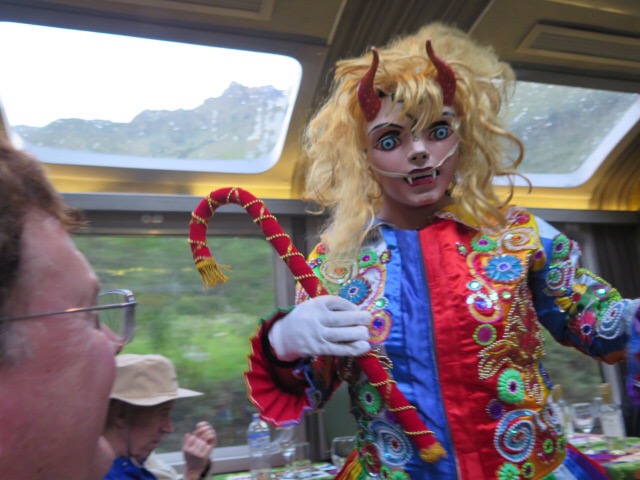
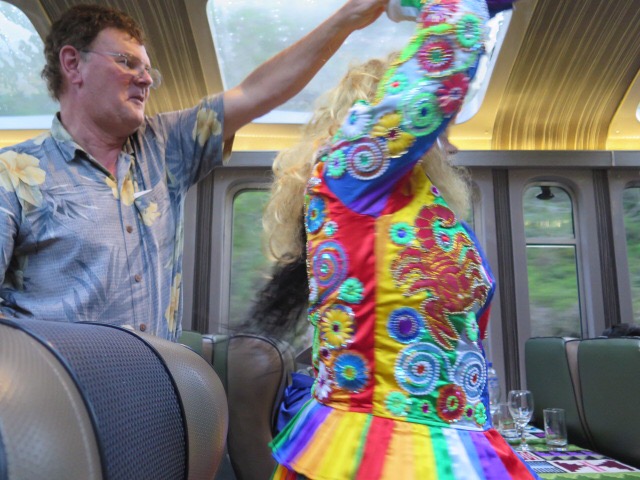
On the train ride back to Ollantaytambo,  we were entertained by a couple of the staff in costume..


We didn’t get back to our hotel until about 9pm, too tired to even have dinner.

Posted in Crystal Cruises, Machu Picchu, Peru, South America Travel | Leave a comment