Sunday, June 25, 2023
We took a three hour drive west to visit Congaree National Park. Named a national park just twenty years ago, its 26,000 plus acres preserve the largest tract of old growth bottomland hardwood forest left in our country. It’s one of the least visited national parks, with fewer than 150,000 visitors in 2018. This underappreciated gem was designated a UNESCO Biosphere Reserve in 1988. Maybe the lack of visitors will help to preserve that status.

The park is home to some very tall trees, including a 167-foot loblolly pine, a 157-foot sweetgum, a 135-foot American elm, and several other trees that are the tallest of their species. The average canopy height is over 100 feet.
Native Americans occupied this land as long ago as 9500 BCE and Europeans came in 1540. Settlers began clearing and developing the floodplain around 1740. Escaped slaves would find shelter here. A maroon settlement, made up of escaped slaves, once existed where the Congaree and Wateree Rivers met, not far from here. They used the rivers to travel, find food and supplies. The dense vegetation made it difficult for slave owners and catchers to pursue the escapees. After the Civil War, many freed slaves farmed in this area.
Logging began in the 1890s, almost destroying the remnants of old growth floodplain forest. Over the years, many people worked to protect this land that is home to many species of wildlife. Finally, on October 18, 1976, legislation was passed to create Congaree Swamp National Monument. Twelve years later, it was designated a wilderness area.
There are several hiking trails in the park, and a 2.4 mile boardwalk loop for easier access. Visitors can also canoe or kayak along Cedar Creek to see more of the park.
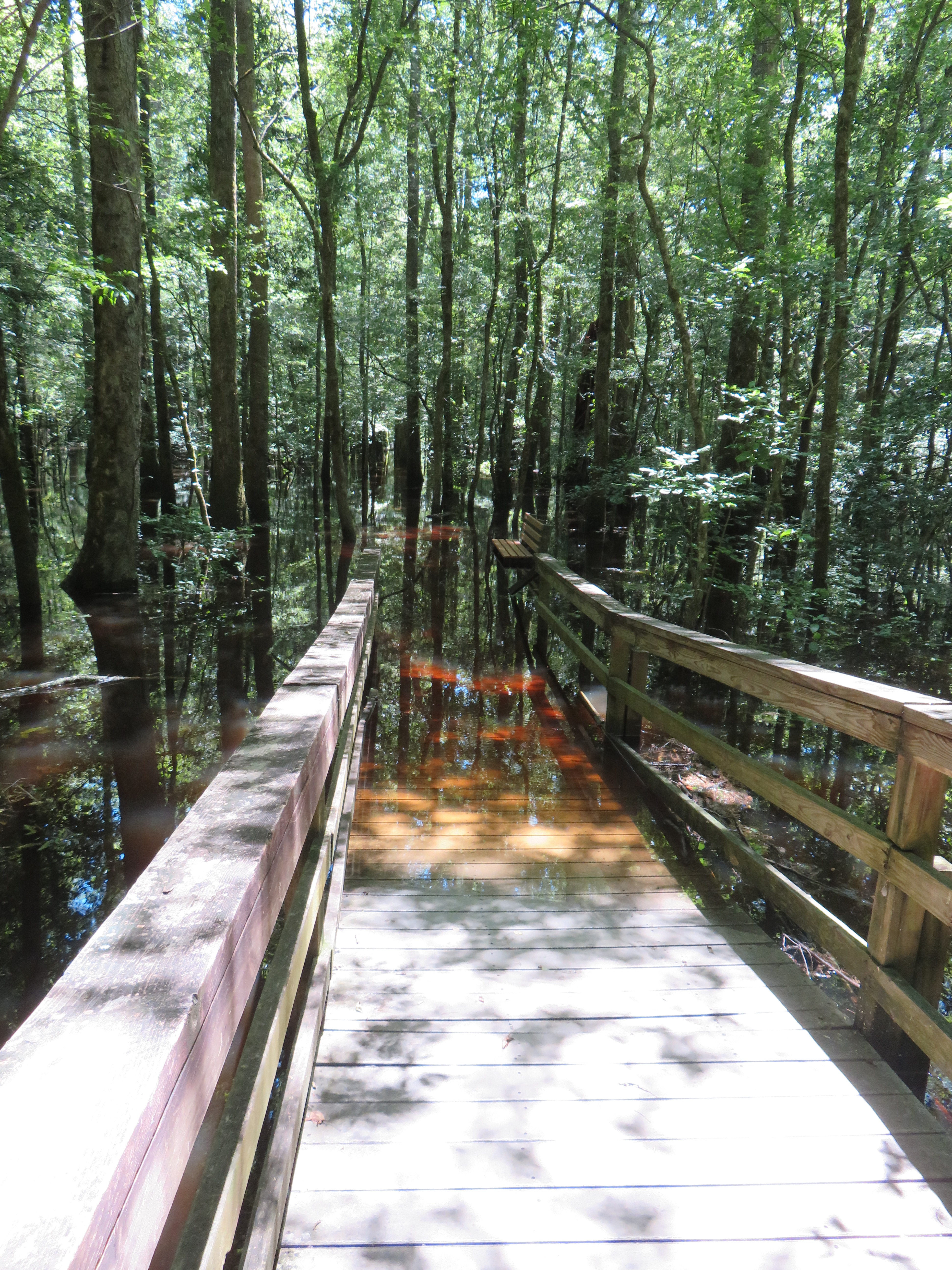
For most of the year, the park’s floodplain is mostly dry, but after a heavy rain, the low areas begin to fill up with water. Major flood events occur on average ten times per year. When that happens, hiking is not an option, and the boardwalk is mostly under water, as it was today. In spite of the flooding, the park is beautiful.


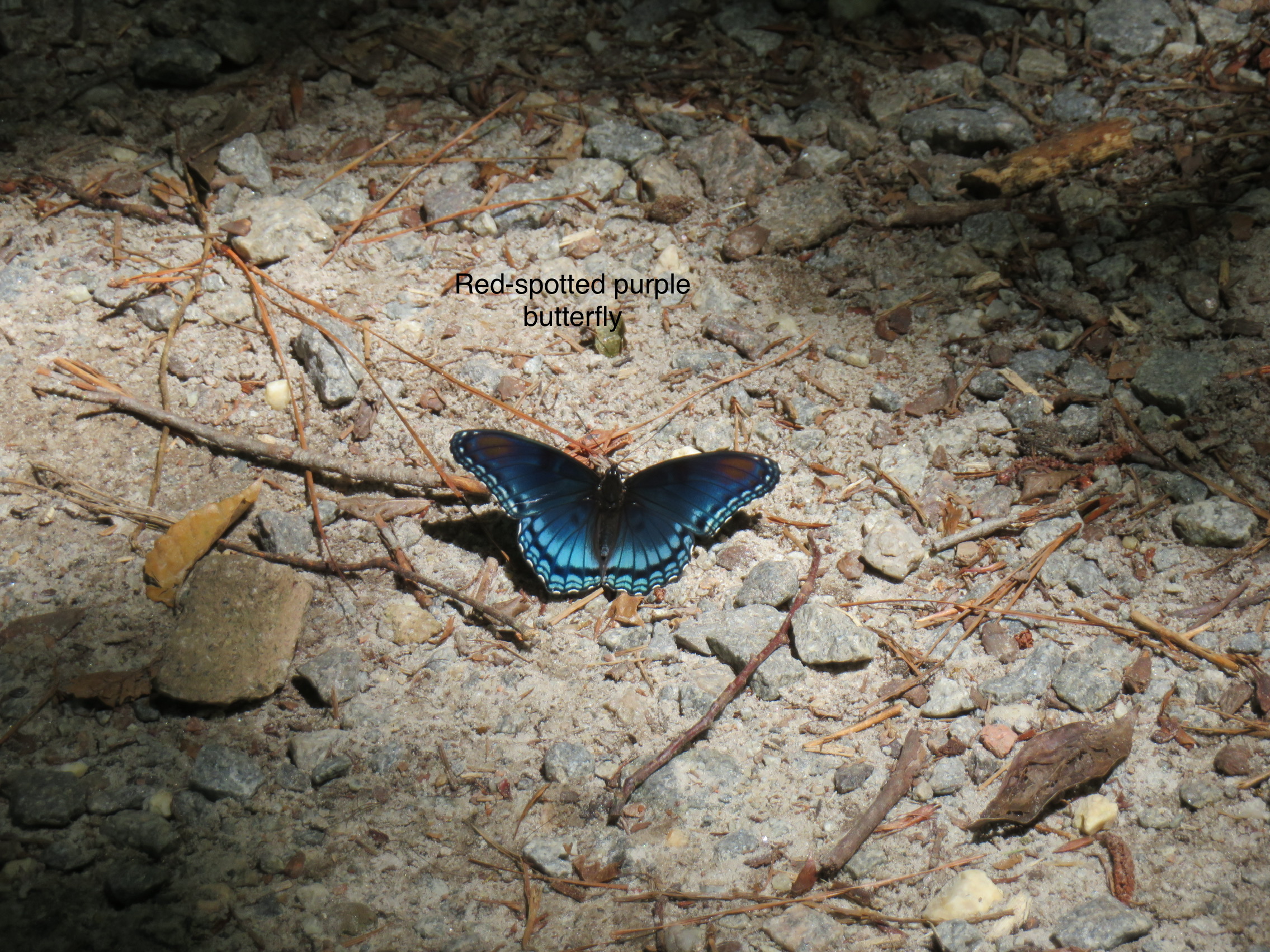
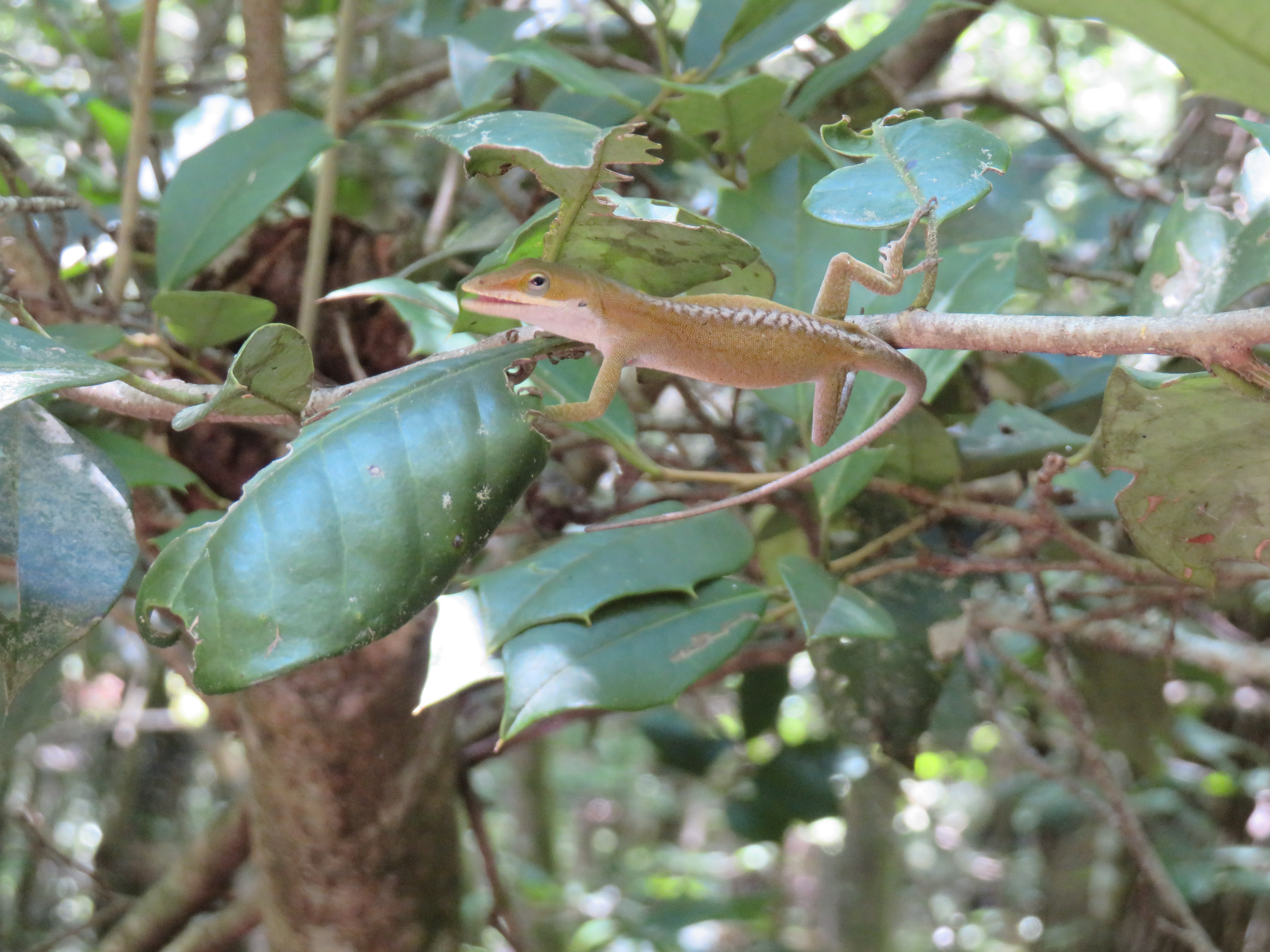
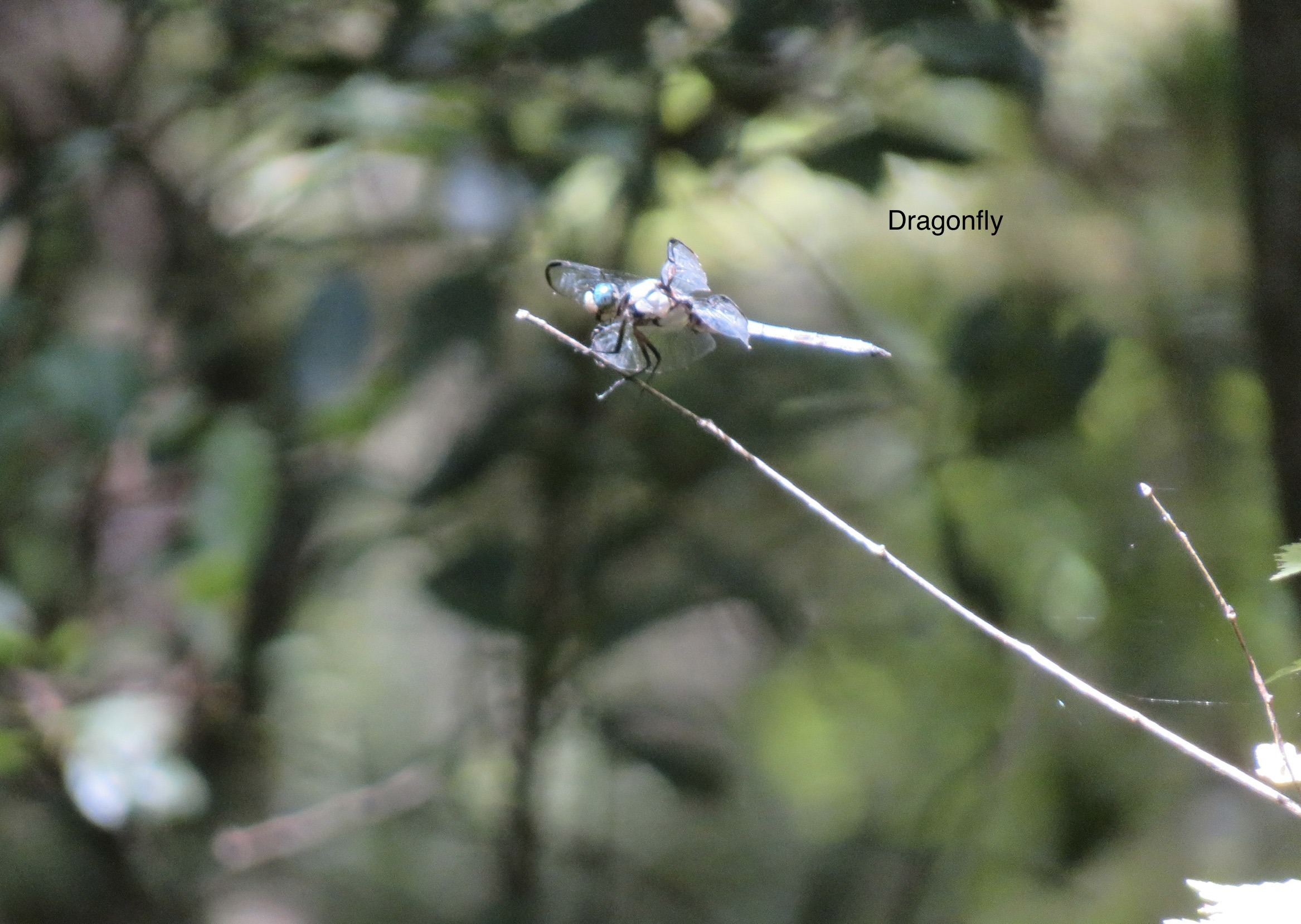
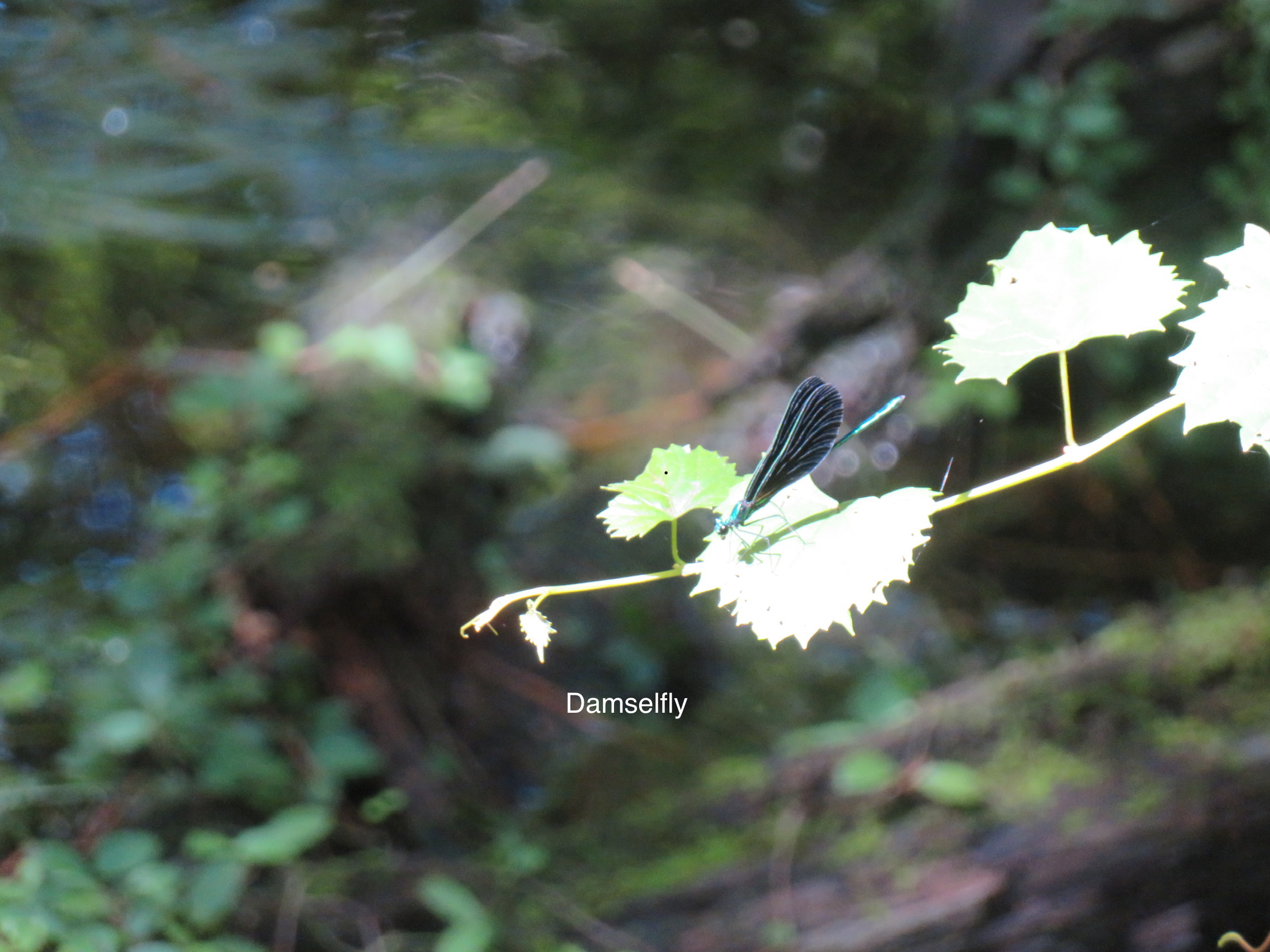
We spotted butterflies, dragonflies, damselflies, skinks, even a feral pig (an unwelcome resident.)

Although most of the boardwalk was closed, we did make it to Weston Lake, the largest oxbow lake within the park.


Congaree National Park, with its tall trees, provided some relief from a hot South Carolina summer day.


 So Many Exciting and Beautiful Places!
Ummmm We should be with you on this trip. This is sooo our kind of place. Steve and I are both retired now so let’s get together.
Thank you for sharing this place.
Enjoy!!
Joan and Steve Zabka
LikeLike