It’s All Happening at the Zoo…and the Opera House…and the Gardens

Tuesday, February 11

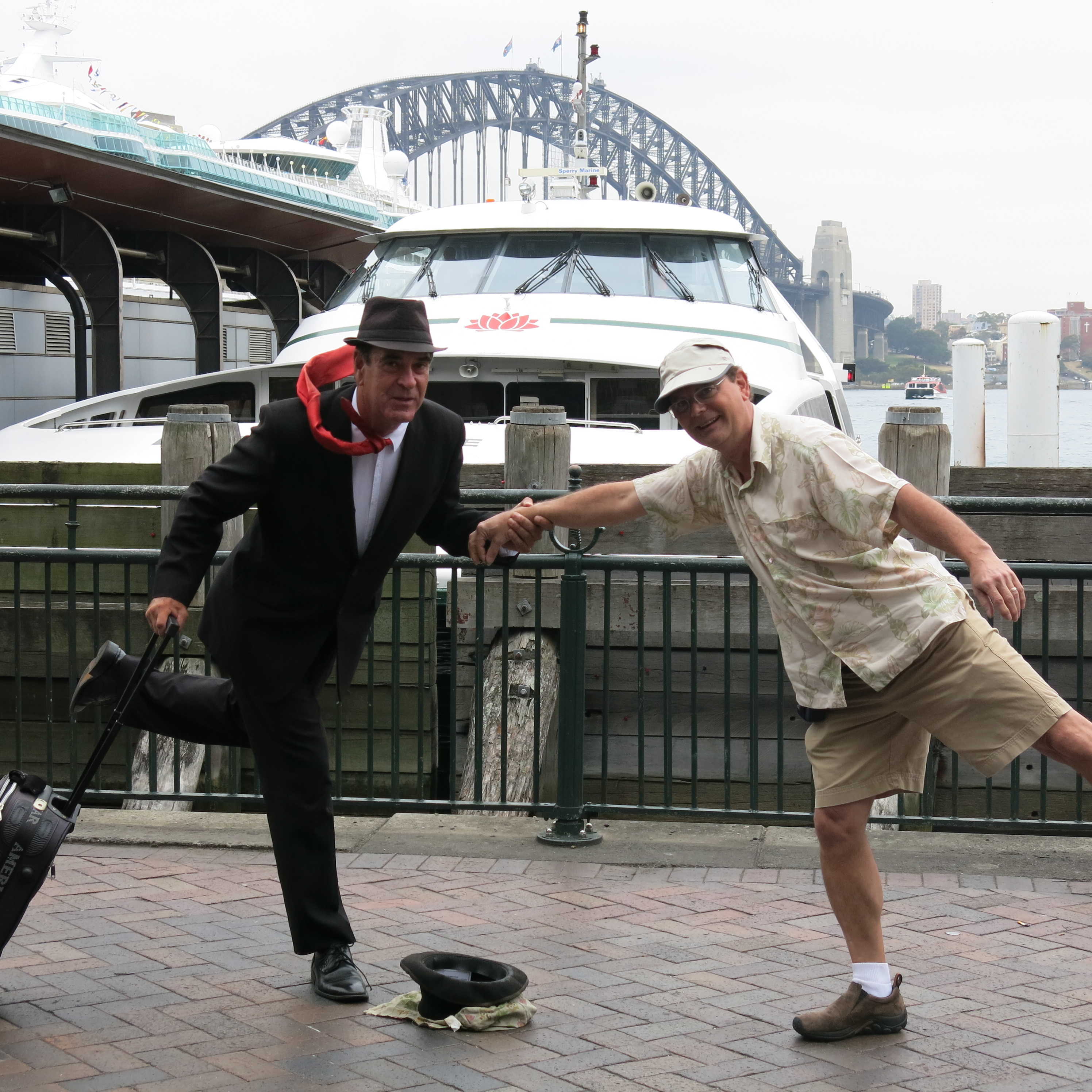
We boarded a Hop On Hop Off Boat this morning, down at Sydney’s Circular Quay. This is a very active place, with restaurants and bars, street entertainment and people watching.
IMG_2246

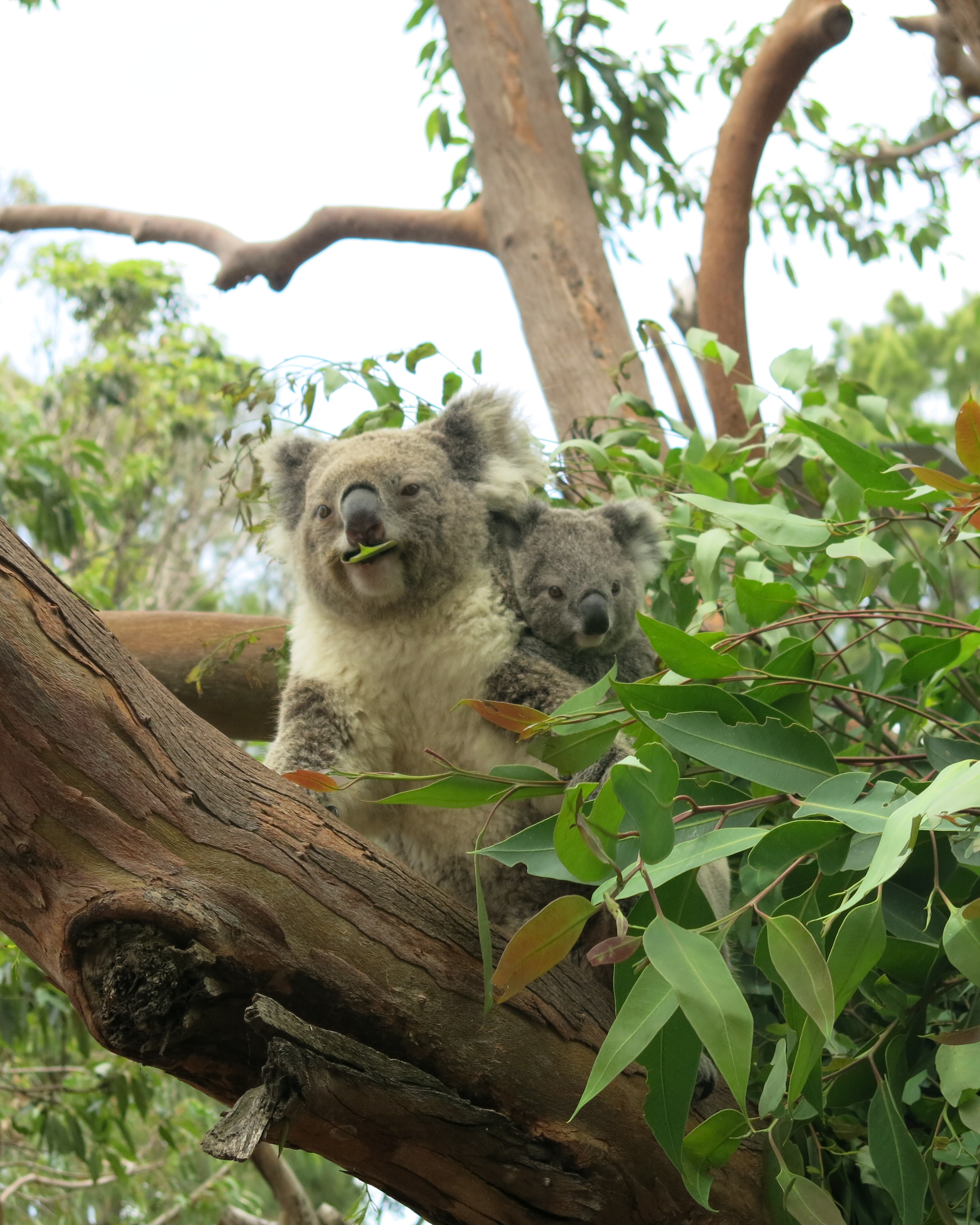
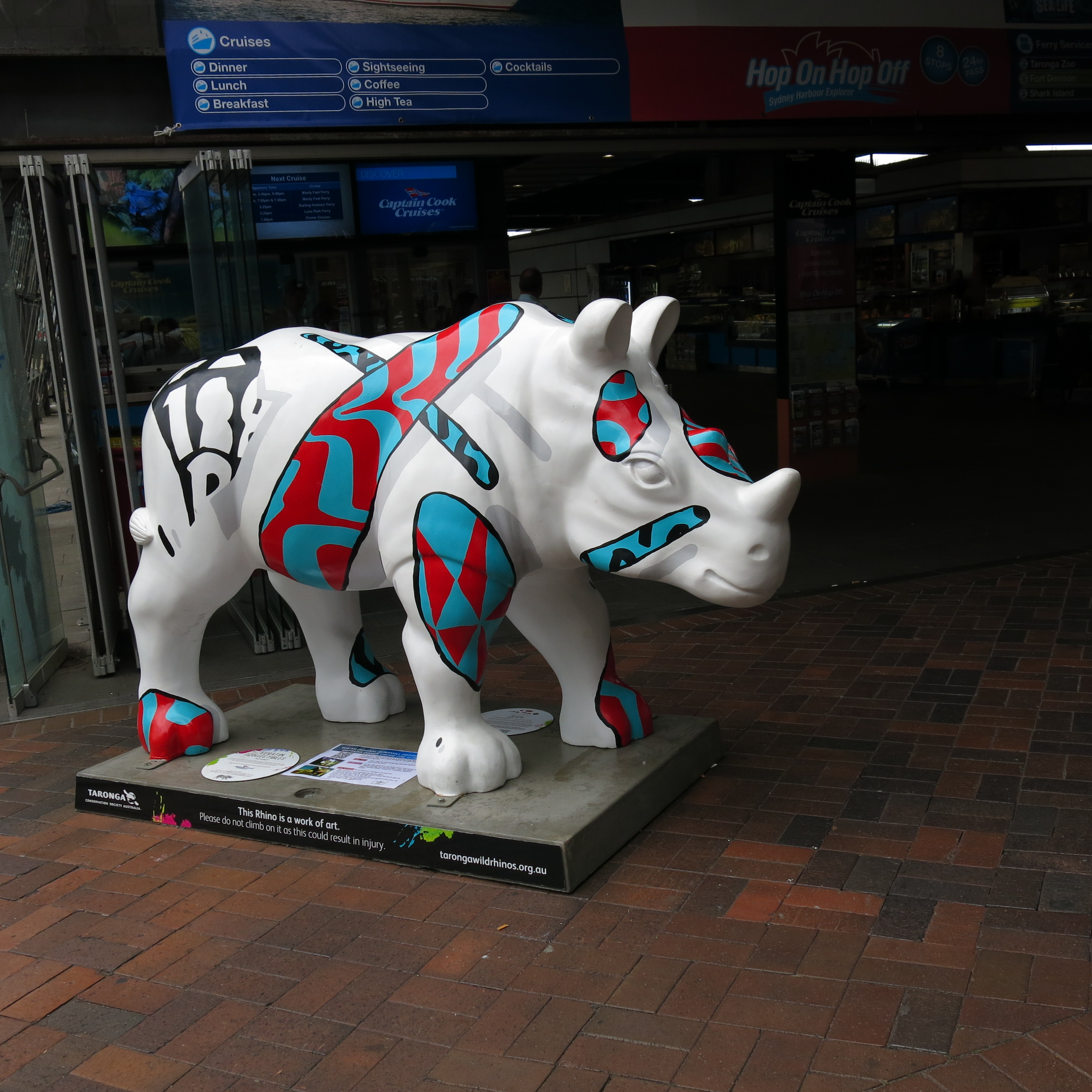
Our first stop was the Sydney Zoo, where we spent about 4 hours. The zoo is set atop a hill which we accessed by cable car. We got some great views of the city. This zoo is home to over 4,000 animals, and we were able to see koalas, wombats, kangaroos, wallabies, platypus and a Tasmanian Devil. The Tasmanian Devil is endangered because of a contagious cancer. The zoo is breeding them with the intention of returning some to the wild. Rhinos are also endangered, and the zoo has put up statues of painted rhinos throughout the city. They will be auctioned off later this month to raise money for their preservation.
IMG_2526
IMG_2242

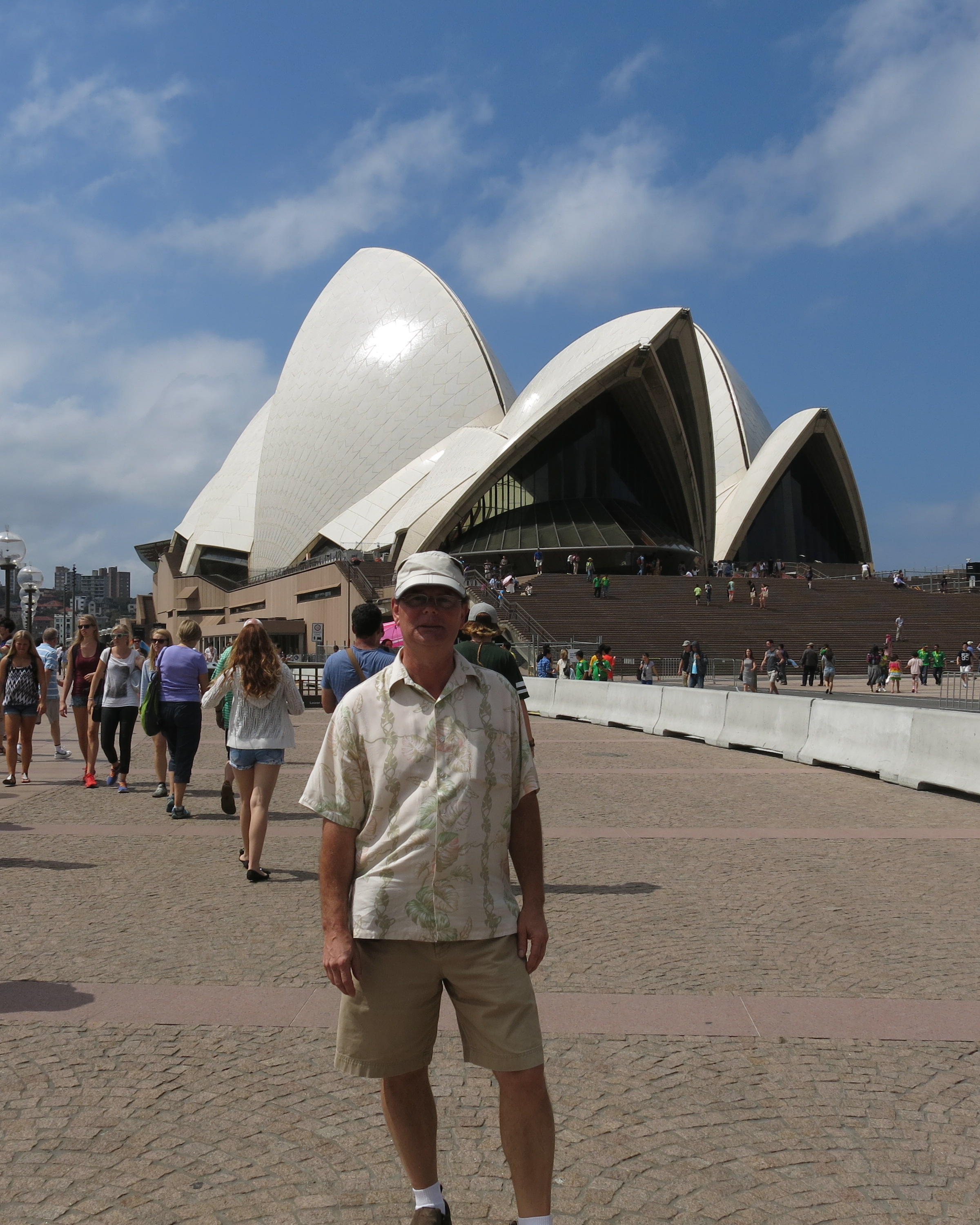
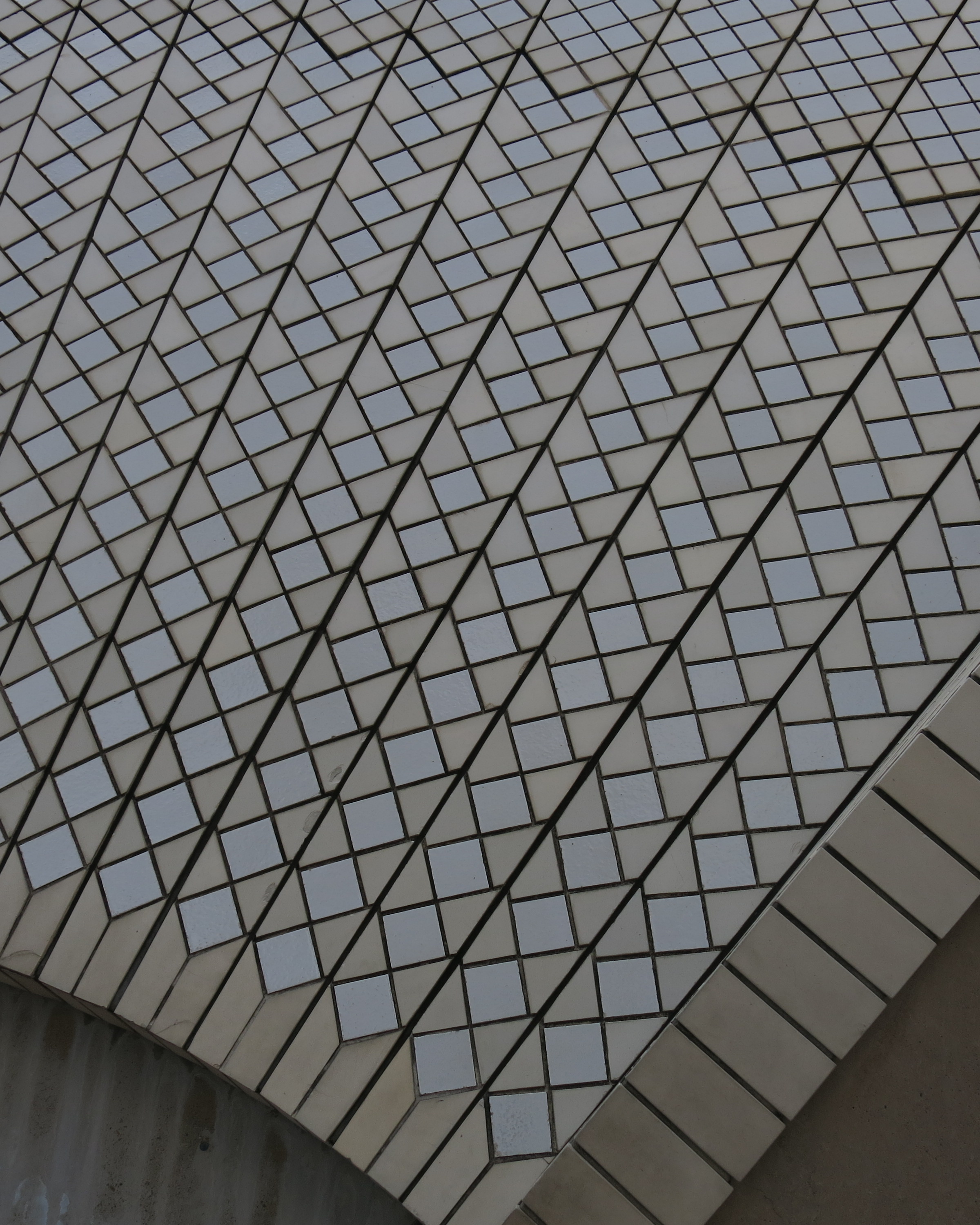
We returned to the quay after about 4 hours, and walked over to the Sydney Opera House, an impressive building. I didn’t realize that the outer walls are actually tiled, about 5″ square tiles. From a distance, it looks solid.
IMG_2564

IMG_2573

We spent a few hours at the Royal Botanic Gardens, a 75 acre garden in the heart of the city established almost 200 years ago. It’s about two blocks from our hotel. The park is heavily used, for walking, napping, exercise, relaxing. There are herb gardens, flowers, tropical displays, and walkways throughout.

Then, back to the Quay for a light dinner. Tomorrow, we’re off to Cairns.
Posted in Australia Travel | Tagged | Leave a comment

Sydney

Sunday, February 9

Flew into Sydney, Australia today. Happy to say it was uneventful. We checked into the Sofitel Hotel, and had a light dinner in the hotel. We’ll be here 3 nights, and it’s nice to be able to settle in for a few days.

Monday, February 10

We took a walking tour of the Rocks area of Sydney this morning. Very interesting. This is the area of the earlier settlements in Sydney. Much of the building in the area was done in the 1800’s by convict labor. Residences were built into the rock. They were very small. The architect, Francis Greenway, for many of the government buildings was actually a convict, who had been sent to Australia for forgery. His face later graced the previous 10 dollar note, which was the currency most forged in Australia – ironic!

The buildings were constructed with sandstone. Each individual worker had his own pattern of cutting or marking the blocks. A supervisor could tell who did the work by the pattern used in the block. The residences were very small, a couple of rooms cut into the rock cliffs. The mortar included shells and rice. The shells took the place of lime, and the rice absorbed the moisture that was always seeping through the sandstone.

IMG_2178
IMG_2144

There are a few cobblestone streets left in the area, made of sandstone. Because this is a soft rock, you can see the carriage tracks in them.

Cobblestone made with sandstone

Cobblestone made with sandstone

The entire Rocks area is owned by the government, in order to preserve the history. You can purchase a 99 year lease for property, but you cannot own it.

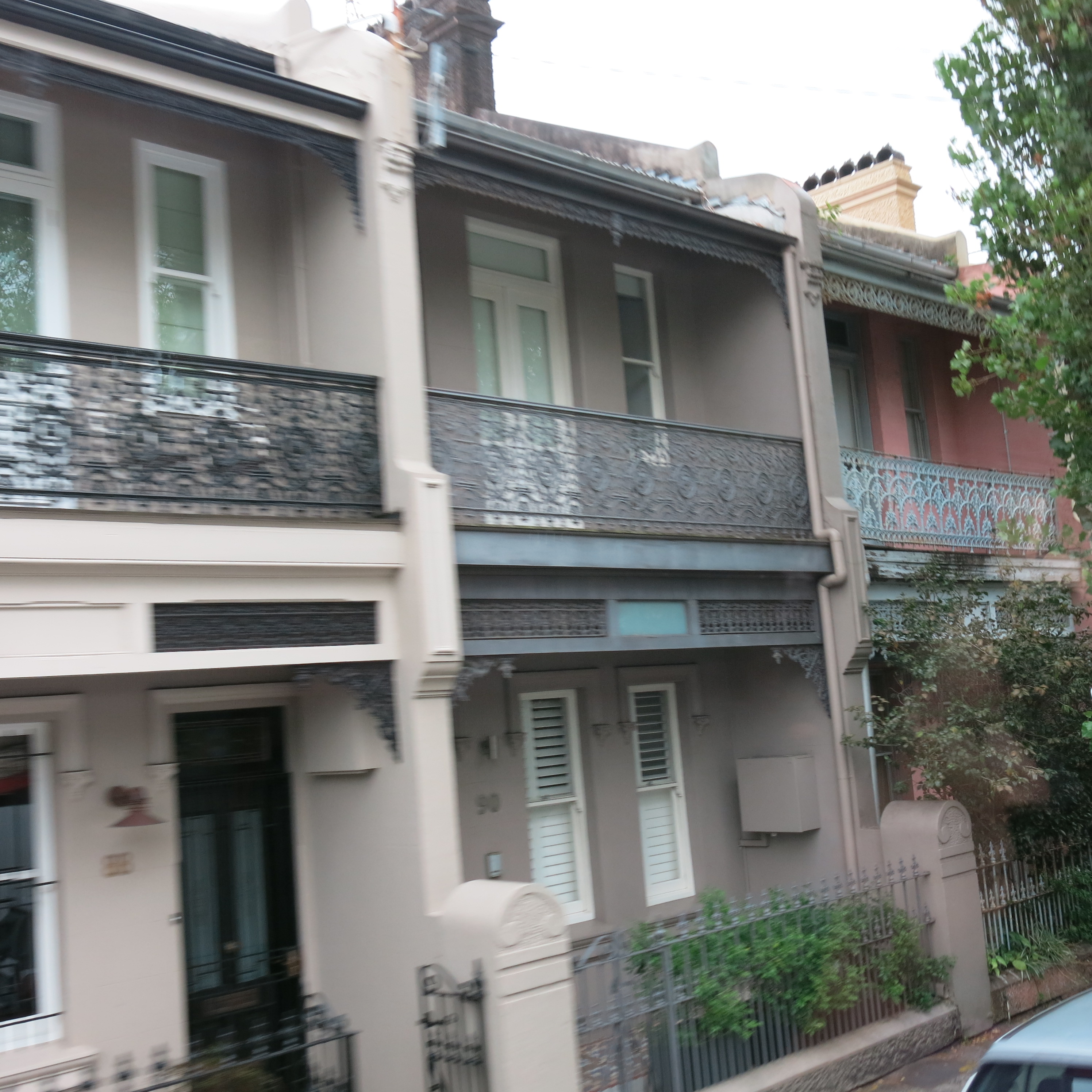
In the afternoon, we took a bus tour of the city, again hearing about the history, and seeing some other areas. Many homes have wrought iron railings. When the early ships were coming from England, they used iron for ballast in the ships. They left this iron in Australia because they were full with the products they were returning to England. Someone had the bright idea to melt down the iron and use it for decoration of the residences.

IMG_2220

Reflection of construction project in wall of building next door.

Reflection of construction project in wall of building next door.

We stopped at Bondi Beach for a while. There are over two dozen beaches in Sydney, and this is the closest one to the downtown area. It’s pretty large, and quite busy. We did note a surfing class going out. The waves were certainly high enough for surfing.

IMG_2231

Tonight, we went to Jamie’s Italian Restaurant, just a few blocks from our hotel. This is a James Oliver restaurant, and is very popular. The place was very busy and noisy – we managed to arrive early enough that we only had to wait about 30 minutes for a table. It was worth the wait.

Posted in Australia Travel | Tagged | Leave a comment

Lazy Day in Queenstown

Saturday, February 7 (I mean, 8)

I do believe that if I were not doing this blog, I’d have absolutely no idea what day or date it is. Nothing was scheduled for today, so we slept in a bit, then took the local bus to town.

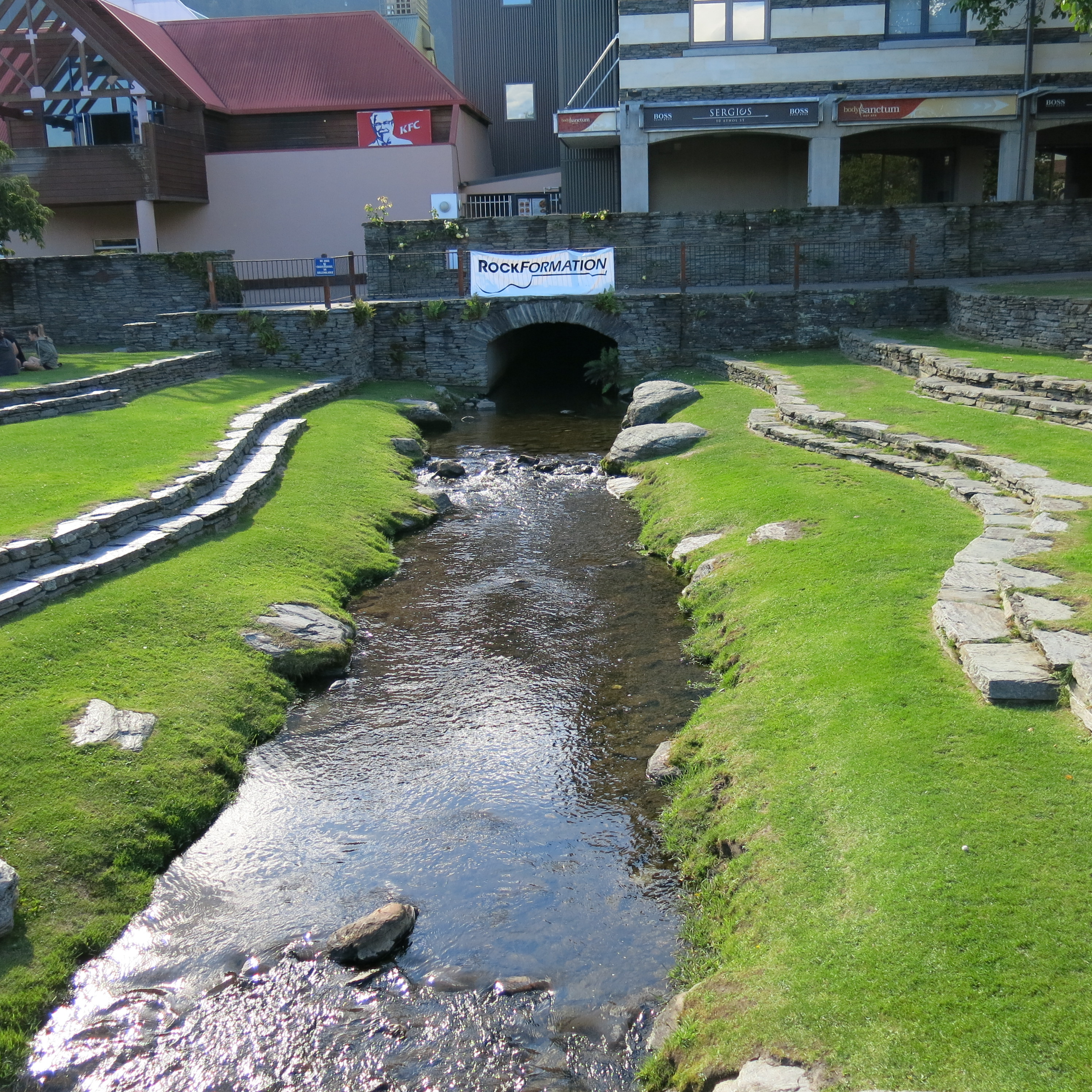
We wandered around downtown, did some shopping, and stopped at a rooftop bar for libations. There was a craft fair in the town square, with some very nice glass and woolen items, among other things.

IMG_2130IMG_2082

Queenstown is a fairly typical tourist town, with lots of souvenir shops and activity offerings. Their busiest time is January. In the summer, there are many activities offered, including tours of the various Lord of the Ring filming sites (by airplane, helicopter or jeep.) In the winter, they fill up with skiers. There are many woolen shops with beautiful sweaters, hats, scarves, etc. I do wish I could wear wool, but even the softest ones make me itch, so I’m leaving the home of the Merino sheep without anything wool for myself.

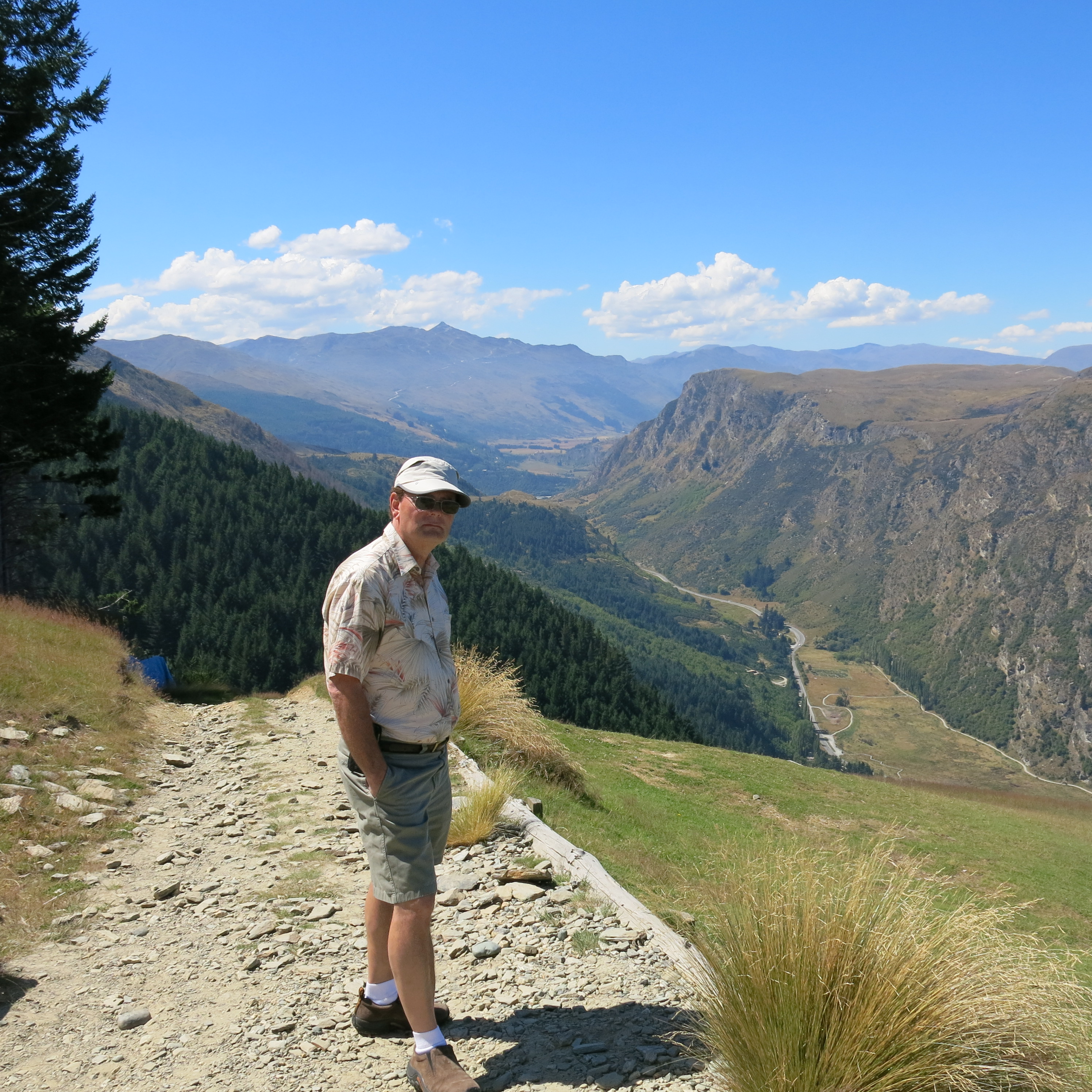
The city has a gondola that takes people to the top of the nearest hill, about 2,500 feet in height. The ride gives some great views of the city and the mountain, which appears to be a very large and steep rock. Lodge pole pines grow quite tall – we estimated some to be between 150-200 feet tall.

IMG_2121

IMG_2104

IMG_2106

IMG_2114

After getting to the top, there are several options. You can paraglide, bungee jump, take a luge ride (more like go carts), hike or bike, and even have lunch or dinner. The views of the city were awesome as it was a clear day. We could even see our hotel from there.

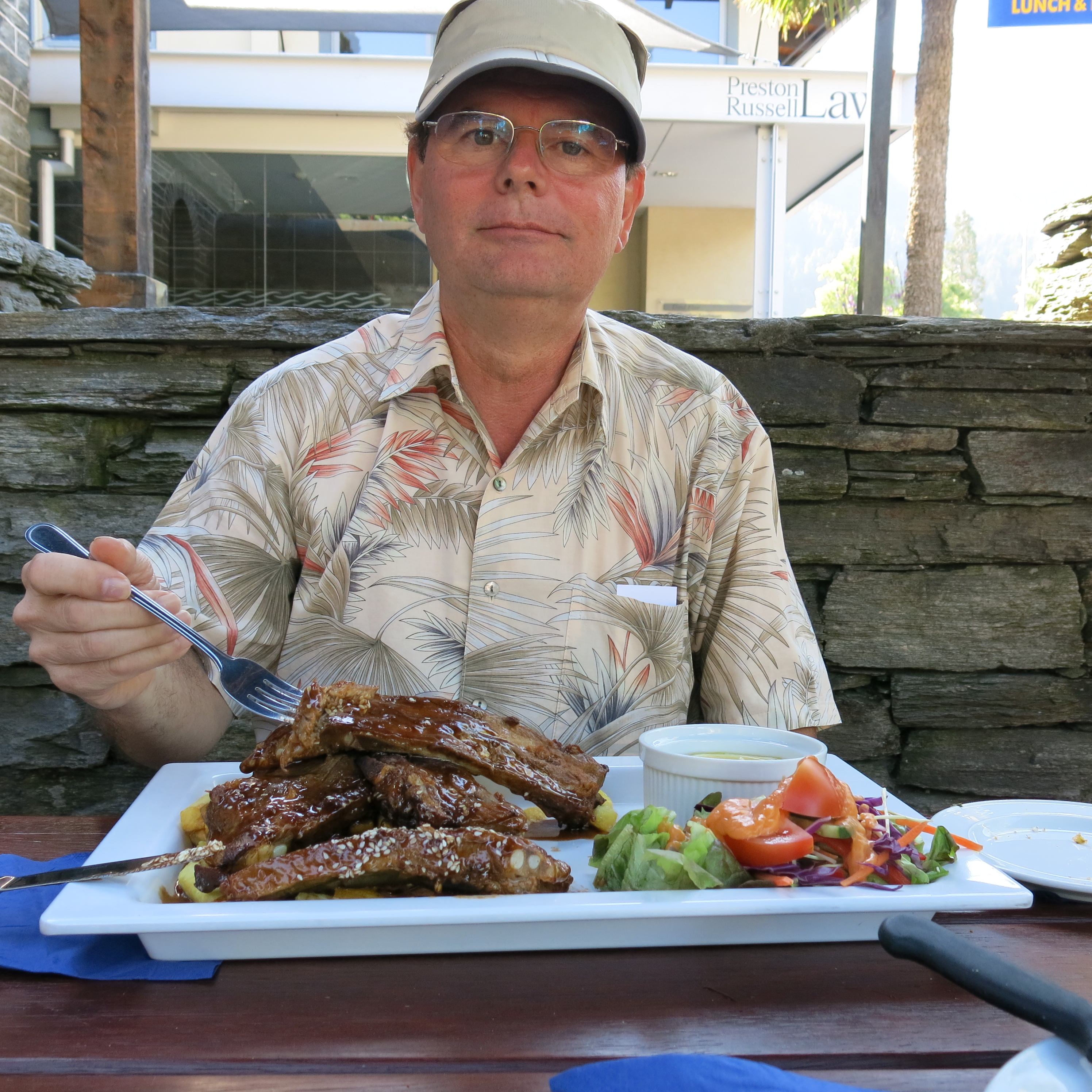
We had dinner at an English style pub in town, where Mark had the largest ribs I’ve ever seen. It’ll be hard to leave New Zealand, but tomorrow we head to Australia.

IMG_2129

Posted in New Zealand Travel | Tagged | 2 Comments

Fjord of Flying

Thursday, February 6

We flew from Rotorua to Queenstown, a fairly short flight. We were all ready to go through security, dumped our drinks, had the plastic bag of liquids ready, and all for naught. Apparently, the Kiwis, as New Zealanders refer to themselves, don’t worry about hijackers on local flights. What a treat!

We arrived at our hotel, Heritage Queenstown, about 5:00, had an early dinner and retired. We would be starting early tomorrow.

Friday, February 7

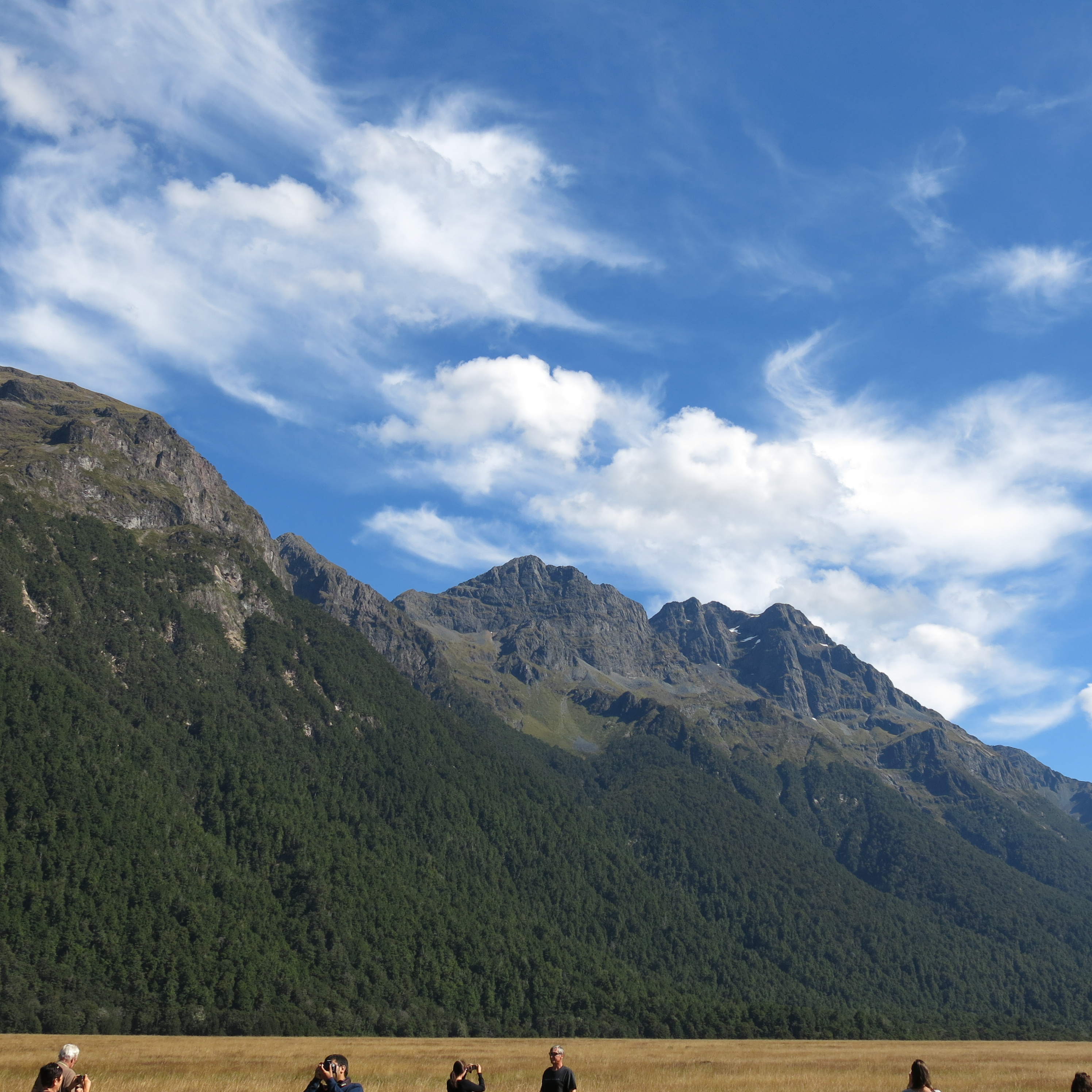
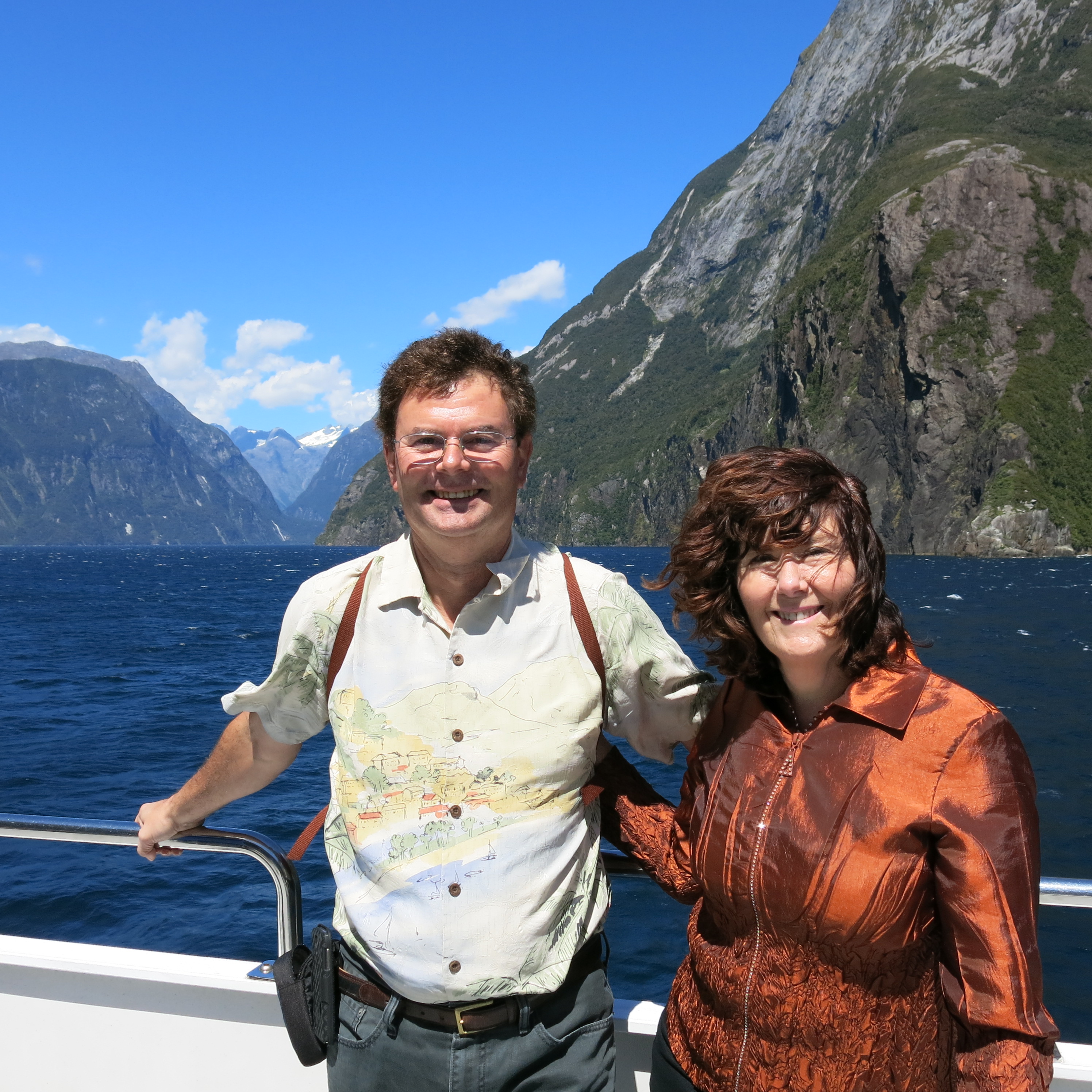
Got up about 6:00 am to be ready for today’s adventures. We went to Milford Sound, about a four hour drive by motorcoach. There were some stops along the way for snacks and photos. This country is absolutely gorgeous! On the way, we drove through a 2 km long tunnel that was dug through a mountain. This was done in the 1930’s and took six years, with most of the tunneling and blasting done by hand.

IMG_1915IMG_1956IMG_1964

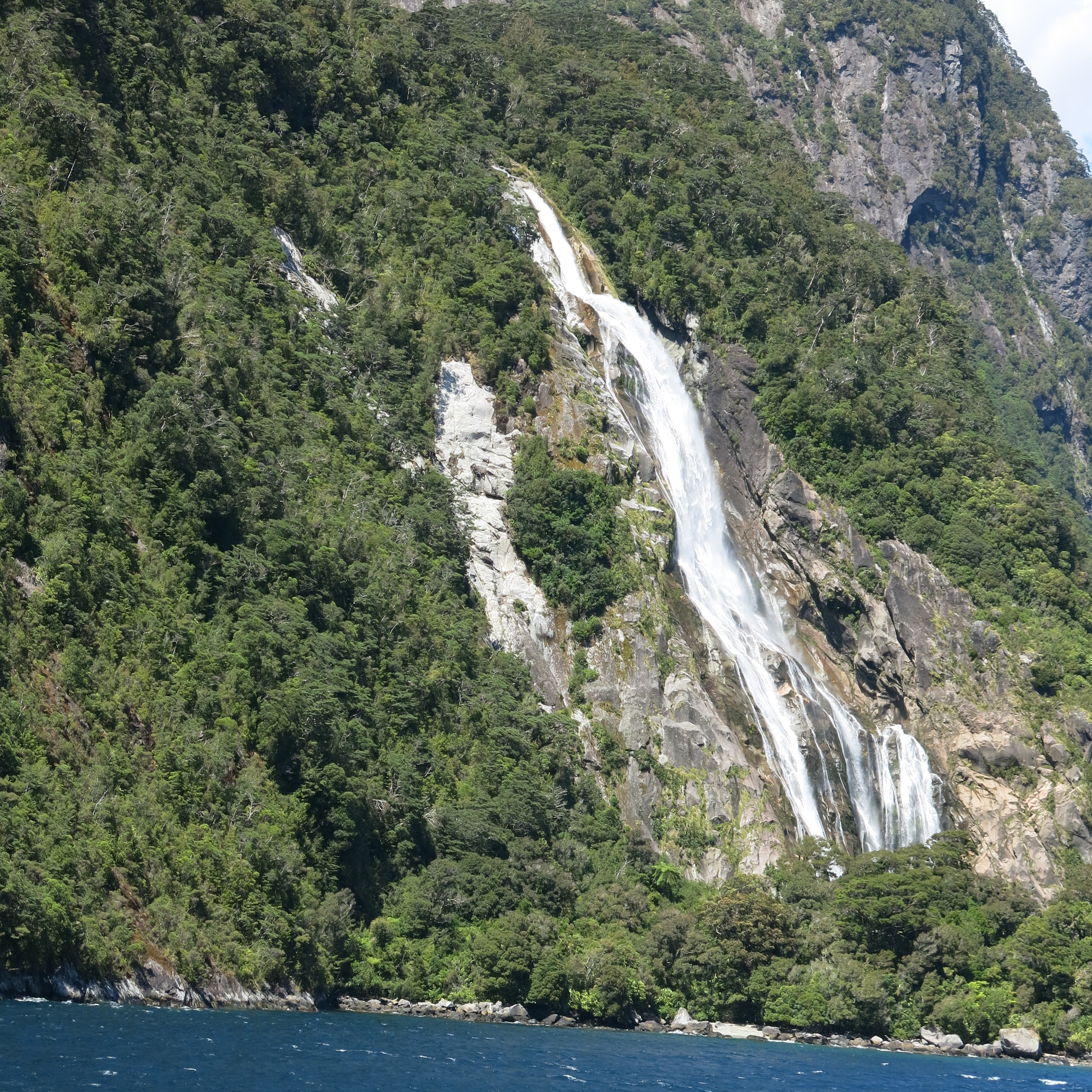
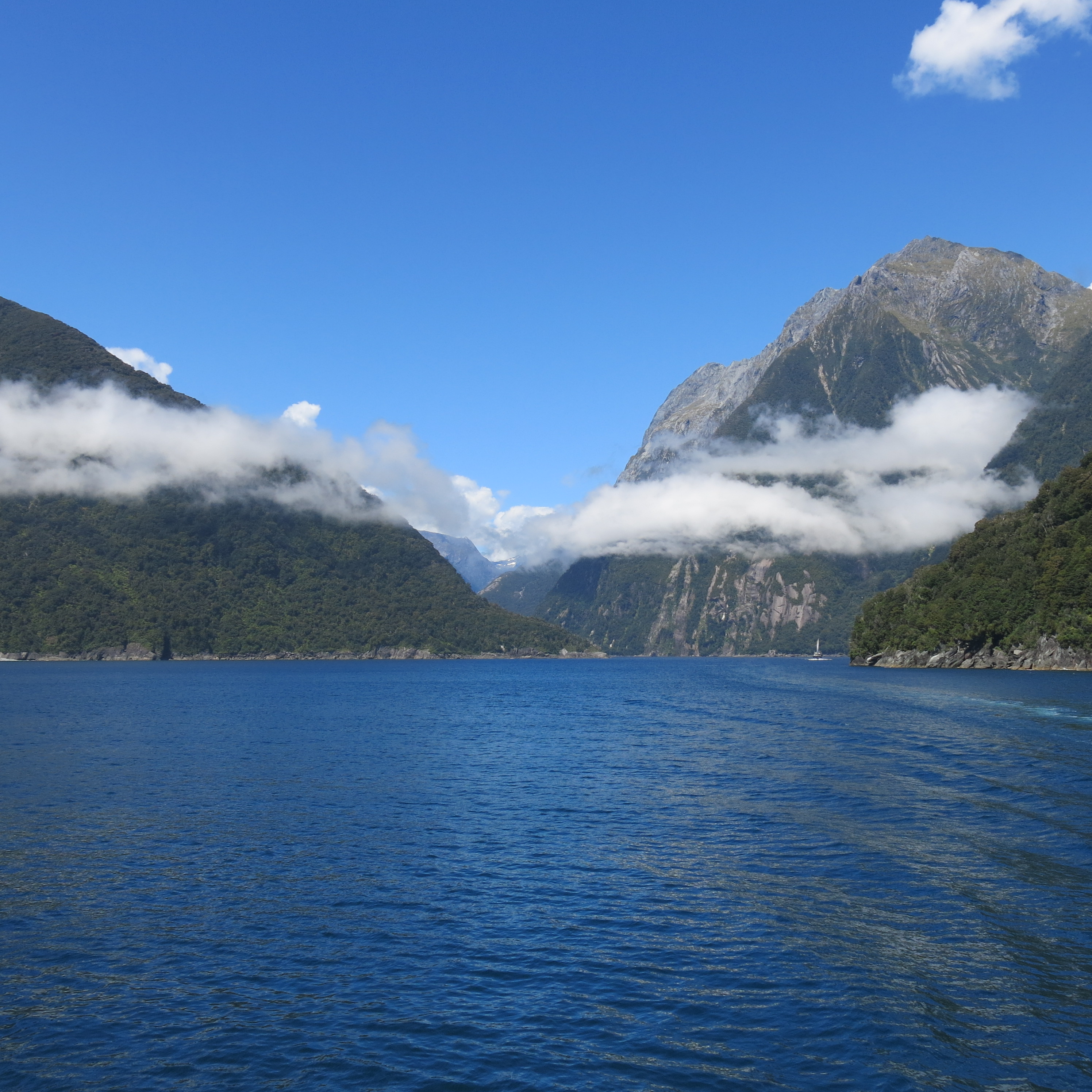
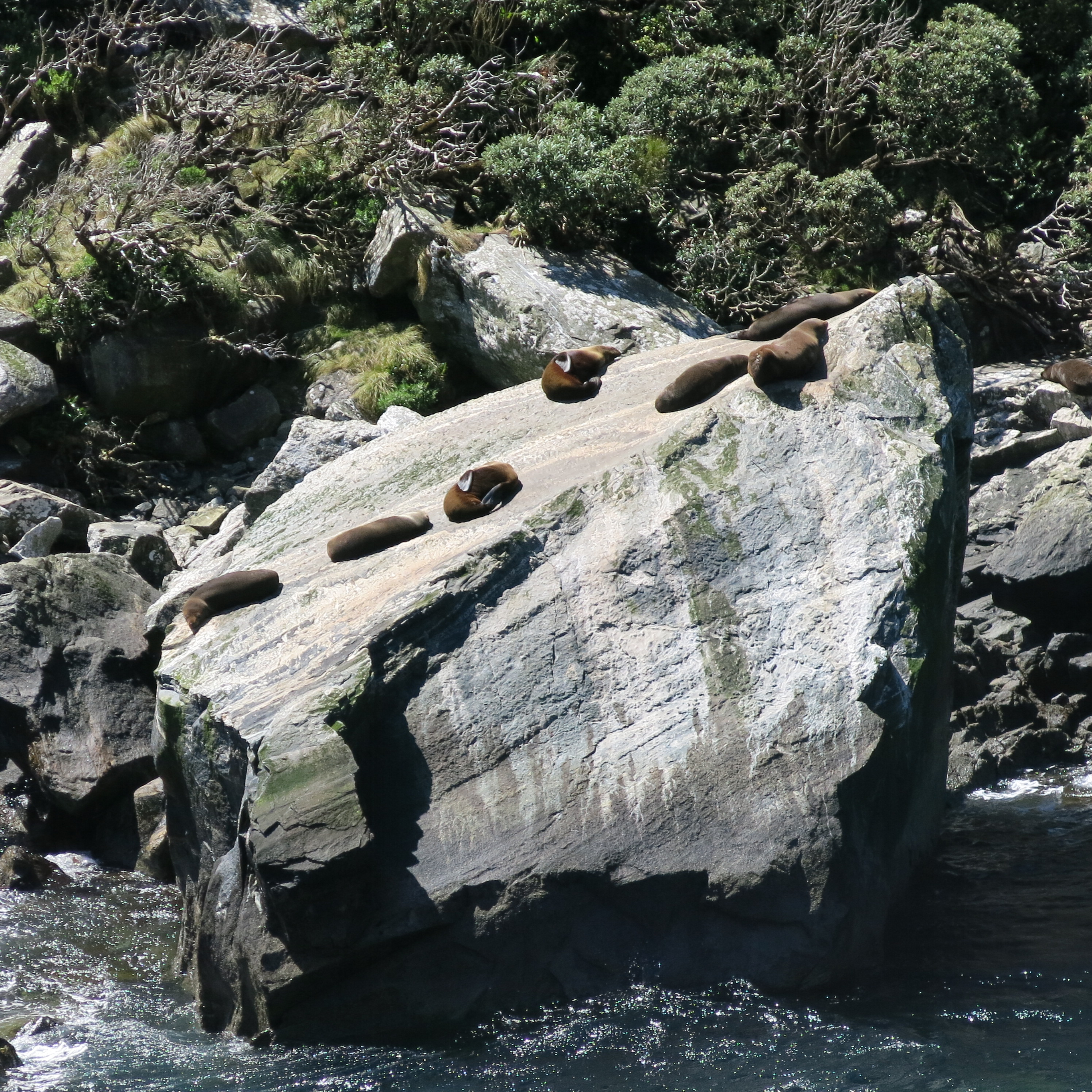
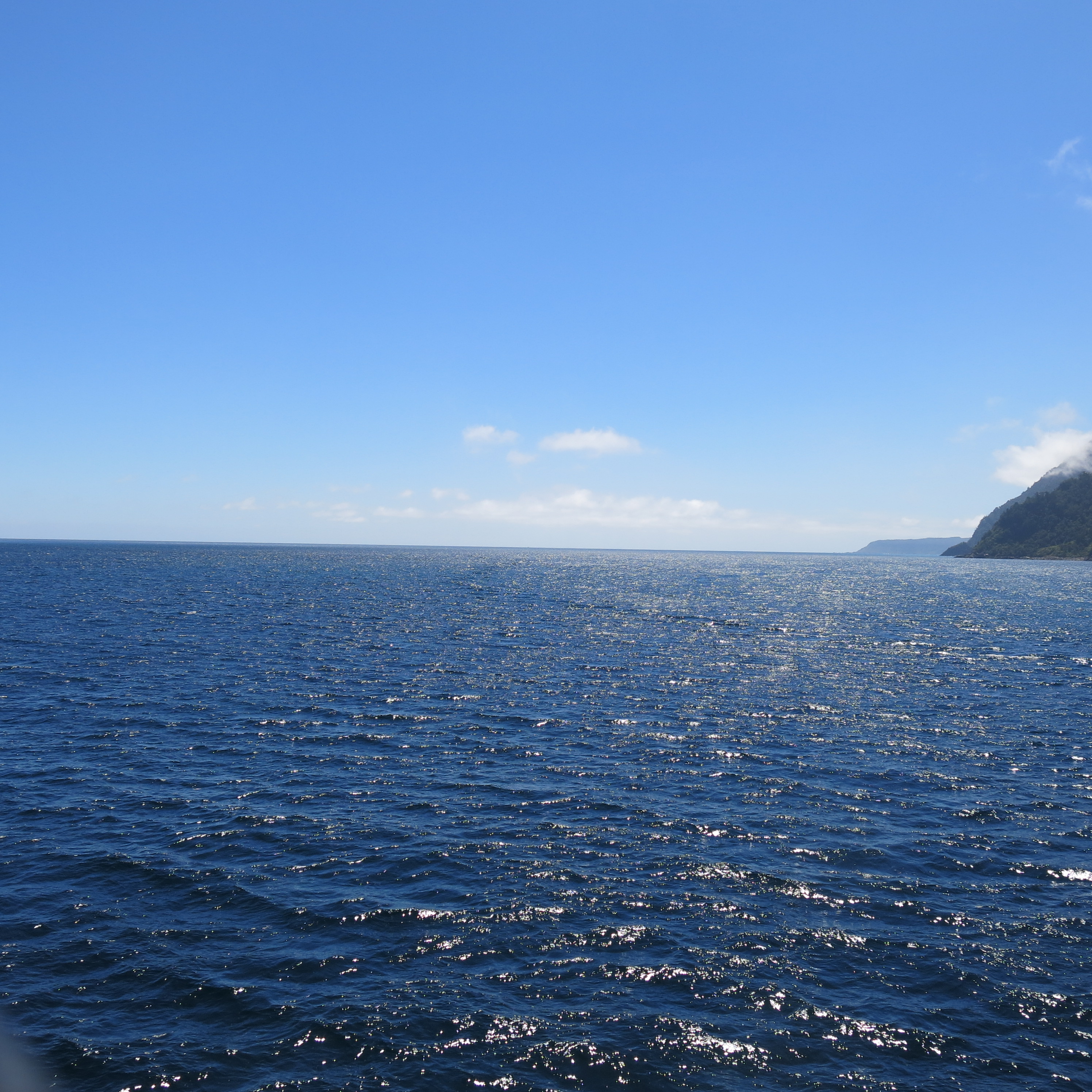
We boarded a boat at Milford and cruised for about 1.5 hours to the Tasman Sea and back. Along the way, we were treated to numerous waterfalls and a few seals sunning themselves on the rocks.

IMG_2021
IMG_2014
IMG_1997
IMG_2002
IMG_2003

Tasman Sea

Tasman Sea

IMG_1967

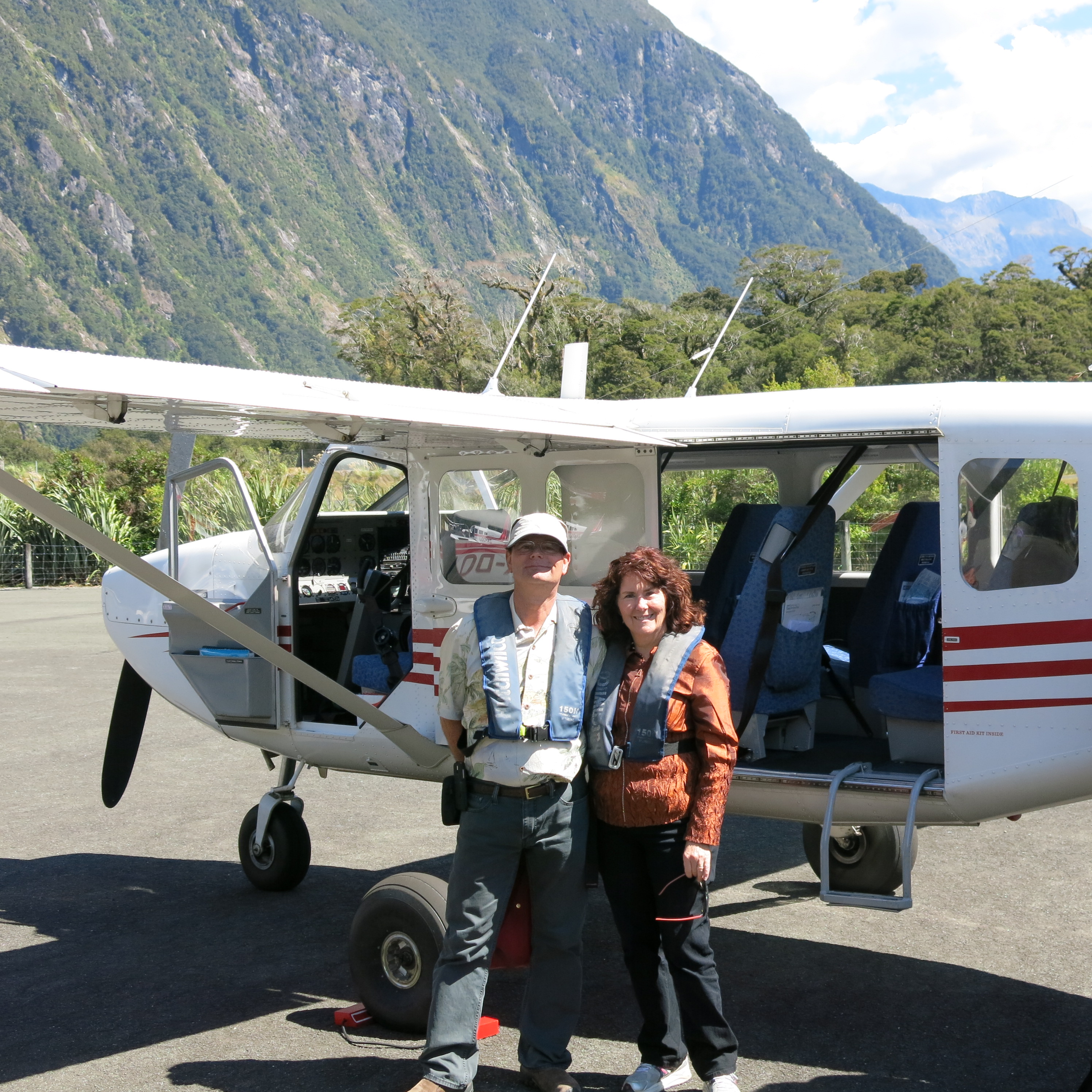
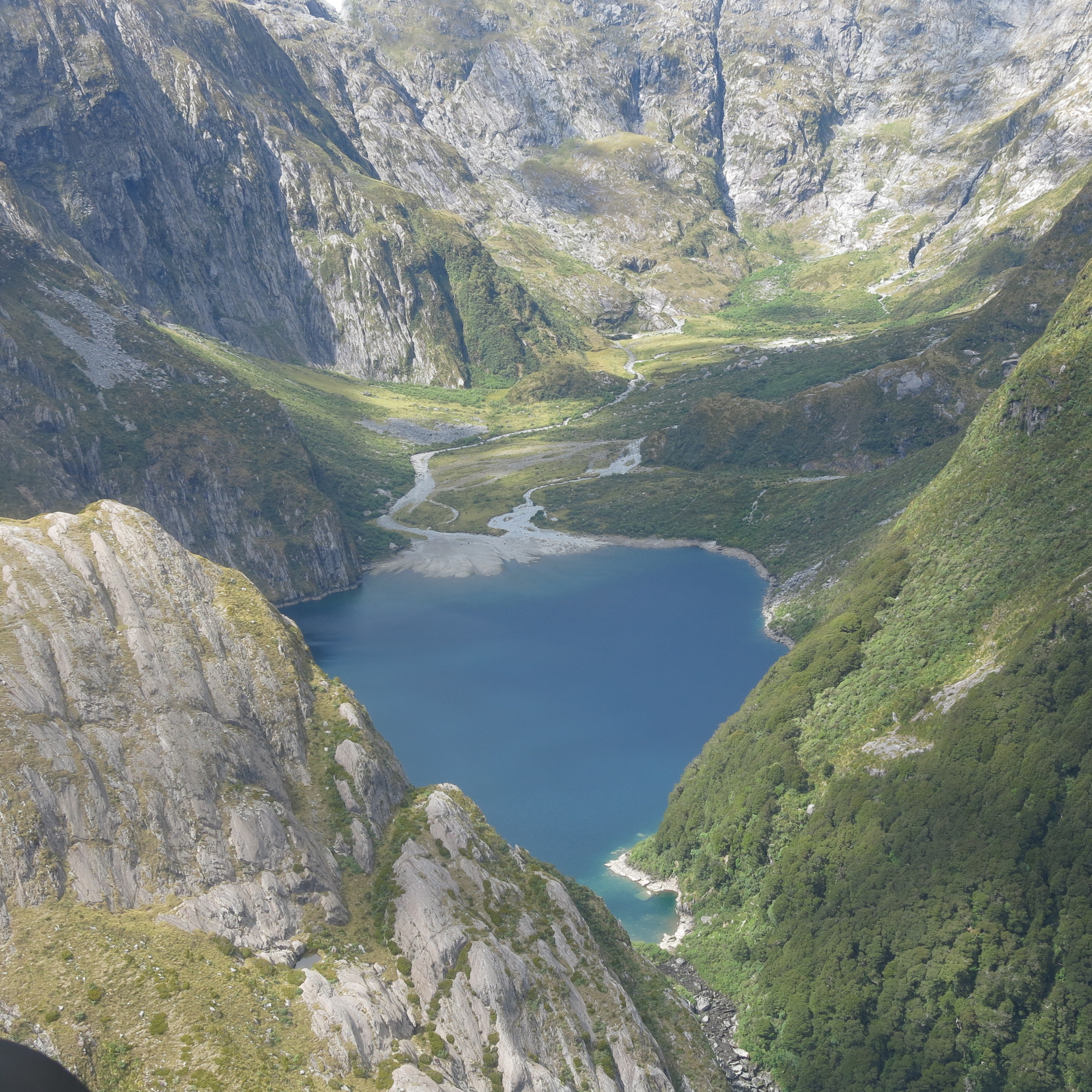
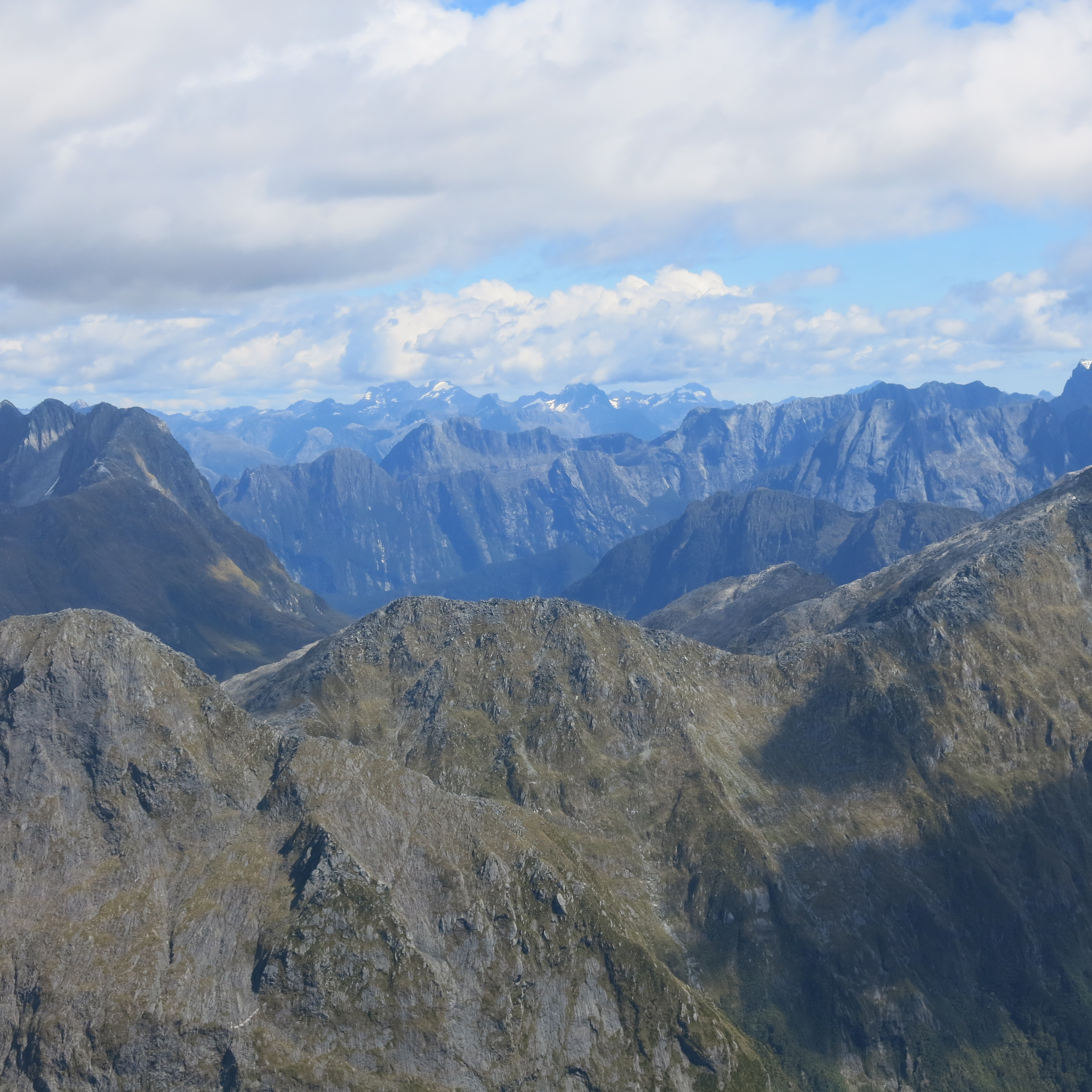
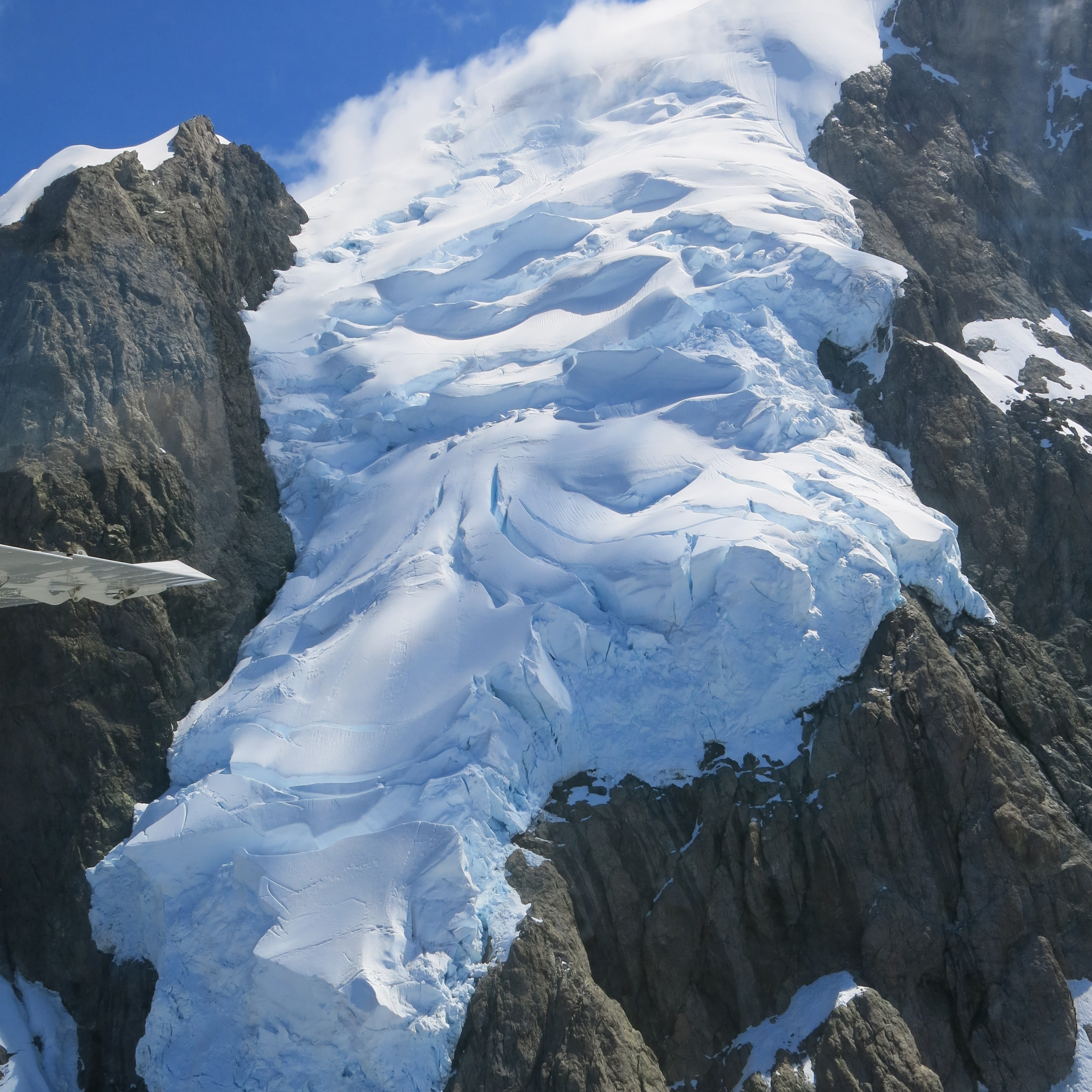
After the boat ride, we had the option of taking an airplane back to Queenstown. We jumped at the chance as it would allow us to see more of the mountains, plus get us back three hours earlier than the bus. It was a small plane, holding eight people including the pilot. Everyone had a window and plenty of photo ops. It was a good decision. We got back early enough to enjoy our evening. It was such a beautiful day that we had dinner on the outdoor terrace, with views of the lake and mountains.

IMG_2023IMG_2035IMG_2045IMG_2055IMG_2062IMG_2064

On this trip, we have now traveled the furthest south we’ve ever been, also the furthest west and the furthest east.

Posted in New Zealand Travel | Tagged | 3 Comments

Sheep and the Shire

Wednesday, February 5

Today was a busy day. We started with a visit to the New Zealand Maori Arts & Crafts Institute in Rotarua, which is located in a hot springs park. We were able to view an erupting geyser. It’s a very active geyser, erupting about once an hour, with each eruption lasting about twenty minutes. There are also some bubbling hot mud pools. This water and mud are too hot for people to go in, but there is a large spa nearby where you can use the public baths or rent your own private bath. The downside is that there is a pervasive sulfur odor to the town. Every now and then, I’d get a whiff and then try to blame Mark for it.

We also viewed some typical Maori buildings and watched a demonstration on creating fibers from a palm frond. The Maoris would scrape the green off using a shell, leaving stringy fibers which they could then spin by hand into a cord or rope. These cords were used in making skirts for some of their ceremonies and dances.

mud pools

mud pools


geyser

geyser

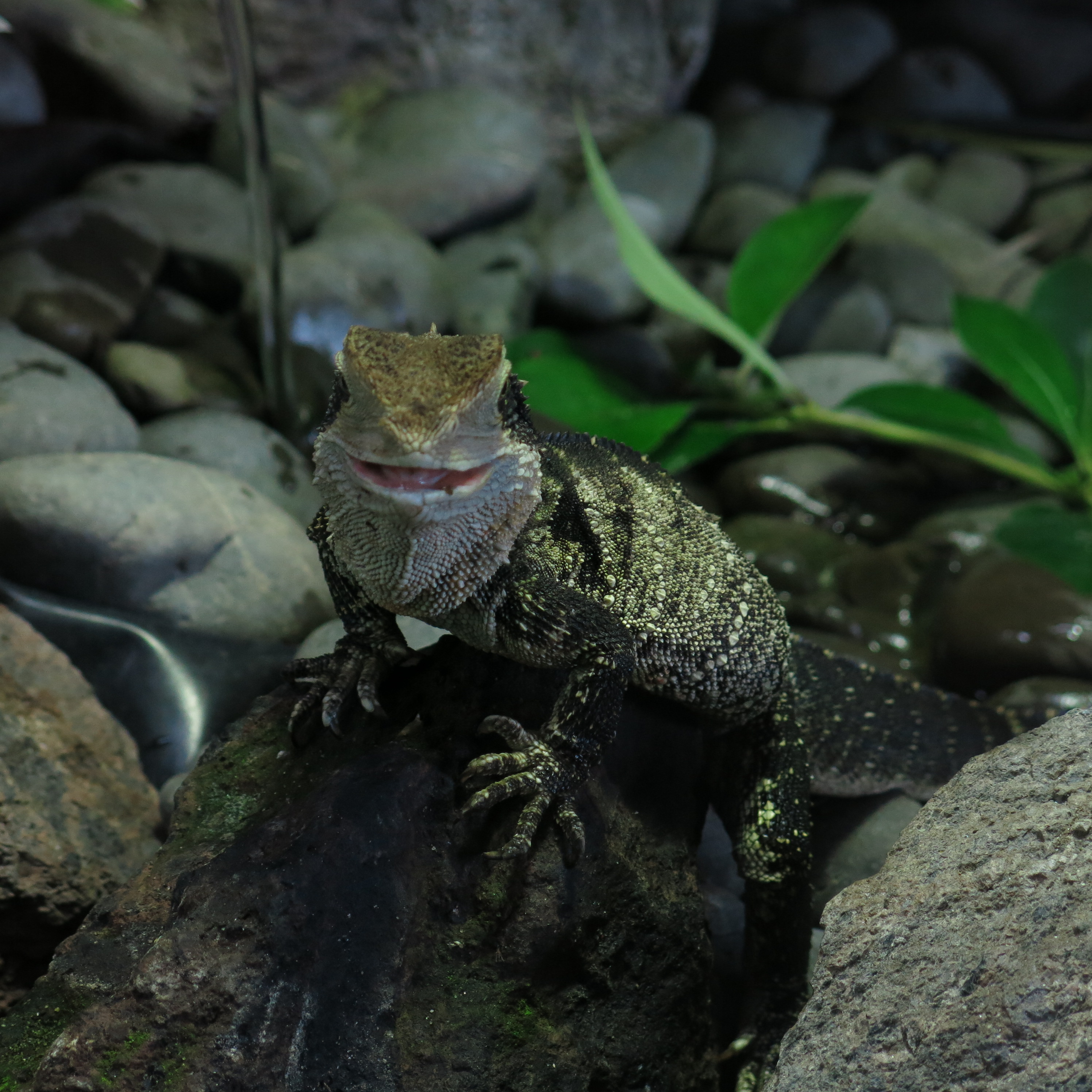
Next stop was at the Rainbow Springs Park and Zoo, where we were able to observe some kiwi birds in their environment. Kiwis are nocturnal, and sleep 18-20 hours per day. (Sounds like a teenager.) We saw several other native animals as well: birds, lizards, primarily.

Kiwi bird

Kiwi bird

Eastern Water Dragon

Eastern Water Dragon

Then, we went to Agrodome for their farm show. This was a lot of fun. First they trotted out the nineteen breeds of sheep grown in New Zealand, and gave a bit of information about each one. Then, we watched a sheep shearing demonstration, which was educational. The sheep will be very skittish and balky when they bring it in. To calm it, the sheep shearer puts the sheep on its back. The transformation was unbelievable. When shearing the sheep, the shearer always manages to keep it supine and calm. Once it’s done and the sheep is returned to an upright position, it just wants to get away. If the weather is cold, the sheep will grow a thicker layer of skin to protect it until its fleece grows back. The sheep is sheared about every six months.

Some of the sheep dogs were brought out. There are several breeds. A desirable one is a cross between a border collie and a doberman. We watched how the dogs herd the sheep (ducks were substituted for sheep,) and the dogs did a show themselves, running over the tops of the sheep that were lined up. The sheep didn’t react at all.

IMG_1797
IMG_1805

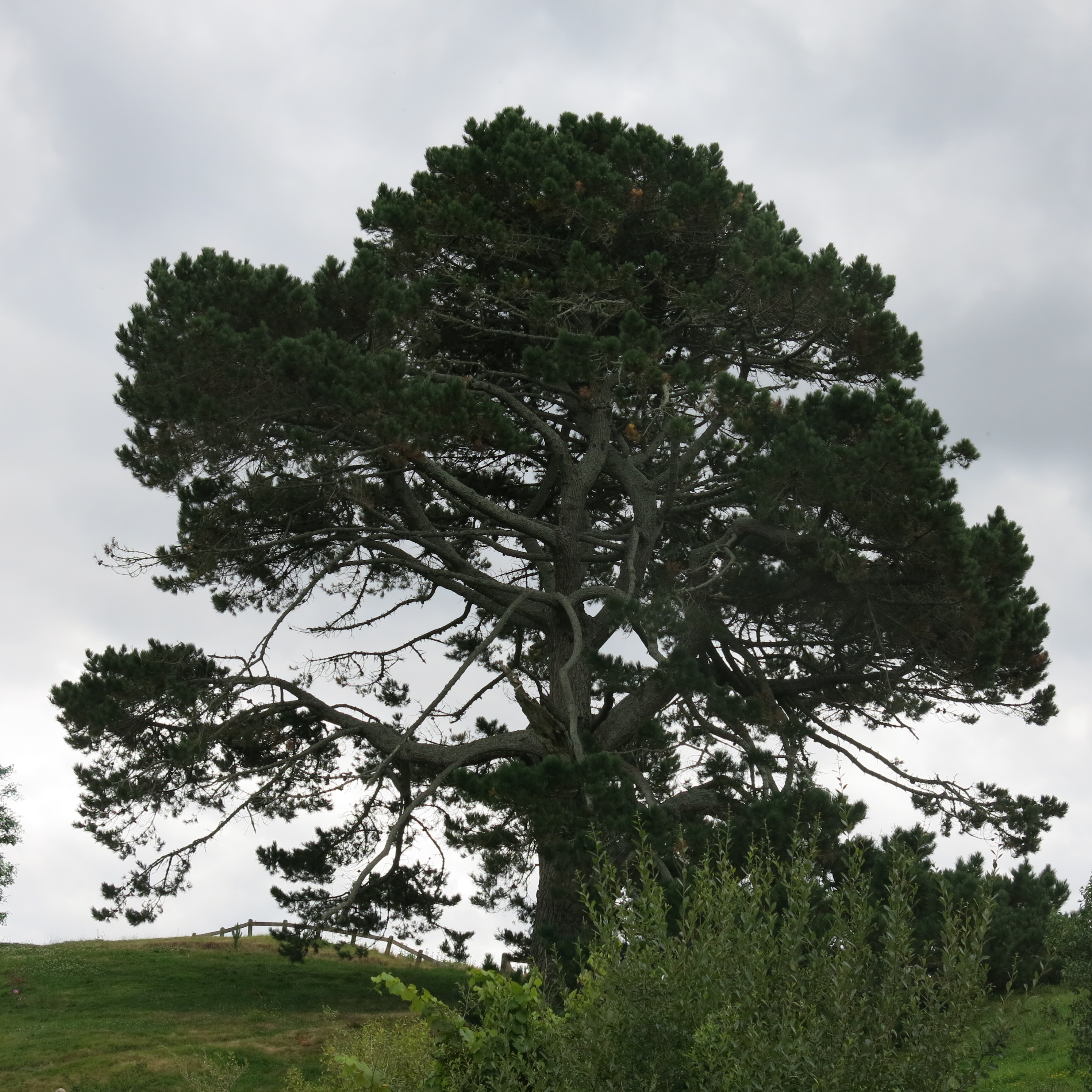
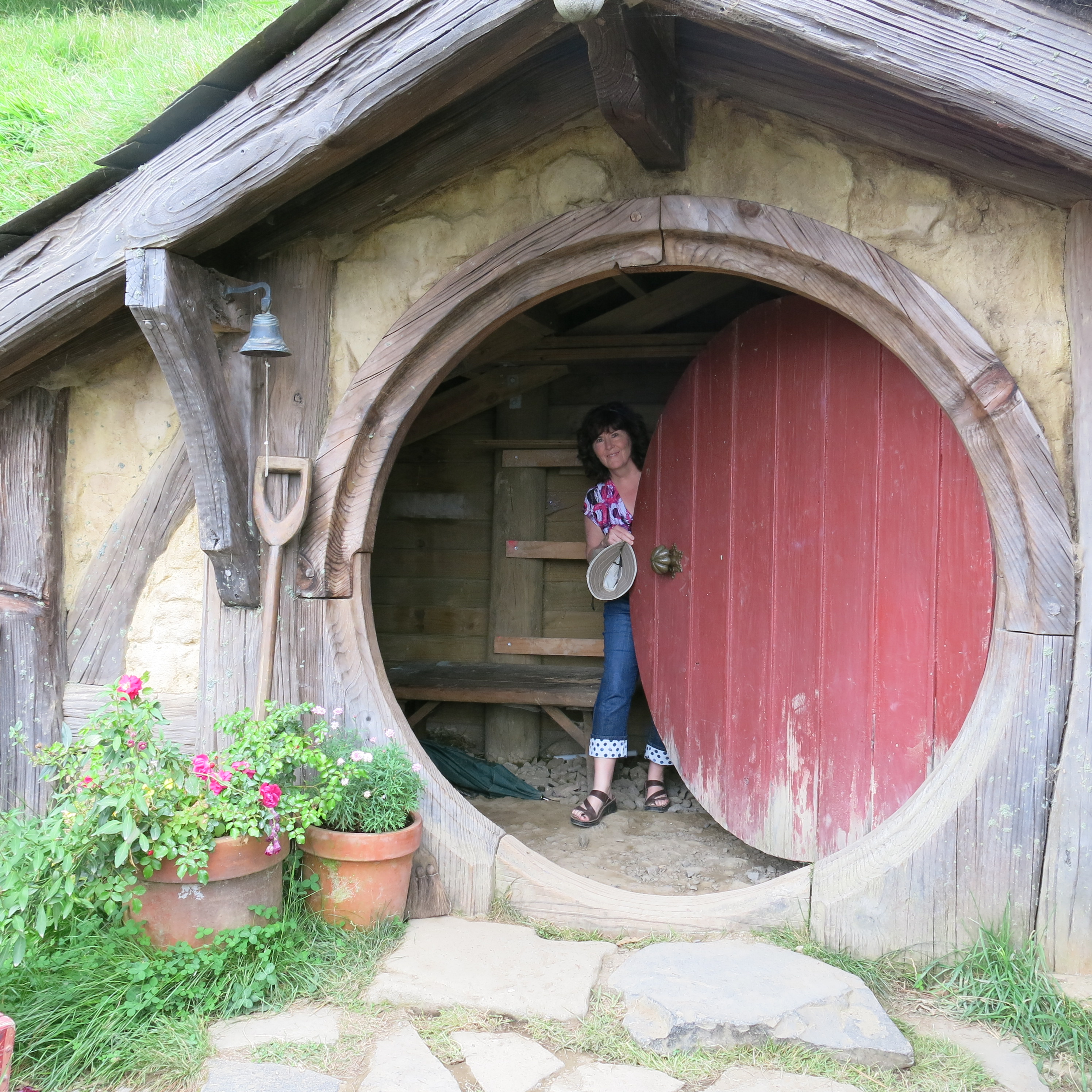
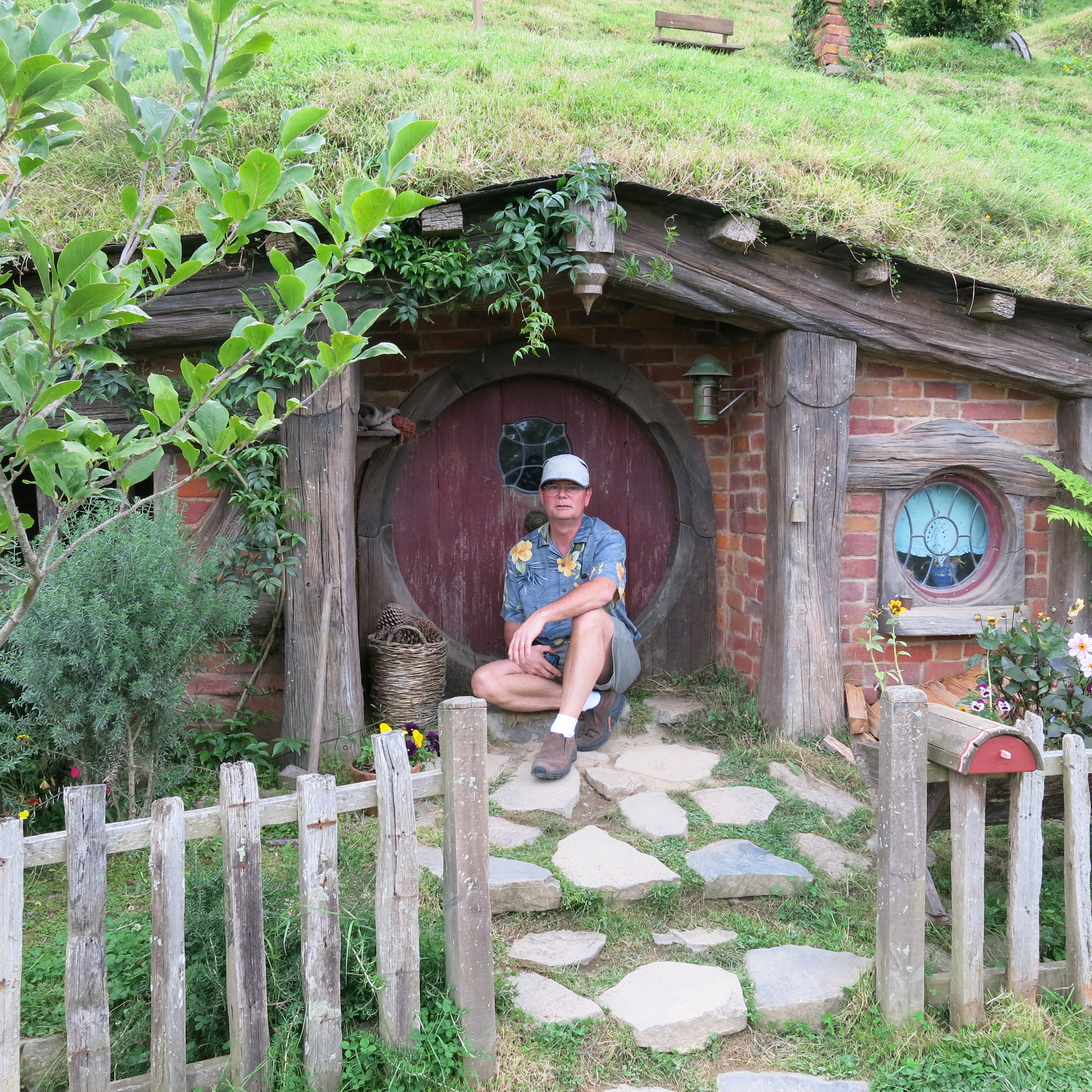
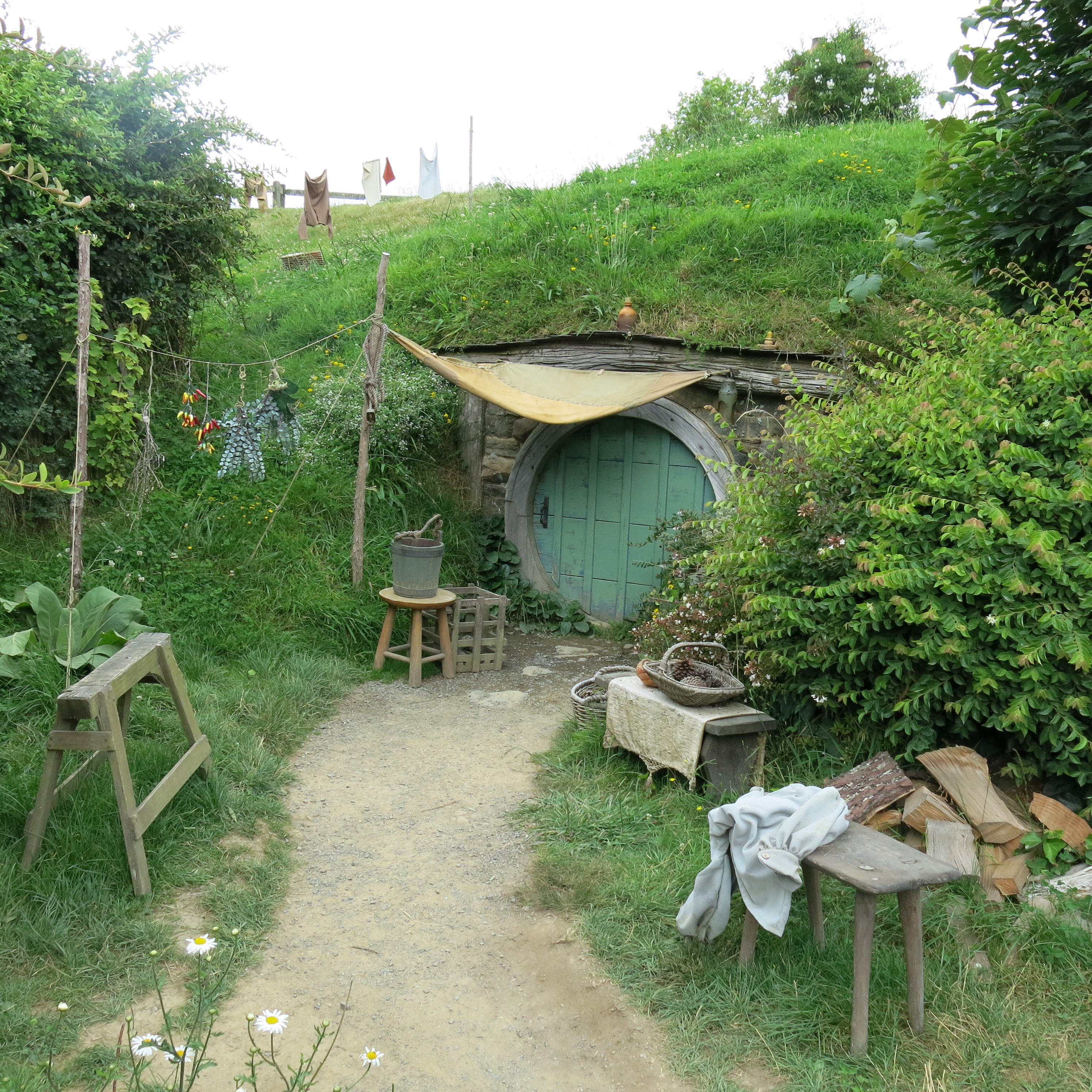
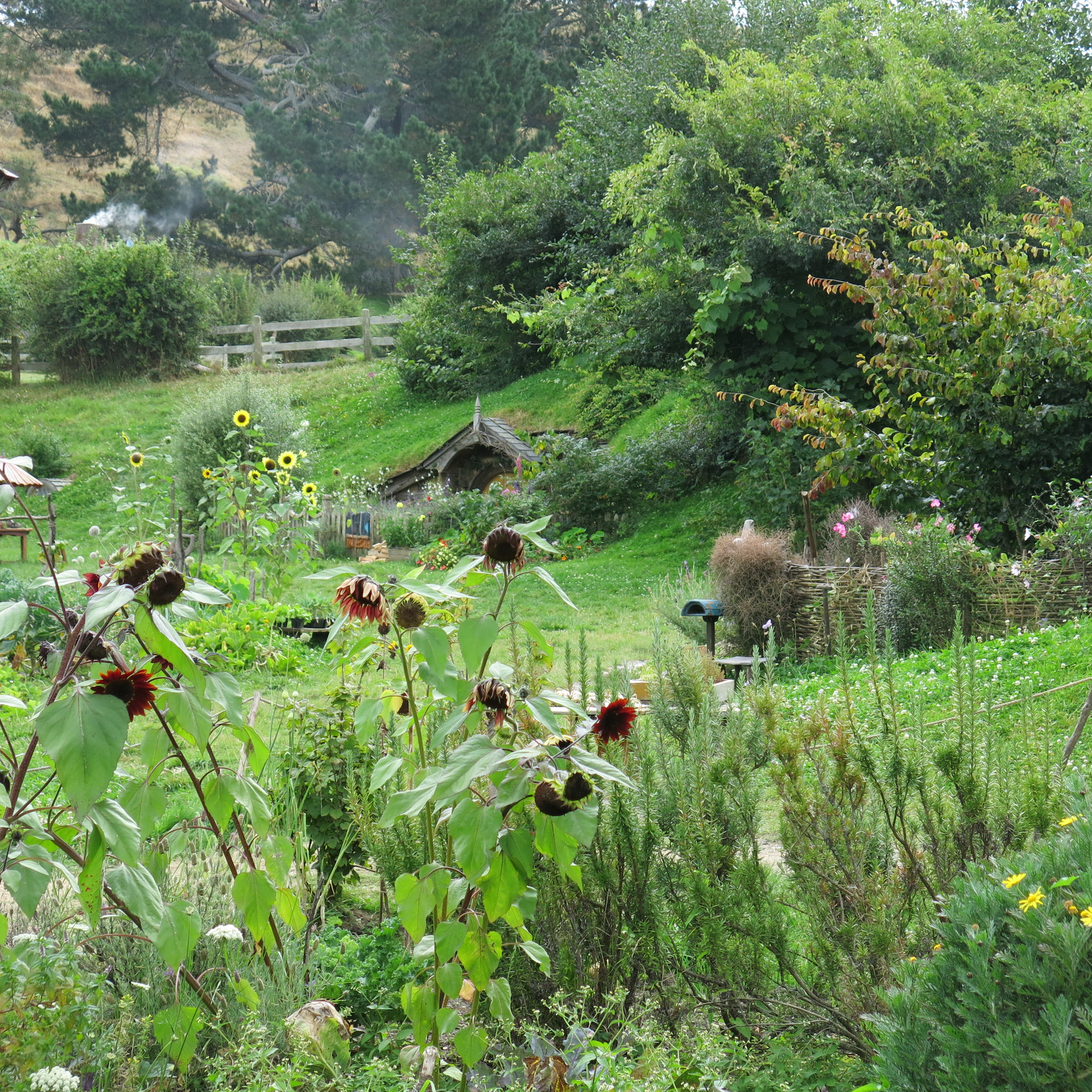
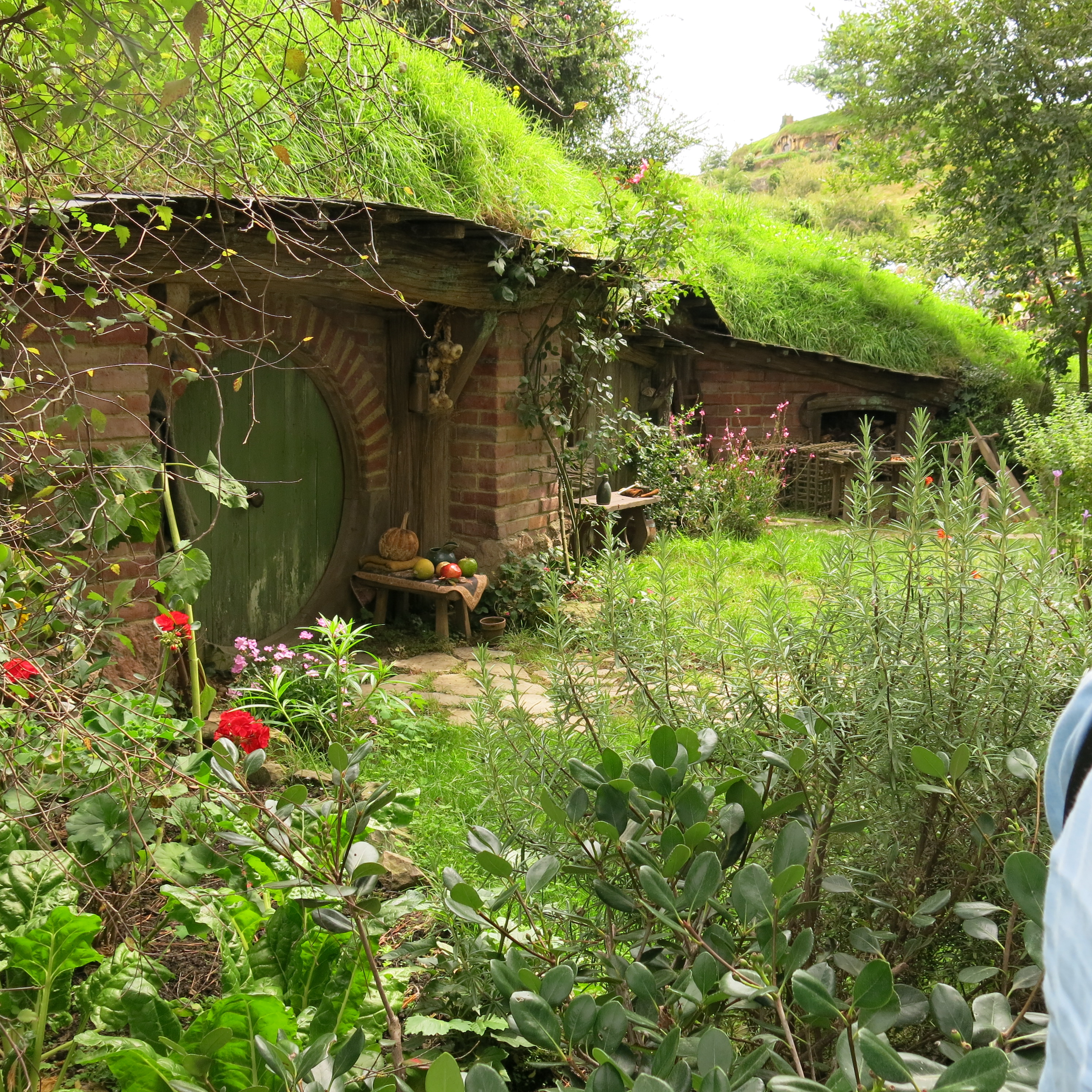
In the afternoon, we paid a visit to Hobbiton – the movie set, that is. The set has been completely rebuilt, and is situated on a large sheep farm. The Kaimai Ranges provide a beautiful background. One of the things that attracted Peter Jackson to this locale was the gnarly trees that were growing there. Their limbs grow up, out and down. Unfortunately, some of the foliage wasn’t the right size, so he had the leaves cut back, and artificial, larger, leaves attached. The tree above Bilbo Baggins’ house was completely artificial. It is made of cement, was made in pieces, then assembled on site.

The land is rolling with several ponds, many trees and shrubs, making it a perfect site.

There are several different sizes of hobbit hole: small ones to make Gandalf look large, and large ones to make the hobbits look small. The set was used in filming the Hobbit movies as well as the Lord of the Rings trilogy.

At the end of the tour, we stopped at the Green Dragon Inn for libations – beer for Mark, ginger beer for me.

IMG_1823
IMG_1826IMG_1828IMG_1833IMG_1843IMG_1852IMG_1871

Posted in New Zealand Travel | Tagged , | Leave a comment

The Road to Rotorua

Tuesday, February 4

The bus picked us up at 7am this morning. We barely made it (the wakeup call didn’t come), and were barely awake. It was good napping time, After an hour or so, we got off the main roads, and began traveling through farm land. It is very beautiful, with rolling hills, streams, trees and crops.

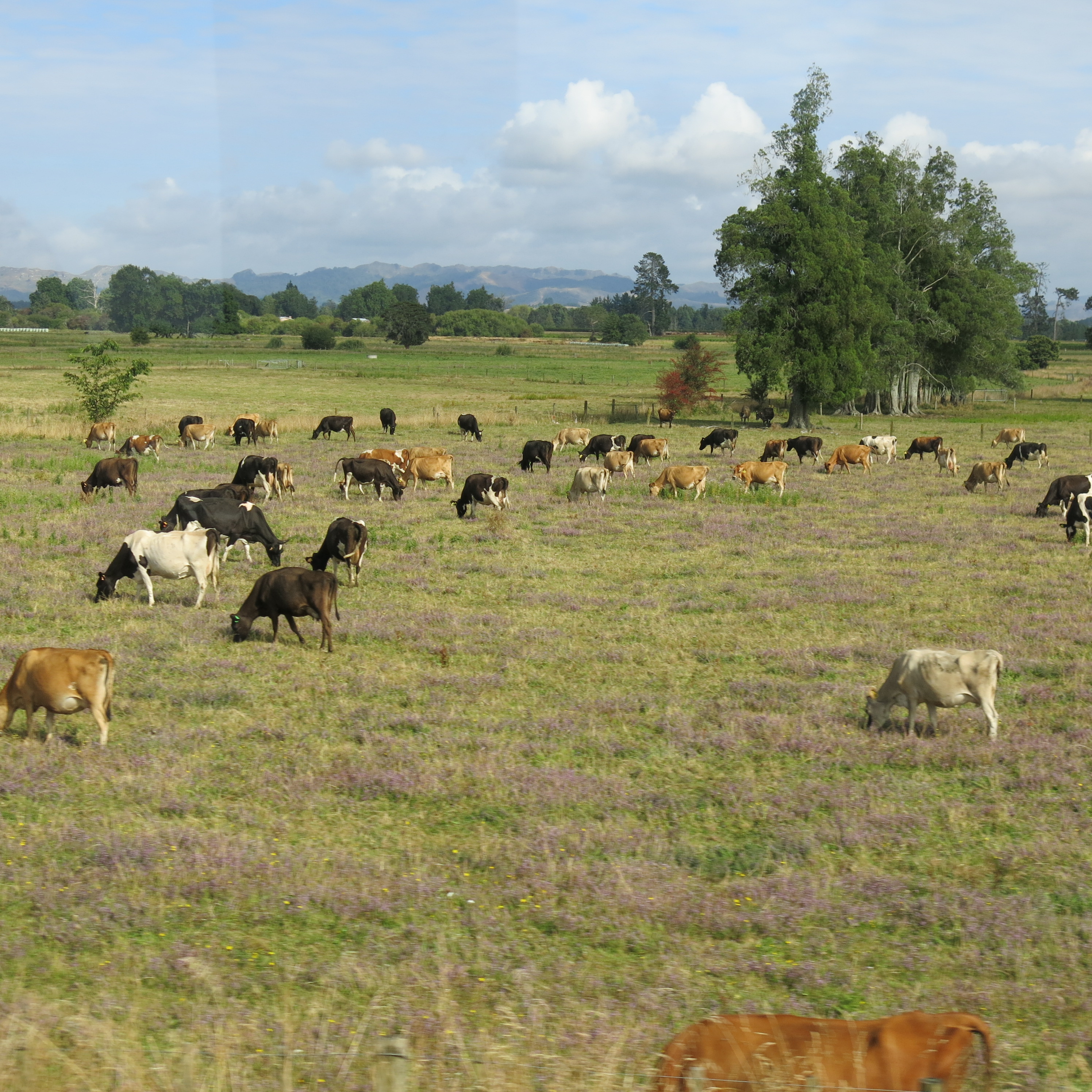
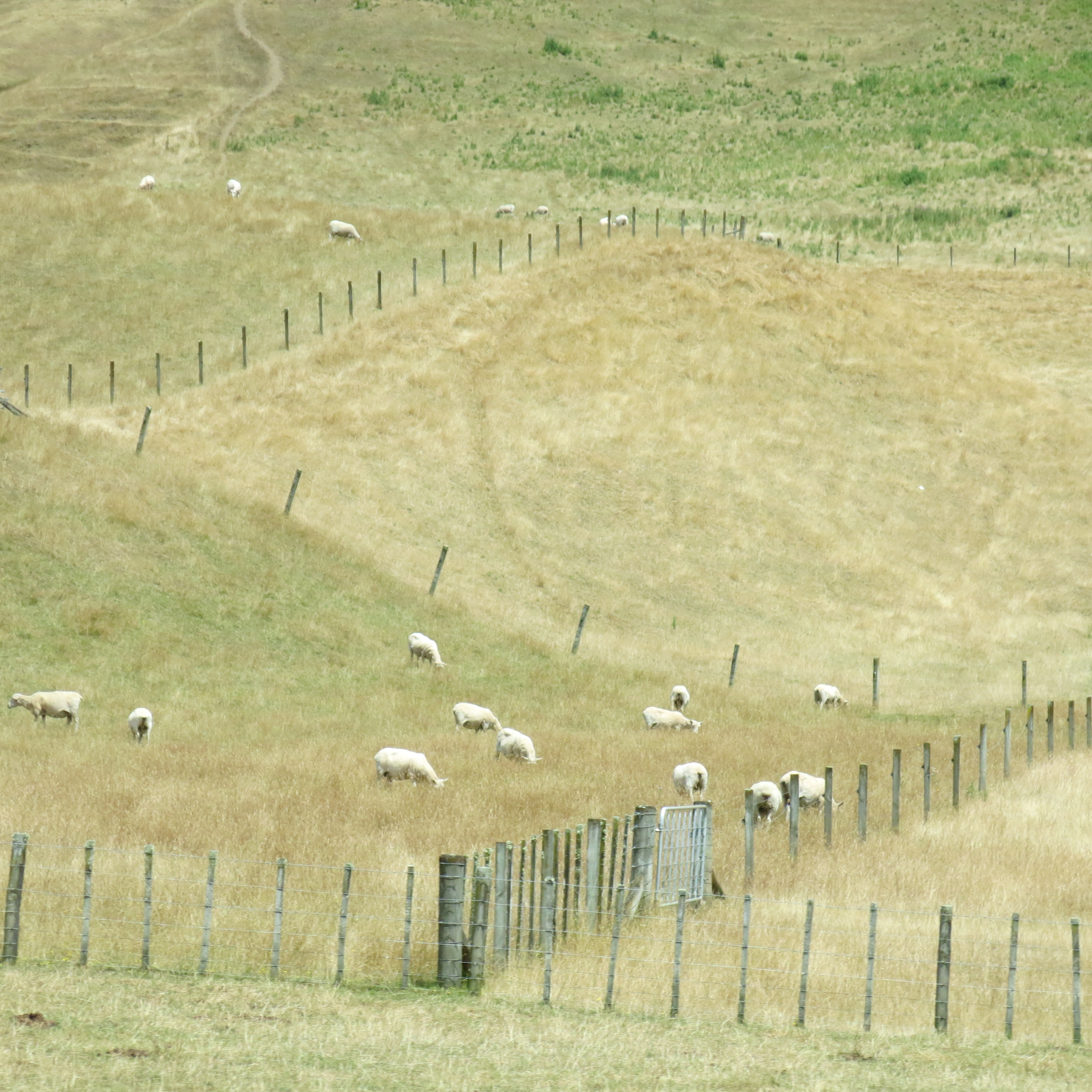
The two largest groups of livestock are sheep (30 million) and cattle (6 million). The number of sheep has been dwindling, while the number of cattle has been growing. Dairy products are in great demand. Some visitors from other countries will buy as much powdered milk as they can carry back to their homes. I believe China is a very large customer.

IMG_1718

IMG_1721

IMG_1724

IMG_1729

IMG_1727

IMG_1731

At about the halfway point, we stopped at the Waitomo Glowworm Caves. These caves were discovered in 1887 by the local Maori chief, Tane Tiorau, and an English surveyor, Fred Mace. We rode a boat on the river that runs through the cave.

Not worms at all, these fly larva live on the ceiling and walls of the cave. They drop up to 10 sticky filaments, and turn on their lights to attract mosquitoes and other insects. The insects are trapped by the filaments and kept there until the glowworm gets hungry.

We arrived in Rotorua mid-afternoon, Our hotel is located close to the downtown, so we did some exploring. Now, we’ll try to catch up on our sleep.

Posted in New Zealand Travel | Tagged | Leave a comment

Two Beautiful Days in Auckland

Sunday, February 2

We disembarked this morning and headed to our hotel – Heritage, Auckland. We were too early to get into our room, so decided to do some wandering around. The hotel is located downtown, not far from the Sky Tower.

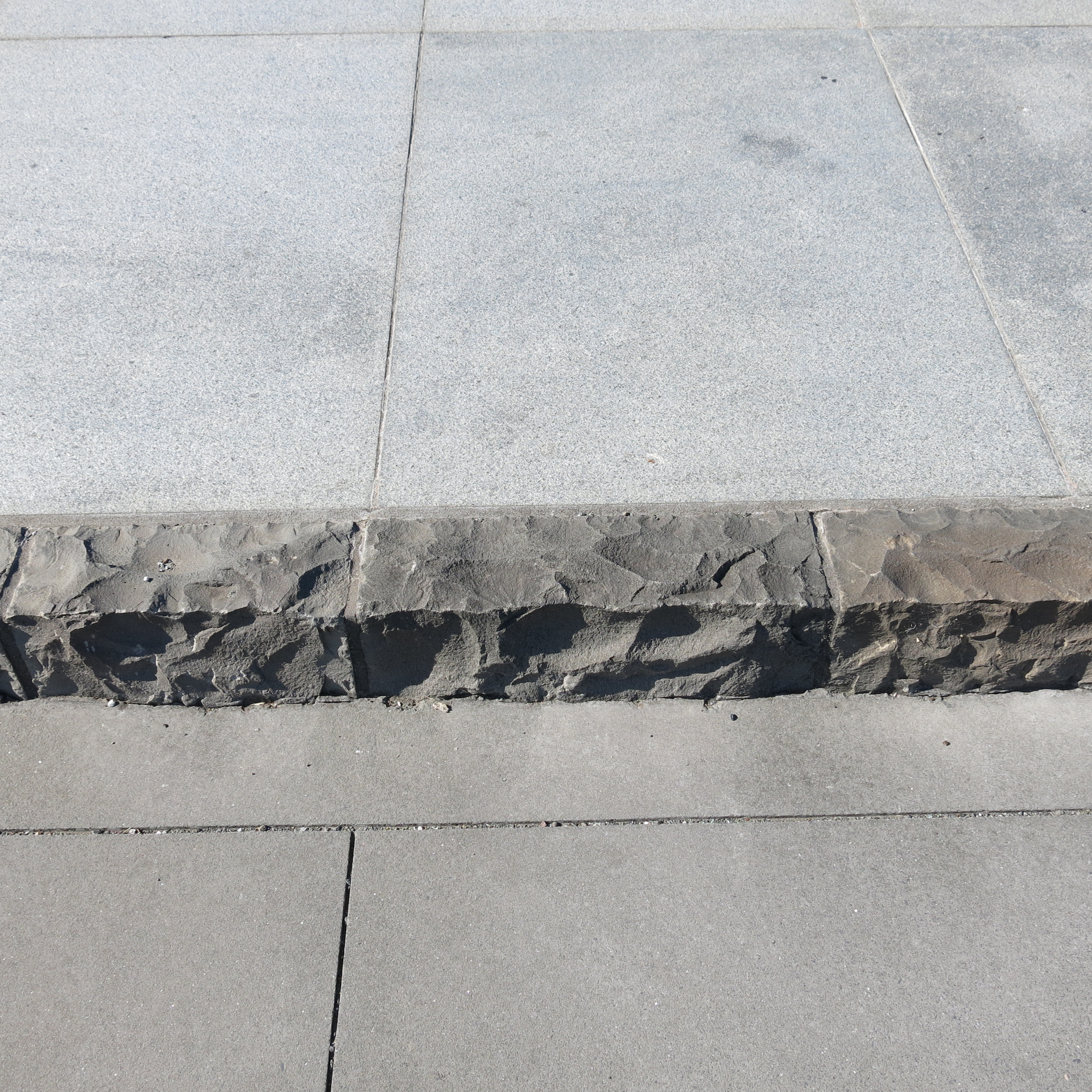
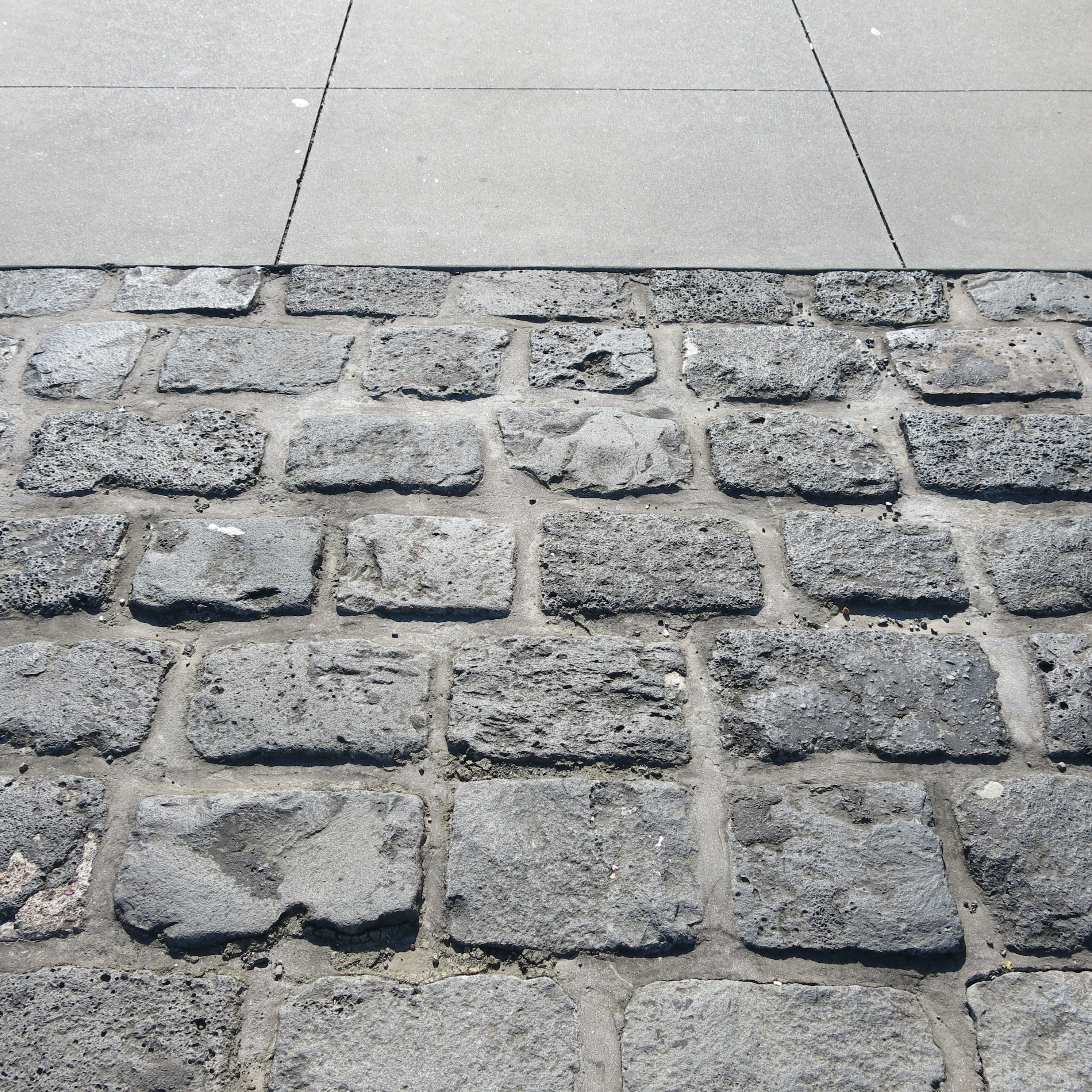
Auckland looks a lot like Minneapolis, but with more diversity. It is a city of about 1.5 million people. This is about 1/3 of the total population of New Zealand. The city sits atop almost 50 dormant volcanoes. Some of the craters are used for soccer and rugby fields. Since there is so much of it, volcanic rock is used for curbing, walkways, even siding for buildings. Auckland is called the “City of Sails.” There are as many as 135,000 yachts in the area. Westhaven Marina is the largest marina in the southern hemisphere, boasting 2,000 moorings.

Sky Tower

Sky Tower

Volcanic rock used for curbing

Volcanic rock used for curbing

Volcanic rock walkway

Volcanic rock walkway

Largetst marina in  Southern Hemisphere

Largetst marina in Southern Hemisphere

Monday, February 3

While most of you were watching Super Bowl pre-game shows, or the game itself, we toured the area, visiting many of the neighborhoods. There are many homes built in the 1800’s that are still in use today. They were built with wood from the native Kauri tree. This wood was very desirable because it is very straight, has no knots, and emits a chemical that repels insects. It doesn’t rot. If the home is well maintained and painted regularly, it can continue to look like a fairly new home. Unfortunately, the Kauri was harvested almost to extinction and shipped to other countries. It is a slow growing tree, taking about 90 years to reach a size that builders would want to use. The tree is protected, but is now threatened by a microscopic organisms in the soil that damage the tissues that carry nutrients to the tree. Once it’s infected, it will die.

Young Kauri tree

Young Kauri tree

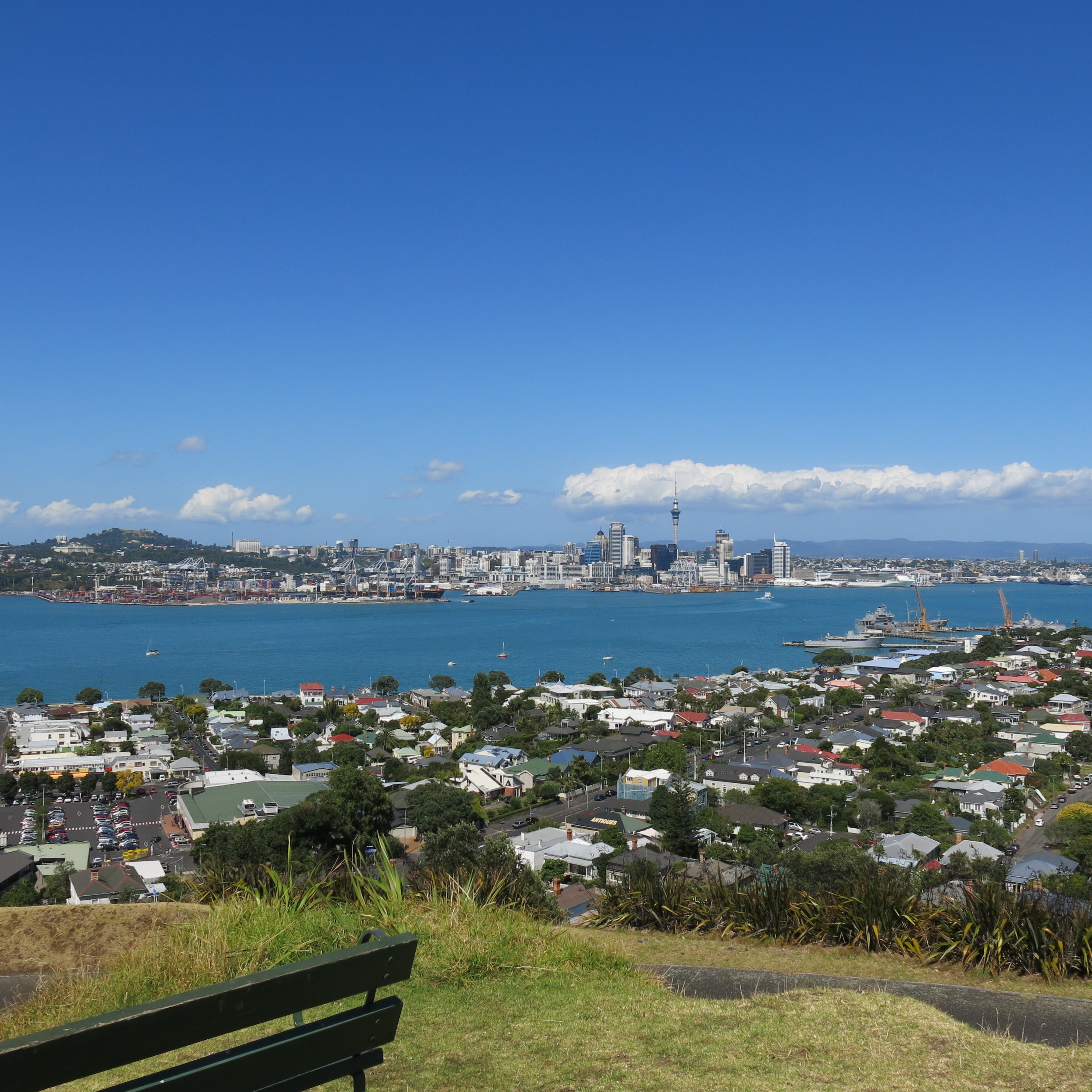
We stopped at their war memorial, which afforded some great views of the surrounding city and water.

My, you have a big gun!

My, you have a big gun!

IMG_1639

We visited the Waikatere Ranges, which form a natural barrier between Auckland and the Tasman Sea. This is rainforest, so everything is very lush. The hills look like they have been carpeted with trees and ferns. There are tree ferns, which can grow to 50 feet in height. From a distance, they look a little bit like palm trees. The Maori word for water is wai, so any name that begins with wai is referring to some body of water.
Tree ferns

Tree ferns

Nearby is the Karekare waterfall. Just a short hike from the road, and we were afforded the beautiful view of the water falling into a pool at the bottom.

Karekare  Waterfalls

Karekare Waterfalls

Last stop was at a black sand beach. It was dark but not really black like some beaches we’ve seen. The black sands are iron. If you use a magnet, you can pull the iron grains out of the rest of the sand. The beach looks out to the Tasman Sea. There were some good waves, and several surfers were taking advantage of them.

Tasman Sea

Tasman Sea

Posted in New Zealand Travel | Tagged | Leave a comment

Fasten Your Seatbelts, it’s Going to be a Bumpy Ride!

Thursday and Friday, January 30 & 31

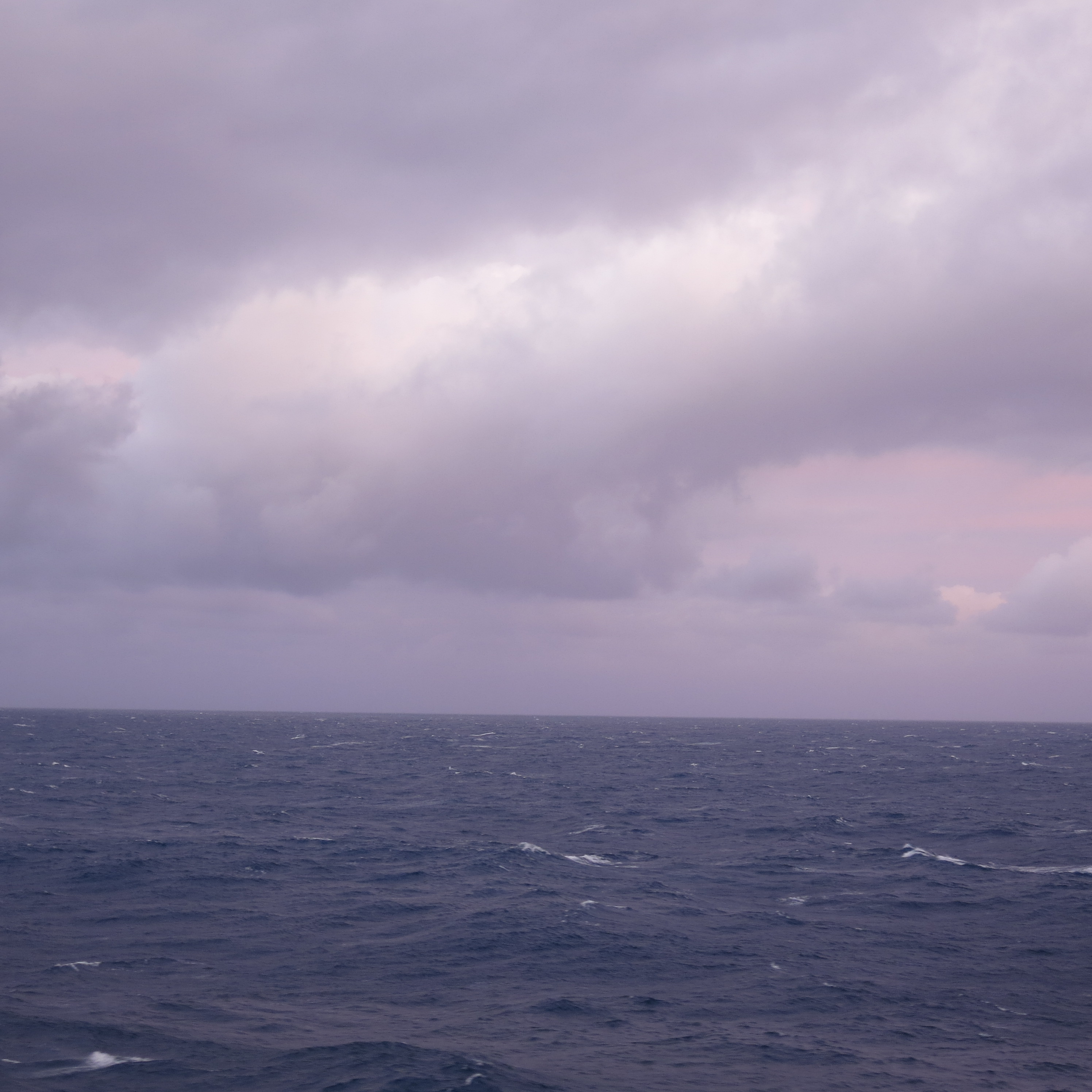
The high winds continued for the next two days, with waves in excess of ten feet. Walking up and down the corridors was a balancing act. We could have used bungee cords in the shower. It was even worse at night – we rocked back and forth, and at times, the bed stayed in place only because it was fastened down.

All outside chairs and lounges were put away for both days, and the Promenade Deck was not accessible. When we went out on our balcony, we stayed away from the rail.

Fortunately, neither one of us had any issues with seasickness. On the night of January 30, the dining room was half empty.

tmp_IMG_1573-1213259265

Stormy weather

Stormy weather

Saturday, February 1

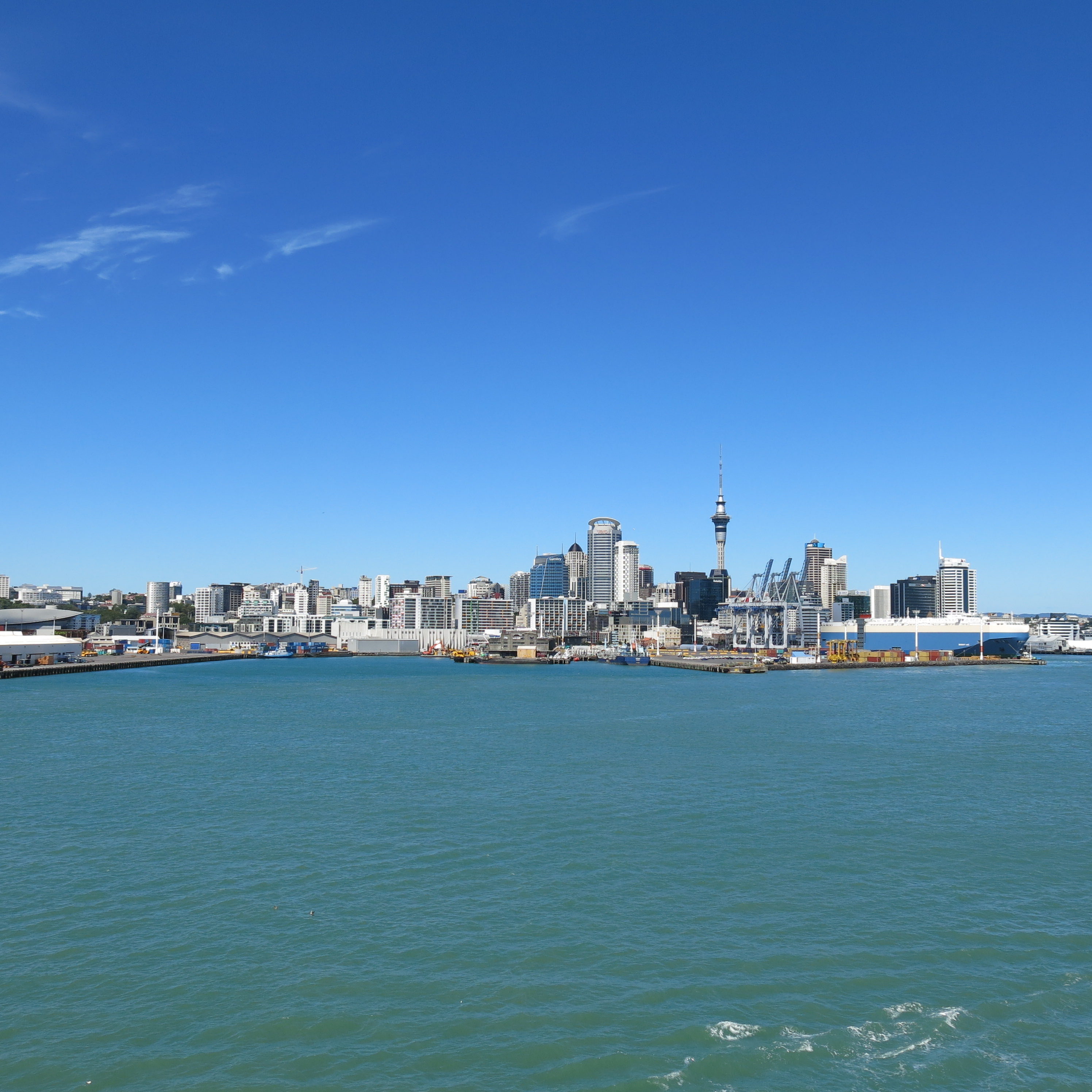
Because of the weather, our cruise ship docked in Auckland about three hours late – not too bad. We weren’t planning any shore excursions for the day, so weren’t inconvenienced at all.

By mid-morning, the rough seas had subsided considerably. The sky was partly cloudy – what a treat to see the sun again. Tomorrow, we disembark and start our adventures in New Zealand.

IMG_1598

Approaching Auckland, New Zealand

Approaching Auckland, New Zealand

IMG_1600
Kite surfers near shore - green kites.

Kite surfers near shore – green kites.

Downtown Auckland

Downtown Auckland

Posted in South Pacific Travel | Tagged | Leave a comment

Monsoon Season?

Tuesday, January 28

Cruising day, so we listened to a couple of lectures, and attended another class in Photoshop….and we napped. Enjoyed a show tonight featuring pianist Kym Purling and vocalist Peter Cousens. What a demanding life this is!
Wednesday, January 29

We docked at Lautoka, on the island of Viti Levu in Fiji about 8am. The sky was overcast, and the temps were a little lower – in the low 80’s.
The Fijians were known to be ferocious warriors. Captain William Bligh was chased away from Fiji while adrift following the mutiny on the Bounty. Travelers avoided Fiji until the early 19th century when sandalwood was found growing wild on the island of Vanua Levu. Within 10 years of the discovery, virtually all of the sandalwood had been harvested and shipped to China.

Fiji’s primary sources of income today are sugar cane and tourism.

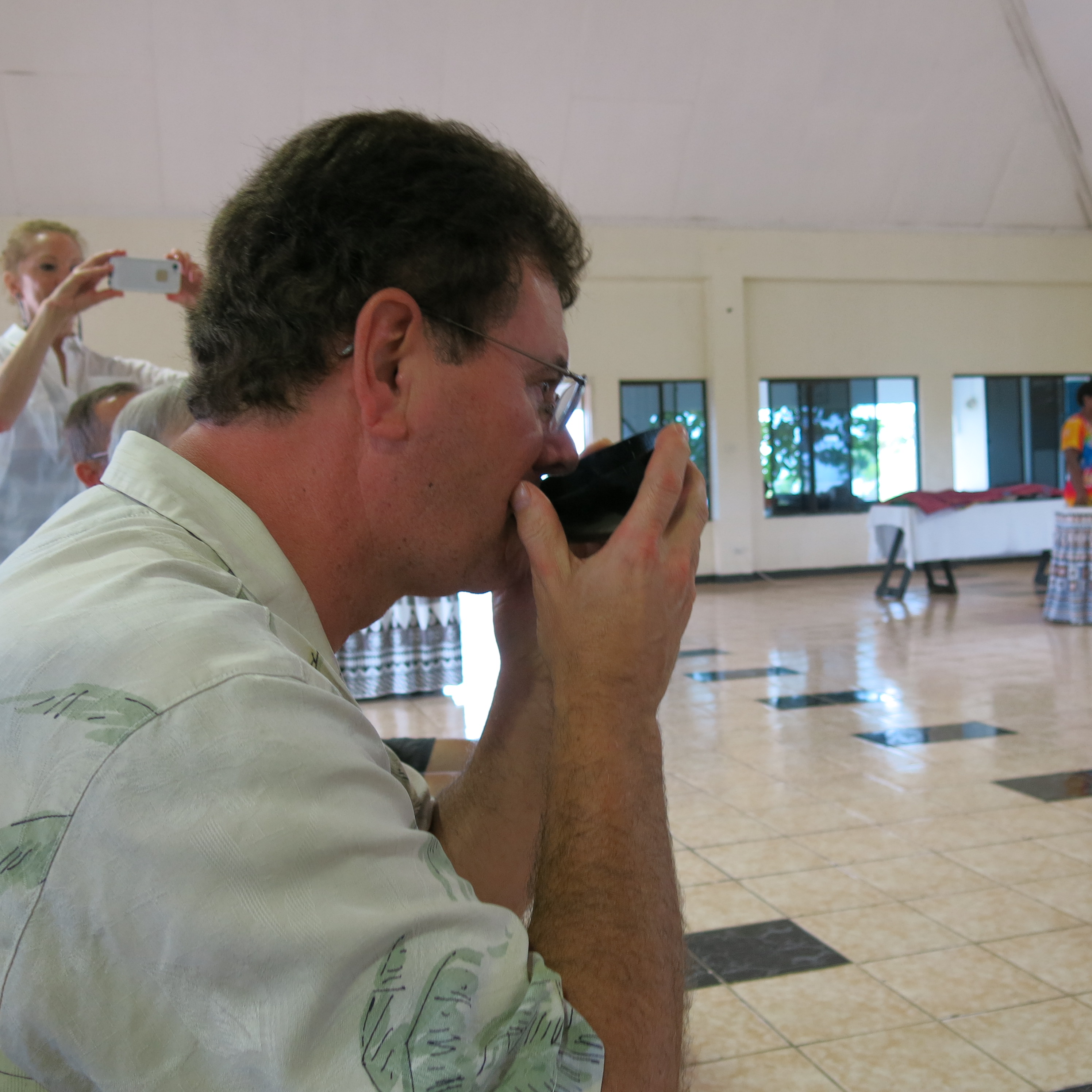
We visited a local temple where we received a traditional welcome, and were served some kava. This kava was not as strong as what we drank on Bora Bora. Nevertheless, Mark took a good nap after we returned to our cabin.

Drinking kava

Drinking kava

Next, we visited a village. All of the people living in a specific village are related to each other. They elect their own leaders, have their own church and monuments. When they marry, it must be to someone from another village. The bride then goes to live in her husband’s village.

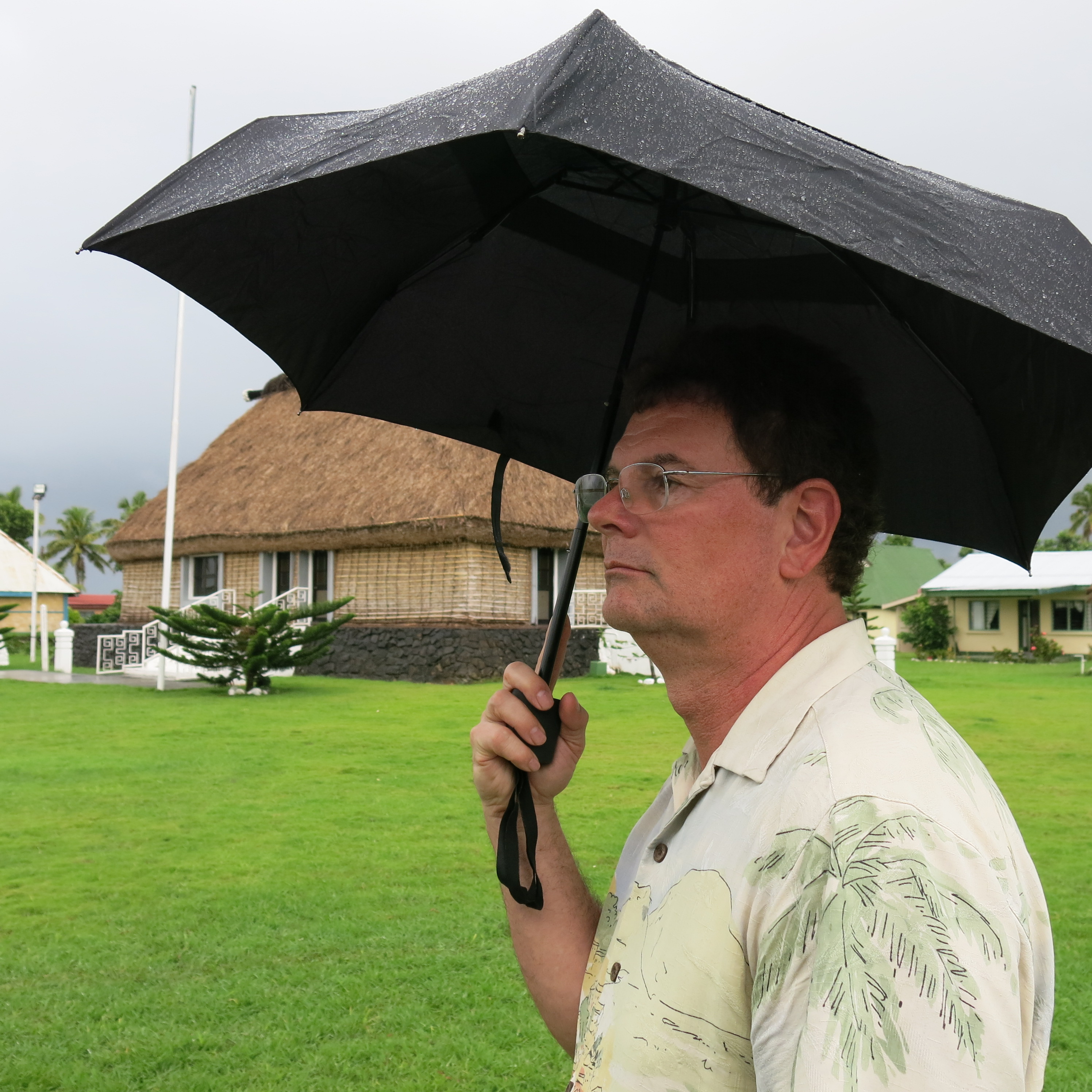
We stopped in a the village church, where we were serenaded with holy songs. While there, the rain started. It was coming down fairly heavily and we had to wait it out before getting back on the bus.

Downpour outside village church

Downpour outside village church

IMG_1497

Singing hymns

Singing hymns

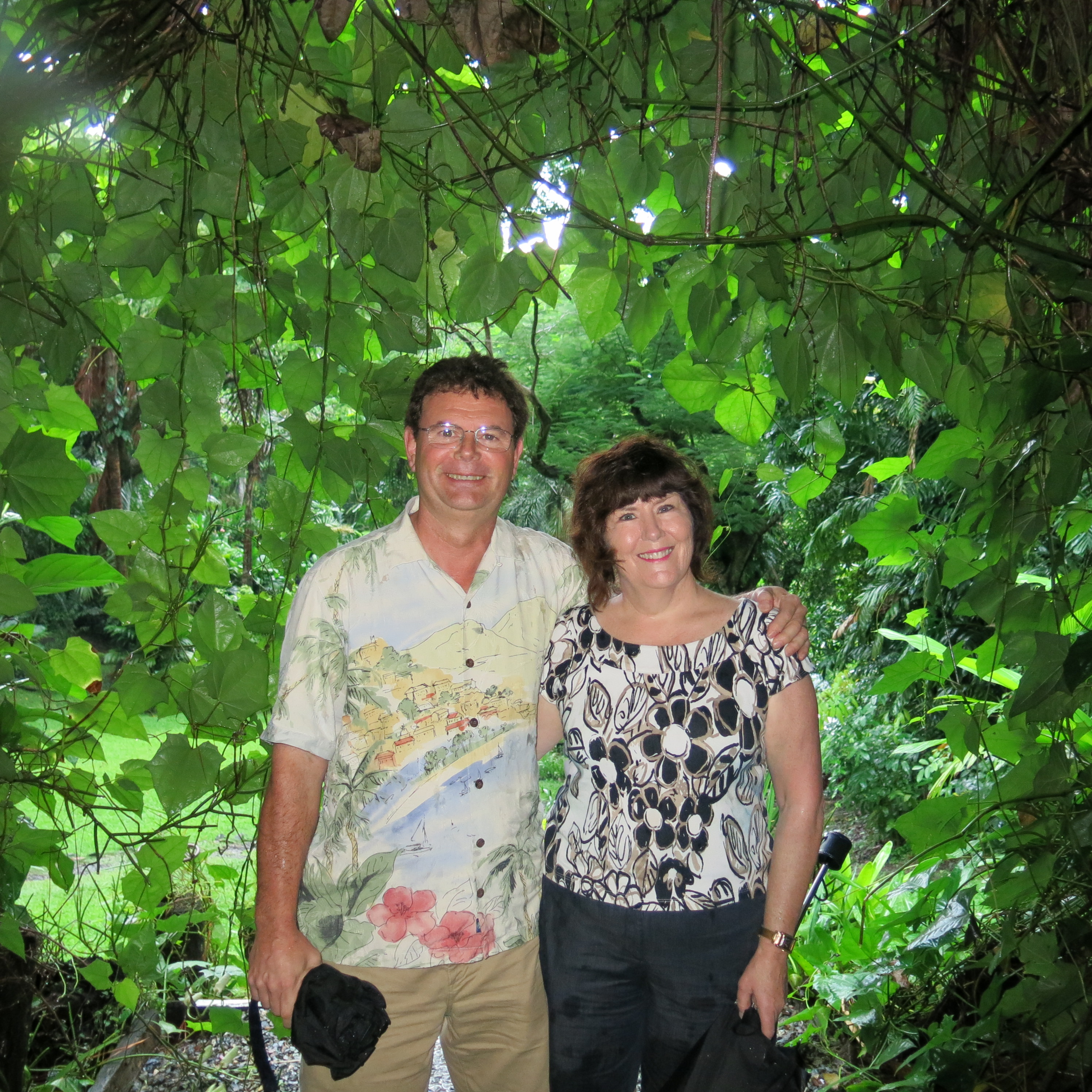
Next stop the Garden of the Sleeping Giant, which houses Fiji’s largest orchid collection. It was founded in 1977 by the actor, Raymond Burr, to house his own orchids, and was given to the island upon his death. It was beautiful! The rain continued, turning into a thunder storm, but we didn’t mind getting wet.
IMG_1520

Wedding cove in the Garden of the Sleeping Giant

Wedding cove in the Garden of the Sleeping Giant

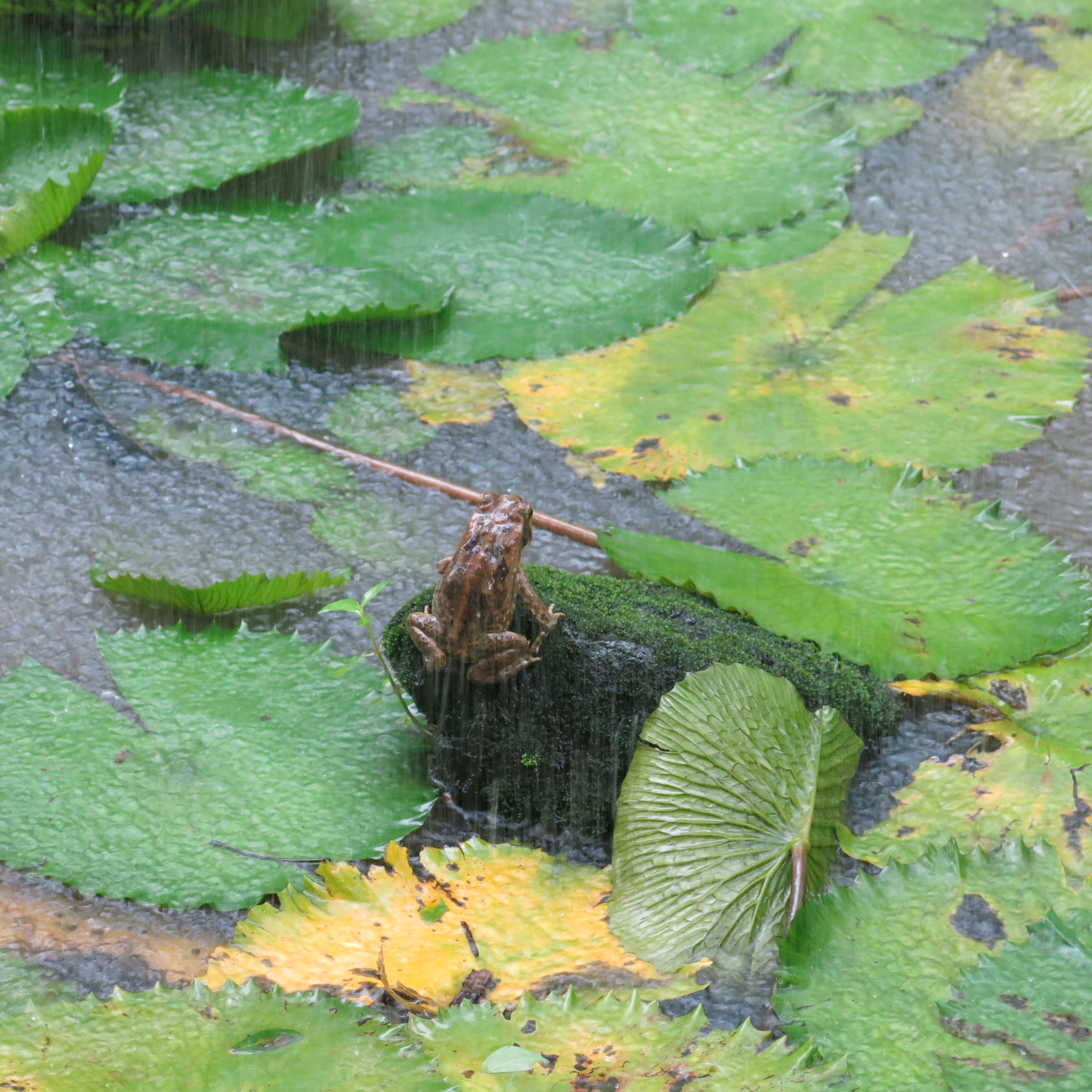
This frog seems to be enjoying the rain!

This frog seems to be enjoying the rain!

IMG_1539

IMG_1523

The ship left port early because of the weather. They were predicting swells of eight feet and winds in excess of 50 knots, and more rain, of course.

The after dinner show was called “Route 66,” and featured songs that originated along that highway during the 60’s. We heard a little Motown, a little country, and a little surfer music. It was energetic and fun.

Posted in South Pacific Travel | Tagged , | 1 Comment

Abducted by Aliens?

We’ve lost an entire day!!! We went to bed on Saturday and woke up on Monday in Tonga! I’m sure we were subjected to alien experiments during this lost period of time.

Actually, we crossed the international date line late yesterday. When we leave New Zealand to fly to Hawaii, we’ll arrive the day before we leave.

The international date line was drawn to zigzag 500 miles east of Tonga, and east of the 180th meridian. This gives Tonga bragging rights for being the first land in the world to see the new day, or a new year.

We took a bus tour of one of the 176 islands that make up the kingdom of Tonga. The islands are separated into three groups: Vava’u, Ha’apai and Tongatapu. Only about 50 of the islands are inhabited.

The nation’s capital, Nuku’ Alofa is located on Tongatapu. Tonga is the world’s only remaining Polynesian monarchy. The current royal family can be traced back more than 1,000 years.

Luckily, we had a nice day. Our tour guide said that it had rained straight for the previous four days. This is the end of their rainy season.

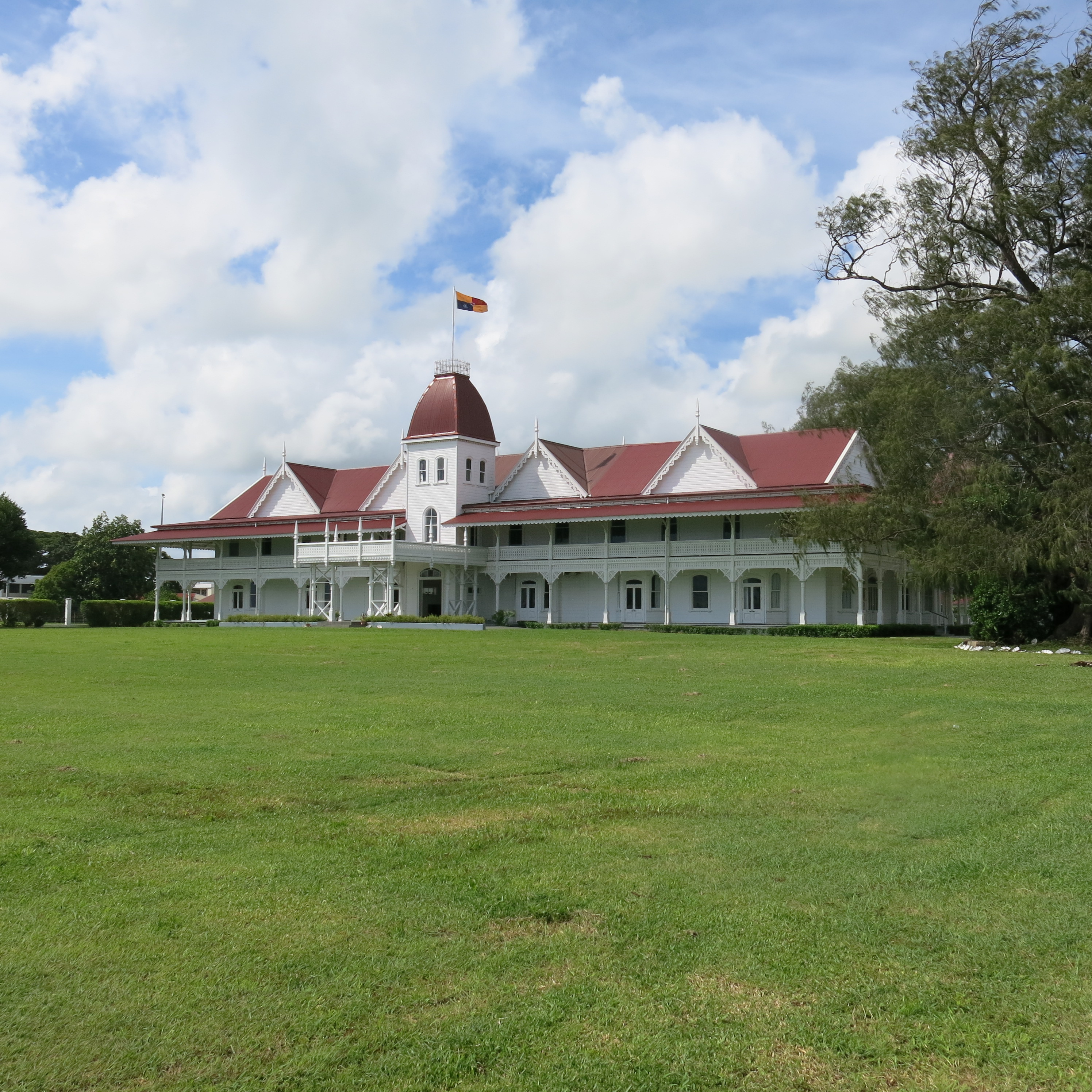
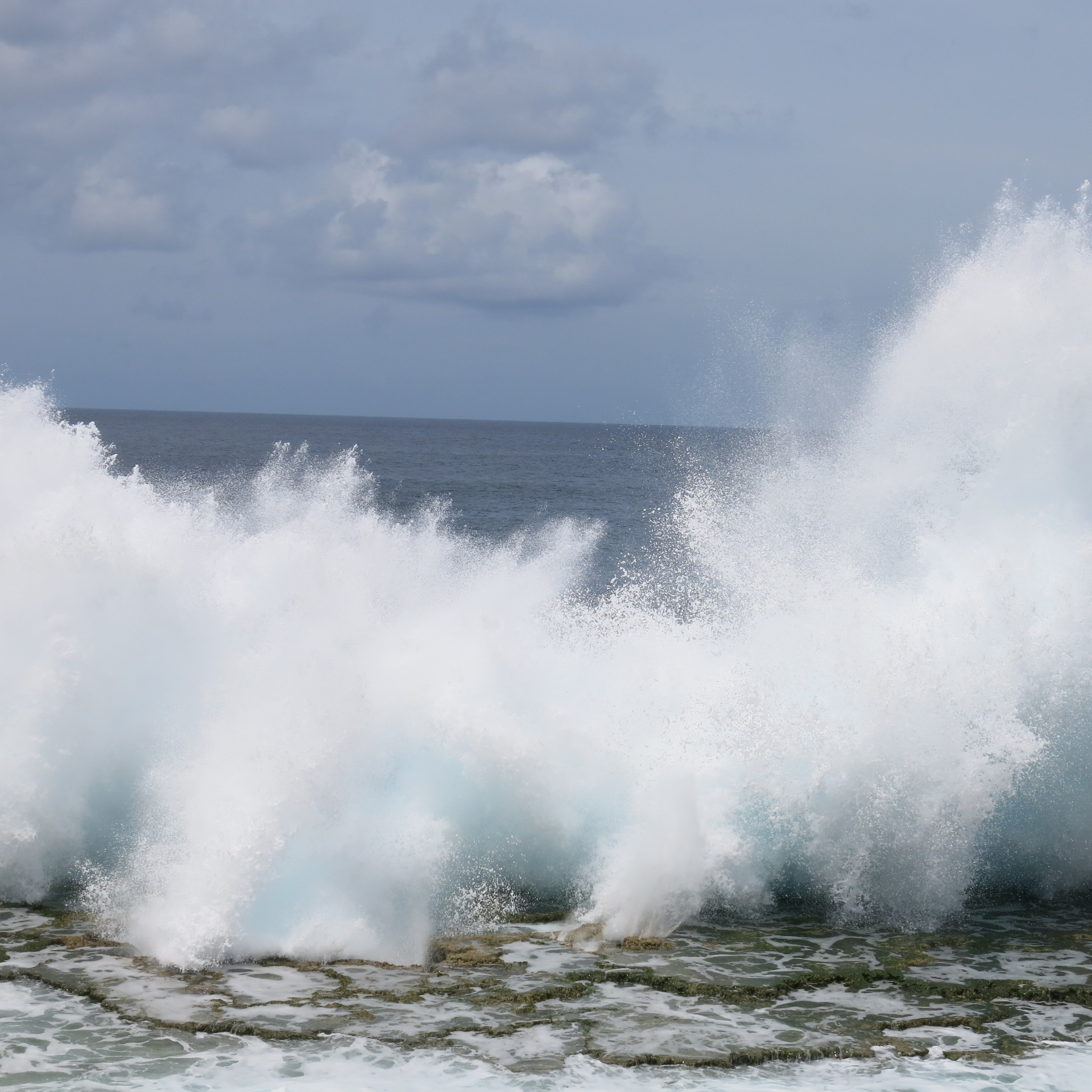
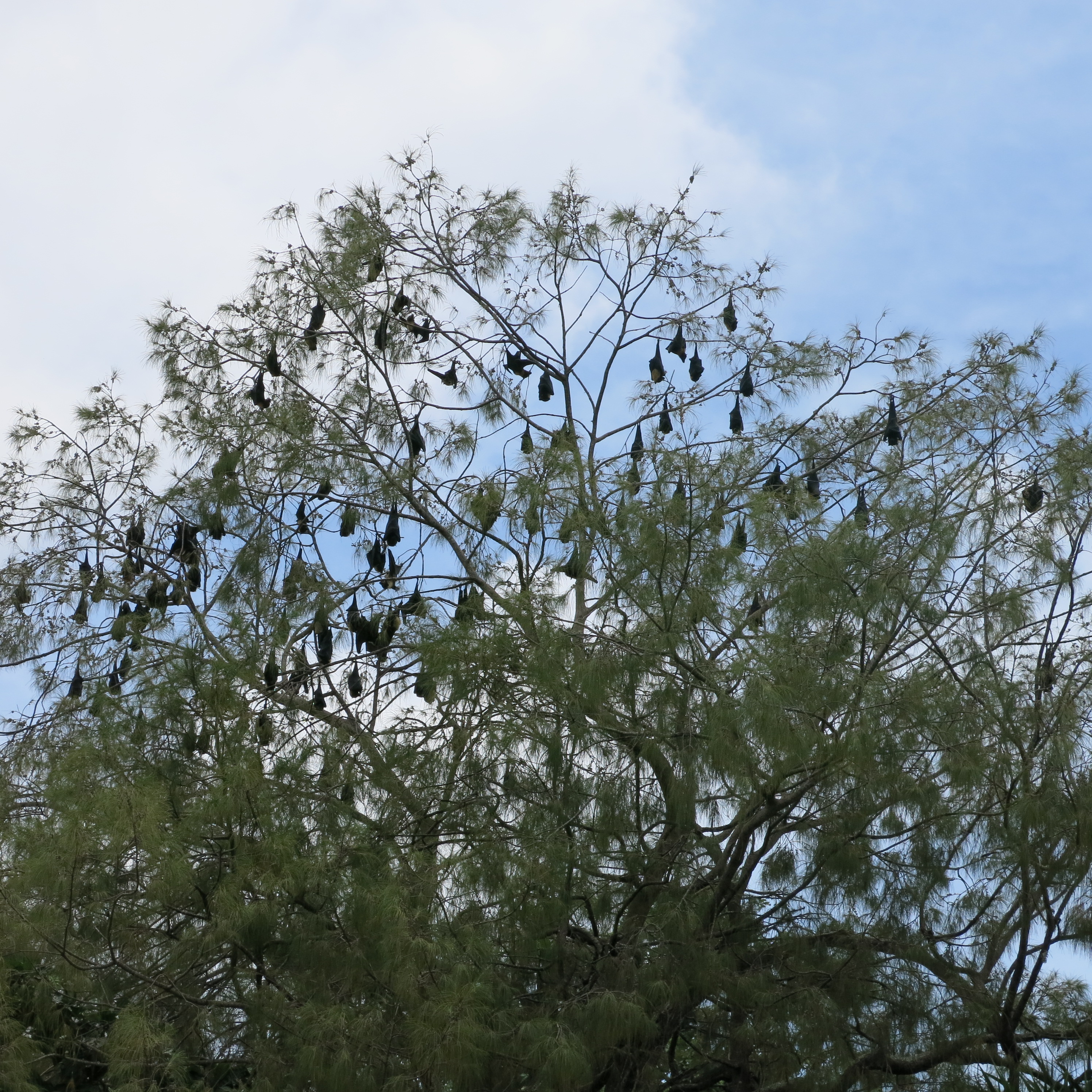
We stopped at the royal palace, but could not go on to the grounds. We then headed to the beach to view their famous blowholes. On the way, our driver spotted a tree full of “flying foxes.” Actually, the flying fox is a bat with a fox-like face. They are quite large compared to the brown bats we see back in Minnesota. Even though it was daytime, they were somewhat active, flying around and then returning to hang upside down from a branch.

King's palace

King’s palace

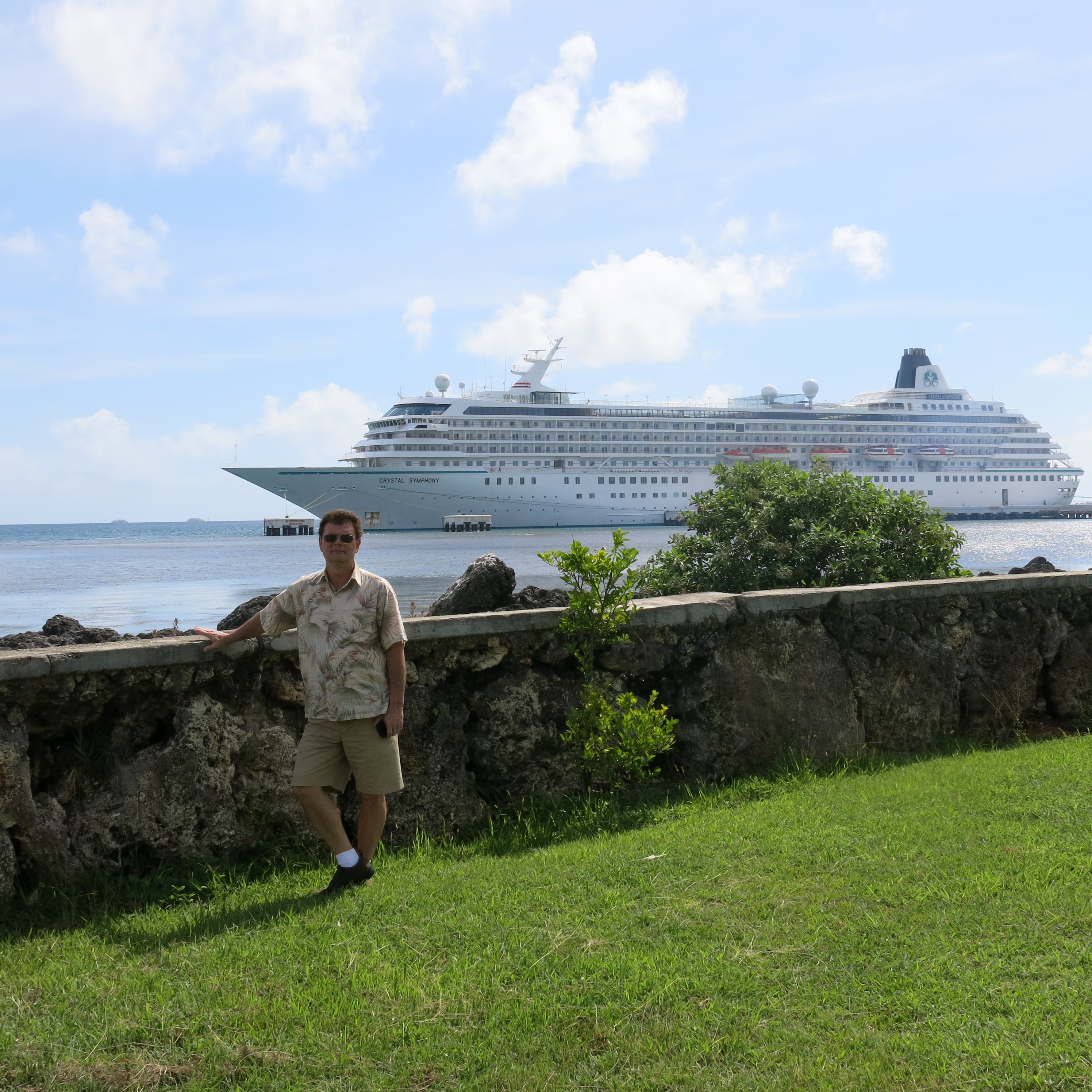
Our cruise ship in the background

Our cruise ship in the background

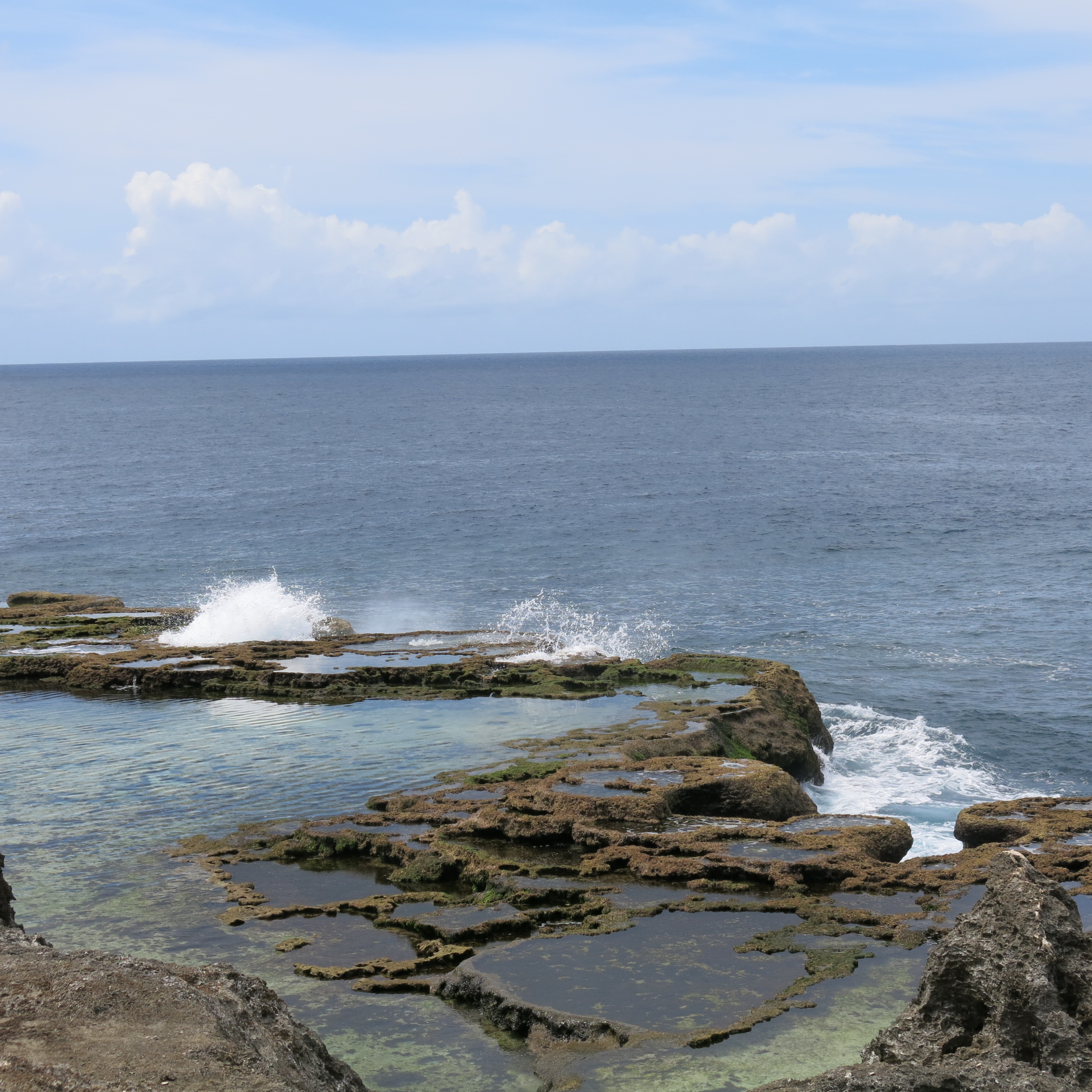
Blow holes

Blow holes

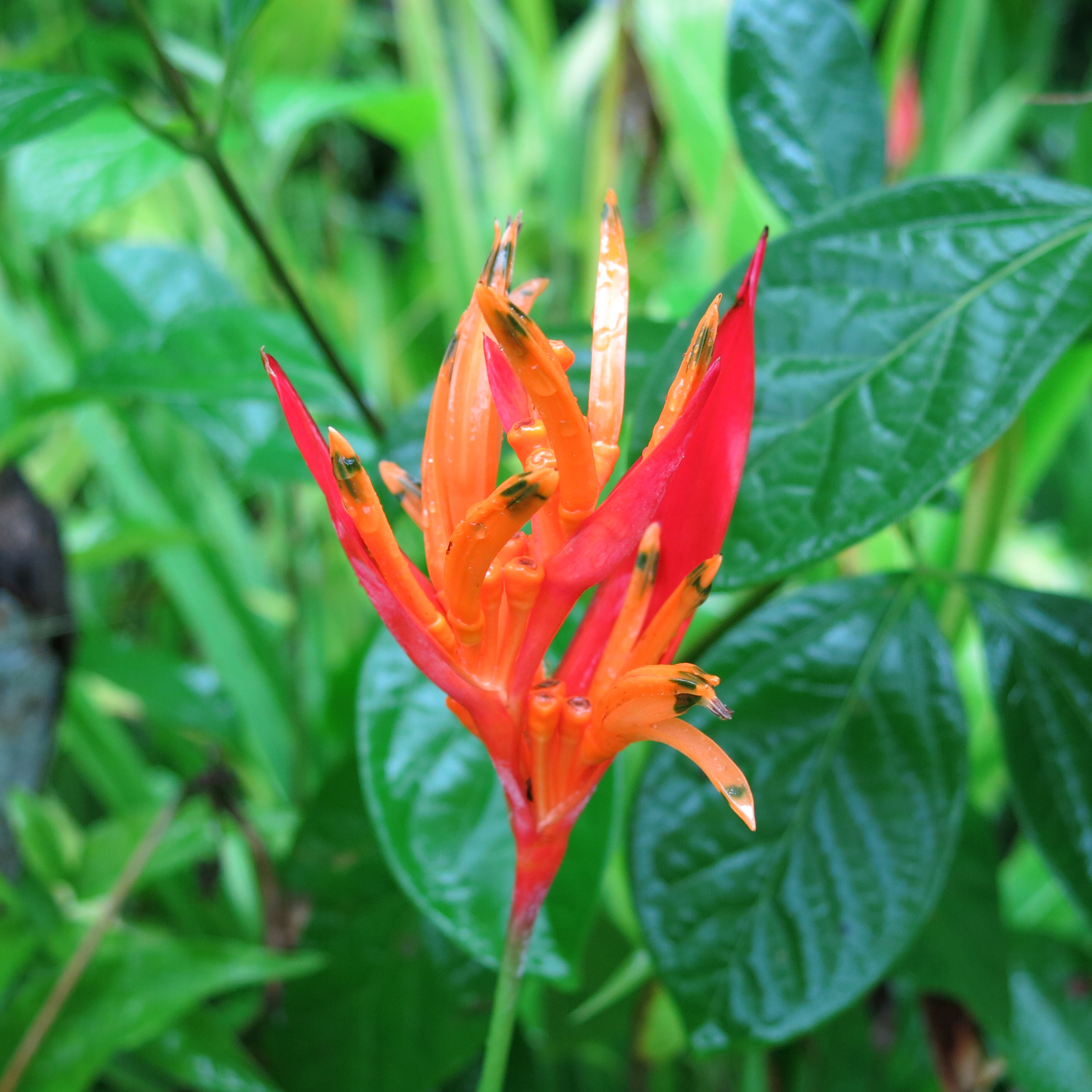
IMG_1424

Fox bats, or "flying foxes"

Fox bats, or “flying foxes”

The blowholes were interesting. There was plenty of wave action, so we were well entertained.

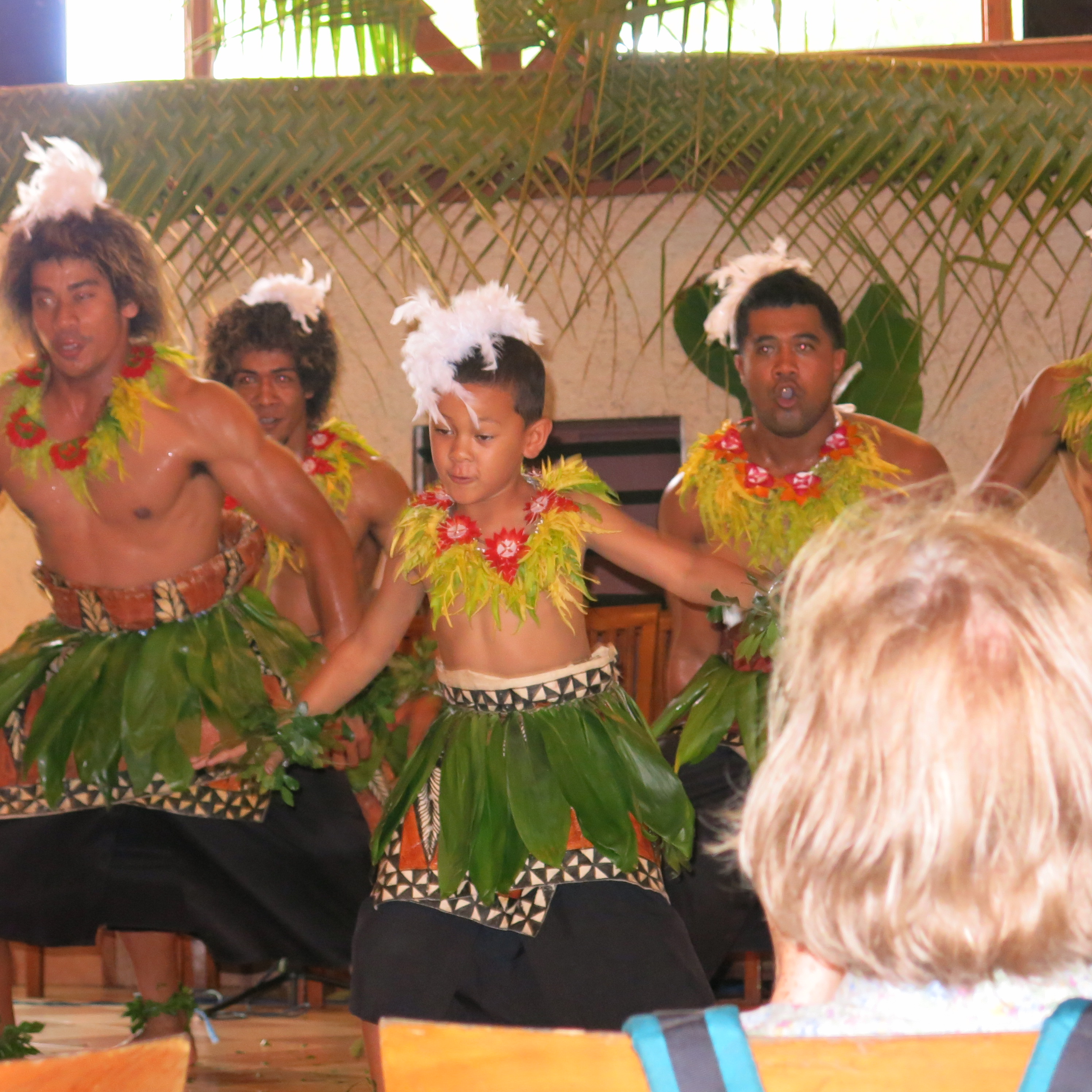
Next stop was at a local resort for a buffet lunch of typical island food. Lunch was followed by a show with music and Tongan dancers.
IMG_1449

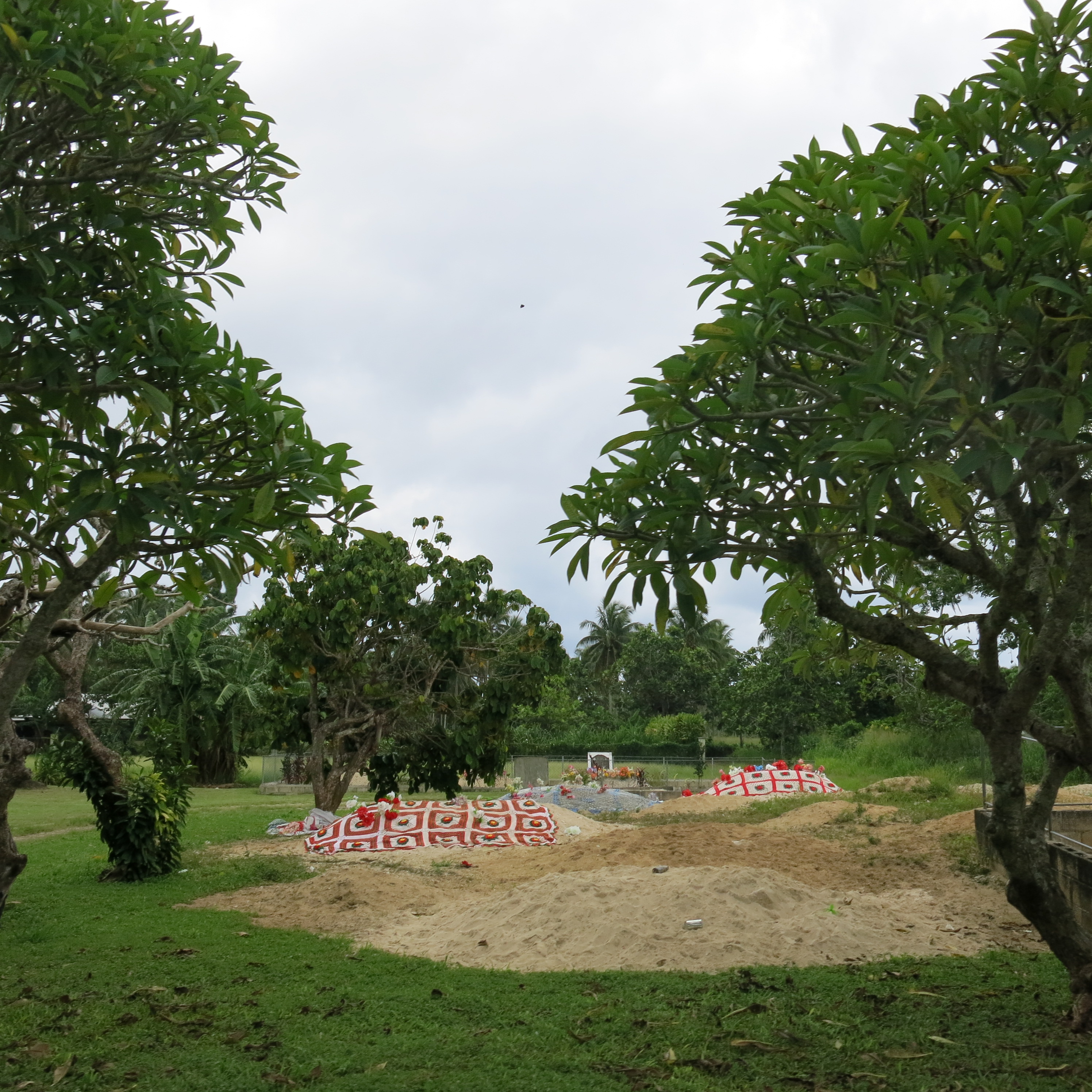
Cemetery

Cemetery

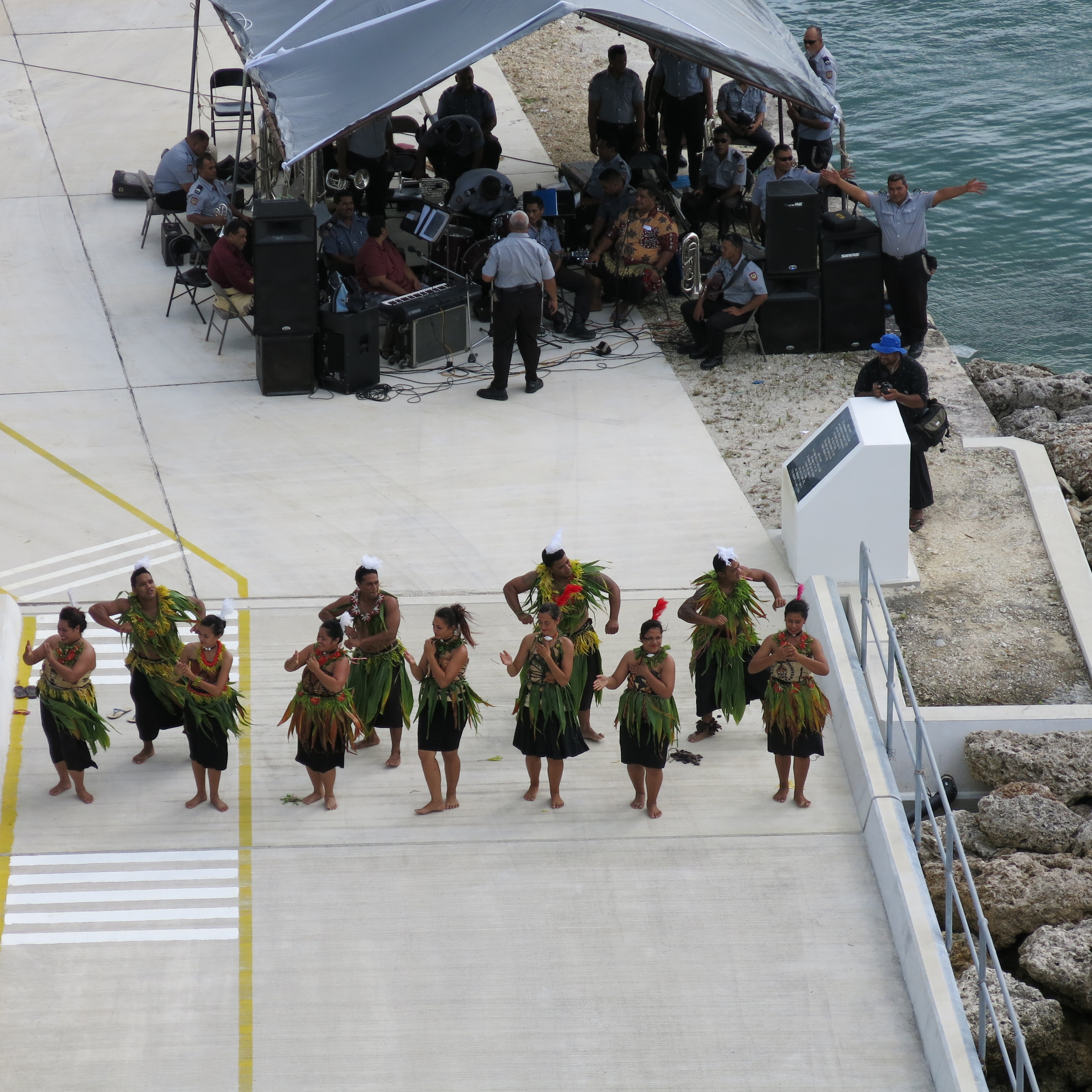
After we returned to the ship, the island’s Police Band serenaded us. They played for about an hour, a wide selection of music. A group of Tongan dancers arrived and, after performing, waved us off as we left port.

A friendly sendoff

A friendly sendoff

Captain James Cook nicknamed Tonga the “Friendly Islands” in the 1700’s, and that reputation still stands today.

After dinner, there was a show called “iLuminate.” The theater is completely dark, and the dancers are dressed entirely in black, with electro-luminescent rope designs. These ropes were lighted with LEDs, and controlled by radio signal. The lights were choreographed to the music, turning on and off by section on each costume, and individually. It looked, at times, as if the dancers were floating in air. Sometimes you’d see a disembodied head, arms or legs. The dancers remained on stage for the entire performance, but unless you looked hard, they were invisible until their costumes were lit.

Posted in South Pacific Travel | Tagged , | Leave a comment